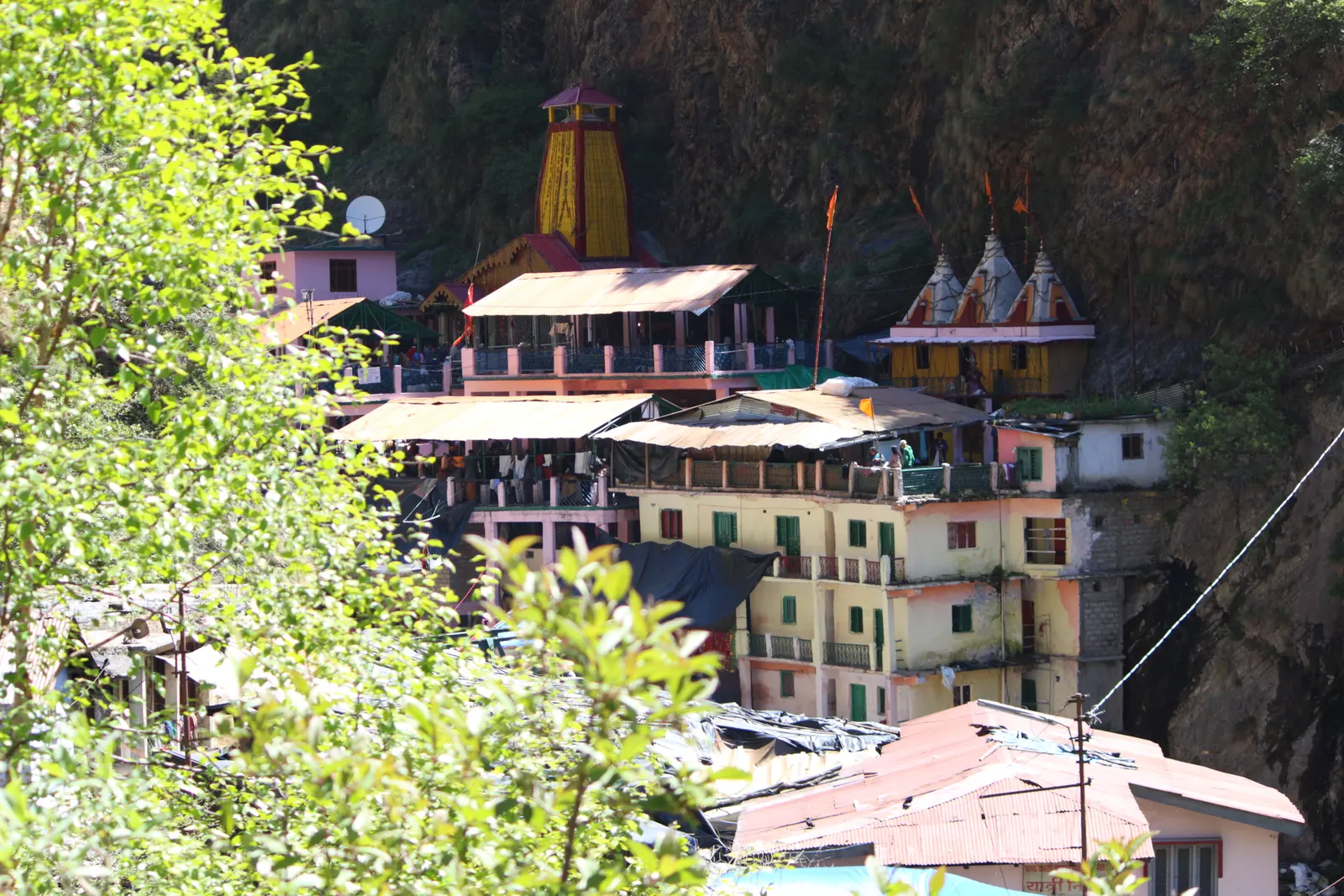
Source of the Yamuna
Yamunotri is one of the four Char Dham pilgrimage sites of Uttarakhand, dedicated to the goddess Yamuna and built at the traditional source of the Yamuna river, at roughly 3,293 metres in Uttarkashi district. It's conventionally visited first in the Char Dham circuit — Yamunotri, Gangotri, Kedarnath, then Badrinath — moving broadly west to east across the Garhwal Himalaya.
Unlike Kedarnath's longer trek or Gangotri's roadside temple, Yamunotri sits at the end of a relatively short — if steep — 5-6 km path from Janki Chatti, walkable by most fit travellers in a few hours, or covered by pony and palanquin for those who prefer not to walk. The temple itself is modest, but the setting — glacial peaks, dense pine and deodar forest, and the roaring Yamuna gorge alongside the path — gives the trek its character.
Beside the temple, a natural hot spring called Surya Kund hosts one of the more distinctive rituals of any Char Dham site: pilgrims cook rice and potatoes in the geothermally heated water and offer the result as prasad.
🛕 Yamunotri at a Glance
Planning a pilgrimage? See our guide to the Char Dham Yatra.
Best Time to Visit Yamunotri
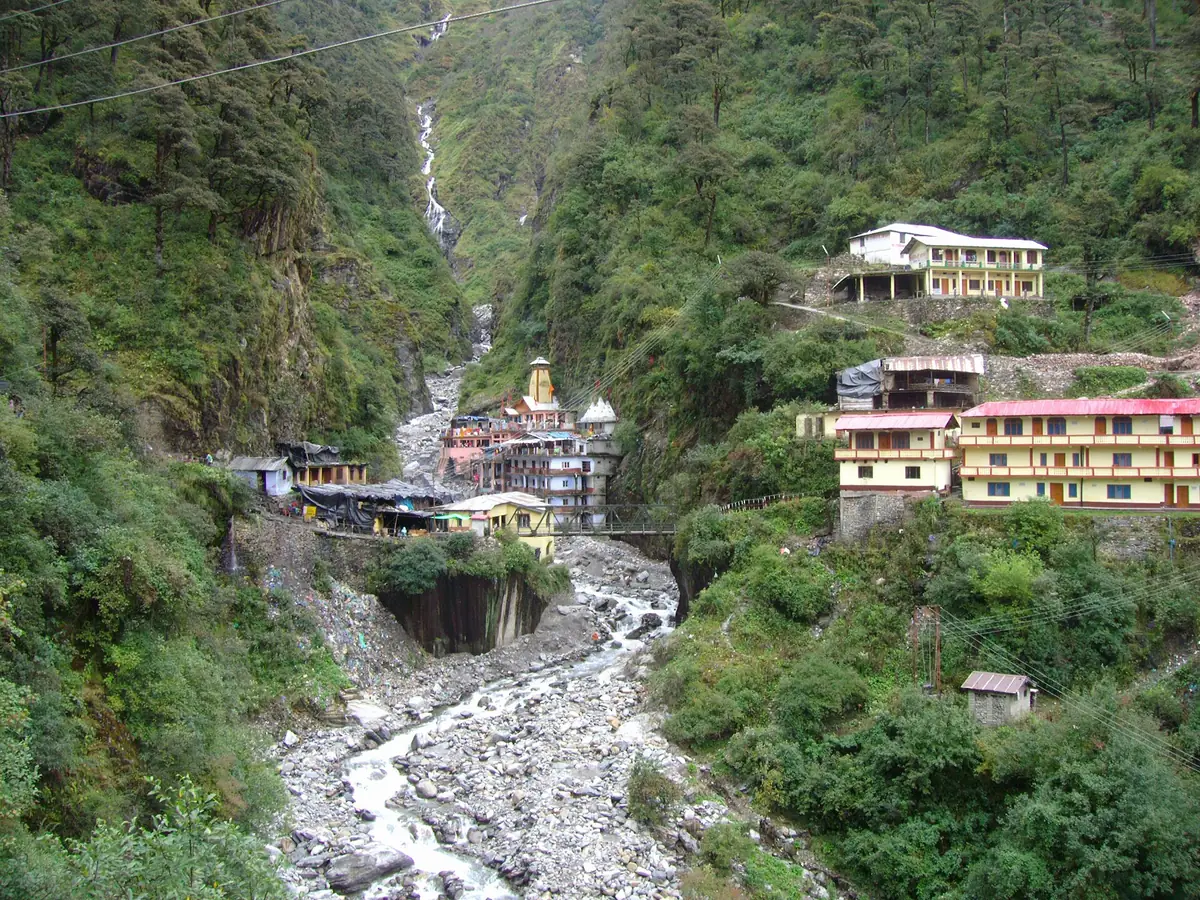
The temple itself is only open roughly six to seven months a year, which narrows the practical window considerably.
Pleasant daytime temperatures, clear trekking conditions, and the temple freshly reopened. The busiest window of the Char Dham season, so expect crowds around Akshaya Tritiya.
Heavy rain brings a real landslide risk on the Barkot-Janki Chatti road and the trek path itself; many pilgrims postpone travel during peak monsoon.
Post-monsoon skies clear up, trails dry out, and crowds thin compared to the May-June rush — a strong second choice.
Heavy snow closes the temple and makes the higher trail impassable; the idol is ceremonially moved down to Kharsali village for winter.
Our pick: Late May to June, or September to October — both offer stable weather and a safer trek, while avoiding the monsoon's landslide risk on the approach road.
How to Reach Yamunotri
- By air: Jolly Grant Airport in Dehradun is the nearest airport, roughly 210 km from Janki Chatti — about 7-8 hours by road.
- By rail: Haridwar and Rishikesh are the nearest railheads, both a similar distance and drive time as Dehradun.
- By road: Drive via Dehradun/Mussoorie and Barkot to Janki Chatti, the roadhead where the motorable road ends. From there, it's a 5-6 km trek, pony ride, or palanquin (doli) journey to the temple.
- Barkot as a base: Most pilgrims overnight in Barkot the night before the trek, since Janki Chatti itself has limited accommodation compared to Barkot.
The Trek & Key Sites
The Janki Chatti Trek
The pilgrim path from Janki Chatti to the Yamunotri temple covers roughly 5-6 km one way, paved for most of its length and gaining a few hundred metres in elevation. It follows the Yamuna's gorge for much of the way, through pine and deodar forest, with tea stalls at intervals. Pony and palanquin (doli) services are available at Janki Chatti for those unable to walk the full distance.
Surya Kund Hot Spring
Right beside the temple, this natural hot spring is where Yamunotri's most distinctive ritual takes place — pilgrims tie rice and potatoes in a cloth pouch, dip it into the geothermally heated water, and retrieve cooked food a few minutes later to offer as prasad. It's one of very few pilgrimage sites in India with this particular custom.
Divya Shila
A naturally standing rock pillar near the temple, worshipped by pilgrims before entering the main shrine. It's considered an important stop on the short walk around the temple complex.
Kharsali Village
A small village near Janki Chatti where the Yamuna deity's idol is moved for the winter months when the main temple closes — worth a short visit for its own older temple and quieter Garhwali village atmosphere.
Where to Stay Near Yamunotri
Barkot has the widest range of accommodation and is the most common overnight base; Janki Chatti has more basic options closer to the trek start for those wanting an earlier start the next morning.
- → GMVN guesthouses in Barkot
- → Basic lodges at Janki Chatti
- → Dharamshalas near the trailhead
- → Mid-size hotels in Barkot town
- → Riverside guesthouses along the Yamuna
- → Char Dham tour-operator stays
- → Better resort-style properties in Barkot
- → Premium riverside cottages
- → Full-service Char Dham packages
Suggested Visit Plan (2 Days)
Dehradun to Barkot
- ✓Drive from Dehradun/Rishikesh to Barkot
- ✓Check in, rest and acclimatise
- ✓Early dinner ahead of a pre-dawn start
Janki Chatti Trek & Temple
- ✓Early drive from Barkot to Janki Chatti
- ✓Trek (or pony/palanquin) to Yamunotri temple
- ✓Darshan, Surya Kund ritual, return trek
- ✓Drive back to Barkot or onward toward Gangotri
* Most pilgrims continue on to Gangotri next, following the traditional Char Dham order.
Where to Eat
- Dhabas in Barkot: Simple North Indian thalis, dal-rice, and Garhwali staples at pilgrim- friendly prices.
- Tea stalls along the trek: Basic snacks, tea, Maggi noodles, and bottled water at intervals along the Janki Chatti-Yamunotri path.
- Langar/community kitchens: Free or donation-based simple meals are sometimes available near the temple during peak pilgrimage season.
Budget Breakdown
| Expense | Budget | Mid-Range | Luxury |
|---|---|---|---|
| Accommodation/night | ₹1,200 | ₹3,500 | ₹8,000 |
| Pony (one way) | ₹1,200 | ₹1,200 | ₹1,200 |
| Palanquin (one way) | ₹3,000 | ₹3,000 | ₹3,000 |
| Food/day | ₹500 | ₹1,200 | ₹2,500 |
| Local transport/day | ₹600 | ₹1,500 | ₹3,000 |
* Figures are per person, per day (pony/palanquin figures are one-way, per trip). Palanquin services are more expensive for larger or heavier passengers.
Essential Tips for Visiting Yamunotri
- Complete Char Dham biometric registration first: It's mandatory and checked at checkpoints en route — register online before you travel to save time.
- Start the trek early: Weather can change quickly by afternoon; an early morning start gives the clearest conditions and avoids the busiest crowds.
- Pack layered clothing: Janki Chatti and the temple sit well above 2,500m — mornings and evenings are cold even in the May-June season.
- Carry cash: ATMs are scarce beyond Barkot — withdraw what you need before heading to Janki Chatti.
- Wear sturdy trekking shoes: The paved path can still be steep, uneven, and slippery in wet weather.
✅ Do
- →Register for Char Dham biometrics in advance
- →Start the trek early morning
- →Carry layered warm clothing
- →Carry cash before leaving Barkot
- →Wear proper trekking shoes
- →Try the Surya Kund cooked-prasad ritual
❌ Don't
- →Travel during peak monsoon (Jul-Aug)
- →Skip registration and expect a smooth checkpoint
- →Start the trek late afternoon
- →Rely on ATMs beyond Barkot
- →Bathe directly in the hot Surya Kund water
- →Underestimate the cold at altitude
Frequently Asked Questions
Why is Yamunotri visited first in the Char Dham Yatra?
Tradition orders the Char Dham circuit as Yamunotri, Gangotri, Kedarnath, and Badrinath, moving roughly west to east across Garhwal. Yamunotri's temple, honouring the source of the Yamuna river, is treated as the natural starting point before pilgrims move on to Gangotri (source of the Ganga) and then to the Kedarnath and Badrinath shrines further east.
How difficult is the trek to Yamunotri temple?
The trek from Janki Chatti to the temple is roughly 5-6 km one way on a well-maintained paved pilgrim path, gaining a few hundred metres of elevation. It's manageable for most reasonably fit travellers in 3-4 hours, and pony, palanquin (doli), and porter services are widely available at Janki Chatti for those who prefer not to walk the full distance.
What is Surya Kund and what happens there?
Surya Kund is a natural hot spring right beside the Yamunotri temple. In a ritual distinctive to Yamunotri, pilgrims tie raw rice and potatoes in a cloth pouch and dip it into the spring — the geothermal heat cooks them, and the cooked food is then offered as prasad and taken back home.
When does the Yamunotri temple open each year?
The temple typically opens around Akshaya Tritiya in late April or early May and closes around Diwali in October or November, following the traditional Hindu calendar. Exact dates are announced annually and shift by a few days year to year, so check the current year's schedule before travelling.
How do I reach Janki Chatti, the trek starting point?
Janki Chatti is reached by road via Dehradun, Mussoorie or Barkot — Barkot is the last major town before the final stretch, roughly 40 km before Janki Chatti. Shared taxis and buses run this route from Dehradun and Rishikesh, especially during the Char Dham season.
Can I visit Yamunotri without doing the full Char Dham circuit?
Yes. Many travellers visit Yamunotri as a standalone trip, particularly if time or fitness limits a full Char Dham circuit. It's the most geographically separate of the four dhams from the others, so pairing it with just one more site (commonly Gangotri) rather than all four is a common, practical alternative.
Published by the Kudozz Club editorial team · Last updated · How we research our guides
Want us to plan this trip for you?
Tell Kudozz Club where you want to go and what kind of trip you’re looking for. We’ll build a Yamunotri and Uttarakhand itinerary around your dates and budget.
Continue Exploring
View all guides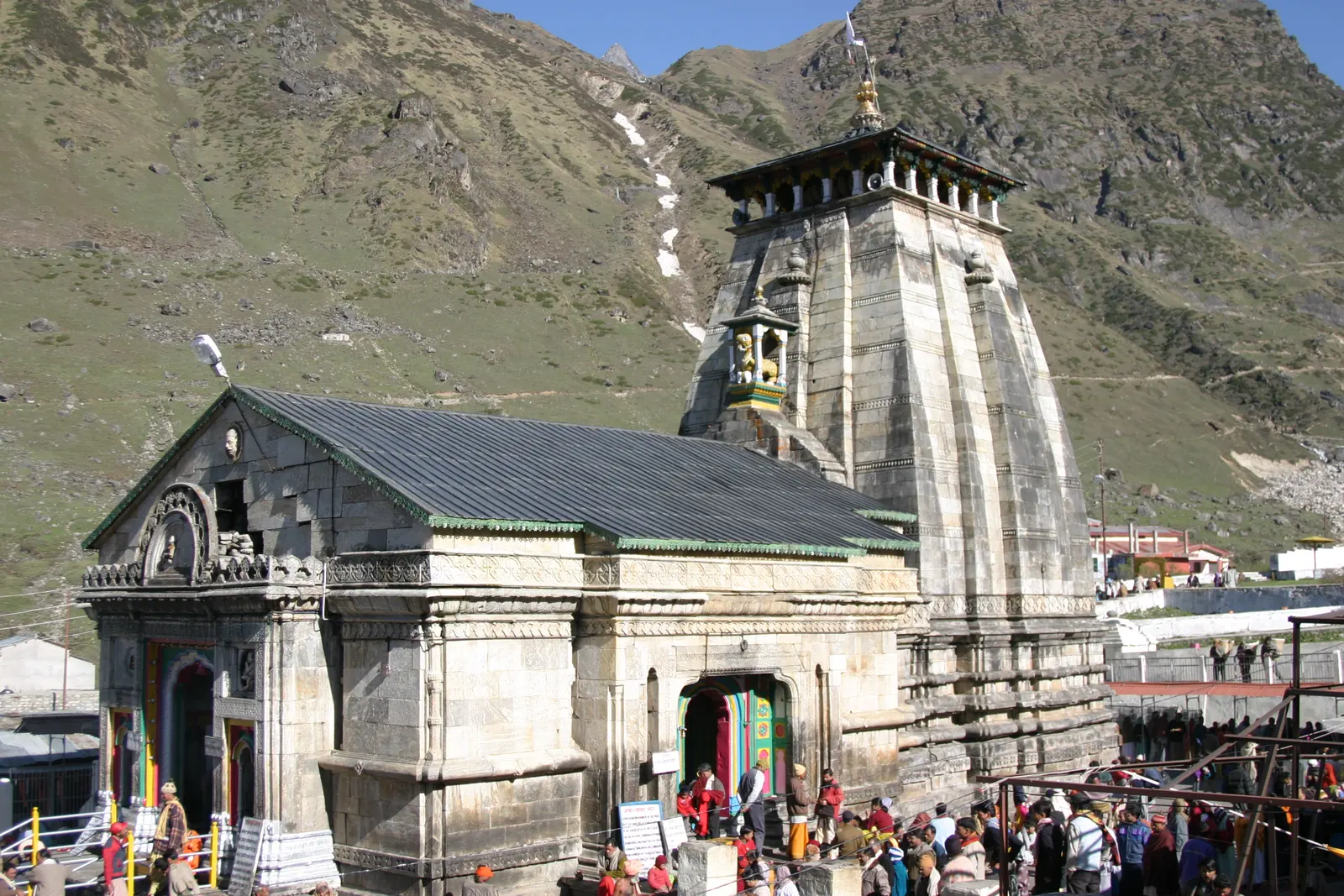 Heritage
Kedarnath Travel Guide: Trek, Yatra & Helicopter Tips
Complete Kedarnath guide — the Gaurikund/Sonprayag trek route, helicopter shuttle booking, temple opening dates, Bhairav Temple, Vasuki Tal, where to stay, and a full yatra plan.
 Heritage
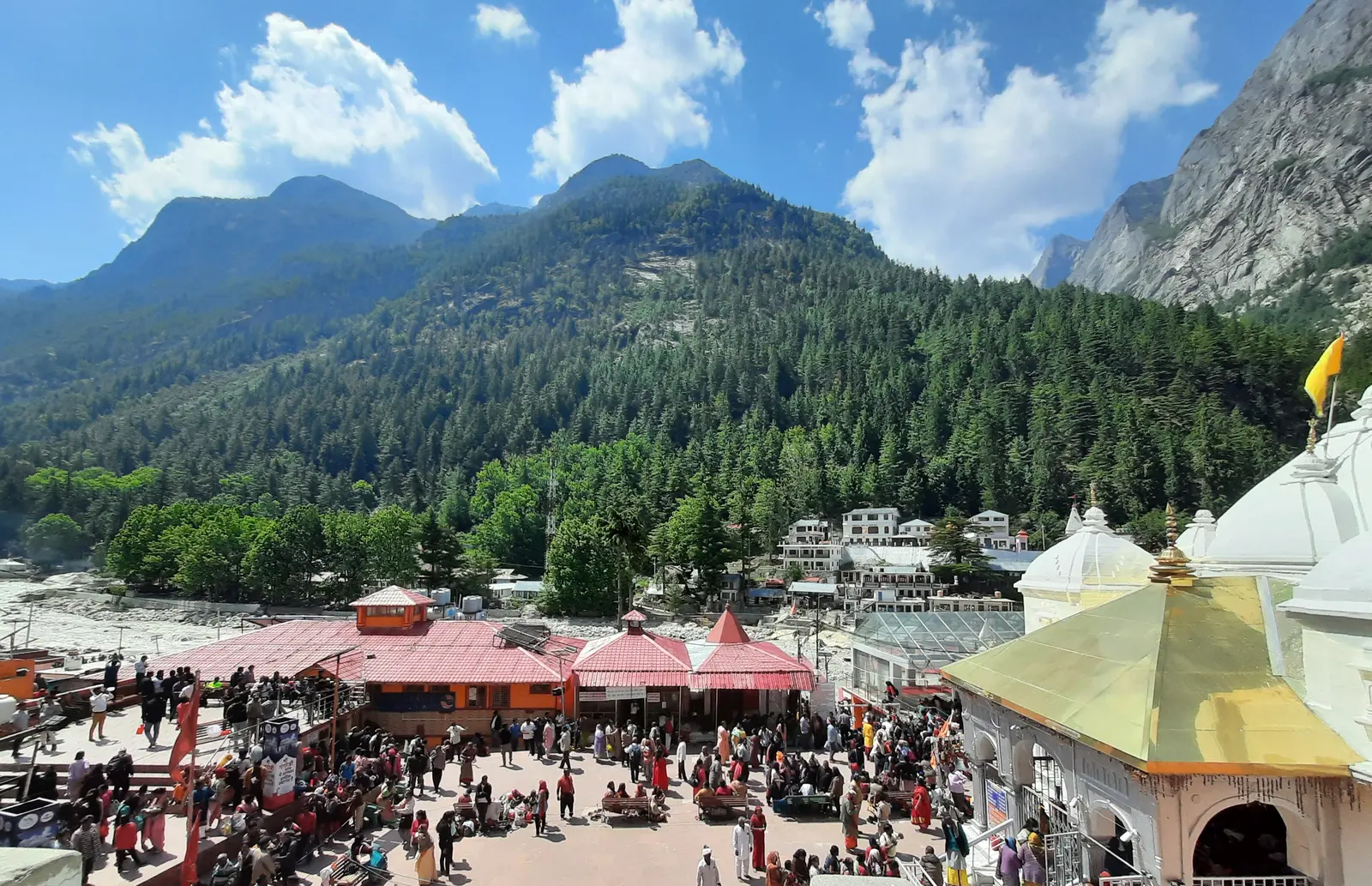
Gangotri Travel Guide: Temple, Gaumukh Trek & Tips
Complete Gangotri guide — the temple marking Ganga's descent, the Gaumukh glacier trek, Tapovan meadow, permits, how to reach via Uttarkashi, where to stay, and a full visit plan.
 Heritage
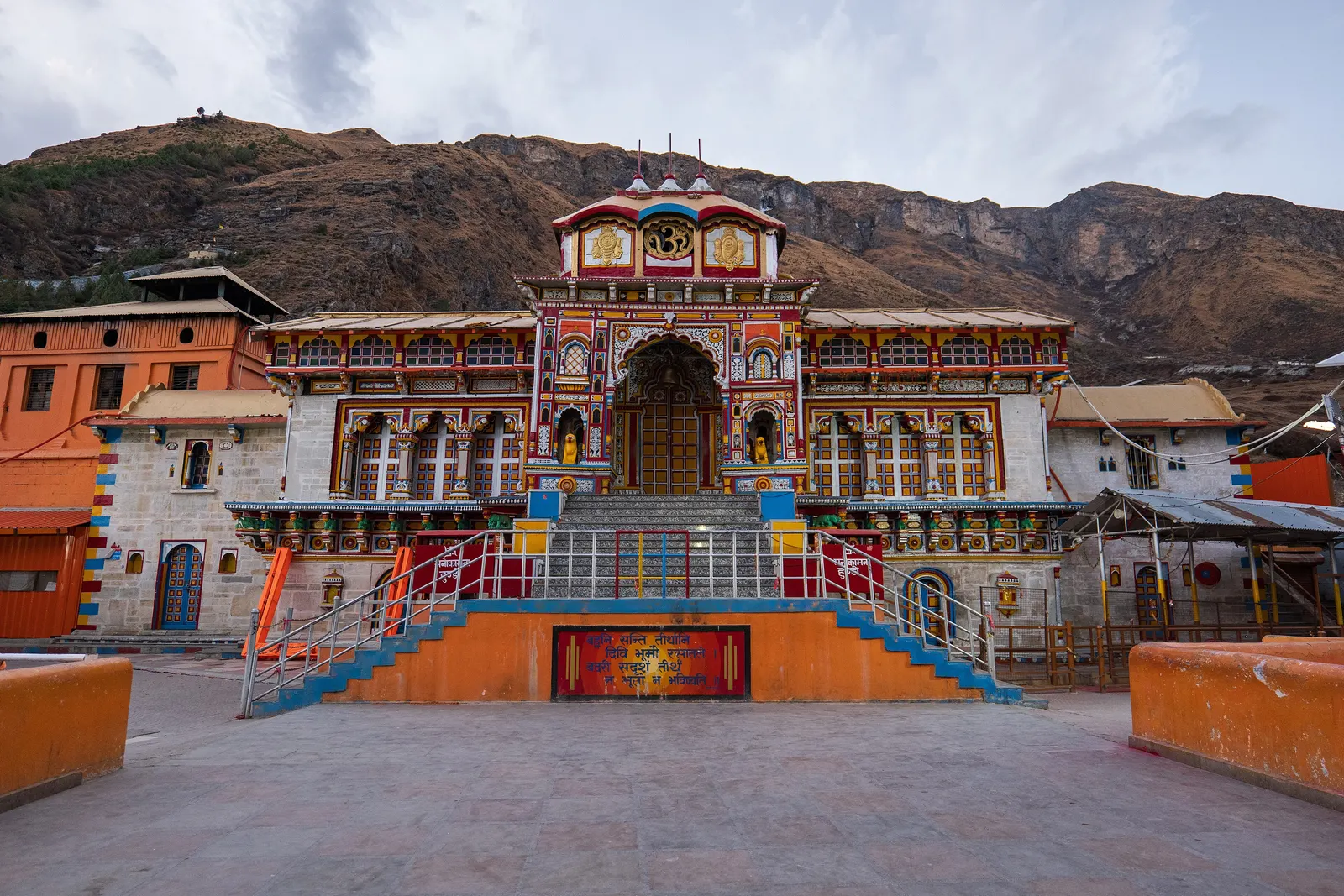
Badrinath Travel Guide: Temple, Timings & How to Reach
Complete Badrinath guide — temple opening dates, Tapt Kund, Mana village, Vasudhara Falls, how to reach via Joshimath, where to stay, and a full Char Dham visit plan.
 Heritage
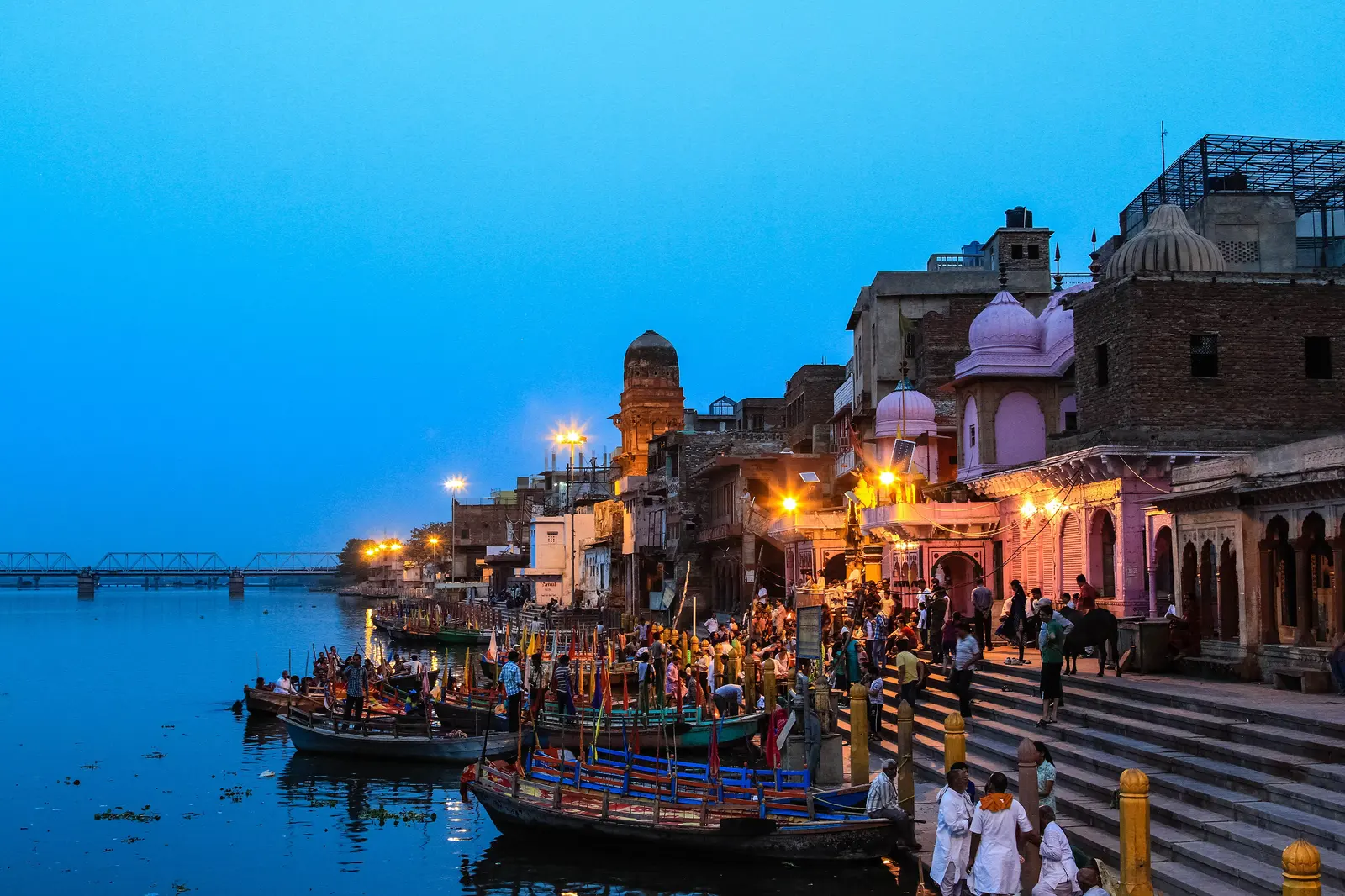
Mathura Travel Guide: Krishna Janmabhoomi & Temples
Complete Mathura guide to Krishna Janmabhoomi Temple, Vishram Ghat's evening aarti, Dwarkadhish Temple, and the gateway to the wider Braj region.