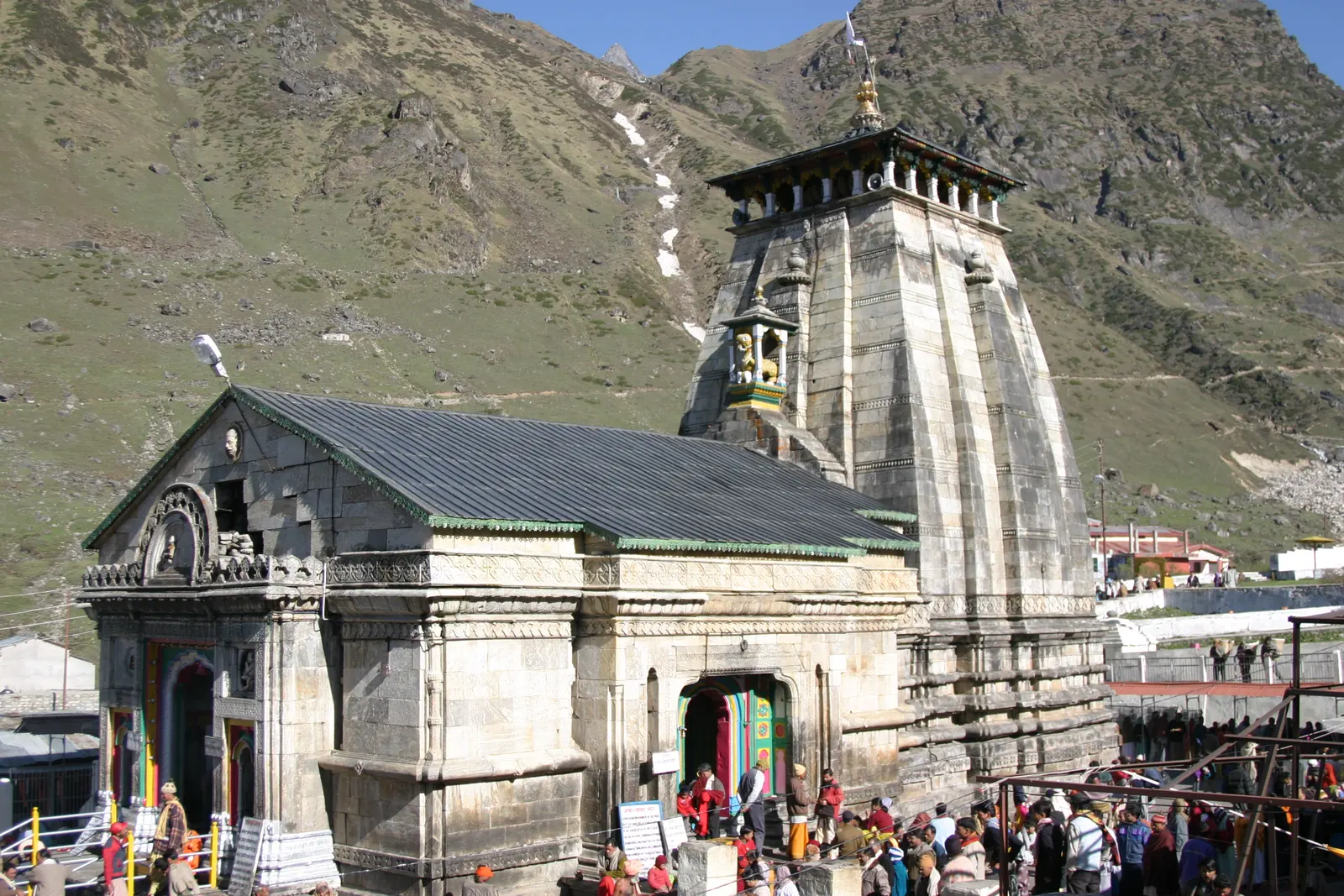
A Jyotirlinga at 3,583 Metres
Kedarnath is one of the four Char Dham sites in Uttarakhand and one of the twelve Jyotirlingas — the holiest shrines of Lord Shiva across India. The ancient stone temple sits at roughly 3,583 metres, cradled by a natural amphitheatre of snow peaks at the head of the Mandakini valley, and is reached today either on foot or by helicopter — there is no motorable road to the temple itself.
Kedarnath is inseparable from the memory of the June 2013 Uttarakhand floods, a catastrophic cloudburst-triggered flash flood that devastated the town and claimed thousands of lives. The temple itself survived largely undamaged, an event many pilgrims regard as significant, and the town around it has since been substantially rebuilt with wider paths, better drainage, and a more resilient pilgrim infrastructure.
The classic route begins at Gaurikund (vehicles today generally stop just before, at Sonprayag) and climbs roughly 16-18km to the temple — a demanding but achievable trek for most reasonably fit travellers, with pony, palanquin, and helicopter alternatives for those who need them.
🛕 Kedarnath at a Glance
Planning a pilgrimage? See our guide to the Kedarnath and Badrinath Yatra.
Best Time to Visit Kedarnath
Weather on the trek route and around the temple shifts fast at this altitude, so timing matters more here than at most Char Dham sites.
Pleasant daytime trekking weather, blooming alpine meadows along the route, and stable trail conditions just after the temple reopens.
The riskiest months given the region's flood history — landslides, slippery trail sections, and helicopter cancellations are all common.
Post-monsoon clarity brings some of the best mountain views of the year, with a cooler but very manageable trek.
The temple closes around Bhai Dooj in mid-November; visiting in early November means very cold conditions and a shrinking window.
Our pick: Late May to June, or September to mid-October — both avoid the monsoon's landslide risk while offering the trek's best trail and weather conditions.
How to Reach Kedarnath
Kedarnath has no airport or railway station, and no road reaches the temple — every pilgrim arrives on foot or by helicopter from Sonprayag/Gaurikund.
- By air: The nearest airport is Jolly Grant in Dehradun — figure a full day's drive from there to Sonprayag.
- By train: The nearest railheads are Rishikesh and Haridwar, roughly 220-240km from Sonprayag. Rishikesh and Haridwar are the standard starting points for taxis and buses heading up the valley.
- By road: A 9-10 hour drive from Rishikesh/Haridwar via Rudraprayag and Guptkashi brings you to Sonprayag, the current road-end.
- The final stretch: From Sonprayag, a short shared-jeep ride or walk covers the last bit to Gaurikund, the traditional trailhead — from where it's the 16-18km trek, pony, palanquin, or a short helicopter hop to Kedarnath.
The Trek, Temple & Beyond
The Gaurikund–Kedarnath Trek
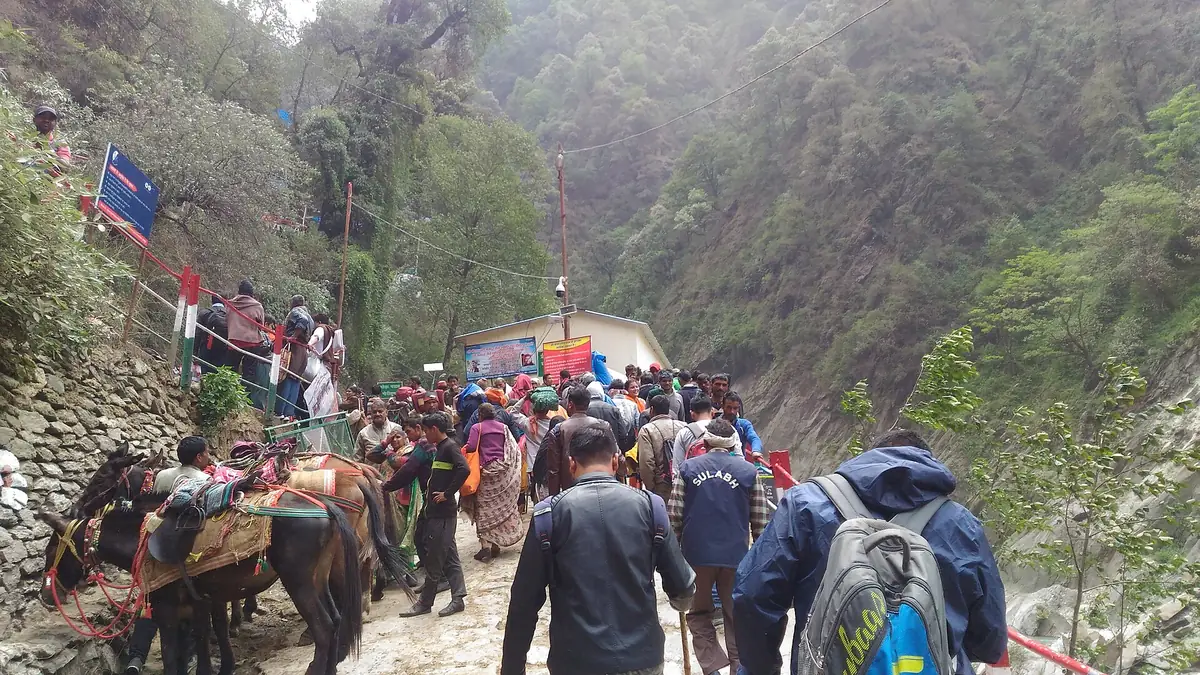
The 16-18km paved trail climbs steadily through pine forest and open valley, gaining around 1,500m. Rest points, tea stalls, and medical aid posts line the route, and pony or palanquin (doli) services are available at Gaurikund for those unable to walk the full distance. Most trekkers take 7-9 hours one way at a comfortable pace.
Kedarnath Temple
The ancient stone shrine, believed to date back over a thousand years in its current form, houses one of the twelve Jyotirlingas. Its survival through the 2013 floods — largely attributed to a large boulder that diverted the debris flow around the structure — has added deep significance to darshan here for many pilgrims.
Bhairav Temple
A short, steep climb above the main temple leads to the Bhairav Temple, dedicated to Bhairav — Shiva's fierce guardian form, traditionally worshipped after the portals close for winter. It also offers one of the best panoramic views over the Kedarnath basin.
Vasuki Tal (Extension Trek)
For those with an extra day, a further ~6km trek from Kedarnath climbs to Vasuki Tal, a pristine high-altitude glacial lake at over 4,100m with views toward the Chaukhamba massif. This is a serious high-altitude add-on best attempted only after a night's acclimatisation at Kedarnath.
Where to Stay in Kedarnath
Kedarnath's rebuilt town has considerably more accommodation than before 2013, though it remains basic and pilgrimage-focused. Sonprayag and Guptkashi lower down offer more comfortable options if you'd rather not stay at altitude overnight.
- → Ashram-run dormitories near the temple
- → GMVN budget rooms
- → Shared tent accommodation
- → Private guesthouses in the rebuilt town
- → Better tented camps
- → Guptkashi/Sonprayag hotels lower down
- → Better-appointed rooms in Kedarnath town
- → Guptkashi's higher-end hotels
- → Heated tented camps in peak season
Suggested Visit Plan (2-3 Days)
Rishikesh/Haridwar to Sonprayag
- ✓Early start from Rishikesh or Haridwar
- ✓Drive via Rudraprayag and Guptkashi
- ✓Overnight at Sonprayag or Guptkashi
Trek (or Fly) to Kedarnath
- ✓Start the Gaurikund trek early morning, or take a helicopter
- ✓Reach Kedarnath by afternoon, check in
- ✓Evening aarti and darshan queue for the next morning
Darshan, Bhairav Temple & Descent
- ✓Early morning darshan at the main temple
- ✓Short climb to Bhairav Temple
- ✓Trek or fly back down to Sonprayag
* Add a 4th day for the Vasuki Tal extension trek, or continue on to Badrinath or the Chopta-Tungnath-Chandrashila region nearby for more Himalayan trekking.
Where to Eat in Kedarnath
- Trailside tea stalls and dhabas: Basic hot food — maggi, parathas, chai — dotted along the Gaurikund-Kedarnath trail for trekkers.
- Temple langar: Simple vegetarian meals, often available at low cost near the temple complex.
- Guptkashi/Sonprayag restaurants: A wider spread of North Indian vegetarian food if you're based lower down before or after the trek.
As with the other Char Dham towns, Kedarnath keeps a strictly vegetarian food culture — don't expect meat or alcohol anywhere along the route or in the town itself.
Budget Breakdown
| Expense | Budget | Mid-Range | Comfort |
|---|---|---|---|
| Accommodation/night | ₹900 | ₹3,000 | ₹6,500 |
| Food/day | ₹400 | ₹900 | ₹1,800 |
| Taxi (Haridwar-Sonprayag, round trip) | ₹8,000 | ₹12,000 | ₹18,000 |
| Pony/palanquin (one way) | ₹3,500 | ₹5,500 | ₹8,000 |
| Helicopter (round trip) | — | ₹8,500 | ₹9,500 |
* Figures are per person, per day, except taxi, pony, and helicopter fares, which are estimated round-trip/one-way figures. Helicopter prices vary considerably by operator and season.
Essential Tips for Visiting Kedarnath
- Book helicopter seats weeks in advance: Only through the official Uttarakhand tourism portal or clearly authorised operators — availability disappears fast in peak season, and unofficial resellers are a real risk.
- Register for the yatra before you travel: Biometric or online registration is periodically mandated for Char Dham pilgrims — check current requirements ahead of your trip.
- Start the trek early: Beginning by 6-7am avoids the worst afternoon crowding and gives you buffer time before weather typically turns in the afternoon.
- Pack for genuine cold and rain: Even in June, temperatures at Kedarnath can drop sharply at night, and sudden showers are common on the trail.
- Avoid the monsoon months entirely if possible: Given the region's flood history, July-August carries meaningfully higher landslide and flash-flood risk than other months.
✅ Do
- →Book helicopter seats through official channels only
- →Register for the yatra ahead of travel
- →Start the trek early in the morning
- →Carry warm, waterproof layers
- →Consider a pony or palanquin if unsure of fitness
- →Keep a buffer day for weather delays
❌ Don't
- →Book helicopter seats through unofficial resellers
- →Attempt the trek during monsoon months
- →Start the climb late in the afternoon
- →Ignore mild altitude symptoms
- →Push straight to Vasuki Tal without a night's rest
- →Expect meat or alcohol anywhere near the temple
Frequently Asked Questions
How long is the Kedarnath trek and how difficult is it?
The trek from Gaurikund to Kedarnath is roughly 16-18km one way, on a well-paved but steadily climbing path gaining about 1,500m in altitude. It's rated moderate — manageable for a reasonably fit person in a day, though many pilgrims take a night's break at Kedarnath before returning, and pony, palanquin (doli), and porter services are widely available for those who can't walk the full distance.
Can I take a helicopter to Kedarnath instead of trekking?
Yes — multiple licensed operators run helicopter shuttles from helipads at Phata, Guptkashi, and Sersi to Kedarnath, cutting the journey to about 8-10 minutes each way. Seats are limited and sell out fast in peak season, so book well in advance through the official Uttarakhand government booking portal or authorised operators, and always keep a buffer day in your plan since weather frequently delays or cancels flights.
When did Kedarnath rebuild after the 2013 floods?
The June 2013 Uttarakhand floods and flash floods devastated Kedarnath town, though the temple itself survived largely intact — locally attributed to a large boulder that diverted the debris flow around the structure. The town has been substantially rebuilt since, with a redesigned pilgrim town, better trail infrastructure, and stronger flood-mitigation measures, and the yatra has resumed at large scale in the years since.
When does Kedarnath temple open and close?
The temple typically opens in late April or early May, on a date fixed by tradition around Akshaya Tritiya, and closes around late October to mid-November on Bhai Dooj, after which the deity's rituals move to Ukhimath for winter. Exact dates vary slightly each year, so confirm before booking travel.
Where does the Kedarnath trek actually start now?
Vehicles now generally stop at Sonprayag, from where a short shared-jeep ride or a short walk covers the last stretch to Gaurikund, the traditional trailhead. The main 16-18km trek to Kedarnath begins at Gaurikund.
Is altitude sickness a real risk on the Kedarnath trek?
Yes, at 3,583m it's a genuine consideration, especially for those trekking quickly without a night's acclimatisation. Mild symptoms — headache, fatigue, breathlessness — are common; go at a steady pace, stay hydrated, and consult a doctor beforehand if you have any heart, lung, or blood pressure conditions.
Published by the Kudozz Club editorial team · Last updated · How we research our guides
Want us to plan this trip for you?
Tell Kudozz Club where you want to go and what kind of trip you’re looking for. We’ll build a Kedarnath and Uttarakhand itinerary around your dates and budget.
Continue Exploring
View all guides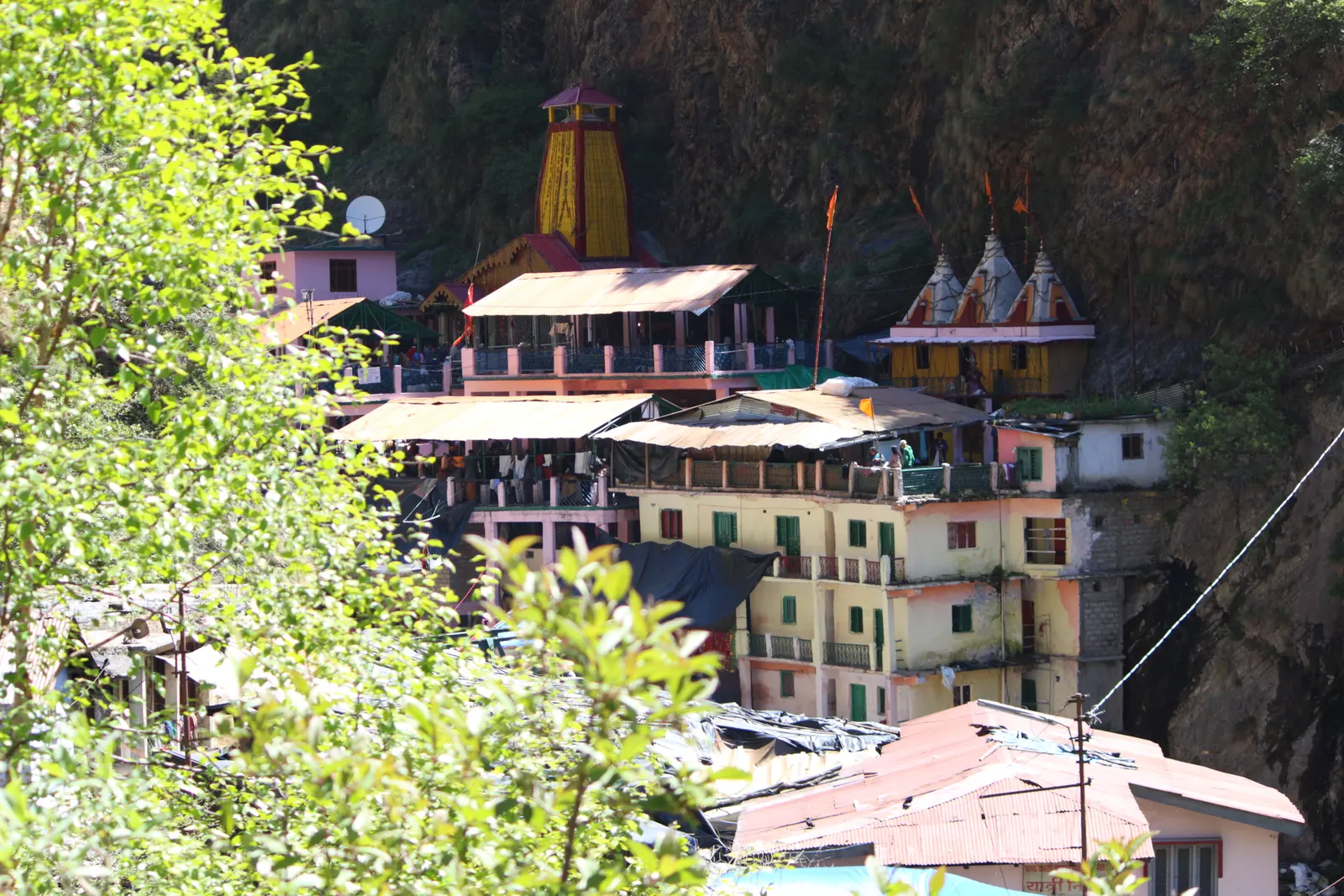 Heritage
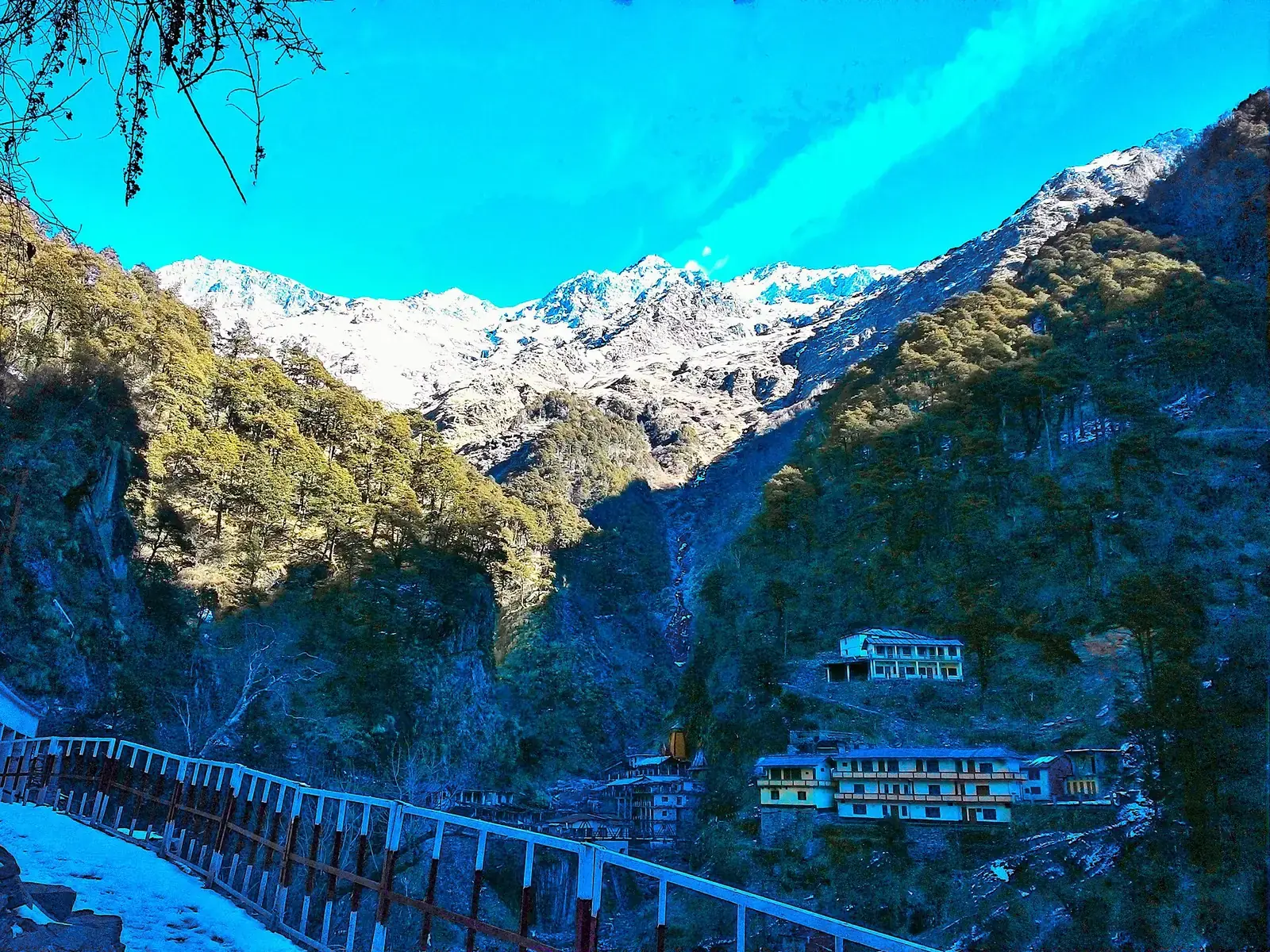
Yamunotri Travel Guide: Trek, Hot Springs & Tips
The traditional first stop of the Char Dham Yatra — a forested trek from Janki Chatti to the Yamuna's source, past the Surya Kund hot-spring prasad ritual.
 Heritage
Gangotri Travel Guide: Temple, Gaumukh Trek & Tips
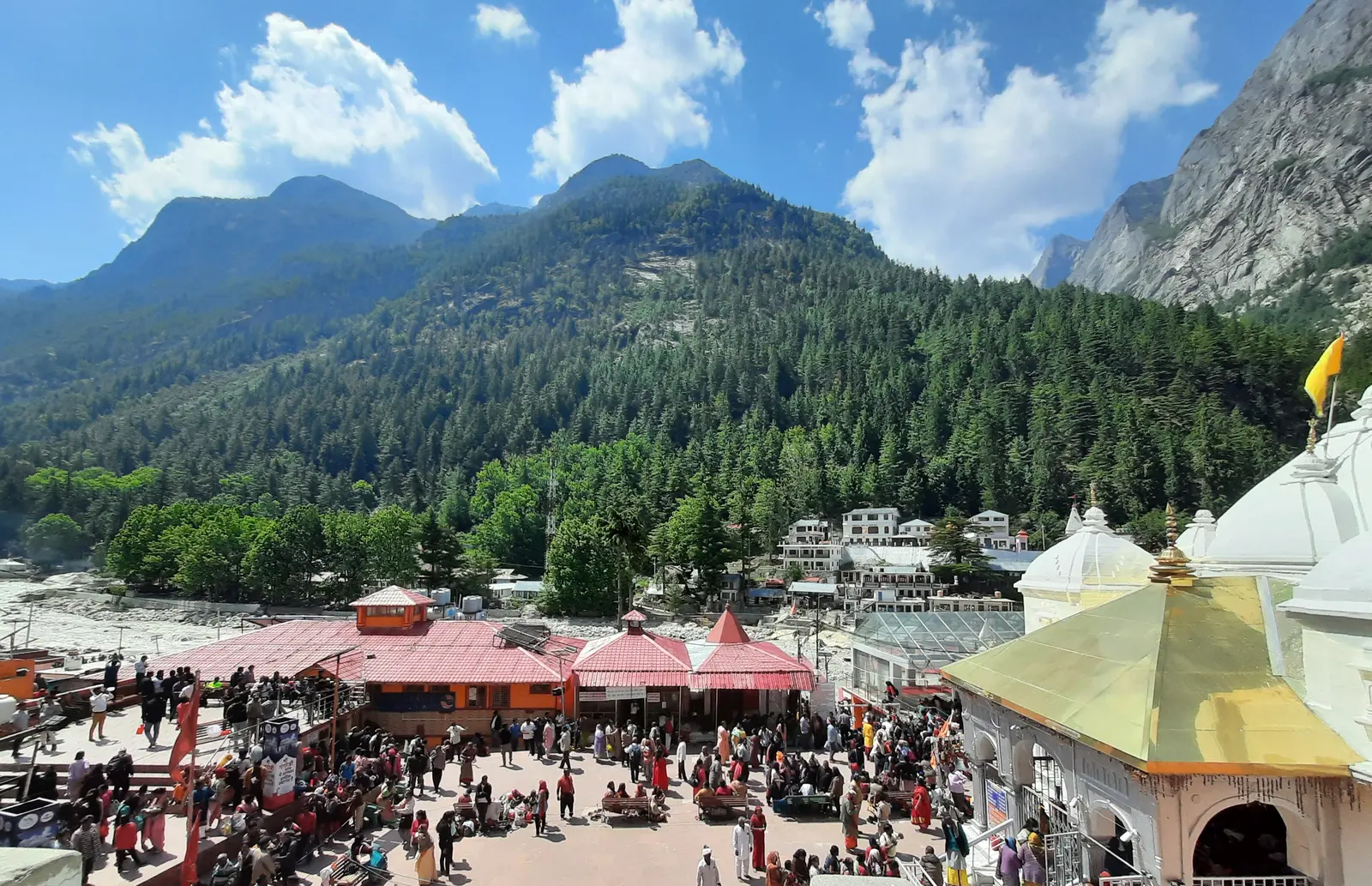
Complete Gangotri guide — the temple marking Ganga's descent, the Gaumukh glacier trek, Tapovan meadow, permits, how to reach via Uttarkashi, where to stay, and a full visit plan.
 Heritage
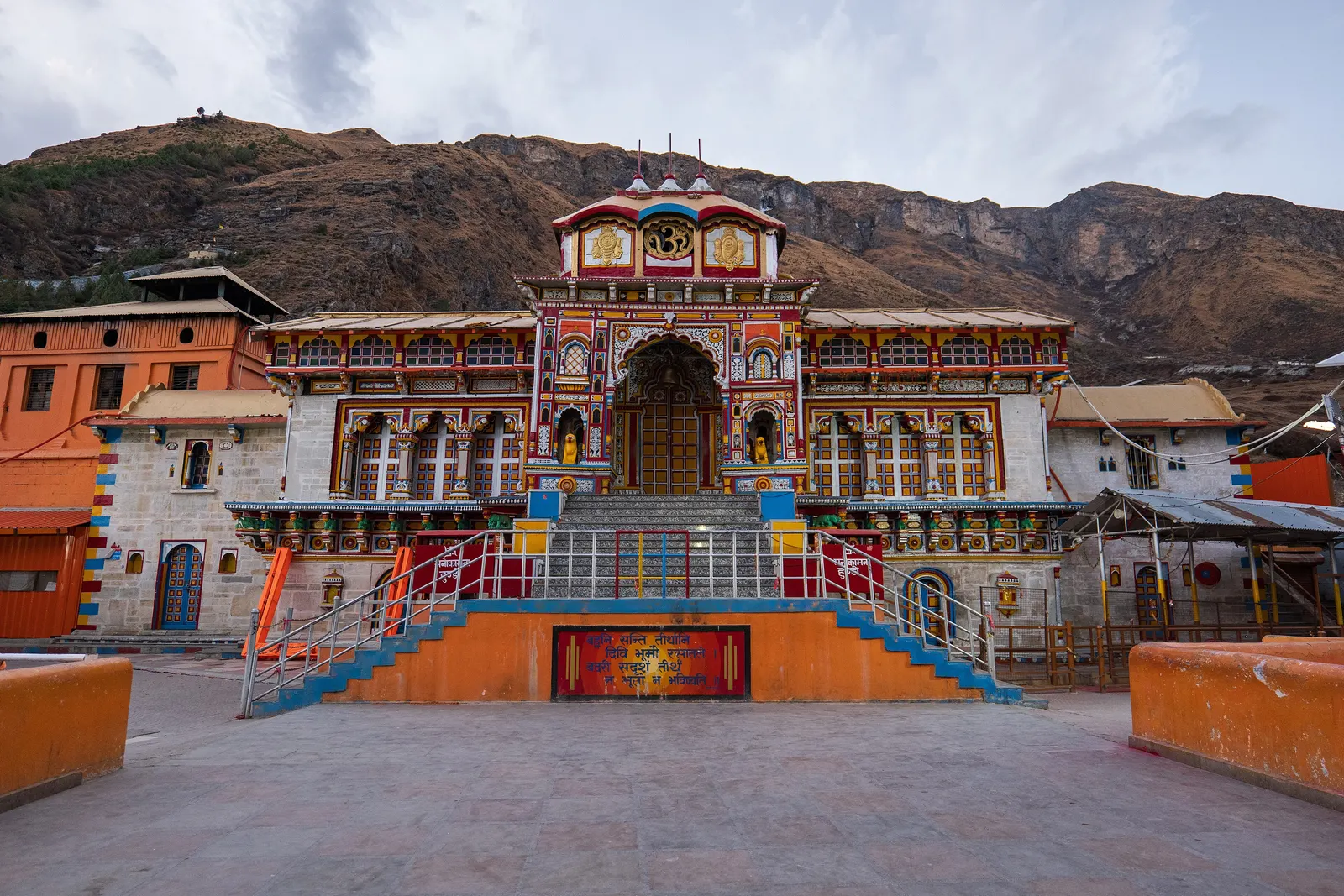
Badrinath Travel Guide: Temple, Timings & How to Reach
Complete Badrinath guide — temple opening dates, Tapt Kund, Mana village, Vasudhara Falls, how to reach via Joshimath, where to stay, and a full Char Dham visit plan.
 Spiritual Tourism
Char Dham Yatra Guide: Route, Registration, Dates and Planning
A planning guide to the Char Dham Yatra of Uttarakhand (the Chota Char Dham): the four shrines and their order, 2026 opening dates and how closing dates are set, mandatory registration, the route from Haridwar or Rishikesh, treks and helicopter options, a 10 to 12 day itinerary, the best months, cost drivers and advice for older pilgrims.