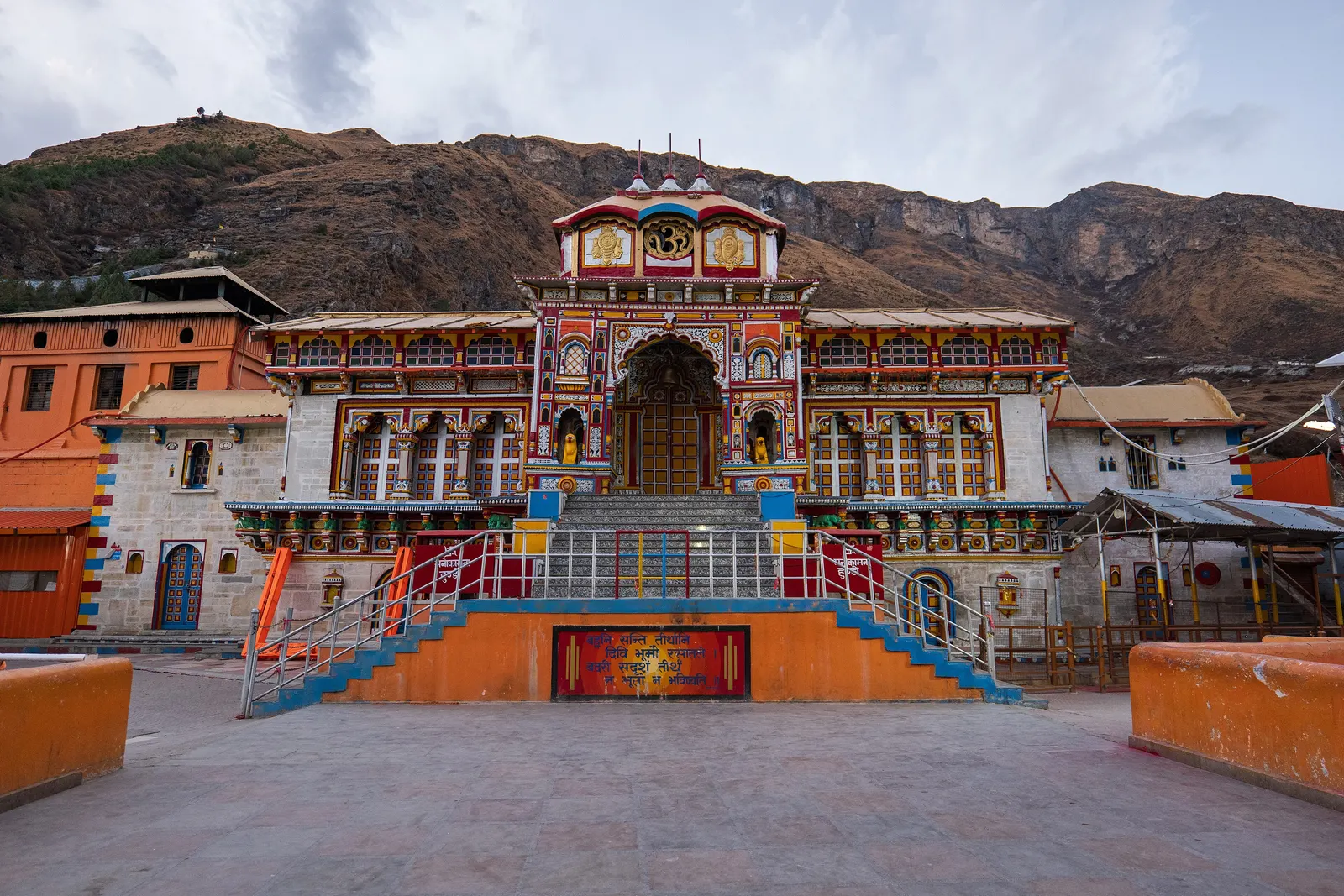
A Seat of Lord Vishnu in the Himalayas
Badrinath is one of the four sites of the Char Dham — the quartet of sacred Himalayan pilgrimages in Uttarakhand — and also one of the 108 Divya Desams, the holiest Vishnu temples revered in Vaishnavite tradition. Set at roughly 3,100 metres on the banks of the Alaknanda river, flanked by the Nar and Narayan mountain ranges with Neelkanth Peak rising behind, it is among the most visited pilgrimage sites in the entire Himalaya.
Unlike Kedarnath or Yamunotri, Badrinath is reachable almost entirely by motorable road — there's no trek required to reach the temple itself, which makes it accessible to a wider range of travellers, including elderly pilgrims. What it does demand is a long mountain drive, typically routed through Rishikesh and Joshimath, and a genuine respect for its high altitude and short operating season.
The temple's portals open for only about six months of the year. For the rest, snow seals off the valley and the deity's rituals are continued at Joshimath, the region's winter seat — a rhythm that has shaped the pilgrimage for centuries.
🛕 Badrinath at a Glance
Want a day-by-day plan? Follow our Kedarnath and Badrinath yatra itinerary.
Planning a pilgrimage? See our guide to the Char Dham Yatra.
Best Time to Visit Badrinath
Badrinath temple is only open for around six months a year, so "best time" here really means choosing the right window within that season rather than the whole calendar.
The portals reopen in late April or early May, but the higher reaches are often still under snow and temperatures can dip below freezing at night. Beautiful but genuinely cold.
Daytime temperatures become far more comfortable, though late July starts to bring monsoon rain that can trigger landslides on the approach roads.
The riskiest month for road travel in this region. Landslides and road closures on the Rishikesh–Joshimath stretch are common; delays should be expected.
Monsoon clears, skies stay largely open, and mountain views are at their sharpest. Crowds are lighter than the June rush and roads are generally more stable.
Our pick: September to mid-October — clear post-monsoon skies, cooler but manageable temperatures, and noticeably fewer crowds than the June rush right after the temple reopens.
How to Reach Badrinath
Badrinath has no airport and no railway station — every route in ends with a long stretch of mountain road via Joshimath.
- By air: The nearest airport is Jolly Grant in Dehradun, roughly 317km away — figure a full day's onward drive from there.
- By train: The nearest railheads are Rishikesh and Haridwar, roughly 295-325km away. Haridwar and Rishikesh are the two most common starting points for the road journey and where most Char Dham taxis and buses originate.
- By road: From Rishikesh/Haridwar, it's a 10-12 hour drive via Devprayag, Rudraprayag, Karnaprayag, and Joshimath — often split into two days with an overnight halt, most commonly at Joshimath itself, which is also the gateway to Auli.
The Temple, Mana & Beyond
Badrinath Temple & Tapt Kund
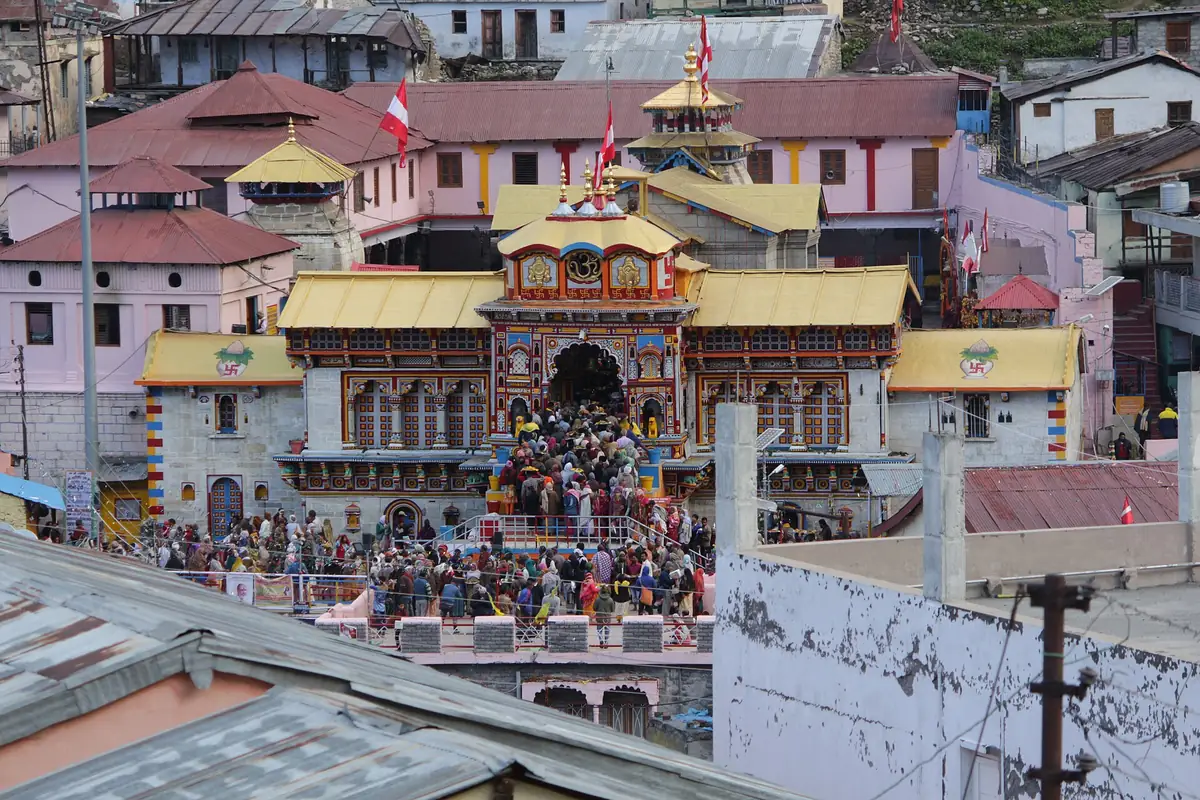
The temple's brightly painted facade, rebuilt several times over the centuries, is one of the most recognisable images of Himalayan pilgrimage. Most visitors bathe first at Tapt Kund, a natural hot sulphur spring on the riverbank right below the temple — a tradition that doubles as a welcome warm-up in the cold mountain air before joining the queue for darshan.
Mana Village
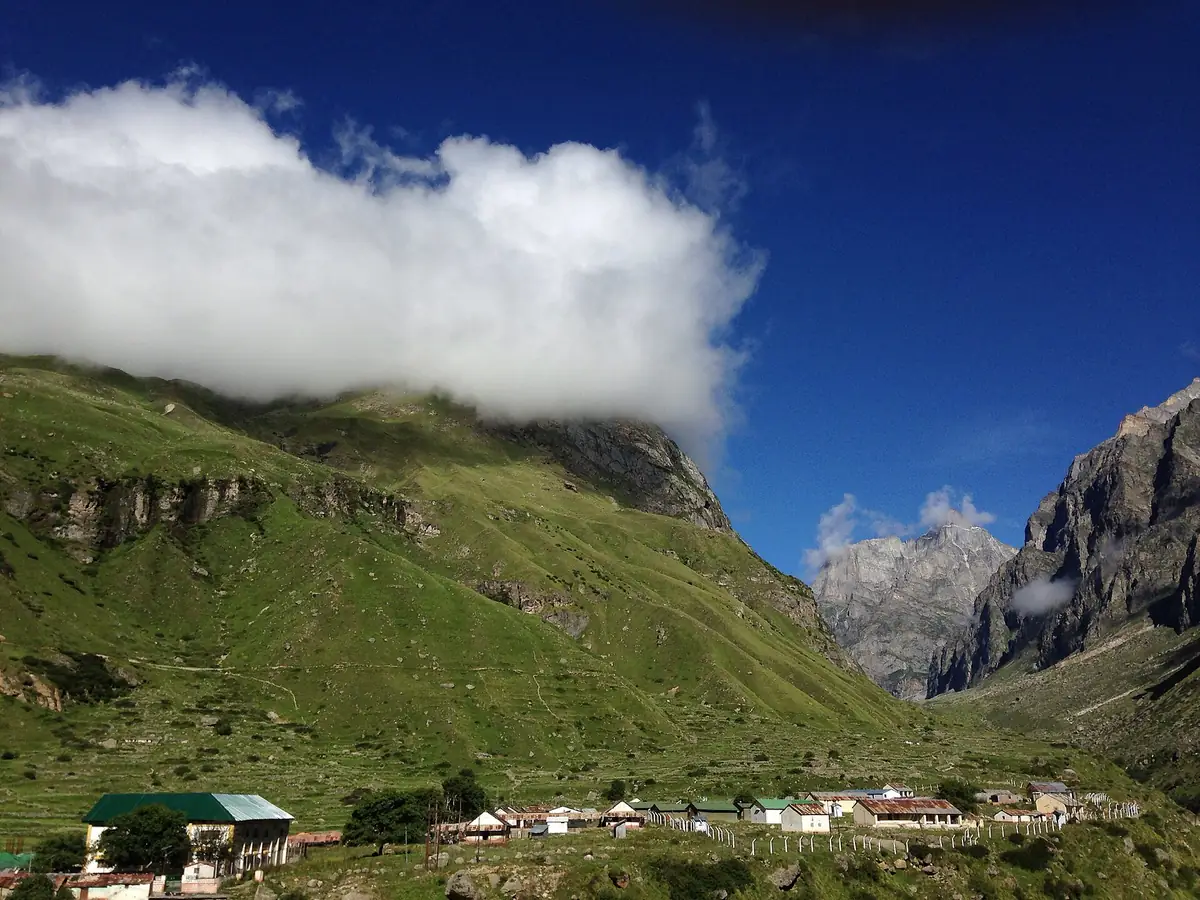
About 3km beyond Badrinath, Mana is officially India's last inhabited village before the Tibet border. It's an easy half-day add-on and home to Vyas Gufa, a cave associated with the sage Vyasa, and Bhim Pul, a dramatic natural rock bridge said to have been placed by Bhima across the Saraswati river for Draupadi to cross.
Vasudhara Falls
A roughly 5-6km round-trip trek from Mana leads to Vasudhara Falls, a slender waterfall plunging from a high rock face. The trail is largely flat but at altitude, so pace yourself — it makes a rewarding half-day trek for anyone with an extra day at Badrinath.
Neelkanth Peak
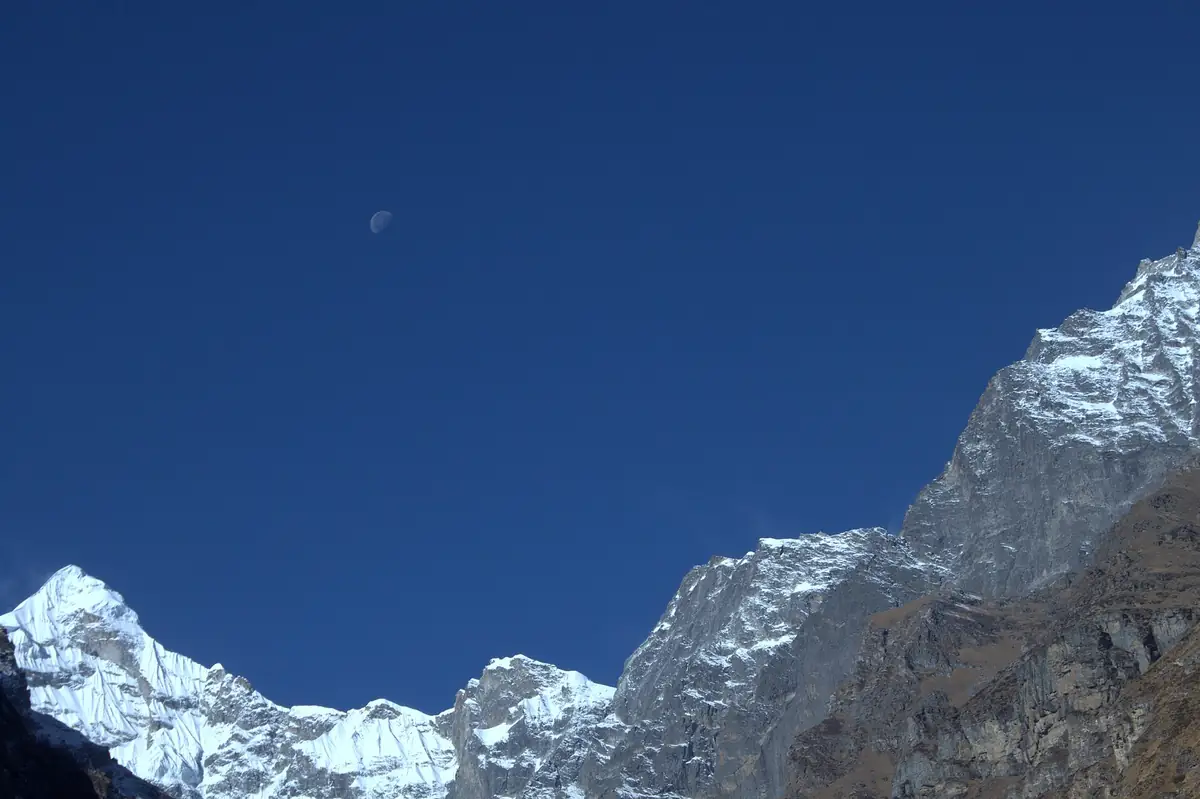
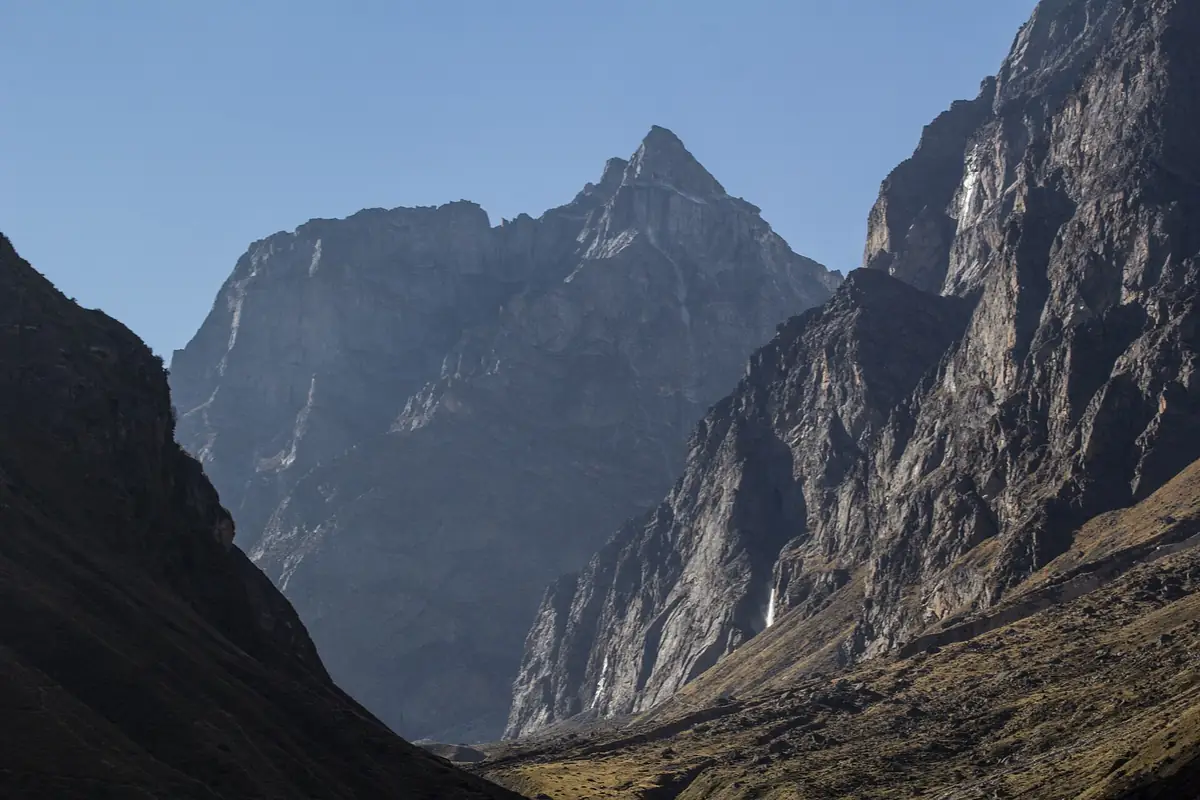
Often called the "Garhwal Queen," Neelkanth's sharp, pyramidal summit rises behind Badrinath and is visible from the temple town on a clear morning — one of the most photographed peaks in this part of the Himalaya.
Where to Stay in Badrinath
Accommodation in Badrinath itself is functional and pilgrimage-oriented — don't expect resort-style comfort. Many travellers instead base themselves at Joshimath, about 45km away, especially outside peak season.
- → Ashram-run dormitories near the temple
- → Basic pilgrim guesthouses
- → GMVN budget rooms
- → GMVN Tourist Rest House
- → Private hotels along the main market road
- → Joshimath mid-range hotels (45km away)
- → Better-appointed private hotels in Badrinath
- → Joshimath's higher-end properties
- → Rooms with river or mountain views
Suggested Visit Plan (2-3 Days)
Rishikesh/Haridwar to Joshimath
- ✓Early start from Rishikesh or Haridwar
- ✓Drive via Devprayag, Rudraprayag, Karnaprayag
- ✓Overnight halt at Joshimath
Joshimath to Badrinath & Darshan
- ✓Morning drive to Badrinath (~45km)
- ✓Bathe at Tapt Kund, temple darshan
- ✓Evening aarti at the temple
Mana Village & Onward
- ✓Morning trip to Mana village, Vyas Gufa, Bhim Pul
- ✓Optional Vasudhara Falls trek (half day)
- ✓Return drive toward Joshimath/Rudraprayag
* Many pilgrims combine Badrinath with Kedarnath as part of a wider Char Dham circuit — budget a week or more if covering both.
Where to Eat in Badrinath
- Temple langar and ashram kitchens: Simple, wholesome vegetarian meals are widely available near the temple, often at low cost or by donation.
- Dhabas along the main market: Straightforward North Indian thalis, parathas, and hot chai — the standard fare for most pilgrims.
- Joshimath eateries: A wider range of restaurants if you're based there rather than in Badrinath itself.
Note that Badrinath, like the other Char Dham towns, keeps a strictly vegetarian food culture out of respect for the pilgrimage — don't expect meat or alcohol anywhere near the temple town.
Budget Breakdown
| Expense | Budget | Mid-Range | Comfort |
|---|---|---|---|
| Accommodation/night | ₹1,000 | ₹3,500 | ₹7,500 |
| Food/day | ₹400 | ₹900 | ₹1,800 |
| Taxi (Haridwar-Badrinath, round trip) | ₹9,000 | ₹14,000 | ₹20,000 |
| Local transport/pony hire | ₹200 | ₹600 | ₹1,200 |
| Misc (offerings, permits) | ₹300 | ₹600 | ₹1,000 |
* Figures are per person, per day, except the taxi fare, which is a full round-trip estimate for a shared or private vehicle from Haridwar/Rishikesh.
Essential Tips for Visiting Badrinath
- Confirm temple opening/closing dates every year: These shift by a few days each year and are announced closer to the season — check before finalising travel dates.
- Pack warm layers regardless of season: Even in June, nights at 3,100m can dip close to freezing, and weather can change fast.
- Watch for landslides in the monsoon shoulder: Late July and August carry real risk of road closures on the Rishikesh-Joshimath stretch — build slack into your itinerary.
- Register for the yatra if required: Uttarakhand authorities periodically require biometric or online registration for Char Dham travel — check current requirements before you leave.
- Give yourself a day to acclimatise: Breaking the journey at Joshimath rather than pushing straight through reduces the risk of altitude-related discomfort.
✅ Do
- →Confirm the year's opening/closing dates ahead
- →Carry warm layers even in June
- →Break the drive with an overnight at Joshimath
- →Bathe at Tapt Kund before the temple queue
- →Add on Mana village and Vasudhara Falls
- →Carry cash — card access is limited
❌ Don't
- →Travel without checking current road conditions
- →Push straight through without acclimatising
- →Expect meat or alcohol near the temple town
- →Skip warm clothing assuming it's summer
- →Ignore mild altitude symptoms on arrival
- →Rely solely on card payments in the mountains
Frequently Asked Questions
When does Badrinath temple open and close each year?
Badrinath temple opens in late April or early May and closes in early November, following a date set by temple authorities and religious tradition each year. The portals stay shut through winter because heavy snow makes the region inaccessible — always confirm exact dates for your travel year before planning, since they shift slightly year to year.
What is Tapt Kund and do I need to bathe there?
Tapt Kund is a natural hot sulphur spring right below the temple, on the banks of the Alaknanda. Pilgrims traditionally bathe here before entering Badrinath temple, both as a purification ritual and a genuinely welcome warm-up given the cold mountain air. It's optional but a deeply rooted part of the yatra experience.
Is Mana village worth visiting from Badrinath?
Yes — Mana, about 3km from Badrinath, is officially India's last village before the Tibet border and is easily combined with a Badrinath visit. It has Vyas Gufa (the cave associated with sage Vyasa), Bhim Pul (a natural rock bridge over the Saraswati river), and is the starting point for the Vasudhara Falls trek.
How do I reach Badrinath — is there a train or flight directly there?
No — Badrinath has no airport or railway station. The nearest airport is Jolly Grant in Dehradun (~317km) and the nearest railheads are Rishikesh and Haridwar (~295-325km). From any of these, the rest of the journey is by road via Joshimath, on mountain roads that can take 10-12 hours depending on conditions.
Can I visit Badrinath and Kedarnath in one trip?
Yes, this is one of the most common Char Dham combinations. They're roughly 220km apart by road (with no direct road link — you typically route via Rudraprayag), so most travellers budget a week or more to cover both comfortably along with the drive time between them.
Is altitude sickness a concern at Badrinath?
Badrinath sits at roughly 3,100m, high enough that some travellers feel mild symptoms — headache, breathlessness, fatigue — especially if they've travelled up quickly. It's rarely severe at this altitude, but staying hydrated, avoiding alcohol, and not overexerting on your first day are sensible precautions, particularly for older travellers or those with heart or lung conditions.
Published by the Kudozz Club editorial team · Last updated · How we research our guides
Want us to plan this trip for you?
Tell Kudozz Club where you want to go and what kind of trip you’re looking for. We’ll build a Badrinath and Uttarakhand itinerary around your dates and budget.
Continue Exploring
View all guides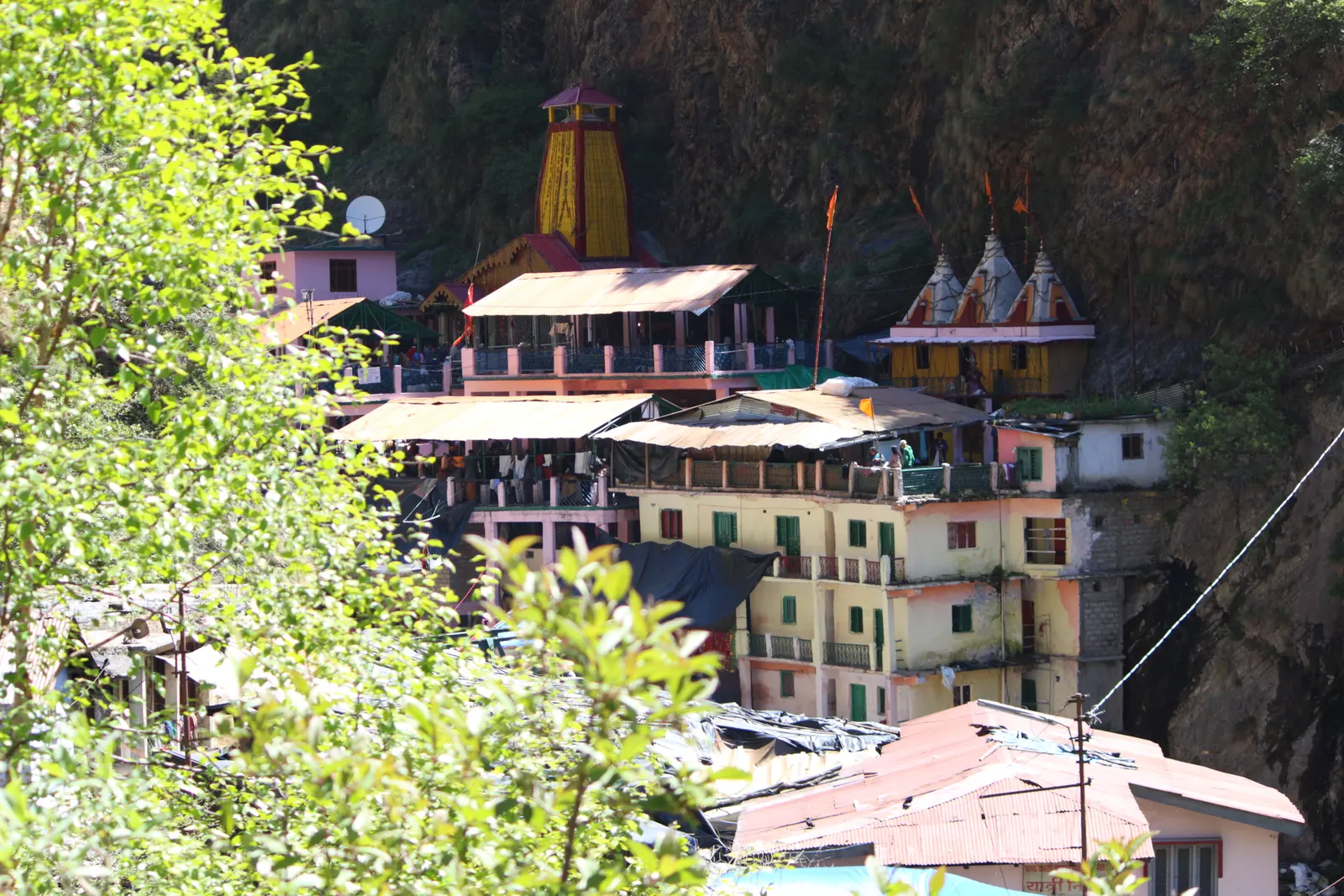 Heritage
Yamunotri Travel Guide: Trek, Hot Springs & Tips
The traditional first stop of the Char Dham Yatra — a forested trek from Janki Chatti to the Yamuna's source, past the Surya Kund hot-spring prasad ritual.
 Heritage
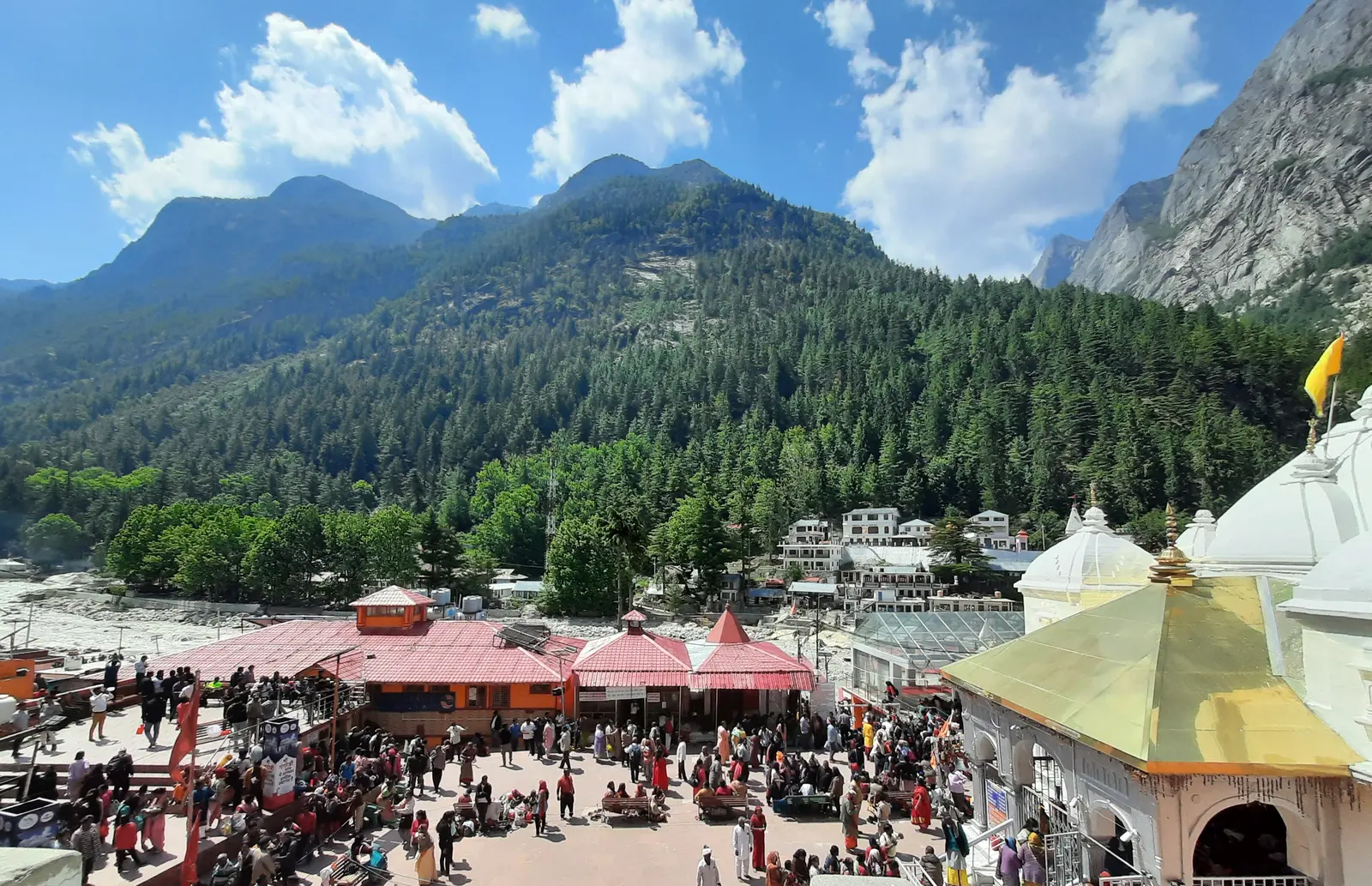
Gangotri Travel Guide: Temple, Gaumukh Trek & Tips
Complete Gangotri guide — the temple marking Ganga's descent, the Gaumukh glacier trek, Tapovan meadow, permits, how to reach via Uttarkashi, where to stay, and a full visit plan.
 Heritage
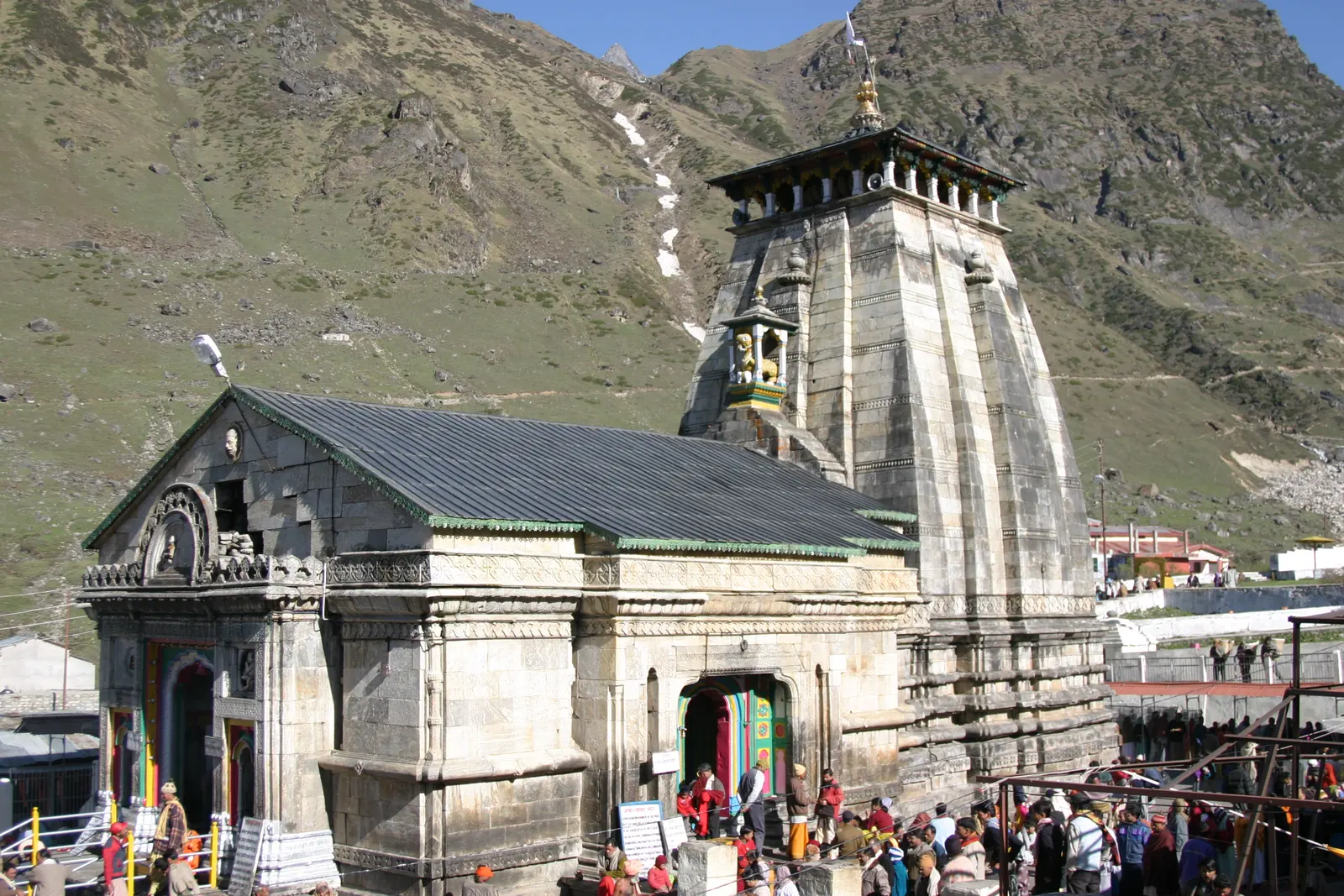
Kedarnath Travel Guide: Trek, Yatra & Helicopter Tips
Complete Kedarnath guide — the Gaurikund/Sonprayag trek route, helicopter shuttle booking, temple opening dates, Bhairav Temple, Vasuki Tal, where to stay, and a full yatra plan.
 Spiritual Tourism
Char Dham Yatra Guide: Route, Registration, Dates and Planning
A planning guide to the Char Dham Yatra of Uttarakhand (the Chota Char Dham): the four shrines and their order, 2026 opening dates and how closing dates are set, mandatory registration, the route from Haridwar or Rishikesh, treks and helicopter options, a 10 to 12 day itinerary, the best months, cost drivers and advice for older pilgrims.