India's First National Park
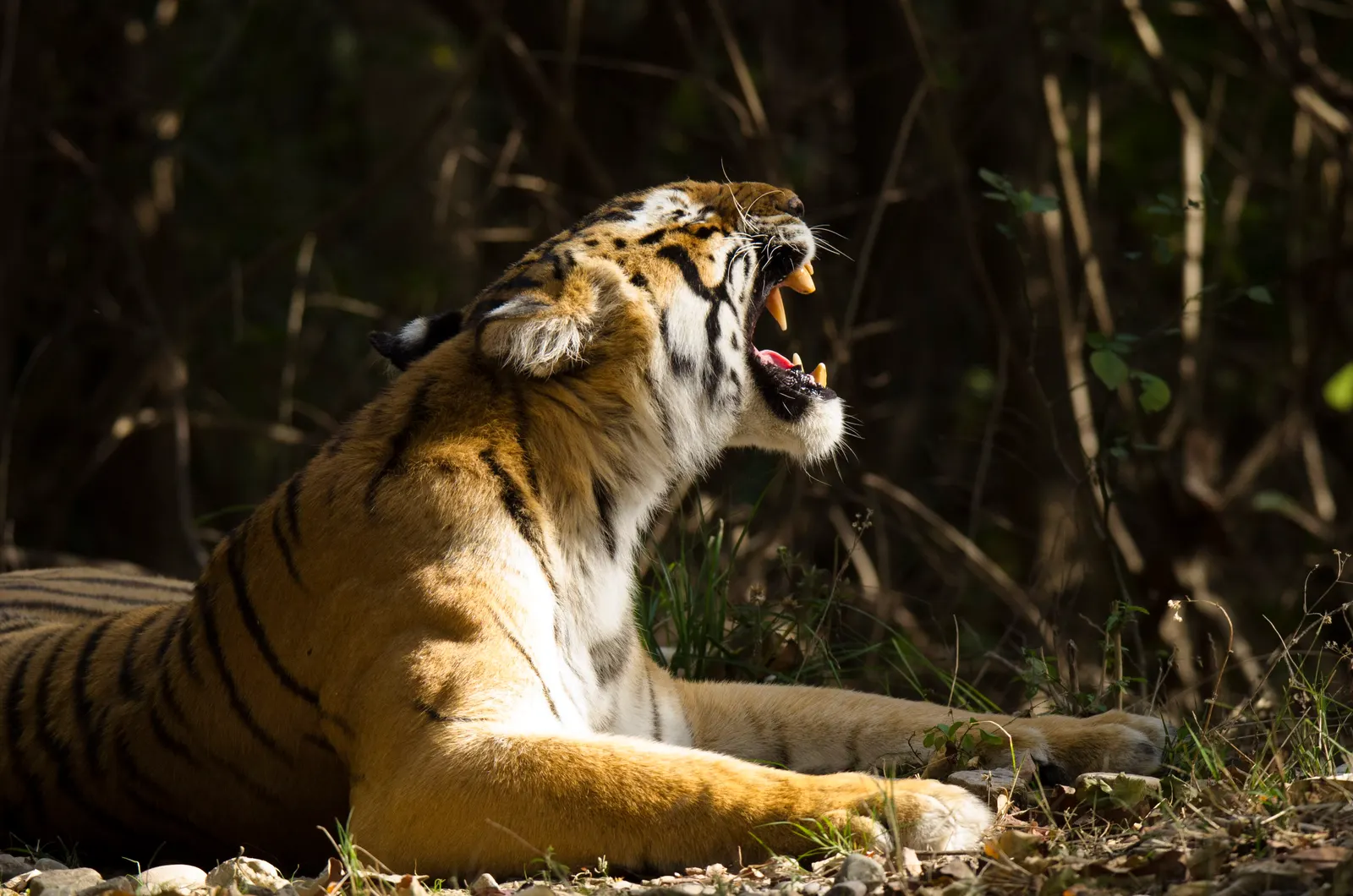
Established in 1936 as Hailey National Park, Jim Corbett National Park has the distinction of being India's oldest national park — and, in 1973, it became the first reserve under the newly launched Project Tiger, India's landmark tiger conservation programme. The park was later renamed after Jim Corbett, the British-Indian hunter-turned-conservationist famous for tracking man-eating tigers and leopards in the region before dedicating the rest of his life to wildlife protection.
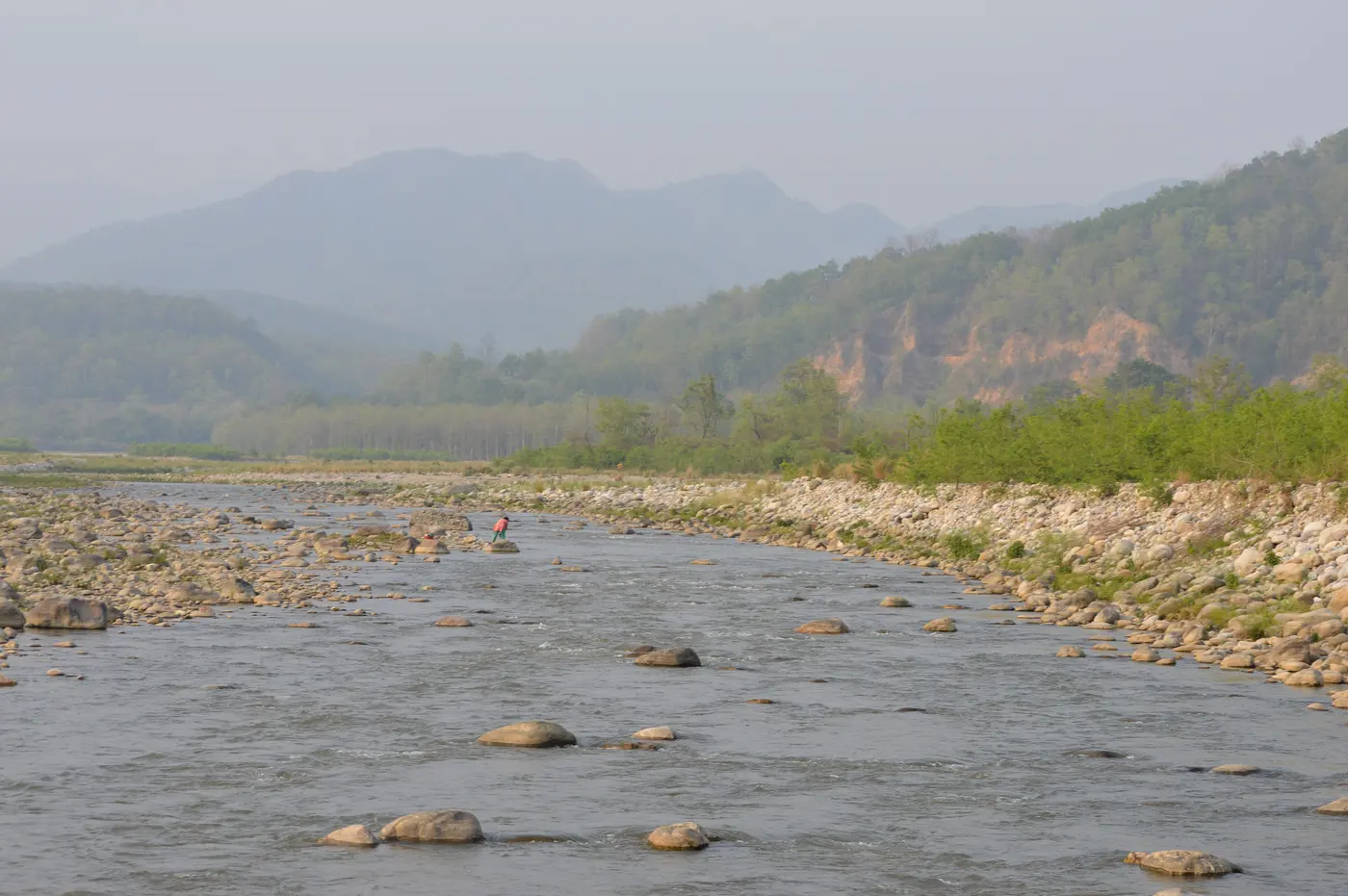
Spread across the foothills of the Himalaya in the Uttarakhand Terai, Corbett's terrain ranges from dense sal forest and riverine belts to open grasslands (chaurs) along the Ramganga reservoir — a landscape that supports one of India's healthiest Bengal tiger populations alongside elephants, several deer species, leopards, and over 600 recorded species of birds.
The park is divided into several distinct safari zones, each with its own character, access rules, and seasonal calendar — understanding these zones is the single most important part of planning a Corbett trip well.
🐅 Jim Corbett at a Glance
Looking for activities and experiences? See our guide to the best things to do in Jim Corbett.
Planning a wildlife trip? See our guide to wildlife tourism in Uttarakhand.
Best Time to Visit
Corbett's safari zones close for a large chunk of the monsoon and post-monsoon breeding season, making timing non-negotiable for planning a visit.
Cool, pleasant weather and every zone open, including Dhikala. Wildlife is active, though dense winter foliage can occasionally make spotting harder than in peak summer.
As temperatures rise and water sources shrink, animals — including tigers — congregate more predictably around remaining water bodies, often improving sighting odds despite the heat.
Core zones including Dhikala, Bijrani, and Durga Devi close for the monsoon breeding season. Jhirna and Dhela stay open through more of this period as buffer-zone alternatives.
Weekends and holidays during the Nov-Feb window sell out safari permits quickly, especially for Dhikala — book several weeks in advance if your dates are fixed.
Our pick: November to February for pleasant weather with every zone open, or April to June if maximising your tiger-sighting odds matters more than comfort.
How to Reach Jim Corbett
Ramnagar is the main gateway town to the park, and effectively where every visit begins and ends.
- By Air: Pantnagar Airport is the nearest, roughly 50 km from Ramnagar, with limited flight connectivity — mainly to Delhi.
- By Rail: Ramnagar has its own railway station with direct trains from Delhi, making this the most convenient and popular way to arrive, especially overnight.
- By Road: Ramnagar is about 250-260 km from Delhi, roughly a 6-7 hour drive via Moradabad, with regular bus services also available.
Safari Zones
Dhikala Zone
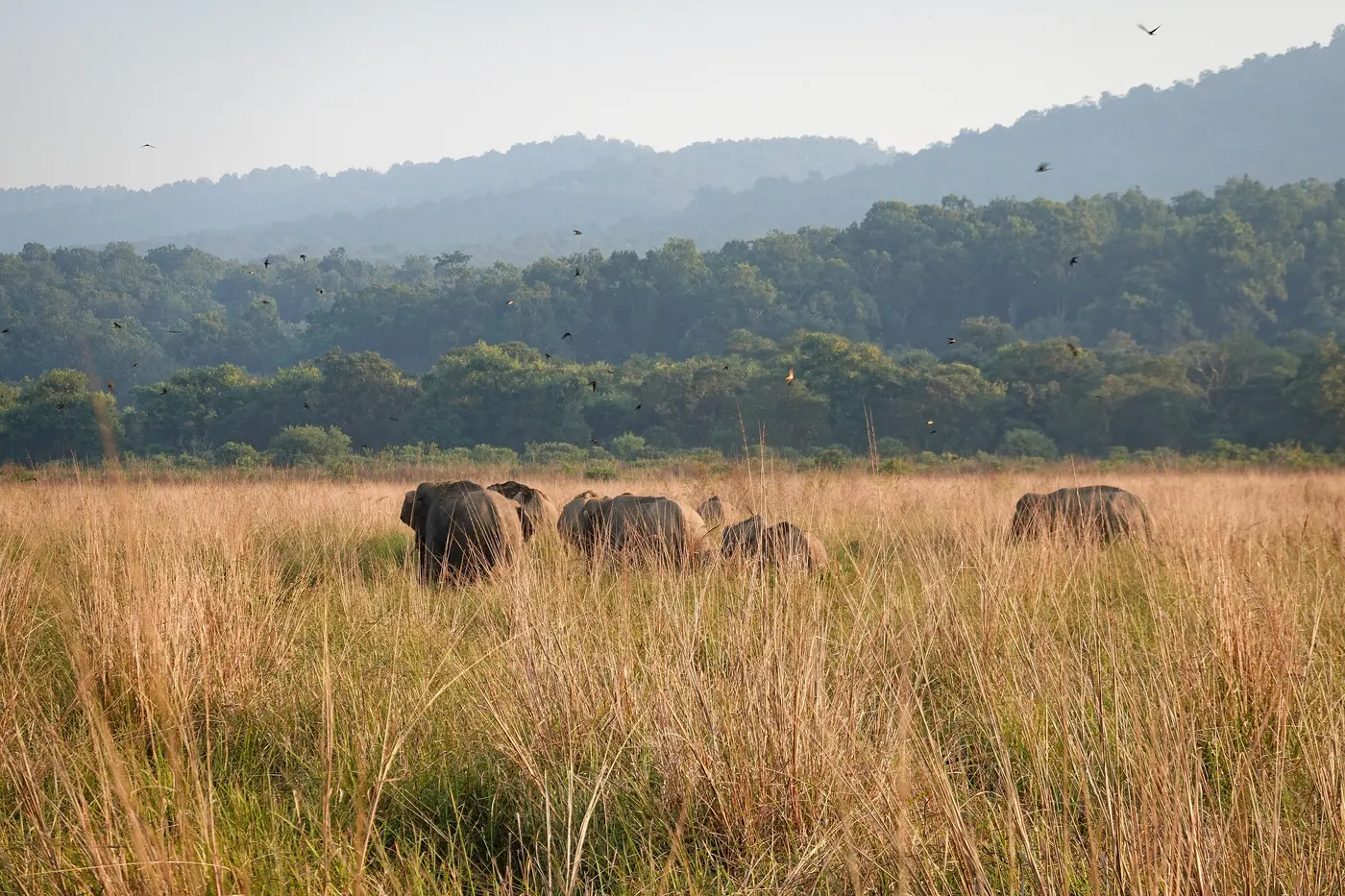
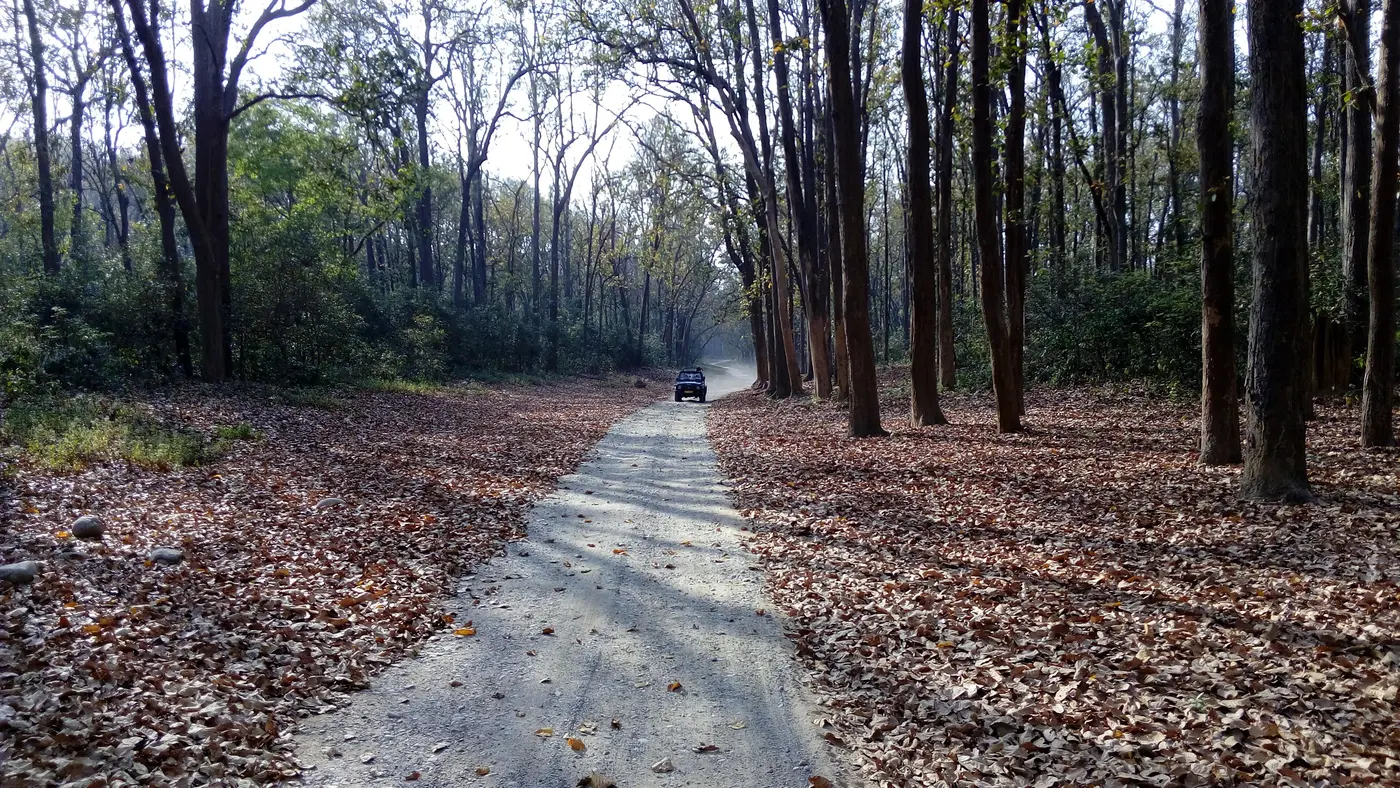
Corbett's most sought-after and scenic zone, set on the banks of the Ramganga reservoir. Its open chaur grasslands give excellent visibility for tigers, elephant herds, and deer, and the setting itself — river, grassland, and forest against a Himalayan foothill backdrop — is among the most beautiful in Indian wildlife tourism. Access is more restrictive: Dhikala typically requires an overnight stay inside the zone at Forest Rest House accommodation, booked well in advance, and it often has the shortest open season of all the zones.
Bijrani Zone
The most popular zone for a day safari from Ramnagar, Bijrani offers consistently good tiger activity and easy access without an overnight stay requirement — the practical choice for most first-time visitors on a shorter trip.
Jhirna & Dhela Zones
Both zones stay open through more of the year, including parts of the monsoon closure period elsewhere in the park, making them useful options if you're visiting outside the core November-June season.
Durga Devi Zone
A smaller, quieter zone known more for birdlife and riverine scenery along the confluence of the Ramganga and Mandal rivers than for big-cat sightings — a good pick for birdwatchers wanting a different pace.
Wildlife & Birdlife
- Bengal Tiger: Corbett's flagship species and one of India's healthier tiger populations, spread across its forest and grassland habitats.
- Asian Elephant: Large herds are a common sight, especially around Dhikala's grasslands and the Ramganga's banks.
- Deer species: Chital (spotted deer), sambar, and hog deer are frequently spotted across most zones, along with wild boar.
- Leopards: More elusive than tigers, but present across the park's forested terrain.
- Birdlife: Over 600 recorded species make Corbett a serious birdwatching destination in its own right, from raptors to riverine waterfowl.
Beyond the Safari
- Corbett Museum: Housed in Jim Corbett's former residence at Kaladhungi, displaying his belongings and chronicling his transition from hunter to conservationist.
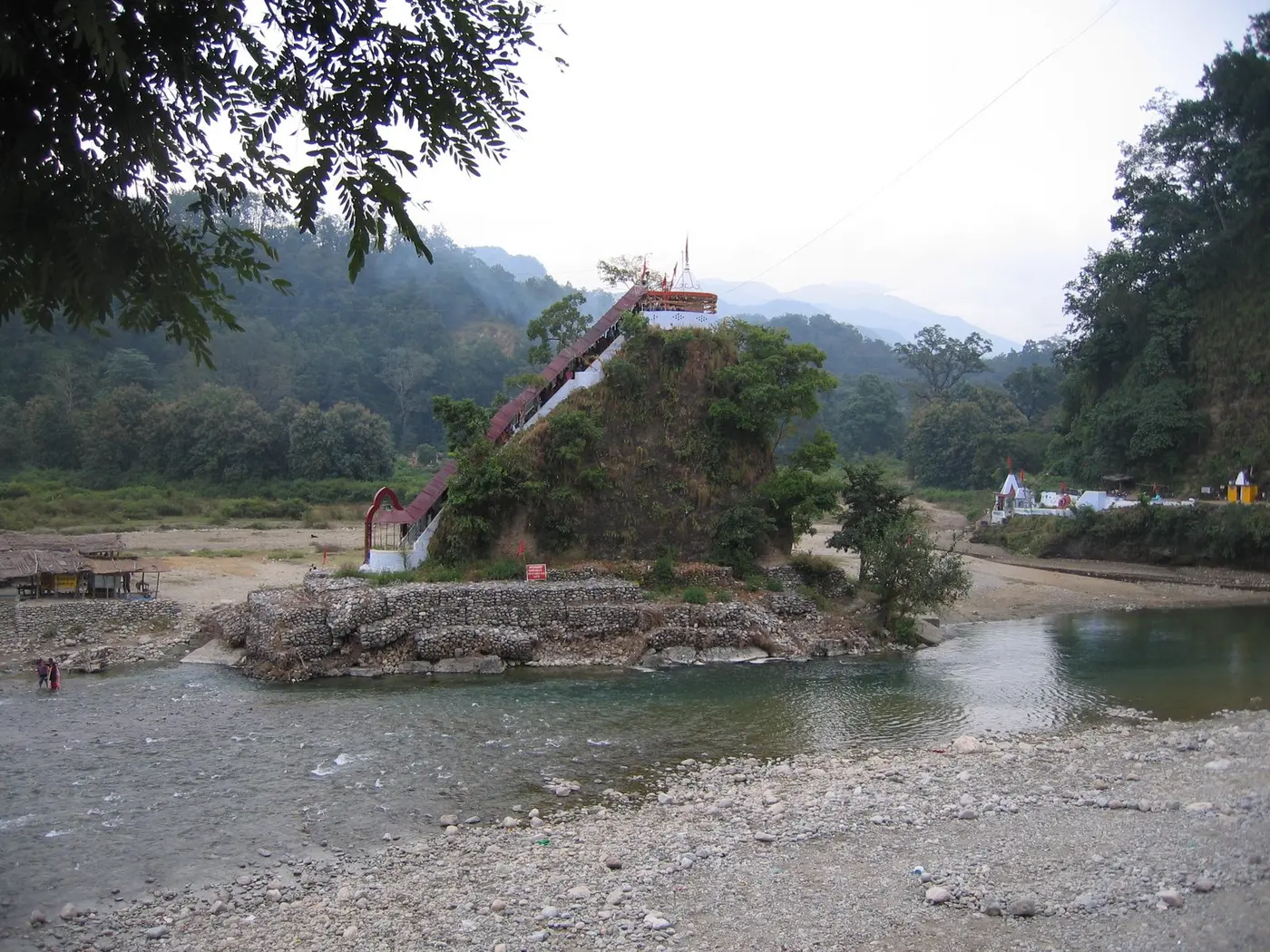
- Garjiya Devi Temple: A riverside temple on a rock island in the Kosi River, a popular short visit near Ramnagar.
- Ramganga river rafting: Gentler than the white water further west, but a pleasant way to see the river landscape from a different angle.
- Kosi River resort belt: The main accommodation stretch on the Ramnagar side of the park, lined with resorts overlooking the riverbed.
Where to Stay
Most accommodation sits along the Kosi River belt on the Ramnagar side, with a smaller number of Forest Rest House options inside the park itself for those staying overnight at Dhikala.
- → Simple guesthouses in Ramnagar town
- → Budget lodges along the Kosi belt
- → Forest Rest House dormitory options
- → Riverside resorts on the Kosi belt
- → Jungle-view cottages near the park gates
- → Mid-size safari lodges
- → High-end jungle resorts with guided safaris
- → Premium riverside villas
- → All-inclusive wildlife lodges
Suggested Visit Plan (2-3 Days)
Arrival & Bijrani Safari
- ✓Arrive in Ramnagar, check in along the Kosi belt
- ✓Afternoon jeep safari in Bijrani zone
- ✓Evening at leisure by the river
Dhikala or Second Zone
- ✓Early morning safari in Dhikala or Jhirna zone
- ✓Visit the Corbett Museum at Kaladhungi
- ✓Afternoon at Garjiya Devi Temple
Final Safari & Departure
- ✓Early morning safari for a last shot at sightings
- ✓Optional rafting on the Ramganga
- ✓Depart toward Ramnagar or onward
* Many travellers combine Corbett with Nainital for a hill-station leg on the same trip.
Where to Eat
- Resort dining: Most stays along the Kosi belt include multi-cuisine restaurants covering North Indian, Continental, and Chinese options.
- Local dhabas in Ramnagar: Simple, hearty North Indian food at low prices, popular with drivers and budget travellers.
- Forest Rest House meals: Basic but wholesome meals for those staying overnight inside Dhikala, typically arranged in advance.
Budget Breakdown
| Expense | Budget | Mid-Range | Luxury |
|---|---|---|---|
| Accommodation/night | ₹2,000 | ₹6,000 | ₹18,000 |
| Jeep safari (per drive) | ₹3,500 | ₹4,500 | ₹6,000 |
| Food/day | ₹700 | ₹1,800 | ₹4,000 |
| Local transport/day | ₹300 | ₹800 | ₹2,000 |
| Daily total (approx.) | ₹6,500 | ₹13,100 | ₹30,000 |
* Figures are per person, per day. Jeep safaris are priced per vehicle (usually shared across up to 6 people), not per person, so costs drop sharply in a group.
Essential Tips
- Book safaris well in advance: Permits for popular zones and weekend dates in peak season sell out weeks ahead through the official booking portal.
- Do more than one safari: Sightings aren't guaranteed on any single drive — 2-3 safaris across different zones or times of day meaningfully improve your odds.
- Dress in neutral colours: Muted greens, browns, and khakis work better than bright colours for wildlife viewing.
- Carry binoculars and a zoom lens: Sightings are often at a distance, especially for tigers.
- Check zone-specific open dates: Not all zones open and close on the same schedule — confirm before booking, especially near the shoulder months.
✅ Do
- →Book safari permits weeks ahead in peak season
- →Try at least two different zones
- →Wear neutral, muted clothing
- →Carry binoculars and a good zoom lens
- →Book Dhikala's overnight stay early if visiting
- →Stay quiet and patient during the drive
❌ Don't
- →Assume a walk-up safari booking will work
- →Expect a tiger sighting on every single drive
- →Wear bright colours or use flash photography
- →Make loud noises inside the safari vehicle
- →Skip checking zone-specific season closures
- →Travel in mid-monsoon expecting all zones open
Frequently Asked Questions
Which is the best safari zone in Jim Corbett — Dhikala or Bijrani?
Dhikala is widely considered the most scenic and rewarding zone, set on the Ramganga reservoir with open grassland (chaur) that offers excellent visibility and strong tiger, elephant, and deer sightings — but it requires an overnight stay inside the zone and has a shorter open season. Bijrani is more accessible for a day safari from Ramnagar, with consistently good tiger activity, making it the more practical choice for shorter visits.
When do the Corbett safari zones close for the season?
Most zones, including Bijrani, Jhirna, Dhela, and Durga Devi, close annually from mid-June to mid-November for the monsoon breeding season. Dhikala often has the shortest open window of all, sometimes not opening until mid-November and closing by mid-June, so check current dates before booking. Jhirna and Dhela stay open through more of the year, including parts of the monsoon, making them useful off-season options.
How do I book a Corbett safari?
Safaris are booked through the official Uttarakhand forest department online booking portal, ideally several weeks in advance for popular zones and peak-season dates (November-February). Many hotels and resorts near Ramnagar also arrange bookings on your behalf along with the jeep and guide.
How likely am I to see a tiger at Jim Corbett?
There's no guarantee — Corbett is genuinely wild terrain, not a controlled enclosure — but the park has one of India's healthier tiger densities, and multiple safaris across zones like Dhikala and Bijrani meaningfully improve your odds. Many visitors do 2-3 safaris across different zones or timings (early morning and late afternoon) to maximise their chances.
How do I reach Jim Corbett National Park?
The nearest airport is Pantnagar, about 50 km away, with limited flight connectivity. Ramnagar, the main gateway town, has its own railway station with direct trains from Delhi, making rail the most convenient option for many visitors. By road, Ramnagar is roughly 250-260 km from Delhi, about a 6-7 hour drive.
How many days should I spend at Jim Corbett?
2-3 days with 2-4 safaris across different zones is a good balance — enough time to try more than one zone and time of day without feeling rushed, while still leaving room for the Corbett Museum, Garjiya Devi Temple, or a spot of river rafting on the Kosi.
Published by the Kudozz Club editorial team · Last updated · How we research our guides
Want us to plan this trip for you?
Tell Kudozz Club where you want to go and what kind of trip you’re looking for. We’ll build a Jim Corbett National Park and Uttarakhand itinerary around your dates and budget.
Continue Exploring
View all guides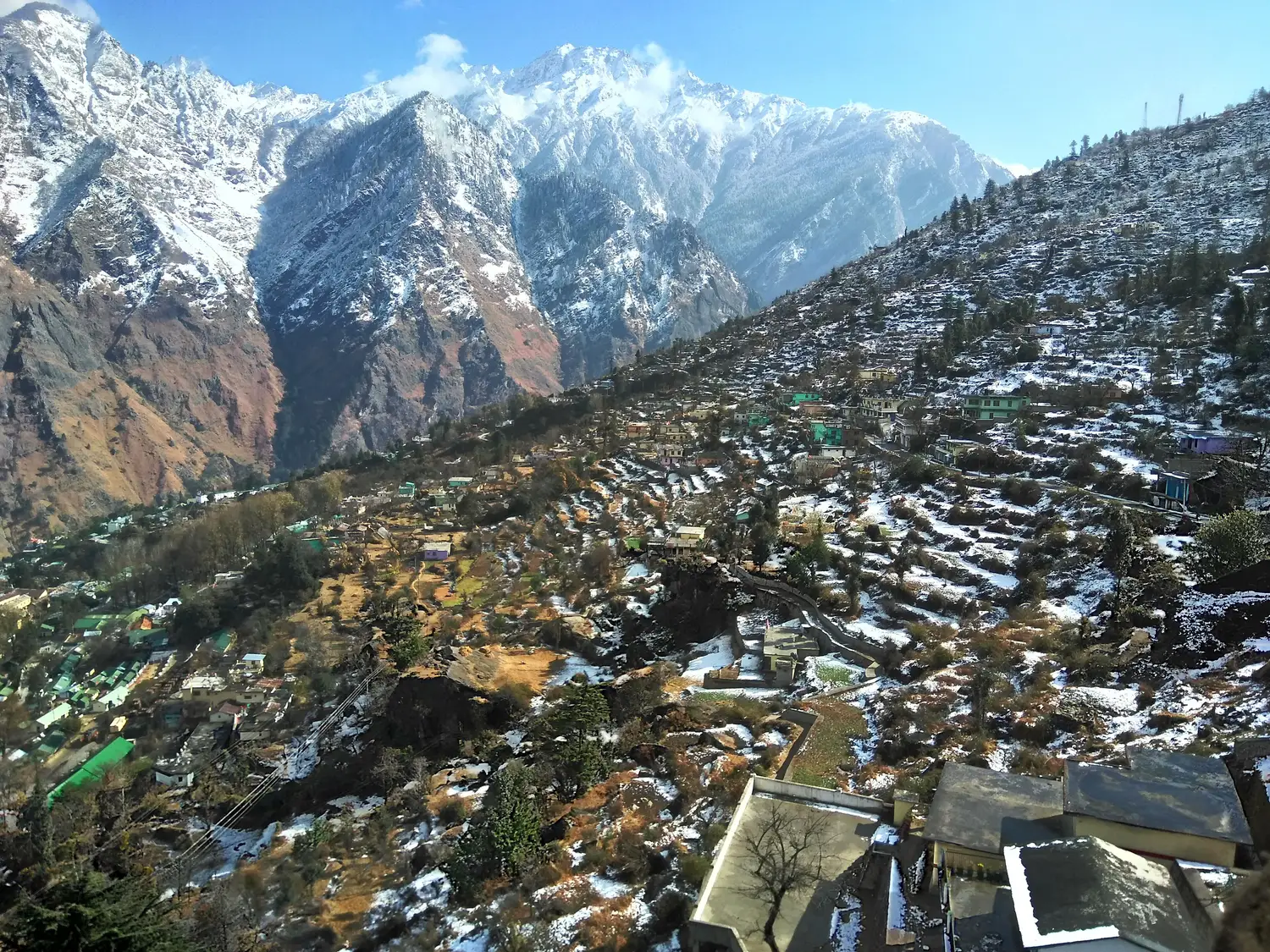 Adventure
Auli Travel Guide: Skiing, Cable Car & Best Time
India's premier ski destination with gentle beginner-friendly slopes, one of Asia's longest cable car rides, and sweeping Nanda Devi views — a genuine year-round Himalayan escape.
 Adventure
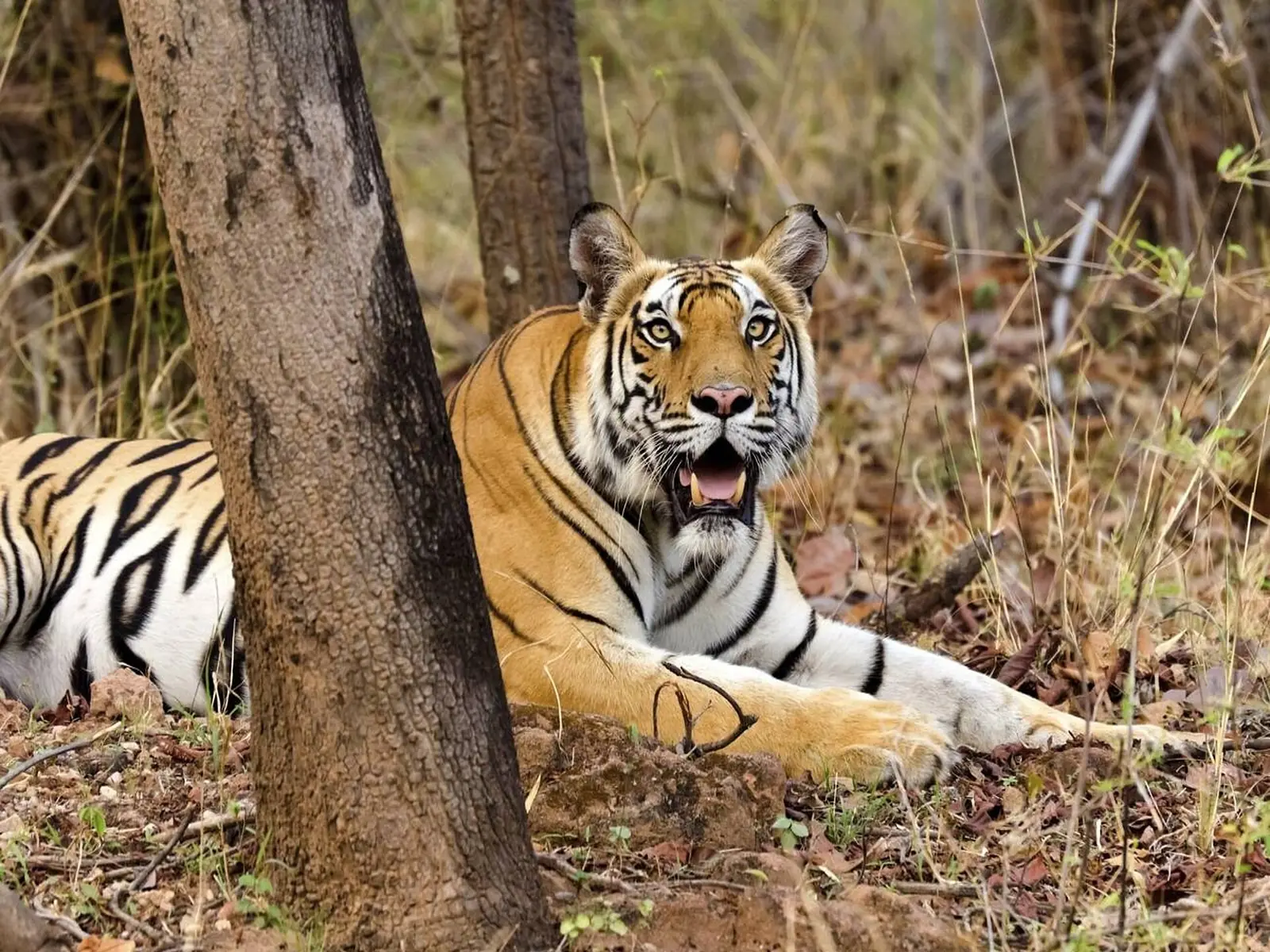
Bandhavgarh National Park: Tiger Safari Guide, Zones & Best Time
The highest tiger density of any reserve in India, ringed by a 2,000-year-old hilltop fort — the complete safari guide to Bandhavgarh.
 Adventure
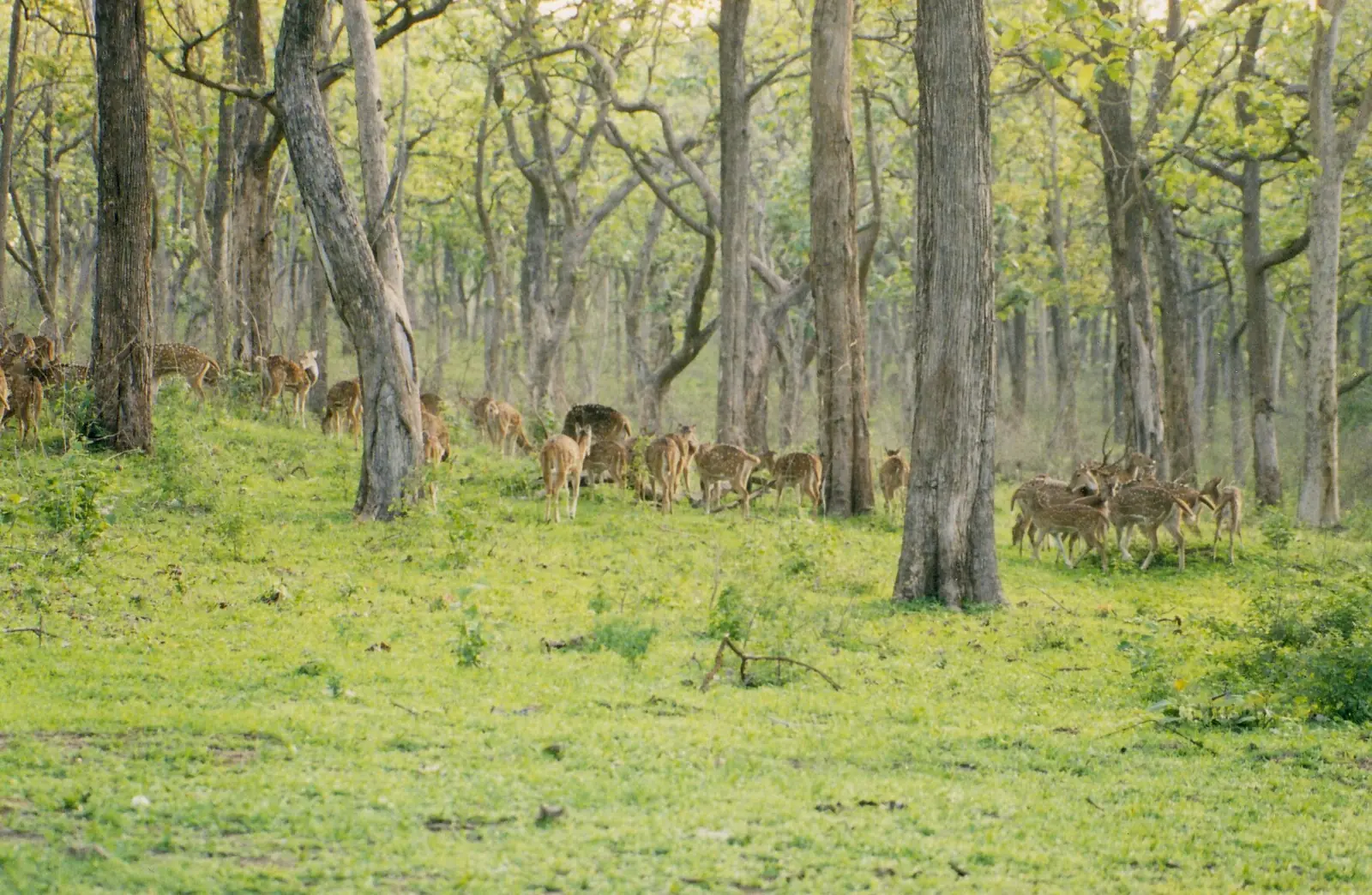
Bandipur National Park: Tiger Safari Guide, Zones & Best Time
One of India's first Project Tiger reserves, straddling the highway between Karnataka and the Nilgiris — the complete safari guide to Bandipur.
 Adventure
Dampa Tiger Reserve: Safari Guide & Tips
A bamboo-forest reserve on the Bangladesh border where hoolock gibbons and birdlife, not guaranteed tiger sightings, are the honest main draw.