The Forest of the Puranas
Naimisharanya — also spelled Naimisaranya — is one of the oldest and most textually significant pilgrimage sites in Uttar Pradesh, even though it remains largely unknown outside dedicated Puranic and Shakta pilgrimage circles. The forest is described extensively across the Puranas as the setting where a great gathering of sages assembled to hear the Puranas recited by the sage Suta Goswami — a foundational scene in Hindu textual tradition.
Unlike the grand temple cities of Varanasi or Ayodhya, Naimisharanya stays quiet and modest — its significance is rooted less in monumental architecture and more in the layered mythology attached to its handful of sacred sites, making it a rewarding stop for travellers genuinely curious about Puranic tradition rather than the bigger, better-known pilgrimage circuits.
🕉️ Naimisharanya at a Glance
Best Time to Visit Naimisharanya
A comfortable pilgrimage visit here comes down mostly to weather, since the sites themselves are open year-round.
Cool, pleasant weather ideal for the temple circuit and walking between the various sacred sites without the discomfort of heat or humidity.
The Lalita Devi Temple, as a Shakti Peeth, sees the highest footfall during Navratri — plan for larger crowds but a more vibrant atmosphere.
Summer temperatures make outdoor walking between temple sites uncomfortable, especially around midday.
Occasional heavy rain can disrupt travel, though the forest setting takes on a lush, atmospheric quality.
Our pick: October to March for a calm, comfortable visit — or time your trip around Navratri if you want to witness the site at its most active.
How to Reach Naimisharanya
Naimisharanya's proximity to Lucknow makes it an easy add-on for travellers already exploring central Uttar Pradesh.
- By rail: Naimisharanya has its own small railway station, and Sitapur Junction, about 35 km away, offers wider connectivity toward Lucknow and beyond.
- By road from Lucknow: About 90 km, roughly a 2-hour drive — the most common approach for most visitors, easily done as a day trip from Lucknow.
- Getting around locally: The main sacred sites are close enough together to cover on foot or with a short auto-rickshaw ride once you've arrived.
Sacred Sites & Temples
Chakra Tirtha
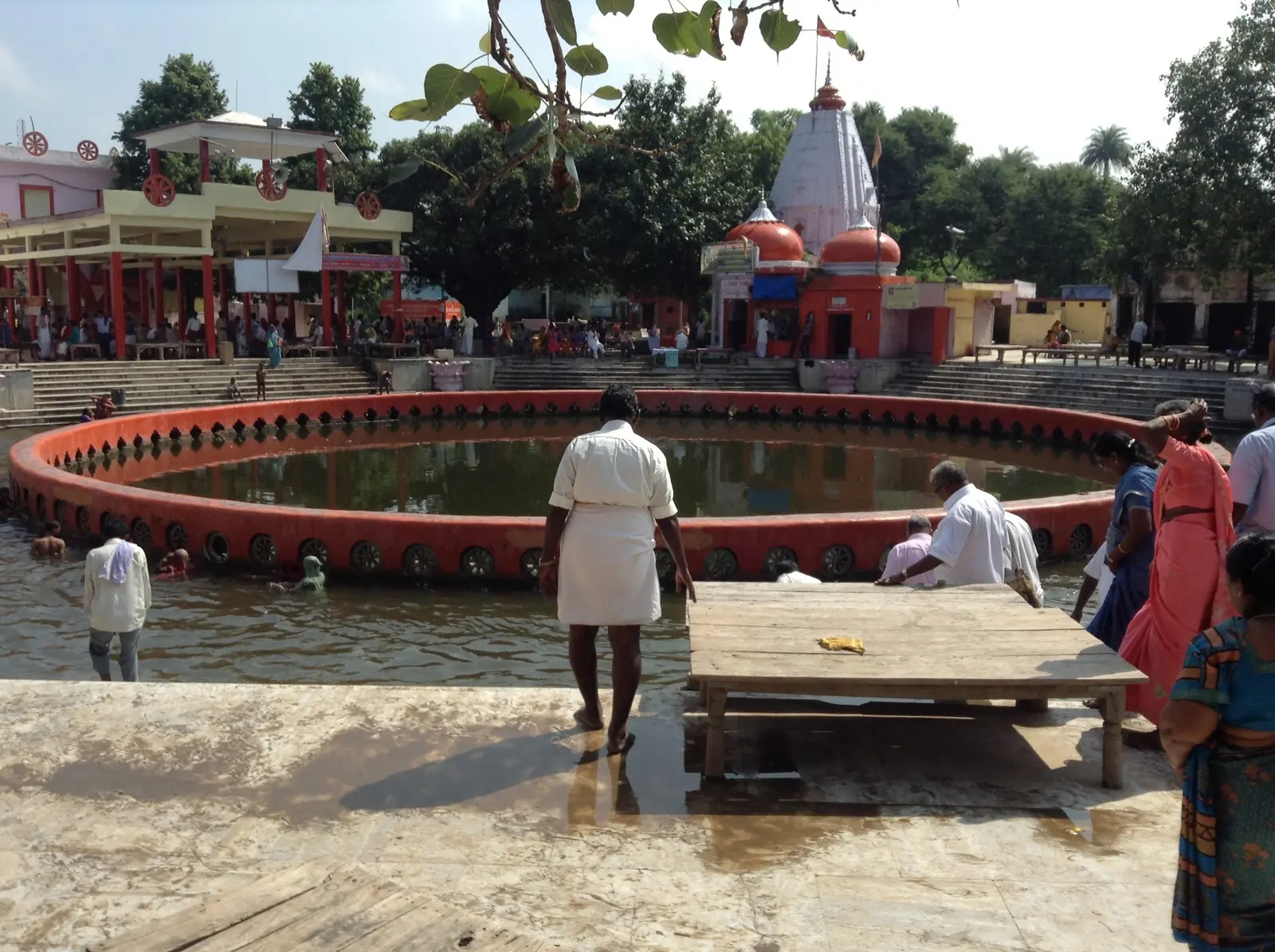
The spiritual heart of Naimisharanya, Chakra Tirtha is a sacred pond traditionally believed to mark the spot where Lord Vishnu's discus (chakra) struck the earth. Pilgrims take a ritual dip here as part of the standard visit, and it remains the most-visited single site in the complex.
Lalita Devi Temple
Counted among the Shakti Peethas, the Lalita Devi Temple draws devotees on the Shakta pilgrimage circuit in addition to those visiting for the site's Puranic associations. It sees its busiest crowds during Navratri, when the temple takes on a particularly festive atmosphere.
Vyas Gaddi
Associated with the sage Vyasa, traditionally credited with compiling the Puranas and the Mahabharata, Vyas Gaddi marks a site linked to his presence within the sacred forest — a quieter, more contemplative stop on the circuit.
Hanuman Garhi
A temple dedicated to Hanuman within the Naimisharanya complex, drawing steady local devotion alongside the site's other sacred points, and typically included in a full circuit of the area's main temples.
Where to Stay in Naimisharanya
Accommodation is simple and pilgrimage-oriented; many visitors treat Naimisharanya as a day trip from Lucknow rather than staying overnight.
- → Dharamshalas near the temple complex
- → Basic pilgrim guesthouses
- → Simple lodges near the station
- → Trust-run guesthouses with better amenities
- → Small hotels in Sitapur town
- → Comfortable pilgrim rest houses
- → No true luxury properties on site
- → Best upscale options are in Lucknow (~90 km)
- → Day trip from a Lucknow base is common
Suggested Visit Plan (1 Day)
Chakra Tirtha & Lalita Devi Temple
- ✓Early drive in from Lucknow
- ✓Ritual visit and dip at Chakra Tirtha
- ✓Darshan at Lalita Devi Temple (Shakti Peeth)
Vyas Gaddi & Hanuman Garhi
- ✓Visit Vyas Gaddi
- ✓Stop at Hanuman Garhi temple
- ✓Drive back to Lucknow by evening
* Naimisharanya is easily combined with a wider Lucknow or Ayodhya pilgrimage itinerary for travellers with more time.
Where to Eat in Naimisharanya
- Prasad and temple kitchens: Simple vegetarian meals and prasad offered around the main temple complex.
- Local dhabas: Basic vegetarian meals near the town centre and station area.
- Carry snacks for the drive: Options are limited along the Lucknow route, so pack water and snacks for the journey.
Budget Breakdown
| Expense | Budget | Mid-Range | Luxury |
|---|---|---|---|
| Accommodation/night | ₹600 | ₹2,000 | Stay in Lucknow |
| Local transport/day | ₹300 | ₹700 | ₹1,500 |
| Food/day | ₹250 | ₹600 | ₹1,200 |
| Temple entry | Free | Free | Free |
| Round-trip from Lucknow (car) | ₹2,500 | ₹3,500 | ₹5,000 |
* Figures are per person, per day, except the round-trip car figure. Most temple entries are free; donations are customary.
Essential Tips for Visiting Naimisharanya
- Start early for a day trip: Leaving Lucknow early gives you a relaxed morning at the main sites before the return drive.
- Expect a quiet, unhurried atmosphere: Naimisharanya isn't commercialised like larger pilgrimage cities — come with that expectation, not one of grand infrastructure.
- Time your visit around Navratri if you want the busiest atmosphere: Otherwise expect a calm, contemplative visit most of the year.
- Carry water and snacks: Facilities along the route and at the site itself are modest.
- Dress respectfully for temple visits: Standard modest dress is expected at all the sacred sites here.
✅ Do
- →Start early if visiting as a day trip
- →Take a ritual dip at Chakra Tirtha respectfully
- →Visit all four core sacred sites together
- →Dress modestly for temple visits
- →Carry water and snacks for the journey
- →Combine with a wider Lucknow itinerary
❌ Don't
- →Expect large-scale tourist infrastructure
- →Visit without checking Navratri crowd timing
- →Rush through the sacred sites
- →Skip modest dress at the temples
- →Expect luxury accommodation on site
- →Travel without carrying water for the day
Frequently Asked Questions
What is Naimisharanya famous for?
Naimisharanya (also spelled Naimisaranya) is an ancient sacred forest extensively referenced in the Puranas, traditionally described as the site where sages gathered to hear the Puranas recited by Suta Goswami. It's home to Chakra Tirtha, the Lalita Devi Shakti Peeth temple, Vyas Gaddi, and Hanuman Garhi.
What is Chakra Tirtha?
Chakra Tirtha is a sacred pond at Naimisharanya, traditionally believed to mark the spot where Lord Vishnu's discus (chakra) struck the ground. It's one of the most important pilgrimage points within the sacred forest complex, and devotees take a ritual dip here.
Is Naimisharanya a Shakti Peeth?
The Lalita Devi Temple at Naimisharanya is considered one of the Shakti Peethas — sites associated with the goddess Sati across Hindu tradition — making the town significant for both Puranic and Shakta pilgrimage traditions.
How do I reach Naimisharanya?
The nearest railway options are Naimisharanya railway station itself or Sitapur Junction, about 35 km away, both with connections toward Lucknow. By road, it's roughly 90 km from Lucknow, about a 2-hour drive.
How is Naimisharanya different from Ayodhya or Varanasi?
Naimisharanya is a much quieter, less commercialised pilgrimage site than either. Its significance lies specifically in Puranic mythology — being the traditional setting where the Puranas were narrated — rather than the epic narratives tied to Ayodhya or the Shiva-centred pilgrimage of Varanasi.
How much time do I need at Naimisharanya?
A single day is enough to cover the main sites — Chakra Tirtha, Lalita Devi Temple, Vyas Gaddi, and Hanuman Garhi — comfortably, especially if visiting from Lucknow. An overnight stay allows for a more unhurried, contemplative pace.
Published by the Kudozz Club editorial team · Last updated · How we research our guides
Want us to plan this trip for you?
Tell Kudozz Club where you want to go and what kind of trip you’re looking for. We’ll build a Naimisharanya and Uttar Pradesh itinerary around your dates and budget.
Continue Exploring
View all guides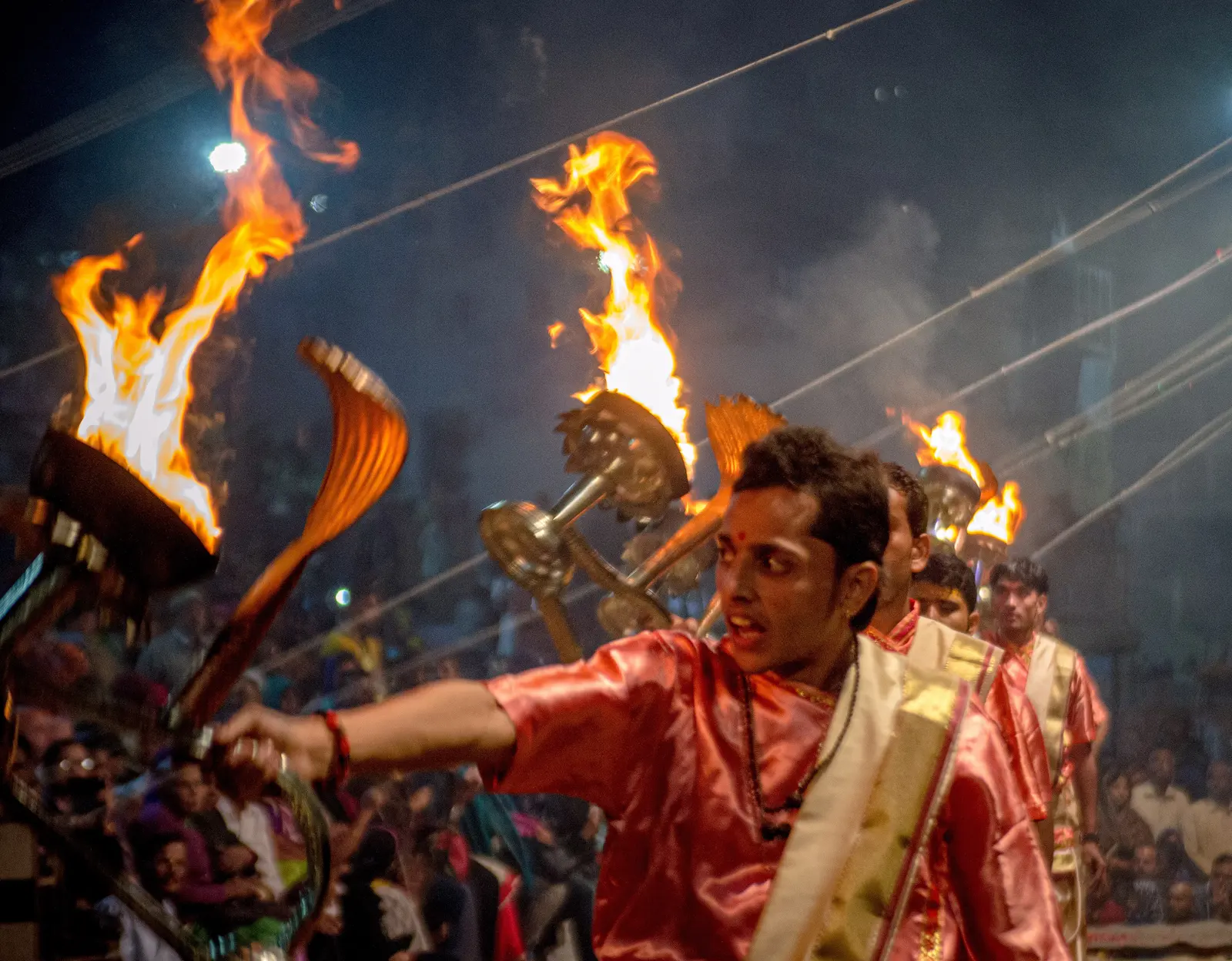 Heritage
Varanasi Travel Guide: Ganga Ghats & Ganga Aarti
Complete Varanasi guide — the Dashashwamedh Ghat Ganga Aarti, Kashi Vishwanath Temple, a sunrise boat ride, and the old city's narrow lanes.
 Heritage
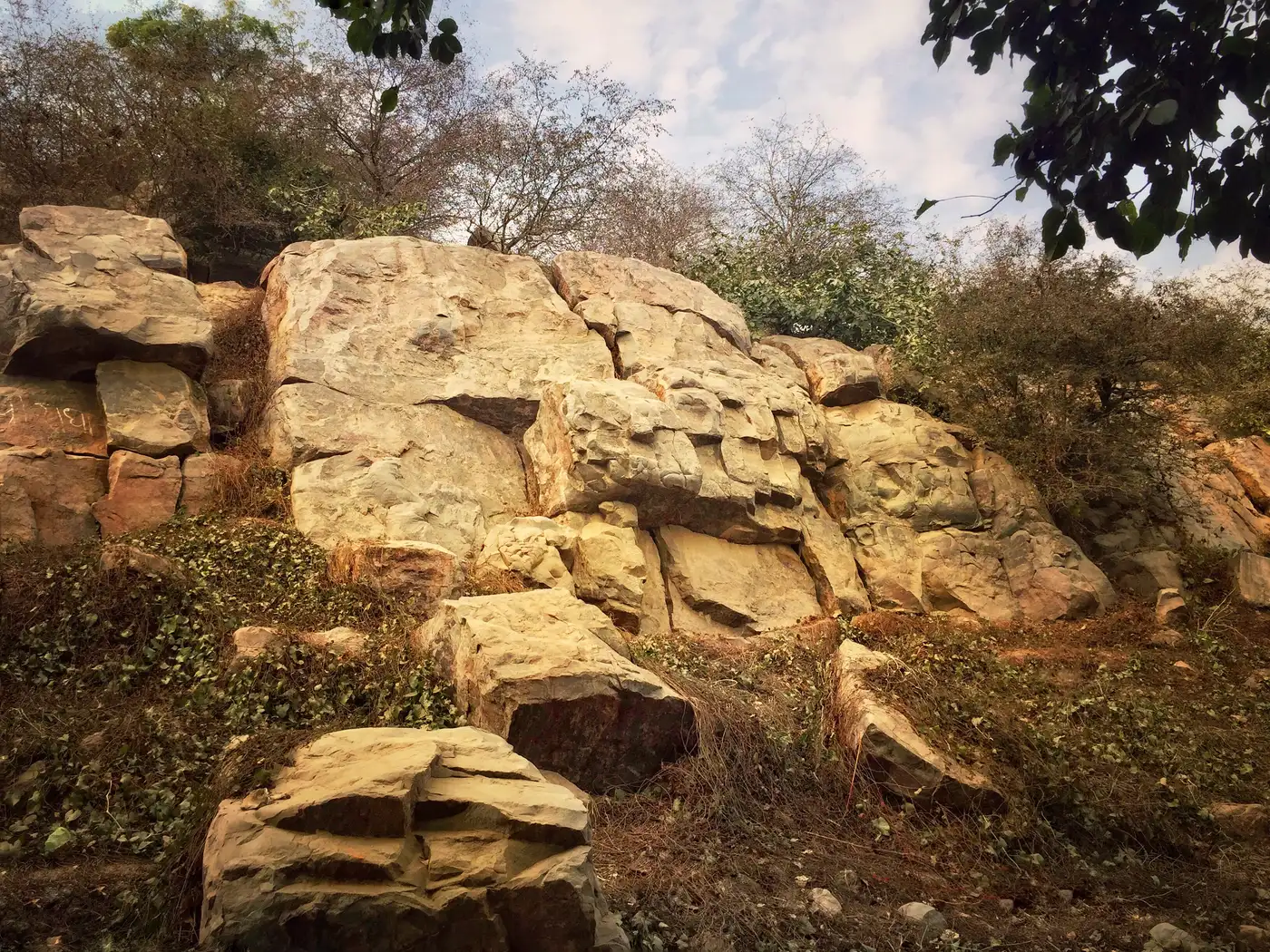
Govardhan Travel Guide: Hill, Parikrama & Temples
The sacred hill Krishna lifted to shelter Braj's villagers — the 23km Govardhan Parikrama, Radha Kund, and a quieter side of the region.
 Heritage
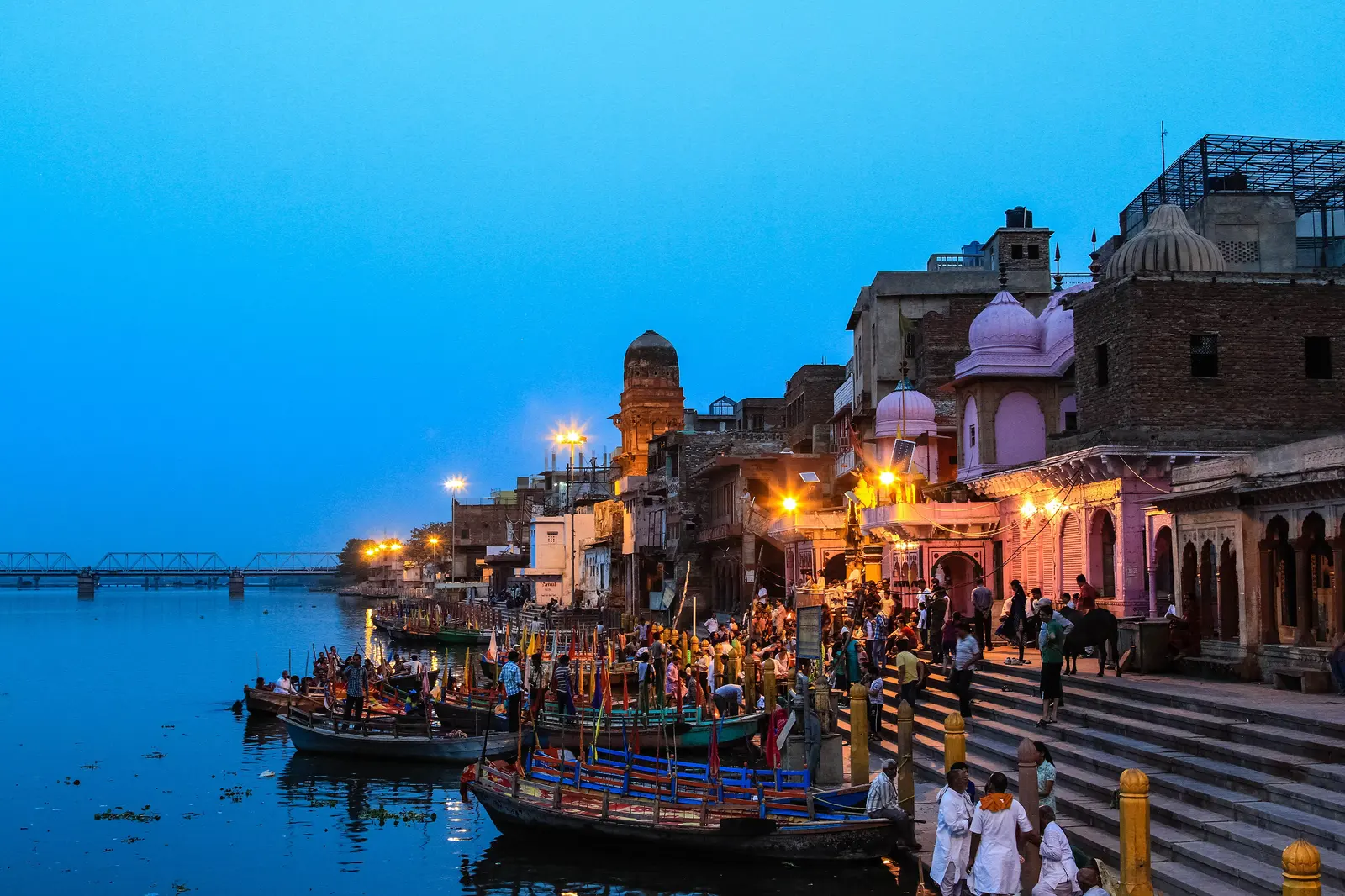
Mathura Travel Guide: Krishna Janmabhoomi & Temples
Complete Mathura guide to Krishna Janmabhoomi Temple, Vishram Ghat's evening aarti, Dwarkadhish Temple, and the gateway to the wider Braj region.
 Heritage
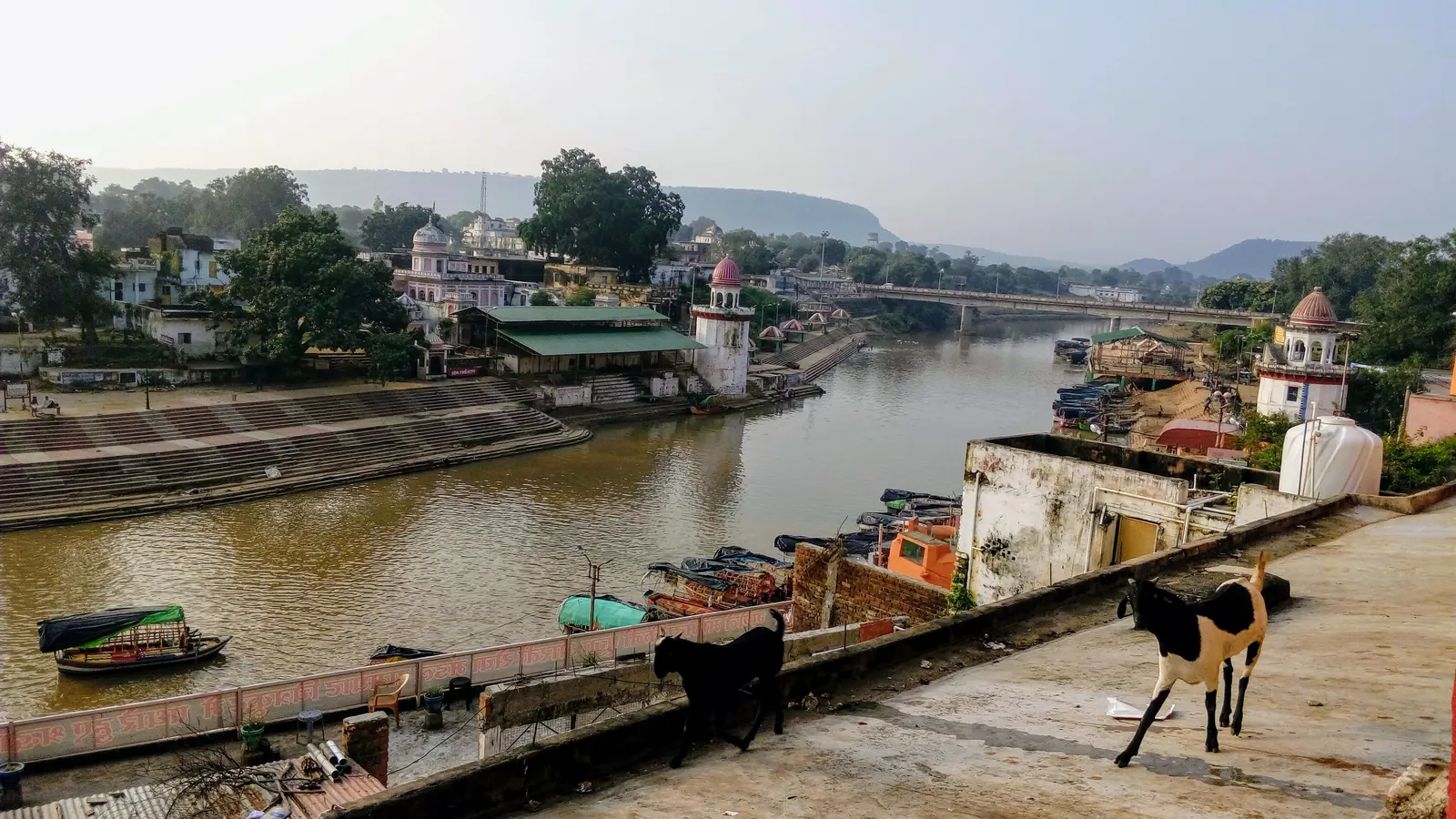
Chitrakoot Travel Guide: Ram's Forest Exile Site
Where Ram, Sita, and Lakshman spent part of their exile — Kamadgiri's parikrama, Ramghat's evening aarti, and a quieter Ramayana circuit.