A Quieter Terai Reserve
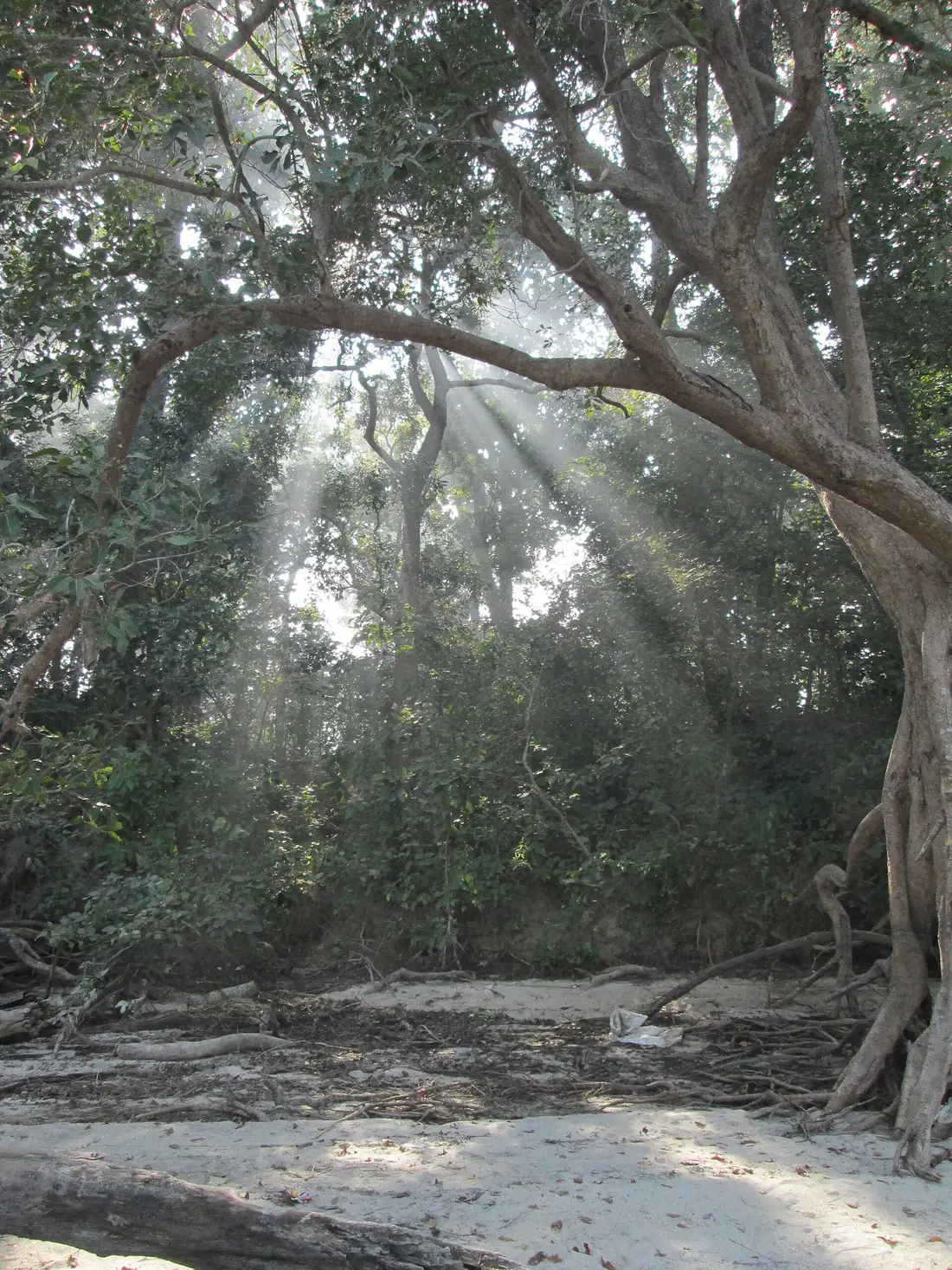
Pilibhit Tiger Reserve lies in the northern reaches of Uttar Pradesh, its dense terai forest running along the Sharda river right up against the Nepal border. Notified as a tiger reserve in 2014, it shares the broad terai ecosystem of its better-known neighbour, Dudhwa National Park, but sees a fraction of the visitors — which, for travellers who value quiet forest over crowded safari convoys, is exactly the appeal.
What sets Pilibhit apart is density: studies and forest department estimates have repeatedly placed it among India's reserves with the highest tiger density relative to its forest area, a striking statistic for a park that remains genuinely under-the-radar compared to Ranthambore or Corbett. The dense sal and teak-mixed forest, laced with the Sharda and Chuka rivers, also supports swamp deer and a rich variety of resident and migratory birds.
🐅 Pilibhit at a Glance
Best Time to Visit Pilibhit
Like every terai reserve on this border, Pilibhit's calendar is shaped entirely by the monsoon.
Cool, dry weather and the most reliable window for sightings, with thinner undergrowth improving visibility across the forest tracks.
The park opens mid-November and closes mid-June. Late season gets hot, but animals cluster more predictably around water sources.
The reserve shuts for roughly five months during the monsoon breeding season, when the terai floods and tracks become impassable.
The first safari slot after the gates open offers the best chance of catching tigers still active near forest edges and riverbanks.
Our pick: December to March — cool weather, thinning undergrowth, and the best odds for sightings in a reserve already known for its unusually high tiger density.
How to Reach Pilibhit
Pilibhit is better connected than many terai reserves, thanks to its own railway junction and proximity to Bareilly.
- By rail: Pilibhit Junction has reasonable connectivity to towns across the region, making it one of the more accessible terai reserves by train.
- By road via Bareilly: Bareilly, about 65 km away, is the closer and more practical gateway, with better air and rail links onward. The drive takes roughly 1.5-2 hours.
- By road via Lucknow: Around 250 km away, a longer but workable route if you're combining Pilibhit with Lucknow or Dudhwa in the same trip.
Wildlife & Safari Zones
Tigers in Unusually High Density
Pilibhit's headline claim is density, not just numbers — camera-trap surveys and forest department estimates have repeatedly placed it among the reserves with the highest tiger-per-square-kilometre figures in India. Sightings still require patience given the thick sal and riverine forest cover, but the odds are genuinely favourable relative to the park's modest visitor footprint.
Swamp Deer & Birdlife
Pilibhit also holds a population of swamp deer (barasingha), smaller than the numbers at Dudhwa but a welcome sight in the reserve's grassland clearings. The Sharda and Chuka riverbanks and associated wetlands draw a strong mix of resident and winter migratory birds, making Pilibhit a worthwhile stop for birders as much as for tiger-spotters.
Safari Zones
Jeep safaris run from designated zones within the reserve, typically booked through the forest department a day or more ahead. Because visitor numbers stay low, safaris here feel noticeably less crowded and rushed than at India's more famous parks — a quieter, more contemplative wildlife experience overall.
Pilibhit's Flute-Making Heritage
Beyond the forest, Pilibhit town carries a distinctive craft identity as one of India's centres for traditional bamboo flute (bansuri) making. Generations of local artisan families have hand-crafted flutes here, supplying musicians across the country — a heritage that rarely makes it into wildlife-focused itineraries but is well worth a short stop if you're passing through town. Watching the careful, largely hand-tooled process of shaping and tuning bamboo into a finished instrument offers a genuinely different side of Pilibhit from its forest reputation.
Where to Stay Near Pilibhit
Accommodation is modest and functional, in keeping with the reserve's low-key tourism profile — book ahead during peak winter months.
- → Basic guesthouses in Pilibhit town
- → Simple lodges near the reserve gates
- → Budget hotels in Bareilly as a base
- → Forest rest houses near the buffer zone
- → Mid-range hotels in Bareilly
- → Simple eco-lodges close to the park
- → Boutique jungle camps in season
- → Naturalist-guided premium tented stays
- → Upscale hotels in Bareilly city
Suggested Visit Plan (2 Days)
Arrival & Evening Safari
- ✓Drive in from Bareilly, check in
- ✓Afternoon jeep safari inside the reserve
- ✓Evening walk through Pilibhit town's market
Morning Safari & Flute Workshop
- ✓Early morning safari for the best sighting chances
- ✓Visit a local flute-making workshop in town
- ✓Afternoon drive back toward Bareilly or onward to Dudhwa
* Travellers with more time often combine Pilibhit with Dudhwa National Park for a fuller terai wildlife circuit.
Where to Eat Near Pilibhit
- Local dhabas in Pilibhit town: Simple North Indian vegetarian and non-vegetarian meals at reasonable prices.
- Lodge and resort dining: Most stays near the reserve offer set meals, often included with accommodation.
- Bareilly for wider options: If you're based in Bareilly, the city has a broader range of restaurants and street food than Pilibhit town itself.
Budget Breakdown
| Expense | Budget | Mid-Range | Luxury |
|---|---|---|---|
| Accommodation/night | ₹1,200 | ₹4,000 | ₹10,000 |
| Jeep safari (per safari) | ₹2,000 | ₹3,000 | ₹4,500 |
| Food/day | ₹450 | ₹1,000 | ₹2,200 |
| Park entry & permits/day | ₹250 | ₹250 | ₹450 |
| Local transport/day | ₹400 | ₹1,000 | ₹2,000 |
* Figures are per person, per day. Jeep safari costs are usually shared across the vehicle.
Essential Tips for Visiting Pilibhit
- Book safaris ahead: Even with lower visitor numbers, forest department slots are limited and best reserved a day or two in advance.
- Route via Bareilly, not Lucknow: It's significantly closer and cuts real time off the journey.
- Don't skip the flute workshops: A short visit to a local artisan adds a cultural layer most wildlife travellers miss entirely.
- Pack for cold winter mornings: Early safaris can be surprisingly chilly through December and January.
- Check park opening dates: Pilibhit is closed mid-June to mid-November — confirm before travelling near these windows.
✅ Do
- →Book safari slots a day or two ahead
- →Take the Bareilly route for a shorter approach
- →Visit a local flute-making workshop in town
- →Book two or more safaris if time allows
- →Pack warm layers for winter mornings
- →Combine with Dudhwa for a fuller terai trip
❌ Don't
- →Expect big resort-style infrastructure
- →Travel between mid-June and mid-November
- →Skip pre-booking your safari
- →Assume Pilibhit has Dudhwa's rhinos
- →Overlook Pilibhit town's craft heritage
- →Rely solely on the Lucknow route
Frequently Asked Questions
Is Pilibhit Tiger Reserve worth visiting compared to Dudhwa?
Yes, and the two make a good pair. Pilibhit has a comparable terai ecosystem to Dudhwa but is significantly quieter and less touristy, with a reputation for one of the higher tiger densities relative to forest area among India's reserves. Dudhwa offers rhinos and a larger barasingha population that Pilibhit doesn't have.
When is Pilibhit Tiger Reserve open?
The reserve is open from mid-November to mid-June and closed for roughly five months during the monsoon (June to November) to protect the breeding season and because the terai terrain becomes waterlogged.
How do I reach Pilibhit Tiger Reserve?
Pilibhit Junction railway station connects to major towns in the region. By road, Bareilly (around 65 km) is the closer and more practical gateway with better onward connectivity, while Lucknow is about 250 km away.
What is Pilibhit famous for besides tigers?
Pilibhit town has a distinctive craft heritage as a centre for traditional flute (bansuri) making, a skill passed down through generations of local artisan families. It's worth a stop even for travellers focused mainly on the wildlife reserve.
Can I see swamp deer at Pilibhit?
Yes, Pilibhit supports a population of swamp deer (barasingha) alongside its tigers, though in smaller numbers than the larger population found at nearby Dudhwa National Park.
Should I combine Pilibhit with Dudhwa in one trip?
Many wildlife travellers do, since both parks share the terai ecosystem and Nepal-border geography and are a few hours' drive apart via Lakhimpur Kheri, Shahjahanpur, and Bareilly. Combining them gives a fuller sense of the terai landscape and its wildlife than either park alone.
Published by the Kudozz Club editorial team · Last updated · How we research our guides
Want us to plan this trip for you?
Tell Kudozz Club where you want to go and what kind of trip you’re looking for. We’ll build a Pilibhit Tiger Reserve and Uttar Pradesh itinerary around your dates and budget.
Continue Exploring
View all guides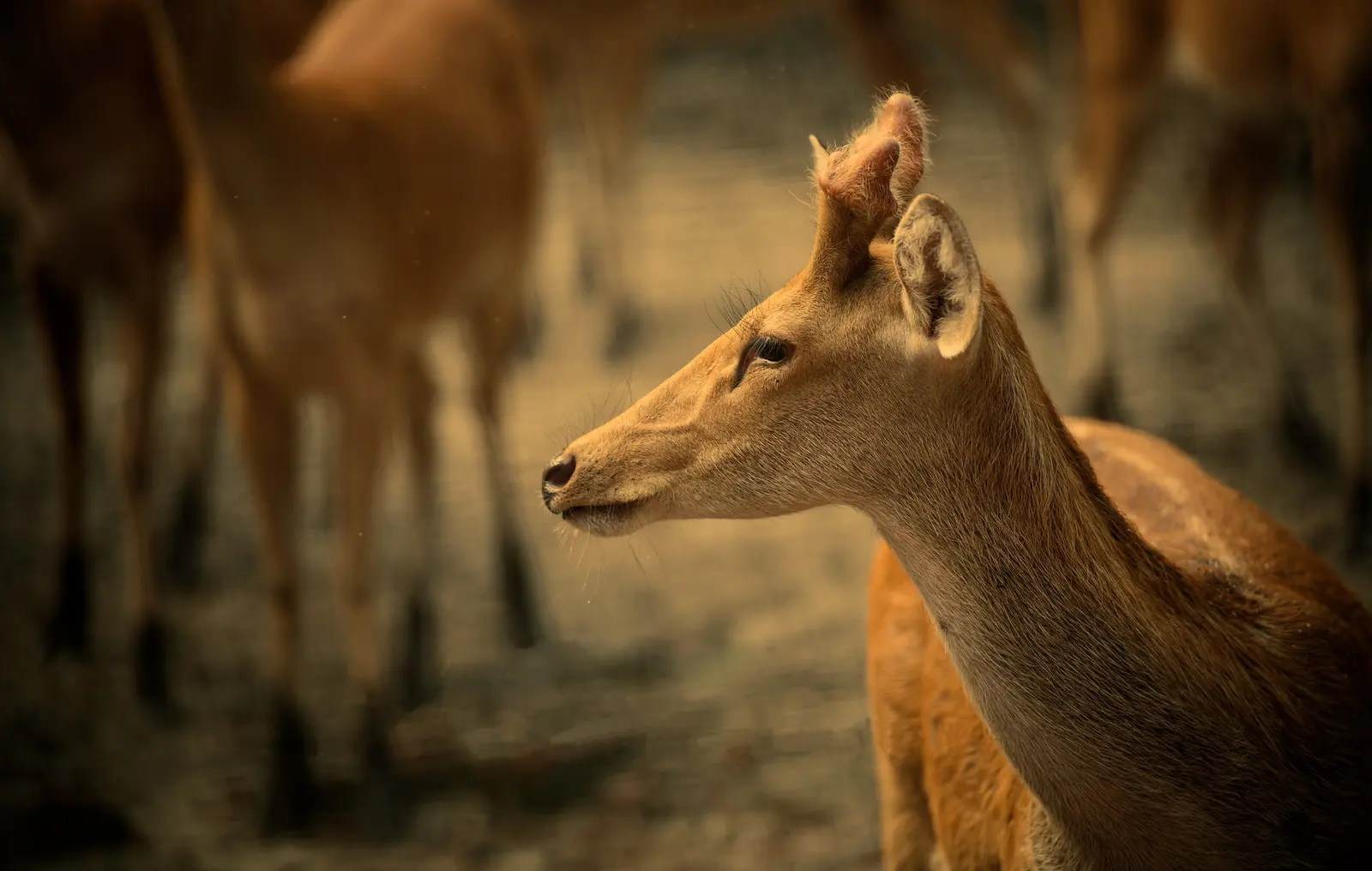 Adventure
Dudhwa National Park: Tiger & Rhino Safari Guide
Complete Dudhwa National Park guide — Bengal tigers, the reintroduced one-horned rhinoceros, barasingha, safari ranges, and a full visit plan.
 Adventure
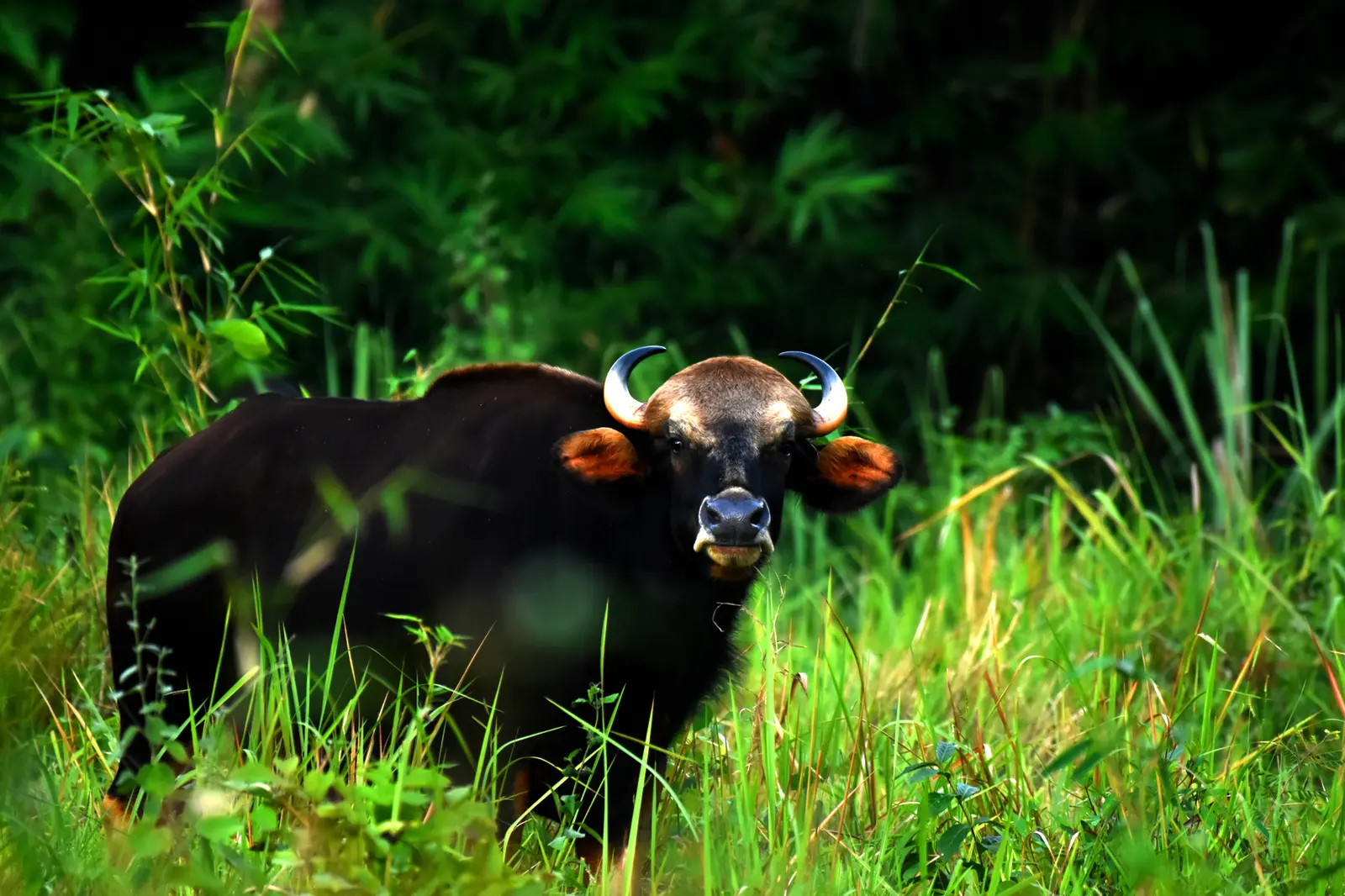
Trishna Wildlife Sanctuary: Safari Guide & Tips
A river-straddling sanctuary in South Tripura where hoolock gibbons and leopards share the forest with a distinctive python conservation programme — the complete Trishna guide.
 Adventure
Dampa Tiger Reserve: Safari Guide & Tips
A bamboo-forest reserve on the Bangladesh border where hoolock gibbons and birdlife, not guaranteed tiger sightings, are the honest main draw.
 Adventure
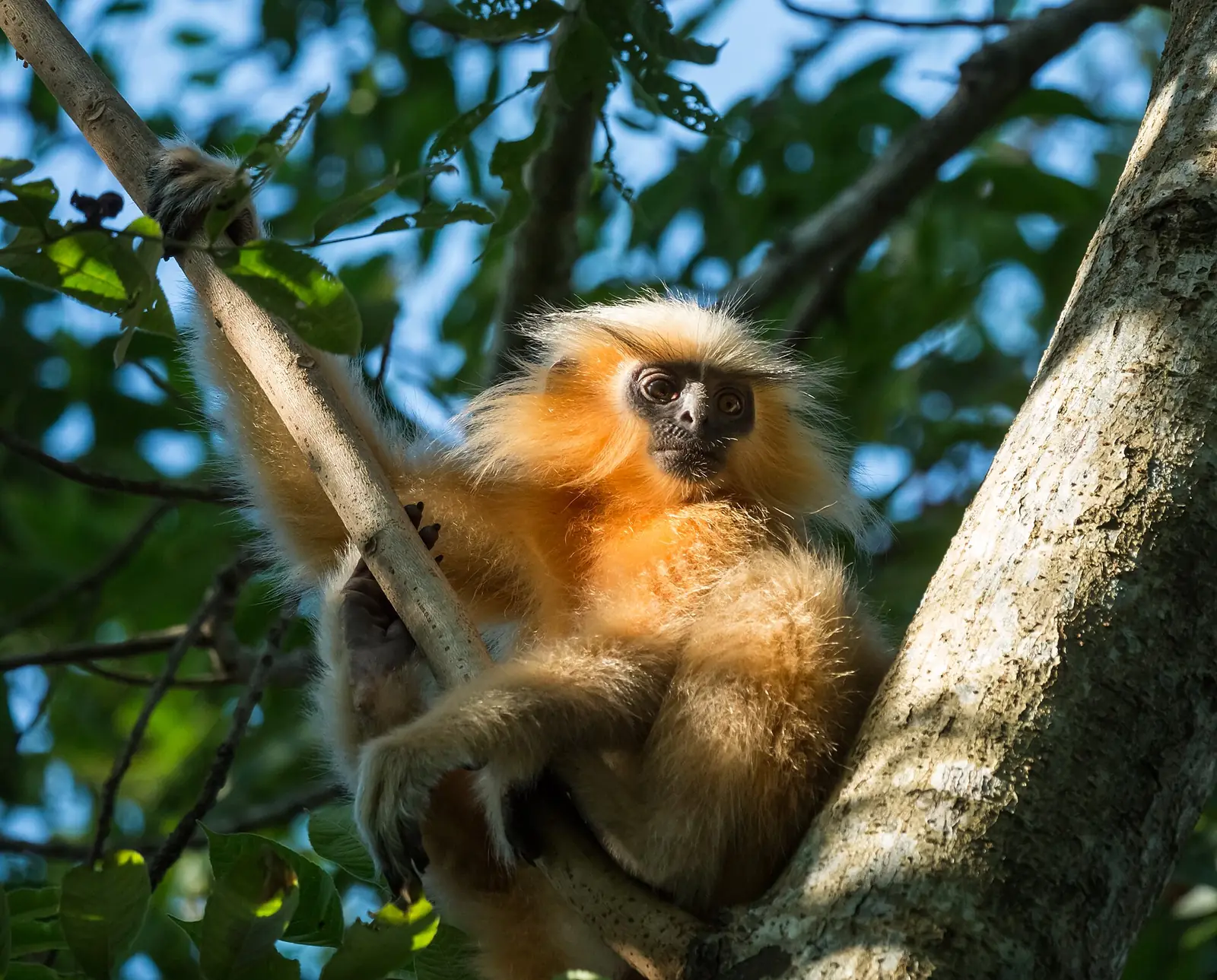
Manas National Park Travel Guide: Tiger Reserve & UNESCO Site
A UNESCO World Heritage tiger reserve on the Bhutan border, rebuilt from near-collapse into one of India's genuine conservation comeback stories — the complete guide to Manas.