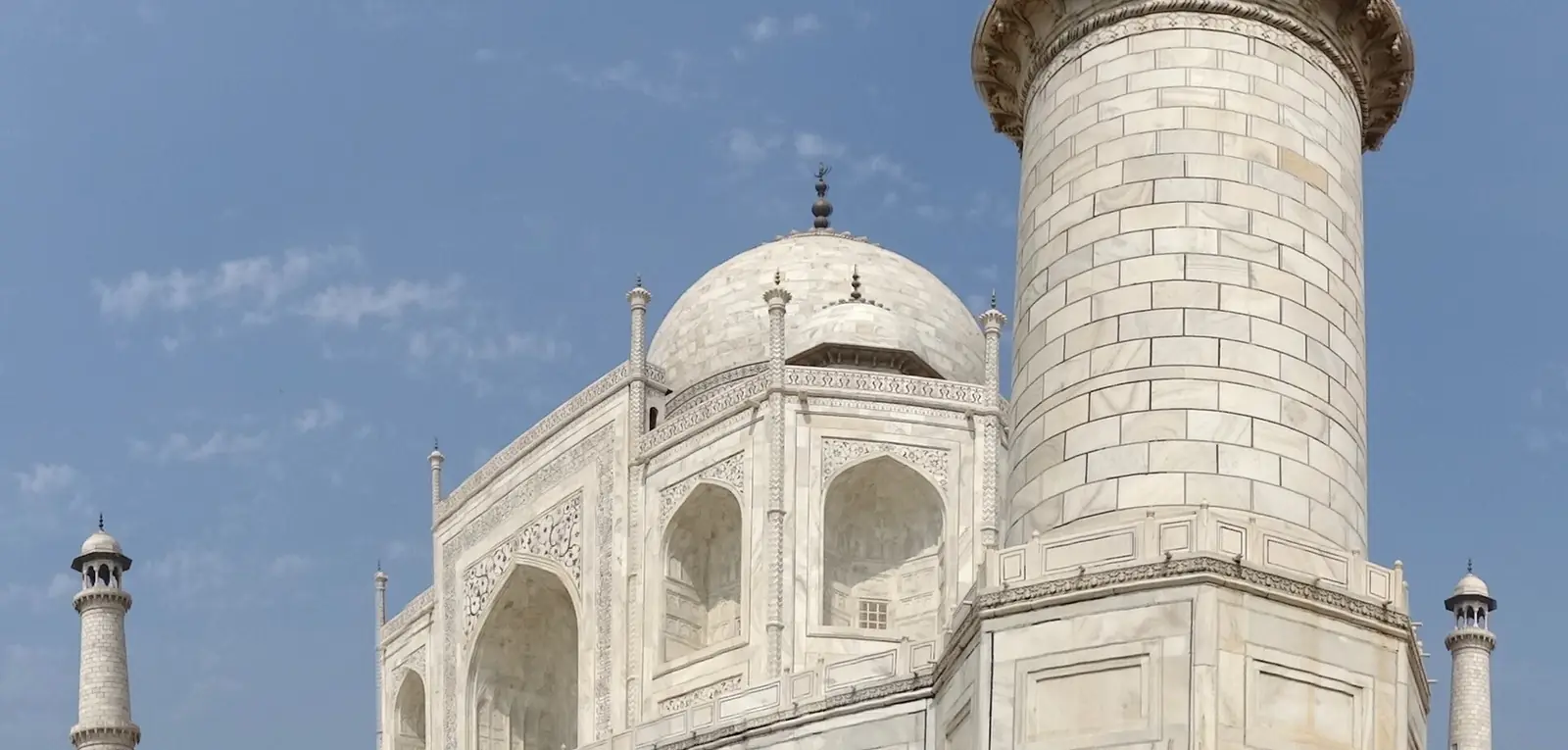
Why Uttar Pradesh?
India's most populous state is also arguably its most historically dense — Uttar Pradesh is home to the Taj Mahal, one of the world's most recognised buildings, alongside Varanasi, one of the oldest continuously inhabited cities on Earth, and Lucknow, a city that turned courtly manners and slow-cooked meat into an art form.
It's not a single-region trip — Agra, Varanasi, and Lucknow sit hundreds of kilometres apart and each deserves dedicated time. But together they cover an extraordinary range: Mughal architecture at its absolute peak, Hindu spirituality at its most intense, and a culinary and cultural tradition (Awadhi/Nawabi) found nowhere else in India.
Uttar Pradesh rewards patience — crowds, heat, and logistics can be demanding, but few trips in India offer this concentration of world-class sights.
🕌 Uttar Pradesh at a Glance
Interested in the history? See our guide to heritage in Uttar Pradesh.
Planning a pilgrimage? See our guide to spiritual places in Uttar Pradesh.
Best Time to Visit Uttar Pradesh
Uttar Pradesh sits on the Gangetic plains, with a climate similar to Delhi — sharp seasonal extremes that make timing genuinely important.
Cool, comfortable days (10–27°C) make monument-hopping in Agra and the long ghat walks in Varanasi genuinely enjoyable — the peak season.
Temperatures regularly cross 42–45°C in Agra and Lucknow. Sightseeing is genuinely uncomfortable outside early morning and evening.
The Ganga can rise significantly in Varanasi, submerging lower ghat steps — check conditions before planning ghat-focused activities.
Comfortable temperatures but early-morning fog can delay flights and obscure Taj Mahal sunrise views — build in a buffer day if possible.
Our pick: late October to February — comfortable temperatures for the Taj Mahal at sunrise, Varanasi's ghats, and long days of walking in Lucknow.
How to Reach Uttar Pradesh
- To Agra: Best reached by the Gatimaan Express or Shatabdi from Delhi (~2 hrs), or by road via the Yamuna Expressway (~3.5 hrs). Agra also has a small airport with limited connections.
- To Varanasi: Lal Bahadur Shastri Airport (VNS) has good domestic connectivity; Varanasi Junction is well connected by rail to Delhi, Kolkata, and most major cities.
- To Lucknow: Chaudhary Charan Singh International Airport has strong domestic and some international connections; Lucknow is also a major rail junction.
- Between cities: Agra–Lucknow (~5 hrs) and Lucknow–Varanasi (~5 hrs) by road or rail — flying is also an option if time is tight.
Agra: Taj Mahal & Beyond
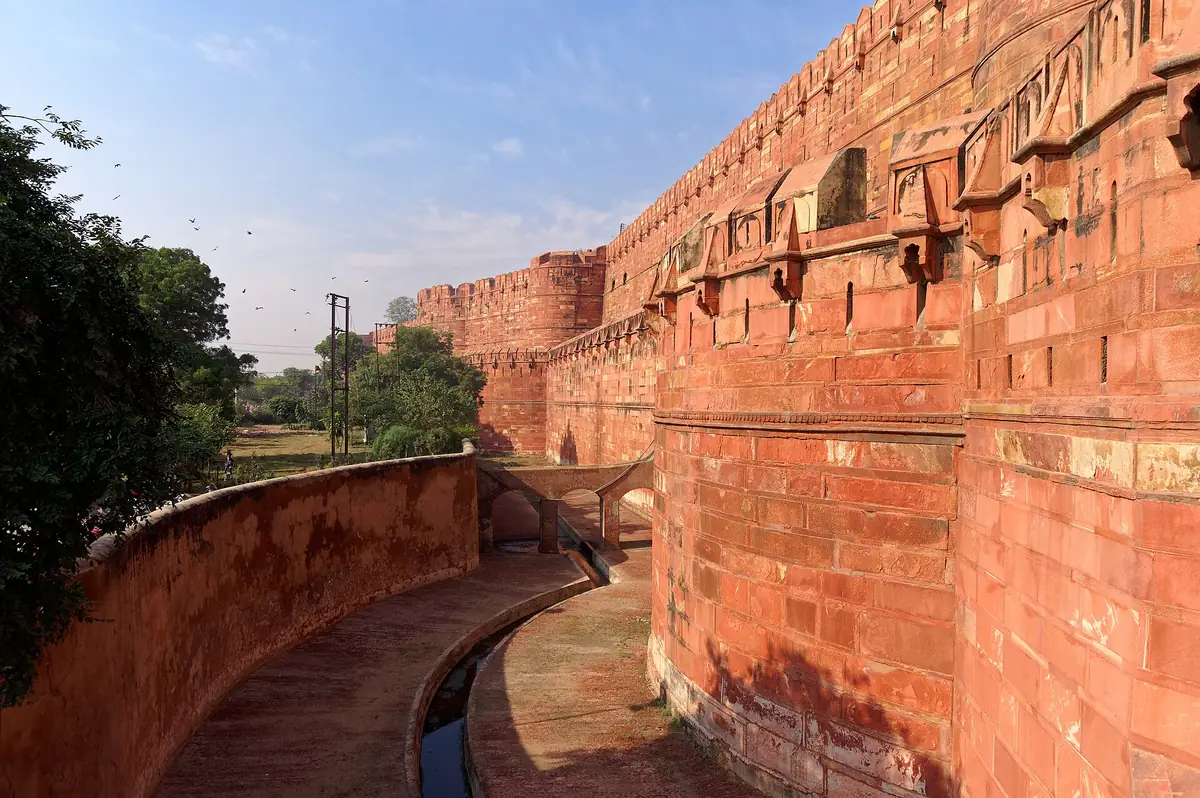
Agra's fame rests almost entirely on one building, but the city has considerably more Mughal-era architecture worth two full days.
- Taj Mahal: Best visited at sunrise for both the light and thinner crowds — arrive at the gates before opening. Closed on Fridays.
- Agra Fort: A massive red sandstone fort and UNESCO World Heritage Site, from where Shah Jahan reportedly viewed the Taj Mahal during his final years of house arrest.
- Fatehpur Sikri: A remarkably well-preserved abandoned Mughal city, roughly 40 km from Agra, worth a half-day trip.
- Mehtab Bagh: A garden directly across the river from the Taj Mahal, offering a different sunset-facing view of the monument.
- Itmad-ud-Daulah ("Baby Taj"): A smaller, less crowded marble tomb often considered a precursor to the Taj Mahal's design.
Varanasi: The Ghats & Ganga Aarti
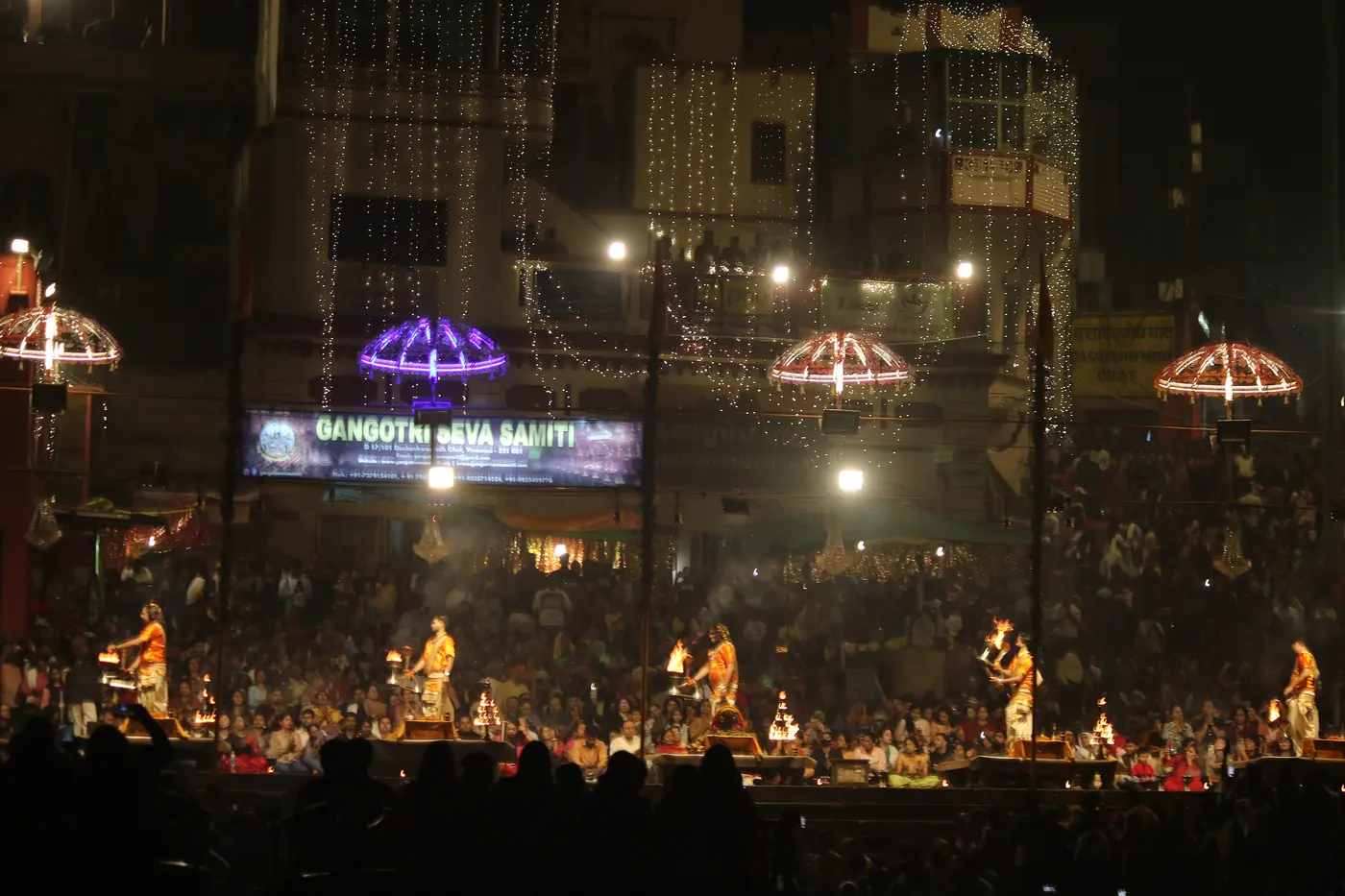
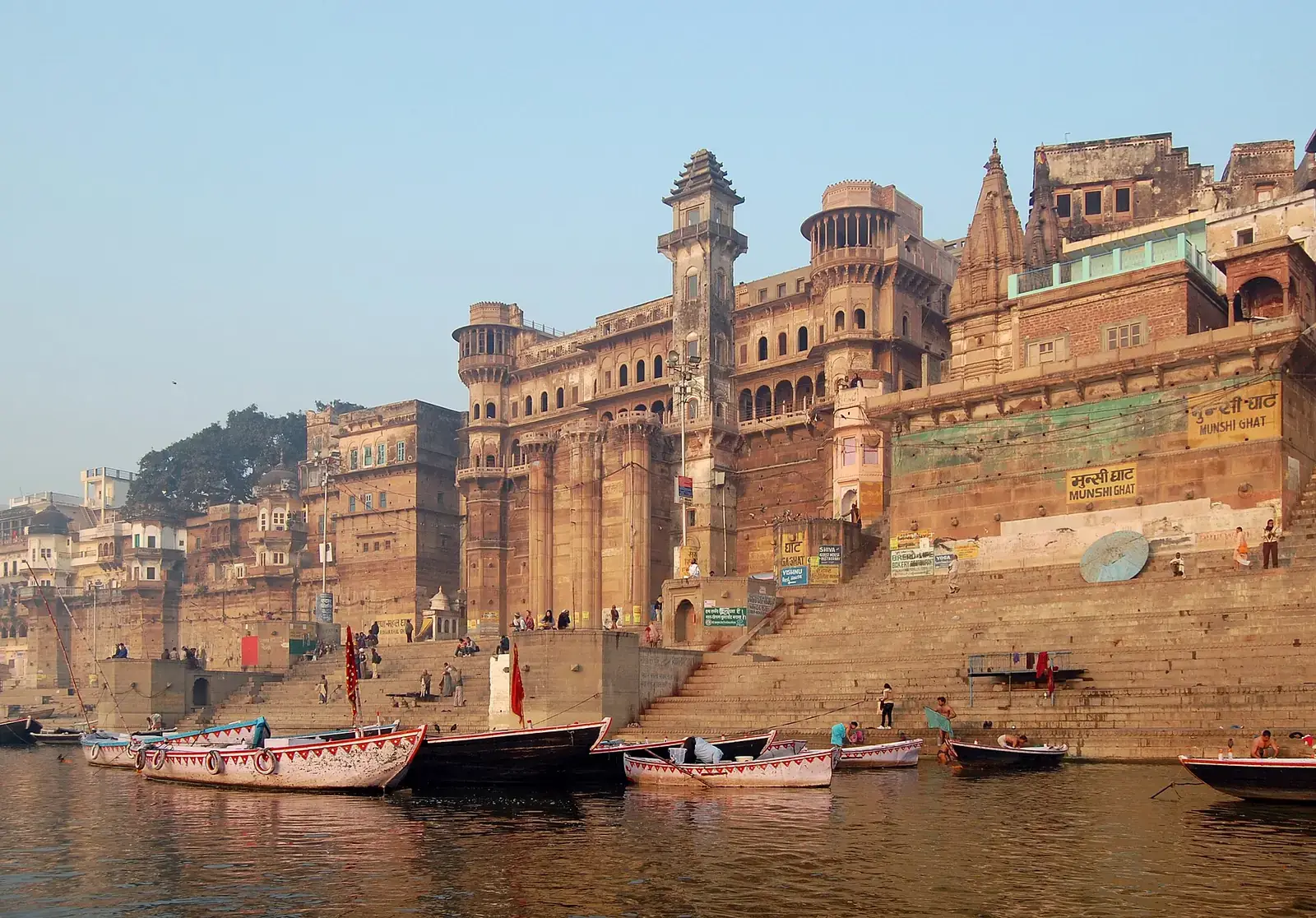
One of the world's oldest continuously inhabited cities, Varanasi (also called Kashi or Benares) sits on the banks of the Ganga and is among the most spiritually intense places in India.
- Dashashwamedh Ghat Aarti: The nightly fire ceremony performed by priests along the riverbank — one of India's most powerful religious spectacles, best watched from a boat.
- Sunrise boat ride: A dawn ride along the ghats is Varanasi's defining experience — pilgrims bathing, temple bells, and the city waking up along the riverbank.
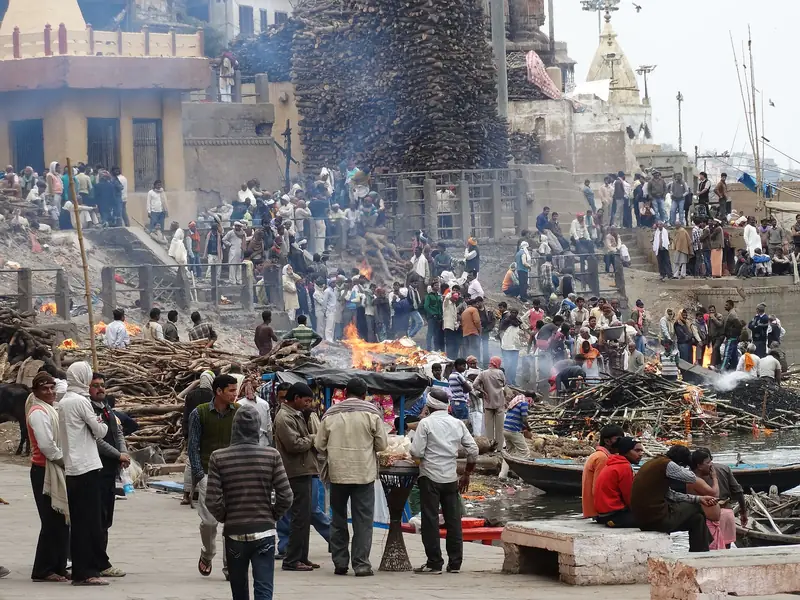
- Manikarnika Ghat: One of the city's main cremation ghats, where funeral pyres burn continuously — approach respectfully and avoid photography without explicit permission.
- Kashi Vishwanath Temple: One of the twelve Jyotirlinga shrines dedicated to Shiva, among the most sacred Hindu temples in India.
- Old city lanes: A maze of narrow alleys around the ghats, packed with shops, temples, and centuries of undisturbed daily life.
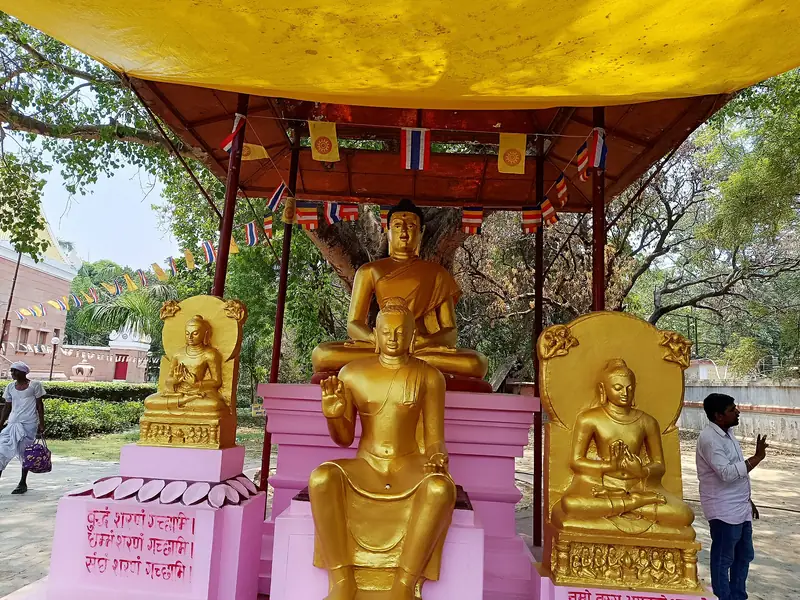
- Sarnath: A short trip from Varanasi, the site where the Buddha delivered his first sermon — a calm counterpoint to the city's intensity.
Lucknow: Nawabi Elegance
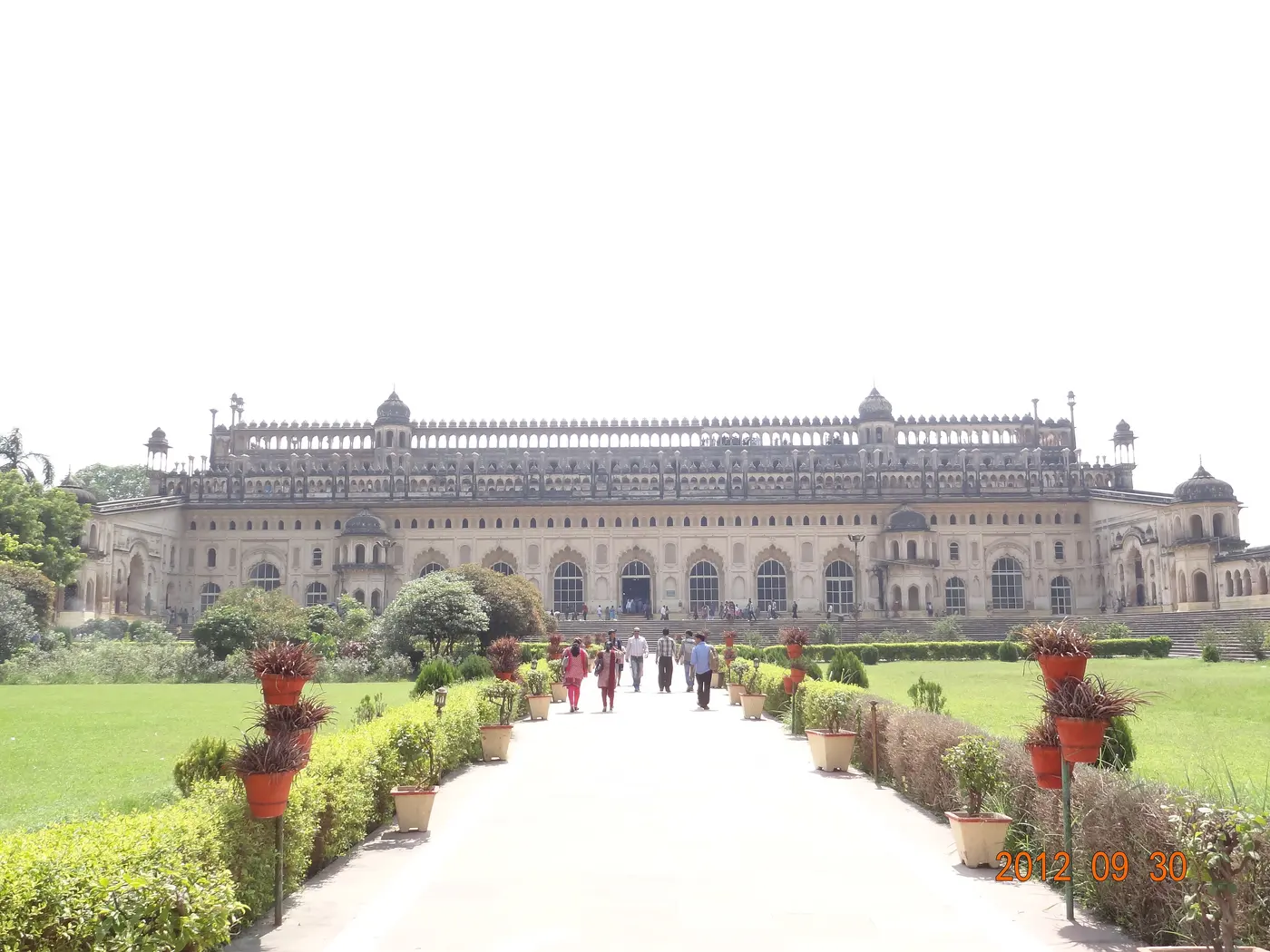
Once the seat of the Nawabs of Awadh, Lucknow retains a distinctive courtly culture — famous for its architecture, its slow-cooked Awadhi cuisine, and a legendary standard of hospitality known locally as "Lucknawi tehzeeb."
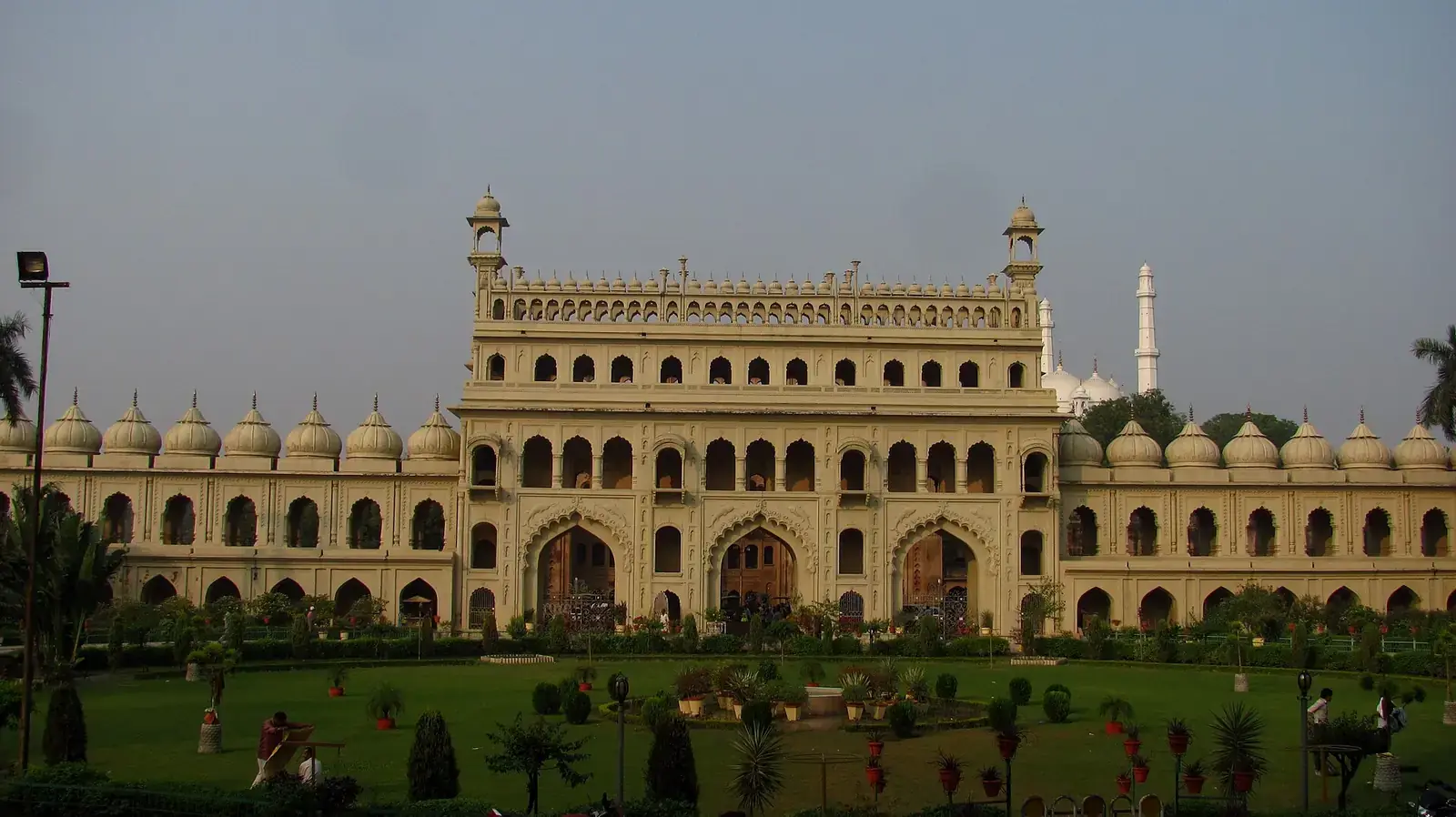
- Bara Imambara: An enormous 18th-century complex famous for the Bhool Bhulaiya, a labyrinth of interconnecting passages built without external support.
- Rumi Darwaza: An ornate 18th-century gateway, one of Lucknow's most photographed landmarks.
- Chota Imambara: A smaller but equally ornate mausoleum with an interior full of chandeliers and gilded decoration.
- Hazratganj: Lucknow's main shopping and dining street, good for an evening walk.
- Residency: The ruins of the British Residency, site of a significant siege during the 1857 uprising — now a peaceful, atmospheric heritage park.
Ayodhya, Mathura & Vrindavan
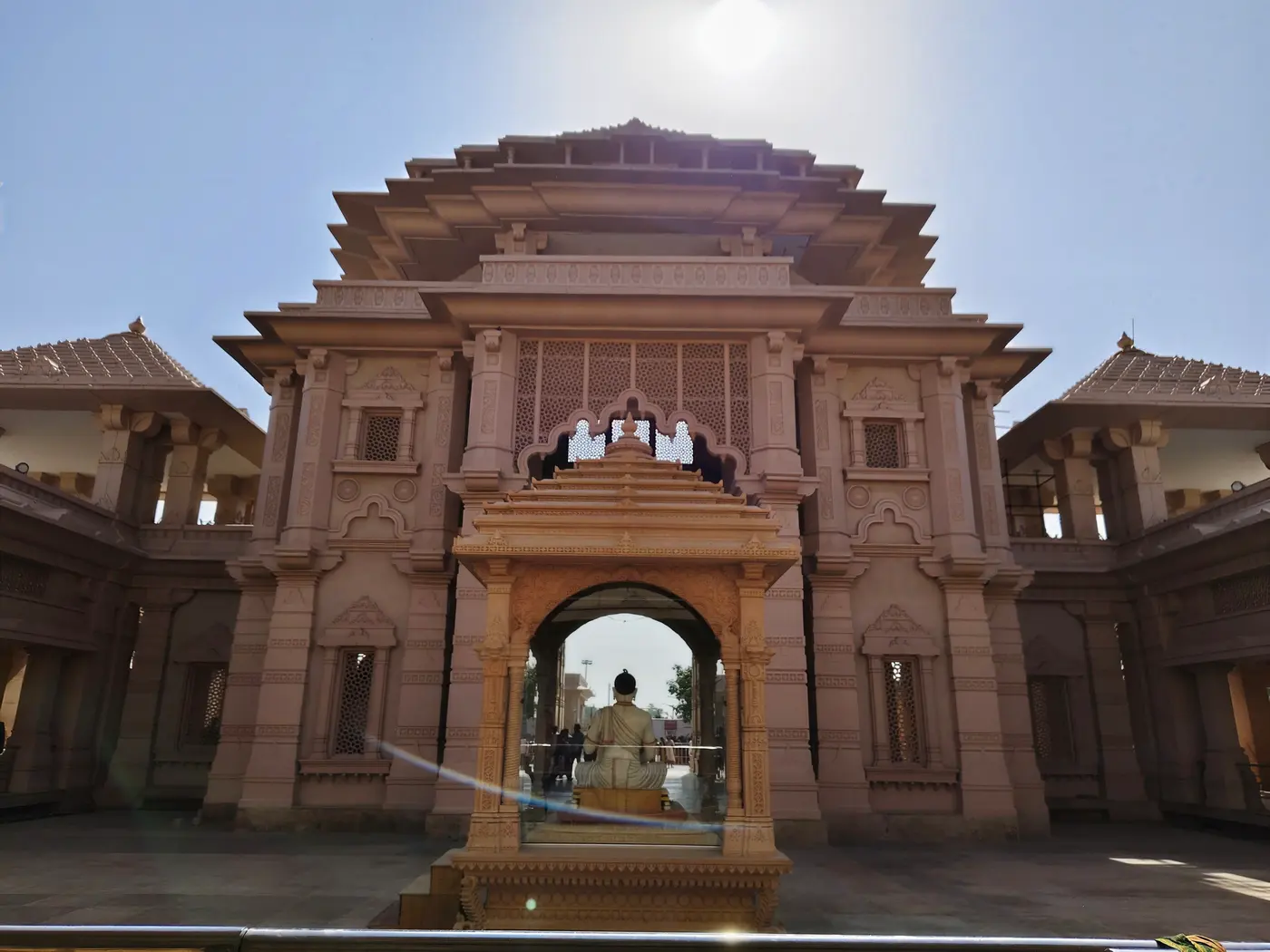
- Ayodhya: The birthplace of Lord Rama and site of the recently constructed Ram Mandir — now one of India's most-visited pilgrimage destinations, with significantly expanded infrastructure.
- Mathura: Believed to be the birthplace of Lord Krishna, with the Krishna Janmabhoomi temple complex as its central pilgrimage site.
- Vrindavan: A short distance from Mathura, associated with Krishna's childhood — home to hundreds of temples, and especially vibrant during Holi and Janmashtami.
Where to Stay
Accommodation is plentiful across all three main cities, with Agra and Varanasi offering some genuinely exceptional heritage and riverside options.
- → Guesthouses near Taj East Gate, Agra
- → Budget riverside stays, Varanasi
- → Hostels, Hazratganj, Lucknow
- → Hotel Taj Resorts, Agra
- → Heritage havelis, Varanasi ghats
- → Business hotels, Lucknow
- → The Oberoi Amarvilas, Agra
- → BrijRama Palace, Varanasi
- → Taj Mahal Lucknow
In Agra, staying near the Taj East or West Gate is worth the small premium — it makes a sunrise visit genuinely easy rather than a stressful pre-dawn cab ride.
What to Eat in Uttar Pradesh
- Tunday Kababi (Lucknow): Home of the legendary galouti kebab, made so tender it reportedly needed no teeth to eat — a Lucknow institution since 1905.
- Lucknawi biryani: Cooked in the "dum" style with layered rice and meat, distinct from Hyderabadi and Kolkata biryanis.
- Petha (Agra): A translucent ash-gourd sweet that's become Agra's signature confection, sold in dozens of flavours.
- Kachori-sabzi and chaat (Varanasi): Varanasi's breakfast street food scene is legendary, especially around the old city lanes.
- Banarasi paan: An elaborate betel leaf preparation considered a Varanasi specialty, worth trying at least once even if unfamiliar.
- Malai gilori and kulfi (Lucknow): Rich, saffron-scented desserts reflecting Lucknow's Nawabi sweet-making tradition.
6-Day Uttar Pradesh Itinerary
Six days is a comfortable minimum to cover Agra, Varanasi, and Lucknow without rushing any single city.
Agra
- ✓Sunrise at Taj Mahal
- ✓Agra Fort in the afternoon
- ✓Fatehpur Sikri half-day trip
- ✓Evening: Mehtab Bagh sunset view
Travel to Lucknow
- ✓Morning train/road to Lucknow (~5 hrs)
- ✓Afternoon: Bara Imambara, Rumi Darwaza
- ✓Evening: Hazratganj food and shopping
Lucknow
- ✓Chota Imambara, Residency ruins
- ✓Afternoon travel to Varanasi (flight recommended)
Varanasi
- ✓Sunrise boat ride along the ghats
- ✓Kashi Vishwanath Temple, old city lanes
- ✓Evening Ganga Aarti at Dashashwamedh Ghat
- ✓Optional: Sarnath half-day trip before departure
Budget Breakdown
| Expense | Budget | Mid-Range | Luxury |
|---|---|---|---|
| Accommodation/night | ₹1,200 | ₹4,500 | ₹16,000 |
| Food/day | ₹600 | ₹1,500 | ₹3,500 |
| Local transport/day | ₹300 | ₹700 | ₹2,000 |
| Monument entry fees/day | ₹700 | ₹700 | ₹700 |
| Daily total | ₹2,800 | ₹7,400 | ₹22,200 |
| 6-Day trip total | ₹16,800 | ₹44,400 | ₹1,33,200 |
* Excludes inter-city travel between Agra, Lucknow and Varanasi. Taj Mahal entry fees are notably higher for foreign nationals — check current rates before visiting.
Essential Travel Tips for Uttar Pradesh
- Book Taj Mahal tickets online in advance: Avoids queues at the gate, especially important for a sunrise visit when timing matters most.
- The Taj Mahal is closed on Fridays: Plan your Agra days around this if visiting on a tight schedule.
- Approach Manikarnika Ghat respectfully: It's an active cremation site — avoid photography without explicit permission and follow any guide's instructions.
- Fly Lucknow–Varanasi if time is tight: The road/rail option takes around 5 hours; a short flight saves meaningful time on a compact itinerary.
- Carry cash in smaller towns: Card acceptance drops off quickly outside main hotels and malls in Agra and Varanasi's old city.
- Dress modestly at religious sites: Kashi Vishwanath Temple, Ram Mandir, and the Mathura temples all expect covered shoulders and knees.
✅ Do
- →Book Taj Mahal tickets online and arrive for sunrise
- →Take a sunrise boat ride along Varanasi's ghats
- →Try Tunday Kababi's galouti kebabs in Lucknow
- →Dress modestly at active religious sites
- →Carry cash for old-city lanes and smaller vendors
- →Approach cremation ghats respectfully
❌ Don't
- →Plan a Taj Mahal visit on a Friday — it's closed
- →Rush Varanasi in under two days — it rewards slow travel
- →Photograph cremation ghats without explicit permission
- →Underestimate summer heat when planning sightseeing hours
- →Rely on cards outside main hotels and malls
- →Skip pre-booking tickets during peak winter season
Places to Explore in Uttar Pradesh
Every Uttar Pradesh guide on Kudozz Club, in one place — 20 destinations covered so far, from cities and towns to individual attractions. Use this index to plan beyond the highlights above.
Frequently Asked Questions
How many days do I need for an Uttar Pradesh trip?
Six days is a comfortable minimum to cover Agra, Varanasi, and Lucknow without rushing any single city — roughly two days each in Agra and Varanasi, plus a day and a half in Lucknow, given the hundreds of kilometres between them.
What is the best time to visit Uttar Pradesh?
Late October to February is the pick — comfortable temperatures for the Taj Mahal at sunrise, Varanasi's ghats, and long days of walking in Lucknow. Avoid April–June, when temperatures regularly cross 42–45°C in Agra and Lucknow and sightseeing outside early morning and evening is genuinely uncomfortable.
How do I reach Agra from Delhi?
The Gatimaan Express or Shatabdi train from Delhi takes about 2 hours — the Gatimaan is India's fastest train and makes a same-day Taj Mahal trip genuinely feasible. By road via the Yamuna Expressway it's roughly 3.5 hours.
What is the budget for a trip to Uttar Pradesh?
A 6-day trip covering Agra, Varanasi, and Lucknow runs roughly ₹16,800 at the budget level up to ₹1,33,200 at the luxury level, excluding inter-city travel. Taj Mahal entry fees are notably higher for foreign nationals.
What are the top things to do in Varanasi?
The essentials are a sunrise boat ride along the ghats, the nightly Ganga Aarti fire ceremony at Dashashwamedh Ghat, Kashi Vishwanath Temple (one of the twelve Jyotirlinga shrines), wandering the old city's narrow lanes, and a short trip to Sarnath, where the Buddha delivered his first sermon.
Is the Taj Mahal open every day?
No — it's closed on Fridays, so plan Agra days around this if you're on a tight schedule. It's best visited at sunrise for both the light and thinner crowds, and booking tickets online in advance avoids queues at the gate.
Is Uttar Pradesh safe for solo travellers?
Yes, with the usual sensible precautions common across India's most-visited circuits — carry cash in smaller towns and the old city lanes of Agra and Varanasi where card acceptance drops off, dress modestly at active religious sites, and approach cremation ghats like Manikarnika respectfully, avoiding photography without explicit permission.
Published by the Kudozz Club editorial team · Last updated · How we research our guides
Want us to plan this trip for you?
Tell Kudozz Club where you want to go and what kind of trip you’re looking for. We’ll build a Uttar Pradesh itinerary around your dates and budget.
Continue Exploring
View all guides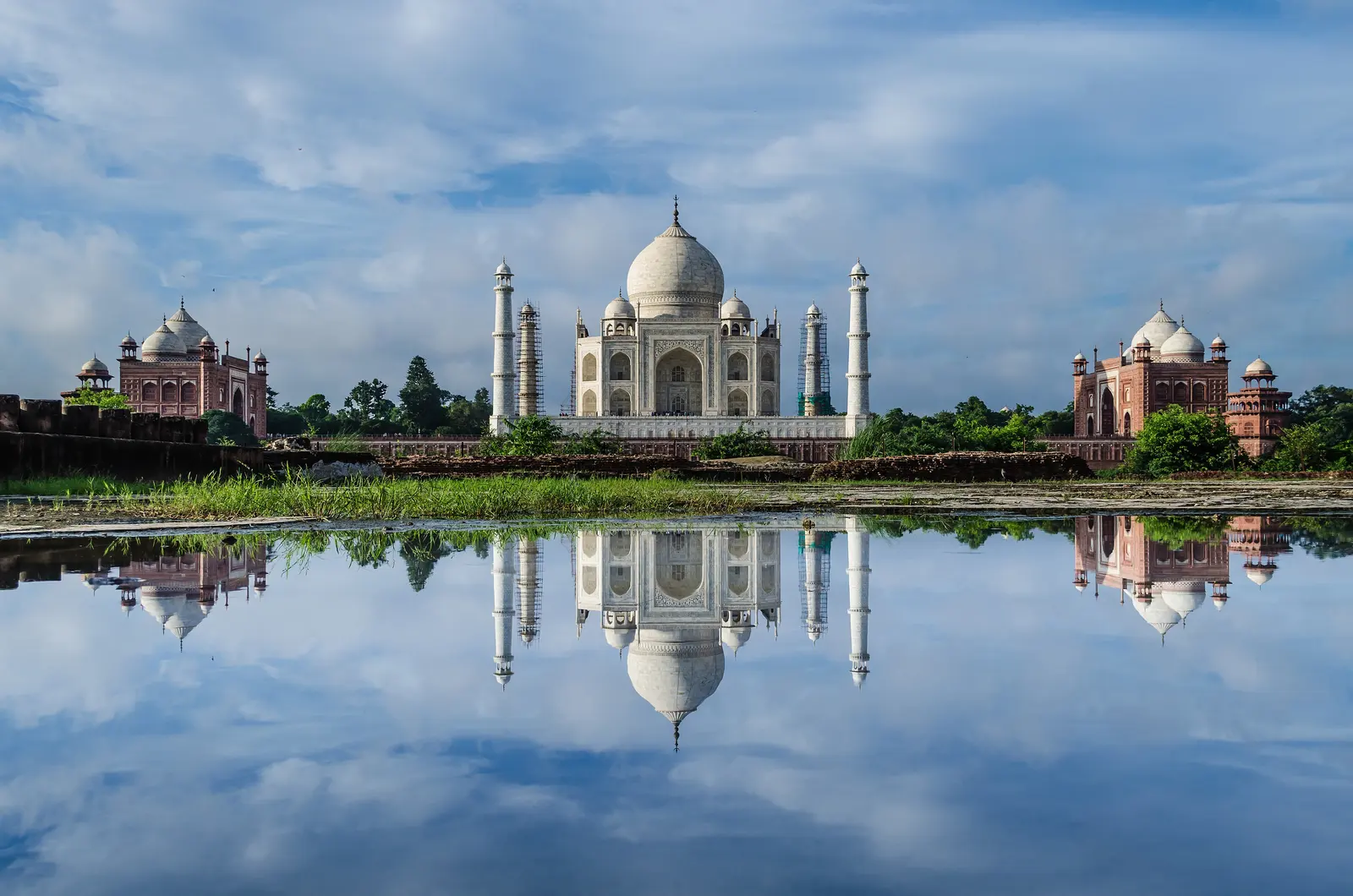 Heritage
Agra Travel Guide: Taj Mahal, Fort & Fatehpur Sikri
Complete Agra guide — the Taj Mahal at sunrise, Agra Fort, Itmad-ud-Daulah, Mehtab Bagh, and a full day-trip plan to Fatehpur Sikri.
 Heritage & Culture
Heritage Tourism in Uttar Pradesh: Agra, Lucknow, Varanasi and Beyond
A guide to heritage tourism in Uttar Pradesh: its four UNESCO cultural sites (the Taj Mahal, Agra Fort, Fatehpur Sikri and Sarnath), Mughal Agra, Nawabi Lucknow, the ghats of Varanasi, Jhansi and the Bundelkhand forts, Buddhist sites, crafts such as chikankari, Banarasi silk and marble inlay, and the Kathak tradition, with how to plan a route.
Things to DoThings to Do in Agra: The Taj Mahal and Beyond
The best things to do in Agra: the Taj Mahal at sunrise, Agra Fort, the Baby Taj, sunset from Mehtab Bagh, Fatehpur Sikri, Akbar's tomb at Sikandra, marble inlay workshops, petha and Mughlai food.
 Spiritual Tourism
Spiritual Tourism in Uttar Pradesh: Varanasi, Ayodhya, Prayagraj and Braj
A guide to spiritual tourism in Uttar Pradesh: Varanasi's ghats and Kashi Vishwanath, Ayodhya's Ram Mandir, Prayagraj's Sangam, the Braj towns of Mathura, Vrindavan, Govardhan and Barsana, Naimisharanya, Chitrakoot and Vindhyachal, the Buddhist sites of Sarnath, Kushinagar and Shravasti, the Sufi shrines, festivals, routes and seasons.