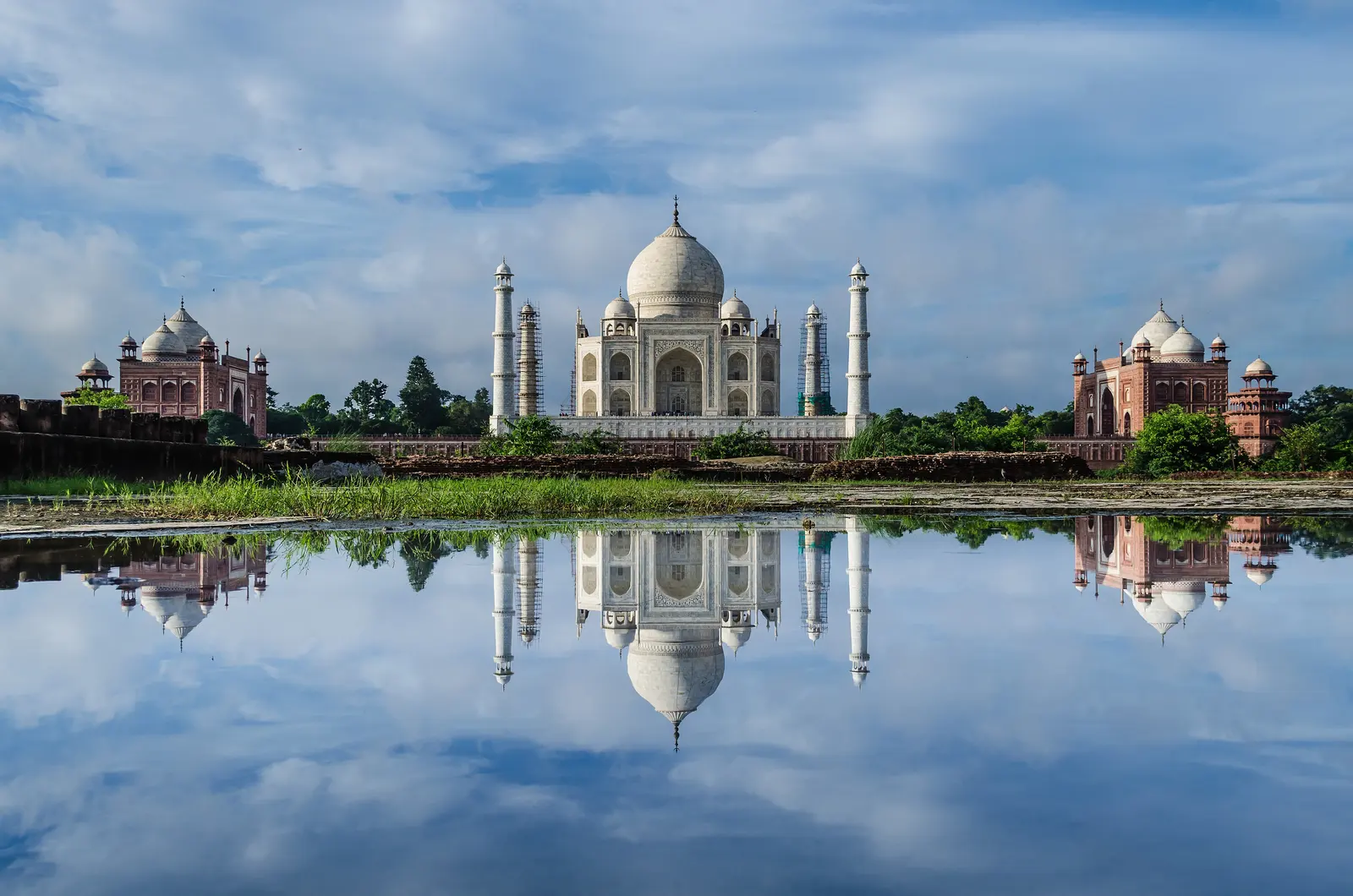
The City of the Taj
Agra is, for most first-time visitors to India, the single most anticipated stop on the map — home to the Taj Mahal, arguably the most recognisable building on earth and the centrepiece of any Uttar Pradesh itinerary. But Agra is far more than one monument: as the Mughal capital under three successive emperors — Akbar, Jahangir, and Shah Jahan — it accumulated a concentration of imperial architecture that few cities in the world can match.
Beyond the Taj, the city holds the imposing red-sandstone Agra Fort, the delicate marble Itmad-ud-Daulah (often called the "Baby Taj" for its precursor role in the Taj's design language), and the riverside gardens of Mehtab Bagh. Just outside the city, the abandoned Mughal capital of Fatehpur Sikri makes an easy half-day extension, and the temple town of Mathura lies just over an hour further down the highway.
Sitting roughly 3-4 hours from Delhi by road and under two hours by fast train, Agra is one of India's most popular day trips and overnight getaways — and while a rushed single day is enough to tick off the Taj and the Fort, giving the city a proper two days lets you take in its full sweep of Mughal architecture without feeling hurried.
🕌 Agra at a Glance
Looking for activities and experiences? See our guide to the best things to do in Agra.
Want a day-by-day plan? Follow the Golden Triangle itinerary (Delhi, Agra and Jaipur).
Going by road? See our guide to road trips from Delhi.
Interested in the history? See our guide to visiting the Taj Mahal.
Best Time to Visit Agra
Agra sits on the north Indian plains, which means brutal summers and a genuinely pleasant winter — timing your visit matters more here than almost anywhere else on a typical India itinerary.
Cool, comfortable days and crisp mornings make sightseeing genuinely enjoyable. December and January can turn foggy at dawn, which occasionally delays that perfect sunrise view of the Taj.
Winter chill eases but heat hasn't arrived — clear skies and good visibility make this a favourite window for photography, with slightly thinner crowds than peak December.
Daytime temperatures regularly cross 40°C, sometimes touching 45-47°C in May-June. The open marble courtyards of the Taj and Fort become punishing by mid-morning.
Rain brings relief from the heat and greens up the surrounding countryside, but high humidity and occasional heavy downpours make sightseeing less comfortable.
Our pick: November to February — cool mornings for the Taj at sunrise, comfortable daytime temperatures for the Fort and Fatehpur Sikri, and clear winter skies for photography.
How to Reach Agra
Agra is one of the most accessible cities in North India, which is a large part of why it's such a popular day trip or short getaway from the capital.
- By train (fastest and most popular): The Gatimaan Express and the Shatabdi Express connect Delhi to Agra Cantt station in around 100 minutes to 2 hours — comfortably India's quickest way to cover the distance, and the preferred option for day-trippers.
- By road: The Yamuna Expressway makes Agra a smooth 3-4 hour drive from Delhi, whether by self-drive car, hired taxi, or one of the many tour buses that run the route daily.
- By air: Agra has a small airport (Kheria Airport) with limited scheduled flights, mostly on a handful of domestic routes — most travellers fly into Delhi and continue by train or road instead.
- Getting around Agra: Auto-rickshaws and taxis cover the city easily; note that diesel/petrol vehicles aren't allowed right up to the Taj Mahal's gates, so the last stretch is covered by electric buses, battery-operated golf carts, or a short walk.
Top Attractions in Agra
The Taj Mahal
Built by Emperor Shah Jahan as a mausoleum for his wife Mumtaz Mahal, who died in childbirth in 1631, the Taj Mahal took an estimated 20 years and thousands of artisans to complete. Its white marble facade, inlaid with semi-precious stones in intricate floral patterns (a technique called pietra dura), shifts colour through the day — pale pink at dawn, brilliant white at midday, golden at sunset.
Entry works on a two-tier ticketing system: Indian nationals pay a modest garden-entry fee, while foreign nationals pay a substantially higher rate that includes small amenities like shoe covers. Everyone — Indian and foreign visitors alike — needs an additional, separately priced ticket to enter the main mausoleum platform itself. Arrive right at opening for the softest light and thinnest crowds; for a different angle entirely, head to Mehtab Bagh across the Yamuna river at sunset, where the symmetrical char-bagh garden frames a classic reflected view of the Taj without the crowds inside the complex.
Agra Fort
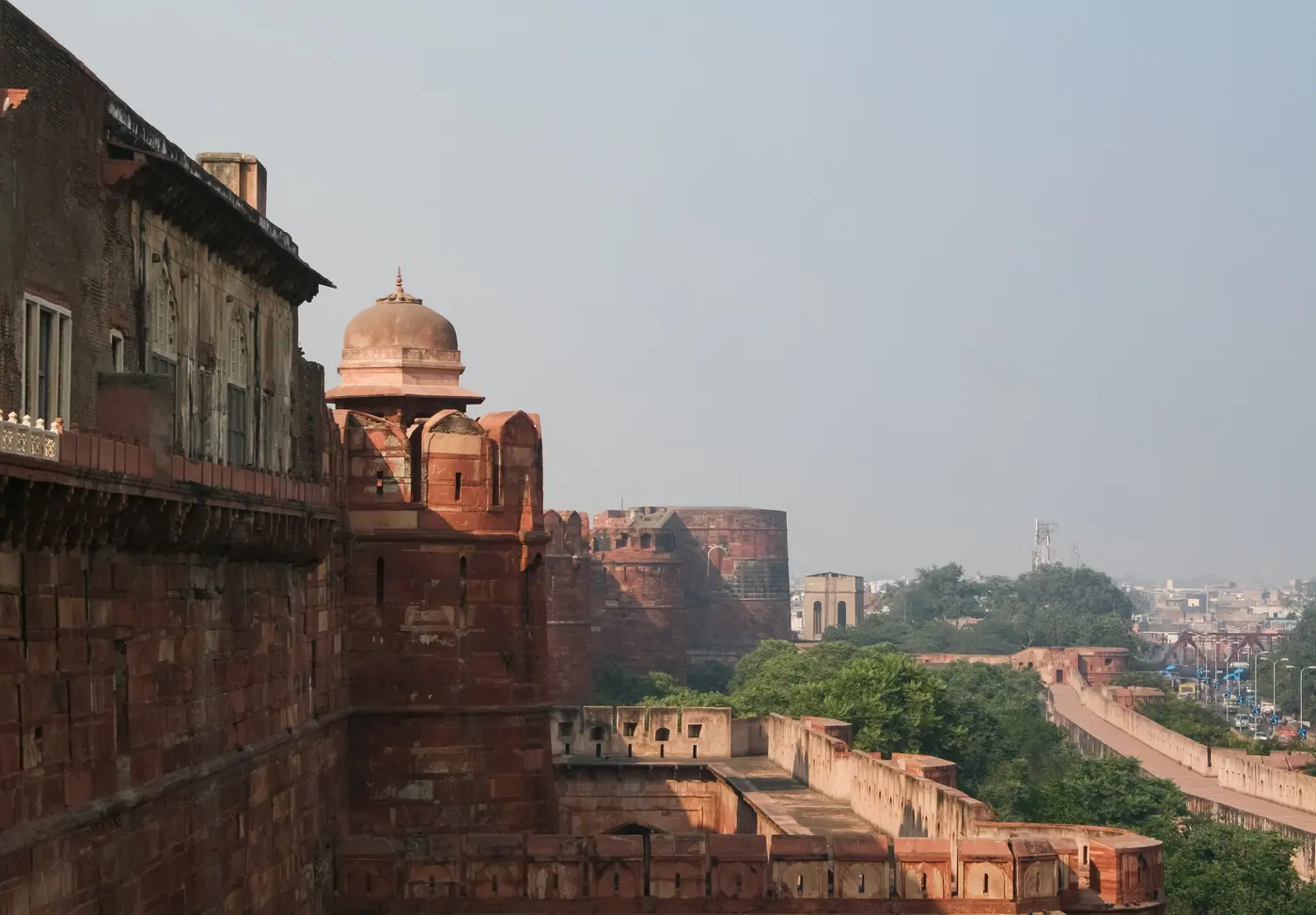
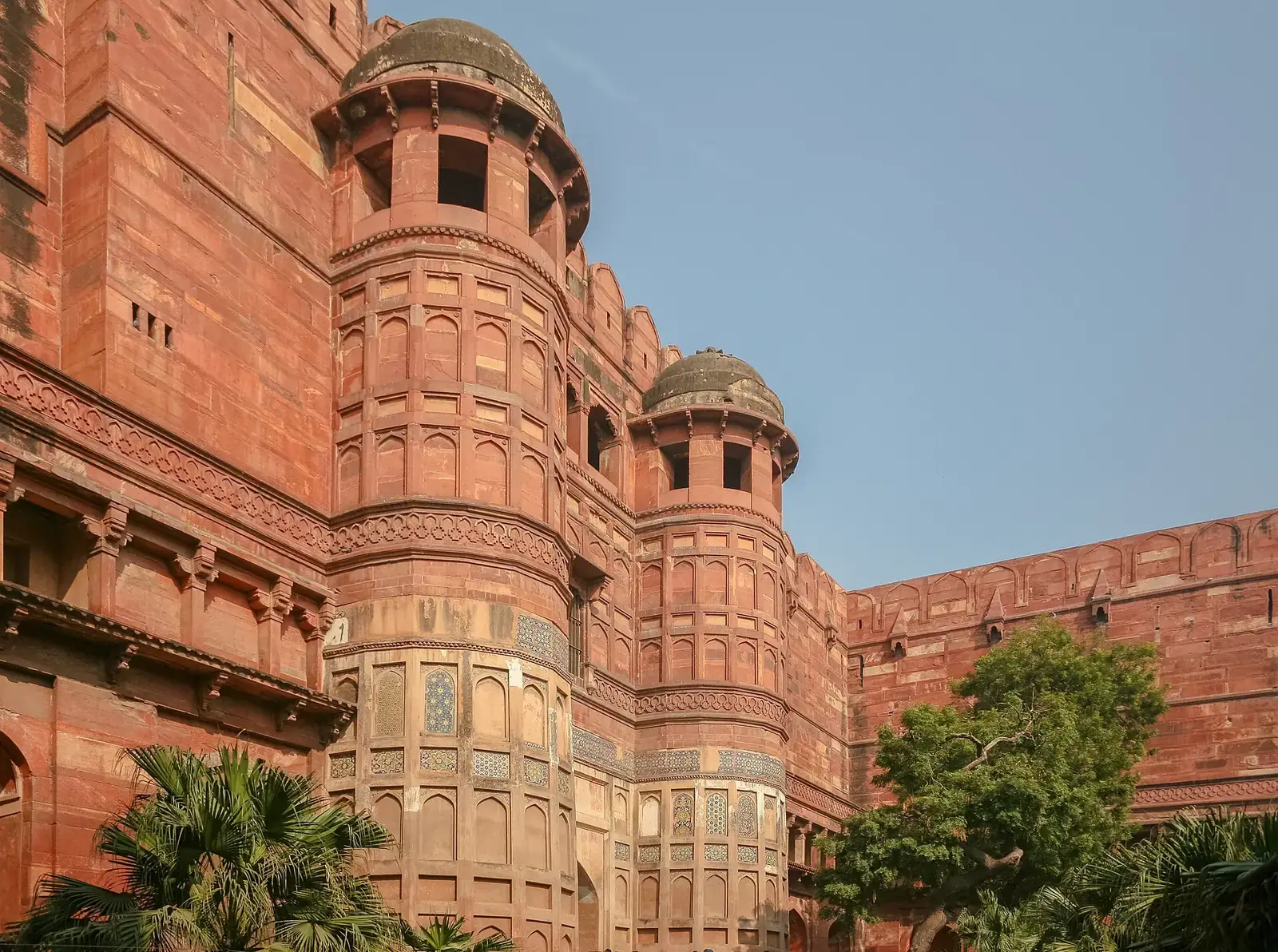
A massive red-sandstone fortress-palace on the banks of the Yamuna, Agra Fort was the primary residence of Mughal emperors until the capital shifted to Delhi. Within its walls sits the Musamman Burj, an octagonal marble tower where Shah Jahan spent his final years under house arrest, imprisoned by his own son Aurangzeb — with, poignantly, a clear view of the Taj Mahal he had built, visible in the distance down the river.
Itmad-ud-Daulah ("Baby Taj")
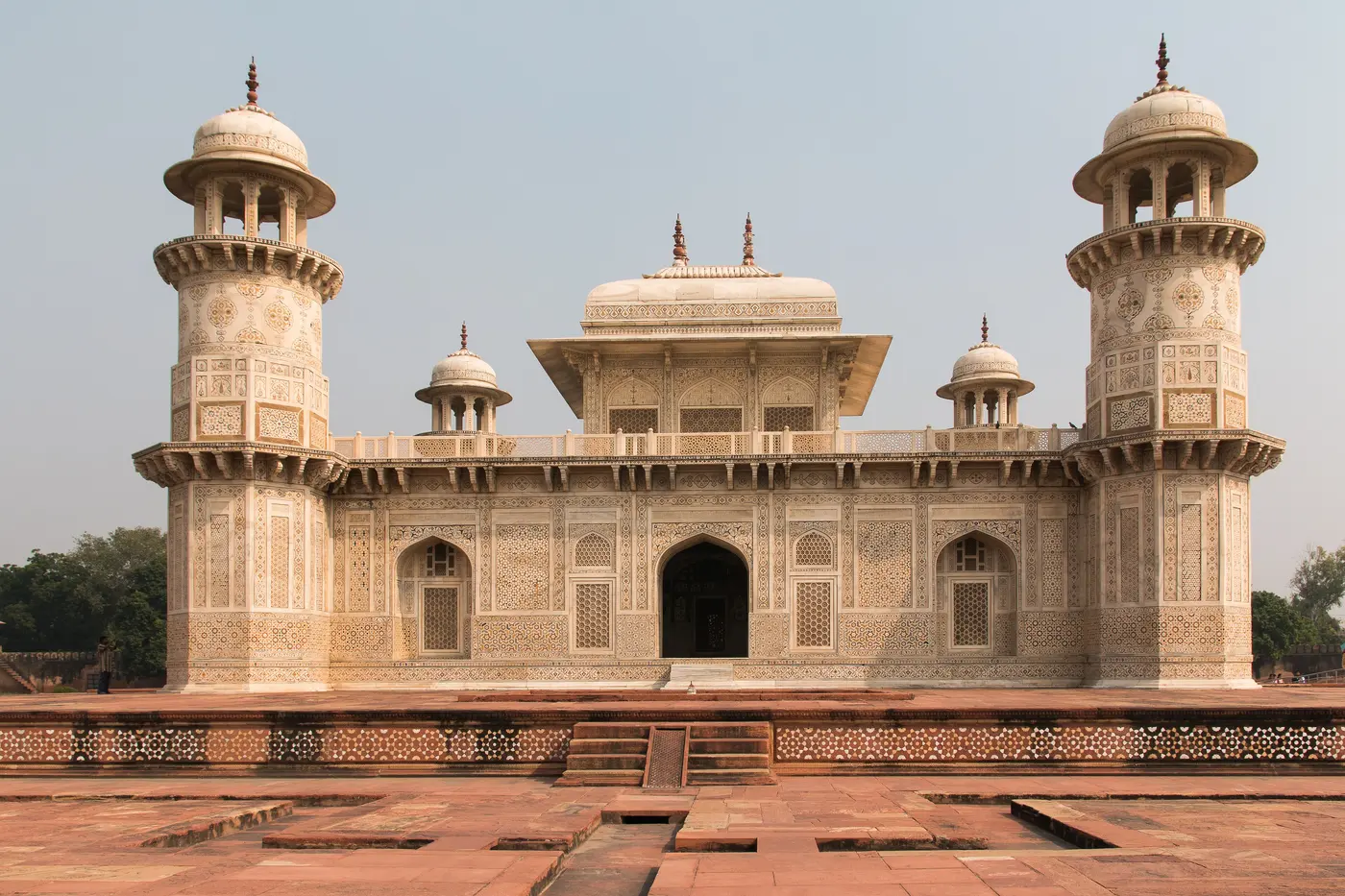
Built earlier than the Taj Mahal, this smaller marble tomb for a Mughal nobleman is widely considered a design precursor to it — the first structure in Agra to use extensive white marble and pietra dura inlay work at this scale. Quieter and far less crowded than the Taj, it rewards visitors who want to see the same craftsmanship without the queues.
Mehtab Bagh
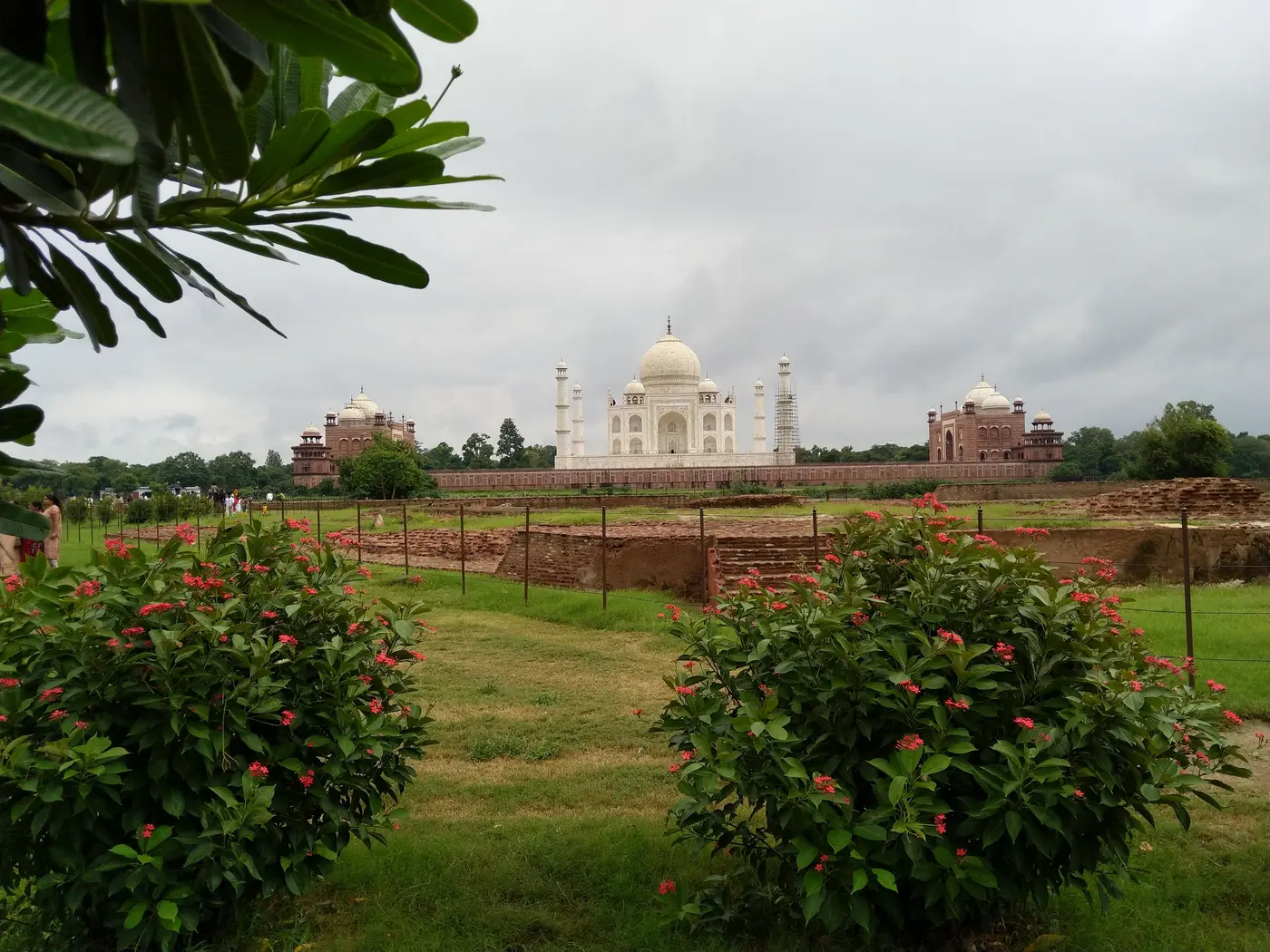
A restored Mughal garden directly across the river from the Taj Mahal, laid out on a north-south axis so the monument is perfectly framed from its central platform — the classic sunset-silhouette photograph of the Taj is taken from here.
Marble-Inlay Shopping & Avoiding Scams
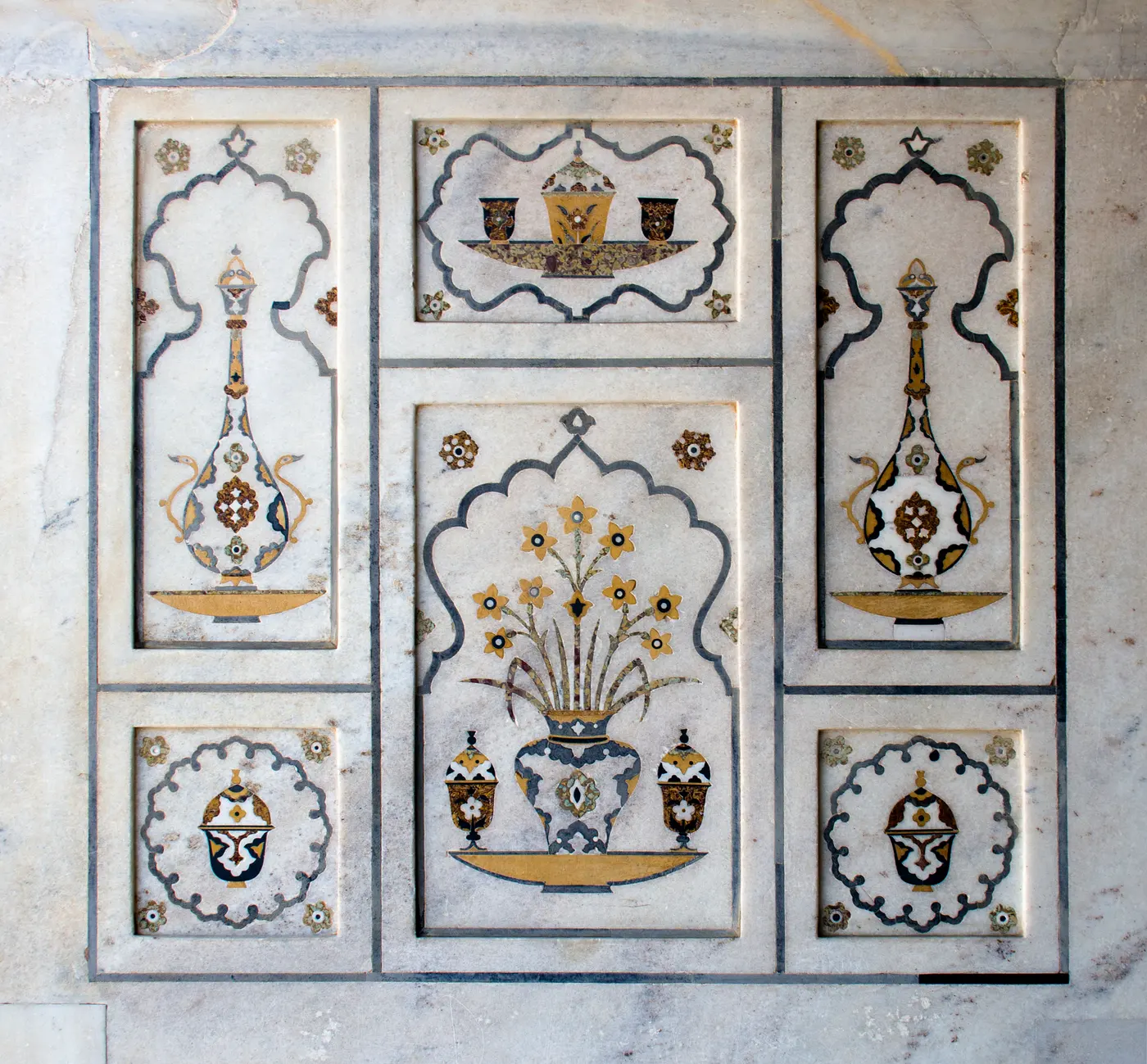
Agra's artisans still practice pietra dura, the same marble-inlay technique used on the Taj itself, and workshops around the city sell everything from small coasters to large tabletops. Buy from government emporiums or established, well-reviewed workshops rather than shops a driver insists on taking you to — commission arrangements between drivers and certain stores are common, and the pressure-sell items are rarely genuine stone inlay at a fair price.
Where to Stay in Agra
Most visitors base themselves near the Taj East or West Gate area for easy morning access, or around Fatehabad Road and Taj Ganj, where the widest range of budgets is concentrated.
- → Guesthouses in Taj Ganj
- → Budget hotels near Fatehabad Road
- → Backpacker hostels close to Agra Cantt
- → Business hotels near Taj East Gate
- → Boutique stays with Taj-view rooftops
- → Chain hotels on Fatehabad Road
- → Five-star resorts near Taj East Gate
- → Heritage-style luxury properties
- → International chain hotels with Taj views
Suggested Visit Plan (2 Days)
Taj Mahal & Agra Fort
- ✓Sunrise entry at the Taj Mahal (arrive before opening)
- ✓Late morning at Agra Fort and the Musamman Burj
- ✓Afternoon rest, evening at Mehtab Bagh for sunset
Fatehpur Sikri & Lesser Monuments
- ✓Morning day trip to Fatehpur Sikri (~40 km)
- ✓Afternoon visit to Itmad-ud-Daulah (Baby Taj)
- ✓Evening marble-inlay shopping at a trusted emporium
* Travellers continuing on toward the Braj pilgrimage circuit often add a half-day for Mathura (about an hour from Agra) before heading further into Uttar Pradesh.
Where to Eat in Agra
- Petha shops: Agra's signature sweet — a translucent, sugar-syrup-soaked confection made from ash gourd — is sold across the city in countless variations, from plain to saffron and dry-fruit versions.
- Sadar Bazaar and Taj Ganj eateries: Casual restaurants serving North Indian thalis, Mughlai curries, and tandoori dishes at reasonable prices, many with rooftop seating and Taj views.
- Street food stalls: Chaat, kachori, and bedai (a spiced, deep-fried breakfast bread) are Agra staples, widely available near the older parts of the city.
- Hotel restaurants: Mid-range and luxury hotels near the Taj offer more polished dining, often with rooftop or terrace seating facing the monument.
Budget Breakdown
| Expense | Budget | Mid-Range | Luxury |
|---|---|---|---|
| Accommodation/night | ₹1,200 | ₹4,000 | ₹15,000 |
| Taj Mahal entry (Indian/foreign) | ₹50 / ₹1,300 | ₹50 / ₹1,300 | ₹50 / ₹1,300 |
| Food/day | ₹500 | ₹1,500 | ₹3,500 |
| Local transport/day | ₹300 | ₹800 | ₹2,000 |
| Fatehpur Sikri day trip (car) | ₹1,500 | ₹2,500 | ₹4,000 |
* Figures are per person, per day, in INR. Taj Mahal mausoleum entry (an additional ~₹200) is charged on top of the garden ticket for all visitors. Always confirm current rates before your trip.
Essential Tips for Visiting Agra
- The Taj is closed on Fridays: Plan around this if your visit window is tight — the fort and other monuments stay open.
- No food, tobacco, or large bags allowed inside the Taj complex: Security is strict; carry only essentials, as cloakroom facilities are limited.
- Arrive early to beat both heat and crowds: Sunrise entry is worth the early alarm, especially between March and October.
- Fix rates before hiring a driver or guide: Agree taxi and guide fees upfront to avoid disputes later, and consider a licensed guide from the official booths near the entrance.
- Combine with Fatehpur Sikri: It's a short, easy add-on from Agra and shouldn't be skipped if you have a second day.
✅ Do
- →Arrive at sunrise for the softest light on the Taj
- →Buy tickets online in advance where possible
- →Carry a valid photo ID for entry
- →Visit Mehtab Bagh for the sunset reflection view
- →Buy marble inlay only from trusted emporiums
- →Add a half-day for Fatehpur Sikri if you can
❌ Don't
- →Plan a Friday visit to the Taj Mahal
- →Carry food, tobacco, or large bags inside
- →Let a driver steer you to an unfamiliar 'discount' shop
- →Skip sunscreen and water in the summer months
- →Rush the Fort and Taj into the same rushed hour
- →Forget to agree taxi fares before you set off
Frequently Asked Questions
What is the best time of day to visit the Taj Mahal?
Sunrise, right at opening time (usually 6:00 AM, seasonally adjusted), is the best window — the light is soft and golden on the white marble, the heat hasn't set in, and the monument is at its quietest before tour groups arrive mid-morning. Many photographers also rate sunset highly, viewed from across the river at Mehtab Bagh.
How much does a Taj Mahal ticket cost?
Indian nationals pay a modest entry fee (roughly ₹50), while foreign nationals pay a significantly higher tier (roughly ₹1,100-1,300), which includes a small shoe-cover/water bottle allowance. Entry to the main mausoleum itself requires an additional smaller ticket on top of the garden entry ticket for everyone. Carry a valid photo ID, and always check current rates before you go, as they do change periodically.
Is the Taj Mahal closed on any day of the week?
Yes — the Taj Mahal is closed to visitors on Fridays, when it's reserved for prayers at the mosque within the complex (an exception is sometimes made for those attending prayers). Plan your Agra visit around this if Friday is your only available day.
Can Agra and Fatehpur Sikri be covered in a day trip from Delhi?
It's possible but rushed — a fast train like the Gatimaan Express gets you to Agra in about 100 minutes, but fitting in the Taj Mahal, Agra Fort, and the ~40km detour to Fatehpur Sikri in a single day leaves little breathing room. Most travellers who want to see all three comfortably choose an overnight stay in Agra instead.
How do I avoid marble-inlay shopping scams in Agra?
Buy only from government-emporium outlets (Uttar Pradesh's UPICA/handicraft emporiums) or well-reviewed established workshops, ask to see the stone-cutting process if a workshop offers it, and be wary of taxi or auto drivers who insist on taking you to a specific 'cousin's shop' — commission-driven detours are common and rarely offer the best prices or genuine stone inlay.
Is one day enough to see Agra properly?
One full day covers the Taj Mahal and Agra Fort comfortably, but doesn't leave time for Itmad-ud-Daulah, Mehtab Bagh, or Fatehpur Sikri. Two days is a more comfortable pace if you want to see the full set of monuments without rushing between them.
Published by the Kudozz Club editorial team · Last updated · How we research our guides
Want us to plan this trip for you?
Tell Kudozz Club where you want to go and what kind of trip you’re looking for. We’ll build a Agra and Uttar Pradesh itinerary around your dates and budget.
Continue Exploring
View all guides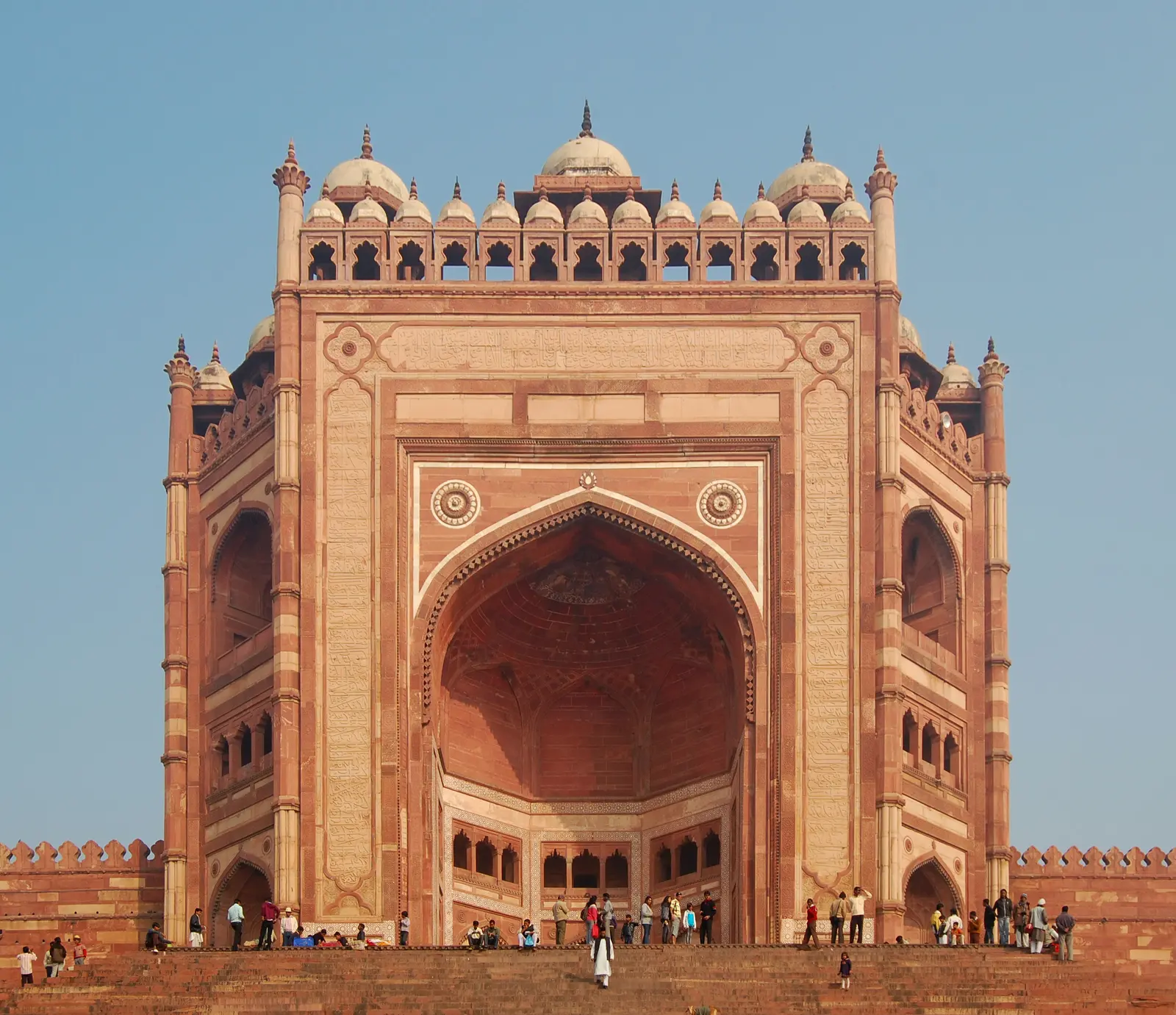 Heritage
Fatehpur Sikri Travel Guide: Akbar's Ghost City
Complete Fatehpur Sikri guide — the Buland Darwaza, Salim Chishti's dargah, Panch Mahal, and Akbar's abandoned Mughal capital near Agra.
 Things to Do
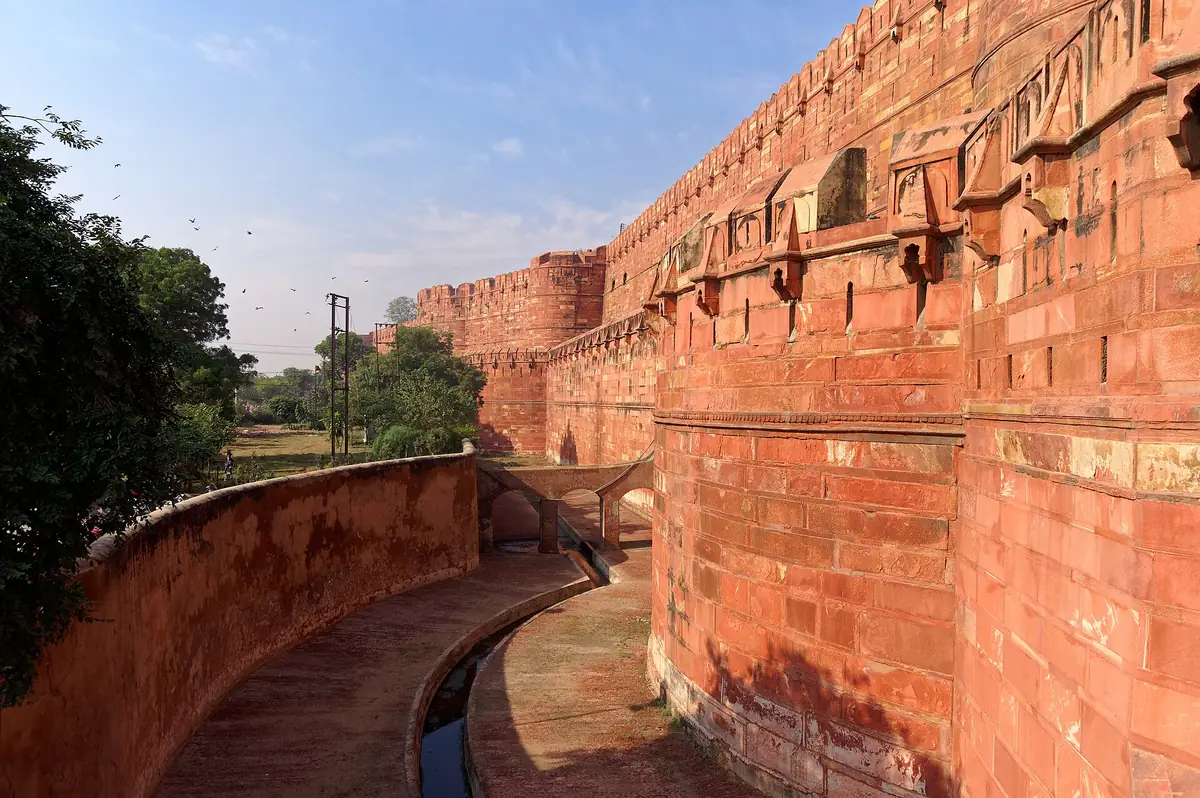
Things to Do in Agra: The Taj Mahal and Beyond
The best things to do in Agra: the Taj Mahal at sunrise, Agra Fort, the Baby Taj, sunset from Mehtab Bagh, Fatehpur Sikri, Akbar's tomb at Sikandra, marble inlay workshops, petha and Mughlai food.
 Heritage & Culture
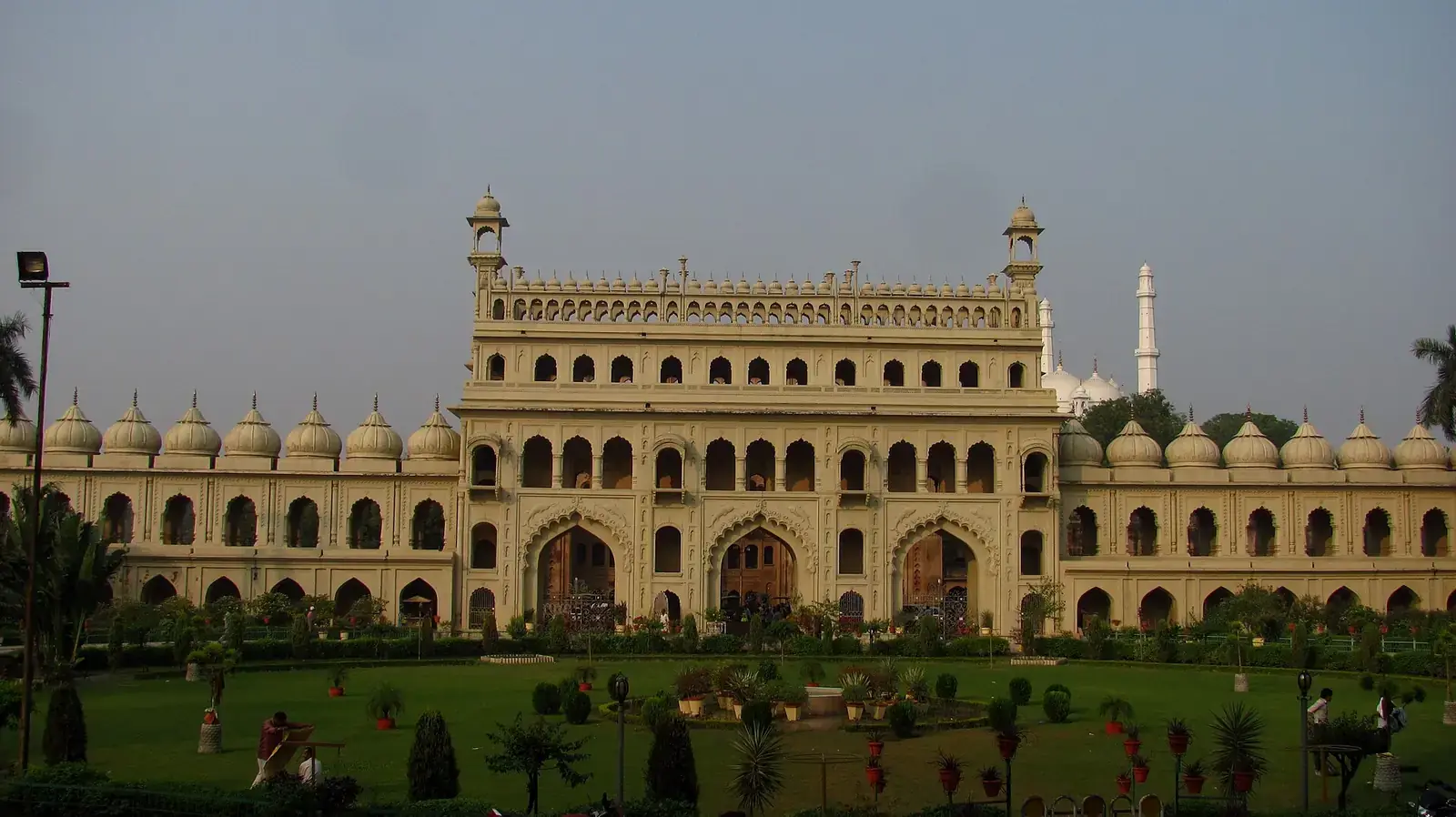
Heritage Tourism in Uttar Pradesh: Agra, Lucknow, Varanasi and Beyond
A guide to heritage tourism in Uttar Pradesh: its four UNESCO cultural sites (the Taj Mahal, Agra Fort, Fatehpur Sikri and Sarnath), Mughal Agra, Nawabi Lucknow, the ghats of Varanasi, Jhansi and the Bundelkhand forts, Buddhist sites, crafts such as chikankari, Banarasi silk and marble inlay, and the Kathak tradition, with how to plan a route.
 Heritage & Culture
Mughal Monuments in India: A Heritage Trail
A guide to Mughal monuments in India, in the order they were built: Humayun's Tomb, Agra Fort and Fatehpur Sikri under Akbar, Akbar's tomb at Sikandra, Itmad-ud-Daulah, the Taj Mahal, the Red Fort and Jama Masjid in Delhi, the Mughal gardens of Kashmir and Pinjore, Bibi ka Maqbara and Safdarjung's Tomb, with how to see them on a trip.