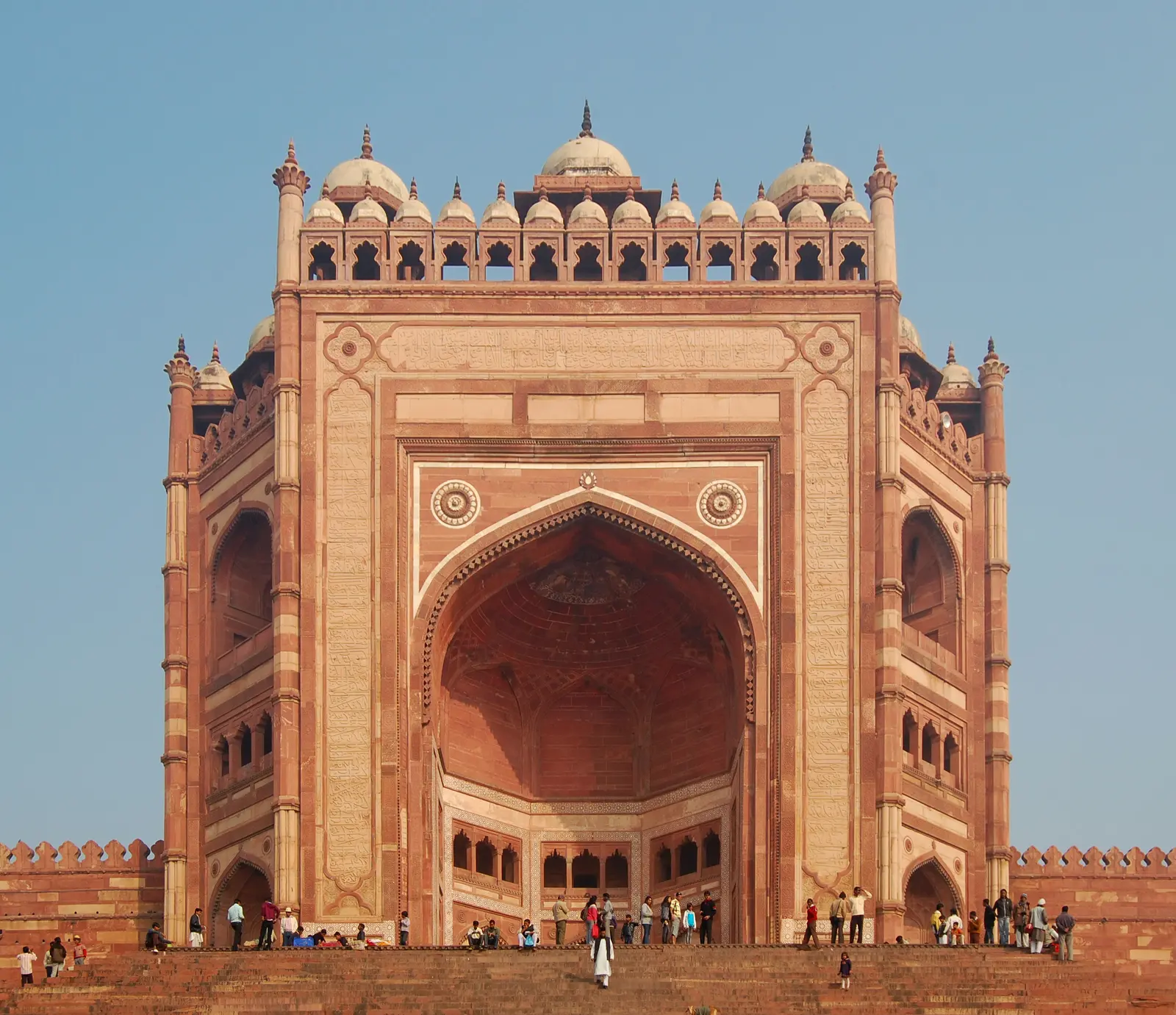
Akbar's Abandoned Capital
Few sites in India tell a stranger story than Fatehpur Sikri. In 1571, Emperor Akbar, the third and greatest of the Mughal rulers, built an entirely new capital city here in gratitude to the Sufi saint Salim Chishti, who had blessed him with a long-awaited male heir. Within roughly 15 years, the city was deserted — abandoned largely due to an inadequate water supply that couldn't sustain a full imperial capital, though shifting military priorities to the northwest are also often cited as a factor.
What Akbar left behind is remarkable precisely because it was abandoned rather than continuously inhabited and rebuilt: a near-complete red sandstone Mughal city, its palaces, mosque, and courtyards largely untouched by later renovation. A UNESCO World Heritage Site since 1986, Fatehpur Sikri sits about 40 km from Agra, and is almost always visited as a half-day trip from there.
The complex splits neatly into two parts: the largely secular palace and administrative buildings (Panch Mahal, Diwan-i-Khas, Jodha Bai's Palace), and the still-active Jama Masjid complex, home to the towering Buland Darwaza and the revered dargah of Salim Chishti — still a working shrine that draws pilgrims of multiple faiths today.
🏛️ Fatehpur Sikri at a Glance
Interested in the history? See our guide to Mughal monuments in India.
Planning a pilgrimage? See our guide to Sufi shrines in India.
Best Time to Visit Fatehpur Sikri
Since the complex is almost entirely open courtyards and unshaded stone, timing your visit around the weather matters as much here as it does in Agra itself.
Cool, dry weather makes walking the exposed sandstone courtyards genuinely pleasant, especially in the morning before the day's coach tours arrive.
The dark red sandstone absorbs heat fast, making the mostly shadeless complex punishing by mid-morning in peak summer.
Rain cools things down and adds dramatic monsoon light to photographs, but stone courtyards can get slippery underfoot.
Since it's a half-day add-on to an Agra trip, most travellers simply visit whenever they're in Agra rather than planning around it separately.
Our pick: October to March, ideally a mid-morning visit after the Taj Mahal sunrise crowds have thinned but before the afternoon heat sets in.
How to Reach Fatehpur Sikri
Fatehpur Sikri has no independent transport hub of its own — virtually everyone arrives by road, either as a dedicated half-day trip from Agra or as a stop while driving the Agra-Jaipur highway.
- From Agra: About 40 km, roughly 40 minutes to an hour by hired taxi, tour bus, or self-drive car — the most common way to visit.
- En route to Jaipur: Fatehpur Sikri sits directly on the Agra-Jaipur road, making it a convenient stopover for travellers driving between the two cities rather than a dedicated round trip.
- Getting around the complex: The site is split across two ticketed areas — the palace complex and the Jama Masjid/dargah complex, a short walk apart. Licensed guides are available at the entrance and are worth hiring given the site's layered history.
Top Attractions in Fatehpur Sikri
Buland Darwaza
Standing among the tallest gateways in the world, the "Gate of Magnificence" was built by Akbar to commemorate his military victory over Gujarat. Its inscription includes a Persian verse attributed to Jesus in Islamic tradition — a reflection of Akbar's genuine interest in religious pluralism, which he pursued through his short-lived syncretic faith, Din-i-Ilahi. Climbing the long flight of steps up to the gateway is itself part of the experience.
Dargah of Salim Chishti
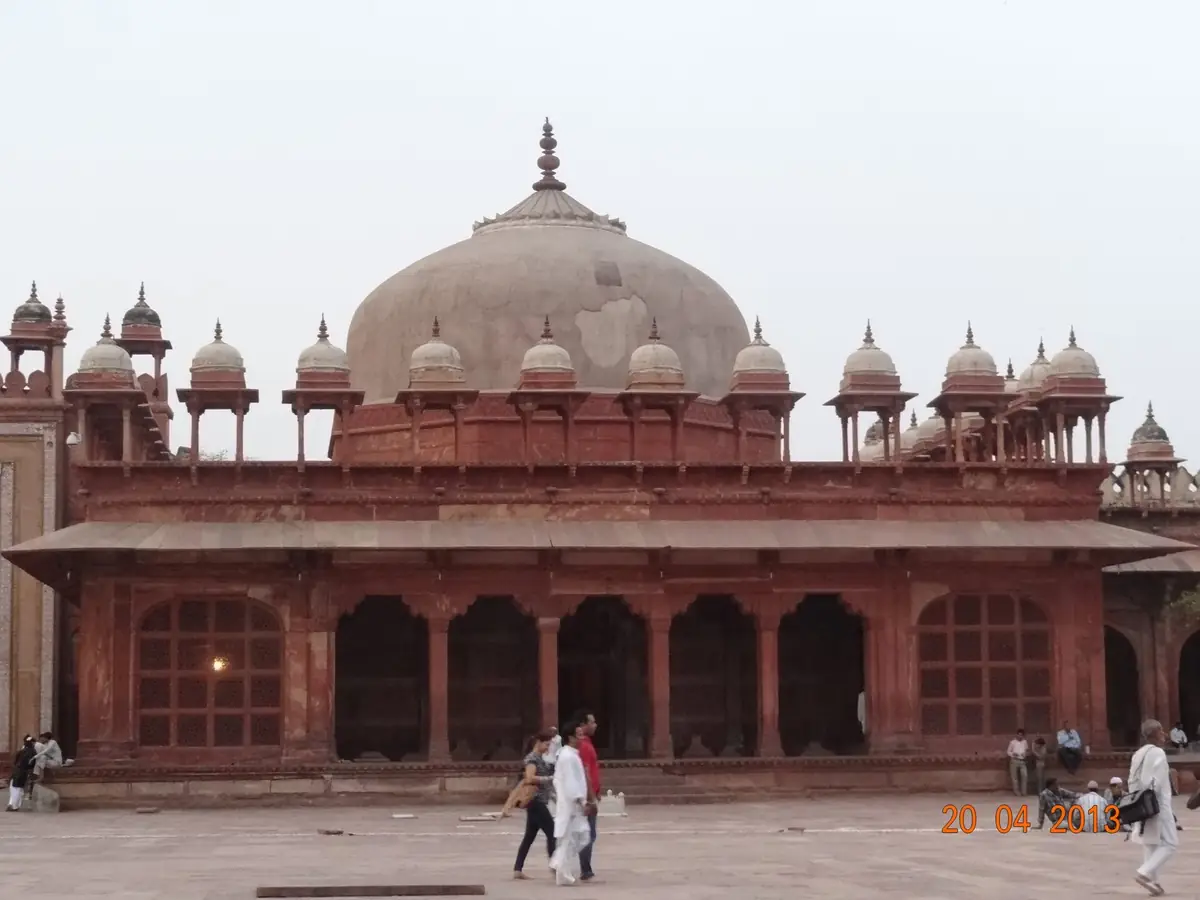
Within the Jama Masjid courtyard sits the white marble tomb of the Sufi saint Salim Chishti, whose blessing Akbar credited for the birth of his son Prince Salim (the future Emperor Jahangir). It remains an active pilgrimage site — visitors of many faiths tie sacred threads to its intricately carved marble lattice (jaali) screens as a wish-making ritual, and the tomb's delicate marble craftsmanship contrasts sharply with the red sandstone that dominates the rest of the complex. Modest dress and footwear removal are expected inside the courtyard.
Panch Mahal
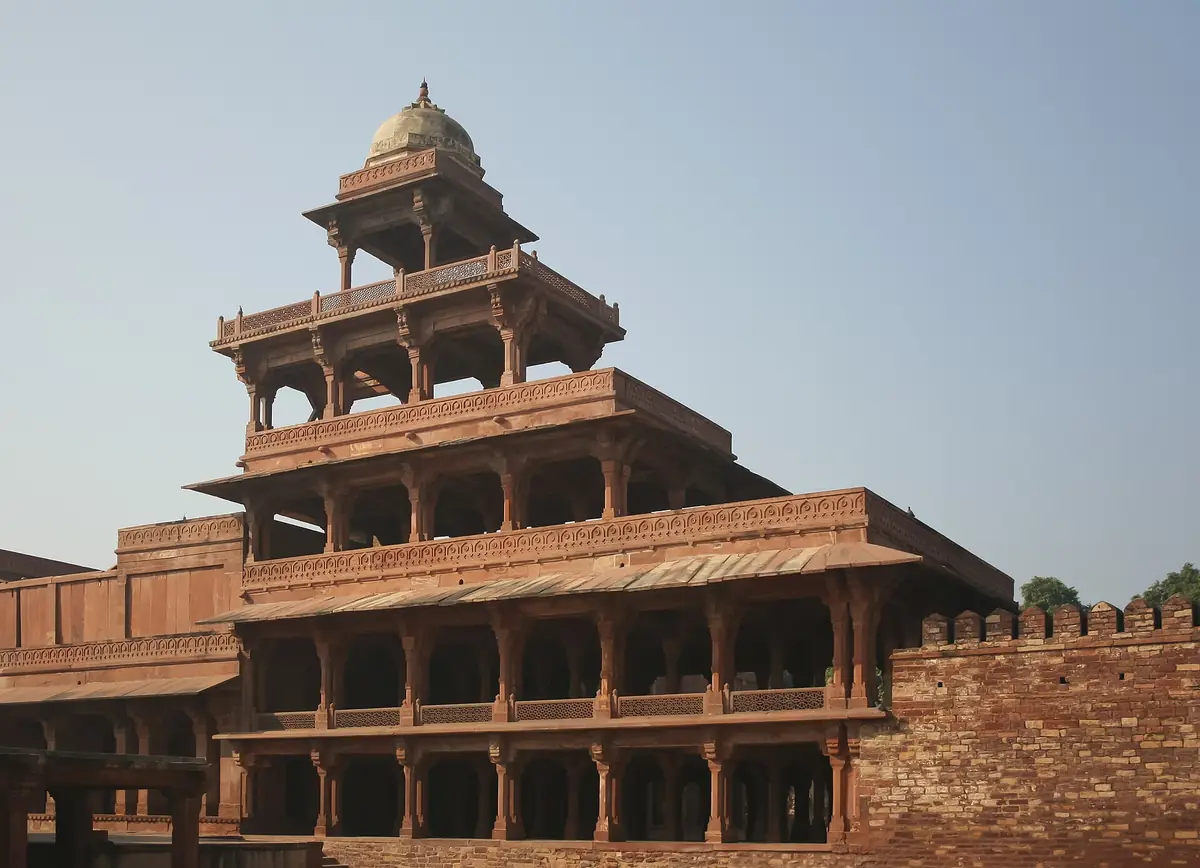
A five-storey pavilion with each level smaller than the one below, tapering to a single kiosk at the top — built without walls, its open sides originally likely fitted with screens, believed to have been used by the women of the court for leisure and to catch the breeze.
Diwan-i-Khas & Jodha Bai's Palace
The Diwan-i-Khas ("Hall of Private Audience") houses a striking central carved stone pillar from which four stone bridges radiate outward, believed to be where Akbar sat while conducting discussions with scholars and ministers. Nearby, Jodha Bai's Palace — the largest residential structure in the complex — blends Hindu and Islamic architectural elements, reflecting the mixed Rajput-Mughal households of Akbar's court.
Where to Stay
Fatehpur Sikri has very limited accommodation of its own — almost every visitor stays in Agra and visits as a day or half-day trip. A handful of small guesthouses exist near the site for travellers who want to catch an early-morning visit before the tour buses arrive.
- → Small local guesthouses near the site
- → Budget hotels in Agra (better choice)
- → Backpacker stays near Agra Cantt
- → Business hotels in Agra, Fatehabad Road
- → Boutique stays near Taj East Gate
- → Chain hotels with easy highway access
- → Five-star Agra resorts near Taj East Gate
- → Heritage-style luxury properties in Agra
- → International chain hotels
Suggested Visit Plan (Half Day)
Palace Complex
- ✓Drive out from Agra, arrive by mid-morning
- ✓Explore Panch Mahal, Diwan-i-Khas, Jodha Bai's Palace
- ✓Hire a licensed guide at the entrance for context
Jama Masjid & Dargah
- ✓Walk to the Jama Masjid complex
- ✓Climb the steps to Buland Darwaza
- ✓Visit Salim Chishti's dargah, tie a wish-thread
* Most travellers pair this half-day with a full Agra itinerary covering the Taj Mahal and Agra Fort on a separate day.
Where to Eat
- Small local dhabas near the entrance: Simple North Indian meals and snacks for visitors not wanting to wait until they're back in Agra.
- Agra restaurants: Since most visits are day trips from Agra, the fuller range of dining — from street food to hotel restaurants — is back in the city itself.
- Carry water and snacks: The complex is large and largely unshaded, with limited food options inside the ticketed areas themselves.
Budget Breakdown
| Expense | Budget | Mid-Range | Luxury |
|---|---|---|---|
| Entry ticket (Indian/foreign) | ₹50 / ₹610 | ₹50 / ₹610 | ₹50 / ₹610 |
| Round-trip taxi from Agra | ₹1,200 | ₹1,800 | ₹3,000 |
| Guide fee | ₹300 | ₹600 | ₹1,000 |
| Food/snacks | ₹200 | ₹500 | ₹1,200 |
| Shoe-minding / small offerings | ₹50 | ₹100 | ₹200 |
* Figures are per person for a half-day trip, in INR. Entry to the dargah itself is free; ticket prices apply to the palace and Jama Masjid complexes. Always confirm current rates before your trip.
Essential Tips for Visiting Fatehpur Sikri
- Dress modestly for the dargah: Shoulders and knees covered, footwear removed before entering the mosque courtyard.
- Hire a licensed guide: The site's layered history — palace, mosque, and shrine — is easy to miss without context; guides at the entrance are generally worth the fee.
- Watch for unofficial "guides" at the gate: Stick to guides from the official booths rather than freelancers who approach you outside the ticket counter.
- Carry water: The complex is expansive and largely shadeless, with limited shops inside.
- Combine with Agra: Pair this half-day trip with a full Agra itinerary rather than visiting in isolation.
✅ Do
- →Hire a guide from the official booth at the entrance
- →Dress modestly for the Jama Masjid and dargah
- →Visit in the cooler morning hours
- →Combine the trip with a full day in Agra
- →Carry water and a hat for the open courtyards
- →Respect the active pilgrimage rituals at the dargah
❌ Don't
- →Follow unofficial guides who approach you outside
- →Wear shorts or sleeveless tops into the dargah
- →Visit during peak summer afternoons
- →Skip a guide — the history is easy to miss alone
- →Rush the visit into under an hour
- →Forget to remove footwear at the mosque entrance
Frequently Asked Questions
Why was Fatehpur Sikri abandoned?
Emperor Akbar built Fatehpur Sikri as his capital in 1571 but abandoned it within about 15 years, largely because of severe water scarcity — the site's water supply, drawn from a nearby lake and wells, proved insufficient to sustain a full imperial capital and its population. Some accounts also point to shifting military and political priorities toward the northwest as a contributing factor.
How far is Fatehpur Sikri from Agra?
Fatehpur Sikri is about 40 km from Agra, roughly a 40-minute to one-hour drive depending on traffic. It's almost always visited as a half-day trip from Agra, or as a stop for travellers driving between Agra and Jaipur.
What is the Buland Darwaza?
The Buland Darwaza ('Gate of Magnificence') is a monumental red sandstone and marble gateway, among the tallest gateways in the world, built by Akbar to commemorate his military victory over Gujarat. It forms the main entrance to the Jama Masjid complex and is inscribed with a well-known Persian verse attributed to Jesus in Islamic tradition, reflecting Akbar's interest in religious pluralism.
What is the significance of Salim Chishti's dargah?
The dargah (tomb shrine) of the Sufi saint Salim Chishti sits within the Jama Masjid courtyard and is considered highly sacred. Akbar built Fatehpur Sikri partly in gratitude to the saint, who is credited with blessing him with a long-awaited son, Prince Salim (the future Emperor Jahangir). Visitors of many faiths still tie sacred threads to the marble latticework screens around the tomb as a wish-making ritual.
Is Fatehpur Sikri worth visiting?
Yes — it's one of the best-preserved Mughal-era complexes in India, offering a rare, intact look at how a 16th-century imperial capital was laid out, without the heavy crowds of the Taj Mahal. Its red sandstone architecture, largely untouched by later renovation, is considered by many historians and architects to be architecturally more original than Agra Fort.
What should I wear to visit the dargah at Fatehpur Sikri?
Modest clothing covering shoulders and knees is expected, and visitors are asked to remove footwear before entering the Jama Masjid courtyard and the dargah itself (shoe-minding stalls are available near the entrance for a small fee). A head covering is customary for women entering the tomb chamber, though scarves are often available to borrow or buy on site.
Published by the Kudozz Club editorial team · Last updated · How we research our guides
Want us to plan this trip for you?
Tell Kudozz Club where you want to go and what kind of trip you’re looking for. We’ll build a Fatehpur Sikri and Uttar Pradesh itinerary around your dates and budget.
Continue Exploring
View all guides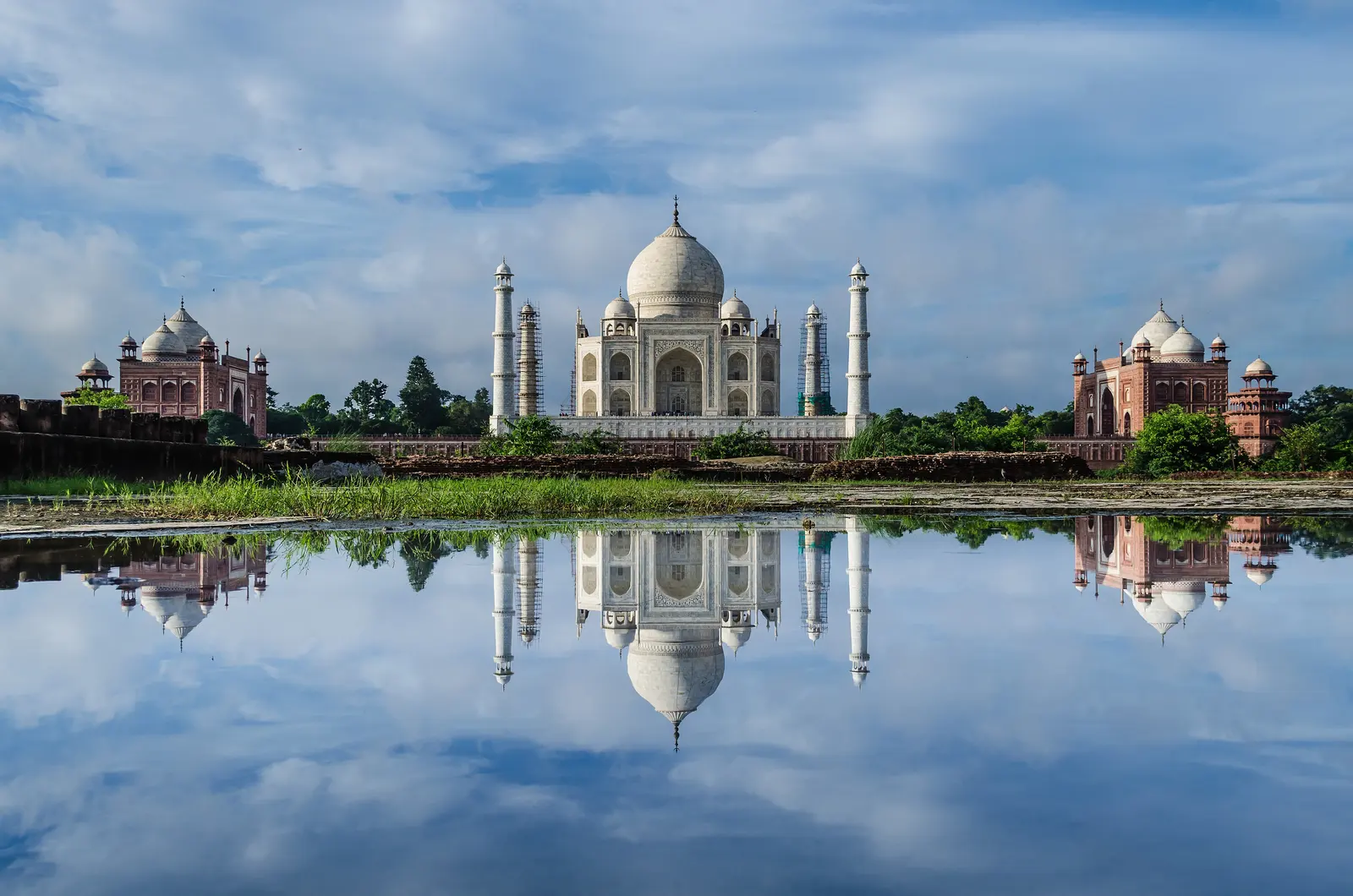 Heritage
Agra Travel Guide: Taj Mahal, Fort & Fatehpur Sikri
Complete Agra guide — the Taj Mahal at sunrise, Agra Fort, Itmad-ud-Daulah, Mehtab Bagh, and a full day-trip plan to Fatehpur Sikri.
 Heritage
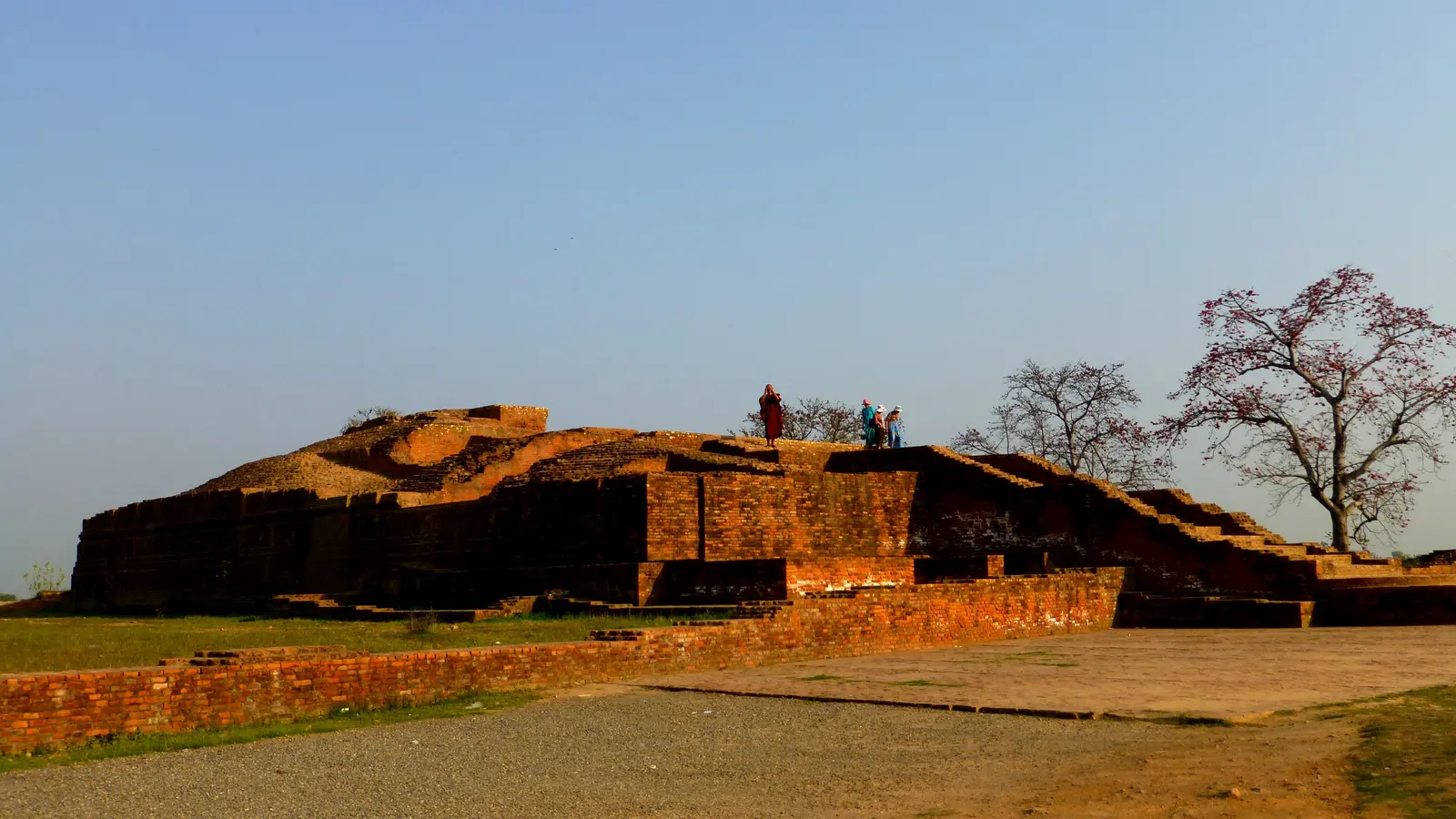
Shravasti Travel Guide: Jetavana Monastery Ruins
Where the Buddha spent the most rainy-season retreats of his life — the Jetavana Monastery ruins and a quiet stop on the Buddhist circuit.
 Heritage
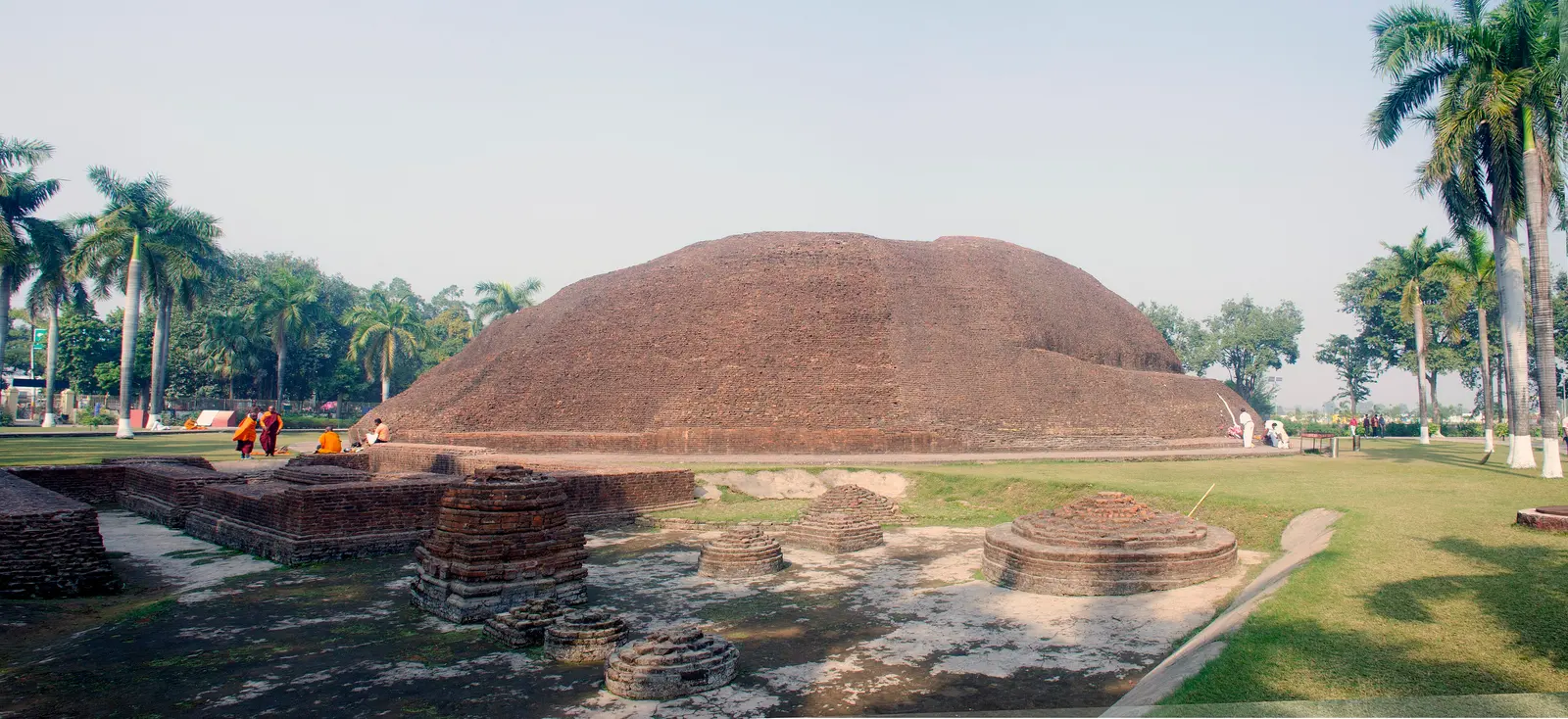
Kushinagar Travel Guide: Buddha's Final Resting Place
Where the Buddha attained Mahaparinirvana — the reclining Buddha statue, Ramabhar Stupa, and international monasteries from across Asia.
 Heritage
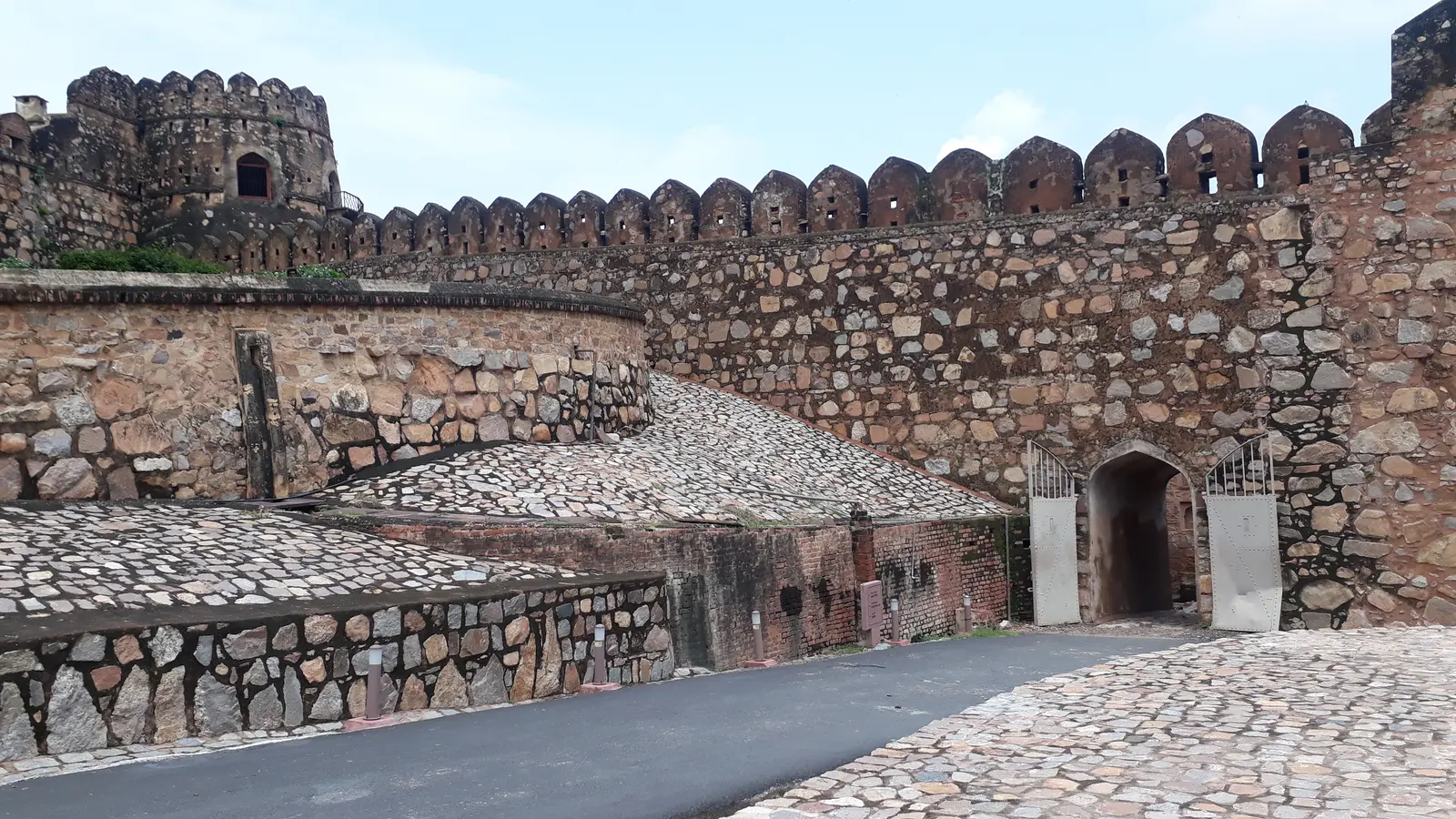
Jhansi Travel Guide: Rani Lakshmibai's Fort
Forever tied to Rani Lakshmibai and the 1857 Revolt — the hilltop Jhansi Fort, Rani Mahal, and the gateway to Orchha and Khajuraho.