Ittar Nagri — The Perfume Capital
Kannauj, a modest town in Uttar Pradesh, holds a place in Indian craft and history that far outsizes its present-day footprint. It's known across the country as Ittar Nagri — the city of ittar — home to a centuries-old tradition of attar-distillation still carried out by small, family-run businesses using techniques passed down through generations.
Long before it was a perfume town, Kannauj was one of ancient India's great political centres — the capital of Emperor Harsha's 7th-century empire, and later of the Gahadavala dynasty. That deep history sits quietly beneath the town's present identity, visible in scattered temples and fort ruins rather than grand monuments, which is part of what makes Kannauj feel like a genuine off-beat find rather than a manufactured tourist stop.
🌸 Kannauj at a Glance
Best Time to Visit Kannauj
Kannauj is a year-round destination for perfume workshops, but comfortable sightseeing weather narrows the ideal window considerably.
Cool, comfortable weather for walking through the old town, visiting temples, and spending unhurried time in attar workshops.
Temperatures rise sharply; workshop visits are still possible but outdoor sightseeing becomes uncomfortable by midday.
Humid and occasionally wet, though indoor workshop visits remain unaffected — a workable but less scenic window.
Distillation happens in seasonal batches tied to when specific flowers and ingredients are available — some processes, like rose attar, are tied to spring harvests.
Our pick: October to March — comfortable weather for wandering the old town and spending real time at workshops without the summer heat cutting your visit short.
How to Reach Kannauj
Kannauj sits close enough to both Kanpur and Lucknow to make for an easy add-on to a central Uttar Pradesh itinerary.
- By rail: Kannauj railway station sits on the Kanpur-Farrukhabad line, with reasonable onward connectivity for a town of its size.
- By road from Kanpur: About 80 km, roughly a 2-hour drive — the closer and more direct approach for most travellers.
- By road from Lucknow: Around 150 km, a longer but manageable drive, useful if you're basing yourself in Lucknow for a wider Uttar Pradesh trip.
Attar Craft & Ancient History
The Deg-Bhapka Distillation Method
Kannauj's attar is made using an ancient technique called deg-bhapka — copper stills (deg) heated over wood or dung fires, with flower petals, sandalwood, or other natural ingredients steeped in water. The resulting steam is carried through a bamboo pipe into a receiving vessel (bhapka) containing sandalwood oil, which slowly absorbs the fragrant compounds over hours of careful, closely watched distillation. Unlike modern alcohol-based perfumes, genuine ittar is entirely alcohol-free and often takes days to properly mature.
Mitti Attar — The Scent of Rain
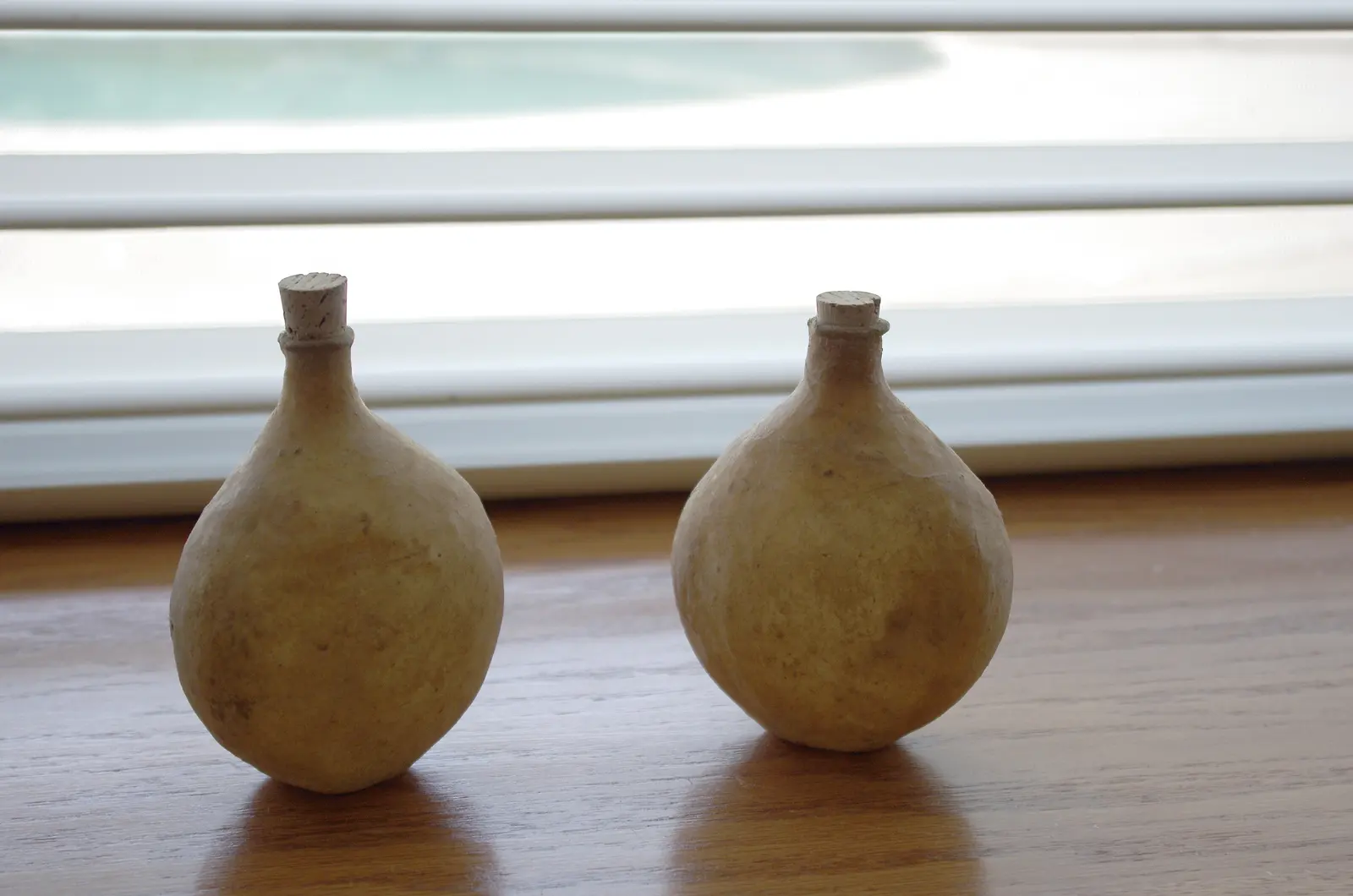
Among Kannauj's specialties, mitti attar stands out for its sheer originality: unglazed clay is baked into discs, then distilled using the same deg-bhapka process to capture petrichor — the distinctive smell of rain striking dry earth — as a wearable fragrance. It's a product unique to this tradition and a genuinely memorable thing to take home.
Visiting a Working Workshop
Several family-run attar businesses in Kannauj welcome visitors to watch the distillation process firsthand and buy directly from the source — a far more meaningful experience than picking up ittar from a general market stand. The small Kannauj Perfume Museum is a useful first stop, providing context on the craft's history before you see it practiced live.
Ancient Kannauj: Harsha, Temples & Fort Ruins
In the 7th century, Kannauj was the capital of Emperor Harsha's empire, one of the most powerful political centres in early medieval India, and it later served as capital under the Gahadavala dynasty. Little of that grandeur survives above ground today, but the Someshwar Nath Temple and Ajaipal Temple remain active places of worship with old roots, while the scattered Tirwa Fort ruins nearby offer a quieter, more atmospheric glimpse into the region's layered past for travellers willing to seek them out.
Where to Stay in Kannauj
Kannauj has limited accommodation given its size; many travellers visit as a day trip from Kanpur or Lucknow instead of staying overnight.
- → Simple hotels near the town centre
- → Basic lodges near the railway station
- → Guesthouses on the highway
- → Standard hotels along the Kanpur road
- → Small business hotels in town
- → Comfortable stays with basic amenities
- → Kannauj has no true luxury properties
- → Best upscale options are in Kanpur (~80 km)
- → Visit Kannauj as a day trip from a Kanpur base
Suggested Visit Plan (1 Day)
Perfume Museum & Workshop Visit
- ✓Start at the Kannauj Perfume Museum for context
- ✓Visit a family-run attar distillery to watch deg-bhapka
- ✓Buy genuine ittar directly from the workshop
Temples & Old Town
- ✓Visit Someshwar Nath Temple and Ajaipal Temple
- ✓Walk through the old town's historic quarters
- ✓Optional detour to Tirwa Fort ruins nearby
* Kannauj is easily covered in a focused single day — most travellers pair it with Lucknow or Kanpur rather than staying overnight.
Where to Eat in Kannauj
- Local dhabas: Simple, affordable North Indian vegetarian meals around the town centre and near the railway station.
- Street food stalls: Chaat and regional snacks in the old town's market lanes.
- Sweet shops: Traditional Uttar Pradesh sweets worth trying alongside the attar shopping.
Budget Breakdown
| Expense | Budget | Mid-Range | Luxury |
|---|---|---|---|
| Accommodation/night | ₹900 | ₹2,500 | Stay in Kanpur |
| Local transport/day | ₹300 | ₹700 | ₹1,500 |
| Food/day | ₹350 | ₹800 | ₹1,800 |
| Attar (small bottle) | ₹300 | ₹800 | ₹2,000+ |
| Perfume Museum entry | ₹20–₹50 | ₹20–₹50 | ₹20–₹50 |
* Figures are per person, per day. Genuine ittar prices vary hugely by ingredient — sandalwood and mitti attar sit at the higher end.
Essential Tips for Visiting Kannauj
- Buy directly from workshops: Genuine hand-distilled ittar is easiest to verify at the source rather than from unmarked market stalls.
- Arrange visits ahead where possible: Many attar businesses are small family operations — calling ahead or going with a local guide helps you find the right ones.
- Ask about the deg-bhapka process: Most workshop owners are happy to explain the distillation steps — it's part of what makes the visit worthwhile.
- Don't expect polished tourist infrastructure: Kannauj is an authentic working town, not a curated tourist attraction — that's part of its charm.
- Combine with Kanpur or Lucknow: Given limited stay options, most visits work best as a day trip from a nearby city.
✅ Do
- →Visit the Perfume Museum before a workshop
- →Buy attar directly from a family-run distillery
- →Try mitti attar as a distinctive souvenir
- →Ask questions about the deg-bhapka process
- →Combine with Kanpur or Lucknow for a base
- →Visit Someshwar Nath and Ajaipal temples
❌ Don't
- →Expect large hotels or resort-style stays
- →Buy ittar from unverified street vendors only
- →Rush through a workshop visit
- →Confuse Kannauj's ittar with alcohol-based perfume
- →Skip the town's ancient temple sites
- →Assume luxury accommodation is available locally
Frequently Asked Questions
Why is Kannauj called India's perfume capital?
Kannauj has practiced traditional attar (ittar) distillation for centuries using the deg-bhapka method — copper stills heating natural ingredients like rose, sandalwood, and mitti (earth-scented attar made from baked clay) into concentrated, alcohol-free perfumes. Dozens of small, family-run distilleries still operate this way, earning the town the name 'Ittar Nagri.'
Can tourists visit a working attar workshop in Kannauj?
Yes, many family-run attar businesses welcome visitors to see the deg-bhapka distillation process firsthand, and most also sell genuine ittar directly from the workshop — a far more authentic experience than buying from a general market stall.
What is mitti attar?
Mitti attar is a distinctive Kannauj specialty made by baking clay into unglazed earthen discs, then distilling them in water to capture the scent of rain on dry earth — replicating the smell known as petrichor in a wearable perfume. It's one of the town's most unique and sought-after products.
What is Kannauj's historical significance?
Kannauj was the capital of King Harsha's powerful 7th-century empire, one of ancient India's most significant political centres, and later served as the capital of the Gahadavala dynasty. Its long history as a seat of power is layered beneath its present-day identity as a perfume town.
How do I reach Kannauj?
Kannauj has its own railway station on the Kanpur-Farrukhabad line. By road, it's about 80 km from Kanpur and around 150 km from Lucknow, making it a reasonable day trip or overnight stop from either city.
Is there a Perfume Museum in Kannauj?
Yes, a small Kannauj Perfume Museum documents the town's centuries-old attar-making tradition, displaying historic distillation equipment and the story behind the craft — a useful stop before or after visiting a working workshop.
Published by the Kudozz Club editorial team · Last updated · How we research our guides
Want us to plan this trip for you?
Tell Kudozz Club where you want to go and what kind of trip you’re looking for. We’ll build a Kannauj and Uttar Pradesh itinerary around your dates and budget.
Continue Exploring
View all guides Off-beat
Chandauli Travel Guide: Waterfalls Near Varanasi
Rajdari and Devdari waterfalls inside Chandraprabha Wildlife Sanctuary — an easy off-beat day trip from Varanasi's ghats and temples.
 Heritage
Naimisharanya Travel Guide: Sacred Forest & Temples
An ancient sacred forest of the Puranas — Chakra Tirtha, the Lalita Devi Shakti Peeth, and a genuinely off-the-beaten-path pilgrimage near Lucknow.
 Heritage
Shravasti Travel Guide: Jetavana Monastery Ruins
Where the Buddha spent the most rainy-season retreats of his life — the Jetavana Monastery ruins and a quiet stop on the Buddhist circuit.
 Off-beat
Zuluk Travel Guide: Old Silk Route & Tips
A tiny Old Silk Route hamlet famous for a 32-hairpin-bend zigzag road and quiet homestay life — the complete Zuluk guide.