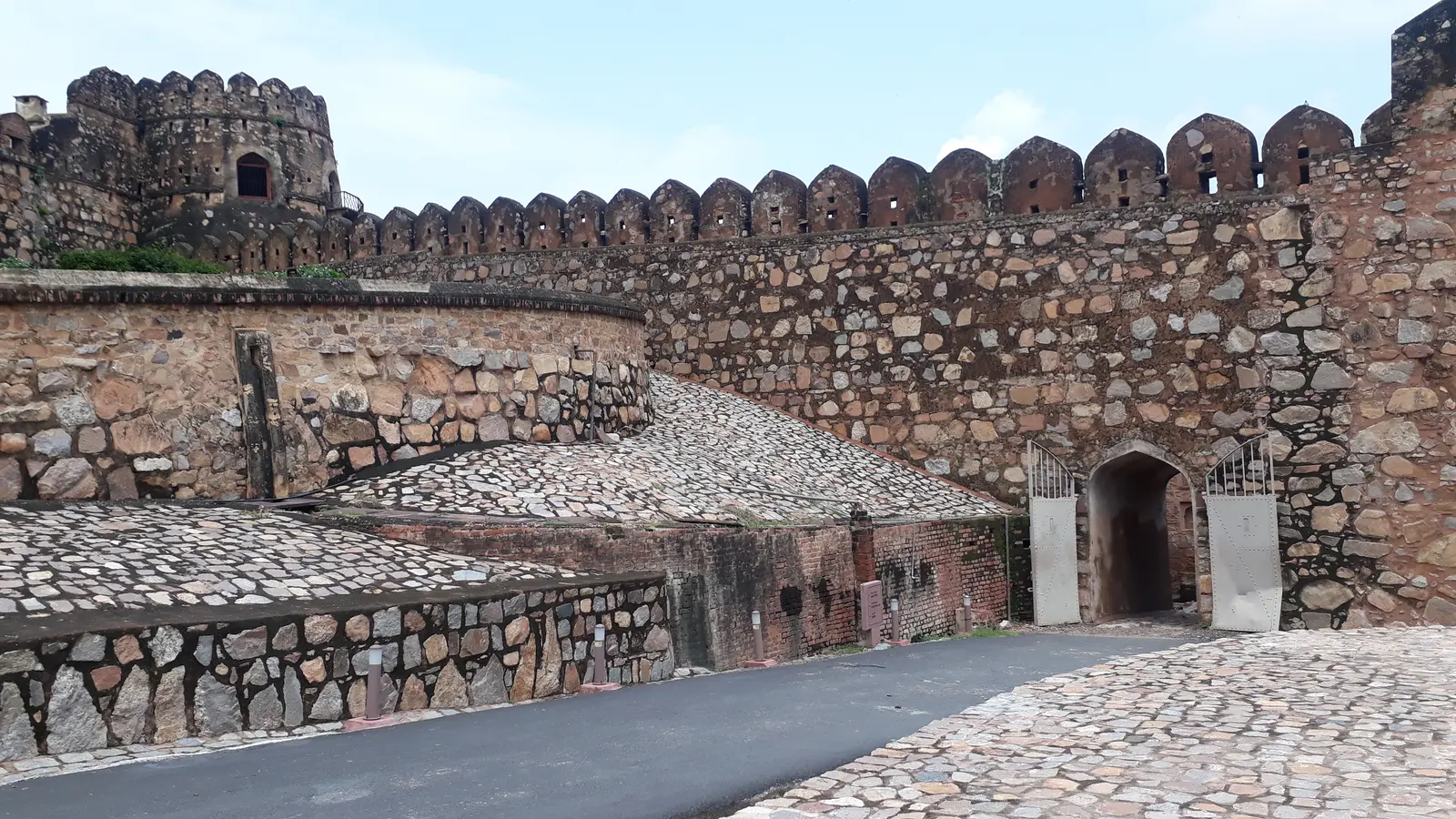
The City of Rani Lakshmibai
Jhansi, in the Bundelkhand region of Uttar Pradesh, is a name inseparable from one of Indian history's most enduring figures: Rani Lakshmibai, whose resistance against British forces during the 1857 Revolt — India's First War of Independence — made her one of the uprising's most remembered leaders. Her stand at Jhansi, and the fort that still dominates the city's skyline, remain central to how this chapter of Indian history is remembered today.
Beyond its historical weight, Jhansi also functions as the practical gateway to the wider Bundelkhand region — a short drive from Orchha's striking temple and cenotaph architecture, and a common rail and road stopover for travellers continuing on to Khajuraho. Visitors who come for the fort often find themselves extending their trip into this broader heritage circuit.
🏰 Jhansi at a Glance
Interested in the history? See our guide to heritage in Uttar Pradesh.
Best Time to Visit Jhansi
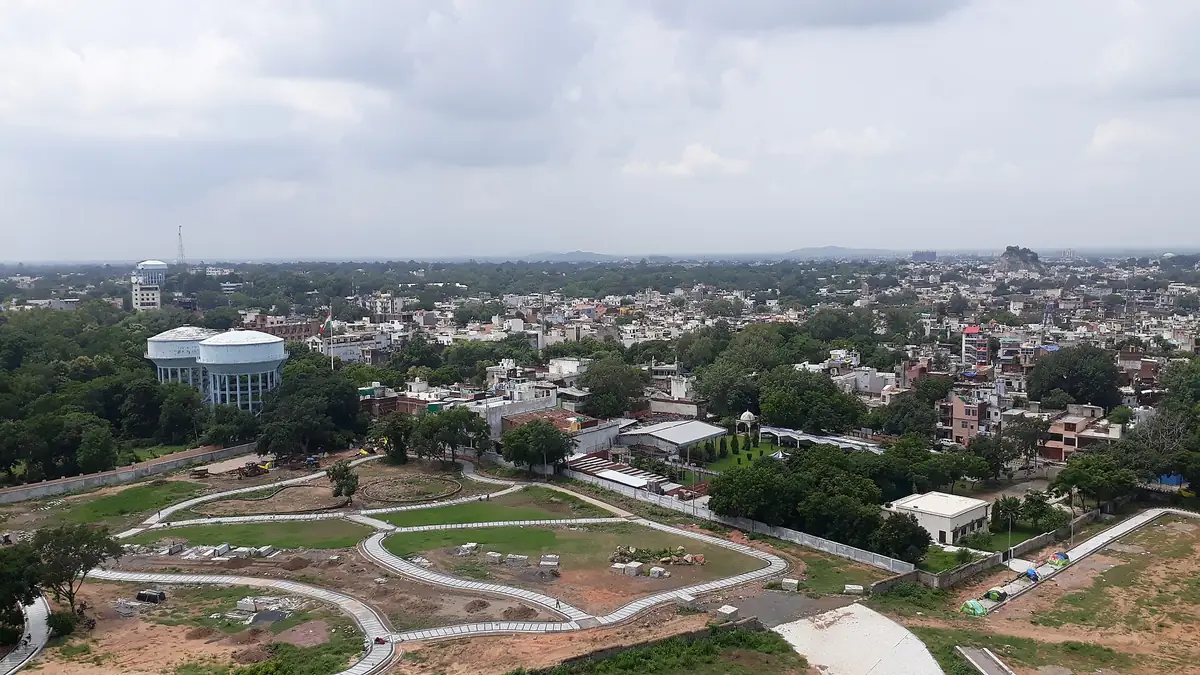
Bundelkhand's climate runs to extremes, making the timing of a Jhansi visit more important than in many other parts of Uttar Pradesh.
Pleasant, dry weather comfortable for exploring Jhansi Fort's ramparts and combining the visit with Orchha or Khajuraho.
Bundelkhand summers regularly cross 45°C, making outdoor fort visits genuinely difficult and best avoided if possible.
Rain brings welcome relief from the heat and greens up the surrounding countryside, though travel can occasionally be disrupted.
Visiting around these national commemorations adds resonance to a visit centred on Rani Lakshmibai's role in India's freedom struggle.
Our pick: October to March — comfortable temperatures for the fort's exposed ramparts and easy combining with Orchha or an onward trip to Khajuraho.
How to Reach Jhansi
Jhansi is one of the best-connected towns in this part of India, sitting at the junction of major rail and highway corridors.
- By rail: Jhansi Junction is a major hub on both the Delhi-Chennai and Delhi-Bhopal lines, with frequent express and superfast trains connecting it to cities across the country.
- By road: Jhansi sits on NH44 and NH75, two of India's major national highways, giving it strong road connectivity in multiple directions.
- Getting around locally: Auto-rickshaws and taxis are the standard way to move between the fort, museum, and other central sights within the city.
Jhansi Fort & the 1857 Revolt
Rani Lakshmibai's Stand at Jhansi
In 1857, as rebellion spread across northern and central India against East India Company rule, Rani Lakshmibai took command of Jhansi's defence after the British besieged the fort. Her leadership during the siege, and her subsequent daring escape from the fort on horseback — reportedly with her young son strapped to her back — became one of the defining episodes of the uprising. She continued fighting alongside other rebel leaders until her death in battle near Gwalior in 1858, and she remains one of the most honoured figures in India's struggle for independence, her memory deeply tied to this city.
Jhansi Fort & Rani Mahal
Jhansi Fort sits atop a rocky hill overlooking the city, its imposing ramparts and bastions still conveying a strong sense of the fortress's defensive strength. Within the complex, Rani Mahal — the palace associated with Lakshmibai — now functions as a museum, housing artefacts, paintings, and exhibits related to the fort's history and the events of 1857. Walking the ramparts offers sweeping views over the city and a tangible sense of the terrain the Rani once defended.
Government Museum
Jhansi's Government Museum adds further context to the city's history, with archaeological artefacts and exhibits spanning the wider Bundelkhand region alongside material connected to the 1857 Revolt — a useful stop for travellers wanting to go deeper than the fort alone.
Gateway to Orchha & Khajuraho
Jhansi's role as a heritage gateway is one of its biggest draws for travellers. Orchha, roughly 20 km away, is a short and easy add-on, known for its striking Bundela-era temple and cenotaph (chhatri) architecture along the Betwa river. Further afield, Khajuraho's famous temple complex is also commonly reached via Jhansi's rail and road links, making the city a natural base for a wider Bundelkhand itinerary.
Where to Stay in Jhansi
Jhansi has a solid range of accommodation given its role as a regional transport hub, from simple budget options to comfortable mid-range hotels.
- → Simple hotels near Jhansi Junction
- → Budget lodges in the city centre
- → Basic guesthouses near the fort
- → Standard business hotels near the station
- → Comfortable hotels in the city centre
- → Mid-range stays convenient for Orchha day trips
- → Best available hotels in Jhansi city
- → Heritage-style stays near Orchha (short drive)
- → Upscale properties along the highway
Suggested Visit Plan (2 Days)
Jhansi Fort & Museum
- ✓Morning at Jhansi Fort and Rani Mahal
- ✓Afternoon visit to the Government Museum
- ✓Evening walk through the old city
Day Trip to Orchha
- ✓Morning drive to Orchha (~20 km)
- ✓Explore Orchha's temples and cenotaphs
- ✓Return to Jhansi by evening, or continue onward
* Travellers with more time often continue on toward Khajuraho, or combine Jhansi with Chitrakoot for a fuller Bundelkhand circuit.
Where to Eat in Jhansi
- Local restaurants near the fort and station: Standard North Indian vegetarian and non-vegetarian fare at reasonable prices.
- Bundelkhandi thalis: Regional vegetarian preparations worth trying at local eateries around the city.
- Sweet shops in the old city: Traditional Uttar Pradesh sweets, popular with both locals and visitors.
Budget Breakdown
| Expense | Budget | Mid-Range | Luxury |
|---|---|---|---|
| Accommodation/night | ₹1,000 | ₹3,000 | ₹7,500 |
| Local transport/day | ₹300 | ₹800 | ₹2,000 |
| Food/day | ₹400 | ₹1,000 | ₹2,200 |
| Fort & museum entry | ₹25–₹100 | ₹25–₹100 | ₹25–₹100 |
| Orchha day trip (car) | ₹1,500 | ₹2,000 | ₹3,000 |
* Figures are per person, per day, except the Orchha day-trip car figure.
Essential Tips for Visiting Jhansi
- Avoid peak summer: Bundelkhand routinely crosses 45°C between April and June — plan around this window if possible.
- Combine with Orchha: It's a short, easy drive and one of the most rewarding extensions to a Jhansi visit.
- Wear comfortable shoes for the fort: The ramparts and uneven stone surfaces are easier to navigate in sturdy footwear.
- Use Jhansi as a rail base: Its strong connectivity makes it convenient even if your main interest lies in nearby Orchha or Khajuraho.
- Visit the Government Museum: It adds useful historical context beyond what the fort alone conveys.
✅ Do
- →Visit Jhansi Fort and Rani Mahal together
- →Add a day trip to Orchha
- →Wear sturdy shoes for the fort ramparts
- →Visit the Government Museum for added context
- →Use Jhansi's rail hub as a wider base
- →Plan around the cooler months
❌ Don't
- →Visit during peak summer heat
- →Skip Orchha if you're already in Jhansi
- →Rush through the fort without visiting Rani Mahal
- →Underestimate the walking involved at the fort
- →Forget sun protection on exposed ramparts
- →Treat Jhansi as only a railway changeover point
Frequently Asked Questions
Why is Jhansi historically significant?
Jhansi is inseparable from Rani Lakshmibai, one of the central figures of the 1857 Revolt — India's First War of Independence. Her defence of Jhansi Fort against British forces and her dramatic escape from the city remain among the most remembered episodes of that uprising.
What can I see inside Jhansi Fort?
Jhansi Fort sits atop a hill overlooking the city, with dramatic ramparts, bastions, and Rani Mahal — a palace within the complex now maintained as a museum with artefacts and exhibits related to the fort's history and the 1857 Revolt.
How do I reach Jhansi?
Jhansi Junction is a major railway hub on the Delhi-Chennai and Delhi-Bhopal lines, making it one of the best-connected towns in the region by rail. By road, it's accessible via NH44 and NH75, both major national highways.
Can I visit Orchha from Jhansi?
Yes, Orchha is a short drive from Jhansi, roughly 20 km, known for its own striking temple and cenotaph (chhatri) architecture along the Betwa river. It's a very popular and easy add-on to any Jhansi trip.
Is Khajuraho reachable from Jhansi?
Yes, Khajuraho is further afield from Jhansi (around 175 km) but reachable by road, and Jhansi is commonly used as a rail and road gateway for travellers heading onward to see Khajuraho's temples.
What is the best time to visit Jhansi?
October to March is ideal. Bundelkhand summers are extreme, with temperatures regularly crossing 45°C between April and June, making outdoor sightseeing at the fort genuinely difficult during peak summer.
Published by the Kudozz Club editorial team · Last updated · How we research our guides
Want us to plan this trip for you?
Tell Kudozz Club where you want to go and what kind of trip you’re looking for. We’ll build a Jhansi and Uttar Pradesh itinerary around your dates and budget.
Continue Exploring
View all guides Heritage
Chitrakoot Travel Guide: Ram's Forest Exile Site
Where Ram, Sita, and Lakshman spent part of their exile — Kamadgiri's parikrama, Ramghat's evening aarti, and a quieter Ramayana circuit.
 Heritage
Kashmere Gate Travel Guide: History, 1857 Sites & the ISBT Hub
Shahjahanabad's northern gate, an 1857 Revolt battleground, St. James' Church, Nicholson Cemetery, and Delhi's biggest ISBT transit hub — with a suggested heritage-walk plan.
 Heritage
Ayodhya Travel Guide: Ram Mandir & Saryu Ghats
The newly consecrated Ram Mandir, Hanuman Garhi, and the Saryu River's evening aarti — a complete guide to Lord Ram's birthplace.
 Heritage
Varanasi Travel Guide: Ganga Ghats & Ganga Aarti
Complete Varanasi guide — the Dashashwamedh Ghat Ganga Aarti, Kashi Vishwanath Temple, a sunrise boat ride, and the old city's narrow lanes.