Kashmere Gate: Gate, Battleground, Hub
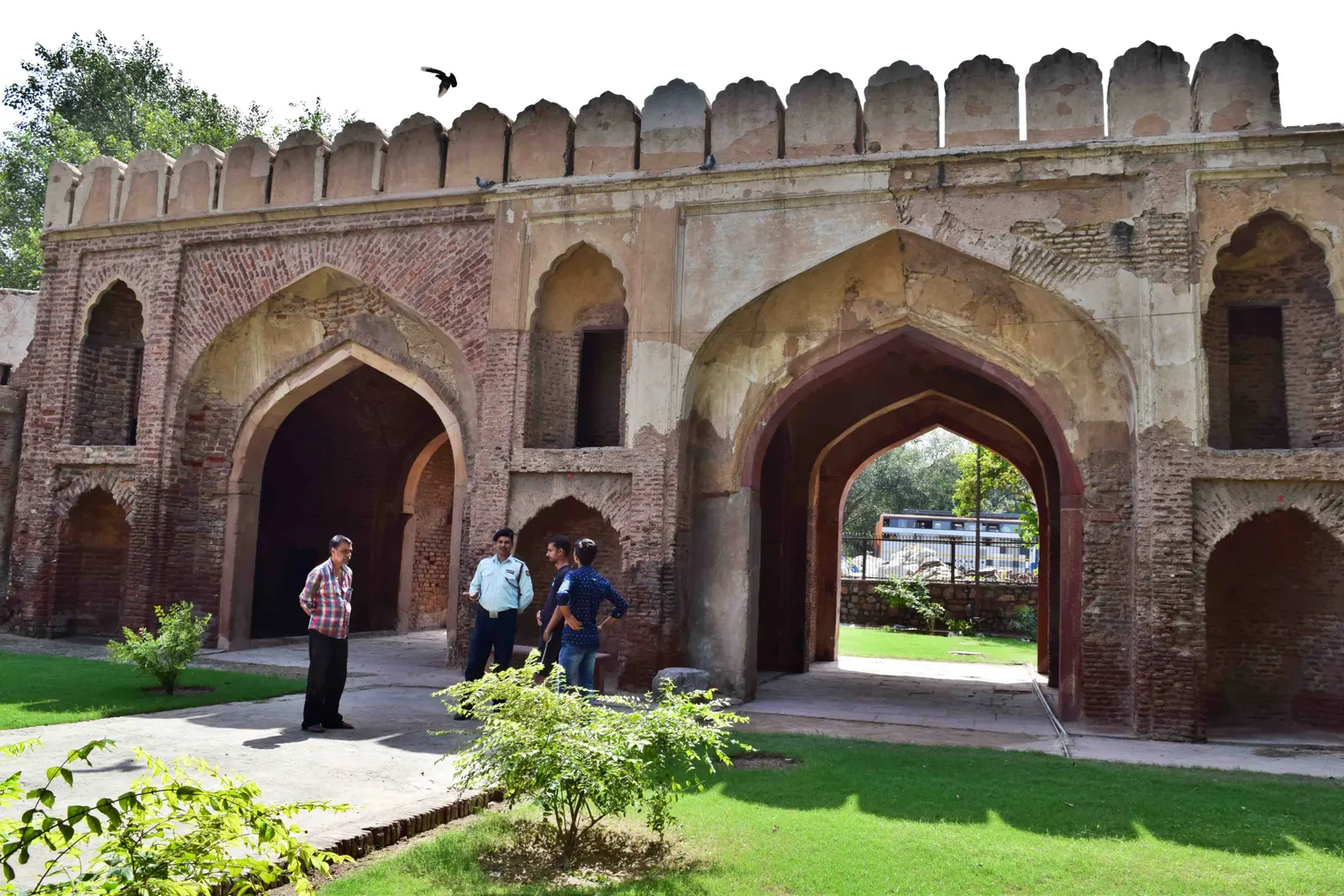
Kashmere Gate is one of the more unusual landmarks in Delhi — a site with three distinct identities stacked on top of one another. It is, first, the northernmost surviving gate of Shah Jahan's 17th-century walled city of Shahjahanabad, named simply because it faced the road leading north toward Kashmir. It is, second, one of the most fiercely contested battlegrounds of the 1857 Revolt (also known as the War of Independence or the Indian Mutiny), where the fate of the city itself was decided in a single violent assault. And it is, third — to most Delhiites today — simply a name on a Metro map: a sprawling interchange station and the location of the city's biggest interstate bus terminal.
That layering is exactly what makes Kashmere Gate worth a deliberate stop rather than just a transit-through. Most travellers pass through this junction on their way to or from a bus, never realising that a genuine Mughal-era monument, a bullet-scarred colonial church, and a war-cemetery all sit within a few minutes' walk of the platform they just got off.
This guide covers both sides of Kashmere Gate — the history worth slowing down for, and the practical realities of using it as the transit hub it's become — so you can either fold a short heritage walk into a longer Delhi trip, or simply navigate the ISBT with more confidence if that's all your itinerary allows for.
🏛️ Kashmere Gate at a Glance
Best Time to Visit Kashmere Gate
Since the historic sites here are outdoors and mostly unshaded, the same seasonal logic applies as the rest of Old Delhi — cooler months make for a far more comfortable walk between the gate, the church, and the cemetery.
Cool, dry mornings make it comfortable to walk the full loop from the gate to St. James' Church and Nicholson Cemetery without rushing.
Little shade around the gate itself; if visiting in this window, go at first light and keep the walk short.
Heavy showers can flood the busy roads around the ISBT and slow bus departures — check services before travelling.
Pleasant for walking by mid-morning once the fog clears; carry a mask on the worst air-quality days.
Our pick: a weekday morning between October and March, ideally before 10 AM — the gate area and church grounds are quiet, the light is good for photos, and you'll beat both the heat and the ISBT's peak departure crowds.
How to Reach Kashmere Gate
Kashmere Gate is, without much competition, one of the single best-connected points anywhere in Delhi — which is precisely why it evolved into a transit hub in the first place.
- By Metro: Kashmere Gate is a three-line interchange station serving the Red Line, Yellow Line, and Violet Line — you can reach it directly from almost anywhere on Delhi's Metro network without more than one change.
- By Bus: If you're arriving from outside Delhi by interstate bus, you'll most likely arrive directly here — Kashmere Gate ISBT is the city's largest bus terminal, particularly for routes heading north toward Punjab, Himachal Pradesh, and Jammu & Kashmir, and west toward Rajasthan and Haryana.
- By Auto-rickshaw or Cab: Easily reachable from anywhere in Old or Central Delhi; app-based cabs and autos both serve the area, though traffic around the terminal can be dense at peak hours.
- On Foot: It's a short, walkable distance north from Chandni Chowk, making it easy to combine with an Old Delhi walking day.
The Historic Gate Structure
Kashmere Gate was one of the original gates built into the walls of Shahjahanabad, the fortified city Mughal emperor Shah Jahan founded in the 1640s as his new capital — the same walled city whose lanes still form the core of today's Old Delhi. As the northernmost of the city's gates, it took its name simply and literally from facing the road that led toward Kashmir.
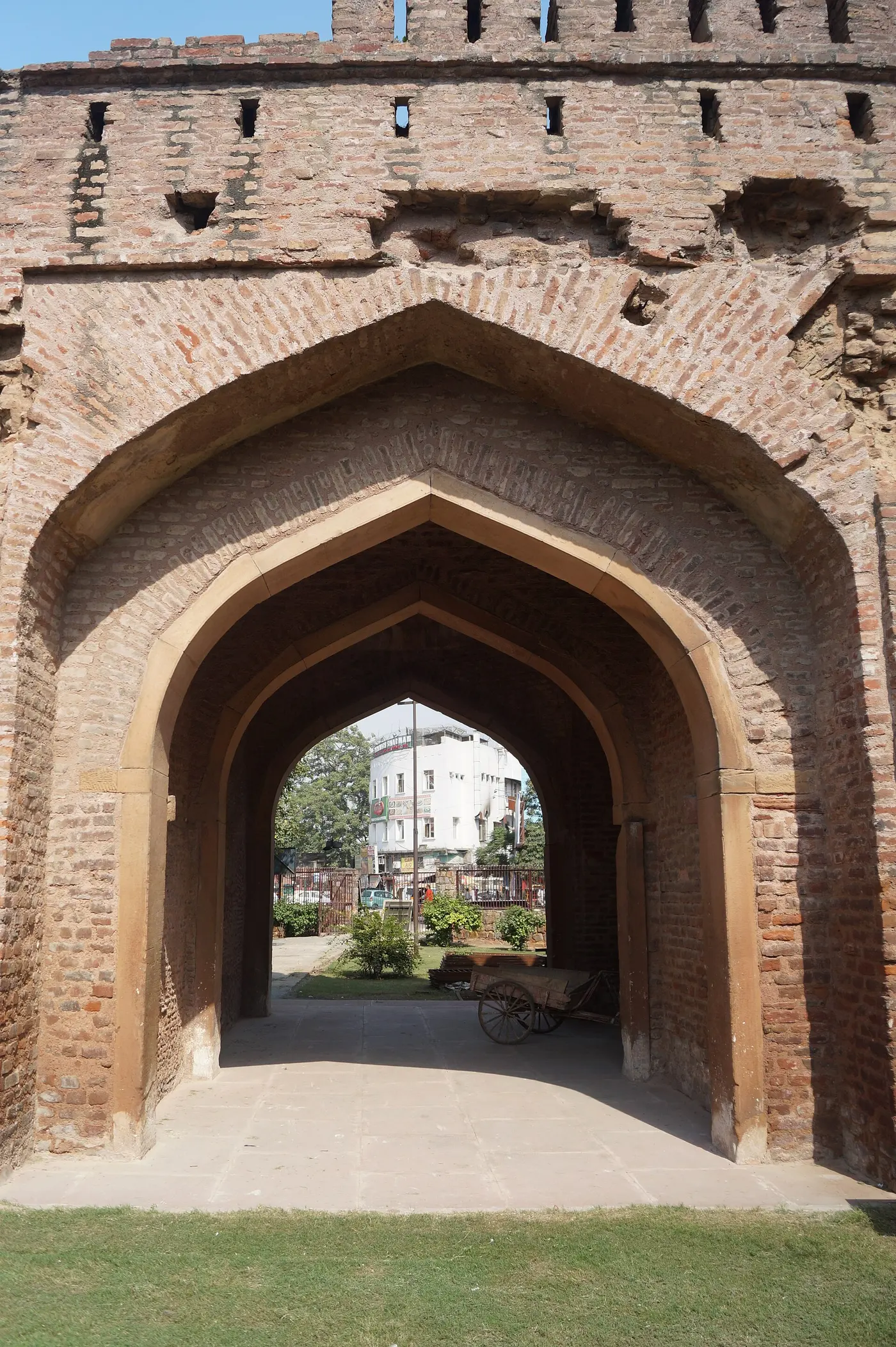
The gate standing today isn't the original Mughal-era structure — it was rebuilt in its present form around 1835, a squat, twin-arched sandstone and plaster gateway, considerably plainer than the grander ceremonial gates of the Red Fort. What makes it worth a stop isn't architectural grandeur; it's what happened at this gate barely two decades after it was rebuilt.
The gate now stands as a protected monument on a traffic island amid the roads and flyovers feeding the ISBT complex — a strange, almost incongruous sight: a nearly two-century-old fortification sitting quietly inside a knot of modern bus lanes and Metro pillars. Look closely at the stonework and you can still make out scarring consistent with the fighting of 1857, though time and restoration have softened much of it.
1857 Revolt Sites Near Kashmere Gate
Kashmere Gate's real historical weight comes from 1857. When the Revolt broke out and Delhi fell into rebel hands, the walled city became the central prize of the conflict, and Kashmere Gate — the gate closest to the British-held Ridge to the north — became the focal point of the assault to retake it.
On 14 September 1857, British and Company forces blew open the gate with explosive charges in one of the bloodiest actions of the entire siege, a move that was central to the eventual recapture of the city after months of fighting. The area around the gate carries the memory of that day more heavily than almost anywhere else in Delhi.
St. James' Church
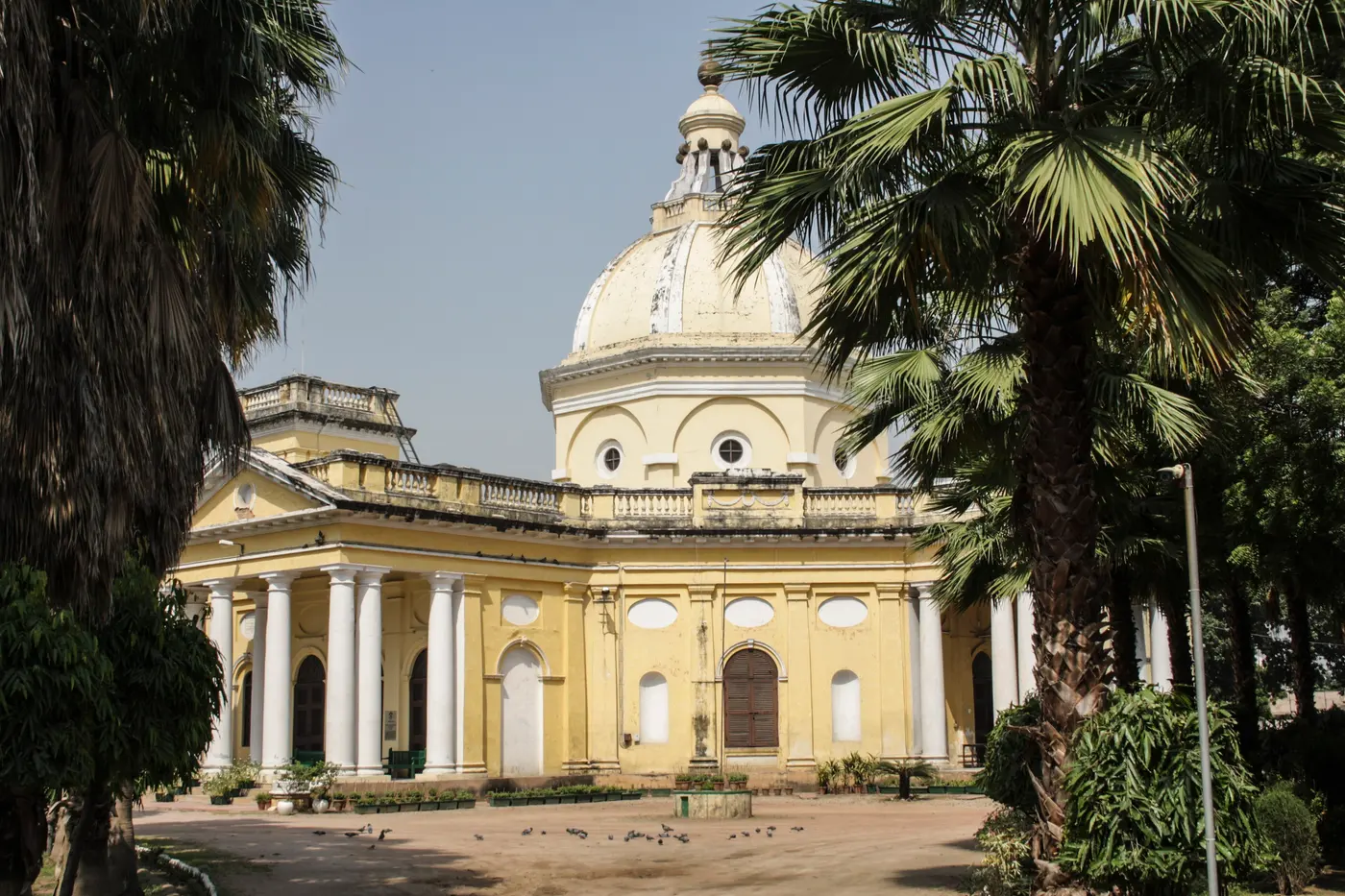
A short walk from the gate stands St. James' Church, widely regarded as Delhi's oldest surviving church. It was built in the 1830s by Colonel James Skinner, the famous Anglo-Indian cavalry officer and founder of Skinner's Horse, reportedly as a gesture of gratitude after surviving a battlefield wound, and was consecrated in 1836. The church's cream-domed exterior and modest cruciform layout still show bullet-scarred walls from the 1857 fighting, and its surrounding cemetery holds graves connected to the uprising, including Skinner's own.
Old Delhi Railway Station Area
Just beyond Kashmere Gate lies the general area of the Old Delhi Railway Station, close to where much of the fighting and the eventual British advance into the city unfolded during the siege. The station itself is a much later addition, but the ground it sits on is part of the same historically charged stretch between the Ridge and the walled city.
Nicholson Cemetery
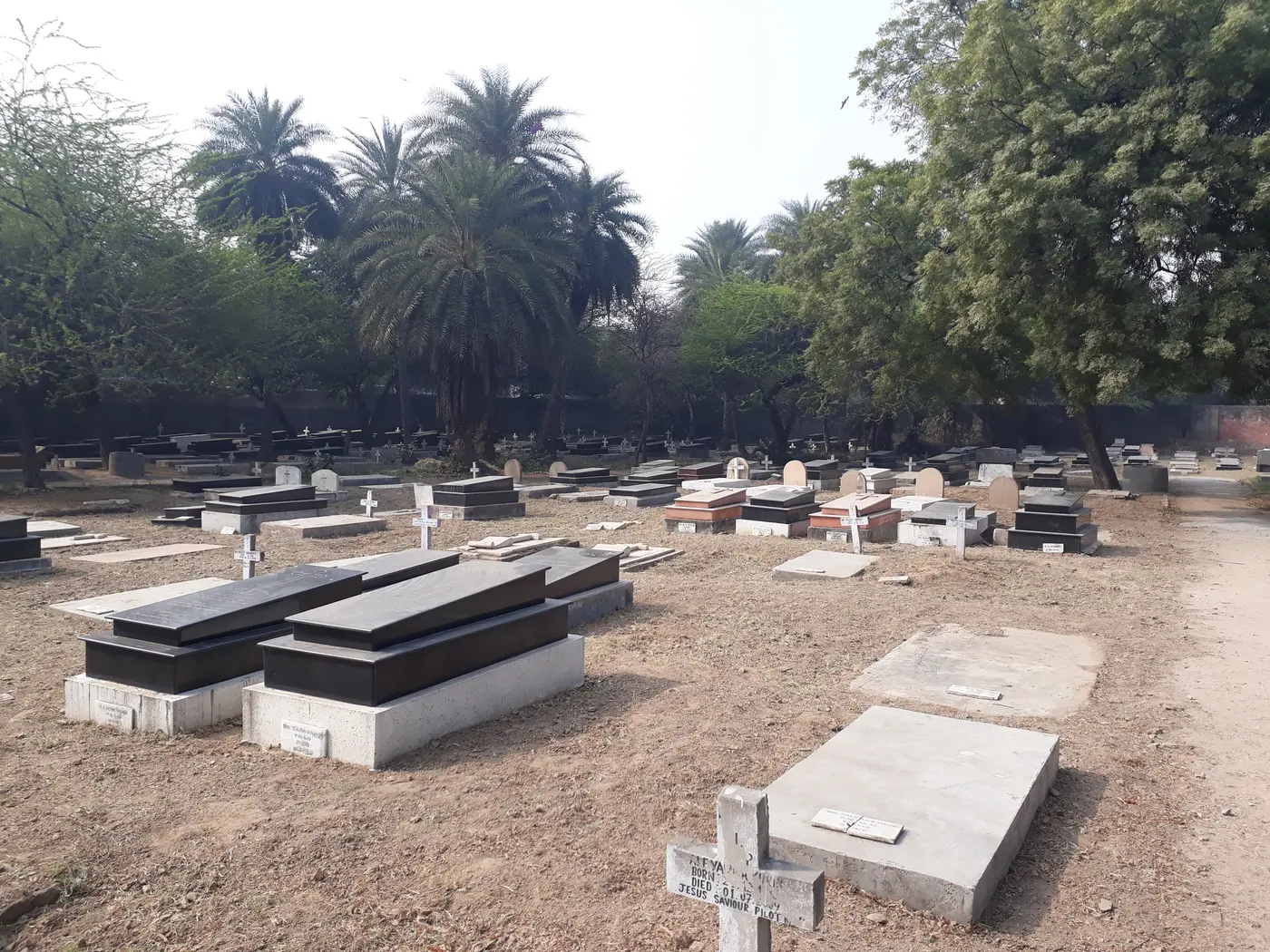
A little further north sits Nicholson Cemetery, named for British officer John Nicholson, who led the final assault that breached Kashmere Gate and died shortly after from wounds sustained during that action. The cemetery, quiet and shaded, holds his grave along with those of numerous other soldiers and civilians from the siege — a genuinely evocative, under-visited spot for anyone interested in this period of the city's history.
The ISBT: A Practical Travel Hub
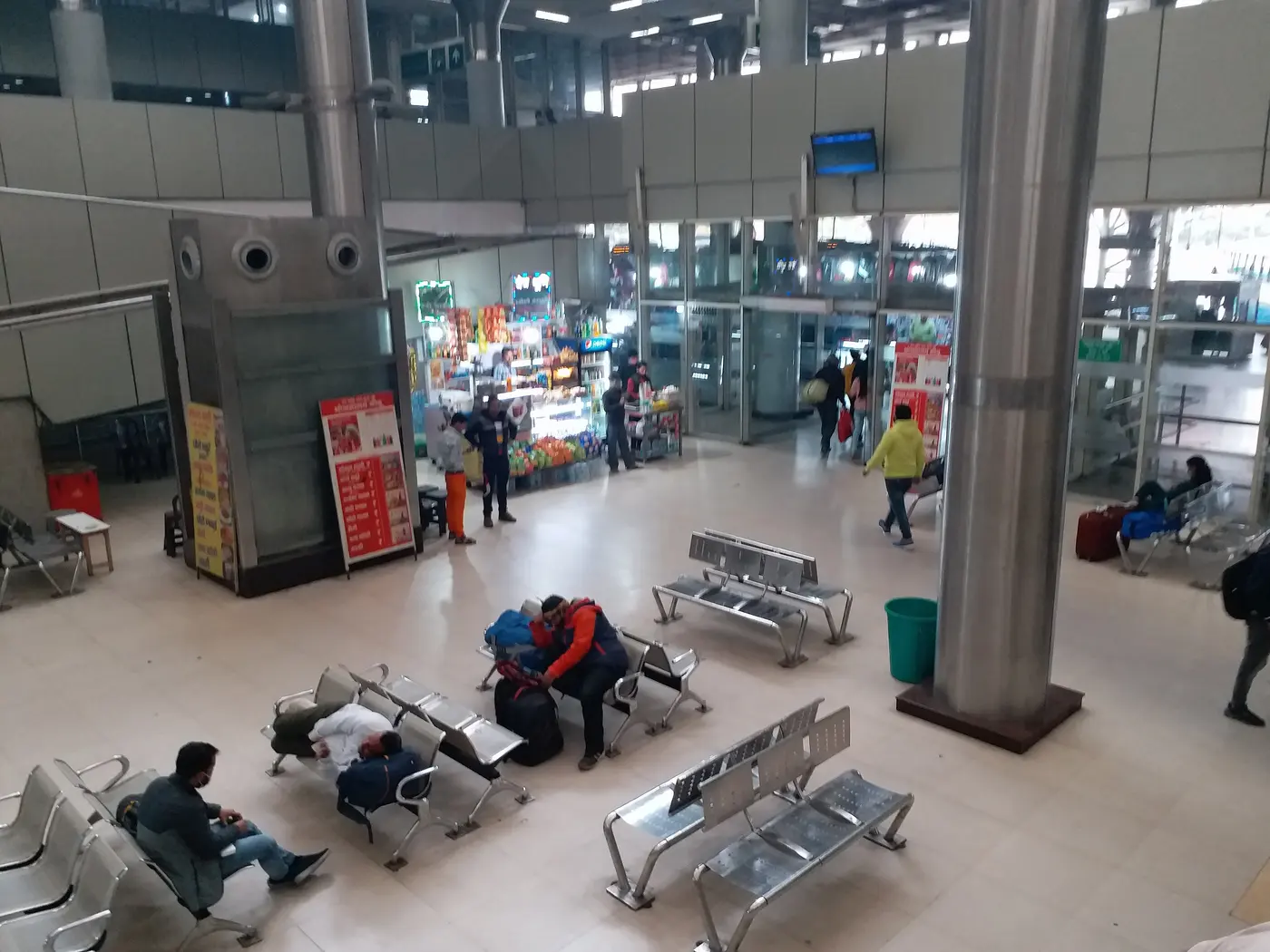
For most people passing through today, Kashmere Gate means one thing: the Inter-State Bus Terminal (ISBT), one of Delhi's largest and busiest bus stations. It's the departure and arrival point for a huge share of interstate bus traffic heading north and west out of the capital.
- Why travellers pass through here: ISBT Kashmere Gate handles routes toward Punjab, Haryana, Himachal Pradesh, Uttarakhand, and Jammu & Kashmir, operated by both state transport corporations and private operators — if your Delhi trip connects onward to a hill station or a northern state, there's a good chance you'll pass through this terminal.
- Connections onward: The adjoining Metro station makes it easy to connect straight from a long-distance bus onto the city network, without needing a separate cab ride into central Delhi first.
- Facilities: Expect the usual big-terminal mix — ticket counters, waiting areas, food stalls, and pre-paid auto/taxi counters — functional rather than polished, and genuinely crowded at peak travel times and around festivals.
- Booking ahead: Popular routes, especially toward hill destinations in peak season, are worth booking online in advance rather than relying on walk-up tickets at the counter.
It's a fitting, if slightly ironic, modern identity for the site — a gate once fought over to control who could move in and out of the city is now, quite literally, the place where hundreds of thousands of people do exactly that every single day.
A Suggested Heritage Walk
If you have even half a morning free, it's genuinely worth turning Kashmere Gate from a pass-through into a short, focused walk covering its historic sites.
The Gate Itself
- ✓Start at the c. 1835 gate structure on the traffic island
- ✓Look for surviving scarring from the 1857 fighting
- ✓A brief stop — 10–15 minutes is enough
St. James' Church
- ✓Short walk to Delhi's oldest surviving church
- ✓Note the bullet-scarred walls and cream dome
- ✓Walk the cemetery grounds, including Skinner's grave
Nicholson Cemetery
- ✓Walk further north to the quiet cemetery grounds
- ✓Find John Nicholson's grave and read the markers
- ✓A reflective, largely uncrowded stop
Extend Toward Old Delhi
- ✓Walk south toward Chandni Chowk for a food trail
- ✓Or head onward toward Old Delhi's other lanes
- ✓Return to Kashmere Gate Metro or ISBT to move on
* The whole walk covers roughly 2–3 km and comfortably fits into 2–3 hours, including time to sit with the cemetery grounds. It also pairs naturally with visits to Old Delhi or a stop at Majnu Ka Tilla on the same day.
Budget Breakdown
Kashmere Gate's historic sites are inexpensive to visit — the real budgeting question here is usually about the bus or Metro fares you're using to pass through the hub.
| Expense | Budget | Mid-Range | Comfort |
|---|---|---|---|
| Gate & church visit | Free | Free | Free |
| Local transport to/from | ₹30 (Metro) | ₹150 (auto) | ₹300+ (cab) |
| Interstate bus (avg. route) | ₹300–₹600 | ₹700–₹1,200 (AC) | ₹1,500+ (Volvo/sleeper) |
| Food at ISBT/nearby | ₹100 | ₹300 | ₹600 |
| Half-day total (excl. bus fare) | ₹130 | ₹450 | ₹900 |
* Interstate bus fares vary widely by destination and operator — check current rates on the relevant state transport corporation's site or a booking app before travelling.
Essential Tips for Kashmere Gate
- Remember this is a working transit hub: Traffic, noise, and crowding around the ISBT are constant realities — build in extra time if you're catching a bus, and don't expect a quiet monument experience right at the gate itself.
- Visit the heritage sites in daylight: St. James' Church and Nicholson Cemetery are best visited in the morning or early afternoon, both for light and because they're quieter and safer to explore unhurried during the day.
- Be extra alert late at night: The area around the ISBT is busy but noticeably less comfortable after midnight, when fewer buses run — avoid wandering into surrounding lanes alone, and use pre-paid auto or cab counters rather than touts.
- Book long-distance buses in advance: Especially for hill destinations in peak season — walk-up availability isn't guaranteed on popular routes.
- Keep your bag secure in the terminal: Large, crowded transit spaces are a common spot for pickpocketing — keep valuables zipped and close.
- Combine with Old Delhi: Since it's such a short walk to Chandni Chowk, it's worth folding Kashmere Gate into a broader Old Delhi day rather than visiting it in isolation.
✅ Do
- →Visit the gate, church, and cemetery in daylight
- →Read up on 1857 history before you arrive
- →Book interstate bus tickets online in advance
- →Use the Metro interchange to skip road traffic
- →Combine the walk with a Chandni Chowk visit
- →Use pre-paid auto/taxi counters at the ISBT
❌ Don't
- →Expect a polished, ticketed monument experience
- →Wander alone into side lanes late at night
- →Rely on walk-up tickets for peak-season buses
- →Leave bags unattended in the crowded terminal
- →Rush the church and cemetery — they reward slow visits
- →Ignore basic bag security in the busy ISBT complex
Frequently Asked Questions
What is Kashmere Gate famous for?
Kashmere Gate is famous for two very different reasons. Historically, it's the northernmost surviving gate of Shah Jahan's walled city of Shahjahanabad, and the site of some of the fiercest fighting during the 1857 Revolt (the Siege of Delhi), when British and Company forces breached the gate to retake the city. Today, most Delhiites know it primarily as a massive transit hub — home to the Kashmere Gate ISBT (Inter-State Bus Terminal) and a three-line Delhi Metro interchange (Red, Yellow, and Violet lines).
Is Kashmere Gate ISBT safe?
Kashmere Gate ISBT is a heavily used, well-policed transit hub and is generally safe during daytime and evening hours when it's busiest. Like any large bus terminal, it gets congested, chaotic, and less comfortable late at night, when fewer services run and the area around it quiets down. Keep valuables secure, stick to well-lit, populated areas, use official pre-paid auto/taxi counters rather than touts, and avoid wandering into surrounding lanes alone after midnight.
What is the history of Kashmere Gate?
Kashmere Gate was one of the original gates built into the walls of Shahjahanabad, the fortified city founded by Mughal emperor Shah Jahan in the 1640s, and took its name from facing the road that led north toward Kashmir. The gate was rebuilt in its present form around 1835. During the 1857 Revolt, it became one of Delhi's key battlegrounds — British and Company troops blew open the gate with explosives on 14 September 1857 in a costly assault that was central to recapturing the city from rebel forces.
How do I get to Kashmere Gate ISBT?
Kashmere Gate is one of Delhi's best-connected points — it's a Delhi Metro interchange station serving the Red, Yellow, and Violet lines, so you can reach it directly from almost anywhere on the network. It's also a major auto-rickshaw and taxi destination from across Old and Central Delhi. If you're arriving by interstate bus, you'll most likely land here directly, since Kashmere Gate ISBT is Delhi's largest bus terminal for routes heading north and west.
Can I still see the original Kashmere Gate structure?
Yes. The gate itself still stands as a Archaeological Survey of India-protected monument, a squat, twin-arched sandstone-and-plaster structure with visible battle damage from 1857 still noticeable up close, sitting on a traffic island near the ISBT complex. It's a much smaller, quieter site than Delhi's grander monuments, but worth a short stop if you're already passing through.
What other 1857 Revolt sites are near Kashmere Gate?
Within easy walking distance are St. James' Church, Delhi's oldest surviving church, which carries bullet damage from the uprising and has a cemetery with graves connected to 1857; Nicholson Cemetery, the resting place of British officer John Nicholson, who died of wounds sustained during the assault on the city; and the general Old Delhi Railway Station area, close to where much of the fighting and the eventual British advance into the city took place.
How much time should I set aside for a Kashmere Gate heritage walk?
A focused walk covering the gate itself, St. James' Church, and Nicholson Cemetery comfortably takes 2 to 3 hours at an unhurried pace, including time to read plaques and sit with the cemetery grounds. It pairs naturally with a half-day extension into Old Delhi's Chandni Chowk, which begins just a short walk south.
Published by the Kudozz Club editorial team · Last updated · How we research our guides
Want us to plan this trip for you?
Tell Kudozz Club where you want to go and what kind of trip you’re looking for. We’ll build a Delhi itinerary around your dates and budget.
Continue Exploring
View all guides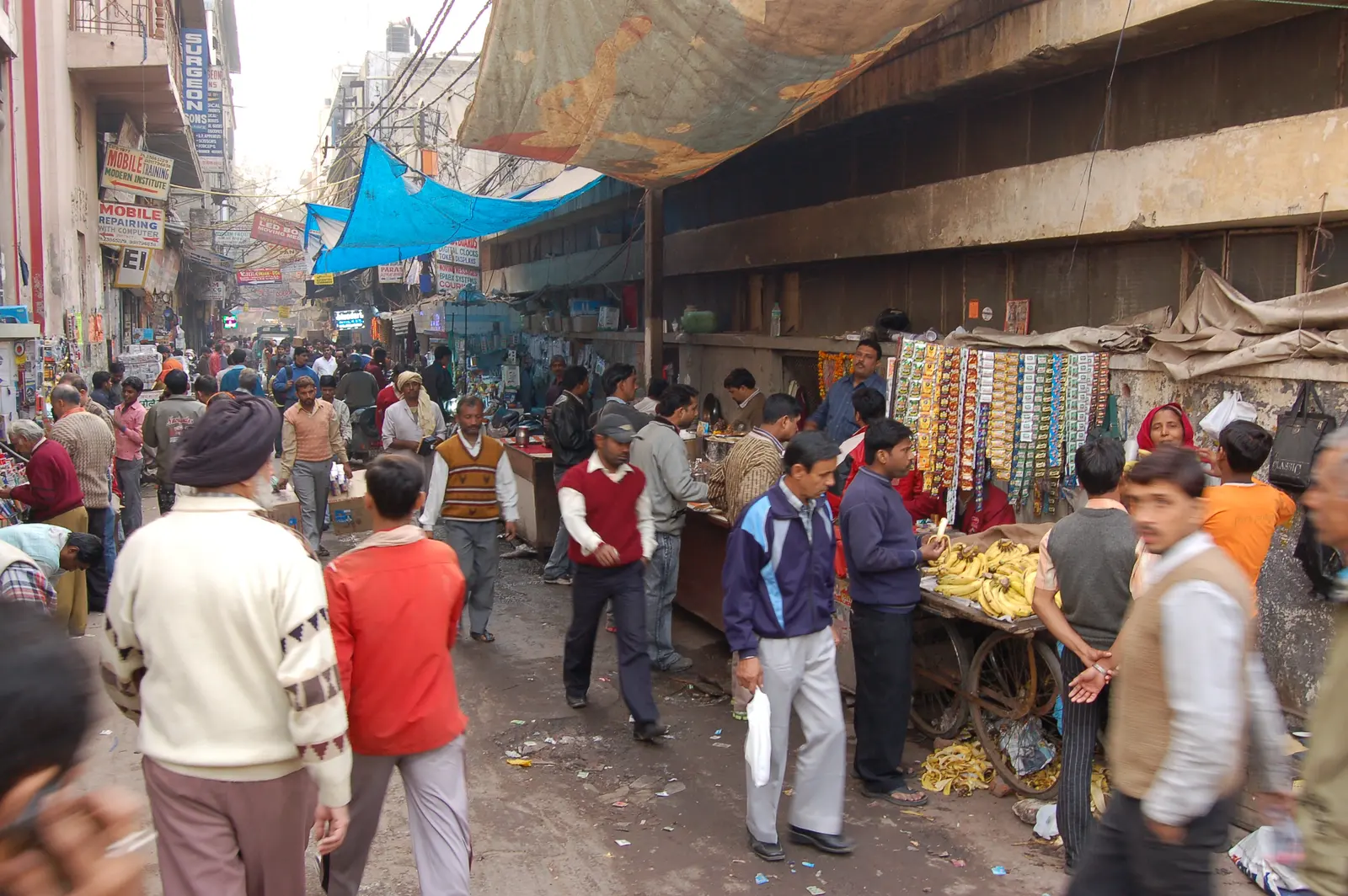 Heritage
Chandni Chowk: Delhi's Legendary Food Walk & Bazaar Guide
A 350-year-old market built by Jahanara Begum — Kinari Bazaar, Khari Baoli's spice trade, and the legendary Chandni Chowk street food walk.
 Heritage
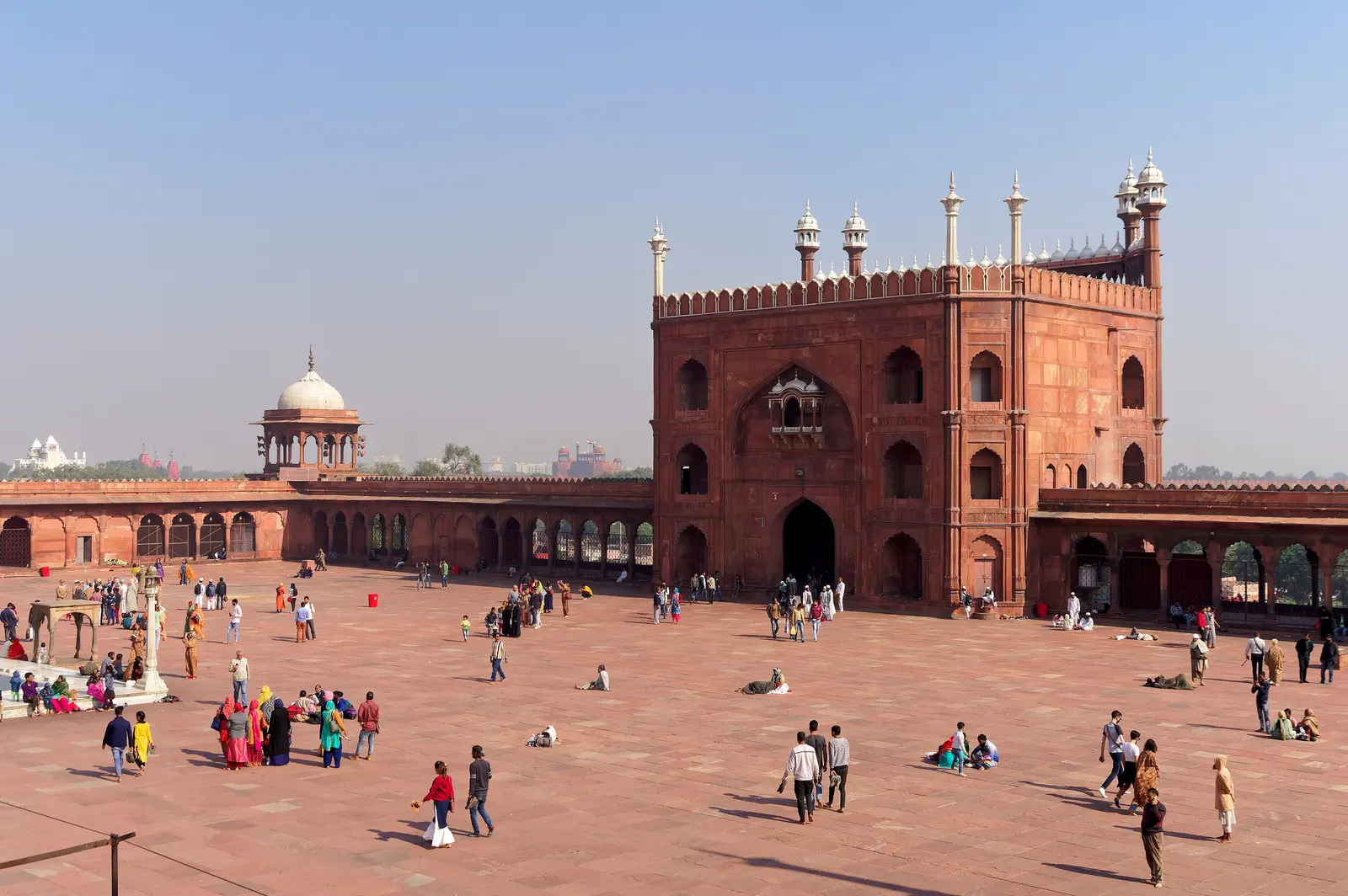
Old Delhi Travel Guide: Red Fort, Jama Masjid & Food
Shahjahanabad, Shah Jahan's 17th-century walled capital — Red Fort, India's largest mosque, cycle-rickshaw lanes, havelis, bazaars, and a street food trail running for well over a century.
 Things to Do
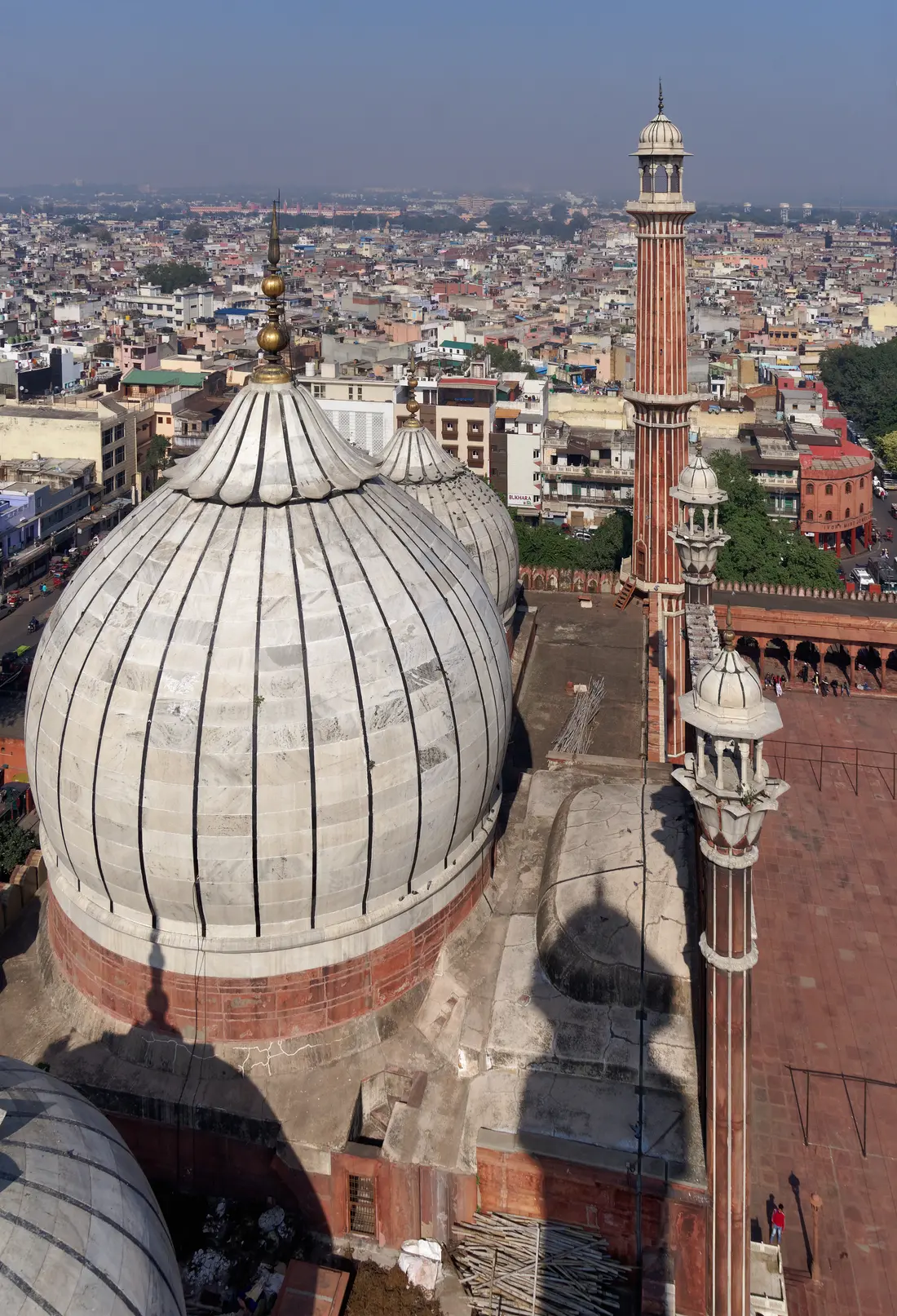
Things to Do in Old Delhi: Red Fort, Bazaars, Havelis & Street Food
Things to do in Old Delhi: the Red Fort and its sound and light show, climbing Jama Masjid's minaret, a Chandni Chowk food walk, Khari Baoli spice market, Dariba Kalan and Kinari Bazaar, Sis Ganj Sahib, havelis, Ghalib's house and a rickshaw ride.
 Heritage & Culture
Heritage Tourism in Delhi: Monuments of the Seven Cities
A guide to heritage tourism in Delhi: its three UNESCO sites (the Qutub Minar, Humayun's Tomb and the Red Fort), the layered 'cities of Delhi' from Mehrauli and Tughlaqabad to Purana Qila and Shahjahanabad, Lodhi Garden, Nizamuddin and Sunder Nursery, Lutyens' New Delhi, stepwells, museums, crafts and heritage walks.