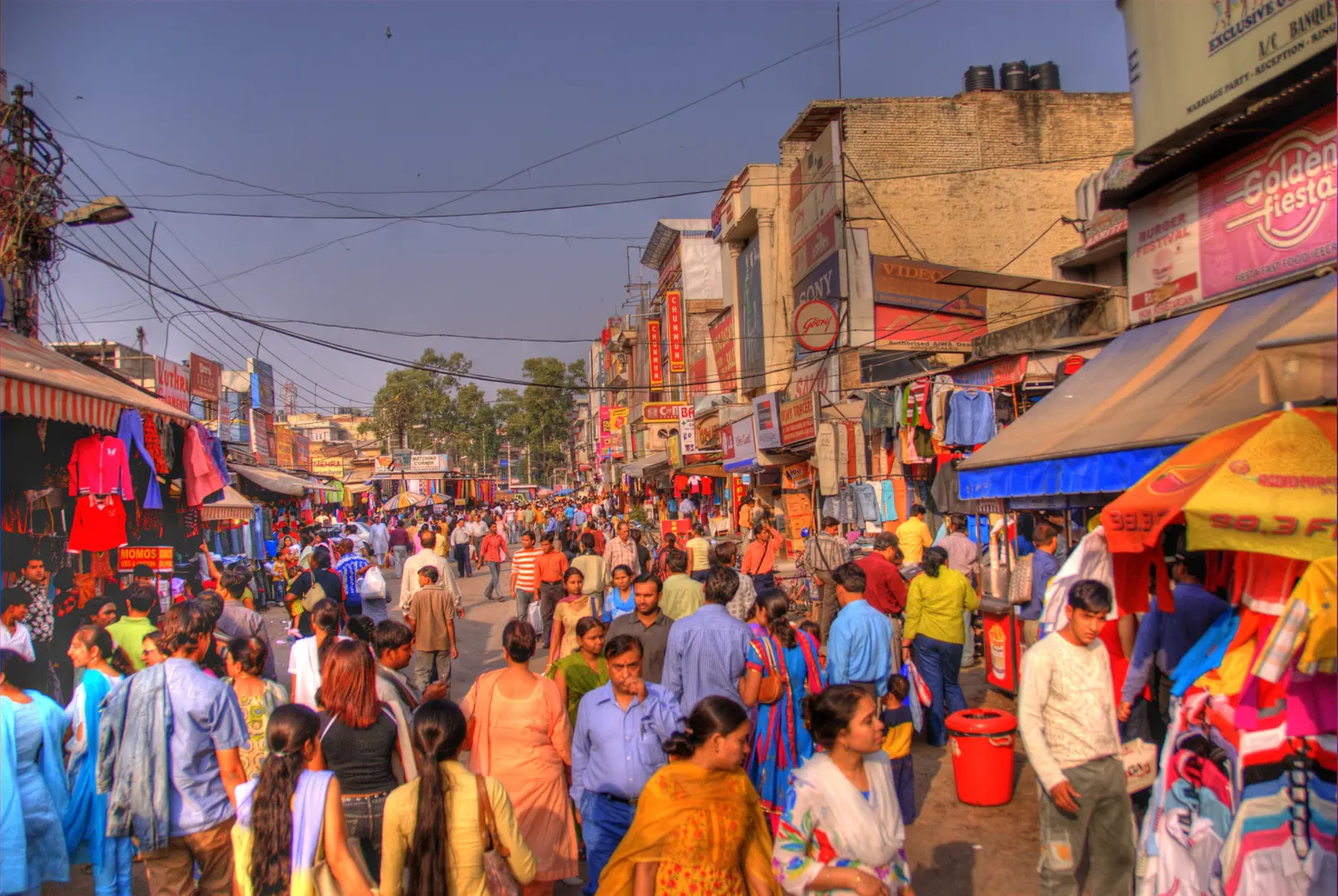
Lajpat Nagar: A South Delhi Institution
Lajpat Nagar is a South Delhi neighbourhood that was established in the late 1940s as a refugee resettlement colony in the aftermath of Partition — one of several such colonies built across the capital to house families arriving from what became Pakistan. Decades on, it has grown into one of Delhi's most beloved and heavily trafficked shopping neighbourhoods, best known for its bustling Central Market.
The colony takes its name from Lala Lajpat Rai, the freedom fighter and independence-movement leader popularly remembered as "Punjab Kesari" (the Lion of Punjab) — a name shared by several public institutions across North India. That history sits quietly in the background today; most visitors know Lajpat Nagar simply as the place to find a wedding lehenga, a set of dupattas, or a good pair of juttis at a fraction of mall prices, all without ever stepping into an air-conditioned showroom.
This guide covers Central Market and the neighbouring Tibetan Market in detail, along with the food scene, bargaining etiquette, and a practical half-day plan. For the wider capital, see our full Delhi travel guide — and if South Delhi's market circuit interests you, Lajpat Nagar pairs naturally with Sarojini Nagar and the wider South Delhi neighbourhood circuit.
🛍️ Lajpat Nagar at a Glance
Best Time to Visit Lajpat Nagar
Lajpat Nagar's Central Market is a genuinely year-round destination — there's no real off-season — but when you go changes the experience considerably, mostly because of crowd density rather than weather.
Shops open around 11 AM and stay comfortably walkable until early afternoon. This is the easiest time to browse, compare prices across stalls, and bargain without being jostled.
Friday through Sunday evenings are when Central Market is at its most packed — lively and atmospheric, but slow-going if you actually want to shop rather than just soak in the energy.
North India's main wedding season brings the widest stock of bridal and festive wear, but also the heaviest footfall and the least room to negotiate patiently.
Central Market is largely open-air and pedestrianised with limited shade — Delhi's summer heat makes midday browsing genuinely uncomfortable.
Our pick: a weekday between 11 AM and 4 PM. You'll get the same stalls, the same prices, and far more room to actually bargain than during the weekend evening rush.
How to Reach Lajpat Nagar
Lajpat Nagar is one of the easiest South Delhi markets to reach, largely thanks to its metro interchange.
- By Metro: Lajpat Nagar Metro Station is an interchange between the Violet Line and the Pink Line, making it directly reachable in one ride from most parts of the city. It's by far the easiest and most reliable way in, especially during peak traffic hours.
- By Auto-rickshaw or App Cab: Widely available, though the immediate market lanes get congested on weekend evenings — expect drop-off points a short walk from the market entrance during peak hours.
- By Bus: Several DTC bus routes serve Lajpat Nagar, useful for budget travellers already staying in South Delhi.
Central Market: Delhi's Ethnic-Wear Hub
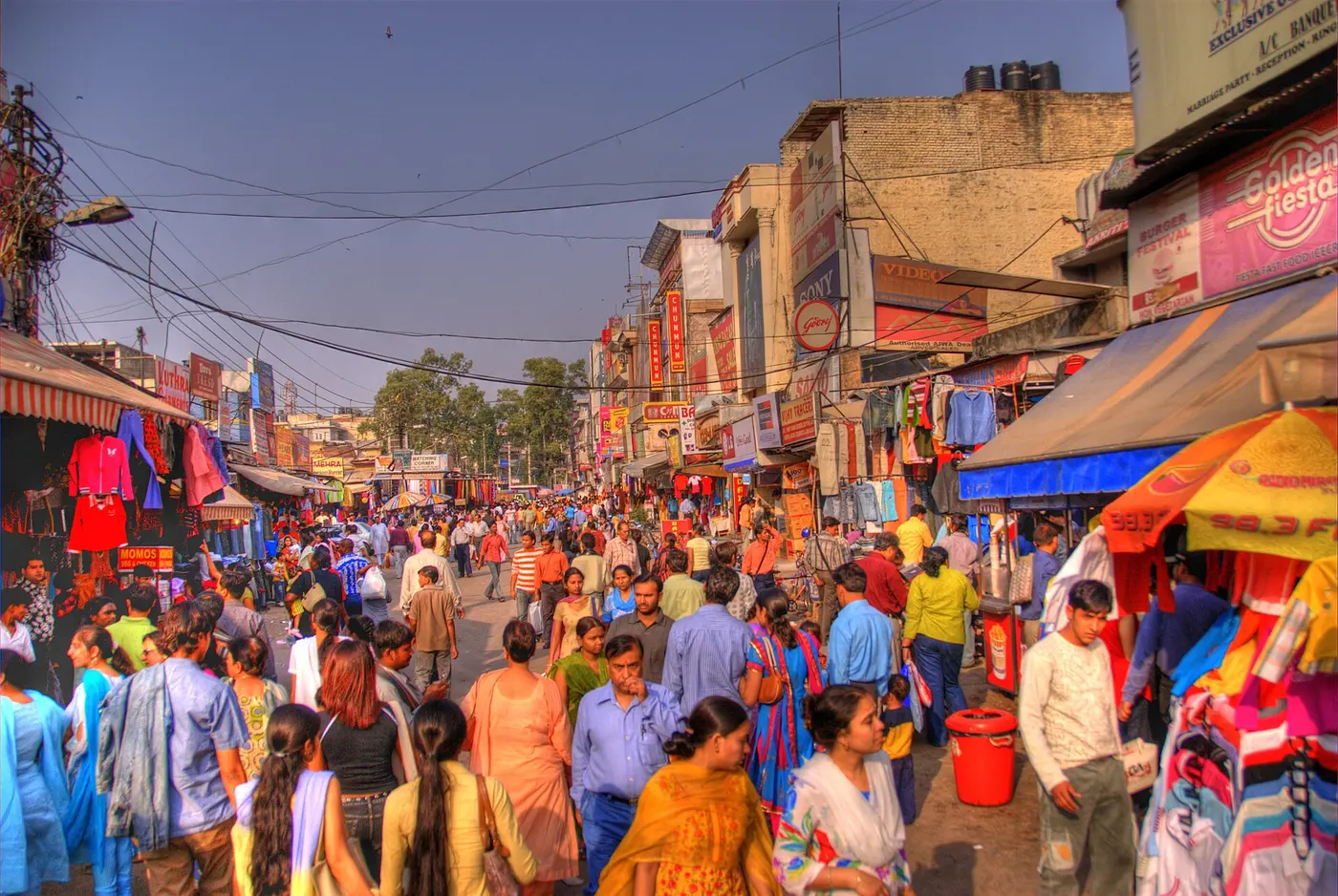
Central Market is the beating heart of Lajpat Nagar — a fully pedestrianised main market street lined on both sides with hundreds of shops, stalls, and showrooms. It's genuinely one of Delhi's most famous shopping destinations, drawing everyone from local families doing everyday shopping to brides-to-be sourcing an entire wedding trousseau across multiple budgets.
- Ethnic wear: Salwar suits, sarees, kurtas, and lehengas across a wide range of prices — from everyday wear to elaborate bridal pieces.
- Bridal and wedding shopping: A genuine destination for trousseau shopping — bridal lehengas, dupattas, jewellery sets, and wedding accessories, often significantly cheaper than boutique or mall equivalents.
- Footwear: Juttis, sandals, and everyday shoes across dozens of stalls, with prices that drop quickly once you're willing to negotiate.
- Home textiles and accessories: Bedsheets, cushion covers, curtains, bags, and costume jewellery fill out the rest of the market.
- Bargaining culture: Almost nothing in Central Market has a genuinely fixed price — haggling is the norm, expected by shopkeepers and shoppers alike, and part of what makes the market fun rather than transactional.
What sets Central Market apart from Delhi's mall culture is sheer variety packed into a walkable footprint — you can compare five stalls selling near-identical dupattas within a two-minute walk, something no single store can offer.
The Tibetan Market
Running along one edge of Central Market is the smaller, more compact Tibetan Market — set up over the decades by members of Delhi's Tibetan refugee community, and distinct enough in character to be worth treating as its own stop rather than an extension of Central Market.
- Imported goods: Clothing, accessories, and small electronics with a different sourcing mix than the largely domestic stock of Central Market.
- Jewellery: Costume jewellery, oxidised silver pieces, and statement accessories at prices well below jewellery-store rates.
- Winter wear: Jackets, sweaters, shawls, and woollens — a particularly popular reason to visit in the cooler months.
The Tibetan Market is a short, easy walk from Central Market — most visitors cover both in the same trip, treating Central Market as the main event and the Tibetan Market as a worthwhile detour for winter wear or jewellery on the way out.
A Brief History
Lajpat Nagar's story begins in the years immediately following India's Partition in 1947, when the colony was developed as a resettlement area for refugee families arriving in Delhi from territories that became Pakistan. Like several other South and East Delhi colonies built in the same period, it grew out of urgent, practical necessity — housing a large, displaced population as the newly independent capital absorbed a sudden and enormous influx of arrivals.
The neighbourhood carries the name of Lala Lajpat Rai, a prominent leader of India's independence movement in the early twentieth century, honoured in the naming of the colony and of similar institutions across the region. Over the following decades, the settlers who built new lives here also built the market that made the area famous — Central Market grew organically from small trading stalls into the dense, thriving commercial strip it is today, a transformation that mirrors the resilience and enterprise of the community that founded it.
What to Eat in Lajpat Nagar
A few hours of shopping and bargaining works up a real appetite, and Lajpat Nagar's food scene — a mix of long-running local eateries and street stalls — is more than up to the task.
- Street chaat stalls: Golgappe, aloo tikki, and other classic Delhi chaat are sold at several stalls scattered through and around Central Market — a quick, cheap refuel between shops.
- Local dhabas and eateries: A number of well-known, long-standing local restaurants around Lajpat Nagar serve North Indian staples — reliable, affordable comfort food after a long shopping stretch.
- Momos and Tibetan snacks: Given the neighbourhood's Tibetan Market, momos and other quick Tibetan snacks are easy to find nearby — a natural pairing with a Tibetan Market stop.
- Juice and lassi stalls: Fresh juice and lassi vendors dot the market lanes, especially useful for cooling off during a summer visit.
A Suggested Half-Day Shopping Plan
Central Market and the Tibetan Market together are comfortably covered in a half-day — here's a realistic plan for a relaxed but thorough visit.
Arrive & Orient
- ✓Take the metro to Lajpat Nagar station (Violet/Pink Line)
- ✓Walk 5–10 minutes to Central Market
- ✓Do one loop of the main lane before buying anything
Central Market Shopping
- ✓Browse ethnic wear, footwear, and accessories
- ✓Compare 2–3 stalls before settling on a price
- ✓Bargain confidently — see the tips section below
Lunch Break
- ✓Street chaat or a local dhaba near the market
- ✓Rest and rehydrate before the second half
Tibetan Market
- ✓Short walk over from Central Market
- ✓Browse jewellery, winter wear, and imported goods
- ✓Grab momos before heading out
* If you're combining markets, the wider South Delhi circuit and the historic lanes of Nizamuddin are both a short ride away, and pair well with a Lajpat Nagar morning.
Budget Breakdown
Lajpat Nagar is genuinely budget-friendly by design — the range below reflects how much bargaining outcomes (and how many stalls you visit) can shift your total spend.
| Expense | Budget | Mid-Range | Splurge |
|---|---|---|---|
| Salwar suit / kurta set | ₹400 | ₹1,200 | ₹3,000+ |
| Dupatta | ₹150 | ₹350 | ₹800 |
| Footwear (juttis/sandals) | ₹250 | ₹600 | ₹1,200 |
| Bridal lehenga | ₹3,000 | ₹8,000 | ₹20,000+ |
| Costume jewellery (Tibetan Market) | ₹100 | ₹400 | ₹1,000 |
| Lunch for two | ₹300 | ₹700 | ₹1,200 |
* Prices are indicative and vary heavily with bargaining, season (wedding-season prices run higher), and the specific stall — treat these as a starting reference, not a fixed rate card.
Essential Tips & Bargaining Etiquette
- Start low, meet in the middle: Open with roughly 40–50% of the quoted price — most quotes are inflated well above the shopkeeper's actual minimum, particularly for visitors who don't look local.
- Be willing to walk away: This is the single most effective bargaining tool in the market — shopkeepers regularly call out a better price the moment you turn to leave.
- Compare before you commit: Central Market has dozens of stalls selling near-identical items — a quick round of two or three comparisons gives you real leverage.
- Carry cash in small denominations: Many stalls prefer cash, and having smaller notes speeds up transactions and avoids awkward change disputes.
- Watch your belongings in dense crowds: Weekend evenings get genuinely packed — keep bags zipped and in front of you, and stay alert to pickpockets in the busiest stretches.
- Check stitching and fabric before buying: Quality varies stall to stall — a quick inspection of seams and fabric before paying avoids disappointment later.
✅ Do
- →Visit on a weekday morning for calmer browsing
- →Bargain politely — it's expected, not rude
- →Compare a few stalls before settling on a price
- →Carry cash in smaller denominations
- →Check stitching and fabric quality before paying
- →Cover both Central Market and Tibetan Market in one trip
❌ Don't
- →Accept the first quoted price without negotiating
- →Visit expecting fixed, mall-style pricing
- →Carry loose valuables in an open bag or pocket
- →Go on a weekend evening if you dislike dense crowds
- →Expect branded or high-end labels here
- →Rush bridal shopping — compare shops for the big items
Frequently Asked Questions
What is Lajpat Nagar famous for?
Lajpat Nagar is famous above all for its Central Market — a pedestrianised shopping street in South Delhi known for ethnic wear, bridal and wedding shopping, footwear, and home textiles at prices well below retail-mall rates. Just behind it sits the smaller Tibetan Market, known for imported clothing, jewellery, and winter wear. Together they make Lajpat Nagar one of Delhi's most popular everyday shopping neighbourhoods.
Is Lajpat Nagar good for shopping?
Yes, particularly for ethnic wear, bridal outfits, dupattas, footwear, and budget fashion — it's one of the go-to markets for Delhi brides and their families sourcing wedding shopping across multiple budgets. It's less suited to branded or high-end shopping; for that, markets like Khan Market or South Extension are a better fit.
How do I bargain at Lajpat Nagar Central Market?
Start by offering roughly 40–50% of the quoted price and negotiate up from there — quoted prices are almost always inflated for first-time or clearly non-local shoppers. Stay polite, be willing to walk away (prices often drop the moment you do), and compare a couple of stalls selling the same item before committing. Bargaining is an accepted, expected part of shopping here, not a confrontation.
What is the difference between Lajpat Nagar Central Market and Tibetan Market?
Central Market is the larger, pedestrianised main market — mostly Indian ethnic wear, bridal shopping, footwear, and home textiles. The Tibetan Market is a smaller, adjoining lane running along Central Market's edge, historically set up by the local Tibetan refugee community, and known instead for imported clothing, winter jackets, accessories, and costume jewellery. They're a two-minute walk apart and most visitors cover both in one trip.
How do I reach Lajpat Nagar by metro?
Lajpat Nagar Metro Station is an interchange between the Violet Line and the Pink Line, making it reachable in a single ride from most parts of Delhi. It's a short 5–10 minute walk from the station to Central Market — well signed, though the final stretch gets crowded on weekend evenings.
What is the best time to visit Lajpat Nagar Central Market?
Weekday mornings to early afternoon are the calmest window for actually browsing and bargaining without being jostled. Evenings, especially Friday through Sunday, get extremely crowded — atmospheric if you enjoy the buzz, but harder for unhurried shopping or price comparisons.
Is Lajpat Nagar safe, especially for solo travellers or women?
Lajpat Nagar is a busy, well-populated commercial area and generally considered safe by day and early evening, with a constant crowd and visible shop presence. As with any dense Indian market, keep bags zipped and in front of you, stay alert to pickpockets in the thickest crowds, and treat late-night visits with the same ordinary caution you'd use in any big-city market after dark.
Published by the Kudozz Club editorial team · Last updated · How we research our guides
Want us to plan this trip for you?
Tell Kudozz Club where you want to go and what kind of trip you’re looking for. We’ll build a Delhi itinerary around your dates and budget.
Continue Exploring
View all guides Off-beat
Karol Bagh Travel Guide: Shopping, Markets & Budget Hotels
A pedestrianised bazaar on Ajmal Khan Road, Gaffar Market's electronics stalls, and one of Delhi's densest budget-hotel clusters — the complete guide to shopping, eating, and staying in Karol Bagh.
 Destination Guide
Vasant Kunj Guide: Malls, Shopping & Nature Nearby
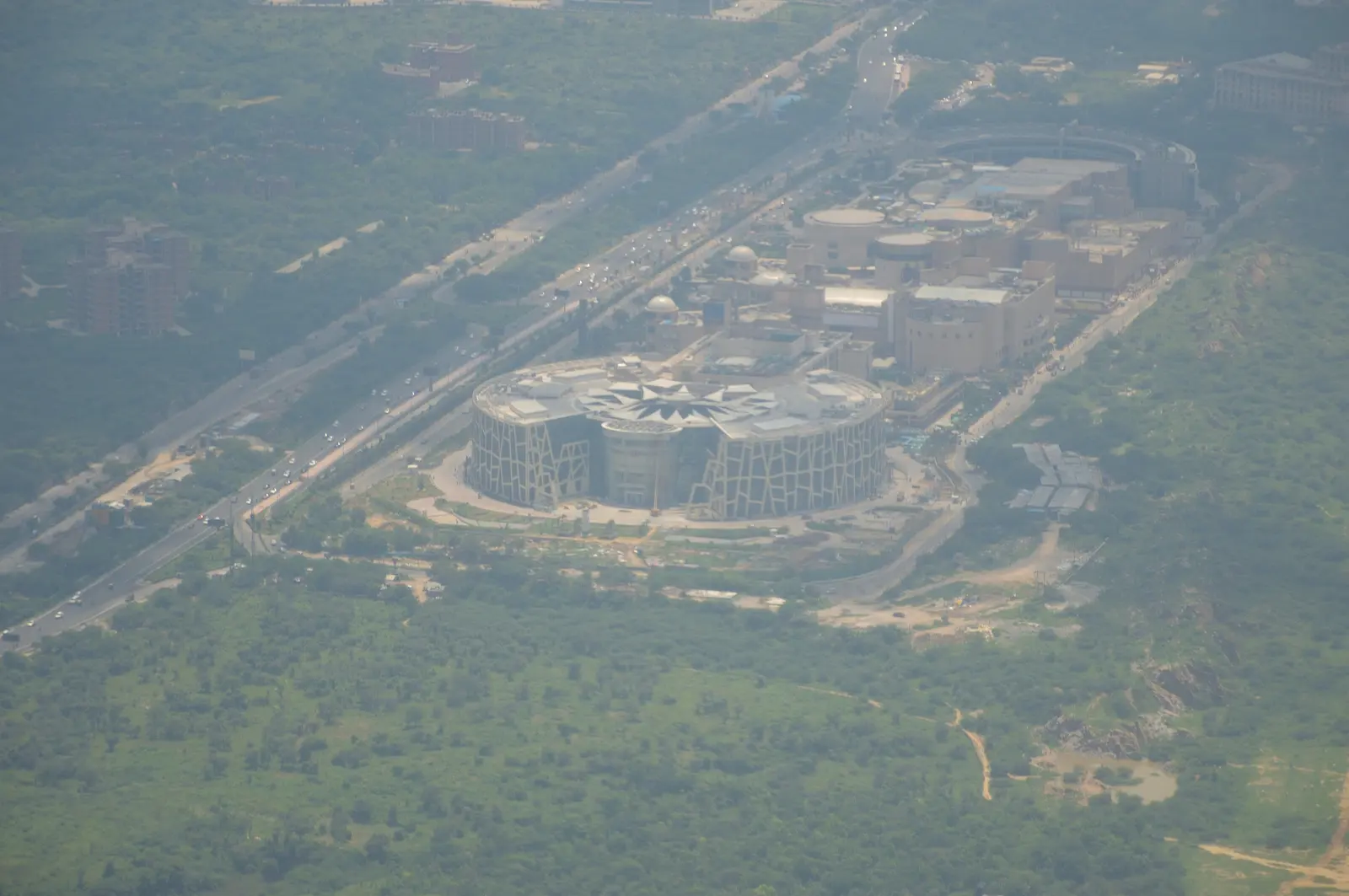
Delhi's upscale mall district next to IGI Airport — Ambience Mall, DLF Promenade, DLF Emporio, and the surprisingly wild Asola Bhatti forest just beyond it.
 Destination Guide
Connaught Place Guide: Shopping, Food & Nightlife
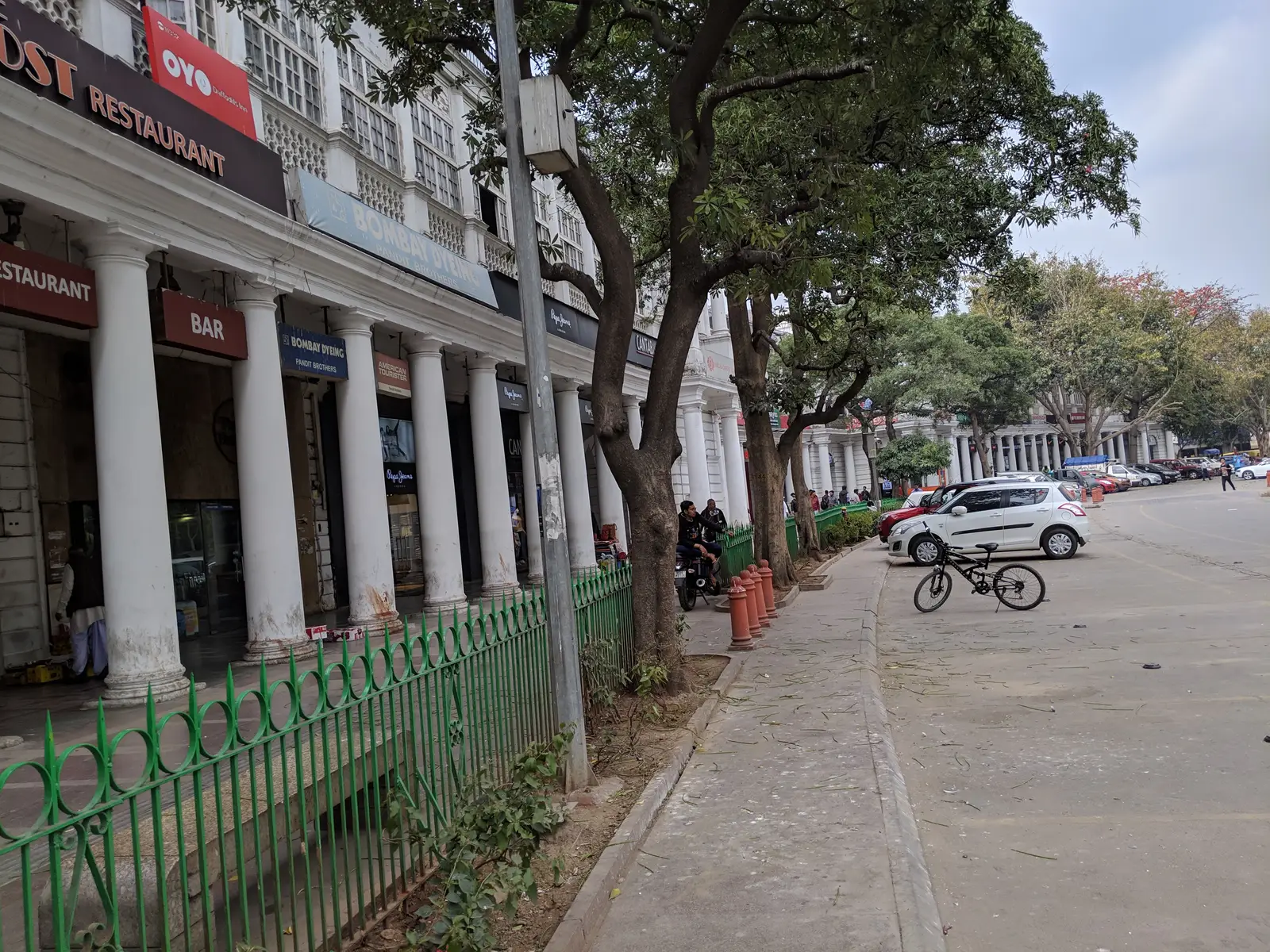
The Inner, Middle & Outer Circle layout, Central Park, Palika Bazaar, old-school eateries and nightlife — the complete guide to Delhi's Georgian-era commercial hub.
 Off-beat
Majnu Ka Tilla Guide: Delhi's Tibetan Colony
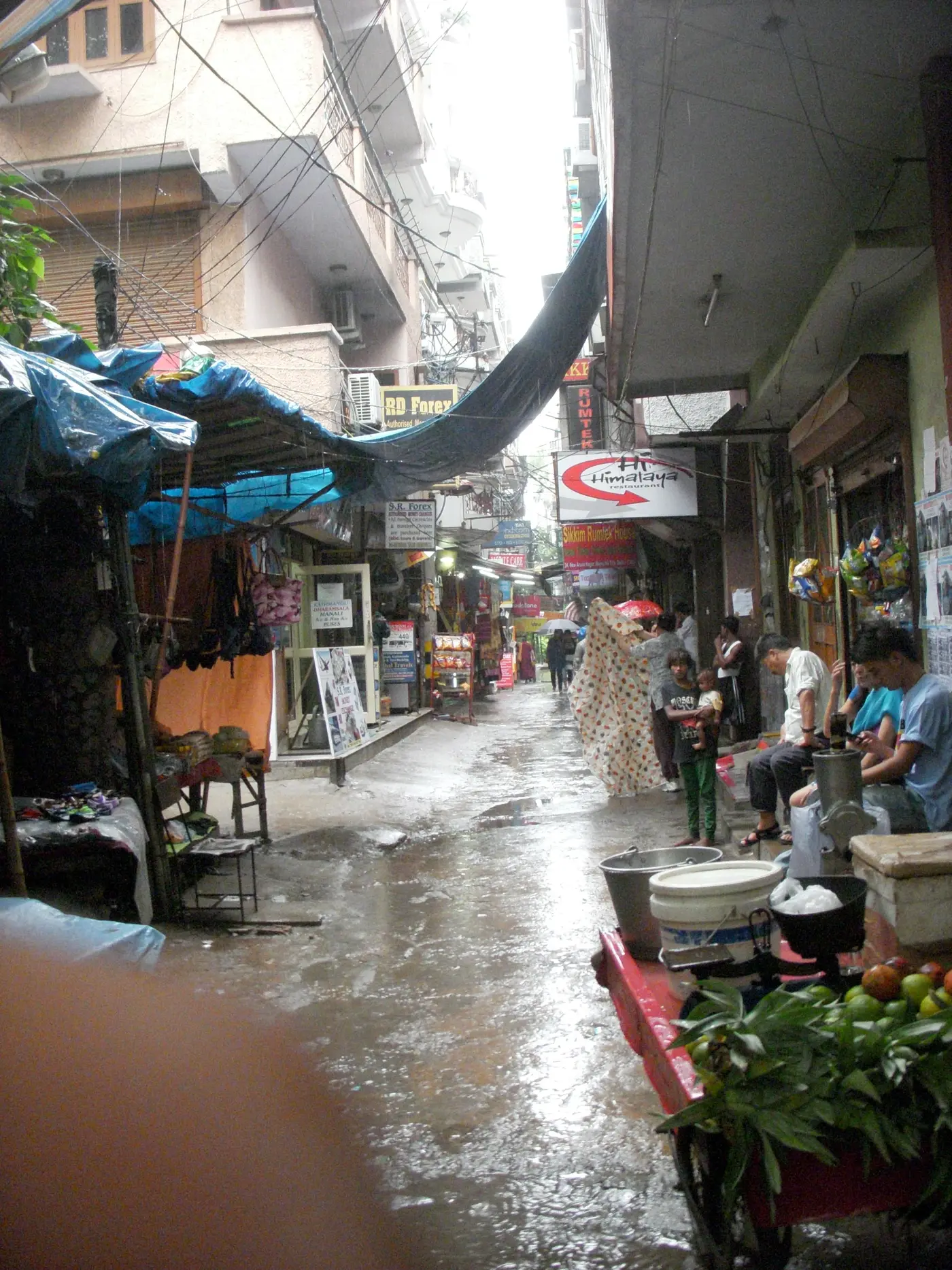
A slice of Tibet on the banks of the Yamuna — momos, thukpa, Korean cafés, prayer-flag markets, and Delhi's most concentrated Tibetan cultural enclave.