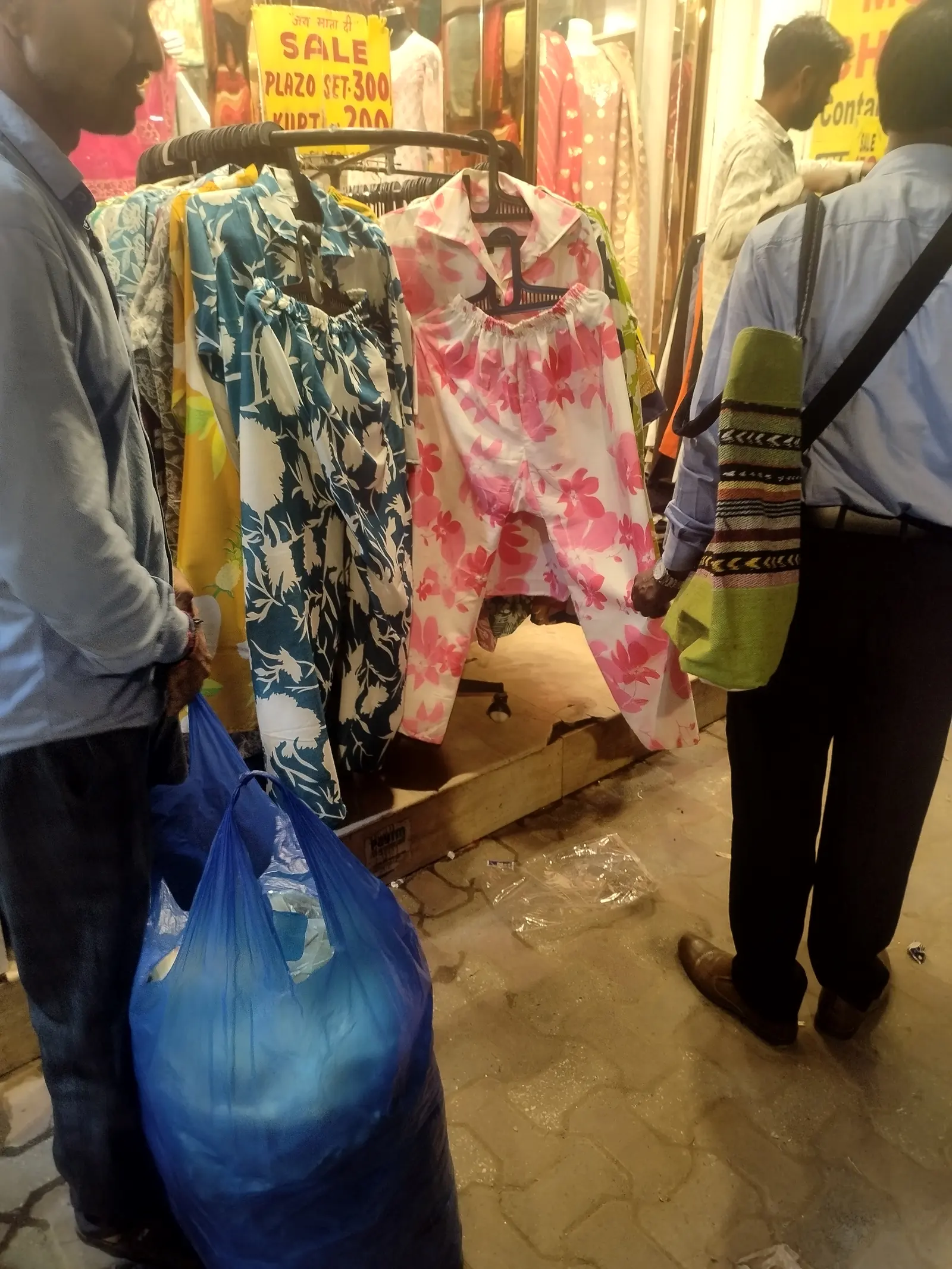
Why Sarojini Nagar?
Ask almost any Delhiite where to find cheap clothes and the answer comes back instantly: Sarojini Nagar. Arguably India's most famous street-shopping market, "Sarojini" — as it's universally called — is a dense, sprawling maze of stalls in South Delhi selling export-surplus clothing, footwear, bags, and accessories at prices that genuinely startle first-time visitors. It's less a market than an institution: a rite of passage for Delhi college students building a wardrobe on a shoestring budget, and an increasingly popular stop for budget-conscious tourists and fashion bloggers hunting for one-off finds.
What makes Sarojini distinct from most Indian street markets is the merchandise itself. Much of what's sold here started life as export-surplus or overrun stock — garments produced for international clothing brands that ended up here instead of on a store shelf abroad, for reasons ranging from cancelled orders to overproduction to minor defects. Mixed in with genuine surplus is a large volume of domestically manufactured lookalike stock, so part of the fun — and the skill — of shopping here is learning to tell the two apart.
This guide is a practical one: when to go, how to get there, how the stalls and pricing actually work, and a real bargaining strategy rather than vague advice to "haggle." If you're building out a full Delhi trip alongside this market run, our Delhi travel guide covers the city's monuments, food, and a full itinerary.
🛍️ Sarojini Nagar at a Glance
Best Time to Visit Sarojini Nagar
Sarojini is a genuinely different experience depending on when you go — the merchandise doesn't change much, but your ability to actually browse, try things on, and negotiate calmly changes a great deal.
Tuesday to Friday, roughly 10:30 AM to 1 PM. Lanes are walkable, vendors have time to negotiate properly, and you can actually inspect items without being jostled.
Crowds pick up after office hours but the market stays manageable — a reasonable option if mornings don't fit your schedule.
Noticeably more crowded than weekdays, particularly from late afternoon onward — go early if Saturday is your only option.
Sarojini's single busiest day by a wide margin. Shoulder-to-shoulder crowds, slower browsing, and tougher bargaining since vendors have plenty of other buyers waiting.
Our pick: a weekday morning, ideally Tuesday–Thursday. You'll get more attentive vendors, better bargaining outcomes, and enough breathing room to actually check what you're buying — none of which is easy in a Sunday crowd.
How to Reach Sarojini Nagar
Sarojini Nagar sits in South Delhi and is straightforward to reach thanks to a well-placed metro interchange right next to it.
- By Metro (recommended): Get off at INA metro station, an interchange between the Pink Line and the Yellow Line, which makes it easy to reach from most parts of the city without switching to a cab. From INA station, it's a walk of roughly 5–10 minutes to the main market lanes.
- By Auto-rickshaw or app cab: Widely available from anywhere in South or Central Delhi; use app-based booking or insist on the meter. Traffic and parking around the market get genuinely difficult on weekends, so the metro is usually faster anyway.
- By Bus: Several DTC bus routes stop near the market, though the metro remains the simplest option for visitors unfamiliar with Delhi's bus network.
How the Market Works
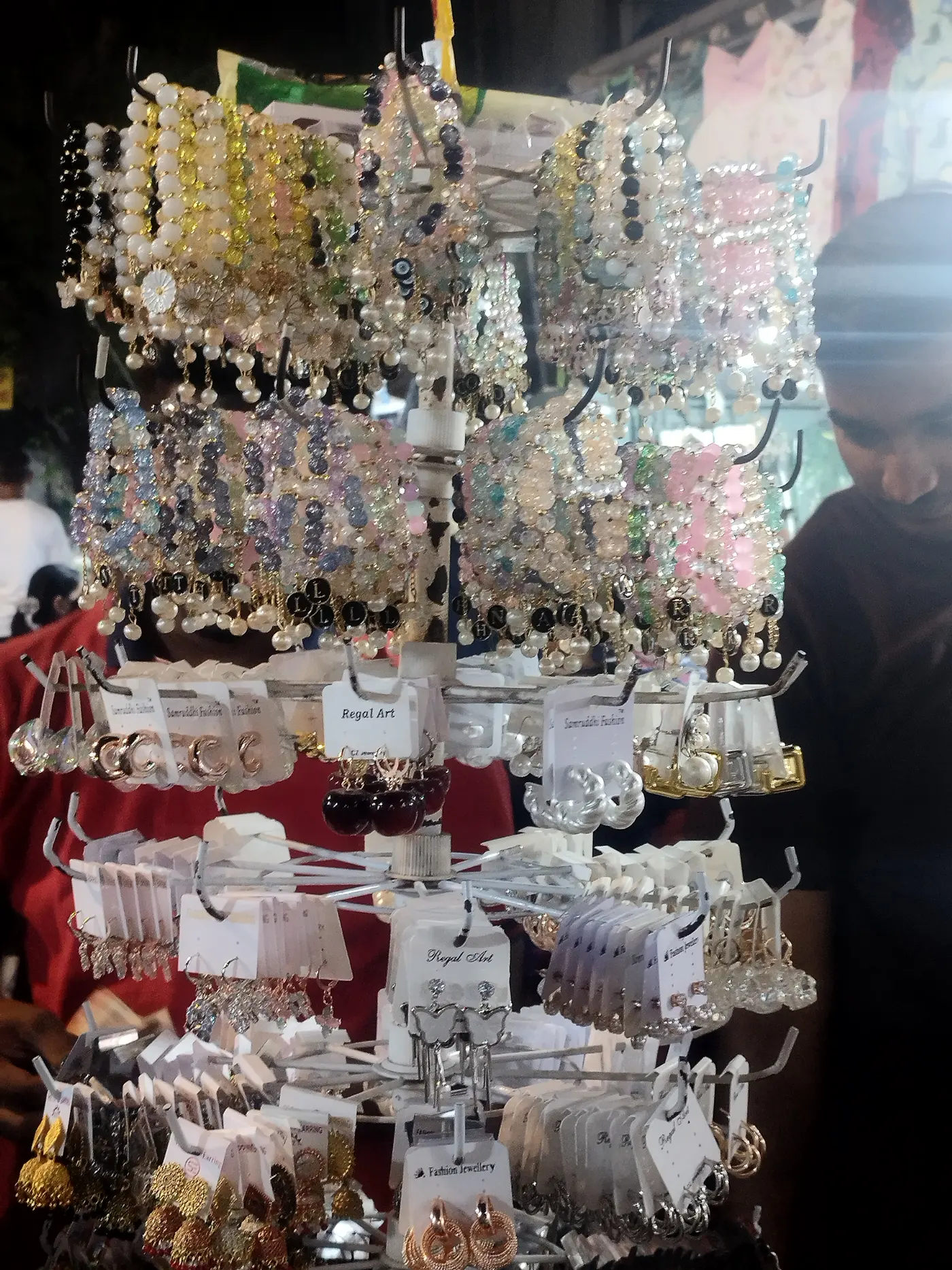
Sarojini Nagar Market is really a cluster of connected zones — narrow lanes of cloth-canopied stalls packed side by side, interspersed with permanent shopfronts along the market's edges. Understanding the layout makes the whole experience far less overwhelming.
- What "export surplus" actually means: A meaningful share of stock genuinely originated as excess or cancelled production runs for export brands — sometimes with brand tags still attached, sometimes with tags cut. It sits alongside large volumes of domestically made stock styled to look similar, sold at similarly low prices. Both can be good value; neither is inherently better quality, so judge each item on its own merits rather than the "export surplus" label alone.
- Stall layout: The market is loosely organised by product type — you'll find denser clusters of clothing stalls, footwear stalls, and accessory/bag stalls in different stretches, though there's plenty of overlap. Wandering with no fixed plan for the first ten minutes is actually a good way to get your bearings before you start buying.
- What's genuinely good value: Casual wear — t-shirts, kurtas, dresses, shorts, joggers — footwear, bags, scarves, and costume jewellery are where Sarojini consistently delivers real savings over retail prices.
- What to be more careful with: Structured formal wear, anything requiring a precise fit, and electronics or "branded" items sold suspiciously cheap are the categories where quality and authenticity are least reliable — inspect closely or skip.
- No fixed pricing, no returns: Prices are set per vendor, per customer, per mood — there's no MRP culture here, and once you've paid and left, there's essentially no return or exchange. Check everything before you hand over cash.
Bargaining Strategy at Sarojini Nagar
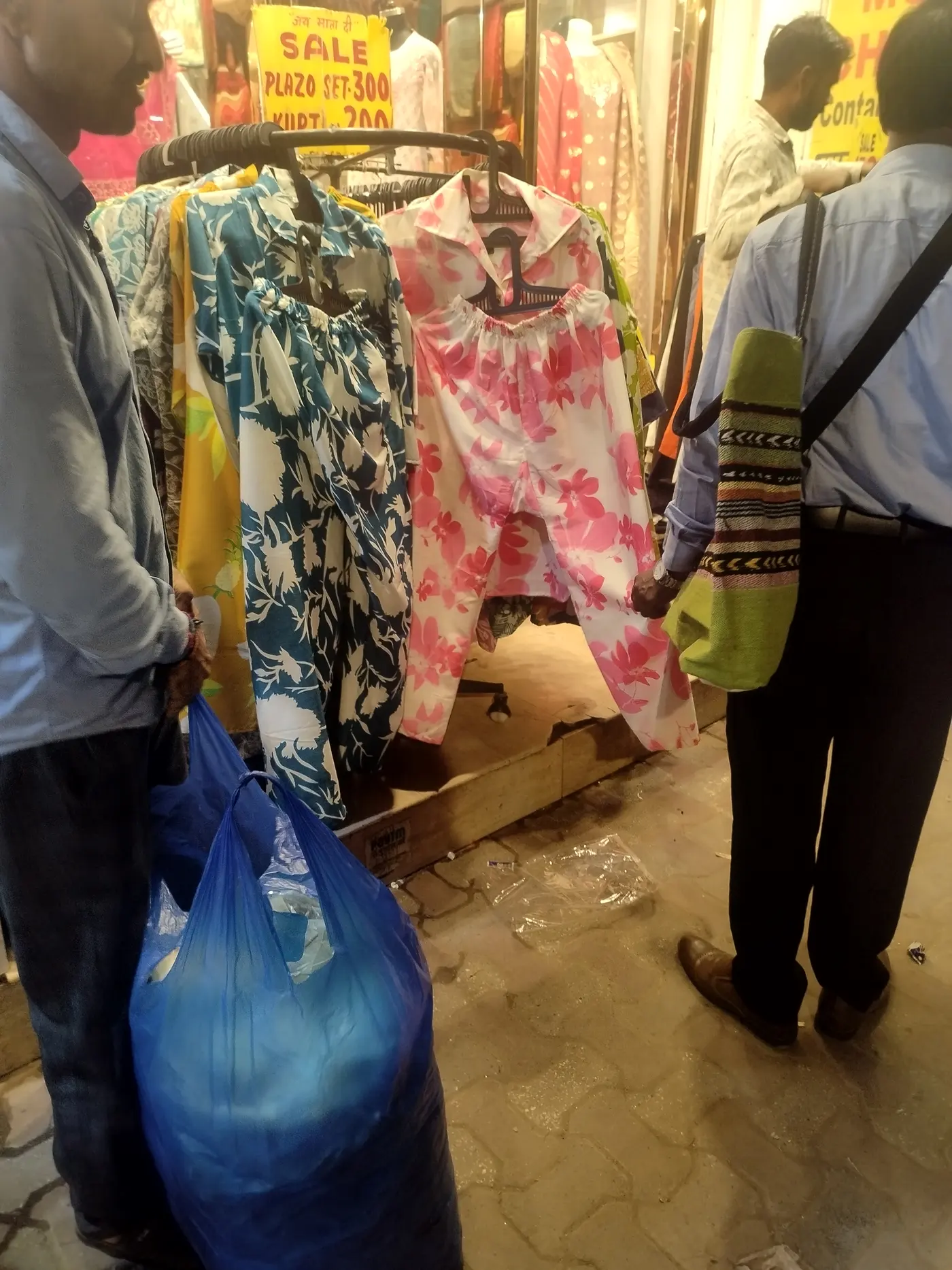
Bargaining isn't optional at Sarojini — it's the default mechanism by which prices are set, and vendors expect it. Going in with a real strategy, rather than vague politeness, makes a measurable difference to what you pay.
- Start low, around 40–50% of the quote: Whatever price a vendor first names, treat it as an opening bid, not a real one. Counter at roughly half, and expect to settle somewhere between your offer and theirs.
- Compare two or three stalls first: Near-identical items are often sold at multiple nearby stalls. A quick round of "just looking" price checks before committing gives you a real sense of the going rate and stronger footing to negotiate.
- Buying multiple items strengthens your hand: Vendors are noticeably more flexible on a combined purchase than on a single item — bundle a few pieces from one stall and negotiate the total, not each item separately.
- Be willing to actually walk away: This is the single most effective tactic. A polite "thank you, I'll look elsewhere" and a step away from the stall frequently produces a better final offer called out after you.
- Stay calm and friendly, not aggressive: Firm, good-humoured negotiation gets better results than an adversarial tone — most vendors are running a volume business and respond well to buyers who are pleasant but not pushovers.
- Cash closes deals faster: A firm cash offer, counted out and ready, often settles a negotiation faster than back-and-forth over a card or UPI payment — worth keeping some cash on hand even if you plan to pay digitally elsewhere.
Nearby: INA Market
Sharing the same metro station and just a short walk from Sarojini Nagar's clothing lanes is INA Market, one of Delhi's best-known destinations for imported groceries, gourmet ingredients, fresh seafood, and specialty foods rarely found in ordinary neighbourhood markets — everything from imported cheeses and wines to fresh fish, exotic spices, and international snack brands.
It's a genuinely different kind of market from Sarojini — quieter, more orderly, and built around food rather than fashion — which makes it a worthwhile combination trip. Many visitors do a loop: shop for clothes at Sarojini in the morning, then walk over to INA Market to browse (or pick up ingredients) before heading out for lunch.
Food Stalls at Sarojini
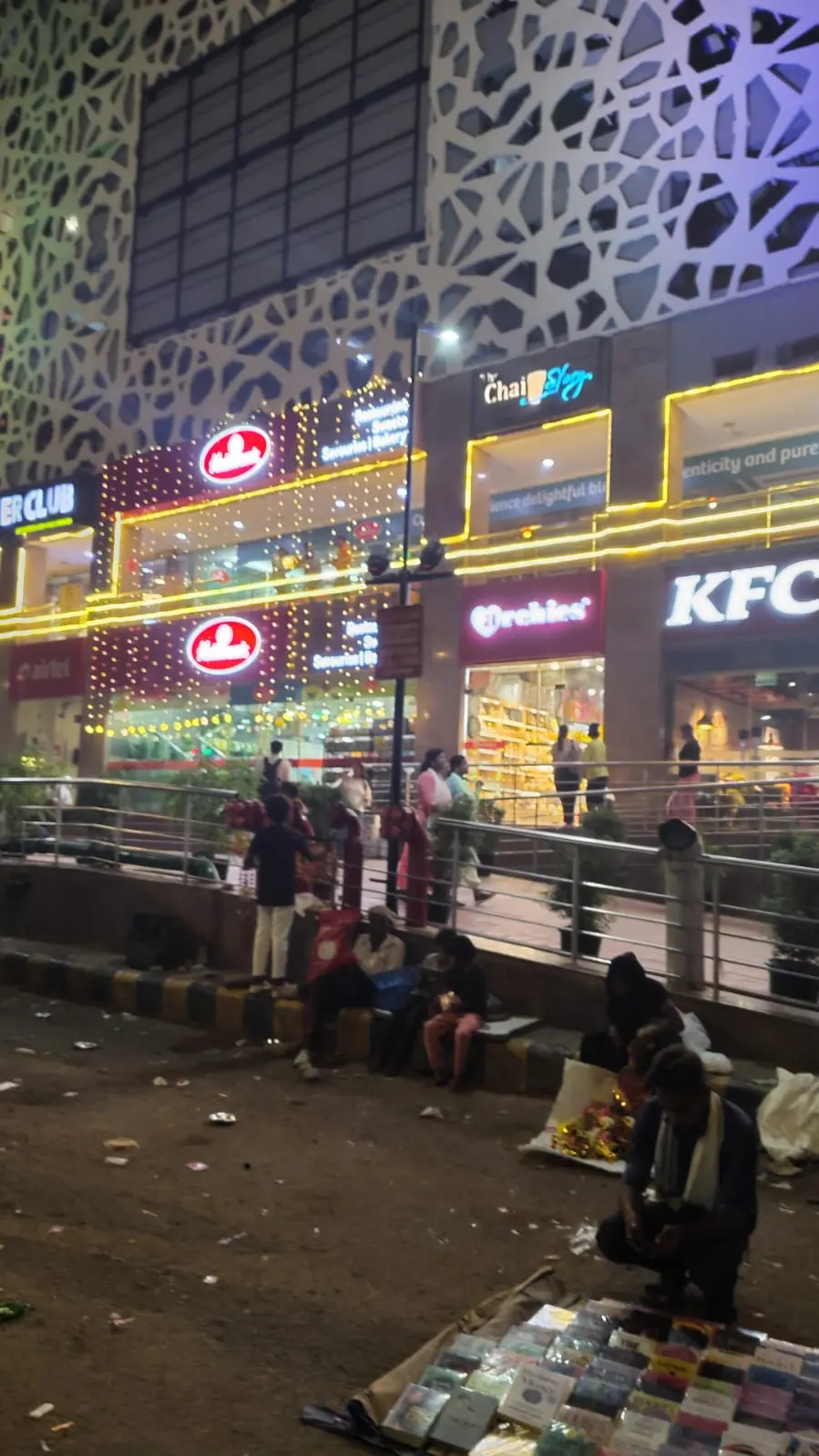
Shopping at Sarojini is genuinely tiring — hours of walking, negotiating, and weaving through crowds — and the market's food stalls exist entirely to refuel that effort.
- Chaat stalls: Golgappe, aloo tikki, and other quick chaat snacks are dotted throughout the market, popular for a fast bite between stalls.
- Momos and rolls: Cheap, filling, and quick to eat standing up — a favourite with the market's student crowd.
- Juice and lassi stalls: Genuinely useful on a hot day given how much walking the market demands — fresh sugarcane juice and lassi stalls are common along the main lanes.
- Sit-down options nearby: For a proper meal rather than a snack, the streets bordering the market and the area around INA Market have a wider range of casual restaurants and cafés.
Suggested Half-Day Shopping Plan
A half-day is enough to shop Sarojini properly without burning out — here's a realistic plan for a weekday morning visit.
Arrive & Get Oriented
- ✓Take the metro to INA station
- ✓Walk to the main market lanes (5–10 min)
- ✓Do a quick, buy-nothing lap to see what's on offer
Clothing & Footwear Lanes
- ✓Compare 2–3 stalls before committing to any item
- ✓Try on / check sizing before negotiating
- ✓Bundle purchases from one stall for a better rate
Snack Break
- ✓Chaat, momos, or a cold drink at a market stall
- ✓Rest and reassess what's still on the list
Accessories & Final Rounds
- ✓Bags, scarves, and jewellery stalls
- ✓Revisit any stall you were undecided on earlier
INA Market Detour
- ✓Short walk over to INA Market
- ✓Browse imported groceries and gourmet stalls
- ✓Lunch nearby before heading out
* If you're combining this with other South Delhi shopping, our Lajpat Nagar guide and South Delhi travel guide are both a short cab ride away.
Budget Breakdown
Sarojini Nagar's biggest draw is exactly how little a full shopping trip can cost — even a "splurge" visit here is inexpensive by most standards.
| Item | Light Shopper | Moderate | Heavy Haul |
|---|---|---|---|
| T-shirts / tops | ₹150–250 each | ₹150–250 each | ₹150–250 each |
| Dresses / kurtas | ₹250–450 each | ₹250–450 each | ₹250–450 each |
| Footwear | ₹300–600/pair | ₹300–600/pair | ₹300–600/pair |
| Bags / accessories | ₹150–400 | ₹150–400 | ₹150–400 |
| Food & drinks | ₹150 | ₹300 | ₹500 |
| Approx. total spend | ₹800–1,200 | ₹1,800–2,800 | ₹3,500+ |
* Prices are post-bargaining estimates and vary considerably by stall, item, and how well you negotiate — treat these as a rough guide, not a fixed rate card.
Essential Tips for Sarojini Nagar
- Check stitching and fabric before buying: Turn garments inside out, check seams, and look for snags or loose threads — quality varies a lot stall to stall, and there's no returns policy once you've paid.
- Carry cash, in smaller denominations: A firm cash offer bargains faster, and having change ready avoids awkward "no change" pauses mid-negotiation.
- Watch your belongings in dense crowds: Like any packed Indian street market, pickpocketing is a real (if not constant) risk — keep bags zipped, worn in front, and avoid flashing large amounts of cash.
- Avoid weekends if you can: Saturday evenings and Sundays are dramatically more crowded — weekday mornings give you a far more comfortable shopping experience.
- Wear comfortable shoes: Expect to walk several kilometres across uneven lanes over the course of a proper shopping session.
- Set a rough budget before you start: It's genuinely easy to keep buying "just one more thing" at these prices — a loose spending cap keeps the trip fun rather than regretful.
✅ Do
- →Go on a weekday morning for a calmer visit
- →Compare prices at 2–3 stalls before buying
- →Check stitching and fabric closely before paying
- →Carry cash in smaller denominations
- →Bundle purchases from one stall for better rates
- →Combine the trip with a walk to INA Market
❌ Don't
- →Accept the first quoted price at face value
- →Visit on a Sunday if crowds bother you
- →Expect returns or exchanges after you've paid
- →Carry large amounts of cash loosely in a bag
- →Assume every stall accepts UPI or cards
- →Rush structured or fitted garment purchases
Frequently Asked Questions
What is Sarojini Nagar famous for?
Sarojini Nagar is famous as India's best-known export-surplus and street-fashion market — dense rows of stalls selling clothing, footwear, bags, and accessories that were originally produced for export brands, at a fraction of retail prices. It's as much a Delhi institution as it is a shopping destination, drawing everyone from budget-conscious students to fashion bloggers hunting for deals.
Is Sarojini Nagar market good for shopping?
Yes, if you go in with the right expectations. It's excellent for casual wear, basics, footwear, and accessories at very low prices, but quality is inconsistent stall to stall — you need to check stitching and fabric before buying, since there's no returns culture here. It's less suited to occasion wear or anyone who dislikes crowds and bargaining.
What is the best time to visit Sarojini Nagar?
Weekday mornings, ideally Tuesday to Friday between opening and around noon, when the lanes are walkable and vendors have more time to negotiate. Weekends, especially Saturday evenings and all of Sunday, get extremely packed — great for atmosphere, difficult for actually shopping comfortably.
How do I bargain at Sarojini Nagar?
Start by offering roughly 40–50% of the quoted price and negotiate up from there, expecting to settle somewhere in the middle. Check two or three stalls selling similar items before committing, stay polite but firm, and be genuinely willing to walk away — vendors often call you back with a better price once you start leaving.
How do I reach Sarojini Nagar by metro?
Take the metro to INA station, served by both the Pink Line and the Yellow Line, making it an easy interchange from most parts of the city. From INA station it's a short walk of about 5–10 minutes to the main market lanes.
Is Sarojini Nagar the same as INA Market?
No, they're two separate but adjacent markets sharing the same metro station. Sarojini Nagar is the export-surplus clothing and footwear market; INA Market, a short walk away, is known for imported groceries, gourmet ingredients, seafood, and specialty foods rather than clothing.
Can I use cards or UPI at Sarojini Nagar?
Most stalls run on cash, and it's genuinely the smoother way to bargain since a firm cash offer often closes a deal faster than a card payment would. UPI acceptance has grown at many stalls in recent years, but don't assume every vendor takes it — carrying cash as a backup is still wise.
Published by the Kudozz Club editorial team · Last updated · How we research our guides
Want us to plan this trip for you?
Tell Kudozz Club where you want to go and what kind of trip you’re looking for. We’ll build a Delhi itinerary around your dates and budget.
Continue Exploring
View all guides Off-beat
Majnu Ka Tilla Guide: Delhi's Tibetan Colony
A slice of Tibet on the banks of the Yamuna — momos, thukpa, Korean cafés, prayer-flag markets, and Delhi's most concentrated Tibetan cultural enclave.
 Off-beat
Karol Bagh Travel Guide: Shopping, Markets & Budget Hotels
A pedestrianised bazaar on Ajmal Khan Road, Gaffar Market's electronics stalls, and one of Delhi's densest budget-hotel clusters — the complete guide to shopping, eating, and staying in Karol Bagh.
 Off-beat
Lajpat Nagar Travel Guide: Central Market & More
One of Delhi's most beloved shopping neighbourhoods — Central Market's ethnic wear and bridal shopping, the Tibetan Market next door, bargaining etiquette, and a practical half-day plan.
 Off-beat
Najafgarh Delhi Guide: History, Jheel & Sehwag
An honest guide to Najafgarh — Nawab Najaf Khan's 18th-century fort roots, the shrinking Najafgarh Jheel wetland, and its fame as Virender Sehwag's hometown.