Laxmi Nagar: East Delhi's Market & Coaching Hub
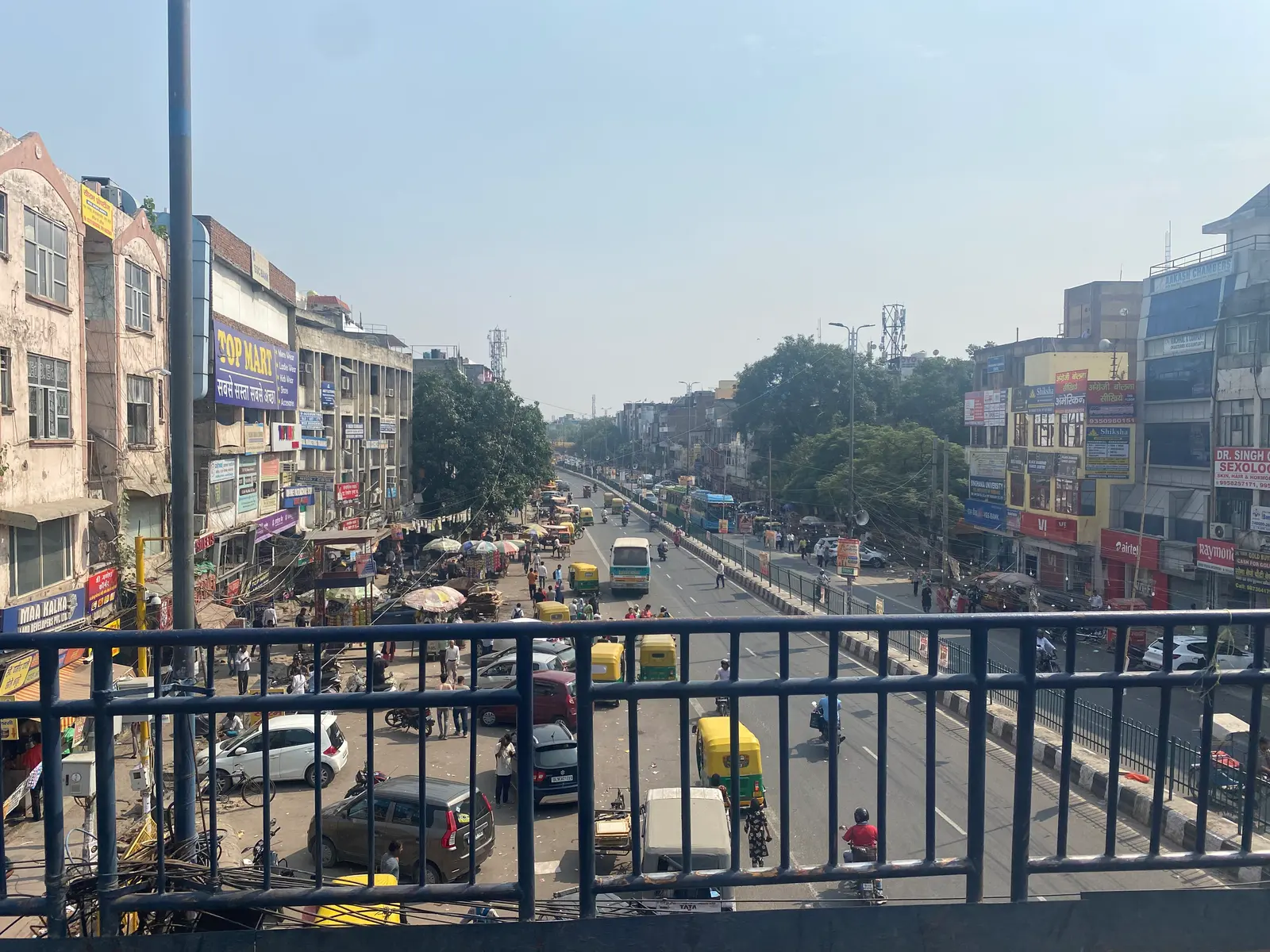
Laxmi Nagar is a dense, ever-buzzing residential-and-commercial neighbourhood in East Delhi, sitting just off Vikas Marg between Preet Vihar and the Yamuna. It isn't part of the usual Delhi sightseeing circuit of forts and monuments, and we want to be upfront about that: this is a working neighbourhood, not a heritage tourist site. What makes it genuinely worth knowing about is something else entirely — Laxmi Nagar, together with the adjoining Mukherjee Nagar-adjacent belt, has become one of the most nationally recognised hubs in India for UPSC Civil Services, SSC, banking, and other competitive-exam coaching institutes.
Walk down its main lanes on any given evening and you'll see the pattern immediately — coaching institute signboards stacked three and four deep on building facades, book and stationery shops selling everything from NCERT sets to current-affairs digests, PG (paying-guest) accommodation notices taped to every second gate, and a student population that has moved in from every corner of the country chasing a shot at one of India's most competitive exams. That's the real story of Laxmi Nagar, and it's what this guide focuses on — alongside its equally genuine local market and street food scene, both of which are popular with Delhi residents well beyond the student crowd.
We're not going to pretend this is a monument-hopping destination. If you're looking for that in Delhi, our Delhi travel guide and our Akshardham Temple guide are a better starting point — Akshardham is, in fact, a short and easy trip from Laxmi Nagar itself. But if you're a student, a parent scouting coaching and PG options, or simply curious about a side of Delhi that rarely makes it into standard travel writing, this is the guide for that.
📚 Laxmi Nagar at a Glance
Best Time to Visit Laxmi Nagar
Laxmi Nagar doesn't really have a "season" the way a tourist destination does — the market and coaching ecosystem run year-round, and most students arrive on their own institute's admission cycle rather than the weather. That said, Delhi's climate still shapes how comfortable a visit is.
Cool, dry days make walking the market lanes and comparing coaching institutes or PG rooms far more comfortable than the peak summer months.
Temperatures regularly cross 40°C. The market and food stalls stay busy regardless, but plan errands for morning or evening rather than the afternoon peak.
Heavy showers can cause waterlogging in some of the narrower market lanes, though the heat breaks noticeably compared to summer.
Comfortable temperatures, but Delhi's air quality drops sharply in this window — a real consideration if you're moving here for months of coaching, not just a short visit.
Our pick: October to March for a scouting visit — comfortable weather for walking the market and shortlisting PG rooms or institutes without Delhi's heat or winter smog working against you.
How to Reach Laxmi Nagar
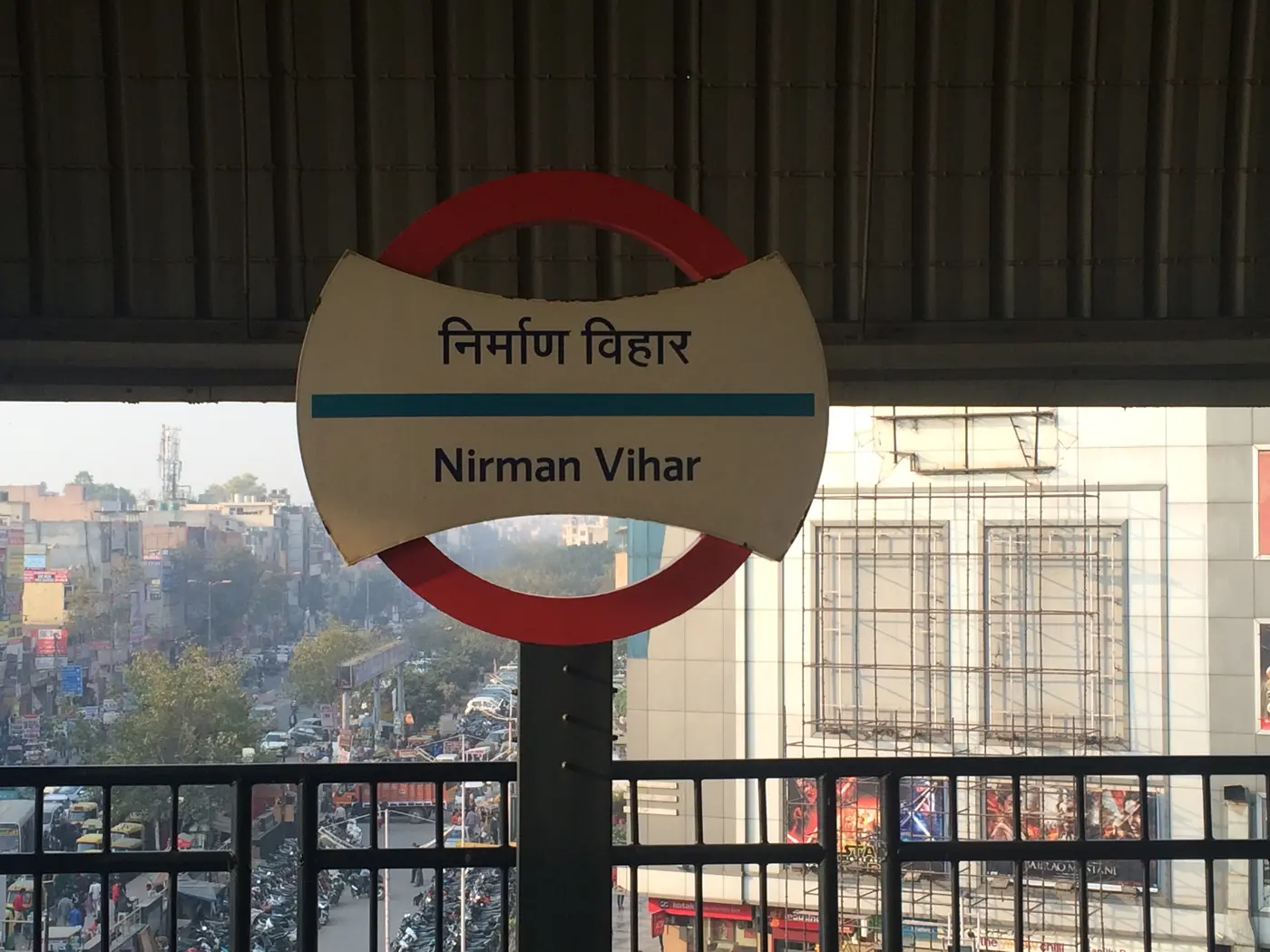
Laxmi Nagar's biggest practical advantage — and a large part of why it grew into a coaching hub in the first place — is that it's directly on the Delhi Metro's Blue Line, one of the network's busiest and most useful corridors.
- Laxmi Nagar Metro Station (Blue Line): Sits right at the edge of the main market and Vikas Marg commercial stretch — the more convenient stop if you're headed to the market itself.
- Nirman Vihar Metro Station (Blue Line): The next stop along the same line, and generally the more useful station for reaching the denser pockets of coaching institutes and PG accommodation slightly further into the neighbourhood.
- By road: Vikas Marg connects Laxmi Nagar directly to central and east Delhi; app-based cabs and autos are widely available, though the Blue Line is usually faster during peak traffic hours.
- From the airport or major rail stations: A metro connection via interchange stations (or a direct cab) gets you into Laxmi Nagar in well under an hour from most parts of the city, traffic depending.
The Laxmi Nagar Market
Long before the coaching boom, Laxmi Nagar was already a genuine East Delhi commercial hub, and that side of the neighbourhood hasn't gone anywhere. The market draws shoppers from well beyond the immediate area for a reason — it's dense, competitively priced, and covers a wide range of everyday needs in a compact stretch.
- Clothing and footwear: Rows of shops selling everyday and trend-driven clothing at prices noticeably lower than Delhi's mall culture — a big draw for value-conscious shoppers across East Delhi.
- Electronics: A cluster of shops dealing in mobile accessories, small electronics, and repairs, popular with the local student population in particular.
- Street shopping lanes: Smaller stalls and pushcarts selling accessories, bags, and household items — the kind of dense, high-footfall market that rewards a slow browse rather than a fixed shopping list.
- Stationery and books: A natural byproduct of the coaching ecosystem next door — shops here stock everything from school stationery to the specific reference books and current-affairs material competitive-exam aspirants rely on.
Treat it like a real local market, not a curated tourist bazaar — bargaining is normal, footpaths get genuinely crowded by evening, and the best finds are often in the smaller side lanes rather than the main stretch.
The Coaching Institute Ecosystem
This is the part of Laxmi Nagar that actually put it on the national map. Over roughly the last two decades, Laxmi Nagar — alongside the neighbouring Mukherjee Nagar-adjacent belt across the city — grew into one of India's most concentrated hubs for UPSC Civil Services coaching, along with institutes covering SSC, banking, and other competitive government exams.
The reasons are fairly practical, and worth understanding if you're new to the area:
- Density breeds density: Once a handful of respected institutes established themselves here, students followed, then more institutes opened to serve that student base, and the cycle compounded — today the area has an unusually high concentration of coaching centres within walking distance of each other.
- Affordable, if not cheap, living: Compared to central and south Delhi, Laxmi Nagar offered relatively accessible rents for a student population, most of whom are self-funding a long, multi-year exam preparation journey from cities and towns across the country.
- Libraries and reading rooms: A genuinely large number of paid libraries and reading spaces operate through the neighbourhood, often open long hours specifically to give students a quiet, dedicated place to study away from crowded PG rooms.
- An entire support economy: Photocopy and printing shops, current-affairs digest sellers, answer-writing practice groups, and test-series centres have all grown up around the core institutes — the neighbourhood functions almost like a self-contained exam-preparation ecosystem.
For aspirants who move here from other states, Laxmi Nagar's real value isn't glamour — it's proximity. Everything relevant to exam preparation, from institutes to libraries to affordable food, sits within a genuinely walkable radius, which matters enormously over a preparation timeline that often runs a year or more.
The Street Food Scene

Feeding a dense, budget-conscious, round-the-clock student population has turned Laxmi Nagar into a genuinely good street food neighbourhood — this part isn't a stretch or an exaggeration, it's one of the area's real, non-coaching-related draws.
- Chaat: Golgappe, aloo tikki, and dahi bhalla stalls do brisk business through the evening — reliably crowded, which in Delhi's street food culture is usually a good sign, not a warning.
- Momos: A genuinely popular fixture across East Delhi's student neighbourhoods, and Laxmi Nagar is no exception — steamed and fried varieties from small stalls and counters are an easy, cheap evening snack.
- Local dhabas and thali spots: Simple, filling, budget-priced meals aimed squarely at students and working locals rather than tourists — good value if you're not looking for anything fancy.
- Tea and snack stalls: Small chai counters dot nearly every lane, doubling as informal gathering points between coaching classes and library sessions — a real slice of the neighbourhood's daily rhythm.
None of this is fine dining, and it isn't meant to be — it's honest, everyday East Delhi food, priced for a population that eats out often and on a tight budget.
Nearby Areas Worth Knowing
- Preet Vihar: The next major neighbourhood along Vikas Marg, with its own market and residential pockets — many students staying in Laxmi Nagar shop or eat here as well, since the two areas blend into each other.
- Shakarpur: A residential locality bordering Laxmi Nagar, home to additional PG and rental options for students who prefer a slightly quieter street off the main commercial stretch.
- Akshardham Temple: Delhi's grand modern temple complex is a short, genuinely easy trip from Laxmi Nagar — a natural pairing if you want a proper sightseeing stop alongside a visit to the neighbourhood.
- Karol Bagh: Delhi's other great high-density local market, on the opposite side of the city — worth comparing if you're exploring Delhi's market neighbourhoods more broadly.
A Suggested Short Local Visit
If you're visiting Laxmi Nagar for a day — whether scouting a coaching institute, a PG room, or simply out of curiosity — here's a realistic way to spend a few hours here.
Metro In & Market Walk
- ✓Arrive via Laxmi Nagar or Nirman Vihar Metro Station
- ✓Walk the main market for clothing, footwear, and electronics
- ✓Browse stationery and book shops if relevant to your visit
Coaching & PG Scouting
- ✓Visit shortlisted coaching institutes in person
- ✓Check PG accommodation options — ask about water, WiFi, and noise
- ✓Note actual walking distance from institute to stay
Street Food & Local Feel
- ✓Chaat and momos from a busy local stall
- ✓Chai at a corner stall — a good vantage point for the neighbourhood's rhythm
- ✓Optional: extend to Akshardham Temple nearby if time allows
Budget Breakdown
Costs here vary enormously depending on whether you're passing through for a day or settling in for a months-long coaching stint — the table below covers both a short visit and rough monthly figures for students.
| Expense | Budget | Mid-Range | Comfortable |
|---|---|---|---|
| PG accommodation/month | ₹6,000 | ₹10,000 | ₹16,000+ |
| Food/day | ₹150 | ₹300 | ₹600 |
| Coaching fee/course (varies widely) | ₹15,000+ | ₹40,000+ | ₹1,00,000+ |
| Local transport/day | ₹40 | ₹100 | ₹250 |
| Library/reading room per month | ₹500 | ₹1,200 | ₹2,500 |
| Day-visit total (scouting trip) | ₹300 | ₹800 | ₹1,800 |
* Coaching fees vary hugely by institute, subject, and course length — always confirm current fees directly with the institute. PG rates depend heavily on room type (shared vs. single) and exact location within the neighbourhood.
Essential Tips for Laxmi Nagar
- Check both metro stations: Laxmi Nagar and Nirman Vihar cover slightly different parts of the neighbourhood — confirm which is closer to your specific institute or PG before committing.
- Visit PG rooms in person: Photos and listings can be misleading — check water supply, WiFi, noise levels, and actual walking distance to your coaching institute before signing anything.
- Ask current students, not just institute staff: For an honest read on an institute's teaching quality, current or recent students are a far more reliable source than a sales pitch.
- Budget for a library or reading room: Many PG rooms aren't ideal study spaces — factor in a paid library membership if serious, sustained study time matters to your plan.
- Expect crowds by evening: The market and food stalls get genuinely dense after work and class hours end — keep bags secure and be patient with the pace.
- Bargain in the market, not with PGs/ institutes: Haggling is normal for clothing, footwear, and street shopping, but PG rents and institute fees are typically fixed or only lightly negotiable.
✅ Do
- →Take the Blue Line — Laxmi Nagar or Nirman Vihar station
- →Visit PG rooms and institutes in person before deciding
- →Talk to current students for honest institute feedback
- →Try the local chaat and momo stalls in the evening
- →Factor in a library membership if you need quiet study time
- →Pair a visit with nearby Akshardham Temple if sightseeing too
❌ Don't
- →Book a PG or institute sight-unseen based only on photos
- →Expect a heritage or monument-style sightseeing experience
- →Ignore which metro station is actually closer to your address
- →Skip checking basics like water and WiFi before moving in
- →Assume institute fees or PG rents are always negotiable
- →Underestimate evening crowd density in the market lanes
Frequently Asked Questions
Why is Laxmi Nagar famous for coaching?
Laxmi Nagar, along with the neighbouring Mukherjee Nagar belt, grew into one of India's biggest hubs for UPSC Civil Services, SSC, banking, and other competitive-exam coaching over the last two decades. Cheap-ish rents compared to central Delhi, proximity to Delhi University's north/east campuses, and a critical mass of institutes feeding off each other's reputation all compounded — once a few well-known institutes set up here, students followed, then more institutes followed the students, and the cycle repeated until the area became a nationally recognised coaching destination rather than just a local one.
Is Laxmi Nagar good for PG accommodation?
Yes — this is one of the area's defining features. Laxmi Nagar and its immediate surroundings have an enormous supply of PG (paying-guest) accommodation and hostels built specifically for out-of-town students, ranging from shared dorm-style rooms to single-occupancy setups with attached bathrooms. Rates vary widely by room type and locality within the neighbourhood, and it's worth physically visiting a few options and checking basics like water supply, WiFi reliability, and distance to your specific coaching institute before committing.
What is there to do in Laxmi Nagar?
Laxmi Nagar isn't a monument-and-sightseeing destination — it's a real, lived-in East Delhi neighbourhood. The genuine draws are the local market for clothing, footwear, and electronics shopping at reasonable prices, a strong street food scene (chaat, momos, and East Delhi eateries), and simply the atmosphere of one of Delhi's most concentrated student neighbourhoods — libraries, book and stationery shops, and small cafés built entirely around a studying, aspirant crowd.
How do I reach Laxmi Nagar by metro?
Laxmi Nagar is served directly by Laxmi Nagar Metro Station on the Blue Line, and Nirman Vihar Metro Station — the next stop on the same line — sits close to a large share of the area's coaching institutes and PG accommodation. Both stations are a short auto-rickshaw or e-rickshaw ride (or a 10–15 minute walk, depending on exactly where you're headed) from the heart of the neighbourhood.
Is Laxmi Nagar a tourist destination?
Not in the conventional sense — there are no major monuments or heritage sites here. It's primarily a busy East Delhi residential-and-commercial neighbourhood, best known within India as a coaching and PG hub. That said, it's a genuinely interesting stop for anyone curious about the real, everyday side of Delhi's student and market culture, and it pairs easily with a visit to nearby Akshardham Temple.
What is Laxmi Nagar market known for?
The Laxmi Nagar market is a dense East Delhi shopping stretch known for affordable clothing, footwear, and electronics, alongside general household and stationery shops. It's more of a functional, high-footfall local market than a curated shopping destination — closer in spirit to Karol Bagh's market than to an upscale mall — and is genuinely popular with Delhi residents beyond just the student population.
Which metro station is closer to Laxmi Nagar market — Nirman Vihar or Laxmi Nagar?
Laxmi Nagar Metro Station is closer to the main Laxmi Nagar market and Vikas Marg commercial stretch. Nirman Vihar Metro Station is generally more convenient if you're headed toward the coaching-institute-dense pockets and PG accommodation clusters slightly further along, though the two areas overlap and it's common to walk or take a short e-rickshaw between them.
Published by the Kudozz Club editorial team · Last updated · How we research our guides
Want us to plan this trip for you?
Tell Kudozz Club where you want to go and what kind of trip you’re looking for. We’ll build a Delhi itinerary around your dates and budget.
Continue Exploring
View all guides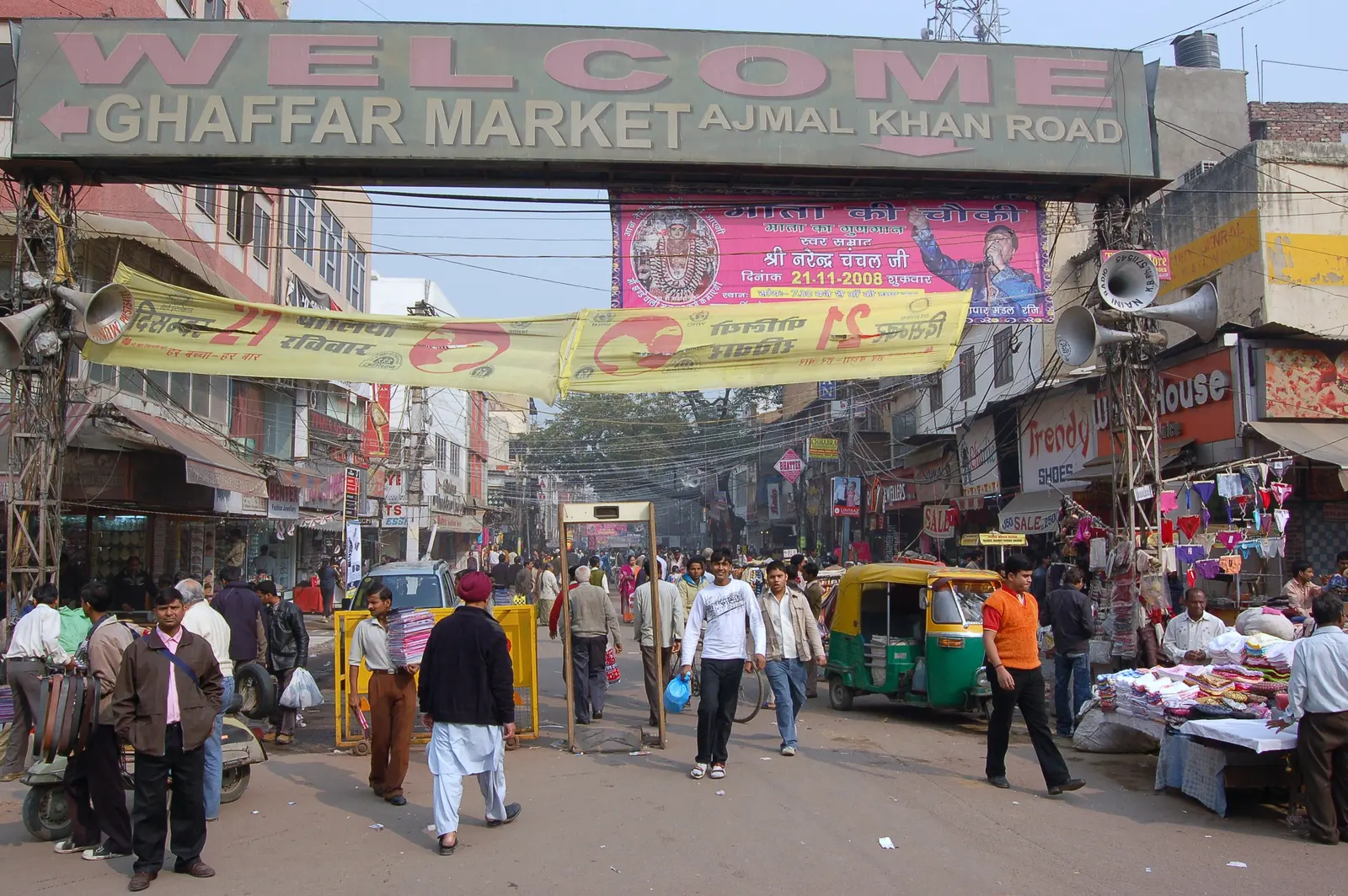 Off-beat
Karol Bagh Travel Guide: Shopping, Markets & Budget Hotels
A pedestrianised bazaar on Ajmal Khan Road, Gaffar Market's electronics stalls, and one of Delhi's densest budget-hotel clusters — the complete guide to shopping, eating, and staying in Karol Bagh.
 Off-beat
Najafgarh Delhi Guide: History, Jheel & Sehwag
An honest guide to Najafgarh — Nawab Najaf Khan's 18th-century fort roots, the shrinking Najafgarh Jheel wetland, and its fame as Virender Sehwag's hometown.
 Off-beat
Lajpat Nagar Travel Guide: Central Market & More
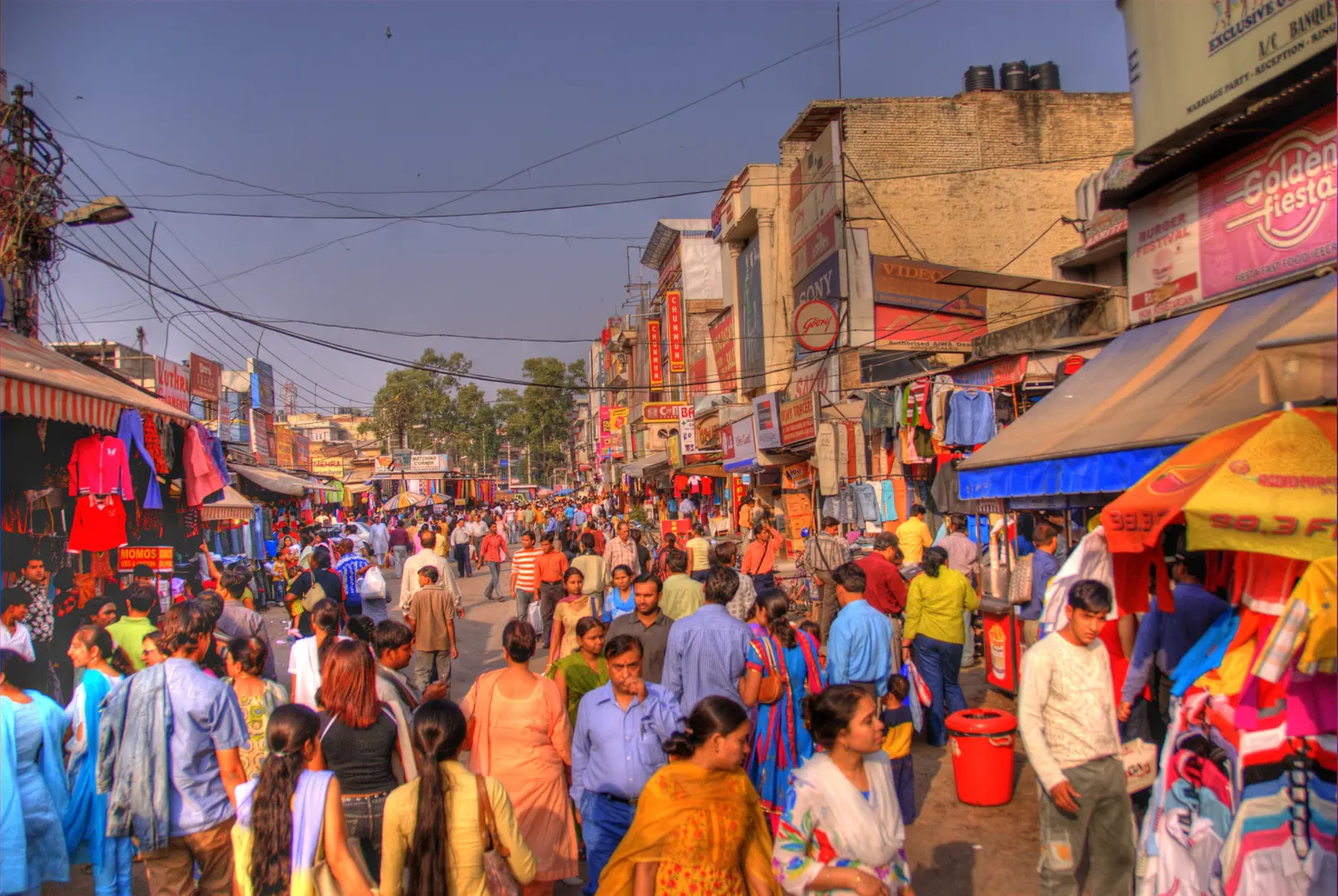
One of Delhi's most beloved shopping neighbourhoods — Central Market's ethnic wear and bridal shopping, the Tibetan Market next door, bargaining etiquette, and a practical half-day plan.
 Off-beat
Hauz Khas Travel Guide: Village, Deer Park & Fort Ruins
A 700-year-old royal reservoir and madrasa ruins sit right beside Delhi's trendiest boutique-and-nightlife village — the complete Hauz Khas guide.