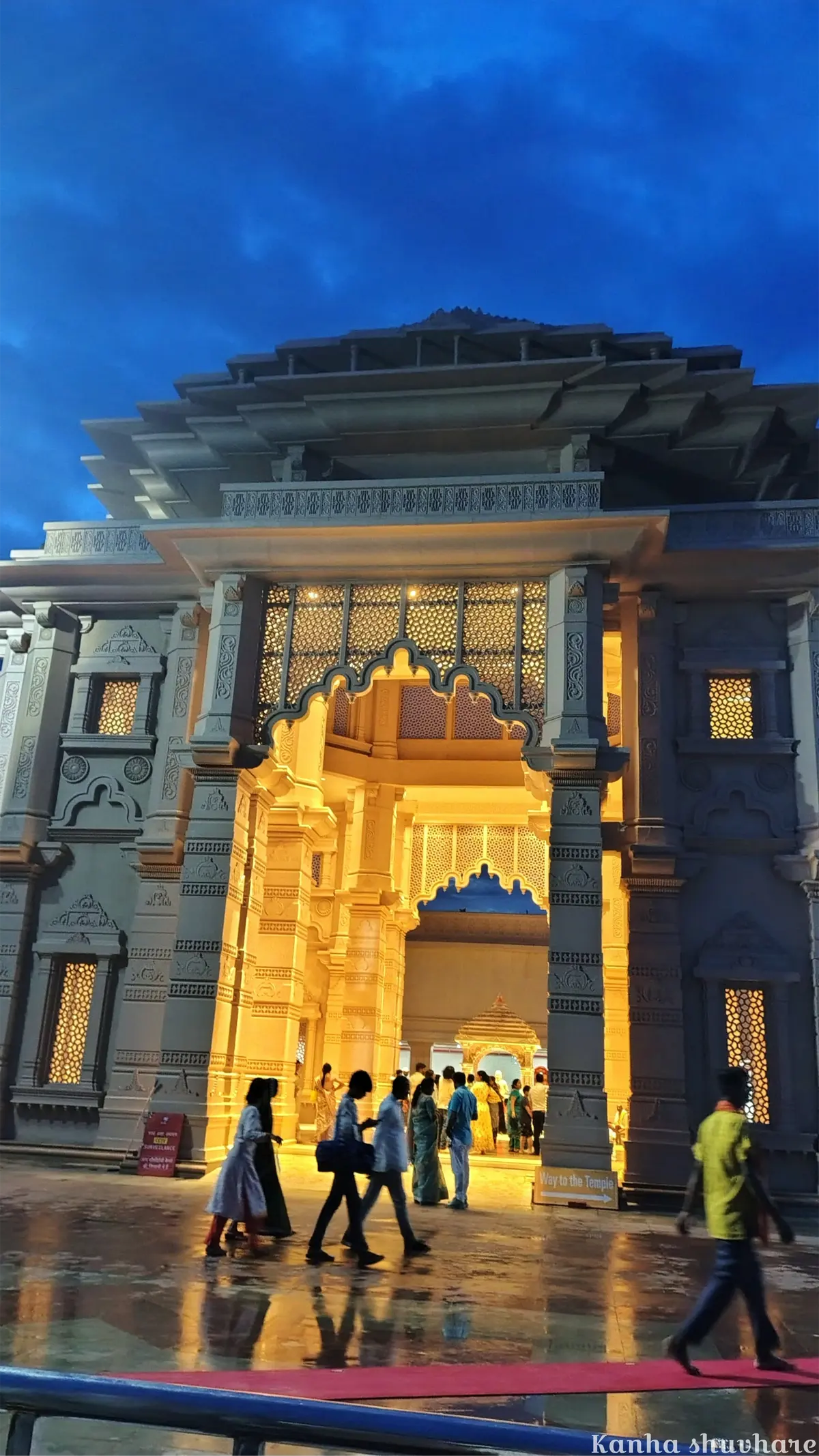
Birthplace of Lord Ram
Ayodhya, on the banks of the Saryu River in eastern Uttar Pradesh, is revered in Hindu tradition as the birthplace of Lord Ram and the setting for much of the Ramayana. For centuries a significant pilgrimage town, Ayodhya has, since January 2024, become one of India's fastest-growing religious destinations following the consecration of the Ram Mandir at the site long known as Ram Janmabhoomi.
The temple's ground-floor sanctum was consecrated in a widely watched Pran Pratishtha ceremony, though construction of the wider complex has continued in phases since — expect scaffolding or ongoing work in parts of the grounds depending on when you visit. Daily visitor numbers are substantial, and the city has seen rapid infrastructure growth in response — new roads, expanded hotel capacity, and a newly built airport.
Beyond the Ram Mandir, Ayodhya's older pilgrimage circuit remains very much alive: Hanuman Garhi, Kanak Bhawan, the Saryu ghats and their evening aarti, Nageshwarnath Temple, and Treta Ke Thakur together give a fuller picture of the city than the new temple alone.
🛕 Ayodhya at a Glance
Looking for activities and experiences? See our guide to the best things to do in Ayodhya.
Planning a pilgrimage? See our guide to the Ayodhya, Varanasi and Prayagraj itinerary.
Best Time to Visit Ayodhya
Ayodhya's weather follows the familiar North Indian pattern, but with visitor volumes now high year-round, timing your trip around — or specifically for — festivals matters more than ever.
Cool, comfortable weather for standing in darshan queues and walking between the Ram Mandir, Hanuman Garhi, and the ghats.
One of Ayodhya's biggest festival windows, celebrating Ram's birth with elaborate processions and ceremonies — expect very heavy crowds.
Hundreds of thousands of lamps are lit along the Saryu ghats in a record-setting display — visually stunning but extremely crowded.
High heat combined with long outdoor darshan queues makes this the toughest window to visit comfortably.
Our pick: October to March on a regular weekday for the most manageable queues. Deliberately plan around Ram Navami or Deepotsav only if you're prepared for very large crowds and want that specific festival experience.
How to Reach Ayodhya
Ayodhya's connectivity has improved dramatically since the Ram Mandir's consecration, with major upgrades to air, rail, and road access.
- By air: Maharishi Valmiki International Airport, a newly built airport near the city, has steadily expanded its flight network to major Indian cities since opening.
- By train: Ayodhya Dham railway station (also referred to as Ayodhya Junction) has been significantly redeveloped, with direct trains from Delhi, Lucknow, Varanasi, and several other major cities.
- By road: NH330 and NH27 connect Ayodhya to Lucknow (~130km, roughly 2.5-3 hours) and other regional centres; UPSRTC and private buses run regularly.
- Getting around: Auto-rickshaws and e-rickshaws cover the town; expect significant walking near the Ram Mandir itself, as vehicle access close to the complex is restricted.
Temples & Ghats in Ayodhya
Ram Mandir
The centrepiece of modern Ayodhya, built at the site long known as Ram Janmabhoomi. The temple's ground floor sanctum was consecrated in January 2024, with further construction phases continuing since. Security is tight and visitor volumes are high — mobile phones, bags, and most electronic items are not permitted inside, so plan to use the cloakroom facilities near the entry points. Queue times can run long, particularly on weekends and during festivals.
Hanuman Garhi
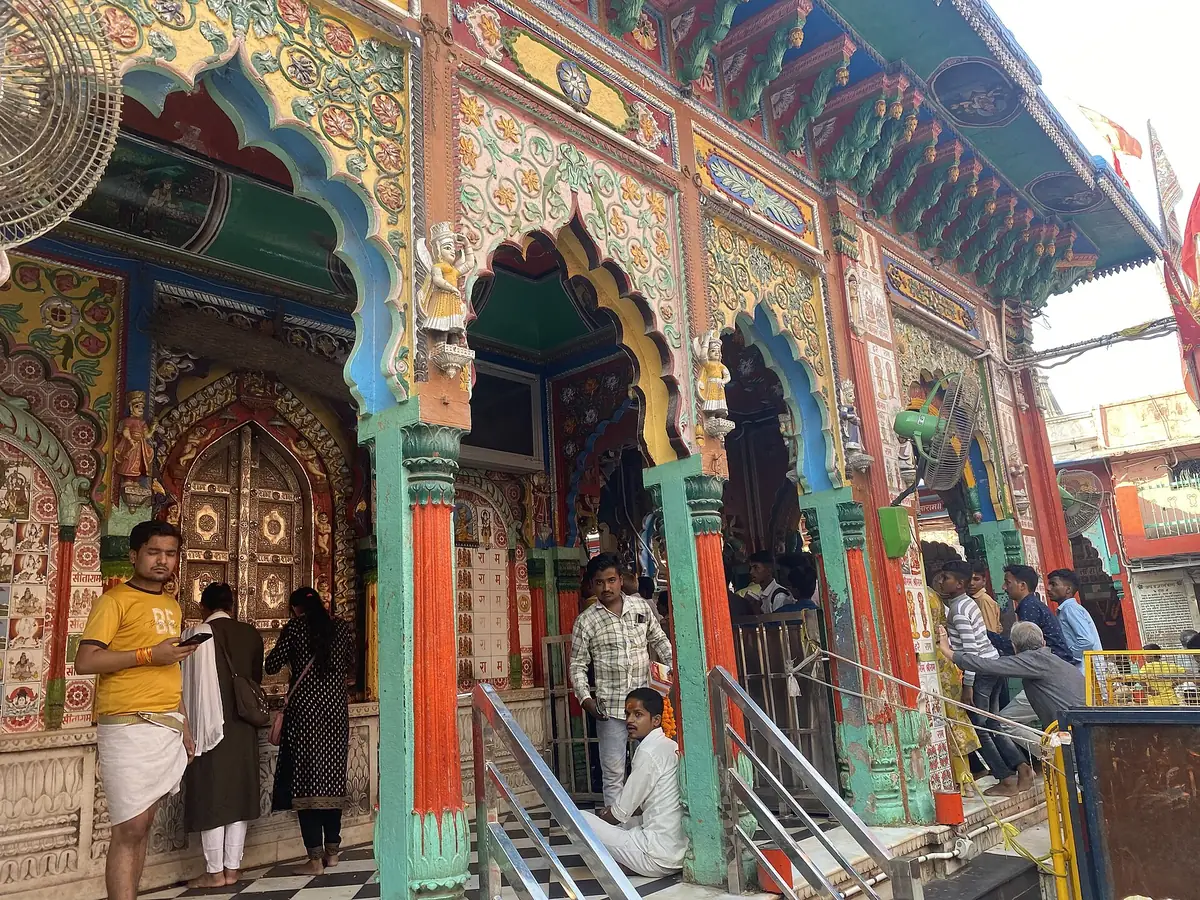
A hilltop fort-temple dedicated to Hanuman, reached by a flight of steps and considered one of Ayodhya's most important shrines — tradition holds that visiting Hanuman Garhi before the Ram Mandir is customary for many pilgrims. It draws a constant stream of devotees throughout the day.
Kanak Bhawan & Nageshwarnath Temple
Kanak Bhawan, believed to have been gifted to Sita by her mother-in-law Kaikeyi, is known for its richly decorated interior and idols of Ram and Sita in royal attire. Nageshwarnath Temple, dedicated to Shiva, is one of Ayodhya's older surviving temples and hosts a lively Shivratri celebration each year.
Saryu Ghats & Treta Ke Thakur
The ghats along the Saryu River host a daily evening aarti, with boat rides available along the water — a calmer, more contemplative counterpoint to the busier temple queues. Nearby, Treta Ke Thakur is believed to mark the site of Ram's Ashwamedha Yajna (horse sacrifice ritual) and houses centuries-old black sandstone idols associated with the Ramayana's central characters.
Where to Stay in Ayodhya
Hotel capacity has expanded rapidly since the Ram Mandir's opening, though demand — especially on weekends and festivals — still frequently outpaces supply. Book ahead where possible.
- → Dharamshalas near the temple circuit
- → Budget lodges near the railway station
- → UPSTDC guesthouses
- → New business hotels near the Ram Mandir
- → Hotels along the main pilgrim routes
- → Serviced apartments near the airport road
- → Newly opened branded hotels
- → Premium riverside properties
- → Upscale chain hotels near the airport
Suggested Visit Plan (1-2 Days)
Ram Mandir & Hanuman Garhi
- ✓Early morning queue for Ram Mandir darshan
- ✓Hanuman Garhi in the afternoon
- ✓Evening aarti at the Saryu ghats
Wider Temple Circuit
- ✓Kanak Bhawan and Nageshwarnath Temple
- ✓Treta Ke Thakur and a Saryu boat ride
- ✓Onward travel to Lucknow or Varanasi
* Many travellers combine Ayodhya with Prayagraj, Varanasi, or Naimisharanya for a fuller eastern Uttar Pradesh pilgrimage circuit.
Where to Eat in Ayodhya
- Pure-vegetarian eateries: Given Ayodhya's religious character, most restaurants near the temple circuit serve satvik vegetarian food.
- New hotel restaurants: A growing number of dining options have opened alongside the city's expanded hotel capacity since 2024.
- Street food near the ghats: Kachori, chaat, and sweets stalls line the routes to Hanuman Garhi and the Saryu ghats.
Budget Breakdown
| Expense | Budget | Mid-Range | Luxury |
|---|---|---|---|
| Accommodation/night | ₹1,200 | ₹4,200 | ₹10,000 |
| Local transport/day | ₹250 | ₹600 | ₹1,500 |
| Food/day | ₹450 | ₹1,100 | ₹2,800 |
| Saryu boat ride | ₹200 | ₹400 | ₹700 (private) |
| Temple donations | ₹100 | ₹300 | ₹500+ |
* Figures are per person, per day, in Indian Rupees. Accommodation rates rise sharply on weekends, Ram Navami, and Deepotsav.
Essential Tips for Visiting Ayodhya
- Leave phones and bags at the cloakroom: Electronics and bags are not permitted inside the Ram Mandir — use the cloakroom facilities near the entry points beforehand.
- Expect long queues: Darshan at the Ram Mandir can take hours, especially on weekends — arrive early and be prepared to wait.
- Dress modestly: Cover shoulders and knees at all temples in the city.
- Book accommodation ahead: Demand has surged since the temple's opening — don't rely on walk-in availability, especially around festivals.
- Wear comfortable footwear: Expect significant walking near the Ram Mandir, where vehicle access is restricted close to the complex.
✅ Do
- →Leave phones and bags at the cloakroom
- →Arrive early to beat the darshan queues
- →Dress modestly at all temples
- →Book accommodation well in advance
- →Watch the evening aarti at the Saryu ghats
- →Wear comfortable footwear for walking
❌ Don't
- →Carry phones or bags into the Ram Mandir
- →Show up expecting a quick, short queue
- →Rely on walk-in hotel availability on weekends
- →Visit during Ram Navami or Deepotsav expecting calm
- →Wear shorts or sleeveless tops at temples
- →Skip checking current construction/access updates
Frequently Asked Questions
When was the Ram Mandir in Ayodhya consecrated?
The Ram Mandir's Pran Pratishtha (consecration) ceremony took place in January 2024, marking the completion of the temple's ground floor sanctum. Construction of the wider complex — including additional floors and surrounding structures — has continued in phases since, so parts of the site may still be under development when you visit.
Can I carry my phone or bag inside the Ram Mandir?
No. Mobile phones, cameras, bags, and most electronic items are not allowed inside the temple complex for security reasons. Cloakroom facilities are available near the entry points — plan to leave these items there before joining the darshan queue.
How do I reach Ayodhya?
Ayodhya is served by Maharishi Valmiki International Airport, a newly built airport with growing flight connectivity, as well as Ayodhya Dham railway station (also called Ayodhya Junction), which has expanded significantly with direct trains from Delhi, Lucknow, and other major cities. By road, NH330 and NH27 connect Ayodhya to Lucknow (~130km) and other regional hubs.
Is Ayodhya crowded, and when is the best time to avoid crowds?
Yes, especially since the Ram Mandir's opening — daily visitor volumes are high year-round, with long queues for darshan. Weekdays outside major festivals are relatively calmer; Ram Navami (March/April) and Diwali's Deepotsav celebrations (October/November) bring the largest crowds of the year.
What is Ayodhya's Deepotsav?
Deepotsav is Ayodhya's large-scale Diwali lamp-lighting celebration, during which hundreds of thousands of earthen lamps are lit along the Saryu River ghats, often setting world records for the number of lamps lit simultaneously. It has become one of the city's biggest annual events since being scaled up in recent years.
How many days should I spend in Ayodhya?
A full day covers the Ram Mandir, Hanuman Garhi, and a Saryu ghat visit, though queues at the Ram Mandir can extend this significantly. Two days allow a more relaxed pace including Kanak Bhawan, Nageshwarnath Temple, and Treta Ke Thakur without rushing.
Published by the Kudozz Club editorial team · Last updated · How we research our guides
Want us to plan this trip for you?
Tell Kudozz Club where you want to go and what kind of trip you’re looking for. We’ll build a Ayodhya and Uttar Pradesh itinerary around your dates and budget.
Continue Exploring
View all guides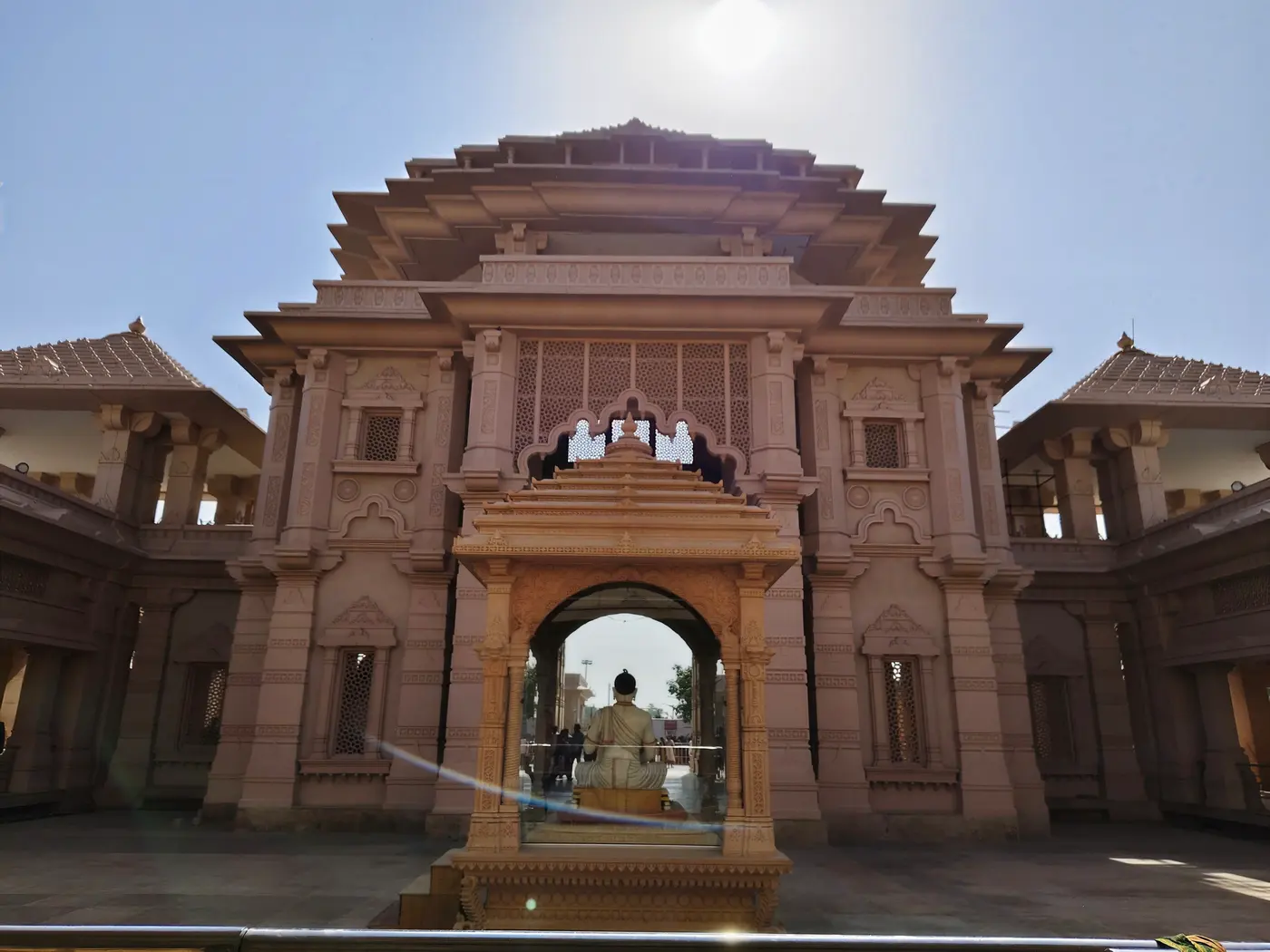 Things to Do
Things to Do in Ayodhya: Ram Mandir, Hanuman Garhi & the Saryu Ghats
Things to do in Ayodhya: darshan at the Ram Mandir, Hanuman Garhi, Kanak Bhawan, the evening Saryu aarti at Ram ki Paidi, Guptar Ghat and Deepotsav, with practical tips for pilgrims.
 Heritage
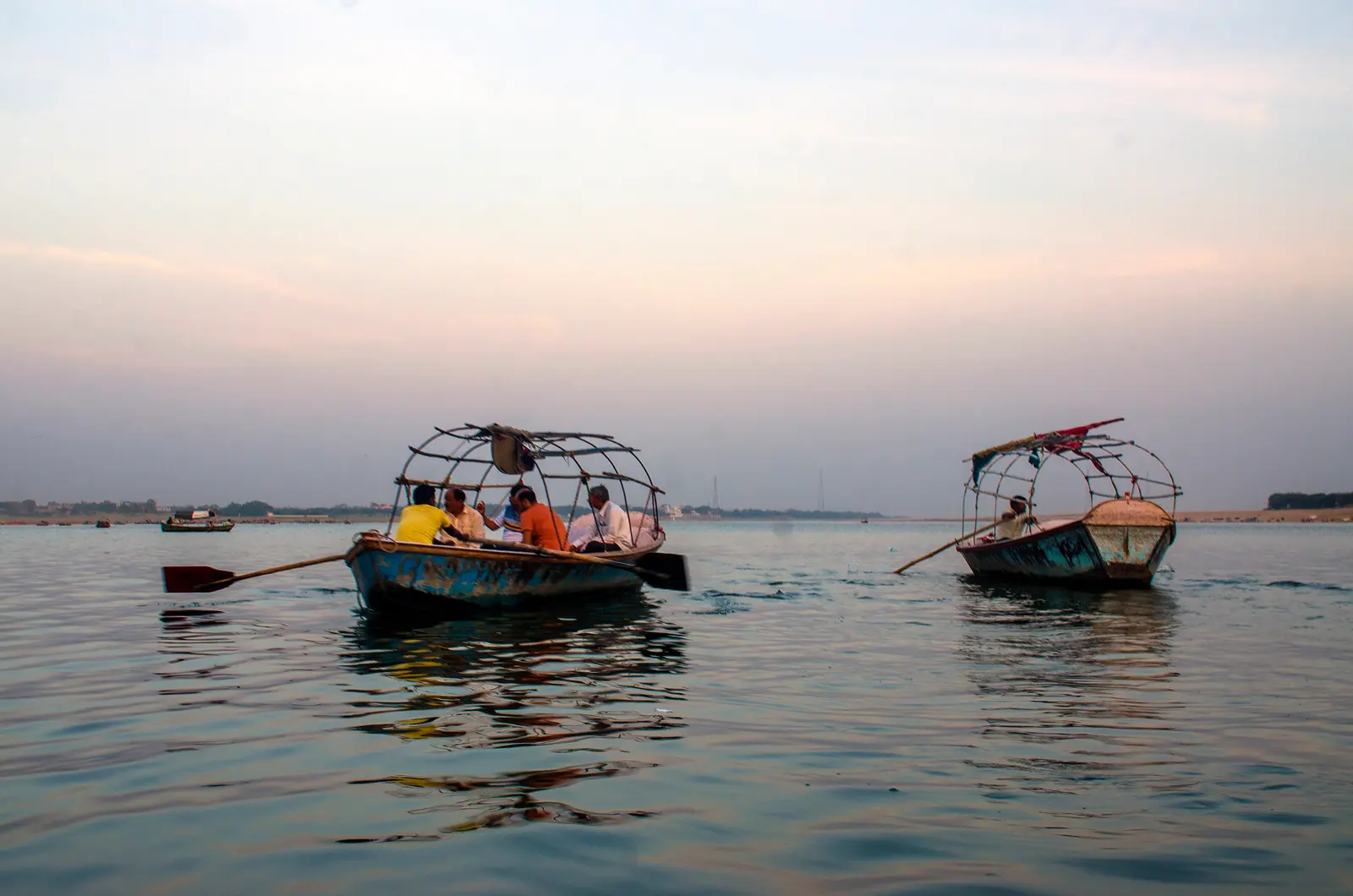
Prayagraj Travel Guide: Triveni Sangam & Kumbh Mela
The sacred Ganga-Yamuna-Saraswati confluence, home to the Kumbh Mela — plus Allahabad Fort, Anand Bhavan, and Khusro Bagh.
 Heritage
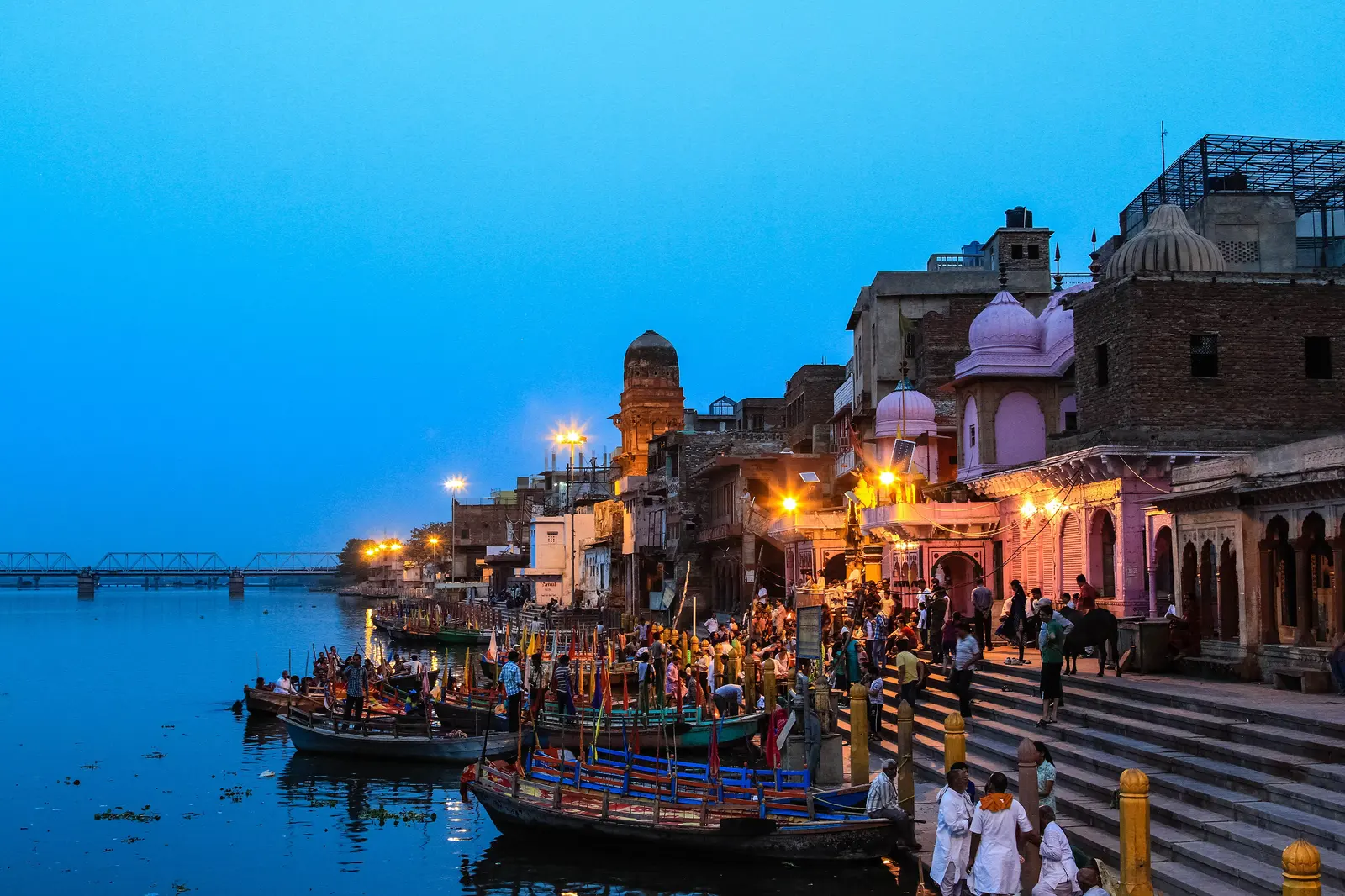
Mathura Travel Guide: Krishna Janmabhoomi & Temples
Complete Mathura guide to Krishna Janmabhoomi Temple, Vishram Ghat's evening aarti, Dwarkadhish Temple, and the gateway to the wider Braj region.
 Heritage
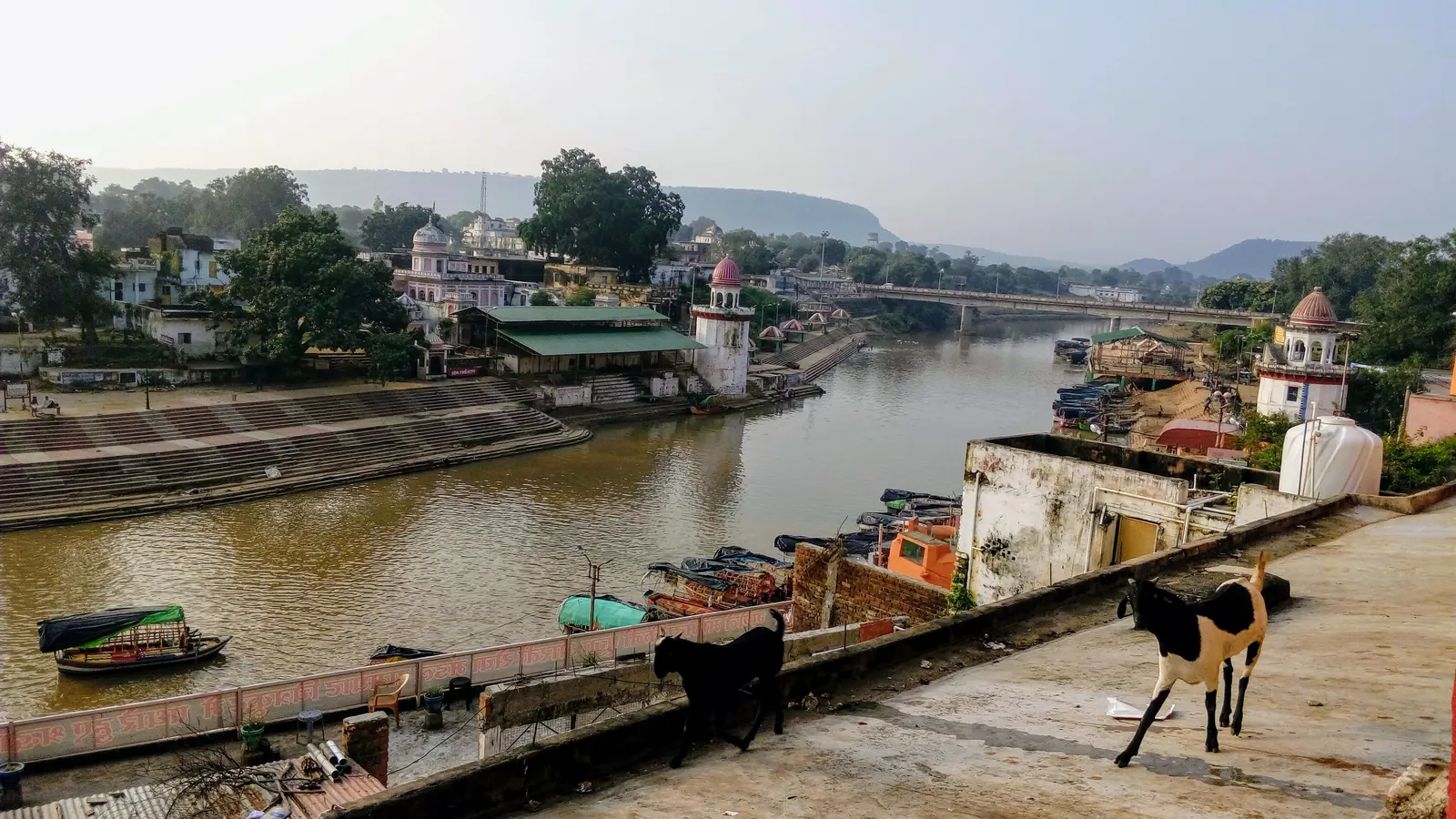
Chitrakoot Travel Guide: Ram's Forest Exile Site
Where Ram, Sita, and Lakshman spent part of their exile — Kamadgiri's parikrama, Ramghat's evening aarti, and a quieter Ramayana circuit.