City of the Sangam
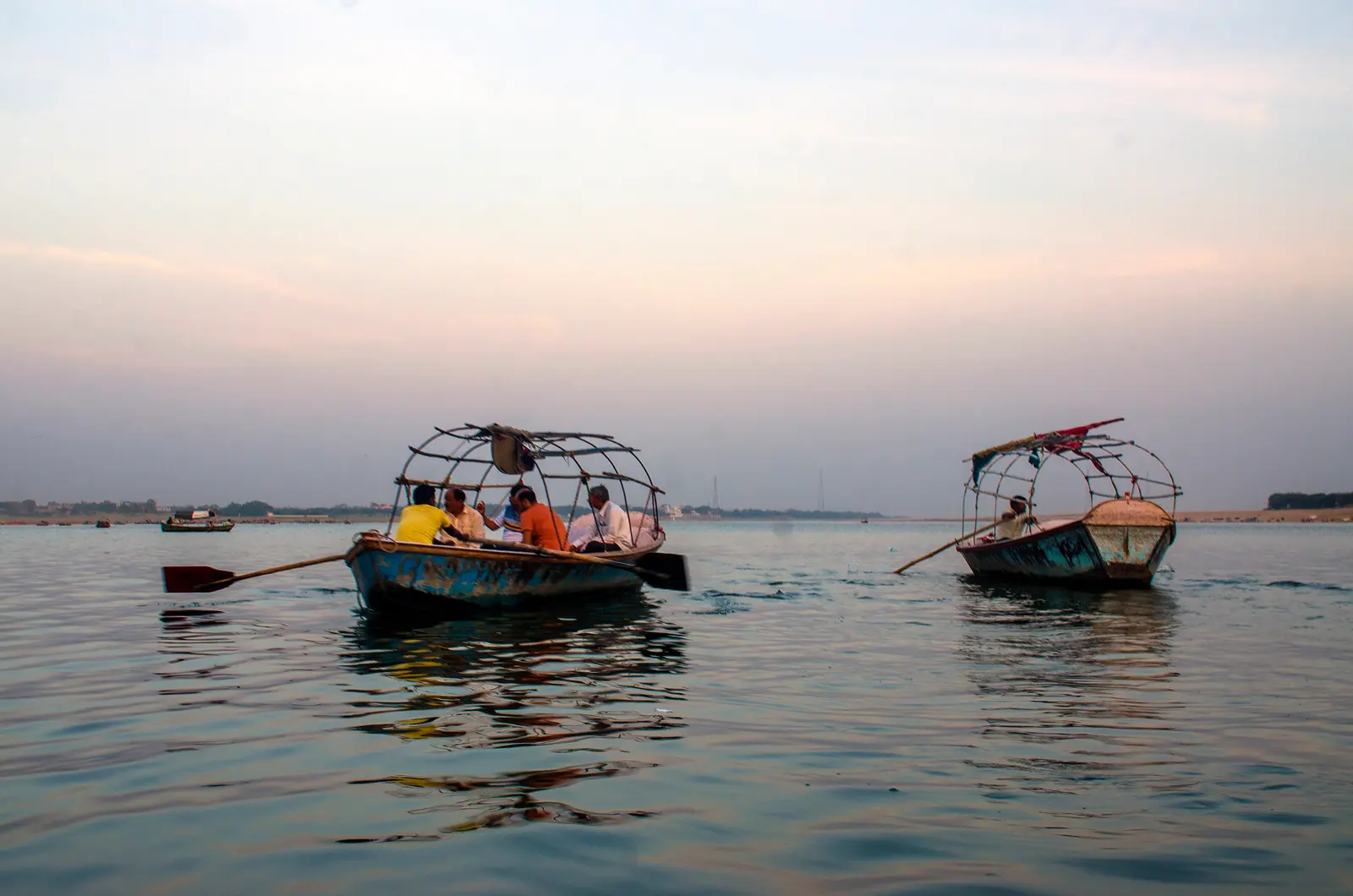
Prayagraj — known for most of the modern era as Allahabad, before a 2018 renaming restored its older, more traditional name — sits at one of the most sacred spots in Hinduism: the Triveni Sangam, the confluence of the Ganga, the Yamuna, and the mythical, unseen Saraswati, believed to join the other two rivers underground. Boats ferry pilgrims out to the exact point where the visible Ganga and Yamuna waters meet — one noticeably clearer, the other siltier — for a ritual dip considered deeply auspicious.
This confluence is also the site of the Kumbh Mela, a festival that rotates roughly every 12 years among four sacred cities — Prayagraj, Haridwar, Ujjain, and Nashik — and is widely considered the largest peaceful gathering of people anywhere on Earth, drawing tens of millions of pilgrims over its weeks-long duration. A smaller Ardh Kumbh falls at roughly the 6-year midpoint, and an annual Magh Mela continues the tradition in the years between.
Beyond the river, Prayagraj carries a rich layered history — Allahabad Fort, built by Akbar directly on the riverbank; Anand Bhavan, the Nehru family's ancestral home and now a museum central to India's independence story; the Mughal-era gardens and tombs of Khusro Bagh; and the colonial-era architecture of Allahabad University, once dubbed the "Oxford of the East."
🕉️ Prayagraj at a Glance
Looking for activities and experiences? See our guide to the best things to do in Prayagraj.
Planning a pilgrimage? See our guide to the Kumbh Mela.
Best Time to Visit Prayagraj
Prayagraj's climate follows the North Indian pattern of cool winters and scorching summers, but the single biggest factor in timing a visit is whether it coincides with a Kumbh or Magh Mela year.
Cool, comfortable weather for exploring the Sangam, Anand Bhavan, and the old city on foot without the summer heat or monsoon humidity.
A month-long annual gathering at the Sangam every year, smaller than the full Kumbh but still drawing large crowds of pilgrims and a temporary tent city on the riverbank.
Held roughly every 12 years (with an Ardh Kumbh at the midpoint), this is an extraordinary once-in-a-cycle experience — but expect immense crowds, stretched infrastructure, and the need to book far in advance.
Daytime temperatures regularly exceed 40°C, making sightseeing along the open riverbank genuinely difficult.
Our pick: October to March for a comfortable, moderately paced visit. Plan specifically around a Kumbh or Magh Mela year only if you're prepared for very large crowds and want that particular experience.
How to Reach Prayagraj
As a major administrative and pilgrimage centre, Prayagraj is well connected by air, rail, and road.
- By air: Prayagraj Airport connects to Delhi, Mumbai, and other major Indian cities with regular domestic flights.
- By train: Prayagraj Junction (still widely known by its former name, Allahabad Junction) is one of North India's busiest rail hubs, with frequent connections to Delhi, Varanasi, Lucknow, Kolkata, and beyond.
- By road: NH19 connects Prayagraj to Varanasi (roughly 2-2.5 hours) and onward toward Kolkata; NH30 links it toward Lucknow and further north.
- Getting around: Auto-rickshaws and taxis cover the city easily; during Magh Mela and Kumbh years, expect significant traffic diversions and extended walking distances near the Sangam.
Sangam & Landmarks
Triveni Sangam
The heart of any Prayagraj visit. Rowboats from the riverbank ferry visitors out to the exact confluence point, where boatmen typically pause so passengers can take a ritual dip or simply observe the meeting of the two rivers' distinctly different waters. Priests on anchored platforms nearby offer puja rituals for those who want them — agree on a price beforehand if you choose to participate.
Kumbh Mela & Magh Mela
Held on a roughly 12-year cycle (with an Ardh Kumbh at the midpoint), the Kumbh Mela transforms the riverbank into a temporary city of tents housing millions of pilgrims, sadhus, and religious akharas (orders), all converging for ritual bathing on auspicious dates determined by astrological alignment. In non-Kumbh years, the smaller annual Magh Mela in January-February keeps a version of this tradition alive on a more manageable scale.
Allahabad Fort
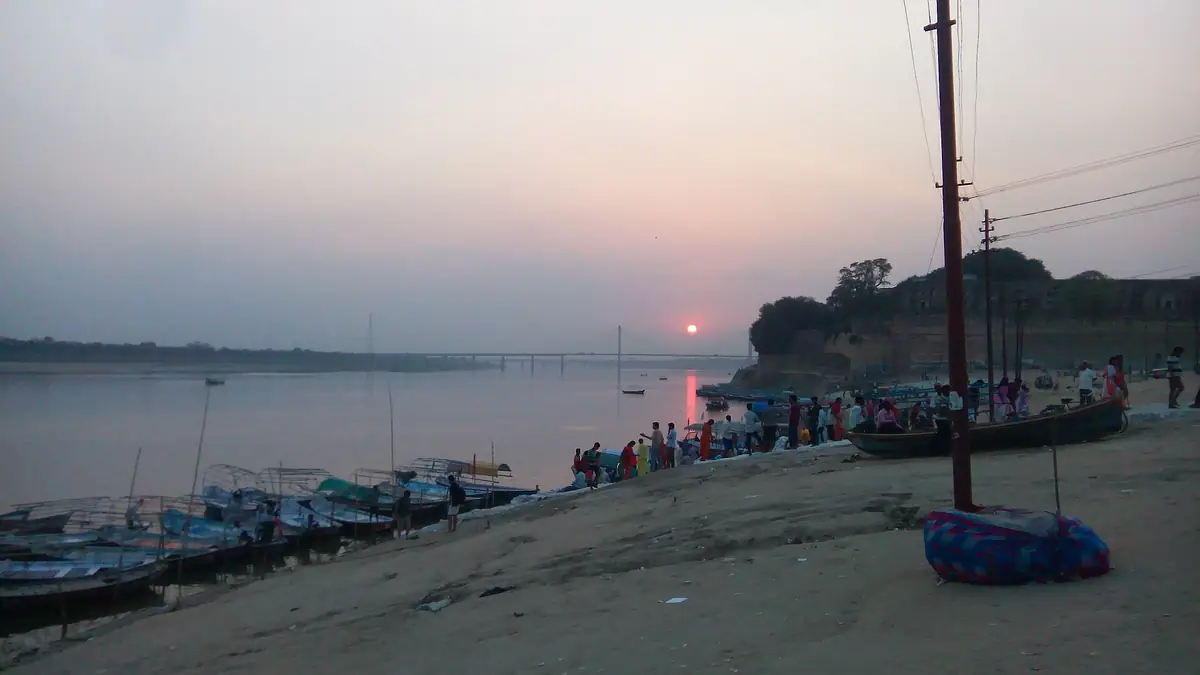
Built by the Mughal emperor Akbar in 1583 on the riverbank near the Sangam, this fort remains largely under Indian military occupation, which limits public access to only a few sections — most notably an Ashoka Pillar within the grounds and the underground Patalpuri Temple. Check current visiting rules and permissions before planning around it.
Anand Bhavan & Khusro Bagh
Anand Bhavan, the Nehru family's ancestral home, is now a museum tracing the family's central role in India's freedom struggle, including personal artefacts and period rooms; the adjacent Swaraj Bhavan adds further historical context. Khusro Bagh, a short distance away, is a peaceful Mughal-era walled garden containing the tombs of Prince Khusrau (son of Emperor Jahangir) and other Mughal family members — a quieter counterpoint to the city's busier religious sites.
Where to Stay in Prayagraj
Accommodation is concentrated around Civil Lines (the more modern part of the city) and closer to the Sangam and old city for those prioritising proximity to the ghats.
- → Dharamshalas near the Sangam
- → Budget lodges around the railway station
- → Simple guesthouses in the old city
- → Business hotels in Civil Lines
- → Mid-range chains near the airport road
- → Comfortable options along MG Marg
- → Branded upscale hotels in Civil Lines
- → Riverside heritage-style properties
- → Premium chain hotels near the airport
Suggested Visit Plan (1-2 Days)
Sangam & the River
- ✓Early morning boat ride to the Triveni Sangam
- ✓Visit the accessible sections of Allahabad Fort
- ✓Evening at the riverbank ghats
History & Gardens
- ✓Morning at Anand Bhavan and Swaraj Bhavan
- ✓Afternoon at Khusro Bagh and Allahabad University area
- ✓Onward travel to Varanasi or Lucknow
* Many travellers combine Prayagraj with Varanasi and Chitrakoot for a fuller spiritual circuit through eastern Uttar Pradesh.
Where to Eat in Prayagraj
- Civil Lines restaurants: The city's main hub for a wider range of dining, from casual North Indian to multi-cuisine options.
- Street food near the old city: Kachori-sabzi, chaat, and Allahabad's own take on tehri (a spiced vegetable pulao) are worth seeking out.
- Prayagraj's famous guavas: The region is known for high-quality guavas, especially in season — look for them at local fruit stalls.
Budget Breakdown
| Expense | Budget | Mid-Range | Luxury |
|---|---|---|---|
| Accommodation/night | ₹1,000 | ₹3,800 | ₹9,500 |
| Local transport/day | ₹250 | ₹600 | ₹1,500 |
| Food/day | ₹450 | ₹1,100 | ₹2,800 |
| Sangam boat ride | ₹300 | ₹500 | ₹800 (private) |
| Museum/monument entry | ₹50 | ₹150 | ₹300 |
* Figures are per person, per day, in Indian Rupees. Costs and availability shift dramatically during Kumbh and Magh Mela periods.
Essential Tips for Visiting Prayagraj
- Negotiate boat prices upfront: Agree on the full Sangam boat ride cost, including any priest-led rituals, before setting off.
- Check Allahabad Fort's visiting rules: Access is limited given ongoing military use — confirm current hours and permissions before planning your day around it.
- Plan carefully during Kumbh/Magh Mela: Book accommodation and transport far in advance, and expect long walking distances and dense crowds near the riverbank.
- Carry sun protection at the Sangam: The riverbank offers little shade — a hat and water are worth carrying, especially outside winter.
- Combine with Varanasi: The two cities' spiritual character and geographic proximity make them a natural pairing on any itinerary.
✅ Do
- →Take an early morning boat ride to the Sangam
- →Negotiate boat and priest fees before starting
- →Check Allahabad Fort's current access rules
- →Visit Anand Bhavan for the independence history
- →Carry water and sun protection at the riverbank
- →Combine your trip with Varanasi
❌ Don't
- →Assume free entry into all of Allahabad Fort
- →Skip agreeing on boat prices before departure
- →Underestimate Kumbh/Magh Mela crowd logistics
- →Visit the open riverbank without sun protection
- →Rush the Sangam visit into a brief photo stop
- →Ignore local guidance on ritual etiquette
Frequently Asked Questions
Is Prayagraj the same city as Allahabad?
Yes. The Uttar Pradesh government officially renamed Allahabad to Prayagraj in 2018, restoring what is considered its ancient name. Older maps, train tickets, and long-time residents may still refer to it as Allahabad, but both names point to the same city.
What is the Triveni Sangam?
The Triveni Sangam is the confluence of three rivers — the Ganga, the Yamuna, and the mythical, unseen Saraswati, believed in Hindu tradition to join the other two underground. Boats ferry pilgrims out to the exact meeting point of the visible Ganga and Yamuna, where taking a ritual dip is considered highly auspicious.
How often is the Kumbh Mela held in Prayagraj?
The full Kumbh Mela rotates among four sacred sites — Prayagraj, Haridwar, Ujjain, and Nashik — with each site hosting it roughly every 12 years. Prayagraj also hosts a smaller Ardh ("half") Kumbh at the roughly 6-year midpoint, and an annual Magh Mela in the intervening years, all centred on the Triveni Sangam. The full Kumbh Mela is widely considered the largest peaceful gathering of people on Earth.
Can I visit Allahabad Fort?
Allahabad Fort, built by Akbar on the riverbank near the Sangam, is largely under Indian military use, so public access is limited to a few sections, primarily the Ashoka Pillar and the underground Patalpuri Temple, usually accessible with prior permission or on limited visiting hours. Most of the fort's interior remains off-limits to tourists.
How many days should I spend in Prayagraj?
A full day covers the Sangam, Anand Bhavan, and Khusro Bagh comfortably; two days allow a more relaxed pace including Allahabad Fort's accessible sections and the university area. During Kumbh or Magh Mela years, many pilgrims stay longer to take advantage of the full festival period.
What is Anand Bhavan?
Anand Bhavan was the ancestral home of the Nehru family, including Jawaharlal Nehru, India's first Prime Minister, and later Indira Gandhi. It is now a museum documenting the family's role in India's independence movement, alongside the adjacent Swaraj Bhavan.
Published by the Kudozz Club editorial team · Last updated · How we research our guides
Want us to plan this trip for you?
Tell Kudozz Club where you want to go and what kind of trip you’re looking for. We’ll build a Prayagraj and Uttar Pradesh itinerary around your dates and budget.
Continue Exploring
View all guides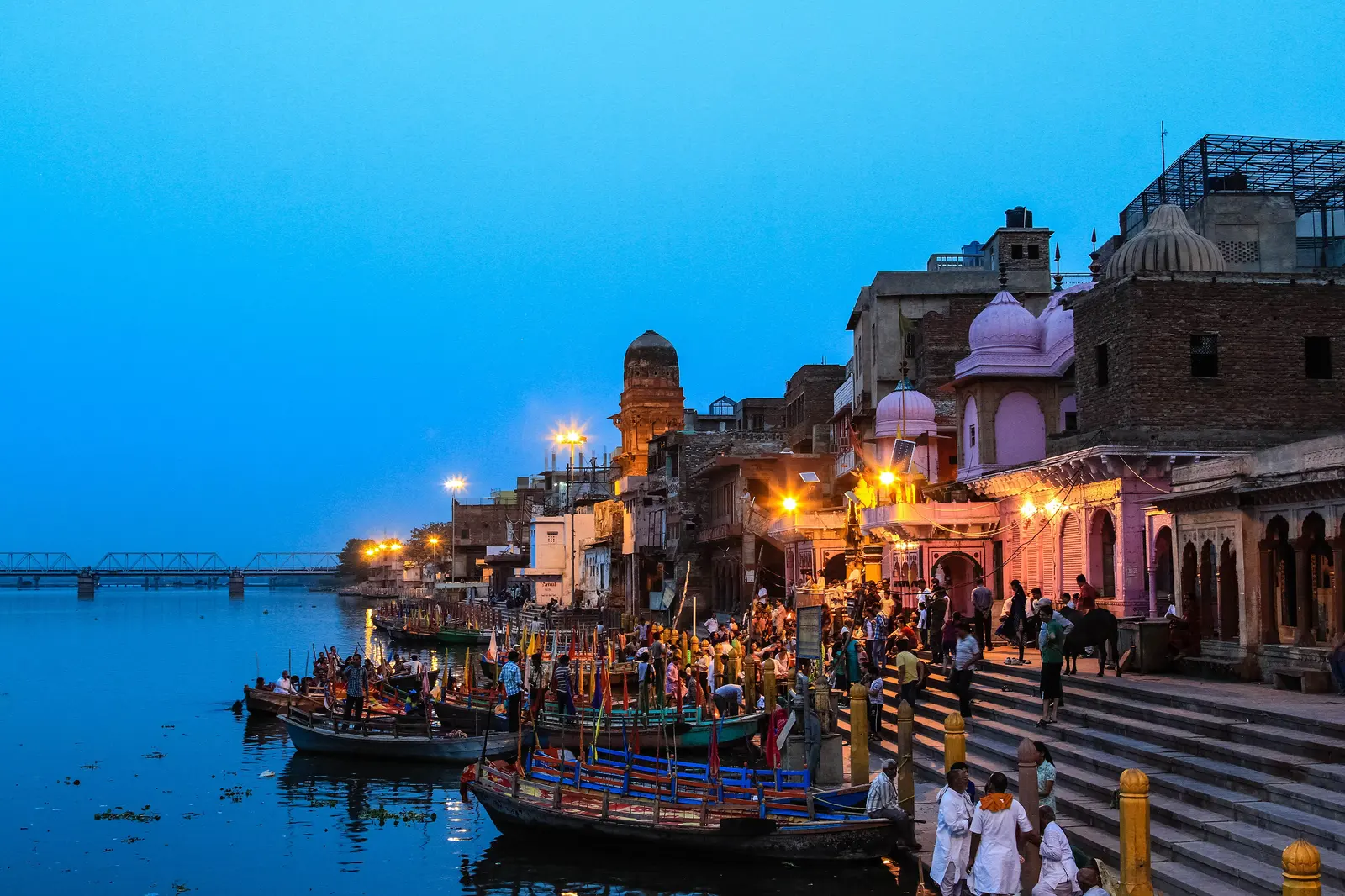 Heritage
Mathura Travel Guide: Krishna Janmabhoomi & Temples
Complete Mathura guide to Krishna Janmabhoomi Temple, Vishram Ghat's evening aarti, Dwarkadhish Temple, and the gateway to the wider Braj region.
 Heritage
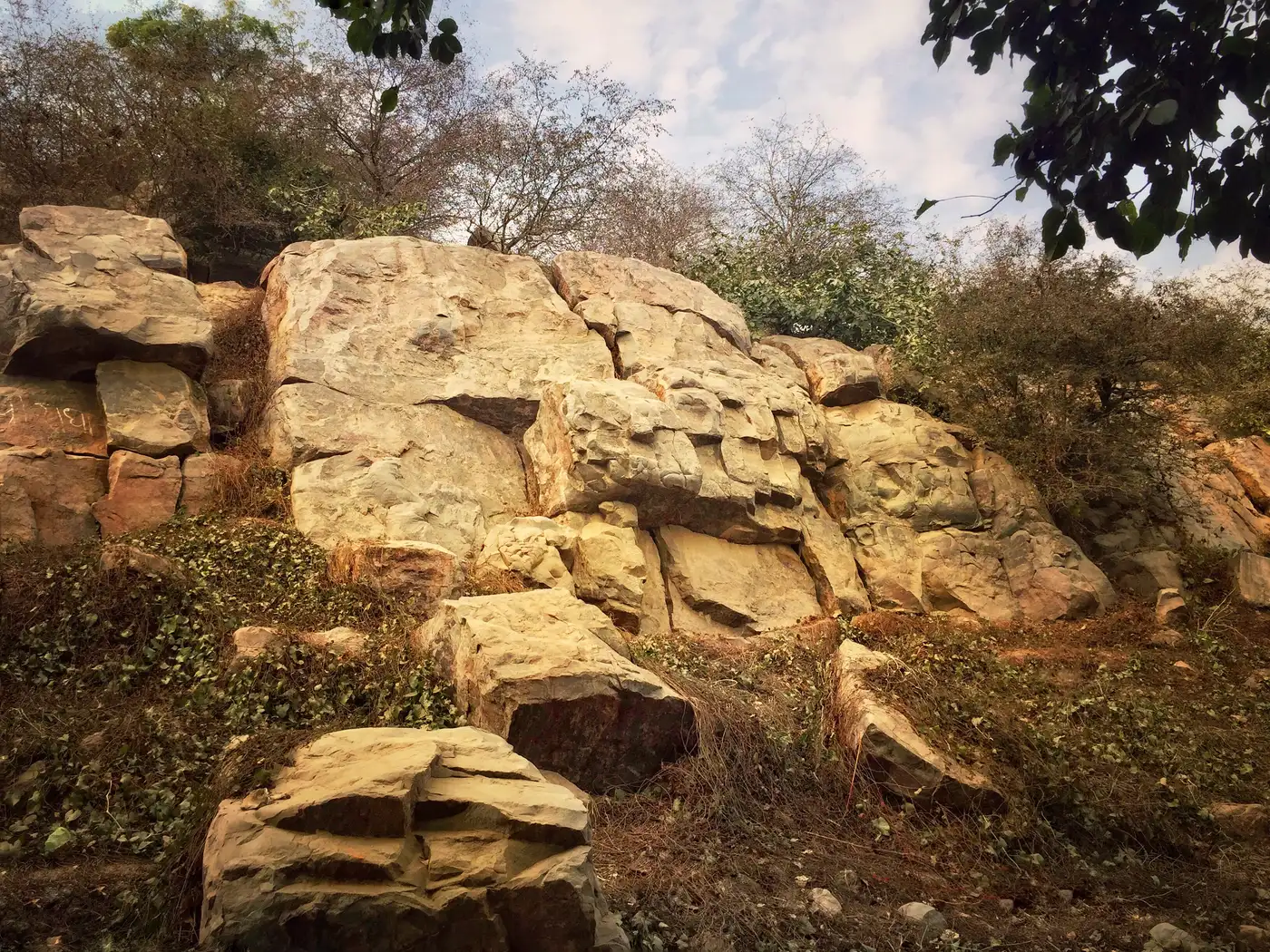
Govardhan Travel Guide: Hill, Parikrama & Temples
The sacred hill Krishna lifted to shelter Braj's villagers — the 23km Govardhan Parikrama, Radha Kund, and a quieter side of the region.
 Heritage
Chitrakoot Travel Guide: Ram's Forest Exile Site
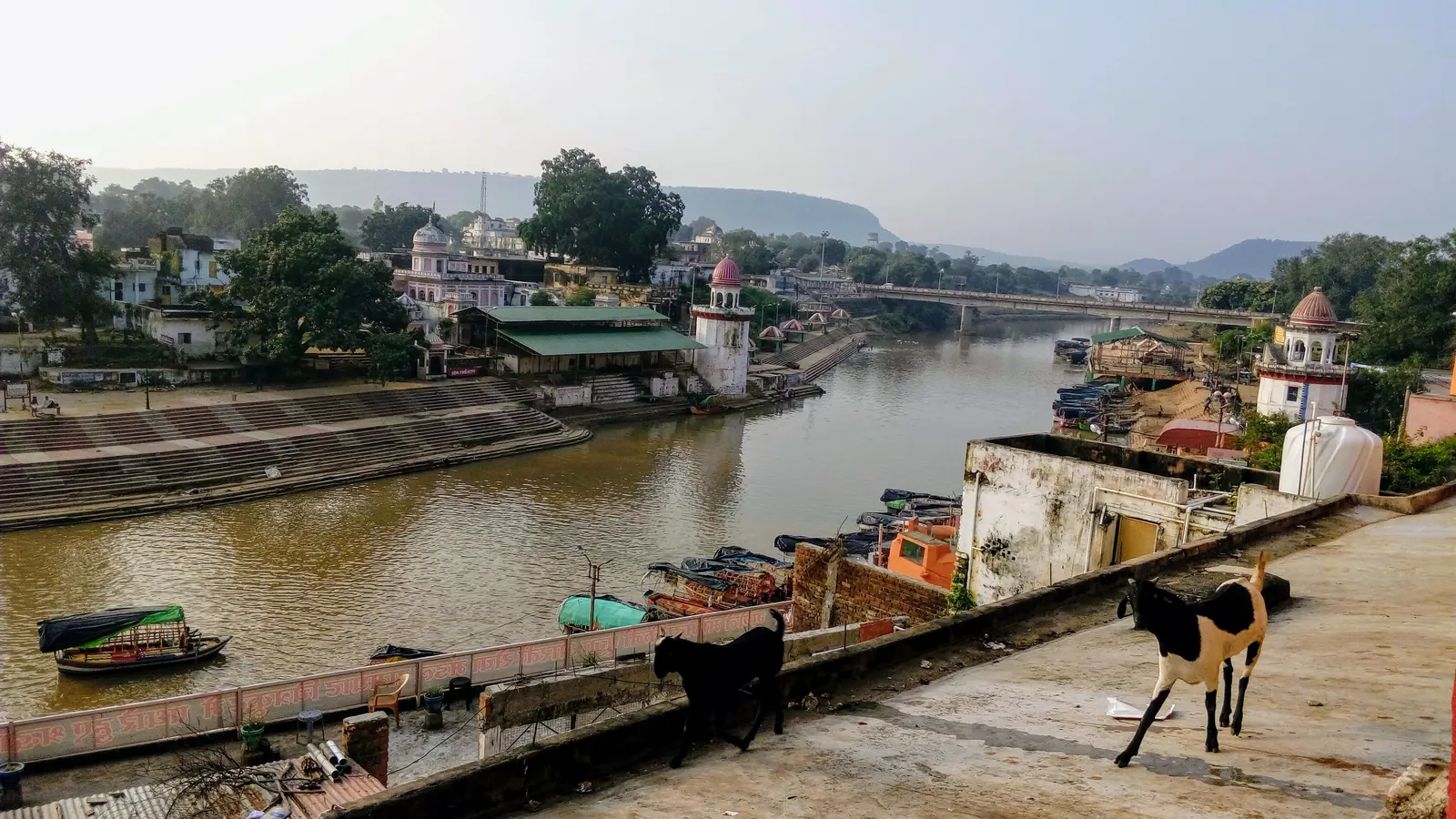
Where Ram, Sita, and Lakshman spent part of their exile — Kamadgiri's parikrama, Ramghat's evening aarti, and a quieter Ramayana circuit.
 Heritage
Haridwar Travel Guide: Ganga Aarti, Ghats & Temples
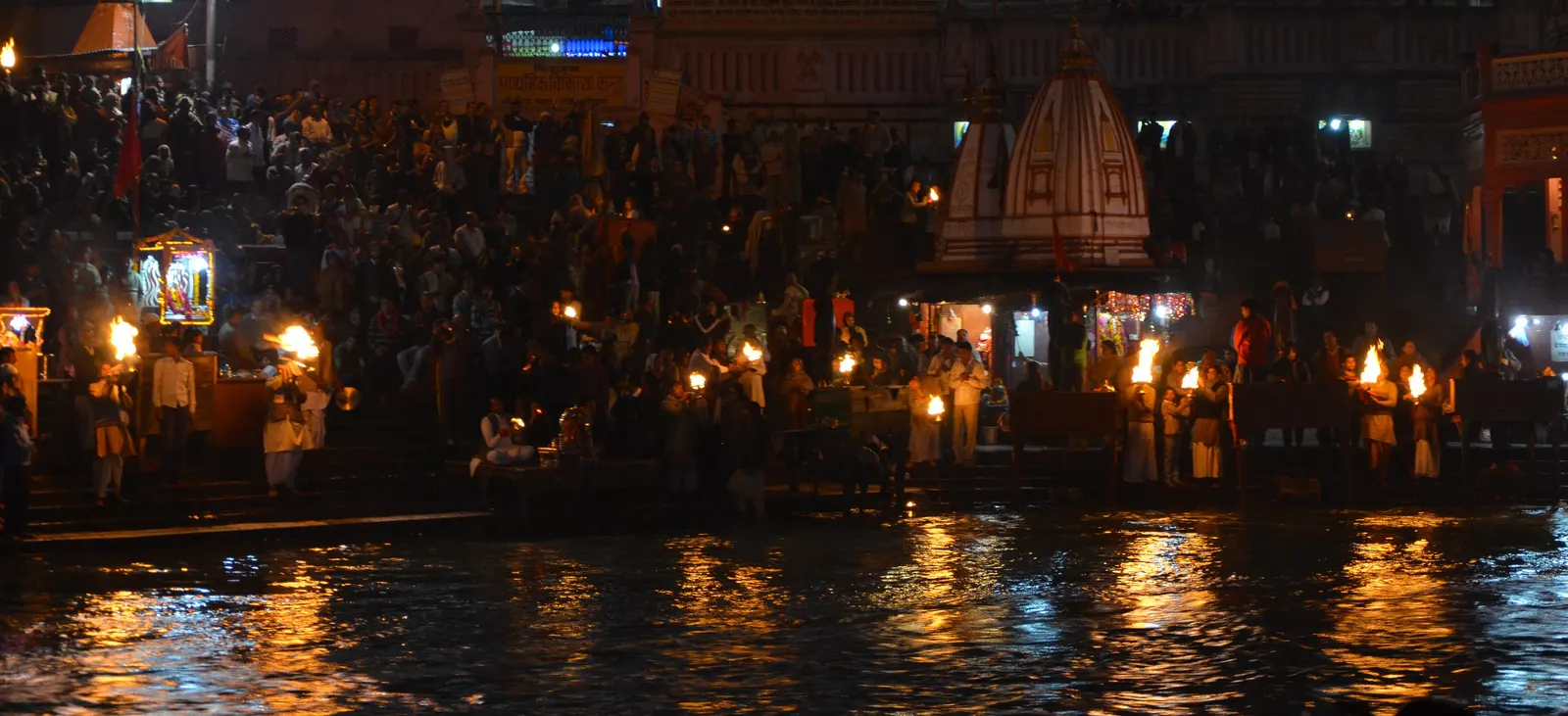
Complete Haridwar guide — Har Ki Pauri's Ganga Aarti, Mansa Devi & Chandi Devi temples, the Kumbh Mela, how to reach, where to stay, and its role as gateway to Char Dham and Rishikesh.