A Quiet Corner of the Buddhist Circuit
In its day, Shravasti was one of the six largest cities in ancient India and the capital of the Kosala kingdom. For Buddhists, it holds a particular significance: tradition holds that the Buddha spent the most monsoon retreats of his teaching life here — twenty-four in total — more than at any other single location, delivering a large share of the discourses that survive in the Buddhist canon.
Today, that history survives as the quiet archaeological park of Jetavana Monastery, a garden-monastery donated to the Buddha by the wealthy merchant Anathapindika. Unlike many stops on the Buddhist circuit, Shravasti sees relatively few visitors, which gives the brick foundations, stupa platforms, and the sacred Anandabodhi Tree an unhurried, contemplative atmosphere rare on a more heavily trafficked pilgrimage route.
Shravasti pairs naturally with a wider eastern Uttar Pradesh Buddhist-circuit trip — many travellers combine it with Kushinagar and a Gorakhpur stopover, or route through it on the way to or from Lucknow.
🌳 Shravasti at a Glance
Planning a pilgrimage? See our guide to the Buddhist Circuit.
Best Time to Visit Shravasti
As with most of the Gangetic plains, winter is the clear window for a comfortable visit to Shravasti's open-air ruins.
Cool, dry weather that makes it pleasant to walk the open archaeological grounds. Winter mornings can be misty but clear up by mid-morning.
Summer heat is intense across this belt of Uttar Pradesh, making the largely shade-free Jetavana site uncomfortable for long stretches.
Heavy rain is common; the site stays open but paths can get muddy and travel between towns less predictable.
Soft winter light and low visitor numbers make this window especially good for unhurried photography around the ruins.
Our pick: October to March — the only genuinely comfortable window for spending unhurried time on the open, largely shade-free Jetavana grounds.
How to Reach Shravasti
Shravasti is genuinely off the beaten path — reaching it takes a bit more planning than the bigger circuit stops, which is part of why it stays so quiet.
- By air: Lucknow, roughly 170 km away, is the nearest practical air gateway, with good domestic connectivity. From there it's a road journey of around 4-5 hours.
- By rail: Balrampur and Gonda are the closest railway stations with reasonable connections, each requiring a further road transfer of roughly 1-2 hours into Shravasti.
- By road: Shravasti connects well by road to a wider Buddhist-circuit loop that includes Kushinagar and Gorakhpur, making it worth planning as part of a multi-day trip rather than a standalone visit.
- Getting around: The Jetavana site and the wider Sahet-Mahet archaeological zone are best covered by hired auto-rickshaw or taxi from wherever you're staying, as the sites are spread across a fairly large area.
The Sacred Sites
Jetavana Monastery Ruins
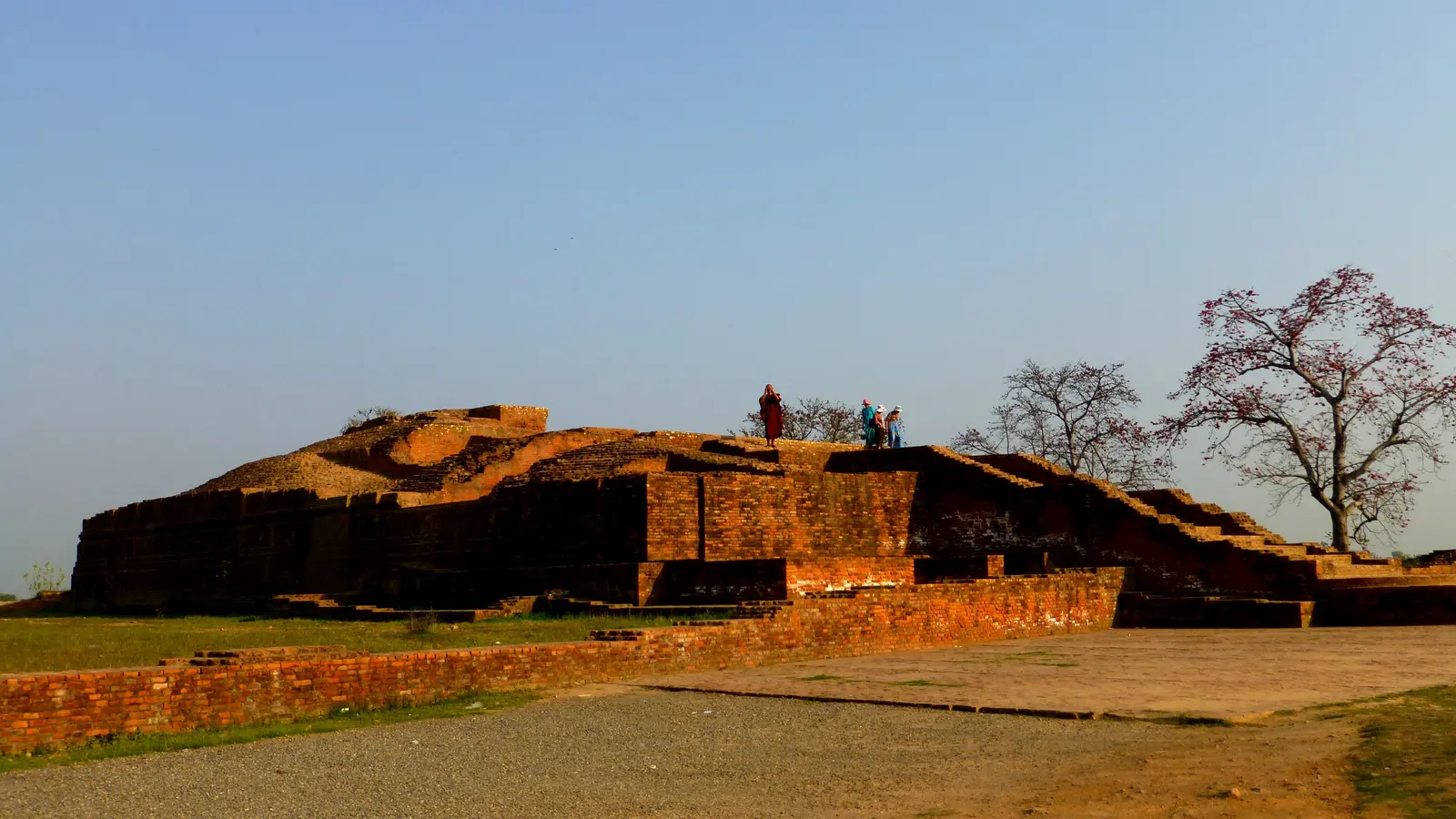
The centrepiece of Shravasti. According to tradition, the merchant Anathapindika, deeply moved after hearing the Buddha teach, wanted to build him a monastery on a beautiful garden plot owned by Prince Jeta. The prince, not wishing to sell, jokingly said he'd part with the land only if it were covered edge to edge in gold coins — Anathapindika reportedly did exactly that, and the prince, struck by his devotion, donated the trees himself. The resulting Jetavana ("Jeta's Grove") became one of the Buddha's most frequented residences. Today it survives as a peaceful park of excavated brick monastery foundations, stupa bases, and shrine platforms spread across a shaded, well-maintained archaeological site.
The Anandabodhi Tree
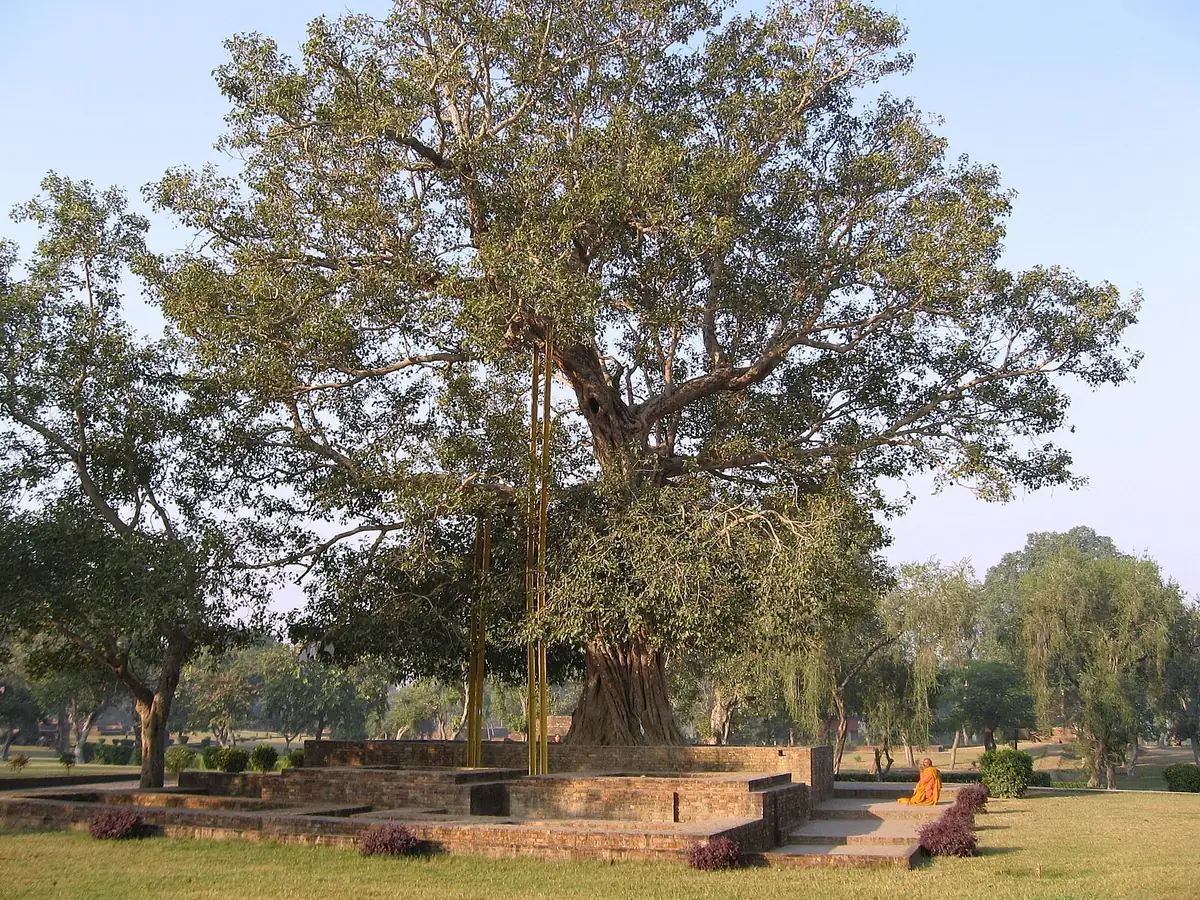
A living Bodhi tree within the Jetavana grounds, said to have been grown from a sapling of the original Bodhi Tree in Bodh Gaya. Tradition credits the request to Ananda, the Buddha's close attendant, who wanted pilgrims to have a focal point for veneration during the Buddha's frequent travels away from Shravasti. It remains one of the most visited spots within the site.
Angulimala Stupa
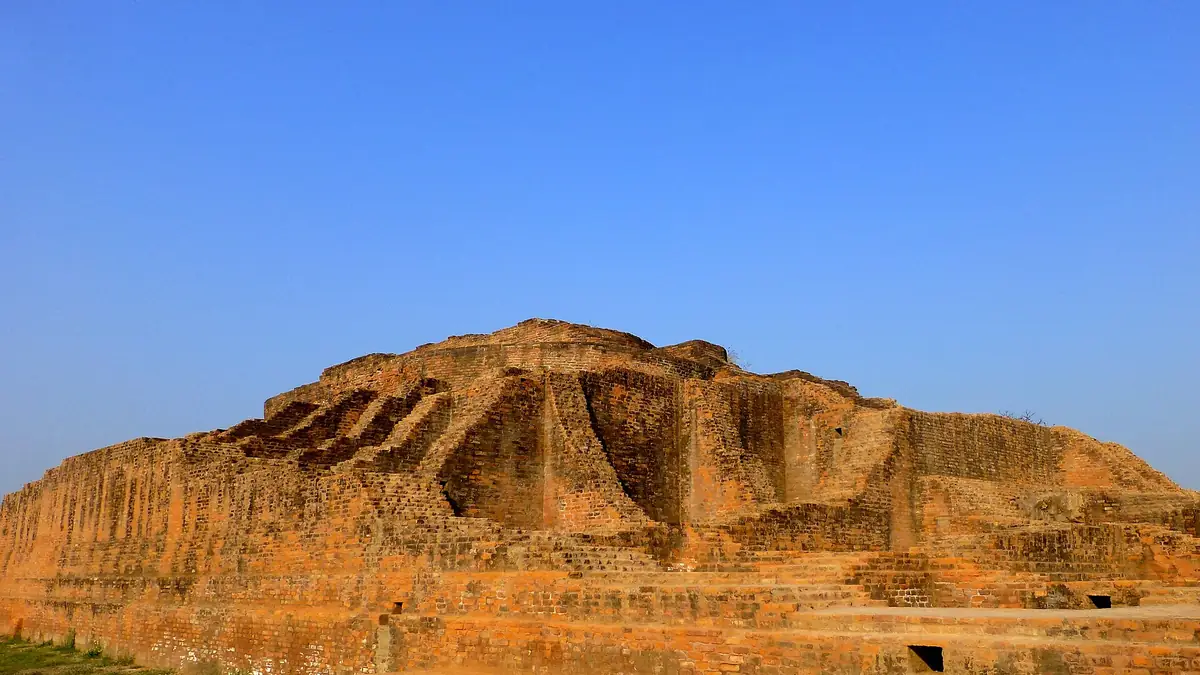
A stupa associated with Angulimala, a figure from Buddhist tradition who, after a violent past, became a monk under the Buddha's guidance — one of Buddhism's best-known stories of transformation. The stupa sits a short distance from the main Jetavana complex.
Sahet-Mahet Archaeological Site
The broader excavated area encompassing both Jetavana ("Sahet") and the ancient city ruins of Shravasti itself ("Mahet"), enclosed by remnants of old city walls. Walking the wider site gives a better sense of Shravasti's scale as a major ancient city, beyond just the monastery grounds.
Where to Stay in Shravasti
Accommodation in Shravasti is limited and simple, reflecting how few travellers make the detour — book ahead where possible, as options are genuinely few.
- → Monastery guesthouses
- → Basic local lodges
- → UP Tourism budget rooms
- → Pilgrim-oriented mid-range hotels
- → UPSTDC-run guesthouses
- → Small private hotels near the site
- → No true luxury category on-site
- → Best comfort found via day trips from Lucknow
- → A handful of larger hotels in Balrampur
Suggested Visit Plan (1 Day)
Jetavana Monastery
- ✓Arrive early for cooler, quieter grounds
- ✓Walk the monastery foundations and stupa bases
- ✓Spend time at the Anandabodhi Tree
Wider Site & Departure
- ✓Visit Angulimala Stupa
- ✓Walk the broader Sahet-Mahet ruins
- ✓Depart toward Balrampur/Gonda or Lucknow
* A single focused day covers Shravasti well; travellers on a longer Buddhist-circuit trip often continue on to Kushinagar or back through Lucknow.
Where to Eat in Shravasti
- Monastery canteens: A few monasteries near the site offer simple vegetarian meals to travellers, at modest or donation-based cost.
- Local dhabas: Basic North Indian thalis and regional dishes at inexpensive roadside stops — the standard option for most visitors.
- Guesthouse kitchens: Several of the simple lodges and guesthouses serve home-style meals to residents, often the most reliable food option in the immediate area.
Budget Breakdown
| Expense | Budget | Mid-Range | Luxury |
|---|---|---|---|
| Accommodation/night | ₹900 | ₹3,000 | ₹6,000* |
| Lucknow transfer (round trip) | ₹1,000 | ₹2,500 | ₹5,000 |
| Food/day | ₹350 | ₹800 | ₹1,800 |
| Local auto/taxi hire | ₹400 | ₹700 | ₹1,200 |
| Entry/donations | Free–₹100 | ₹100 | ₹200 |
* Figures are per person, per day. "Luxury" accommodation reflects the nearest comparable option in Balrampur/ Lucknow, as Shravasti itself has no true luxury category.
Essential Tips for Visiting Shravasti
- Plan transport ahead: Shravasti has little walk-up taxi or auto availability — arrange pickup/drop from Balrampur, Gonda, or Lucknow before you arrive.
- Dress modestly: Cover shoulders and knees at the monastery and shrine areas, as at any active place of worship.
- Carry cash: ATM and card access is very limited — withdraw what you'll need before arriving.
- Bring water and sun protection: Much of the Jetavana site is open ground with limited shade.
- Combine with Kushinagar: Shravasti works best as one stop on a longer Buddhist-circuit loop rather than a standalone trip, given the travel effort involved.
✅ Do
- →Arrange transport in advance from Balrampur/Gonda
- →Dress modestly around the monastery grounds
- →Carry enough cash for the whole visit
- →Visit early morning for cooler, quieter grounds
- →Pair the trip with Kushinagar for a fuller circuit
- →Bring water and sun protection
❌ Don't
- →Expect walk-up taxis or wide ATM access
- →Plan Shravasti as a rushed half-hour stop
- →Skip carrying water on the open Jetavana grounds
- →Expect luxury accommodation on-site
- →Arrive without confirming your onward transport
- →Wear shorts or sleeveless tops at the shrines
Frequently Asked Questions
What is Shravasti famous for?
Shravasti was one of ancient India's great cities and, according to Buddhist tradition, the place where the Buddha spent the most monsoon retreats — 24 in total — of his 45-year teaching life. Its main draw today is the Jetavana Monastery ruins, the garden-monastery donated to the Buddha by the merchant Anathapindika.
How do I reach Shravasti?
The nearest practical air gateway is Lucknow, roughly 170 km away, from where you continue by road. Balrampur and Gonda are the nearest railway stations with onward road connections into Shravasti. Many travellers combine the trip with Kushinagar and Gorakhpur as part of a wider Buddhist-circuit loop.
What is the Jetavana Monastery?
Jetavana was a garden-monastery on the outskirts of ancient Shravasti, purchased by the wealthy merchant Anathapindika from Prince Jeta and donated to the Buddha and his monastic community. It became one of the Buddha's most important residences and the setting for many of his recorded discourses. Today it survives as a peaceful archaeological park of brick foundations, stupas, and shrine platforms.
Is Shravasti crowded like other Buddhist pilgrimage sites?
No — Shravasti is notably quieter and far less visited than stops like Bodh Gaya or Sarnath, which is part of its appeal. Travellers who want the same historical depth without the crowds and tour-bus traffic tend to find Shravasti particularly rewarding.
What is the Anandabodhi Tree?
A sacred Bodhi tree at the Jetavana site, said to have grown from a sapling of the original Bodhi Tree in Bodh Gaya, planted at the Buddha's disciple Ananda's request so pilgrims would have something to venerate in the Buddha's presence when he was away travelling. It remains a focal point of the site today.
How much time should I spend in Shravasti?
Half a day is enough to walk the Jetavana ruins, see the Anandabodhi Tree, and visit the Angulimala Stupa. A full day allows a more relaxed pace and time to also explore the wider Sahet-Mahet archaeological site.
Published by the Kudozz Club editorial team · Last updated · How we research our guides
Want us to plan this trip for you?
Tell Kudozz Club where you want to go and what kind of trip you’re looking for. We’ll build a Shravasti and Uttar Pradesh itinerary around your dates and budget.
Continue Exploring
View all guides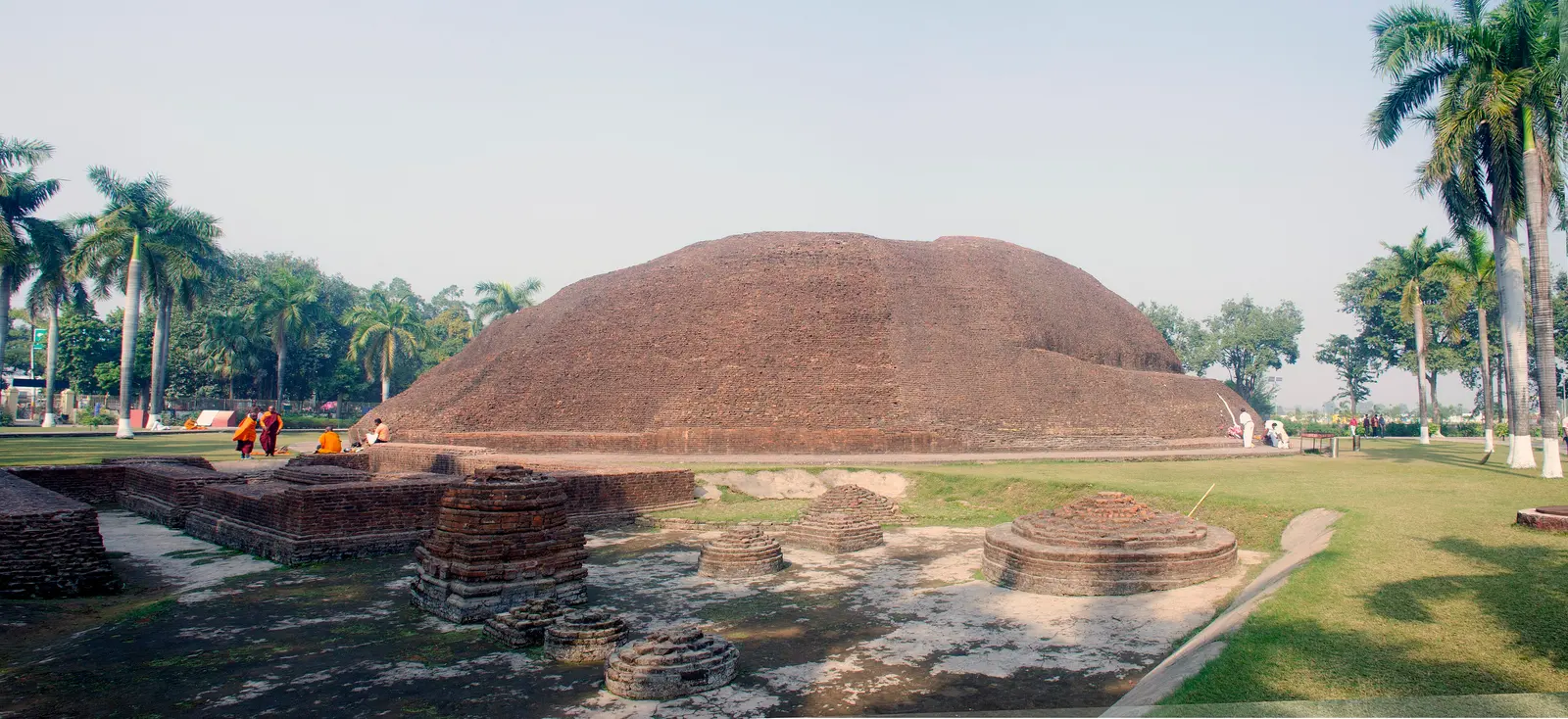 Heritage
Kushinagar Travel Guide: Buddha's Final Resting Place
Where the Buddha attained Mahaparinirvana — the reclining Buddha statue, Ramabhar Stupa, and international monasteries from across Asia.
 Heritage
Sarnath Travel Guide: Buddha's First Sermon Site
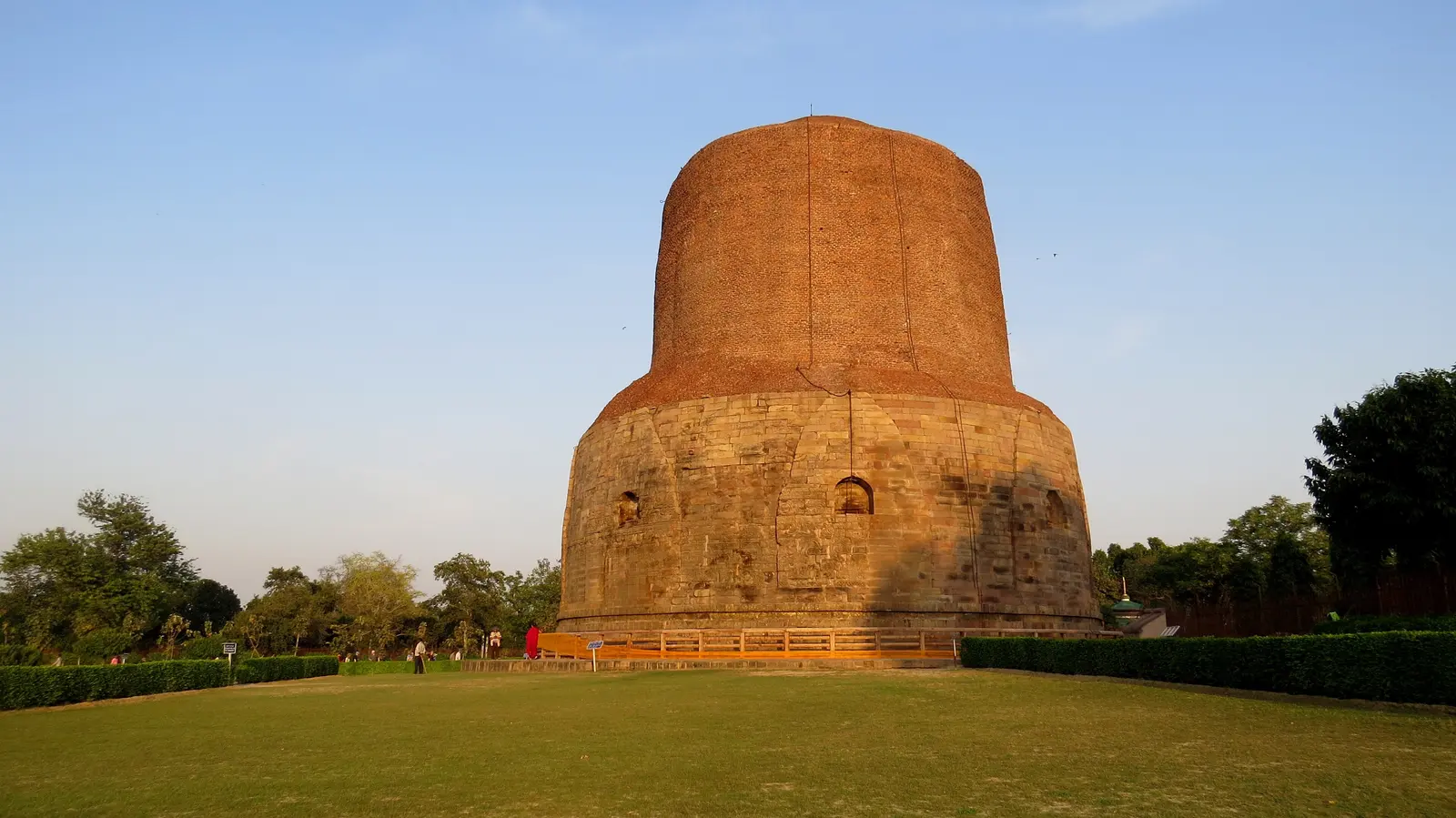
Where the Buddha gave his first sermon — the Dhamek Stupa, the Ashoka Pillar's lion capital, and Sarnath's place on the Buddhist circuit.
 Heritage
Naimisharanya Travel Guide: Sacred Forest & Temples
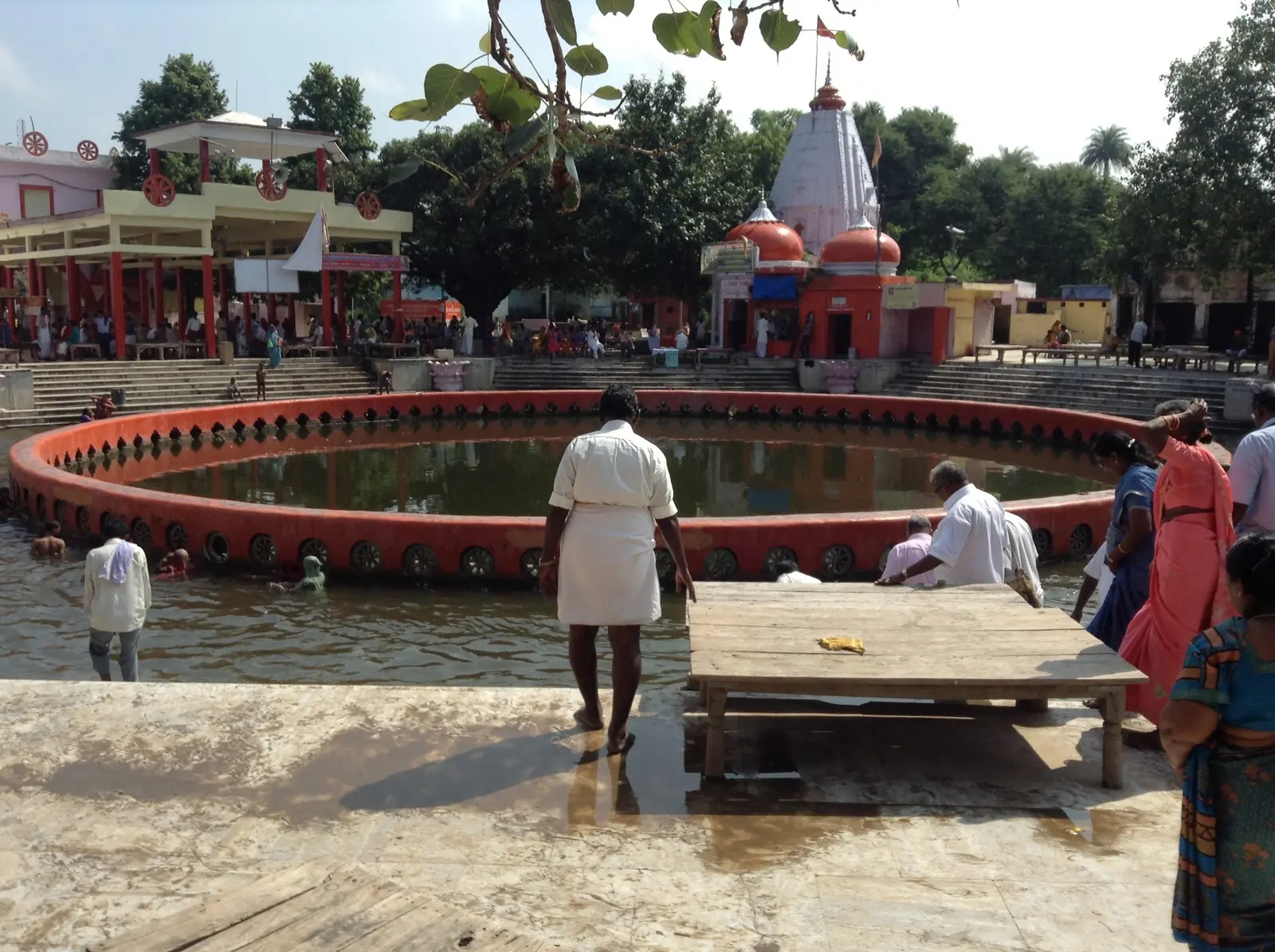
An ancient sacred forest of the Puranas — Chakra Tirtha, the Lalita Devi Shakti Peeth, and a genuinely off-the-beaten-path pilgrimage near Lucknow.
 Off-beat
Chandauli Travel Guide: Waterfalls Near Varanasi
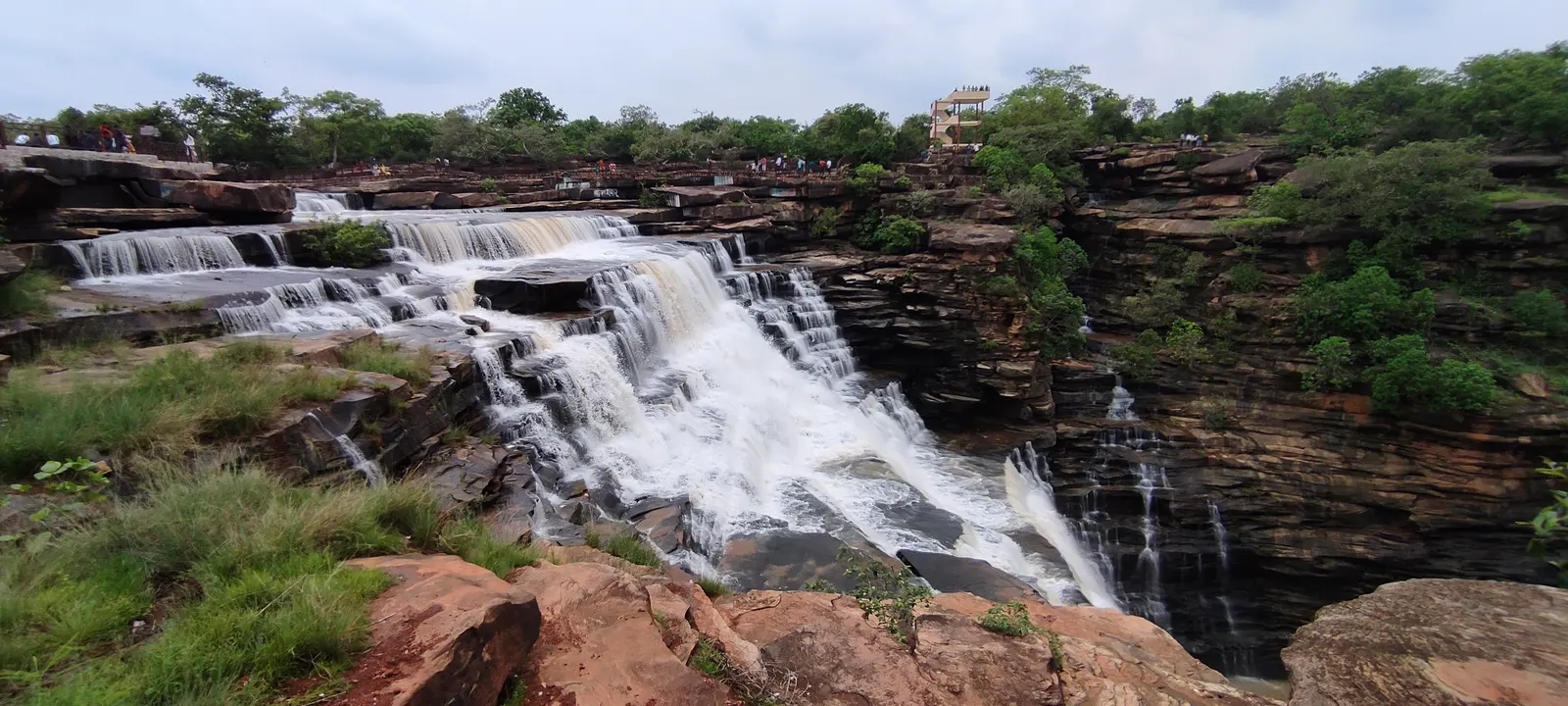
Rajdari and Devdari waterfalls inside Chandraprabha Wildlife Sanctuary — an easy off-beat day trip from Varanasi's ghats and temples.