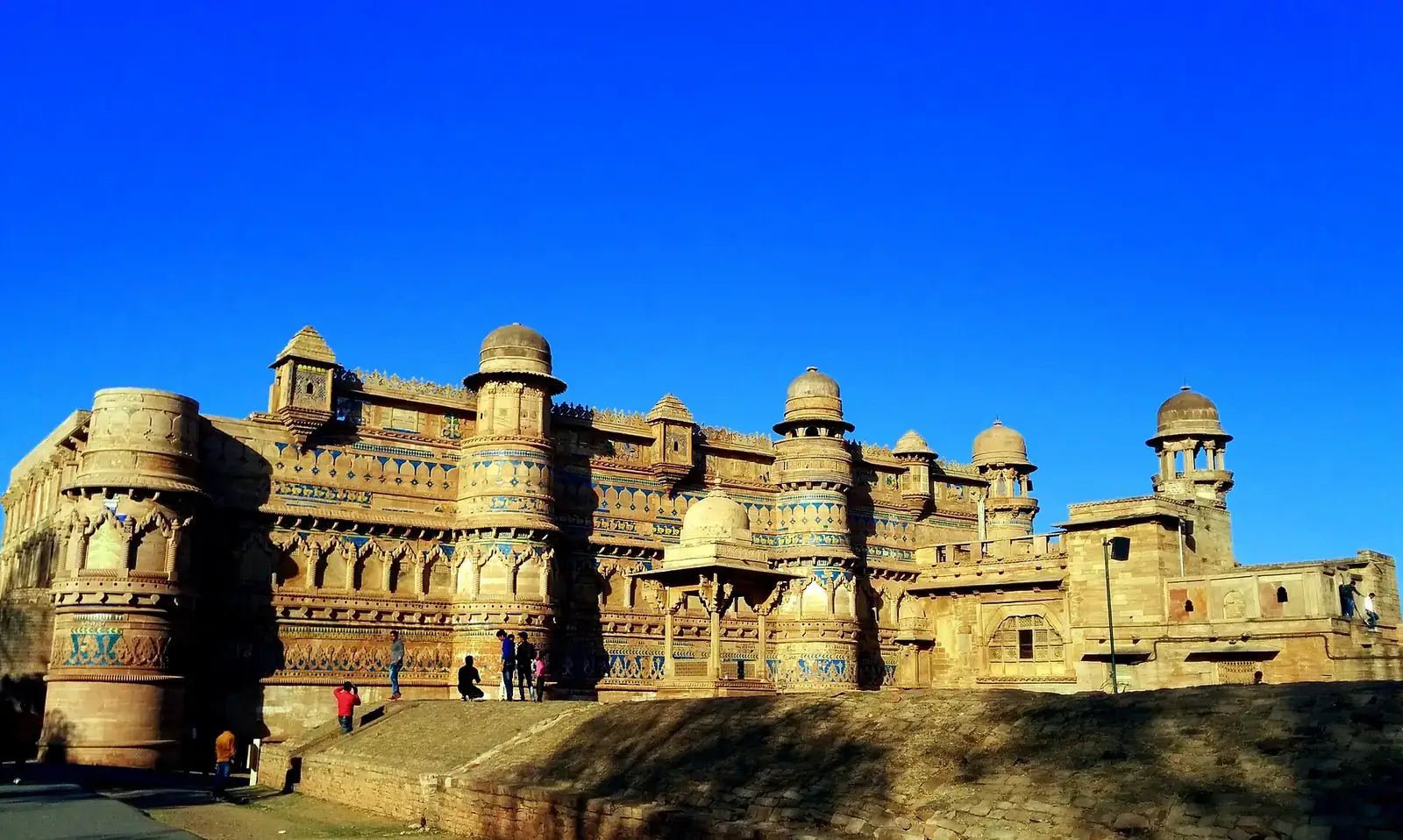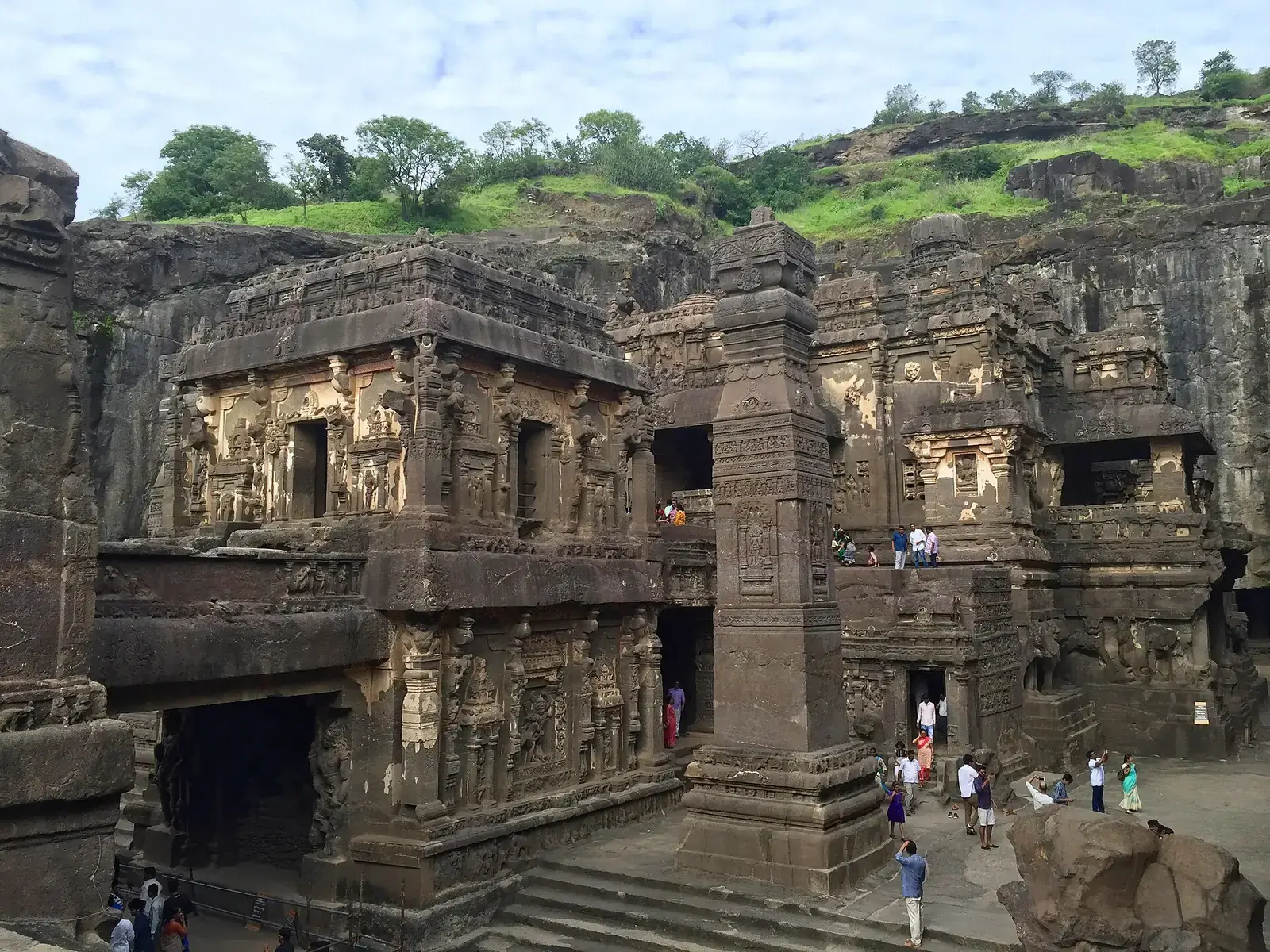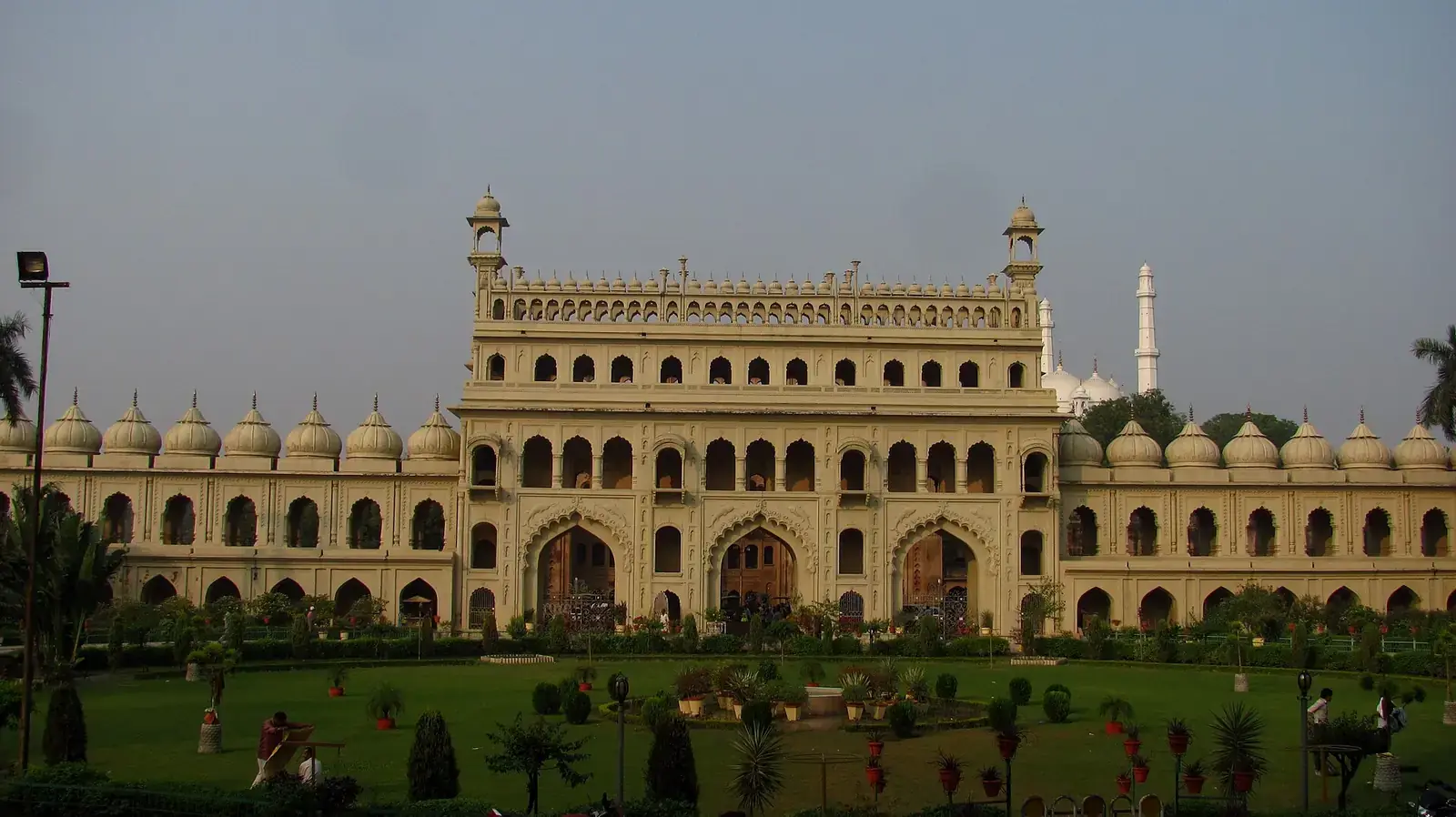
Uttar Pradesh sits on the Ganga plain, the heartland of many Indian empires. Buddhist sites such as Sarnath and Kushinagar, the Mughal capital of Agra, the Nawabi court of Lucknow and the ancient city of Varanasi all lie within it.
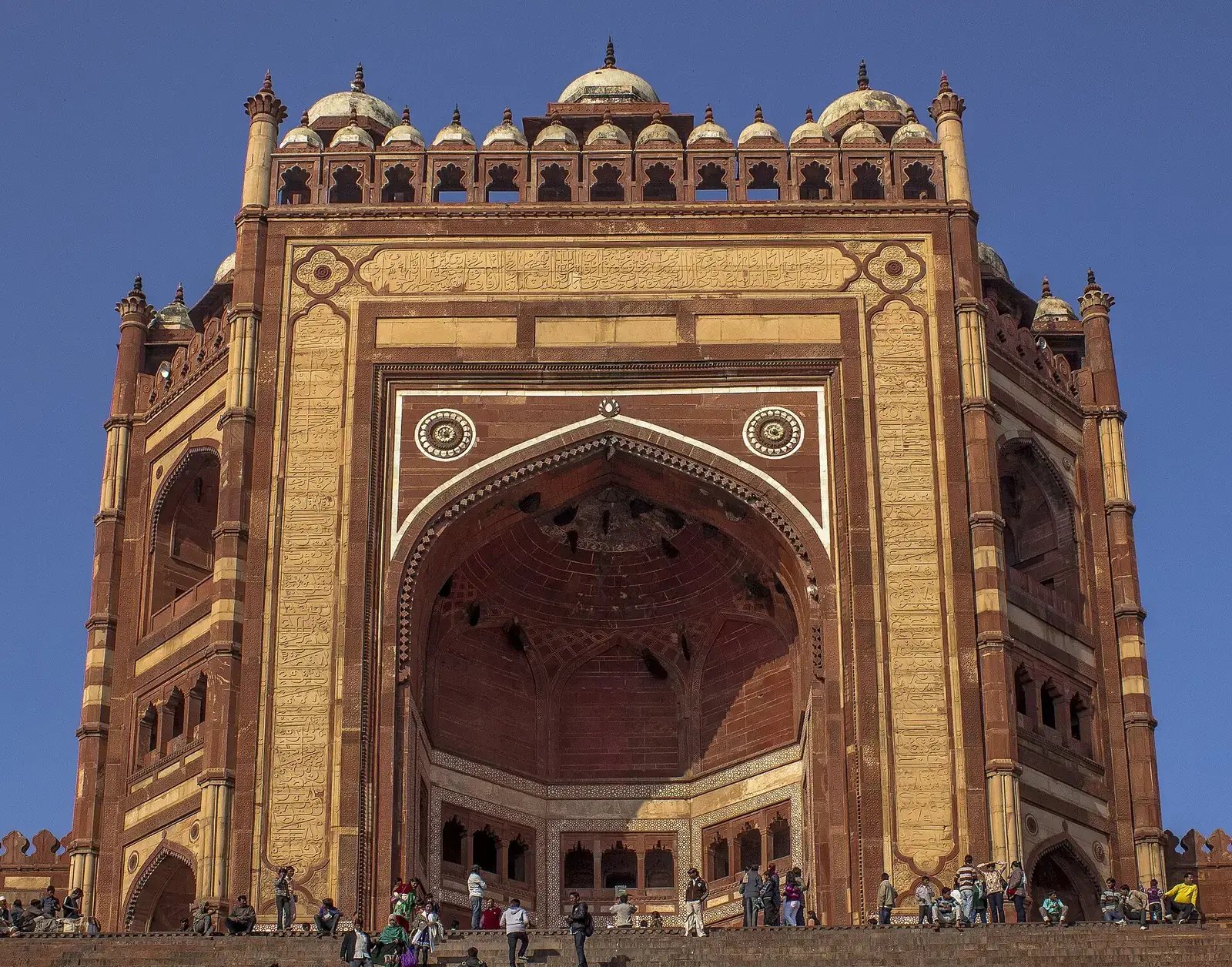
It has four UNESCO cultural sites: the Taj Mahal and Agra Fort (both 1983), Fatehpur Sikri (1986) and Sarnath, inscribed in 2026. Its crafts, music and food are among the richest in India.
Quick answer
Uttar Pradesh's heritage highlights are the Taj Mahal, Agra Fort and Fatehpur Sikri; Sarnath, inscribed by UNESCO in 2026; Lucknow's imambaras and Residency; the ghats and lanes of Varanasi; Jhansi and the forts of Bundelkhand; and crafts such as chikankari, Banarasi silk and Agra's marble inlay. October to March is the best time.
Key takeaways
- Uttar Pradesh has four UNESCO cultural sites, including Sarnath since 2026.
- Agra's monuments pair well with Delhi and Jaipur.
- Lucknow is known for Nawabi architecture, food and chikankari.
- Varanasi is a living sacred city as well as a heritage one.
- October to March is the most comfortable season.
UNESCO World Heritage Sites
| Site | Year |
|---|---|
| Taj Mahal | 1983 |
| Agra Fort | 1983 |
| Fatehpur Sikri | 1986 |
| Sarnath | 2026 |
Agra and Fatehpur Sikri
Mughal Agra
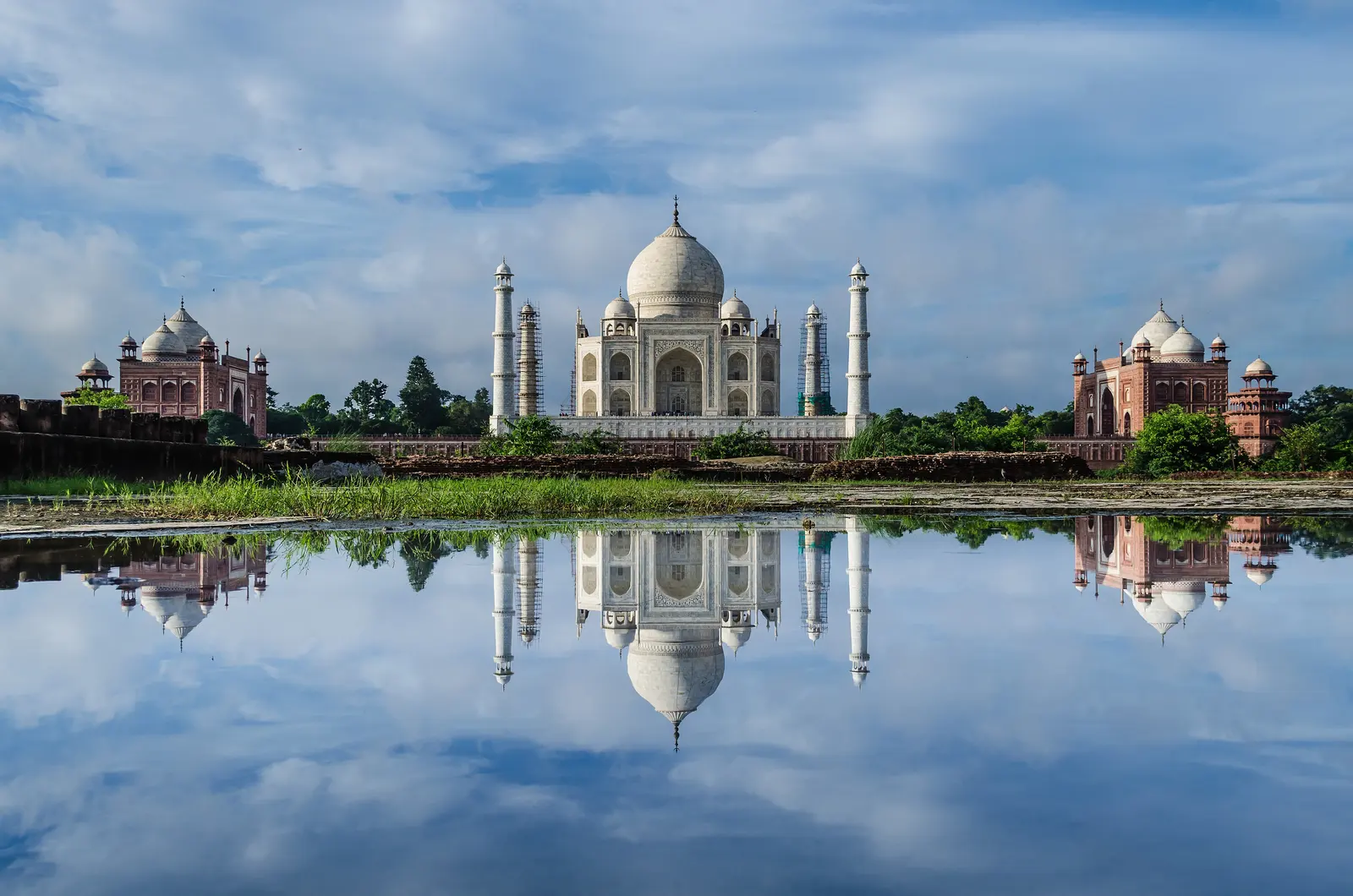
The Taj Mahal, Agra Fort, Itmad-ud-Daulah, Mehtab Bagh and Akbar's tomb at Sikandra, with Fatehpur Sikri an hour away.
Lucknow
Nawabi Lucknow
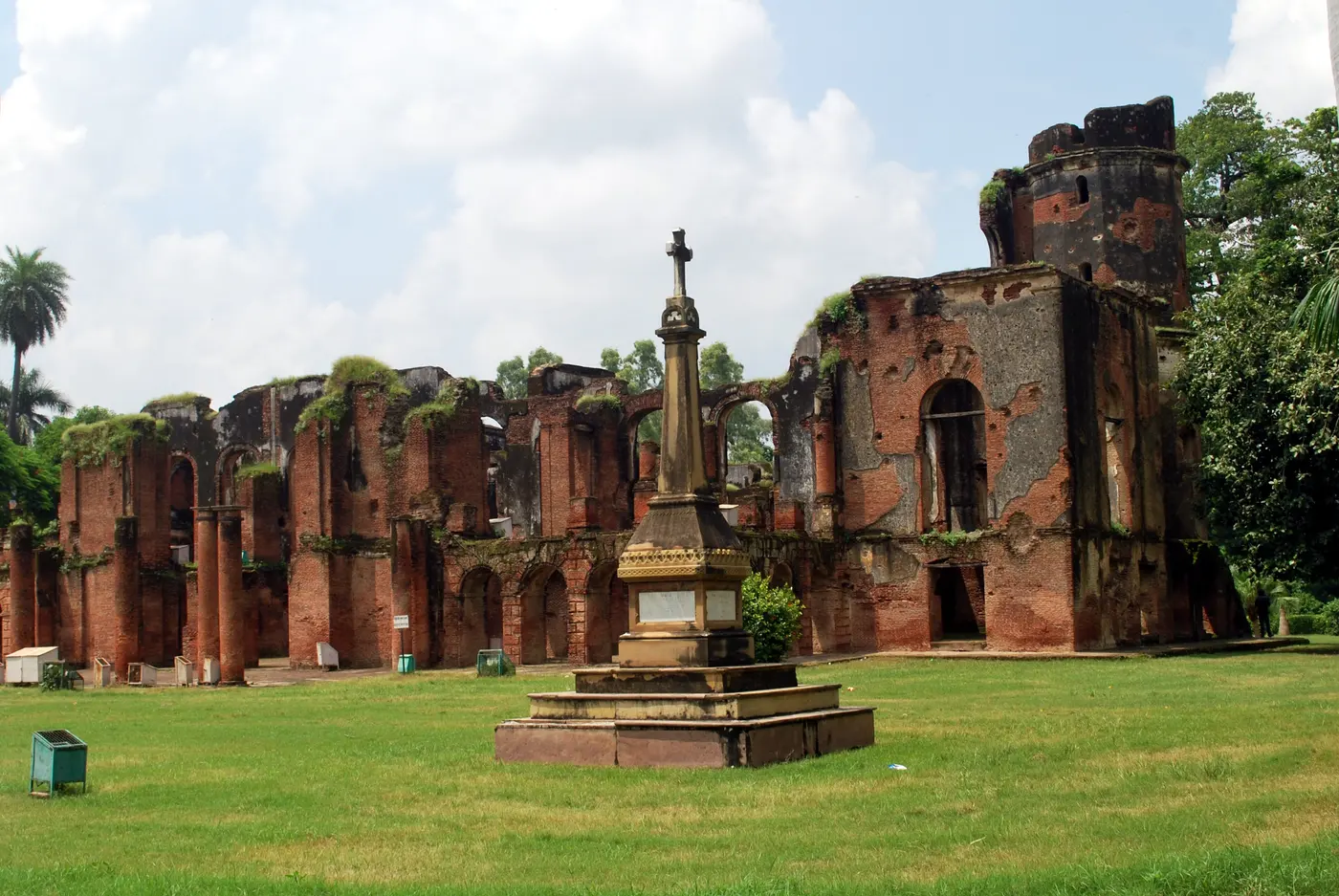
The Bara Imambara with its maze (bhool bhulaiya), the Chota Imambara, the Rumi Darwaza, and the ruins of the Residency, besieged in 1857.
Varanasi and Sarnath
Varanasi
Ghats, temples and lanes along the Ganga, with weaving workshops in the old quarters.
Sarnath
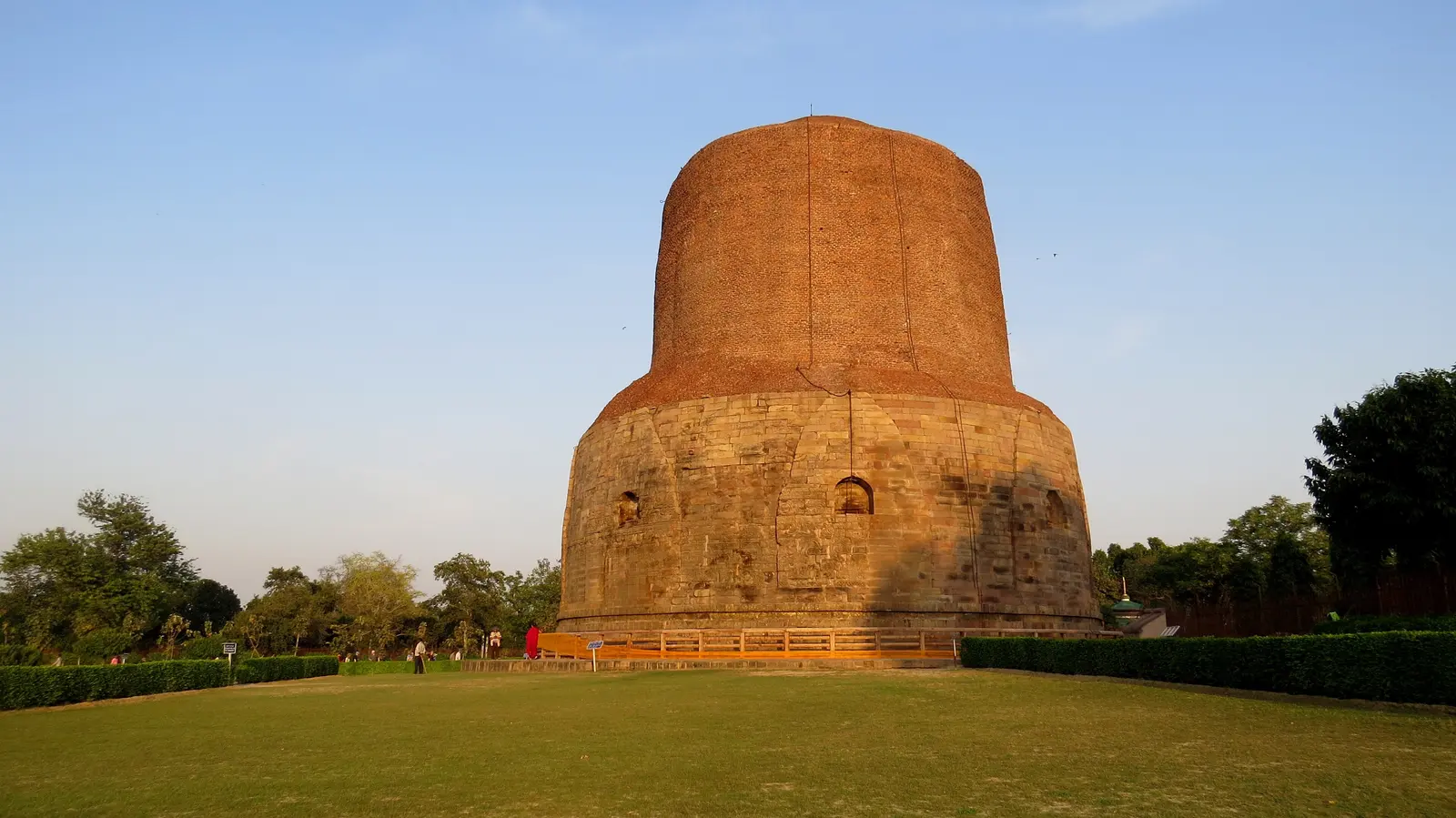
Where, in Buddhist tradition, the Buddha gave his first sermon; the Dhamek Stupa, monastery ruins and the museum with the Lion Capital.
A short history
The Ganga plain was home to the kingdoms of Kosala and Kashi at the time of the Buddha, and later to Mauryan, Gupta and Harsha's empires. Delhi Sultanate and Mughal rule followed; Akbar, Jahangir and Shah Jahan all ruled from Agra at times. In the 18th century the Nawabs of Awadh made Lucknow a centre of architecture, poetry, music and cuisine. The uprising of 1857 was fought fiercely at Lucknow, Kanpur and Jhansi, where Rani Lakshmibai became a symbol of resistance.
Beyond the big three
- Jhansi fort, and the Bundelkhand forts of Kalinjar and Chunar.
- Kushinagar, where the Buddha is believed to have attained parinirvana.
- Mathura's Government Museum, with fine early sculpture.
- Prayagraj's Allahabad Fort (partly military) and Anand Bhavan.
Crafts and culture
- Chikankari embroidery in Lucknow.
- Banarasi silk and brocade in Varanasi.
- Marble inlay (pietra dura) in Agra.
- Brassware in Moradabad and pottery in Khurja.
- Kathak, with the Lucknow and Banaras gharanas, and Hindustani music.
Where to stay
In Agra, stay near the Taj's east or south gates to walk in at sunrise. Lucknow's hotels are spread out; Hazratganj is central. In Varanasi, a guesthouse or heritage hotel on or near the ghats puts you close to the river at dawn, though access is often on foot through narrow lanes.
Lesser-known heritage
- Chunar fort on the Ganga, near Varanasi.
- Kalinjar, a hill fort in Bundelkhand with a long history of sieges.
- The Mughal sarai and gardens at Sikandra and Ram Bagh in Agra.
- Deogarh's Gupta-period Dashavatara temple near Lalitpur.
Getting around
Agra, Lucknow and Varanasi all have airports and are linked by fast trains and expressways. Agra is also an easy add-on from Delhi. For Fatehpur Sikri, Sikandra and the Bundelkhand forts, hire a car for the day.
When to go
- October to March: the best season; December and January can be foggy, which delays trains and flights.
- April to June: very hot.
- Diwali and Dev Deepawali in Varanasi (October or November) are spectacular but crowded.
Safety
- Timings, weekly closures and tickets change; check the ASI, state tourism or the site before you go.
- Living temples, mosques and shrines set their own rules on dress, entry and photography; follow what is posted.
- Winter fog can delay trains and flights; build in slack.
What to pack
- Comfortable walking shoes
- Scarf or shawl for places of worship
- Hat, sunscreen and water
- Photo ID for tickets
Want to explore India's heritage on a route built around you?
FAQs
What are the UNESCO sites in Uttar Pradesh?
The Taj Mahal, Agra Fort, Fatehpur Sikri and Sarnath.
When was Sarnath inscribed by UNESCO?
In 2026, as India's 45th World Heritage Site.
What is Lucknow known for?
Nawabi architecture such as the imambaras, its cuisine and chikankari embroidery.
How many days do I need?
Two days in Agra, two or three in Lucknow and three in Varanasi make a good trip.
When is the best time to visit?
October to March.
Can I combine Agra, Lucknow and Varanasi?
Yes, by train; Agra to Lucknow and Lucknow to Varanasi are each a few hours on fast trains or expressways.