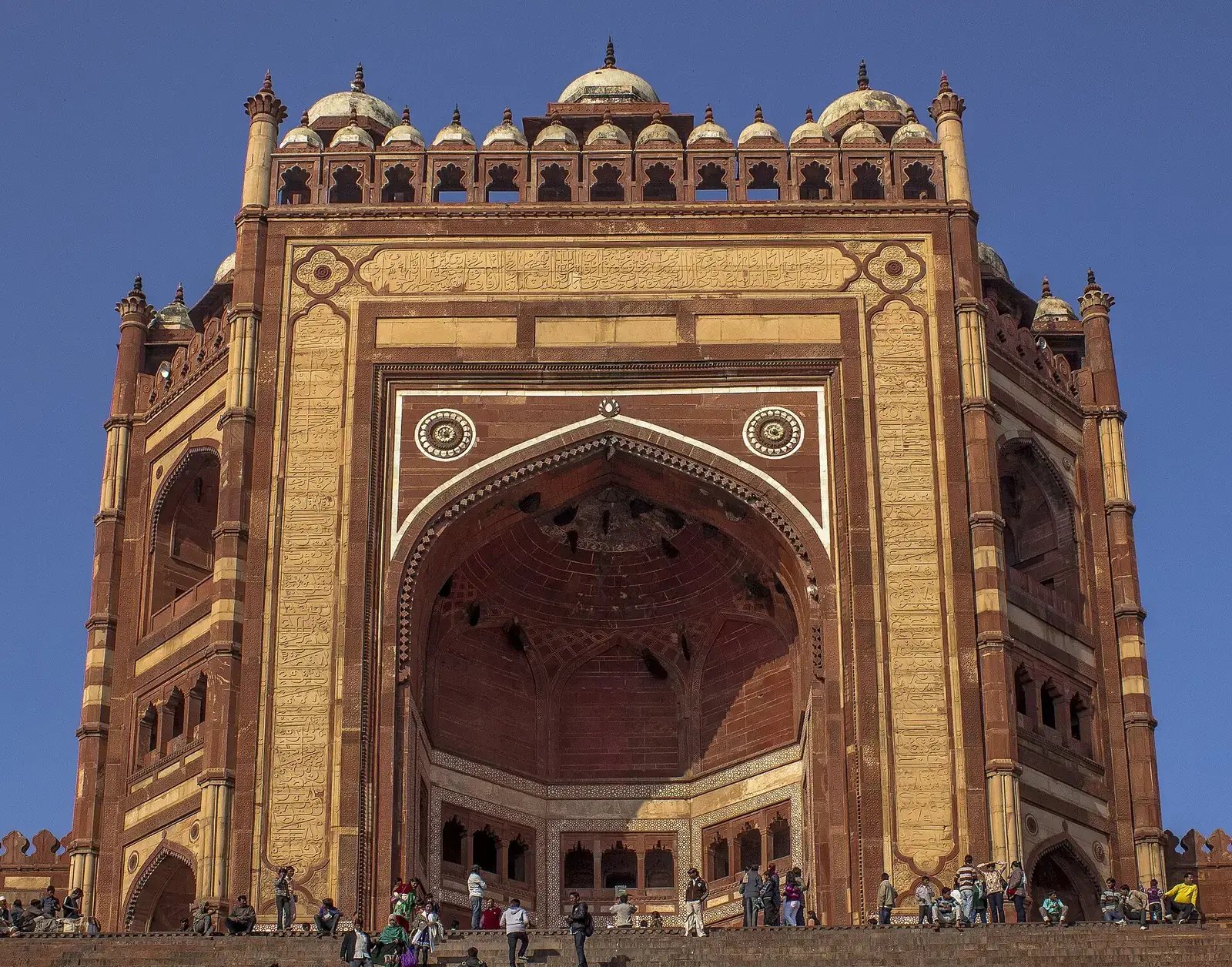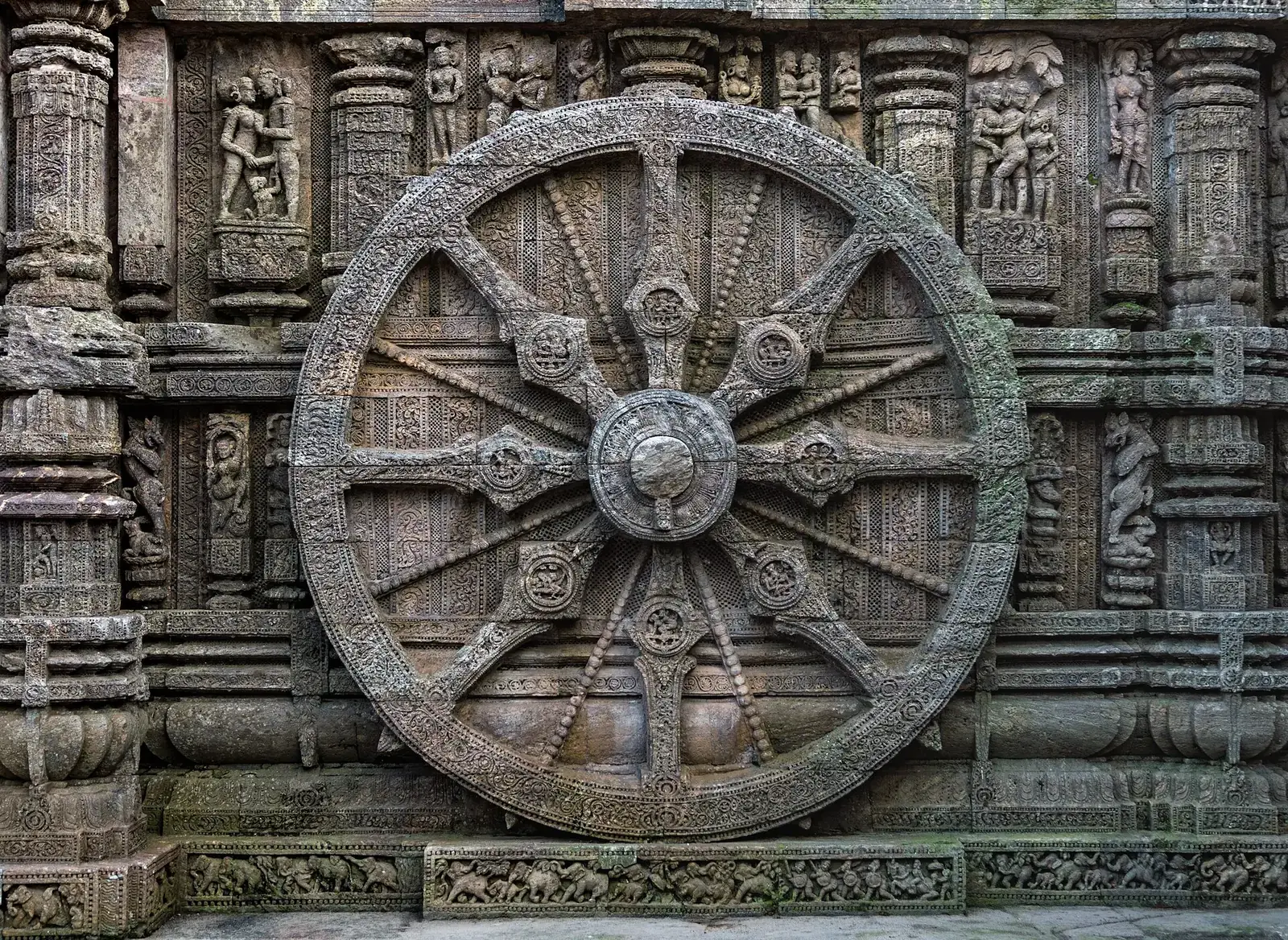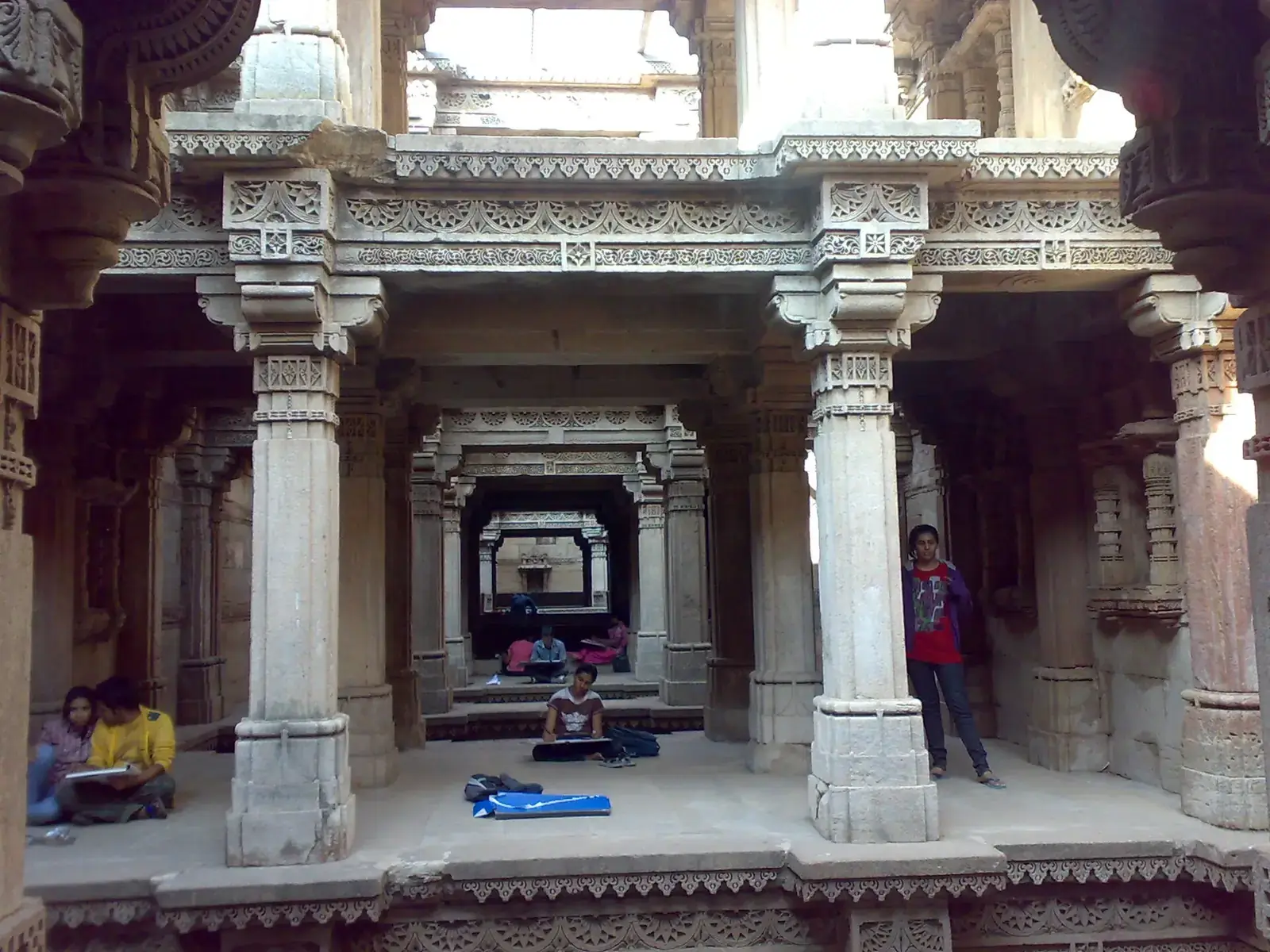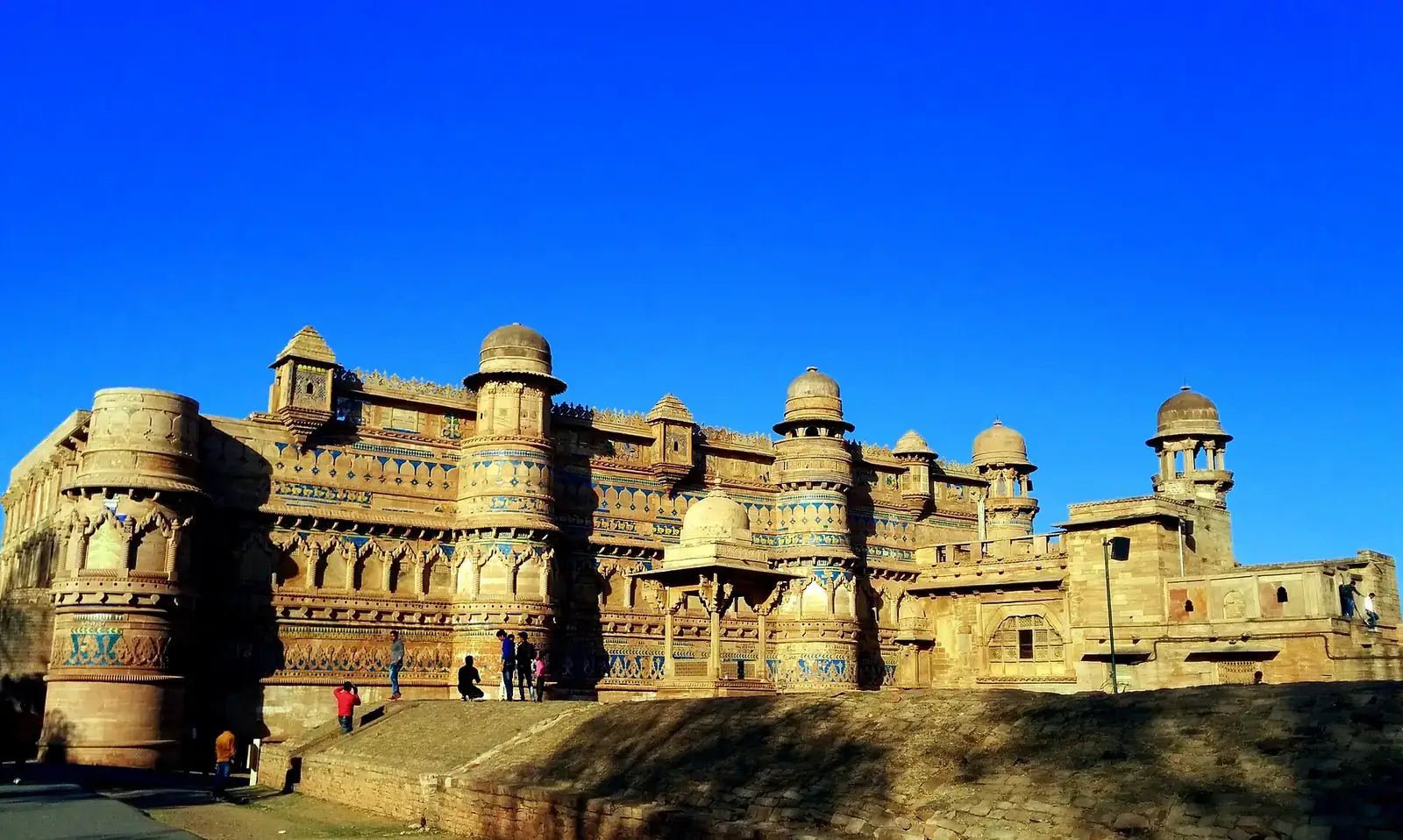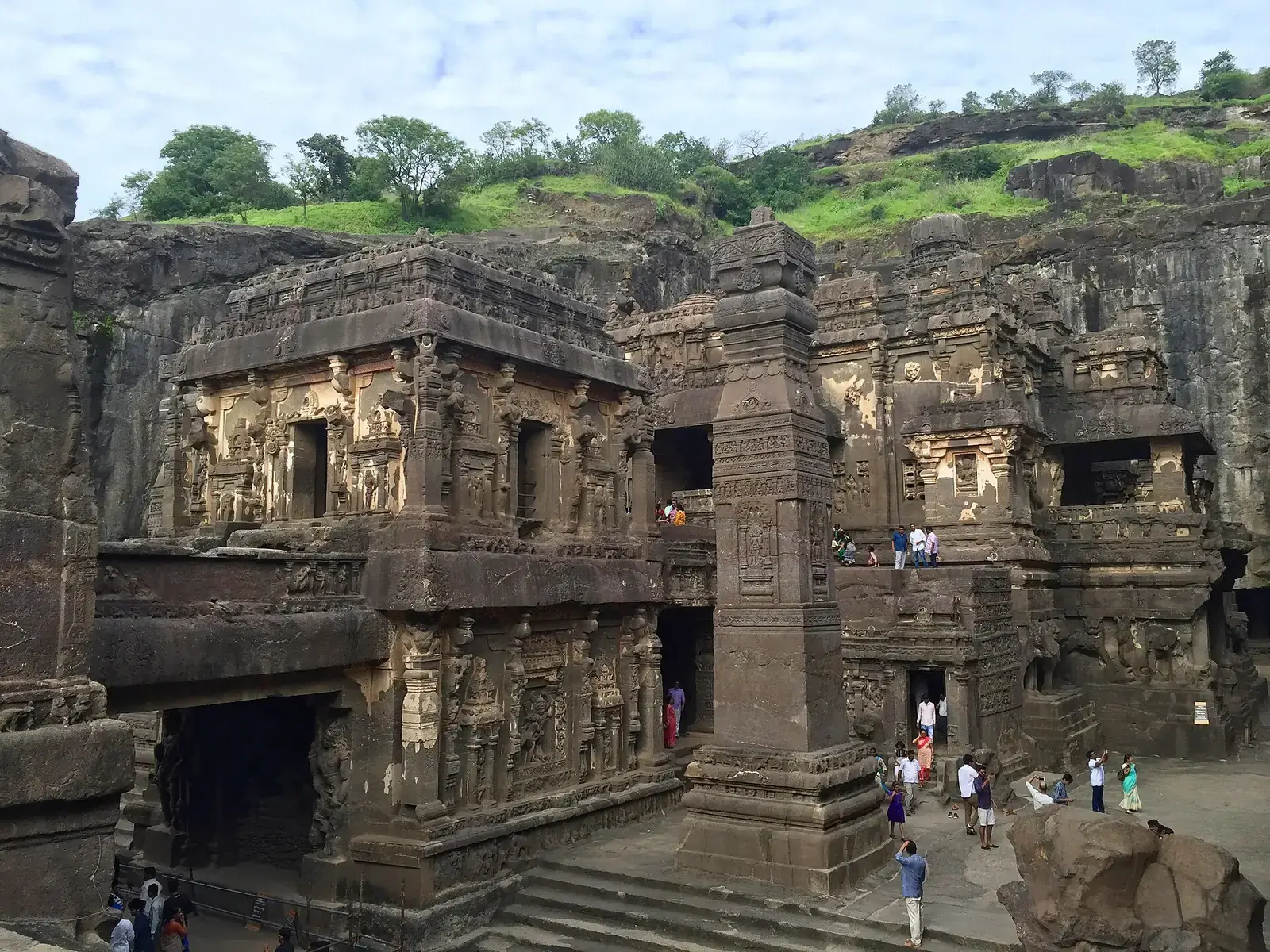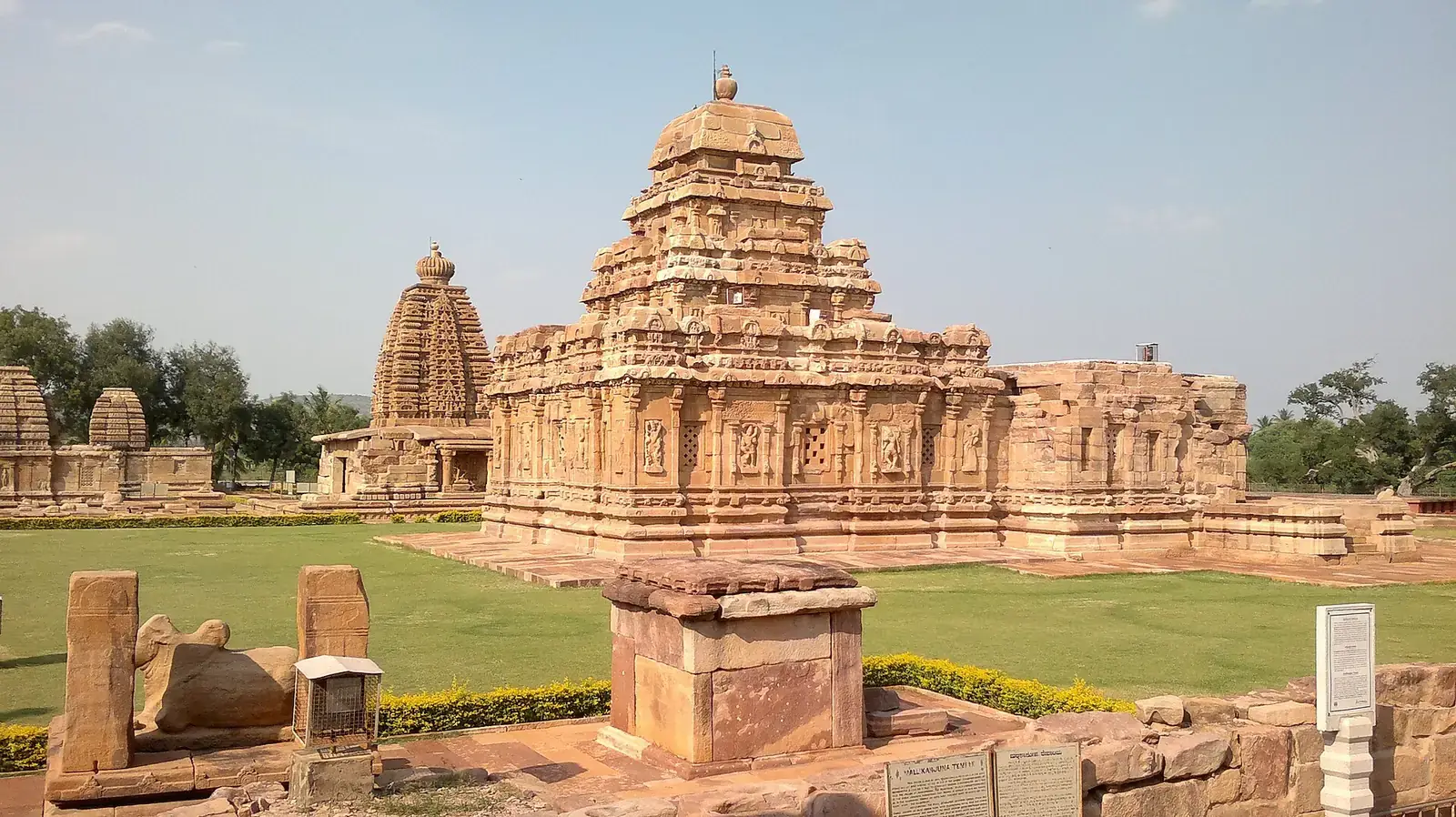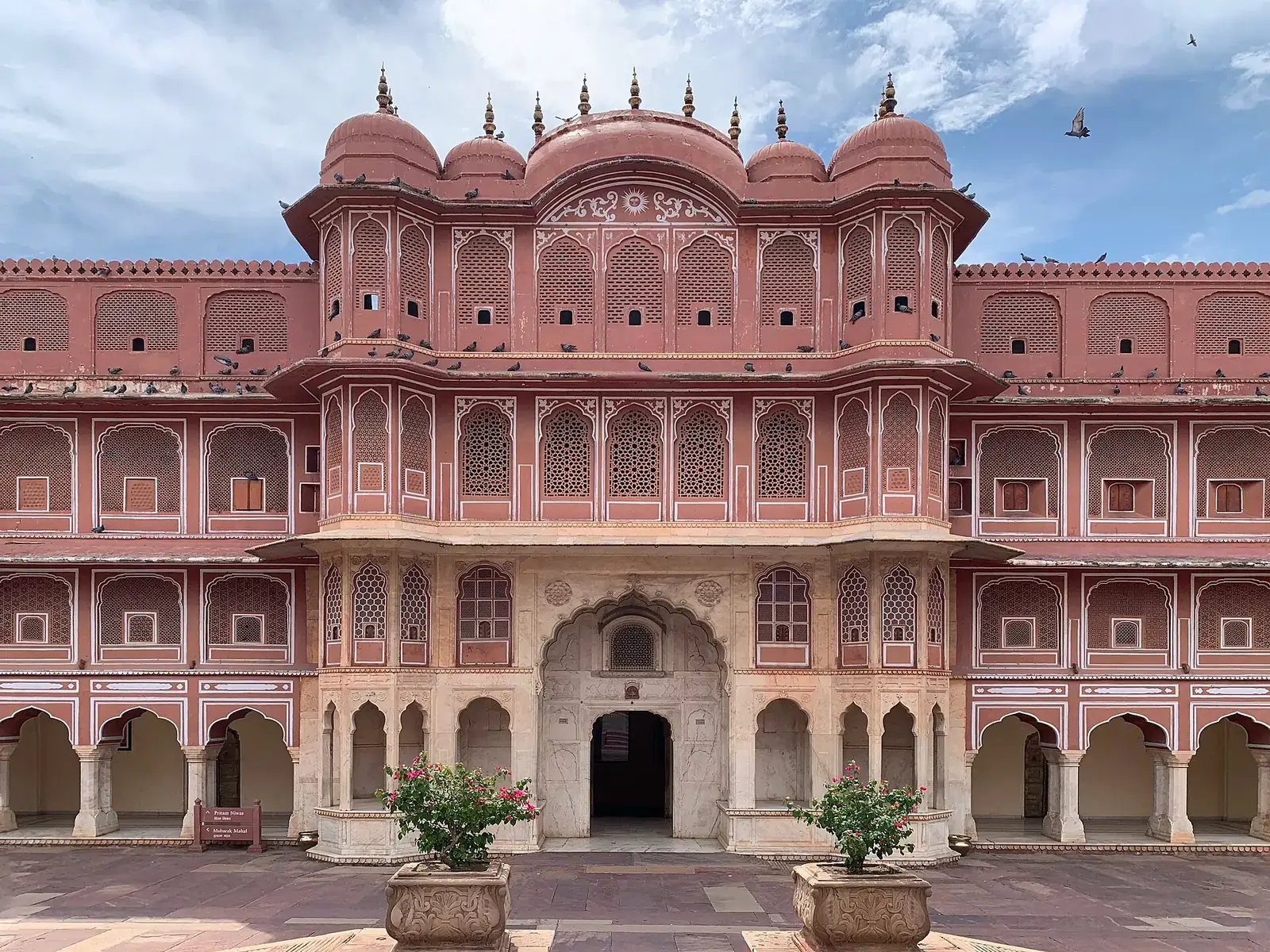
Rajasthan's heritage was shaped by Rajput kingdoms such as Mewar, Marwar, Amber and Bikaner, by their alliances and wars with the Delhi Sultanate and the Mughals, and by the trade routes that crossed the Thar. The result is a state full of forts, palaces, temples, stepwells and merchants' havelis.
Rajasthan has four UNESCO World Heritage Sites: the Hill Forts of Rajasthan, the Jantar Mantar in Jaipur, the Jaipur City, and Keoladeo National Park (a natural site). Its folk music, crafts and festivals are as much a part of its heritage as its monuments.
Quick answer
Rajasthan's heritage highlights are its forts (Amber, Chittorgarh, Kumbhalgarh, Mehrangarh, Jaisalmer), palace cities (Jaipur, Udaipur, Jodhpur, Bikaner), the painted havelis of Shekhawati, stepwells like Chand Baori at Abhaneri, the Jain temples of Ranakpur and Dilwara, and a living culture of crafts, folk music and festivals. Travel between October and March, ideally on a 10 to 14 day road trip.
Key takeaways
- Rajasthan has four UNESCO sites, including the six Hill Forts and Jaipur's walled city.
- Jaipur, Udaipur, Jodhpur and Jaisalmer are the classic heritage cities.
- Shekhawati's painted havelis and Bundi's murals are quieter highlights.
- Folk music, crafts and festivals are a big part of the experience.
- October to March is the season; a car and driver is the easiest way to travel.
UNESCO World Heritage Sites
| Site | Year | Notes |
|---|---|---|
| Jantar Mantar, Jaipur | 2010 | 18th-century astronomical instruments |
| Hill Forts of Rajasthan | 2013 | Amber, Chittorgarh, Kumbhalgarh, Ranthambore, Gagron, Jaisalmer |
| Jaipur City | 2019 | The planned walled city |
| Keoladeo National Park | 1985 | Natural site; wetland birds |
Palace and fort cities
Jaipur, Udaipur, Jodhpur and Jaisalmer
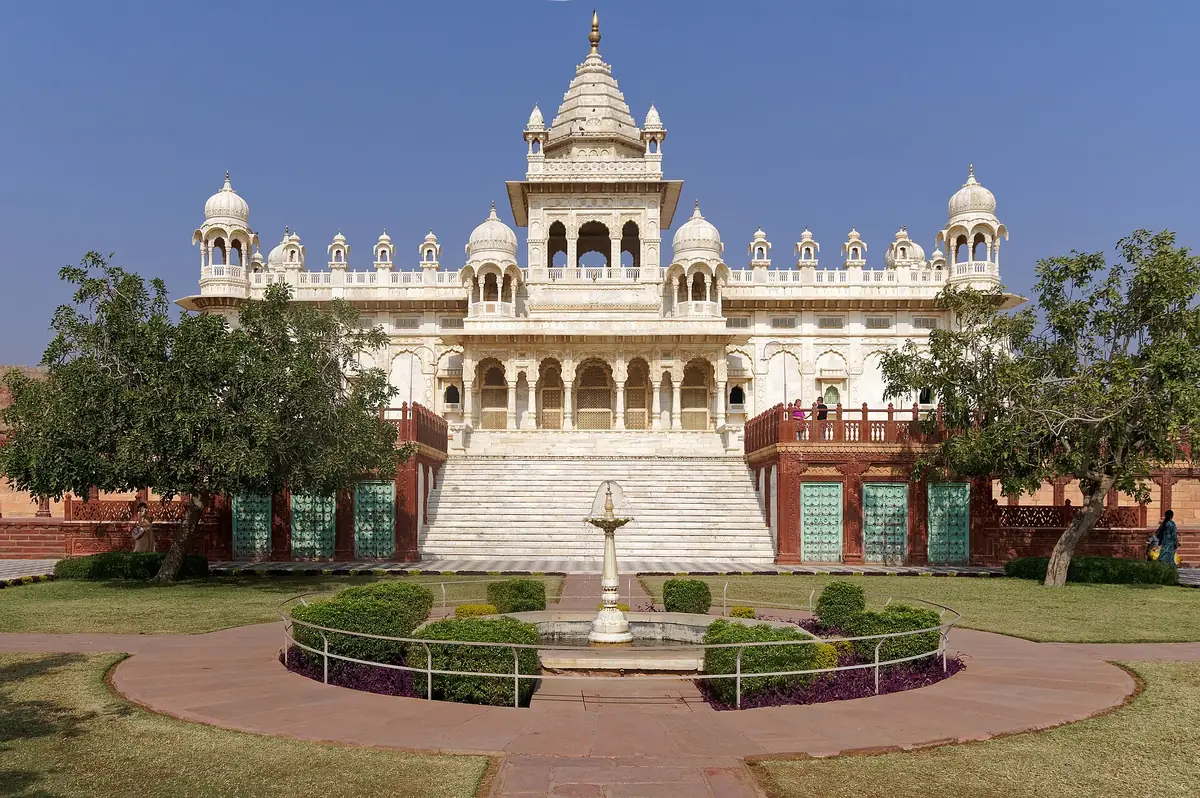
The pink city's bazaars and palaces, the lake city, the blue city below Mehrangarh, and the golden living fort.
Things to do in Jaipur · Things to do in Udaipur · Mehrangarh Fort · Things to do in Jaisalmer
Bikaner and Bundi
Junagarh's decorated palaces, and Bundi's murals and stepwells.
Havelis, stepwells and temples
- Shekhawati: towns such as Mandawa, Nawalgarh and Fatehpur with painted havelis built by merchant families in the 19th and early 20th centuries.
- Chand Baori at Abhaneri, one of India's deepest stepwells, and Panna Meena ka Kund near Amber.
- Ranakpur's 15th-century Jain temple, and the marble Dilwara temples at Mount Abu.
- Jaisalmer's Patwon ki Haveli and Nathmal ki Haveli.
Living culture
- Crafts: block printing at Sanganer and Bagru, blue pottery, Kota doria, bandhej tie-dye and miniature painting.
- Music: the Manganiyar and Langa musicians of western Rajasthan, and the Kalbelia dance (UNESCO intangible heritage).
- Festivals: the Pushkar Fair, Gangaur and Teej, the Desert Festival in Jaisalmer, and the Rajasthan International Folk Festival at Mehrangarh.
Planning a route
A 10 to 14 day loop through Jaipur, Ranthambore, Bundi, Chittorgarh, Udaipur, Jodhpur and Jaisalmer covers the highlights. With a week, choose Jaipur, Udaipur and Jodhpur. Add Shekhawati between Delhi and Bikaner, or Pushkar between Jaipur and Jodhpur.
A short history
Rajput clans established kingdoms across the region from around the 7th century, including the Guhilas (later Sisodias) of Mewar, the Rathores of Marwar and the Kachhwahas of Amber. They fought and allied with the Delhi Sultanate and then the Mughals, and many Rajput rulers served as Mughal generals. Under British paramountcy the princely states kept their rulers, and in 1949 they were merged to form the state of Rajasthan. The forts and palaces you visit today were shaped by all of these phases.
Getting around
Jaipur, Udaipur, Jodhpur and Jaisalmer have airports, and trains link the main cities. For forts, stepwells and small towns, a car and driver is by far the easiest option. Distances are long, so plan no more than one long drive every two or three days.
When to go
- October to March: the main season; December and January nights are cold in the desert.
- April to June: very hot; visit forts at dawn only.
- July to September: the monsoon; Udaipur's lakes fill and the Aravallis turn green.
Safety
- Timings, weekly closures and tickets change; check the ASI, state tourism or the site before you go.
- Living temples, mosques and shrines set their own rules on dress, entry and photography; follow what is posted.
What to pack
- Comfortable walking shoes
- Scarf or shawl for places of worship
- Hat, sunscreen and water
- Photo ID for tickets
Want to explore India's heritage on a route built around you?
FAQs
What are the UNESCO sites in Rajasthan?
The Hill Forts of Rajasthan, the Jantar Mantar, the Jaipur City and Keoladeo National Park.
Which is the best heritage city in Rajasthan?
Jaipur for variety, Udaipur for palaces and lakes, Jodhpur for Mehrangarh, and Jaisalmer for its living fort.
What is Shekhawati known for?
Painted havelis built by merchant families, in towns such as Mandawa and Nawalgarh.
How many days do I need for Rajasthan?
Ten to fourteen days for a full heritage trip; a week for the main cities.
When is the best time to visit Rajasthan?
October to March.