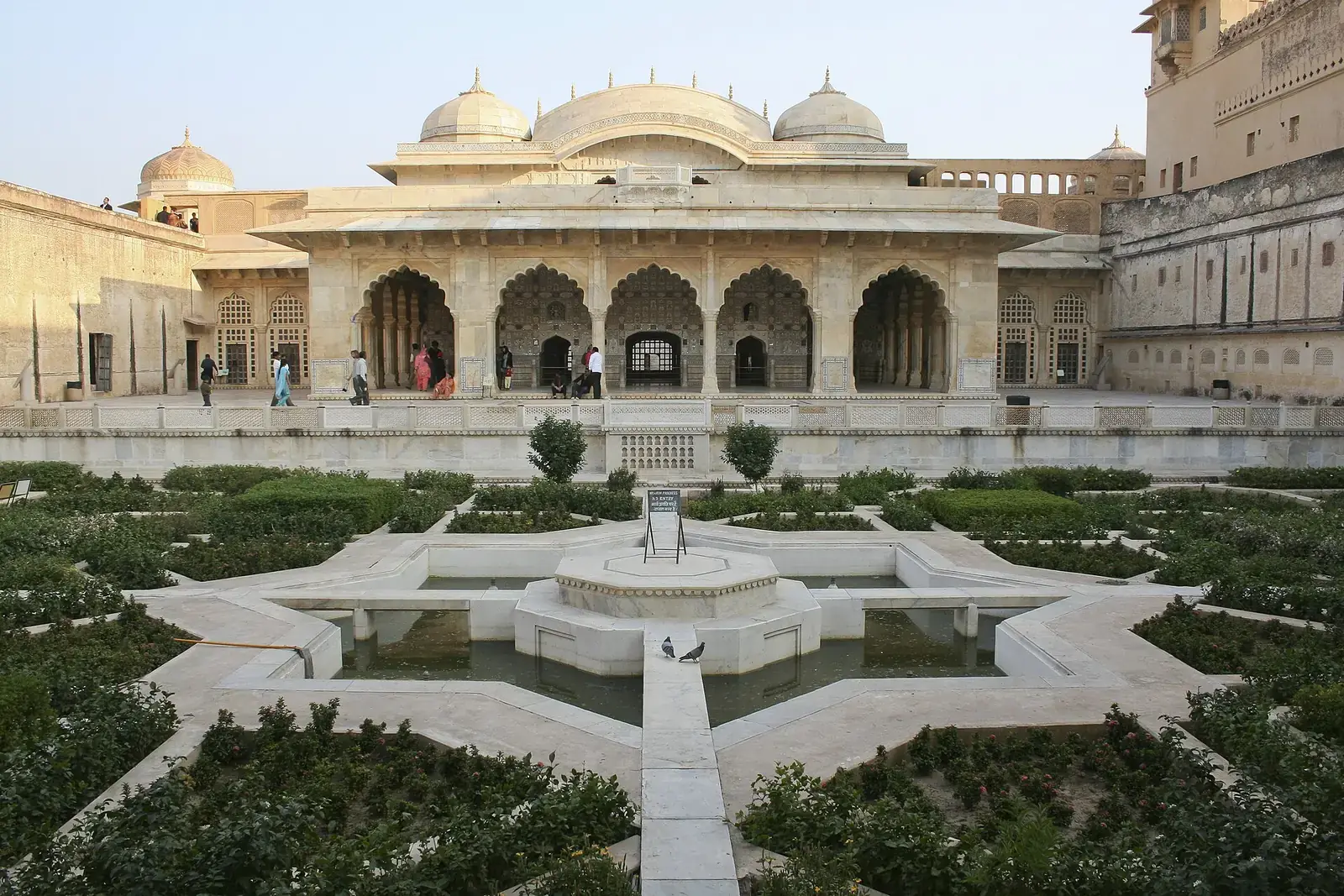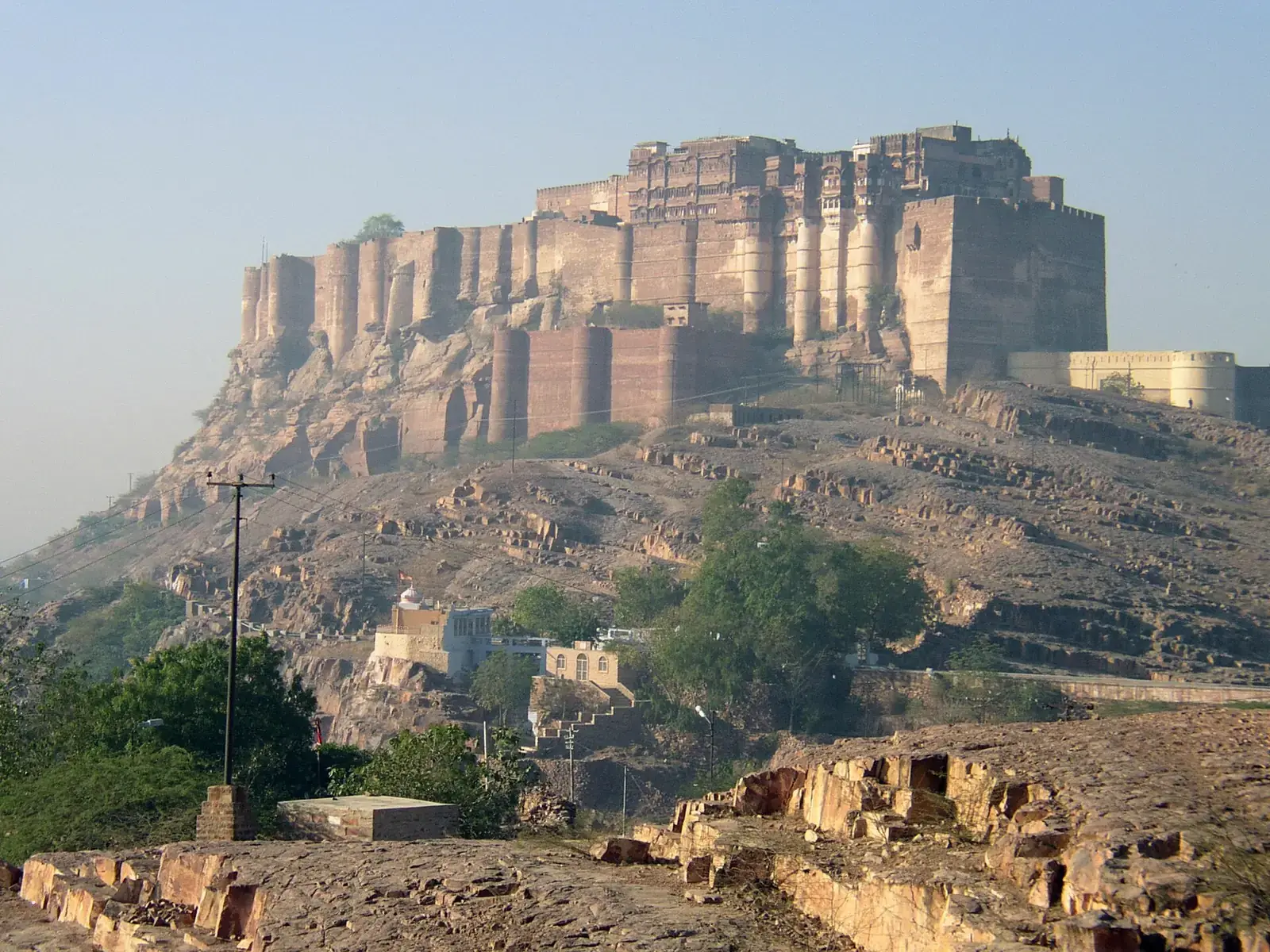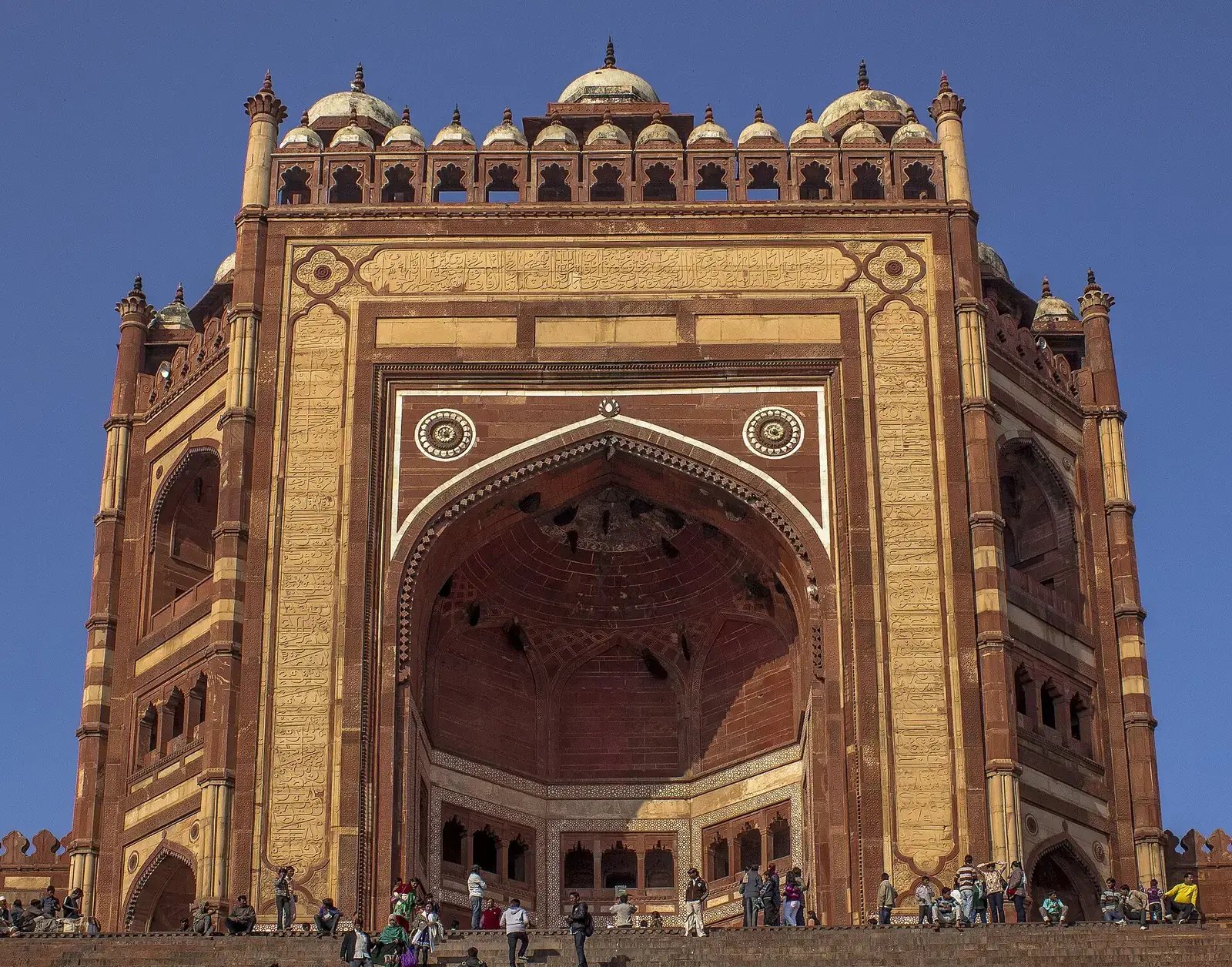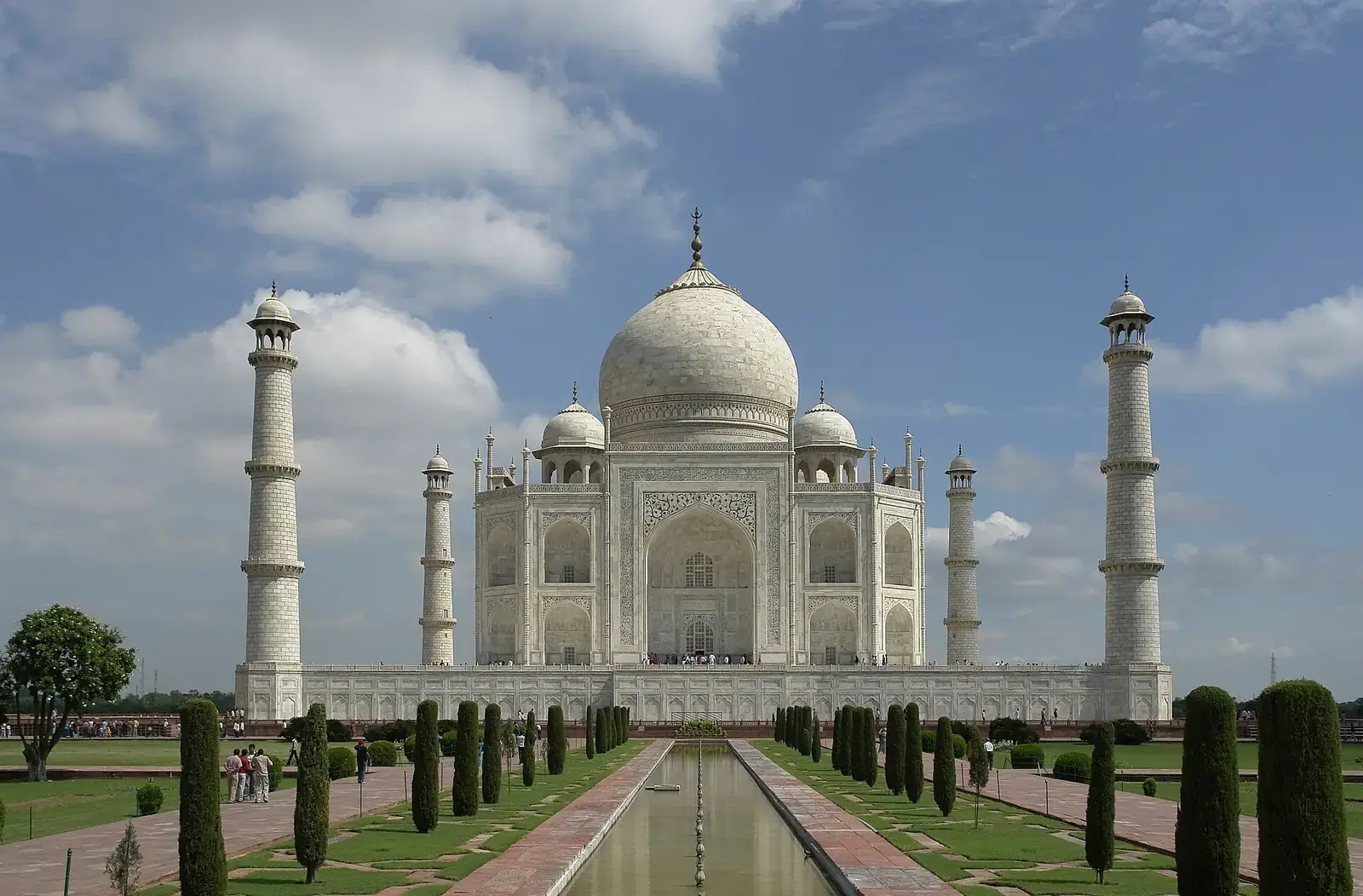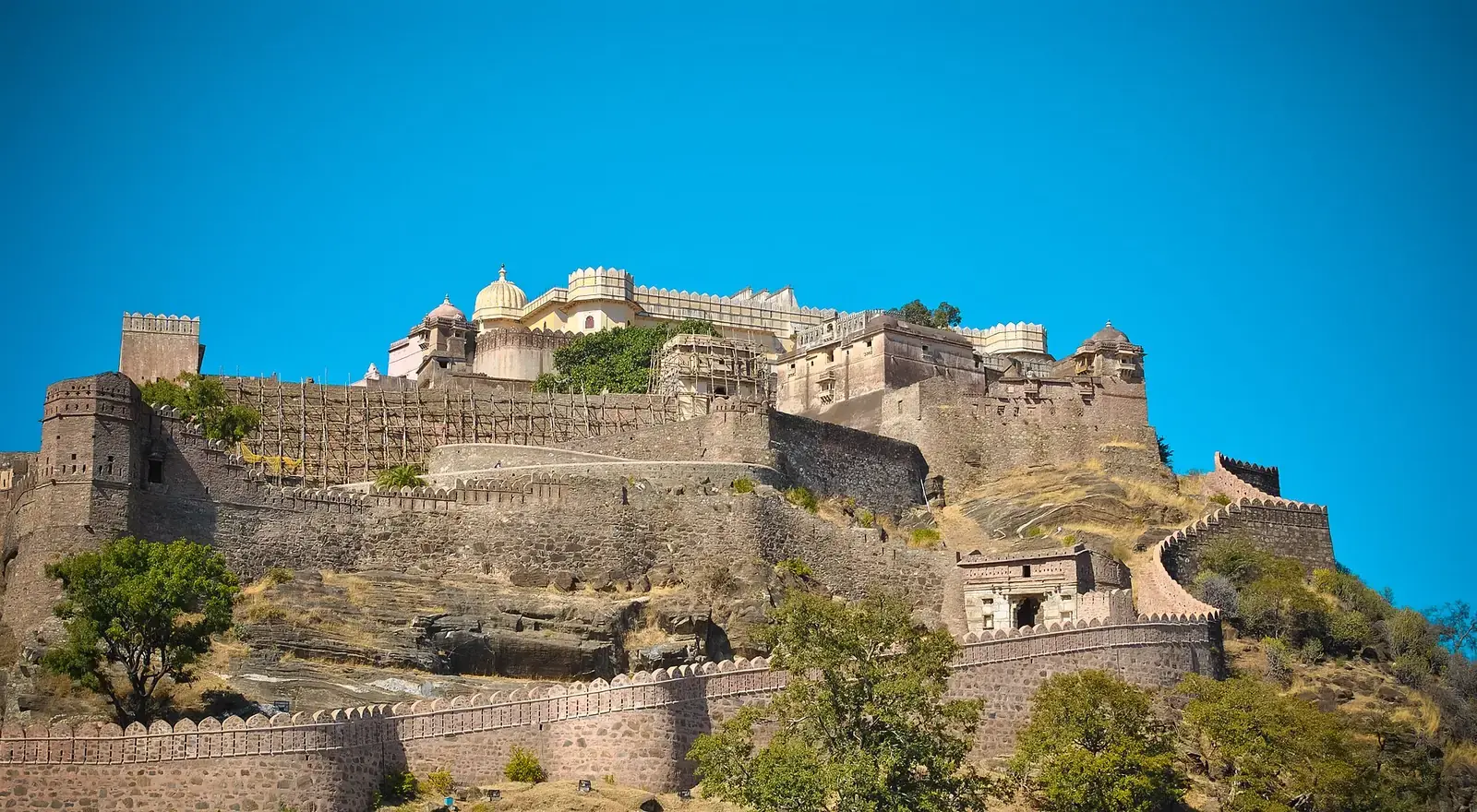
Rajasthan's forts were built and rebuilt by Rajput dynasties over many centuries, adapting to hills, deserts, rivers and forests. Six of them, chosen to show that range, were inscribed by UNESCO in 2013 as the Hill Forts of Rajasthan: Amber, Chittorgarh, Kumbhalgarh, Ranthambore, Gagron and Jaisalmer.
Many others are just as rewarding: Mehrangarh in Jodhpur, Junagarh in Bikaner, Taragarh above Bundi, and Jaipur's Nahargarh and Jaigarh. Several have museums, audio guides and evening shows.
Quick answer
The forts of Rajasthan include the six UNESCO Hill Forts of Rajasthan (Amber near Jaipur, Chittorgarh, Kumbhalgarh, Ranthambore, Gagron near Jhalawar and Jaisalmer, a living fort) and other great forts such as Mehrangarh in Jodhpur, Junagarh in Bikaner and Taragarh in Bundi. A 10 to 14 day road trip can take in most of them. October to March is the best time.
Key takeaways
- The six UNESCO hill forts were inscribed together in 2013.
- Jaisalmer is a living fort, with homes, shops and hotels inside.
- Kumbhalgarh's walls run for about 36 km across the Aravallis.
- Ranthambore fort stands inside the tiger reserve.
- Mehrangarh and Junagarh are not UNESCO-listed but have excellent museums.
The six UNESCO hill forts
| Fort | Near | Known for |
|---|---|---|
| Amber | Jaipur | Palace-fort with the Sheesh Mahal |
| Chittorgarh | Chittorgarh | Towers of victory and fame; long history of sieges |
| Kumbhalgarh | Udaipur | Walls of about 36 km; birthplace of Maharana Pratap |
| Ranthambore | Sawai Madhopur | Fort within the tiger reserve |
| Gagron | Jhalawar | Water fort at a river confluence |
| Jaisalmer | Jaisalmer | Living golden sandstone fort |
Highlights
Chittorgarh
A vast hill fort with the Vijay Stambh and Kirti Stambh towers, palaces and temples, and a history of sieges remembered in local tradition.
Kumbhalgarh
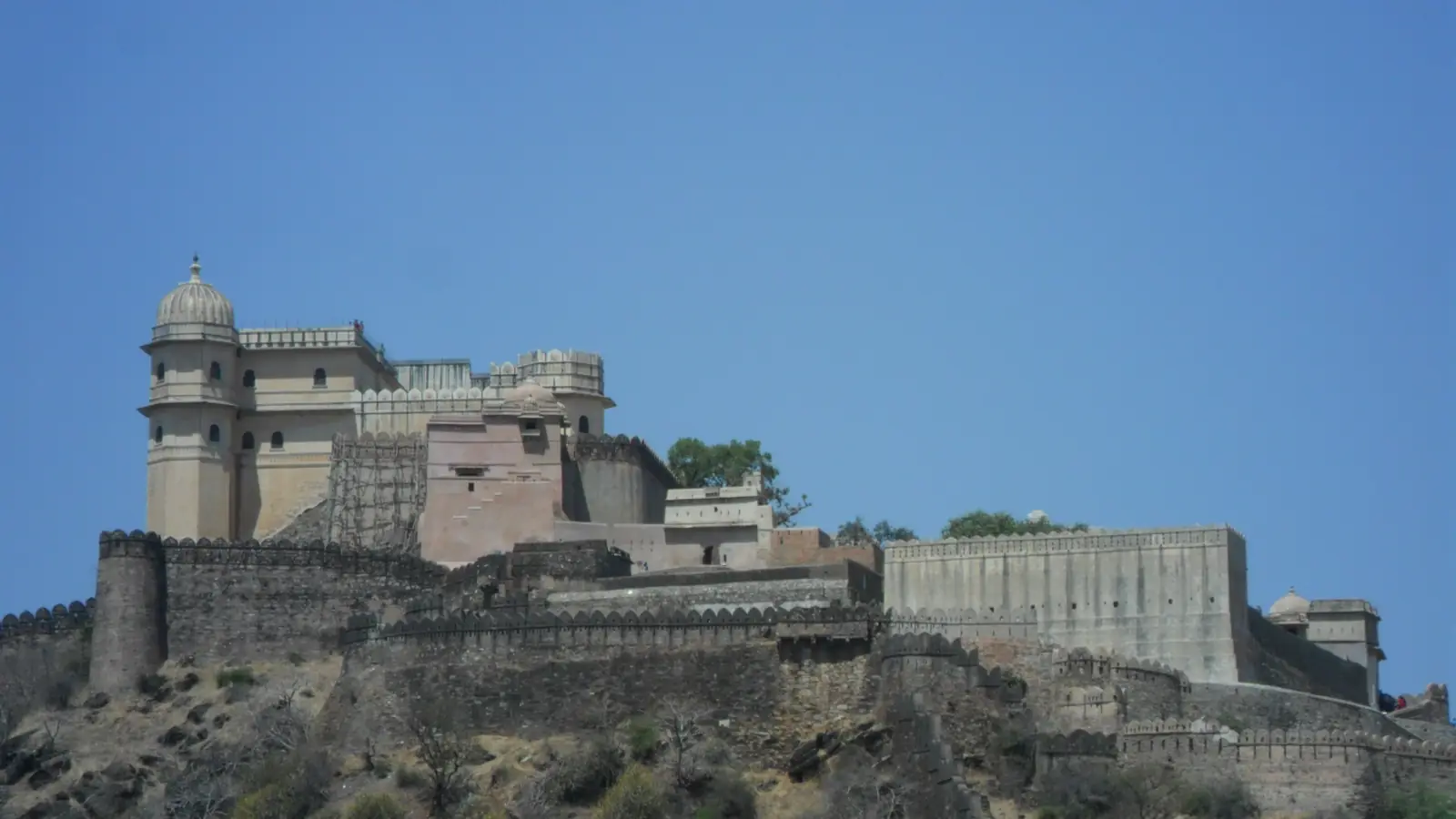
Built under Rana Kumbha in the 15th century, with a long wall walk and views over the Aravallis.
Jaisalmer
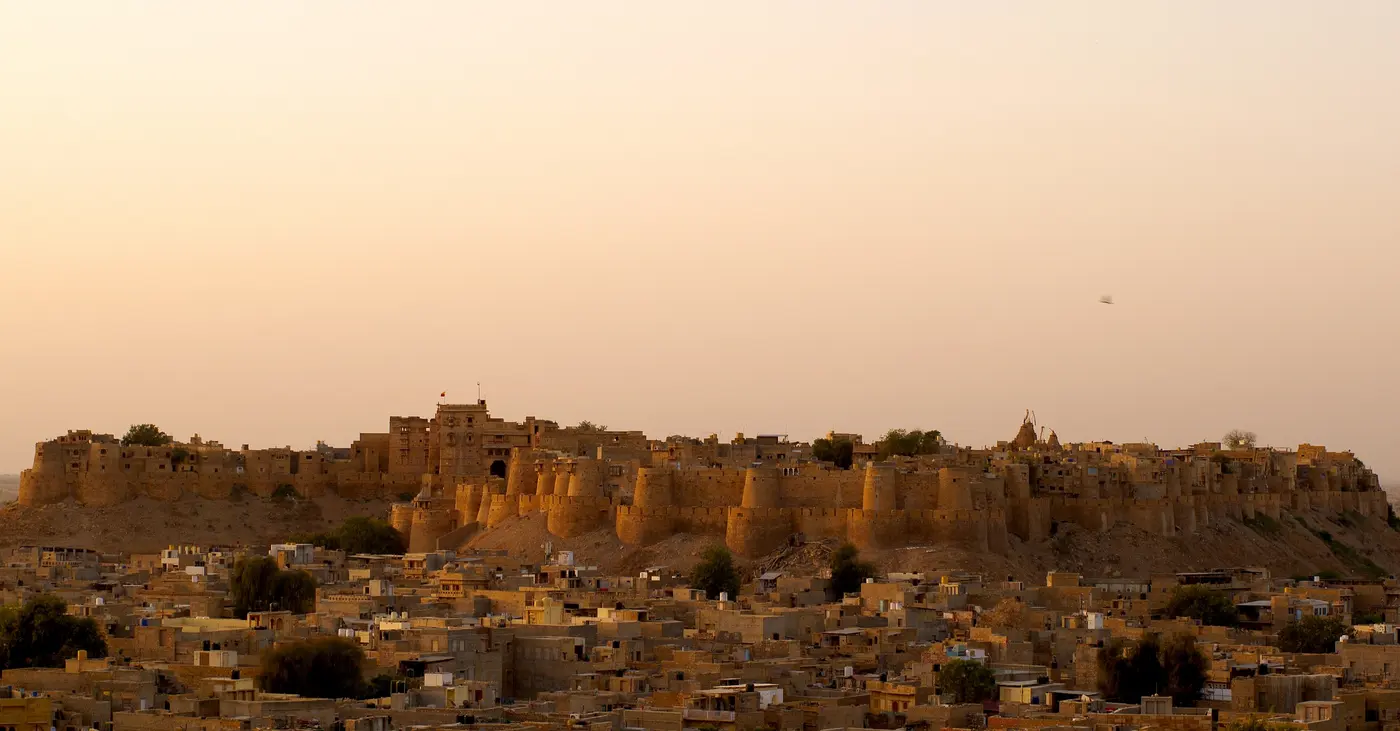
A 12th-century fort in golden sandstone, still lived in, with Jain temples and havelis nearby.
Amber and Mehrangarh
Rajasthan's best-presented palace-forts, near Jaipur and in Jodhpur.
More great forts
- Junagarh, Bikaner: built in the late 16th century on the plain, not a hill, with richly decorated palaces.
- Taragarh and the Garh Palace, Bundi: known for murals.
- Nahargarh and Jaigarh, Jaipur: ridge forts with city views and a giant cannon at Jaigarh.
- Lohagarh, Bharatpur: a mud-walled fort.
- Bhangarh: a ruined town and fort, famous in local legend.
A fort route
| Days | Route |
|---|---|
| 1 to 2 | Jaipur: Amber, Jaigarh, Nahargarh |
| 3 | Ranthambore fort (with a safari if you wish) |
| 4 to 5 | Bundi and Chittorgarh |
| 6 to 7 | Udaipur, with a day at Kumbhalgarh |
| 8 to 9 | Jodhpur: Mehrangarh |
| 10 to 11 | Jaisalmer fort |
See our Rajasthan heritage itinerary for a day-by-day plan.
Why these six were chosen
UNESCO inscribed the six forts as one site because together they show how Rajput military architecture adapted to different landscapes: Chittorgarh and Kumbhalgarh on hilltops, Gagron surrounded by rivers, Ranthambore in forest, Amber above a lake, and Jaisalmer in the desert. Each fort also held palaces, temples, markets and water systems, so they worked as fortified towns rather than garrisons alone.
Tips
- Hire a licensed guide at Chittorgarh; the fort is large and its stories need context.
- Stay a night near Kumbhalgarh to see the walls lit in the evening and walk them early.
- Jaisalmer's fort is lived in; be respectful of homes and consider staying outside the walls to reduce strain on the old drainage.
- Gagron, near Jhalawar, is quiet and rarely visited; combine it with Bundi.
A short history
Most of these forts grew over many centuries. Chittorgarh was the Mewar capital until 1568, when Akbar's siege led the court to move to Udaipur. Kumbhalgarh was built largely under Rana Kumbha in the 15th century. Jaisalmer was founded by Rawal Jaisal in the 12th century on Trikuta hill. Amber became the Kachhwaha stronghold before Jaipur was founded in 1727. The sieges and sacrifices told in bardic ballads are part of local memory; historians treat some details as tradition rather than record.
Safety
- Timings, closures and tickets are set by the ASI, state departments or trusts and change from time to time; check official sources before you go.
- Do not climb on ramparts or carvings, and follow the rules on photography and drones.
- Carry water and a hat; forts are exposed and Indian summers are hot.
- Kumbhalgarh's wall walk is exposed and uneven; take care on the steps.
What to pack
- Walking shoes
- Hat and sunscreen
- Warm layers for desert nights in winter
- Photo ID
Want to explore India's heritage on a route built around you?
FAQs
Which forts of Rajasthan are UNESCO World Heritage Sites?
Amber, Chittorgarh, Kumbhalgarh, Ranthambore, Gagron and Jaisalmer, inscribed together in 2013.
Which is the biggest fort in Rajasthan?
Chittorgarh is among the largest forts in India by area; Kumbhalgarh has the longest walls.
Is Mehrangarh a UNESCO site?
No, but it is one of the best-presented forts in Rajasthan.
What is a living fort?
One where people still live inside; Jaisalmer is the best-known example.
How many days do I need to see Rajasthan's forts?
About 10 to 14 days for a road trip covering most of them.