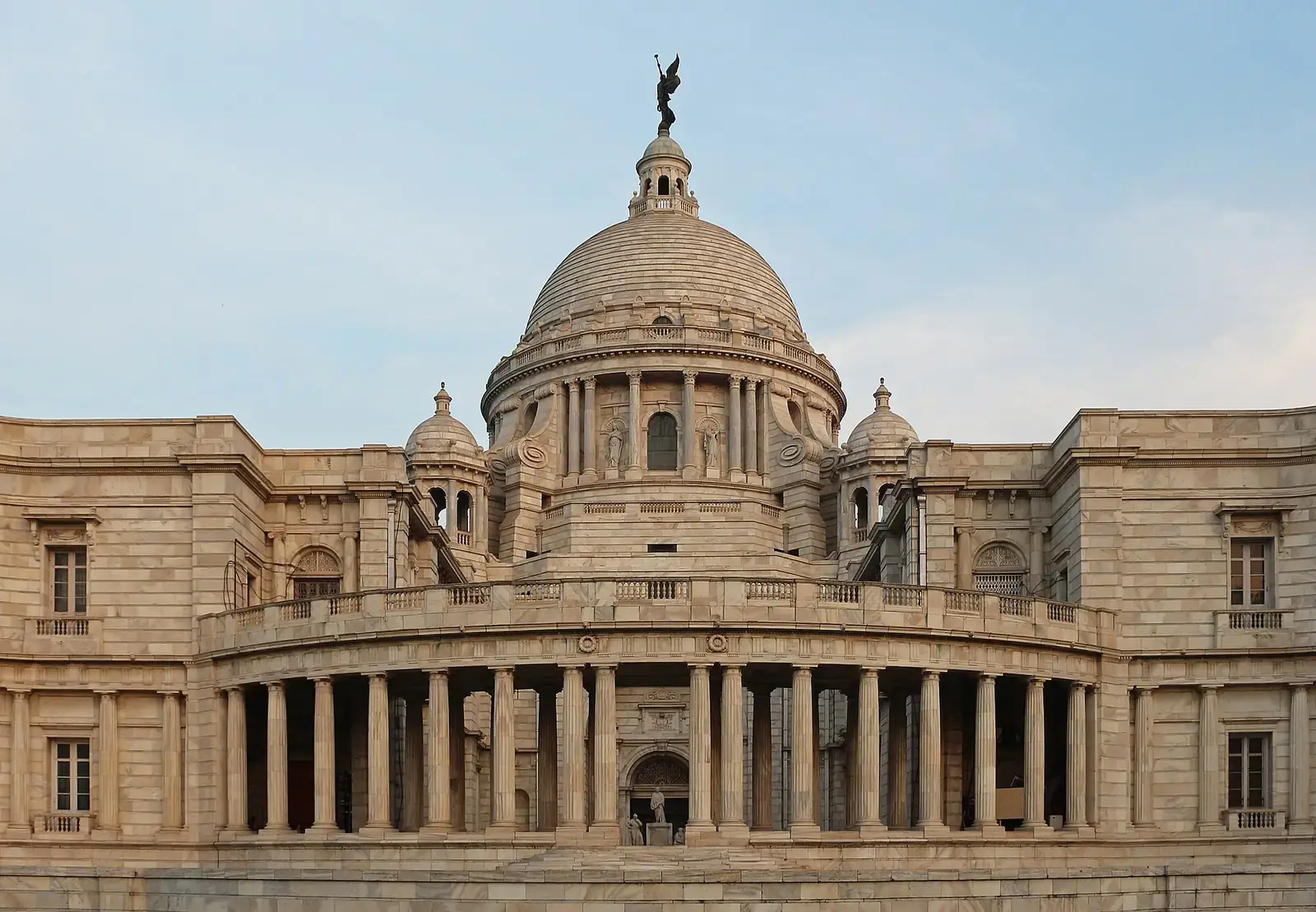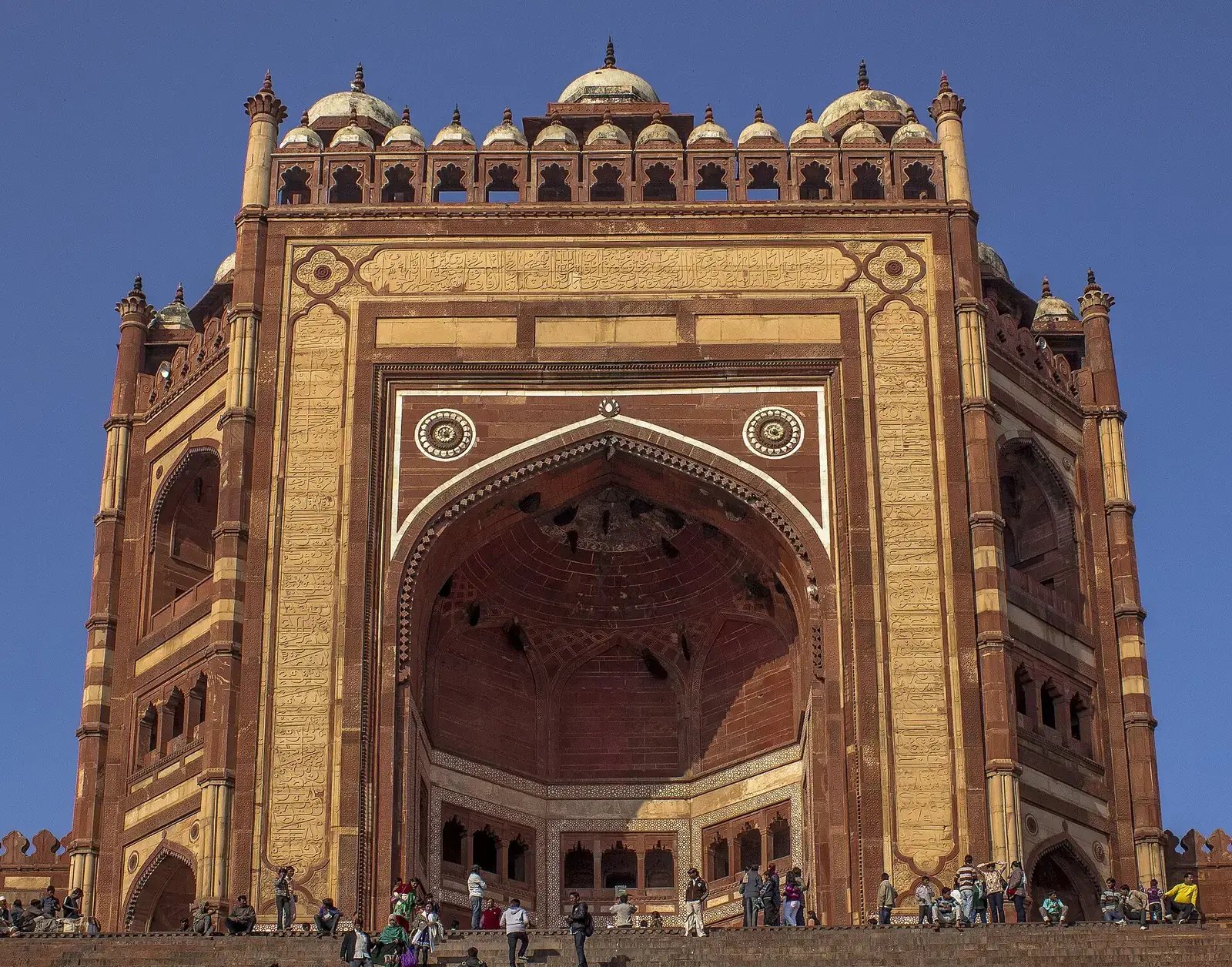
India's historical places span more than four thousand years: Harappan cities in Gujarat, Buddhist stupas and monasteries, rock-cut caves, medieval temple towns, the forts of Rajput, Maratha and Deccan kingdoms, Mughal tombs and palaces, and colonial-era cities.
This guide picks the places most worth planning a trip around, grouped by region, with links to our detailed guides. Where history and tradition differ, the linked pages explain both.
Quick answer
India's best-known historical places include the Taj Mahal, Agra Fort and Fatehpur Sikri; the Red Fort, Qutub Minar and Humayun's Tomb in Delhi; Rajasthan's hill forts and palace cities; Hampi and the Hoysala temples in Karnataka; Khajuraho and Orchha in Madhya Pradesh; the Ajanta, Ellora and Elephanta caves; Konark; and the Chola temples of Tamil Nadu. October to March is the best time to visit most of them.
Key takeaways
- Delhi, Agra and Jaipur (the Golden Triangle) hold the highest concentration of famous monuments.
- Rajasthan, Karnataka, Madhya Pradesh and Gujarat reward longer heritage road trips.
- Many major sites are UNESCO-listed and managed by the ASI.
- Go early in the day; most monuments open around sunrise or mid-morning.
- Pair monuments with living culture: crafts, food and performances.
Historical places by region
| Region | Highlights | Our guides |
|---|---|---|
| Delhi and Agra | Red Fort, Qutub Minar, Humayun's Tomb, Taj Mahal, Agra Fort, Fatehpur Sikri | Delhi, Agra |
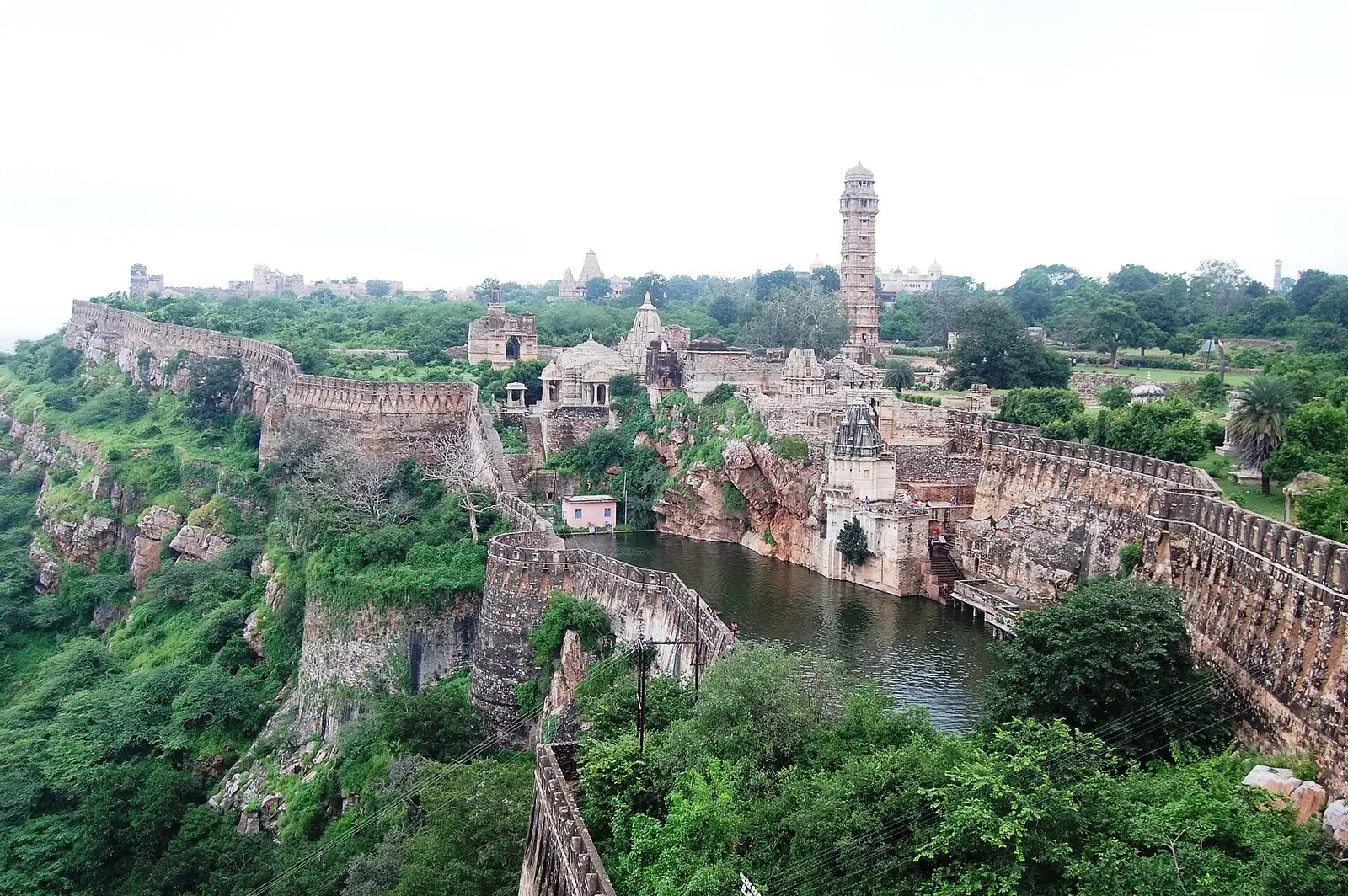
| Rajasthan | Amber, Mehrangarh, Chittorgarh, Kumbhalgarh, Jaisalmer; Jaipur and Udaipur | Rajasthan |
| Gujarat | Rani ki Vav, Dholavira, Lothal, Champaner-Pavagadh, old Ahmedabad | Gujarat |
| Maharashtra | Ajanta, Ellora, Elephanta, Raigad and the Maratha forts, Mumbai's Victorian and Art Deco buildings | Maharashtra |
| Karnataka | Hampi, Badami-Aihole-Pattadakal, Belur and Halebidu, Mysuru, Bijapur | Karnataka |
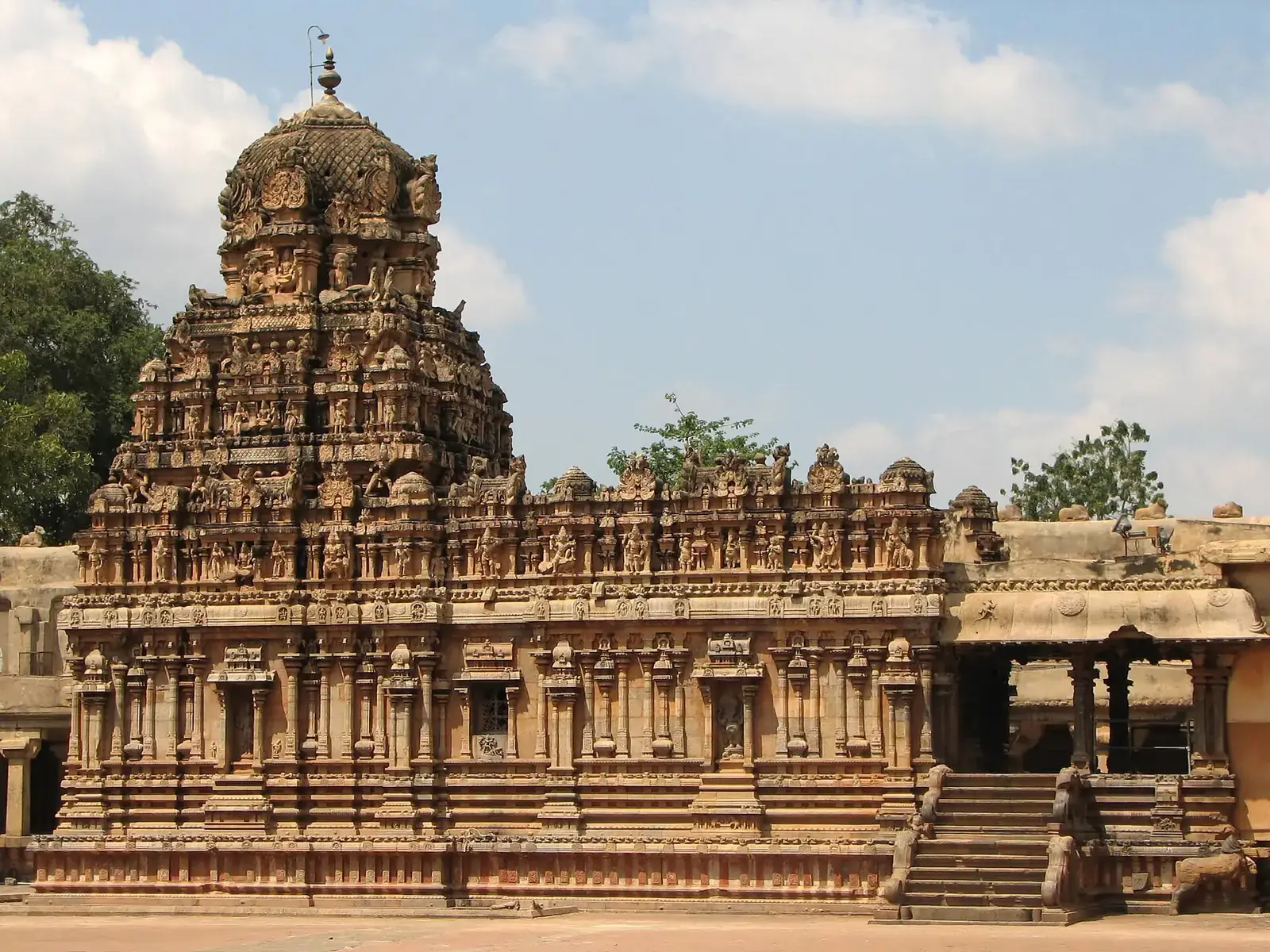
| Tamil Nadu | Mahabalipuram, Thanjavur, Madurai, Chettinad | Tamil Nadu |
| Madhya Pradesh | Khajuraho, Gwalior, Orchha, Sanchi, Mandu, Bhimbetka | Madhya Pradesh |
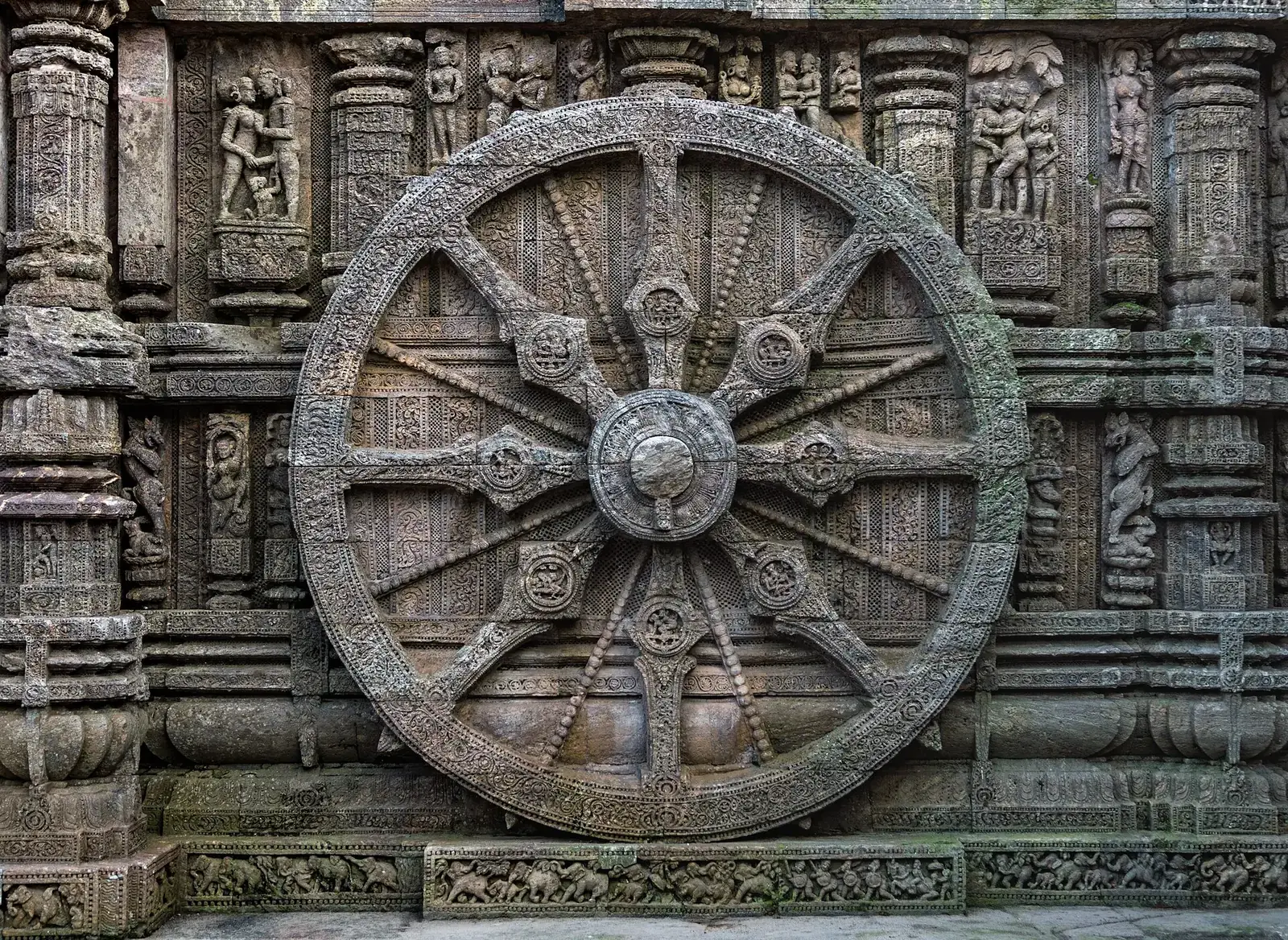
| East India | Konark, Bhubaneswar, Kolkata, Murshidabad, Bishnupur, Nalanda | Odisha, West Bengal |
| The Deccan | Golconda, Hyderabad, Bidar, Warangal | Telangana |
Highlights
Delhi, Agra and Fatehpur Sikri
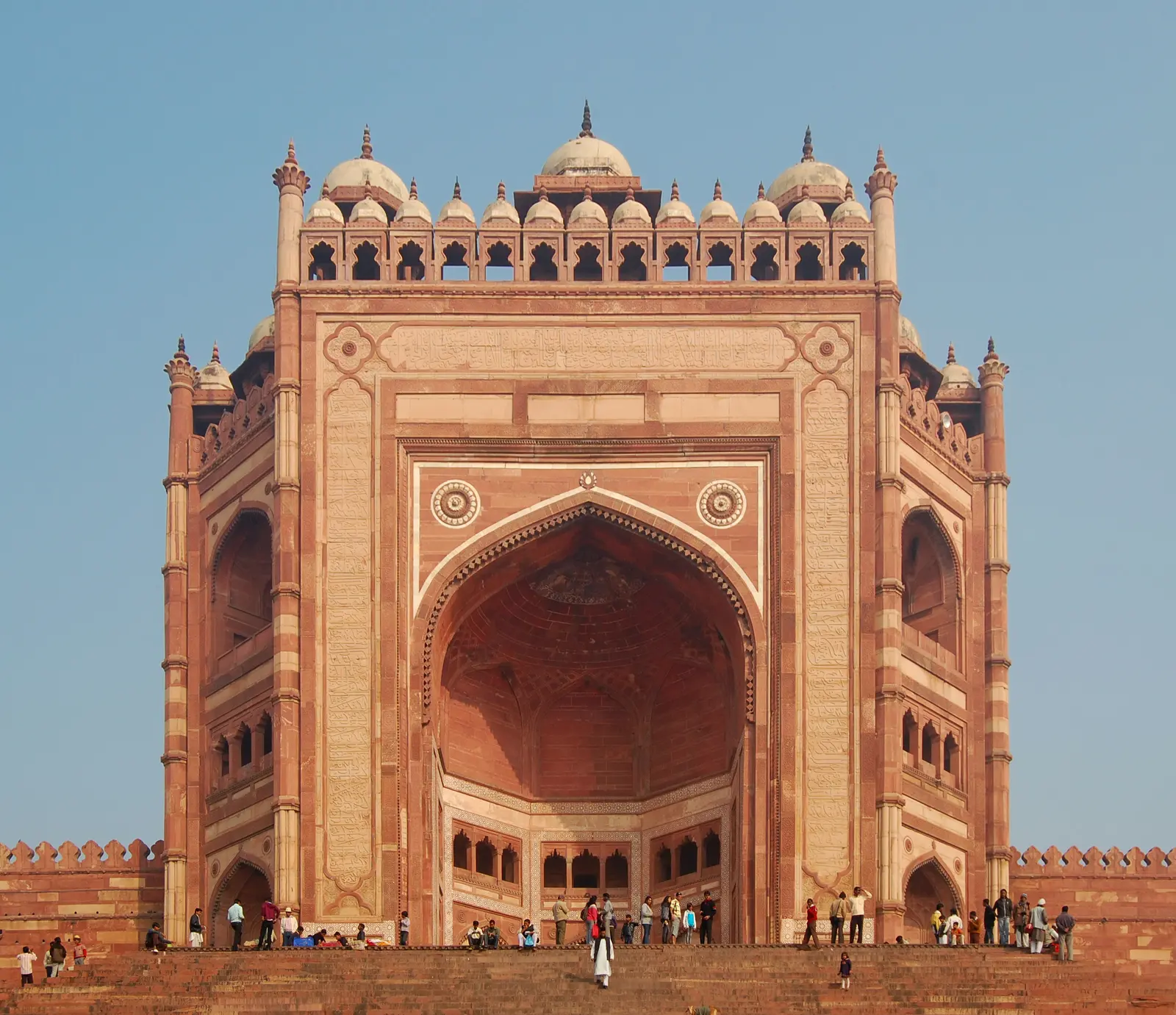
The Mughal capitals, easily combined on the Golden Triangle.
Hampi
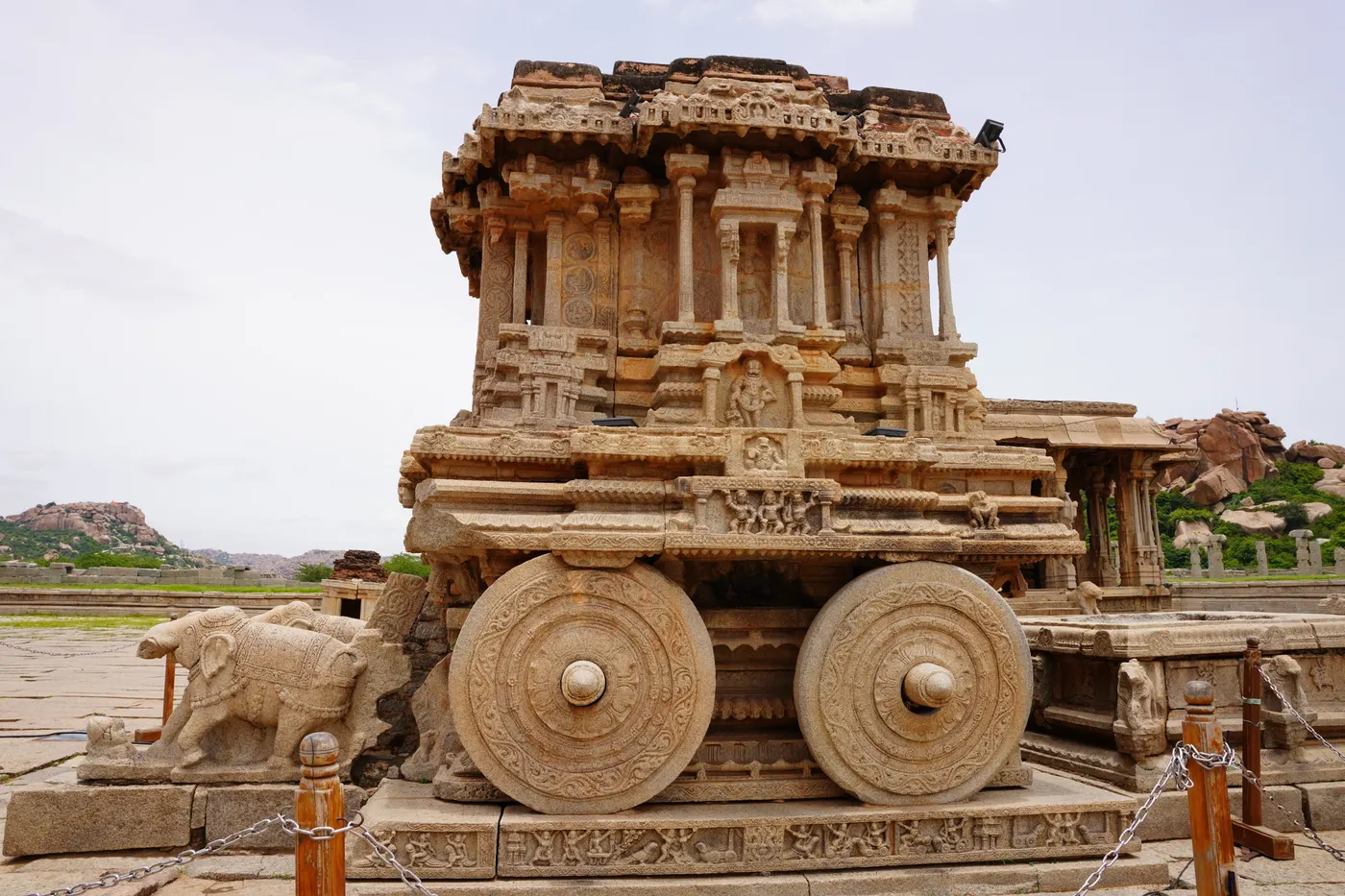
The ruined capital of the Vijayanagara empire, spread across boulder hills by the Tungabhadra.
Khajuraho and Orchha
Chandela temples with sculpted walls, and the Bundela palaces and cenotaphs of Orchha.
The caves of Maharashtra
Ajanta's paintings, Ellora's Kailasa temple and the Elephanta Caves.
Explore by theme
- UNESCO World Heritage Sites: all 45, with years and states.
- Forts and palaces: Rajasthan, the Maratha forts and royal palaces.
- Archaeology and caves: Harappan cities, Buddhist sites and rock-cut temples.
- Heritage cities and walks: the old quarters of Ahmedabad, Jaipur, Old Delhi, Lucknow and Kolkata.
Theme guides
Start from the theme that interests you most.
UNESCO sites in India · Famous forts in India · Archaeological sites in India · Heritage cities in India
Planning tips
- Choose one region per trip rather than crossing the country.
- Visit major monuments at opening time; many close by sunset.
- Check weekly closures: for example, the Taj Mahal closes on Fridays and the Red Fort on Mondays.
- Hire licensed guides at official counters for the history.
- October to March is the most comfortable season across most of India.
Lesser-known historical places
- Mandu, Madhya Pradesh: Afghan-era palaces and mosques on a plateau, beautiful in the monsoon.
- Bishnupur, West Bengal: terracotta temples of the Malla kings.
- Champaner-Pavagadh, Gujarat: a 15th-century sultanate capital, UNESCO-listed and rarely crowded.
- Bidar, Karnataka: the Bahmani fort and the Mahmud Gawan madrasa.
- Unakoti, Tripura: large rock reliefs in the forest.
- Sivasagar, Assam: the Ahom kingdom's ponds, temples and the Rang Ghar.
Guides
Quieter places with real depth.
Mandu guide · Bishnupur guide · Champaner-Pavagadh · Sivasagar guide
Reading the sites
History at Indian monuments comes in layers: what the inscriptions, excavations and records tell us; how historians interpret that evidence; and the stories and beliefs attached to a place over centuries. Good guides and site museums separate these. Our pages try to do the same, saying where a date or an account comes from, and noting where scholars disagree.
Historical places with children
- Forts with museums and ramparts, such as Mehrangarh and Golconda, hold children's attention better than long temple visits.
- Jantar Mantar in Jaipur turns astronomy into giant instruments.
- Short heritage walks with stories work better than full-day monument tours.
Safety
- Timings, closures and tickets are set by the ASI, state departments or trusts and change from time to time; check official sources before you go.
- Do not climb on ramparts or carvings, and follow the rules on photography and drones.
- Carry water and a hat; forts are exposed and Indian summers are hot.
- Keep valuables secure in crowded monument areas.
What to pack
- Comfortable walking shoes
- Hat, sunscreen and water
- Photo ID for tickets
- Light layers for winter mornings
Want to explore India's heritage on a route built around you?
FAQs
What are the most famous historical places in India?
The Taj Mahal, Red Fort, Qutub Minar, Humayun's Tomb, Amber Fort, Hampi, Khajuraho, Konark, and the Ajanta and Ellora caves are among the best known.
Which state has the most historical places?
Rajasthan, Uttar Pradesh, Karnataka, Madhya Pradesh and Maharashtra all have exceptional concentrations.
What is the best time to visit historical places in India?
October to March, when the weather is cool.
How many UNESCO sites does India have?
45 as of September 2026.
Which historical places can I cover in a week?
The Golden Triangle of Delhi, Agra and Jaipur fits comfortably into five to seven days.