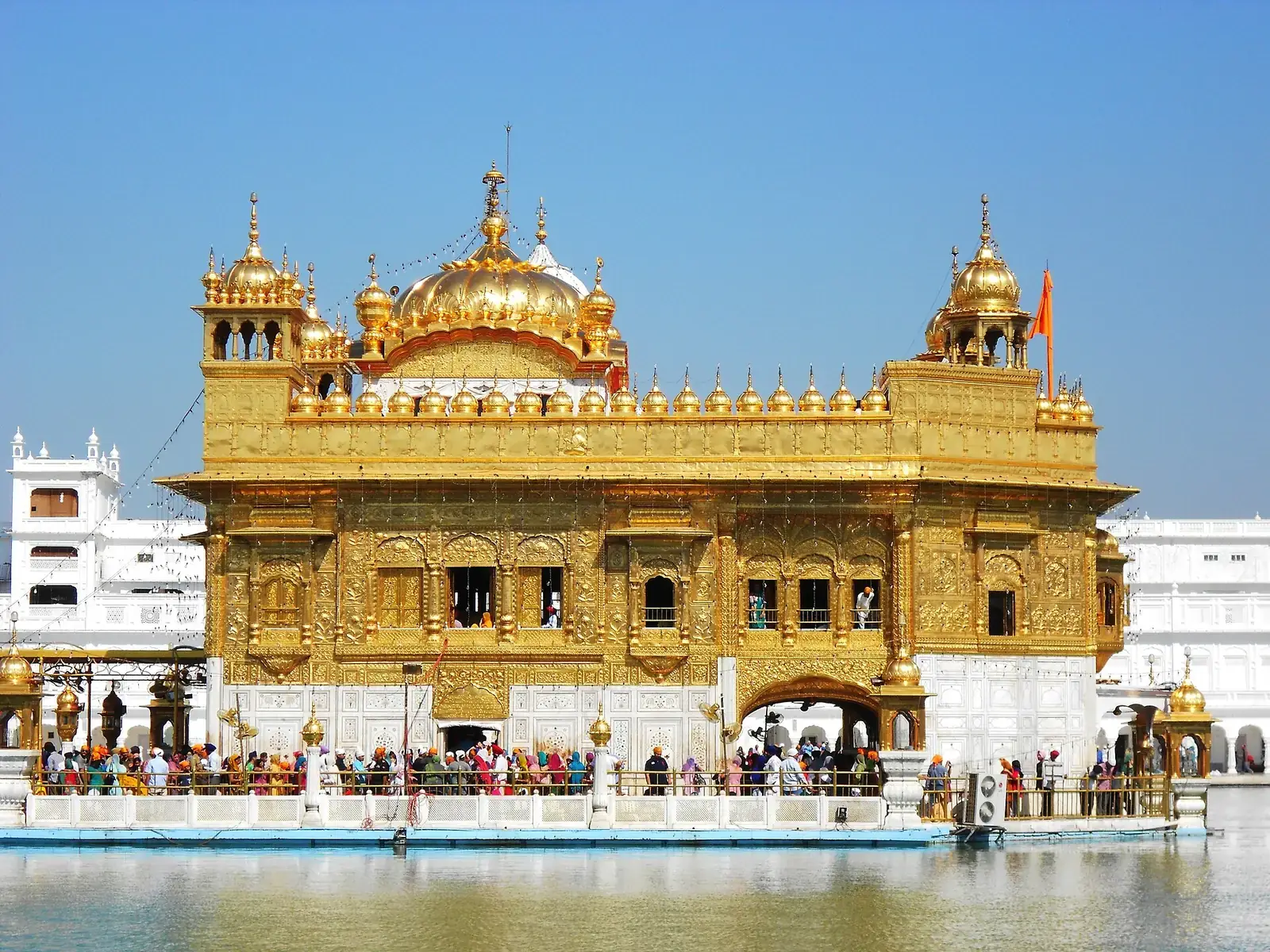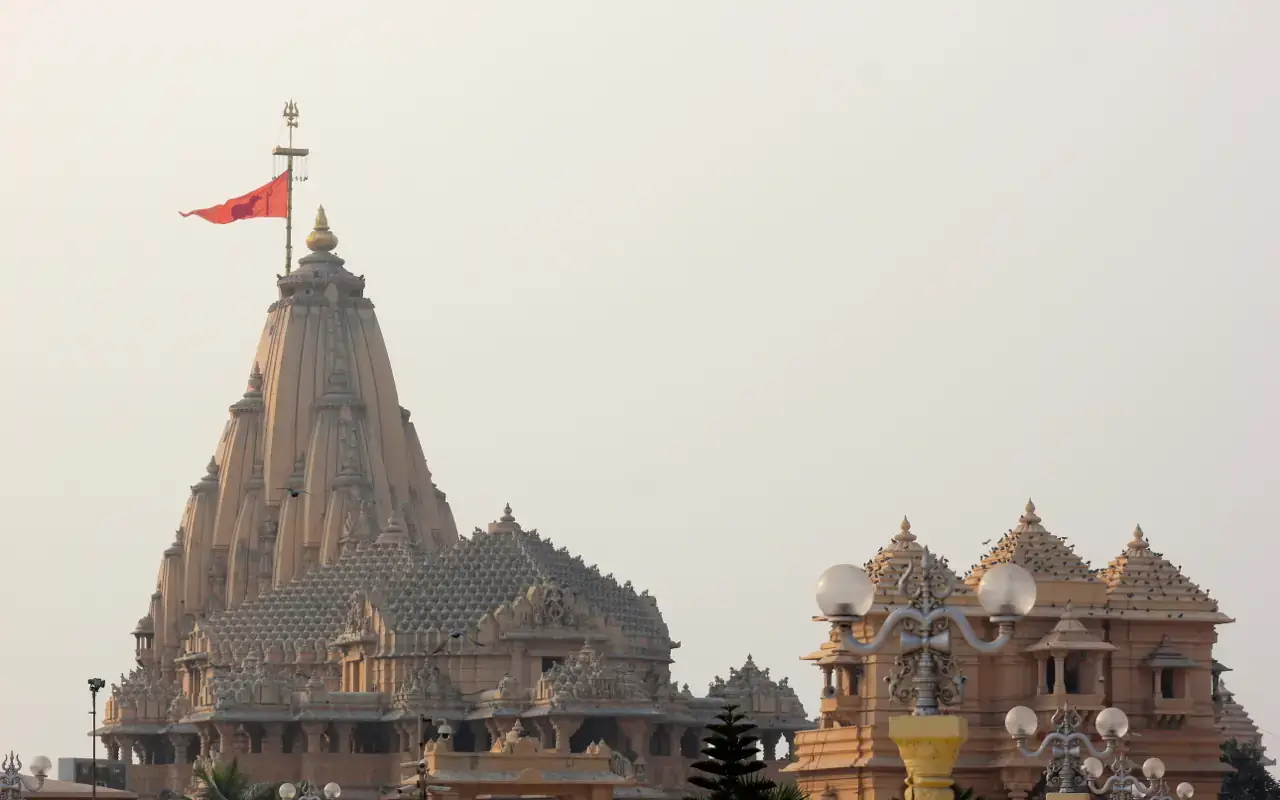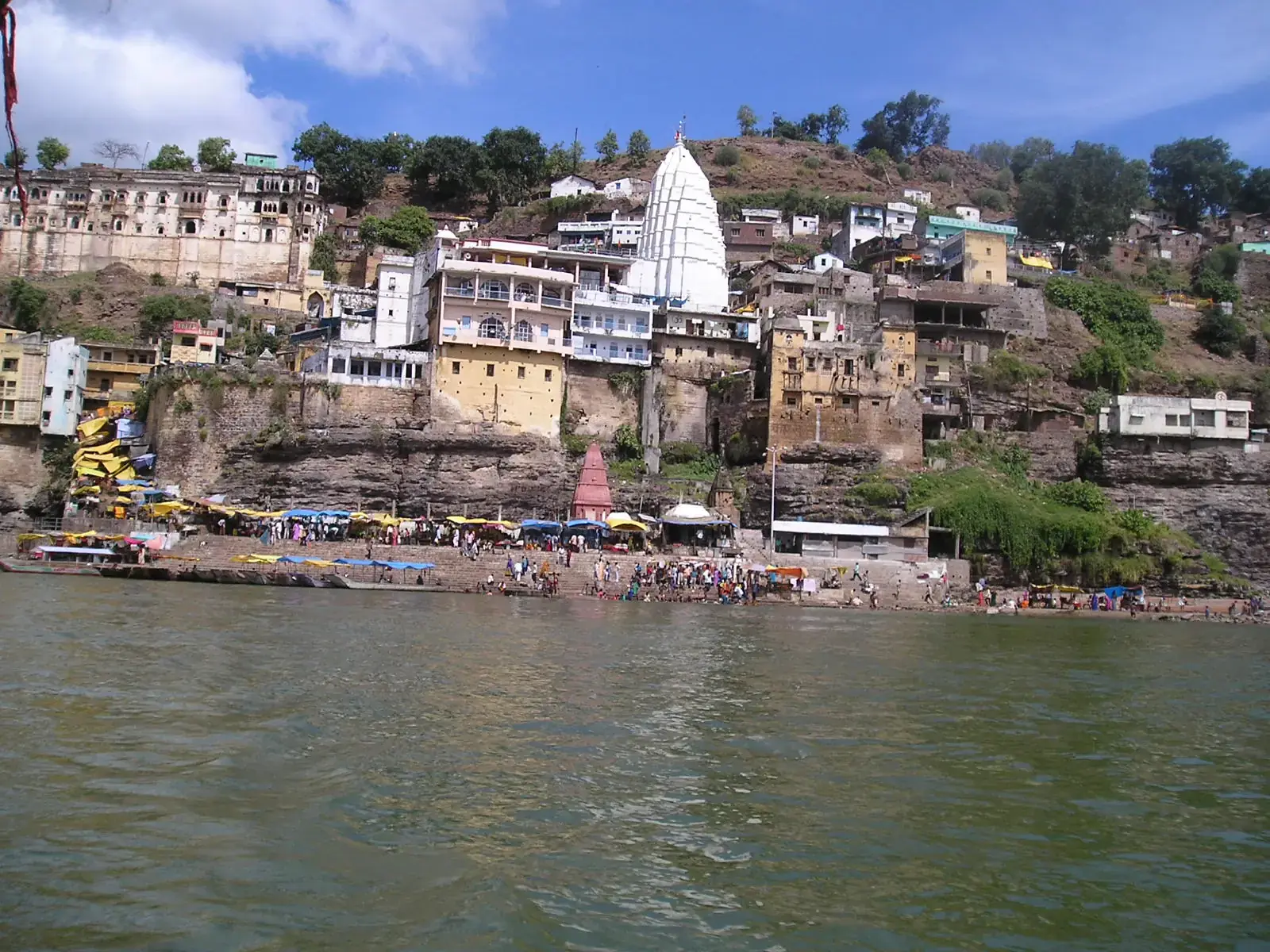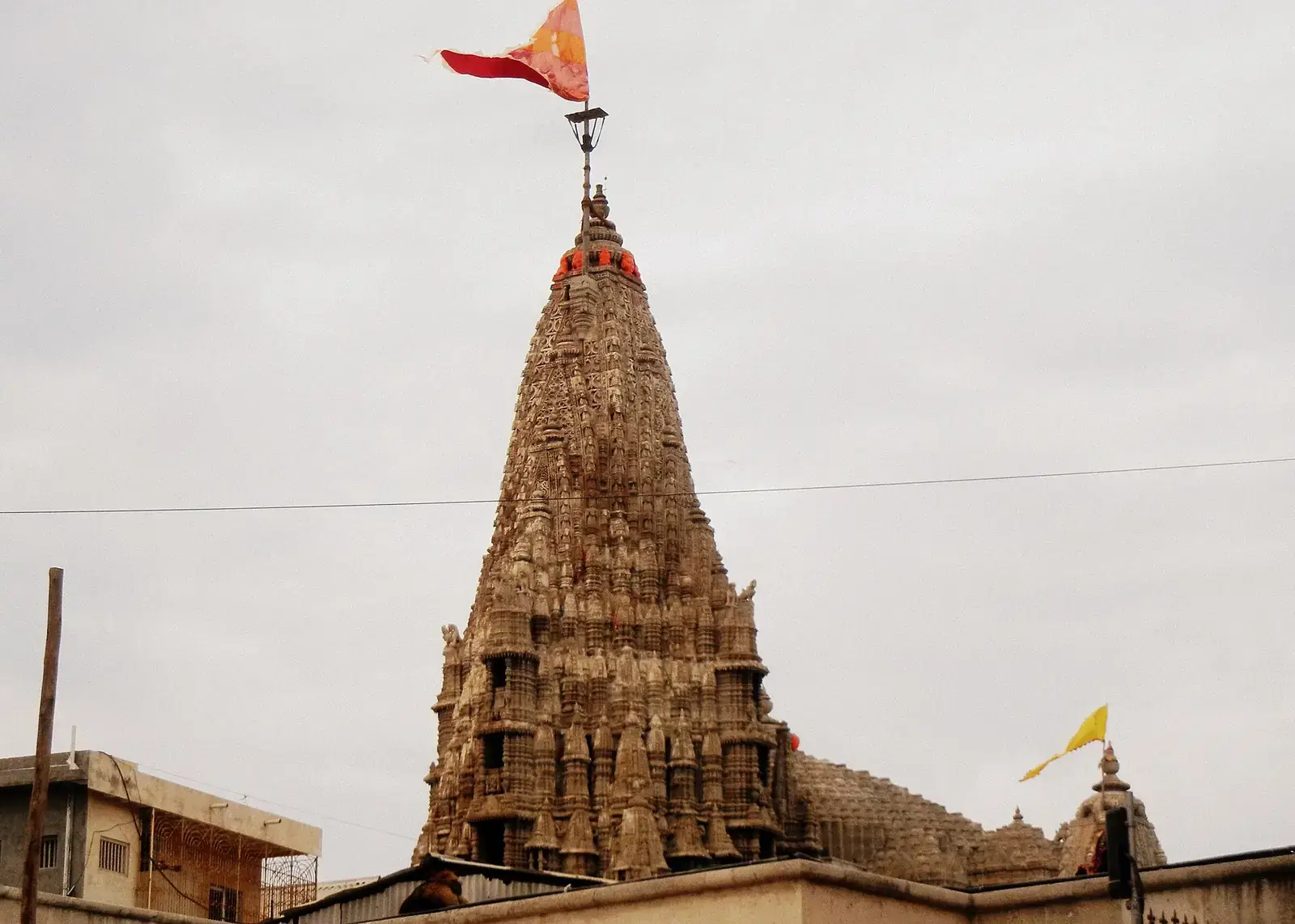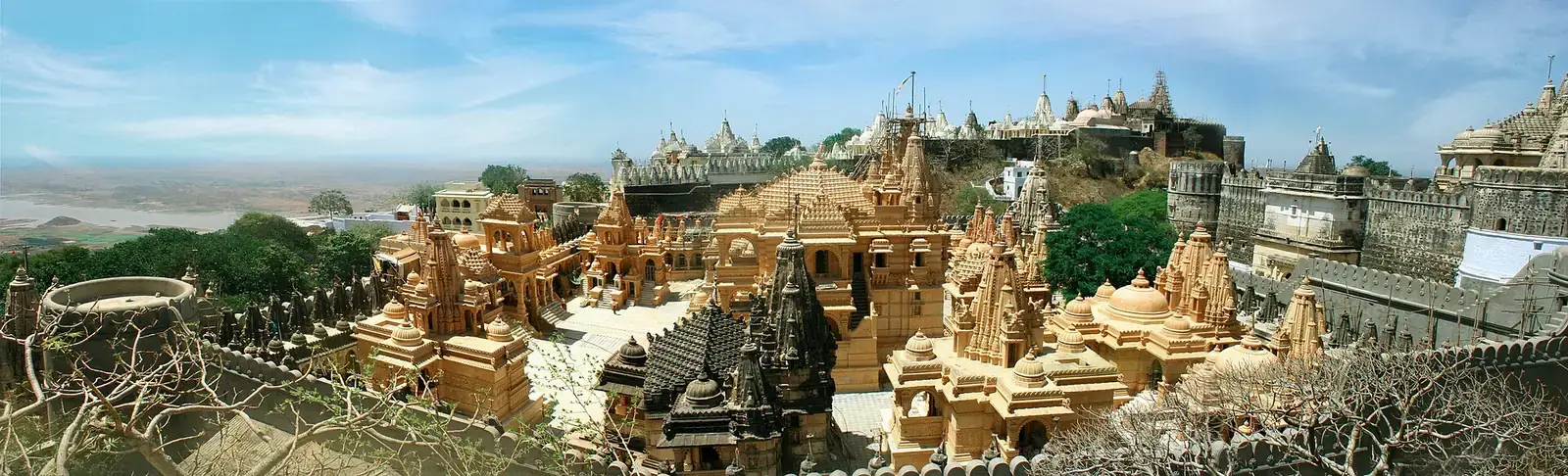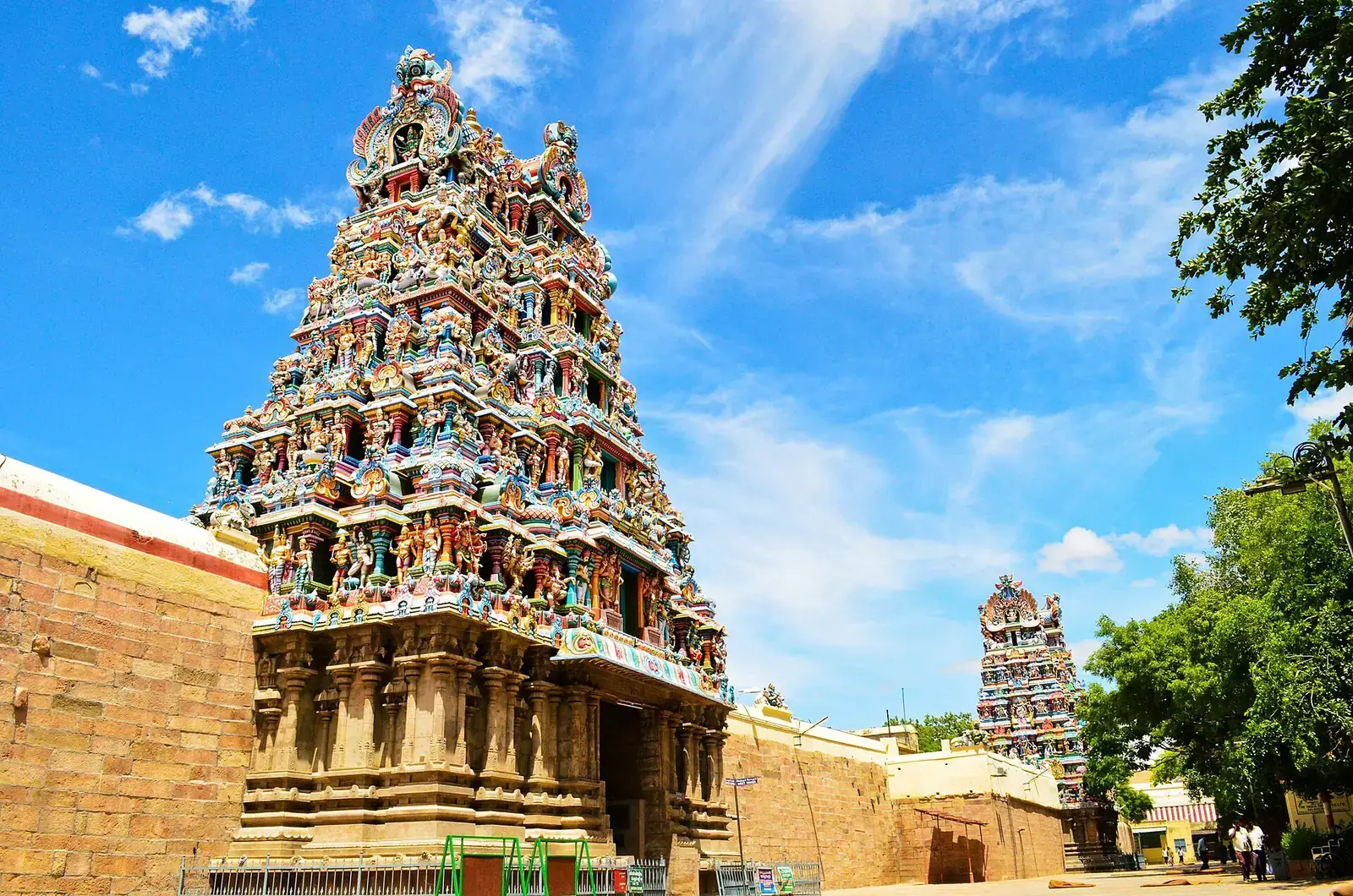
India has two kinds of famous temple, and many are both. Living pilgrimage temples such as Tirumala, Kashi Vishwanath or Jagannath in Puri draw daily crowds for darshan. Historic temples such as Konark, Khajuraho or the Chola temples of Thanjavur are celebrated as architecture, and several are UNESCO World Heritage Sites.
Styles differ by region: the curved Nagara towers of the north, the Dravida gopurams and vimanas of the south, the Kalinga temples of Odisha and the star-shaped Hoysala temples of Karnataka. This guide groups the best-known temples by region, with links to our detailed guides.
Quick answer
India's most famous temples include Kashi Vishwanath (Varanasi), Kedarnath and Badrinath (Uttarakhand), Somnath and Dwarkadhish (Gujarat), Jagannath (Puri), Tirumala Venkateswara (Andhra Pradesh), Meenakshi (Madurai), Ramanathaswamy (Rameswaram) and Guruvayur (Kerala). UNESCO-listed temples include Brihadeeswarar at Thanjavur, Khajuraho, Konark, Hampi, Pattadakal, Mahabalipuram, Ramappa and the Hoysala temples of Belur and Halebidu.
Key takeaways
- Living pilgrimage temples and historic monument temples are both worth visiting, with different rules.
- Several temples, including Brihadeeswarar, Khajuraho, Konark and Hampi, are UNESCO World Heritage Sites.
- Some temples admit only Hindus, and many southern temples have strict dress codes.
- Nagara, Dravida, Kalinga and Hoysala styles make each region's temples distinctive.
- October to March is the most comfortable time to visit most temple towns.
North and central India
Kashi Vishwanath, Varanasi
The Jyotirlinga in the old city, now reached through the Kashi Vishwanath Dham corridor.
Kedarnath and Badrinath
The Himalayan shrines of Shiva and Vishnu, open in summer.
Khajuraho
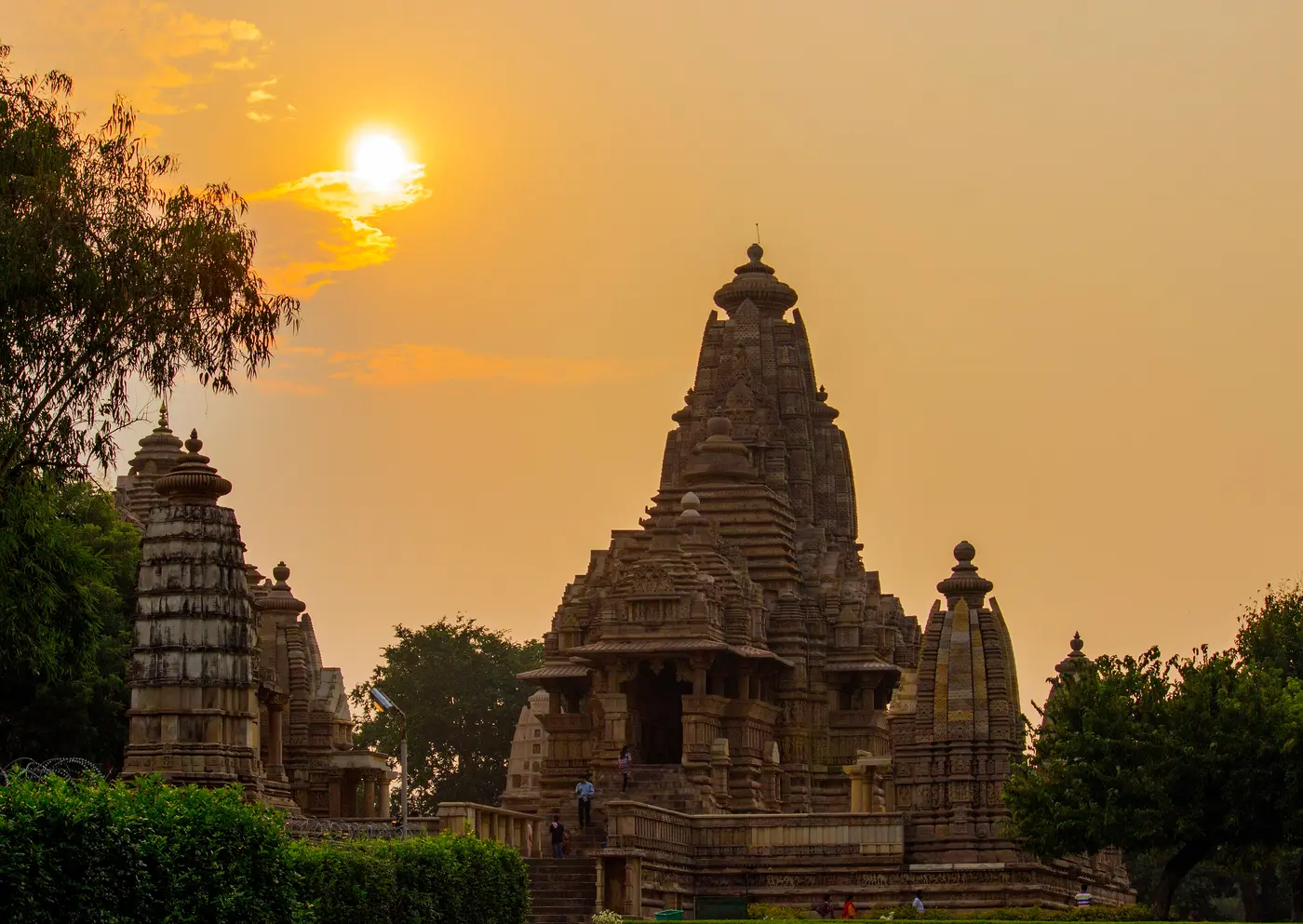
Chandela temples of the 10th and 11th centuries with sculpted walls; a UNESCO site.
West India
- Somnath and Dwarkadhish on the Saurashtra coast.
- Shrinathji at Nathdwara and Brahma's temple at Pushkar, Rajasthan.
- The Jain temples of Ranakpur, Dilwara and Palitana.
- Siddhivinayak in Mumbai, Shirdi, and the Jyotirlingas of Maharashtra.
- Ellora's rock-cut Kailasa temple, a UNESCO site.
South India
Meenakshi Amman, Madurai
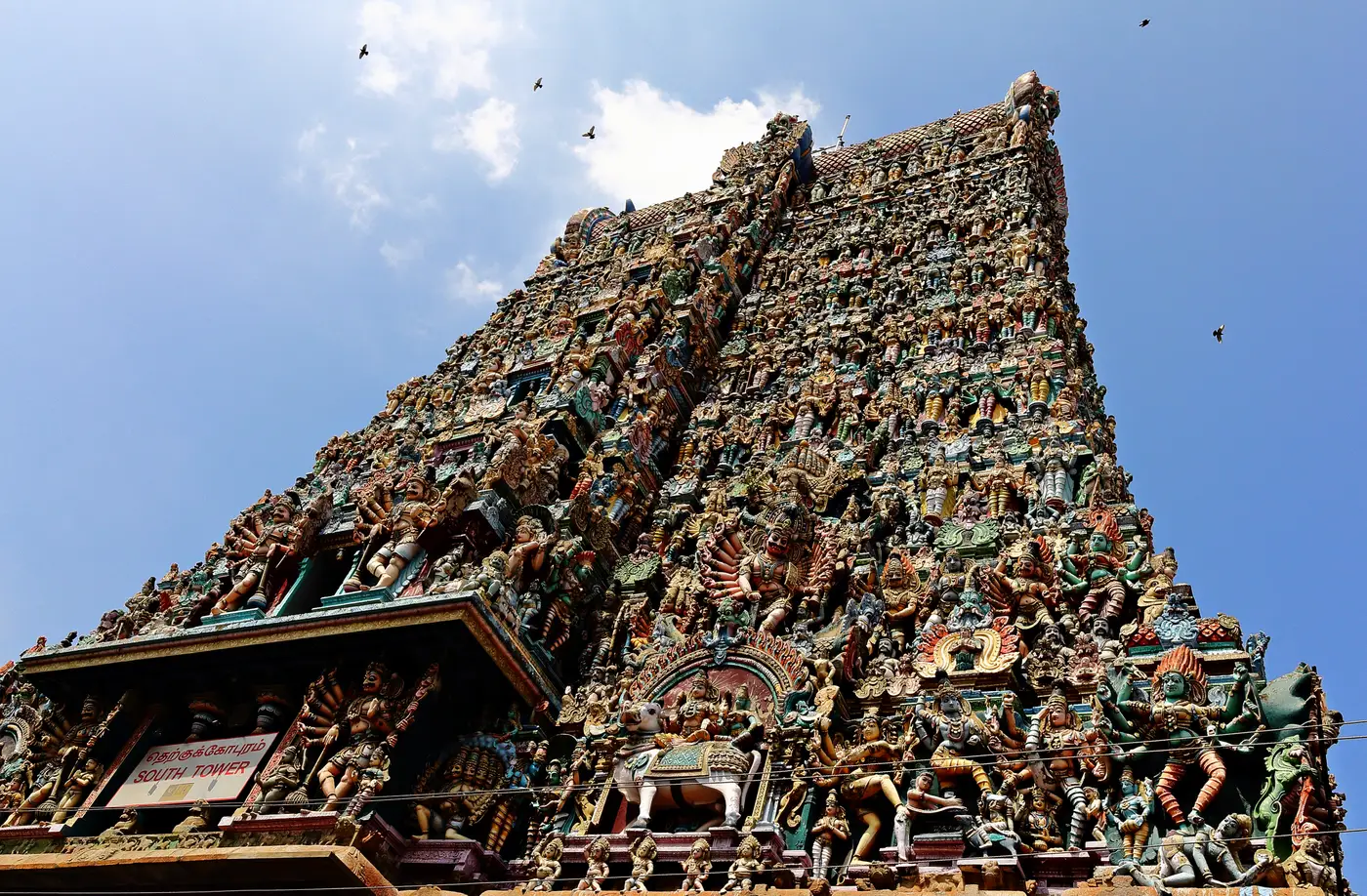
A temple city of towering painted gopurams and pillared halls.
Brihadeeswarar, Thanjavur
A Chola temple completed in 1010 CE, part of the UNESCO Great Living Chola Temples.
Rameswaram, Srirangam, Chidambaram and Kanchipuram
Tamil Nadu's great temple towns, each with its own traditions.
Karnataka and Kerala
Hampi's Virupaksha, Udupi's Krishna Matha, the Hoysala temples of Belur and Halebidu, and Guruvayur and Padmanabhaswamy in Kerala.
Telangana
The UNESCO-listed Ramappa temple, Yadadri and Bhadrachalam.
East and north-east India
- Jagannath Temple, Puri, and the Sun Temple at Konark (UNESCO), Odisha.
- Lingaraj and the old temples of Bhubaneswar.
- Kamakhya in Guwahati, a major Shakti Peetha.
- Dakshineswar and Kalighat in and around Kolkata.
- Baidyanath Dham at Deoghar, Jharkhand.
UNESCO-listed temples
| Site | State |
|---|---|
| Great Living Chola Temples (Thanjavur and others) | Tamil Nadu |
| Mahabalipuram group of monuments | Tamil Nadu |
| Khajuraho group of monuments | Madhya Pradesh |
| Sun Temple, Konark | Odisha |
| Hampi group of monuments | Karnataka |
| Pattadakal group of monuments | Karnataka |
| Sacred ensembles of the Hoysalas (Belur, Halebidu, Somanathapura) | Karnataka |
| Ramappa (Rudreswara) Temple | Telangana |
| Ellora Caves | Maharashtra |
| Mahabodhi Temple, Bodh Gaya | Bihar |
Dress codes and entry rules
- Many south Indian temples ask men to wear a dhoti or mundu and remove shirts, and women to wear sarees or long traditional dress; examples include Padmanabhaswamy in Thiruvananthapuram and Guruvayur.
- Some temples, including Jagannath in Puri, Guruvayur and Padmanabhaswamy, admit only Hindus.
- Phones, cameras and bags are often not allowed inside; use the cloakrooms.
- Monument temples run by the ASI have tickets and fixed hours; living temples follow ritual timings.
Safety
- Darshan waits vary from minutes to many hours; no one can guarantee quick darshan, so plan buffer time.
- Follow each temple's dress code and entry rules; check them before you travel.
- Keep valuables secure in crowded temple towns.
- Hire guides only from official counters at monument sites.
What to pack
- Traditional clothes for southern temples (dhoti or mundu; saree or long dress)
- Slip-on footwear and socks for hot floors
- A small bag without leather for Jain temples
- Water and a hat for monument sites
Want this pilgrimage turned into a practical itinerary?
FAQs
Which is the most famous temple in India?
Several are equally famous: Kashi Vishwanath, Tirumala, the Jagannath Temple in Puri and the Meenakshi Temple in Madurai are among the best known.
Which Indian temples are UNESCO World Heritage Sites?
Among them are the Brihadeeswarar and other Chola temples, Khajuraho, Konark, Hampi, Pattadakal, Mahabalipuram, Ramappa, the Hoysala temples and Ellora.
Do Indian temples have a dress code?
Many do, especially in the south, where traditional dress is required at temples such as Padmanabhaswamy and Guruvayur.
Can non-Hindus enter all temples?
No. Some temples, including Jagannath in Puri, admit only Hindus; check each temple's rules.
What are the main temple architecture styles?
Nagara in the north, Dravida in the south, Kalinga in Odisha and the Hoysala style in Karnataka, among others.
What is the best time to visit temple towns?
October to March for most of India; summer for the Himalayan shrines.