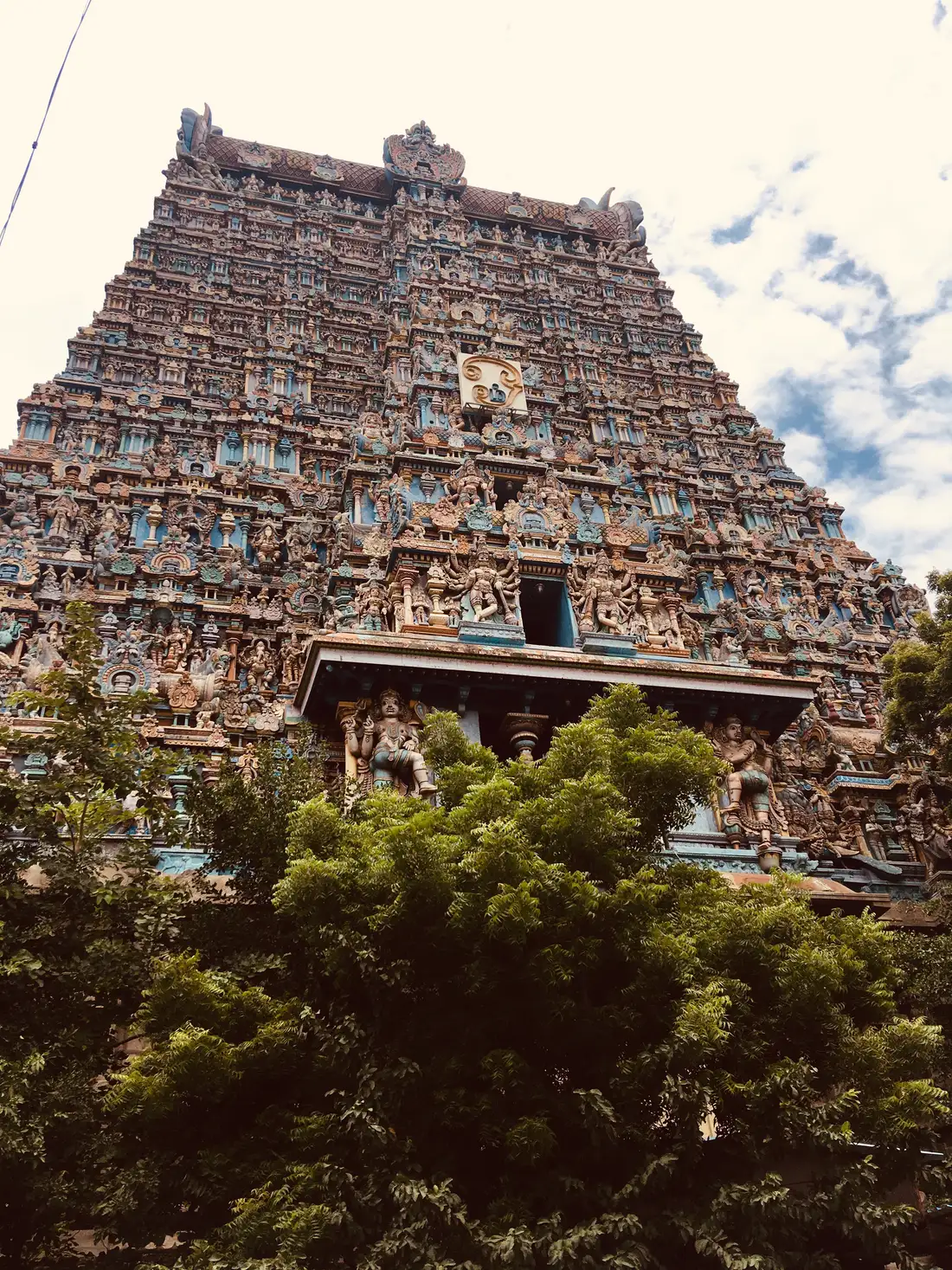
One of India's Oldest Cities
Set on the banks of the Vaigai river, Madurai is one of India's oldest continuously inhabited cities, and its layout still radiates outward from a single overwhelming centre: the Meenakshi Amman Temple, a vast Dravidian temple complex dedicated to the goddess Meenakshi and Lord Sundareswarar, its 14 gopurams (gateway towers) carved and painted with thousands of mythological figures.
Beyond the temple, Madurai carries its history in its streets — the 17th-century Thirumalai Nayakkar Palace, old-town markets that have traded in the same spots for generations, and a food culture built around cold, distinctive local specialties like jigarthanda.
It's also the natural gateway to Tamil Nadu's Deep South — from here, both Rameswaram and Kanyakumari are a comfortable few hours further south.
🛕 Madurai at a Glance
Looking for activities and experiences? See our guide to the best things to do in Madurai.
Want a day-by-day plan? Follow our South India heritage itinerary.
Interested in the history? See our guide to heritage in Tamil Nadu.
Planning a pilgrimage? See our guide to spiritual places in Tamil Nadu.
Best Time to Visit Madurai
Madurai's inland Tamil Nadu climate runs hot for much of the year — timing matters both for comfort and for enjoying the temple's long walking corridors.
Cooler, drier conditions make walking the temple corridors and old-town streets genuinely comfortable rather than punishing.
Interior Tamil Nadu heat climbs steeply; daytime sightseeing becomes uncomfortable and best restricted to early morning or evening.
Madurai sits inland and largely escapes the worst of the southwest monsoon, though it stays warm and can see occasional showers.
The major Chithirai Festival, celebrating the divine wedding of Meenakshi and Sundareswarar, draws huge crowds and real festival energy — worth timing a visit around if you don't mind the density.
Our pick: October to March — cool enough to properly enjoy the temple's corridors and the old town's street food without the punishing interior Tamil Nadu heat.
How to Reach Madurai
- By Air: Madurai Airport has regular domestic flights from Chennai, Bengaluru, and other major Indian cities.
- By Rail: A major rail junction, well connected to Chennai, Coimbatore, and onward south to Rameswaram.
- By Road: Well-linked by highway to Chennai (~460 km), Coimbatore, and Kanyakumari, with frequent bus services across the state.
Temple, Palace & Old Town
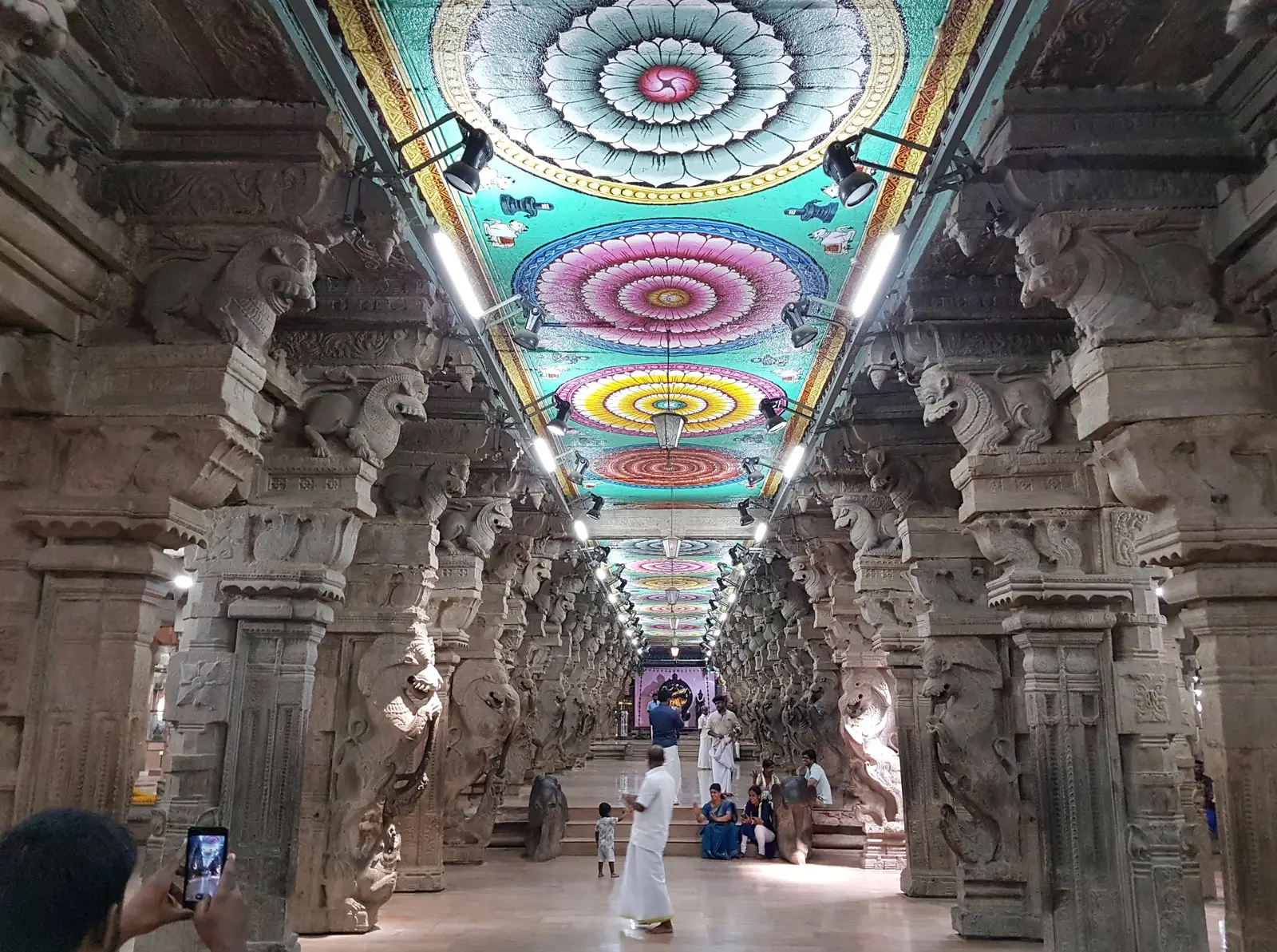
Meenakshi Amman Temple
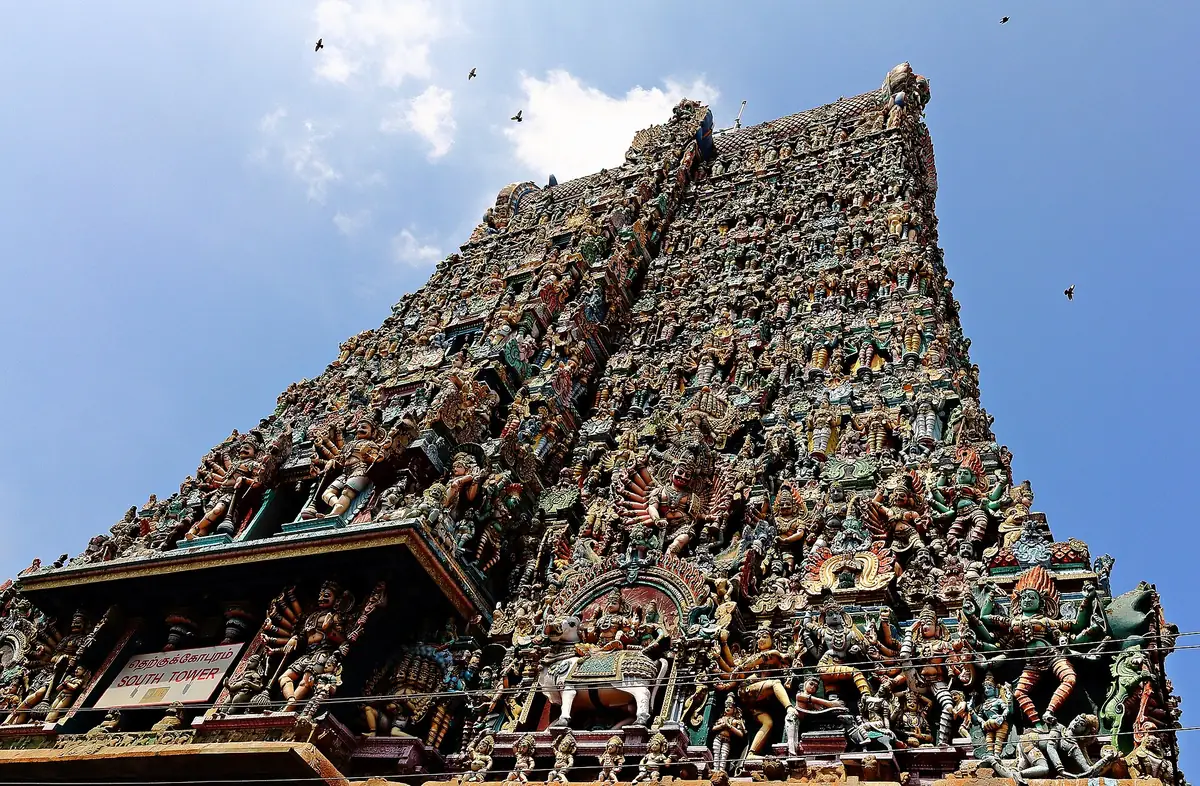
The reason most people come to Madurai at all — a vast complex with 14 gopurams, thousands of carved and painted figures, a Hall of a Thousand Pillars, and daily rituals that draw devotees from across the state. Set aside real time here; rushing through does it no justice.
Thirumalai Nayakkar Palace
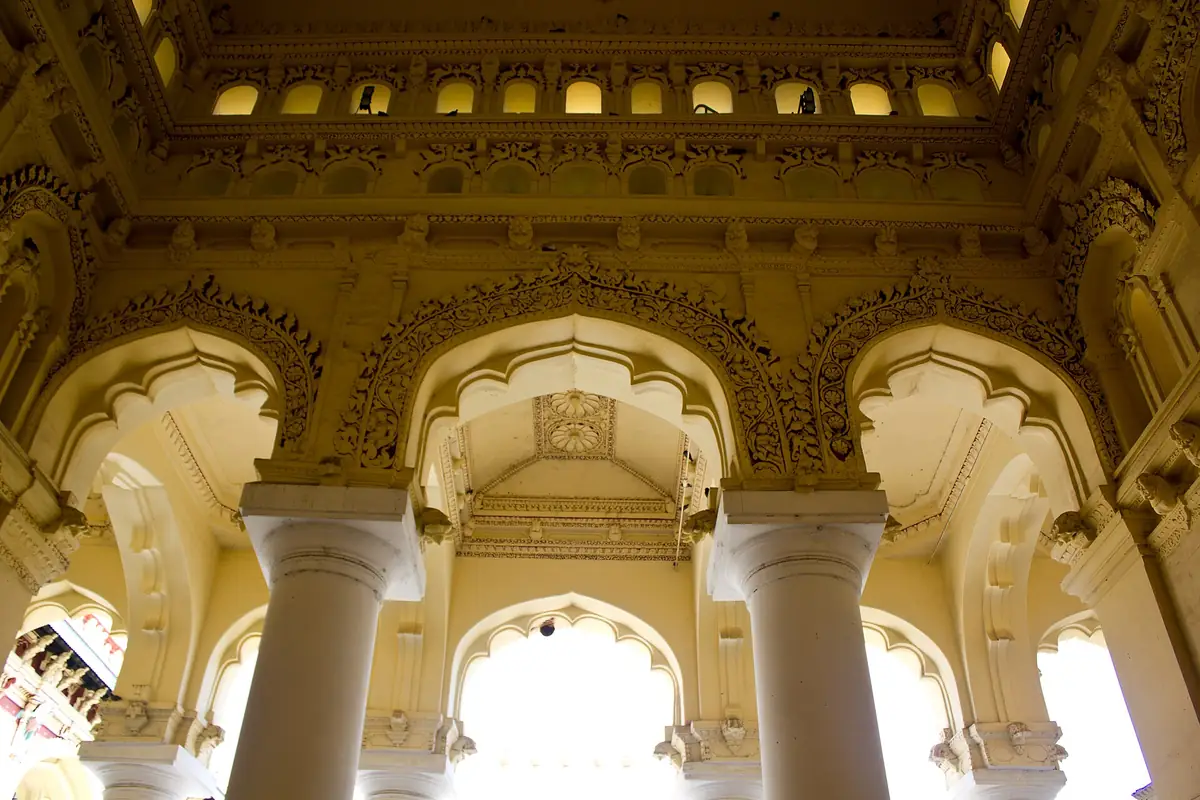
A 17th-century Indo-Saracenic palace known for its huge open courtyard and towering pillars — a striking contrast in scale and style to the temple's dense ornamentation.
Gandhi Memorial Museum
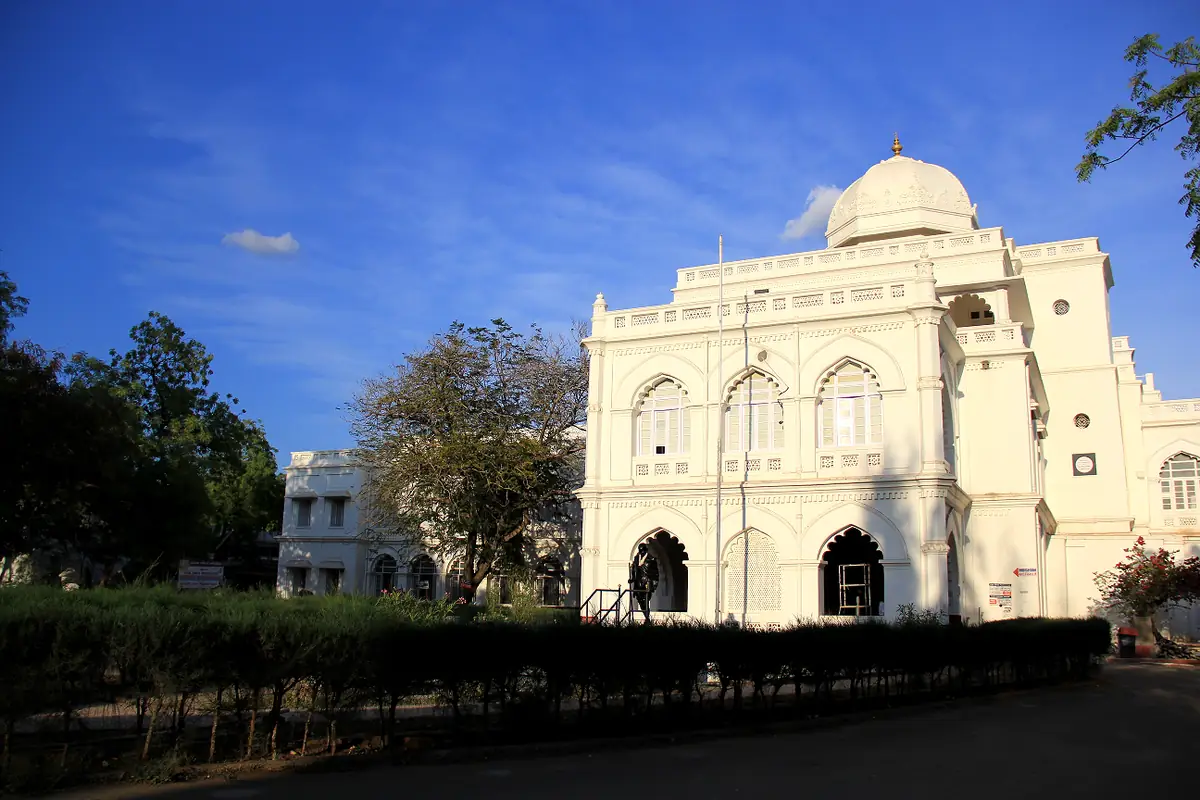
Housed in a former palace, this museum traces the freedom struggle with a strong regional lens — a worthwhile, lower-key stop to break up a day of temple sightseeing.
Old-Town Streets
The streets immediately around the temple are a market in their own right — flowers (Madurai is famous for its jasmine, Madurai Malli), spices, and metalware, best explored slowly on foot in the cooler hours.
Where to Stay in Madurai
Accommodation is plentiful and spans every budget, with the most atmospheric options clustered close to the temple.
- → Guesthouses near the temple
- → Budget lodges, old town
- → TTDC hotel, Madurai
- → Business hotels, city centre
- → Heritage-style boutique stays
- → Chain hotels near the airport
- → Heritage palace-style properties
- → Premium business hotels
- → Resort stays on the outskirts
Suggested Visit Plan (2 Days)
Meenakshi Temple & Old Town
- ✓Early morning: Meenakshi Amman Temple
- ✓Old-town flower and spice market walk
- ✓Evening: return to the temple for the evening ritual
Palace & Museum
- ✓Thirumalai Nayakkar Palace
- ✓Gandhi Memorial Museum
- ✓Old-town food trail — jigarthanda and local eateries
* With more time, continue south to Rameswaram or Kanyakumari for a full Deep South Tamil Nadu circuit.
Where to Eat in Madurai
- Jigarthanda: A cold, layered drink of milk, china grass jelly, sarsaparilla syrup, and ice cream — best from one of the old town's long-running specialists.
- Old-town messes and eateries: Madurai's traditional "military hotels" and mess-style eateries near the temple serve some of the city's best local food at low prices.
- Chettinad and Tamil thali: Widely available across the city, a good introduction to South Tamil Nadu's distinctive spice profile.
Budget Breakdown
| Expense | Budget | Mid-Range | Luxury |
|---|---|---|---|
| Accommodation/night | ₹1,000 | ₹3,000 | ₹8,000 |
| Food/day | ₹400 | ₹900 | ₹2,000 |
| Local transport/day | ₹200 | ₹500 | ₹1,200 |
| Temple/monument entry | ₹0-100 | ₹0-100 | ₹0-100 |
* Figures are per person, per day, excluding flights or trains into Madurai.
Essential Tips for Visiting Madurai
- Dress modestly at the temple: Cover shoulders and knees; phones and cameras are commonly restricted inside the inner sanctum areas.
- Visit early or late in the day: Cooler hours make the temple's stone corridors far more comfortable to explore on foot.
- Expect security and queues: As a major active temple, expect bag checks and queue lines, especially on weekends and during festivals.
- Try jigarthanda from an old-town specialist: The drink varies noticeably in quality — seek out a long-running local spot rather than a generic restaurant.
- Use Madurai as a launchpad south: Both Rameswaram and Kanyakumari are comfortably reachable from here for a fuller Deep South itinerary.
✅ Do
- →Visit the temple early morning or evening
- →Dress modestly and expect a security check
- →Try jigarthanda at an old-town institution
- →Set aside real time for the temple's scale
- →Explore the flower and spice markets on foot
- →Continue south to Rameswaram or Kanyakumari
❌ Don't
- →Rush the temple in under an hour
- →Visit at midday in peak summer heat
- →Assume photography is allowed everywhere inside
- →Skip the old-town streets for the temple alone
- →Expect quiet during major festival dates
- →Wear shorts or sleeveless tops at the temple
Frequently Asked Questions
How many days do I need for Madurai?
Two days is comfortable — one for the Meenakshi Amman Temple and the surrounding old-town streets, and a second for the Thirumalai Nayakkar Palace, the Gandhi Memorial Museum, and a slower food-focused walk through the city's eateries.
What is the best time to see the Meenakshi Temple?
Early morning (around opening) or evening, both for cooler weather and thinner crowds, and to catch the temple's daily rituals — the evening ceremony in particular draws a devoted, atmospheric crowd worth witnessing.
Is photography allowed inside the temple?
Photography rules vary by area — the outer corridors and gopurams are generally fine, but phones and cameras are commonly restricted inside the inner sanctum areas. Follow posted signage and staff instructions on the day.
What is jigarthanda?
A cold, distinctively Madurai drink layered with milk, a gelatin-like china grass (agar) jelly, sarsaparilla syrup, and ice cream — a local specialty best tried at one of the old-town's long-running eateries rather than a generic restaurant.
Is Madurai a good base for further South Tamil Nadu travel?
Yes — Madurai's airport, rail junction, and road links make it a natural hub for continuing on to Rameswaram or Kanyakumari, both a few hours further south, letting you build a full Deep South Tamil Nadu circuit.
Published by the Kudozz Club editorial team · Last updated · How we research our guides
Want us to plan this trip for you?
Tell Kudozz Club where you want to go and what kind of trip you’re looking for. We’ll build a Madurai and Tamil Nadu itinerary around your dates and budget.
Continue Exploring
View all guides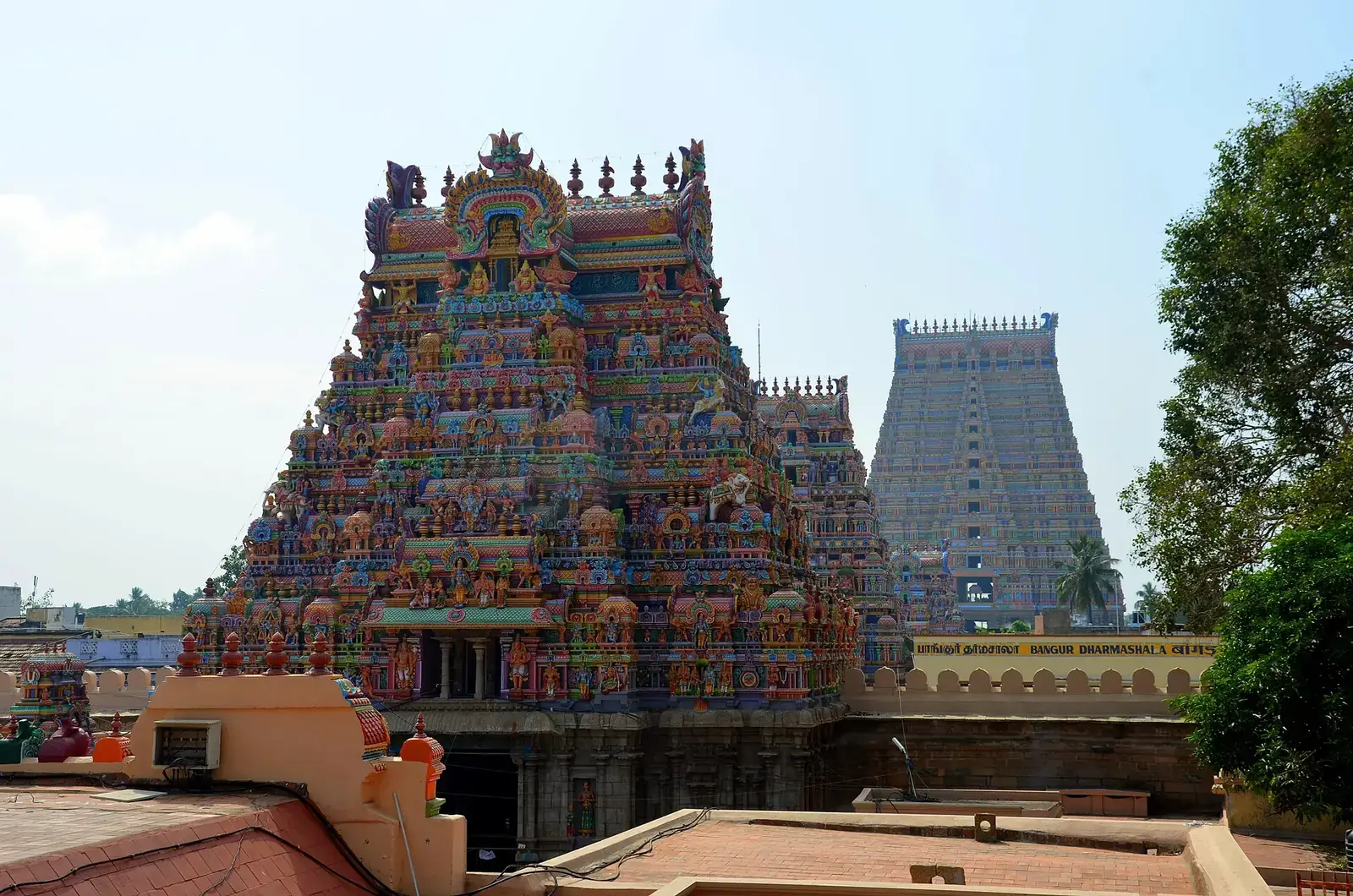 Spiritual Tourism
Spiritual Tourism in Tamil Nadu: Madurai, Rameswaram and the Great Temple Towns
A guide to spiritual tourism in Tamil Nadu: Madurai's Meenakshi Temple, Rameswaram, Srirangam, the Chola temples of Thanjavur, Chidambaram, Kanchipuram, Tiruvannamalai, the six abodes of Murugan, Kumbakonam's temples and Navagraha shrines, Kanyakumari, Velankanni and Nagore, festivals, dress codes and a ten-day temple route.
 Heritage & Culture
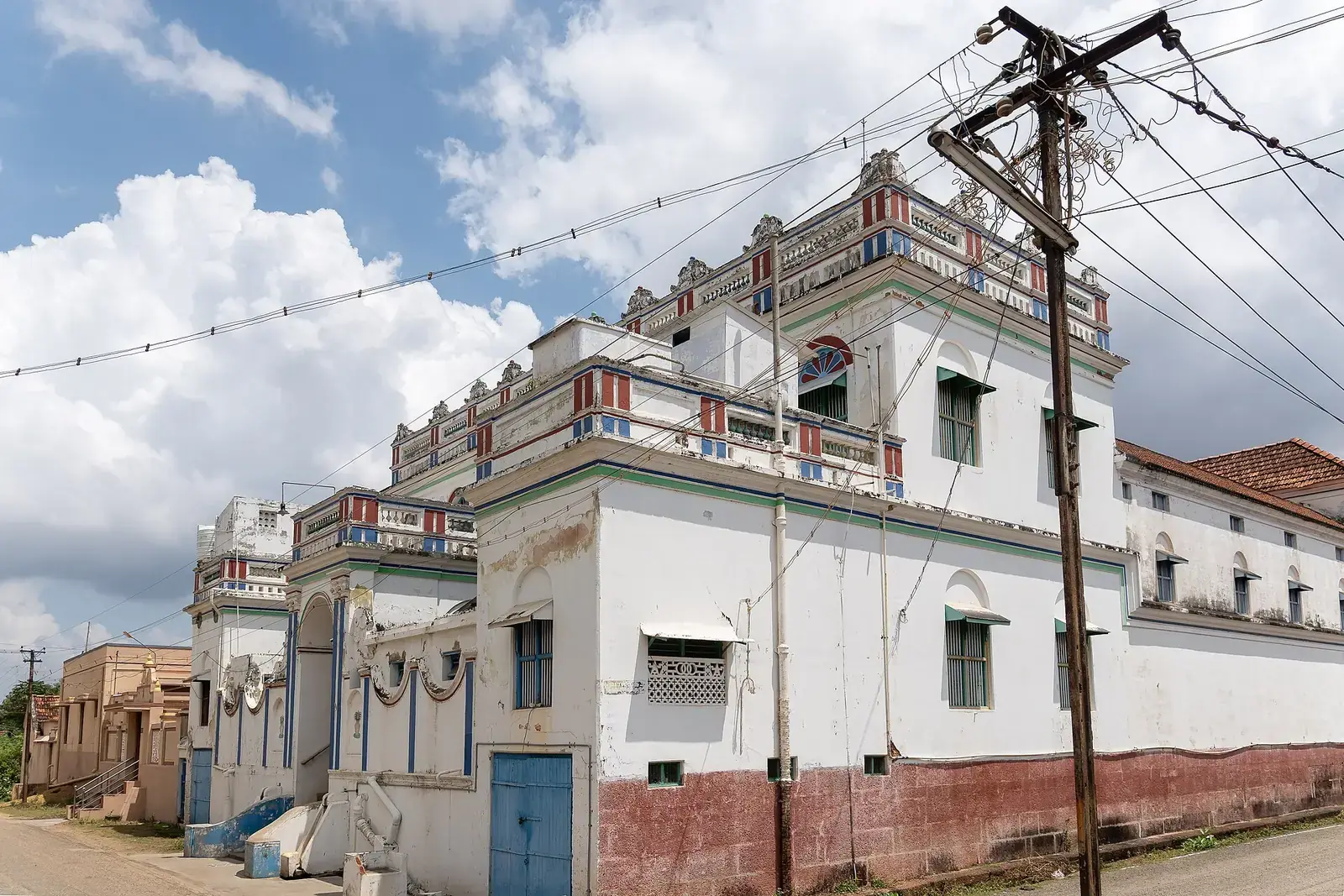
Heritage Tourism in Tamil Nadu: Chola Temples, Mahabalipuram and Chettinad
A guide to heritage tourism in Tamil Nadu: its UNESCO sites (the monuments of Mahabalipuram, the Great Living Chola Temples and the Nilgiri Mountain Railway), the temple towns of Madurai, Kanchipuram, Srirangam and Chidambaram, the Chettinad mansions, colonial Chennai and Tharangambadi, Keeladi, bronze casting, Kanchipuram silk, Bharatanatyam and the Chennai music season.
Things to DoThings to Do in Madurai: Meenakshi Temple, Nayak Palace, Markets & Food
Things to do in Madurai: the Meenakshi Amman Temple and its night ceremony, the Hall of a Thousand Pillars, Thirumalai Nayakkar Palace, the Gandhi Memorial Museum, the Teppakulam tank, Alagar Kovil and Thiruparankundram, the jasmine market, jigarthanda and the Chithirai festival.
 Things to Do
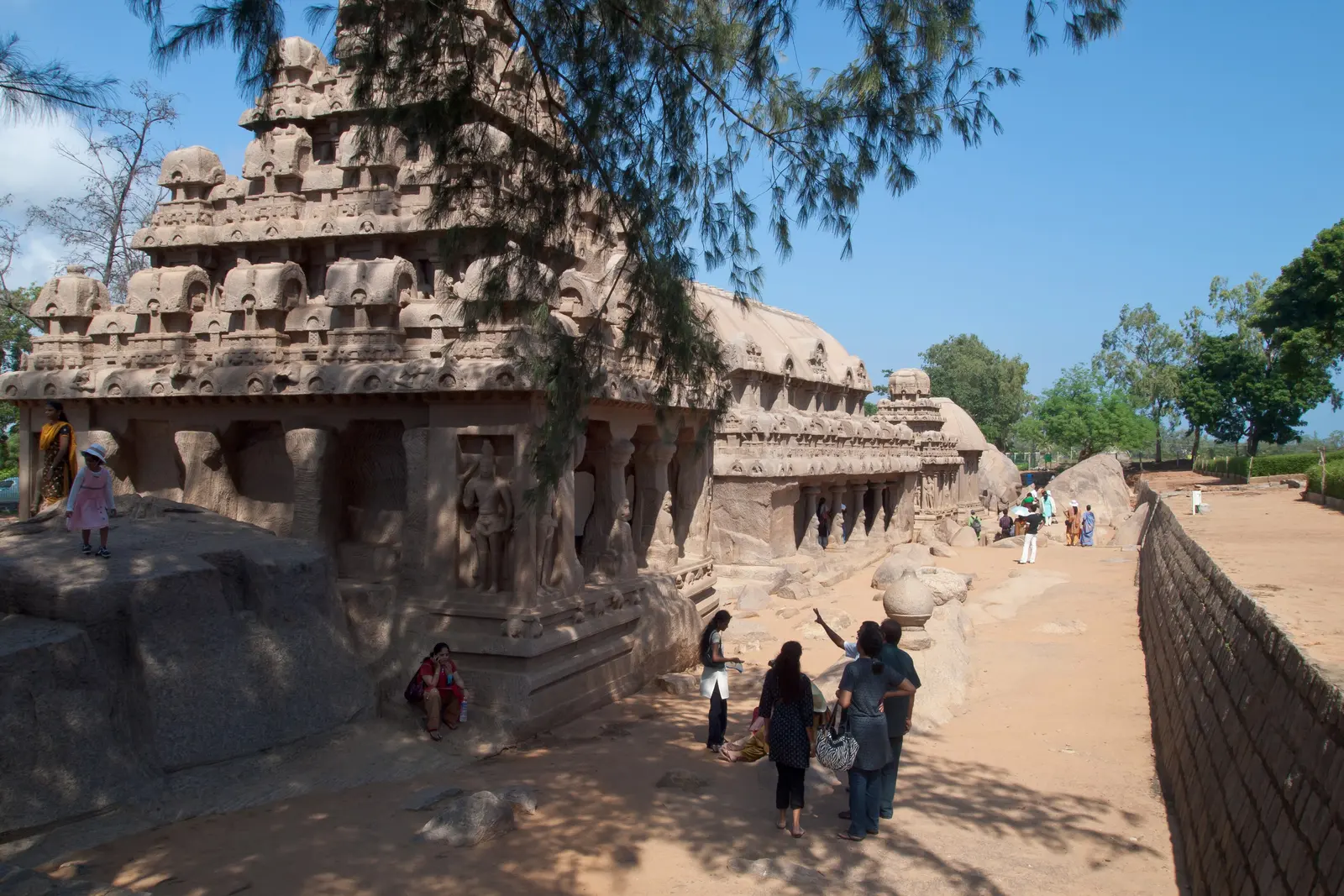
Things to Do in Mahabalipuram: Shore Temple, Rock Carvings & Beach Days
Things to do in Mahabalipuram: the Shore Temple, Pancha Rathas, Arjuna's Penance, Krishna's Butterball, the cave temples, the lighthouse, the Tiger Cave, stone-carving workshops, the dance festival, surfing and seafood.