Tamil Nadu has one of the world's oldest continuous literary and temple traditions. The Pallavas, Cholas, Pandyas, Vijayanagara rulers and Nayaks built temples that are still in daily worship, and the Sangam-era past is being uncovered at sites such as Keeladi.
Its UNESCO World Heritage Sites are the Group of Monuments at Mahabalipuram (1984), the Great Living Chola Temples (1987, extended in 2004) and the Nilgiri Mountain Railway (2005, as part of the Mountain Railways of India). Gingee Fort is part of the Maratha Military Landscapes, inscribed in 2025.
Quick answer
Tamil Nadu's heritage highlights are the Pallava monuments of Mahabalipuram, the Chola temples of Thanjavur, Gangaikondacholapuram and Darasuram (UNESCO), the temple towns of Madurai, Kanchipuram and Srirangam, the Chettinad mansions, colonial Chennai and Tharangambadi, and living traditions of bronze casting, silk weaving and Bharatanatyam. December to February is the best season.
Key takeaways
- Tamil Nadu's great temples are living places of worship.
- Mahabalipuram and the Chola temples are UNESCO sites.
- Chettinad's mansions are a unique heritage stay.
- The Chennai music season runs from mid-December to mid-January.
- Dress modestly and follow temple rules on entry and photography.
UNESCO World Heritage Sites
| Site | Year | Notes |
|---|---|---|
| Group of Monuments at Mahabalipuram | 1984 | Pallava rock-cut and structural temples |
| Great Living Chola Temples | 1987, 2004 | Thanjavur, Gangaikondacholapuram, Darasuram |
| Nilgiri Mountain Railway | 2005 | Part of the Mountain Railways of India |
| Gingee Fort | 2025 | Part of the Maratha Military Landscapes |
Temple towns
Thanjavur and the Chola temples
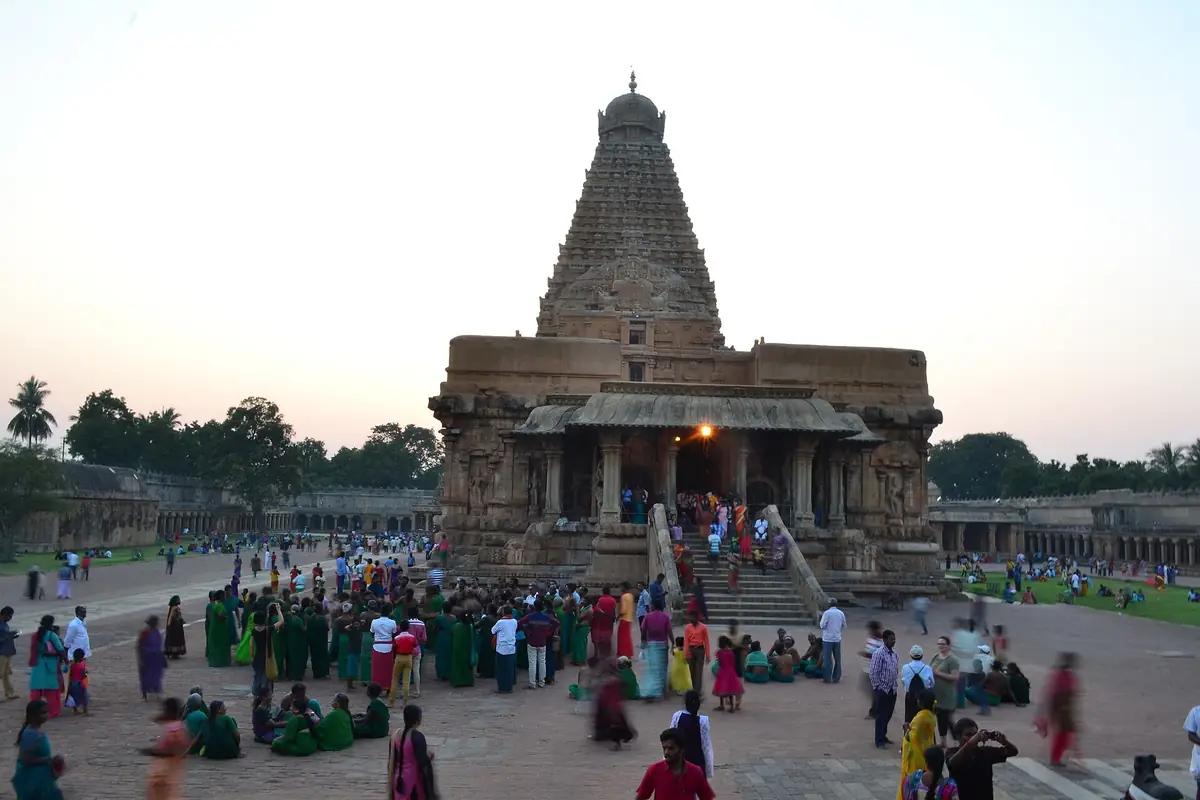
The Brihadeeswarar temple, completed around 1010, with Darasuram and Gangaikondacholapuram nearby.
Madurai, Kanchipuram and Srirangam
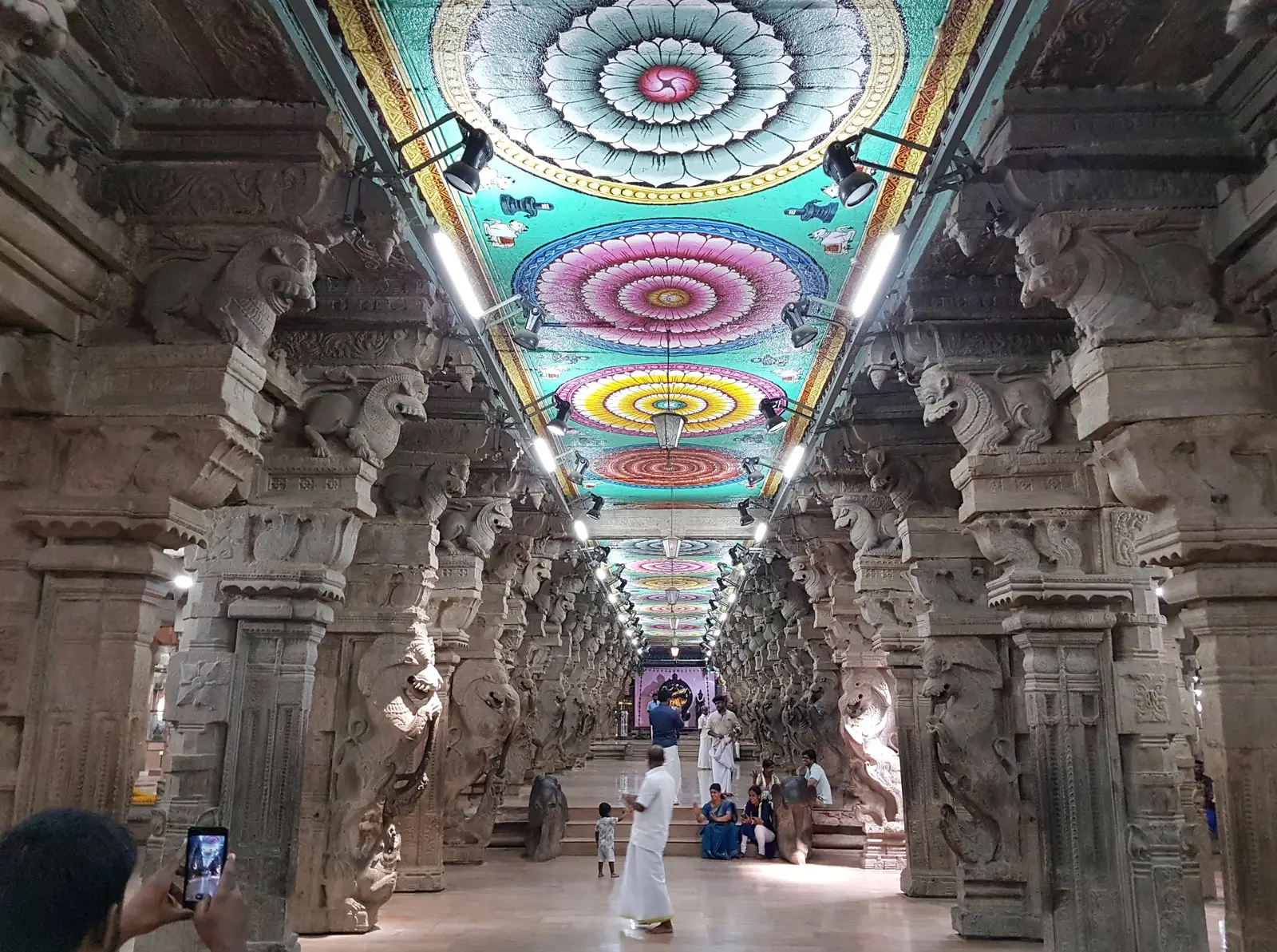
The Meenakshi Amman temple, Kanchipuram's temples and silk, and the vast Ranganathaswamy temple at Srirangam.
Chettinad, Chennai and the coast
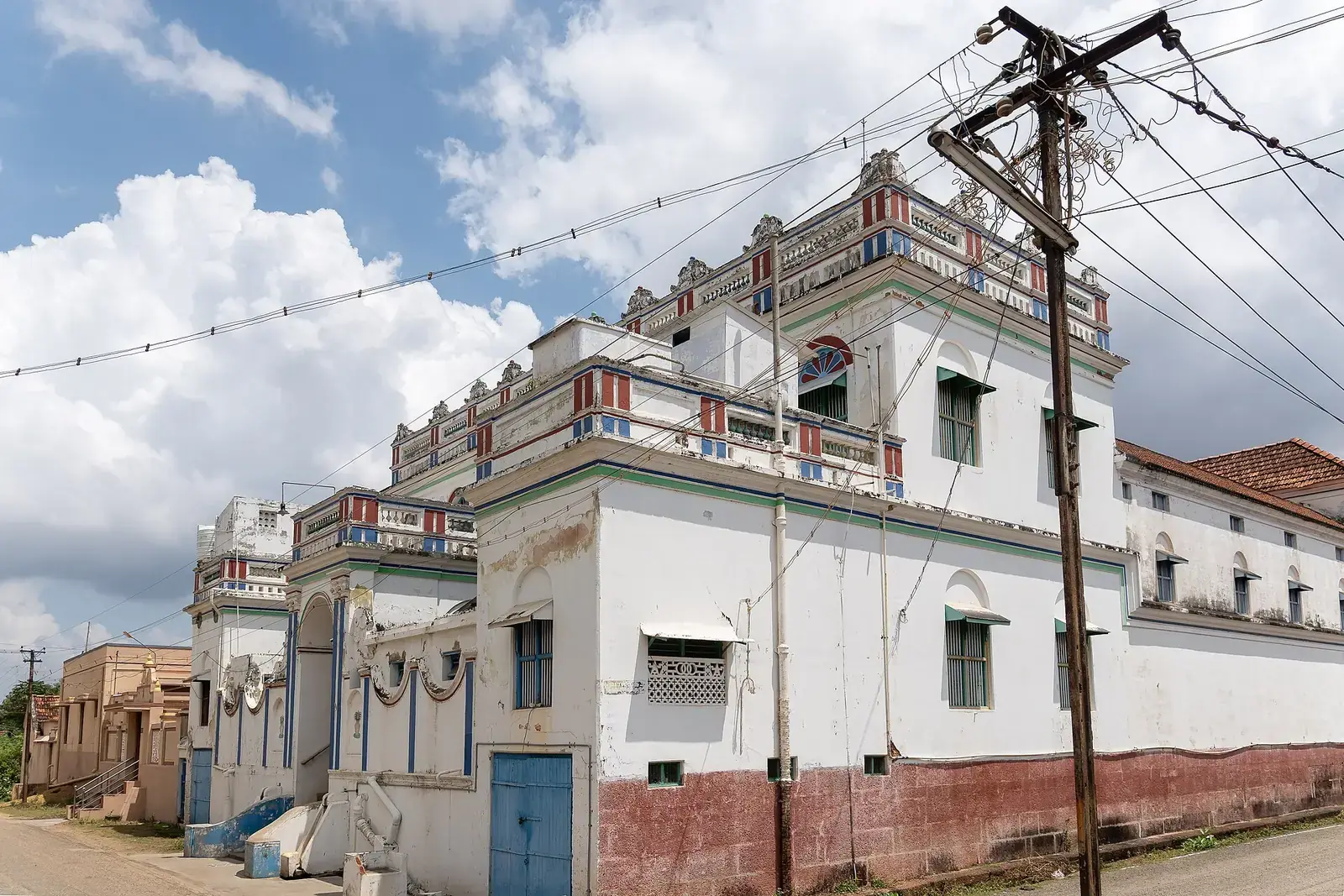
- Chettinad: the grand mansions of the Nattukottai Chettiar community, and its cuisine.
- Chennai: Fort St George, the Government Museum, Mylapore and San Thome.
- Tharangambadi: the Danish Fort Dansborg.
- Puducherry (a union territory): the French Quarter.
- Keeladi near Madurai: Sangam-era excavations and a site museum.
Living traditions
- Bronze casting at Swamimalai, near Kumbakonam.
- Kanchipuram silk weaving.
- Thanjavur paintings and art plates.
- Bharatanatyam and Carnatic music, especially in the Chennai season.
- Pongal, the harvest festival, in mid-January.
A short history
Sangam poetry records Tamil kingdoms, the Cheras, Cholas and Pandyas, from the early centuries BCE. The Pallavas of Kanchipuram built the monuments of Mahabalipuram in the 7th and 8th centuries. The imperial Cholas, at their height between the 10th and 12th centuries, raised the great temples of Thanjavur and Gangaikondacholapuram and sent expeditions across the Bay of Bengal. The Pandyas, Vijayanagara and the Nayaks followed, expanding temples such as Madurai's. European trading companies, the Danes, the French and the British, set up on the coast from the 17th century.
Getting around
Chennai, Madurai and Tiruchirappalli have airports, and the rail network is good. A car and driver makes it easy to combine temple towns in a day, such as Thanjavur, Darasuram and Gangaikondacholapuram.
When to go
- December to February: the best weather.
- Mid-December to mid-January: the Chennai music season.
- April to June: hot; plan temple visits early and late.
Where to stay
Heritage stays are a highlight of Tamil Nadu. Restored Chettiar mansions in Karaikudi and Kanadukathan offer a taste of merchant life, Puducherry's French Quarter has colonial villas, and Tharangambadi has a small seaside heritage hotel scene. In Thanjavur and Madurai, stay close to the temples so you can visit at dawn and dusk.
Lesser-known heritage
- Chidambaram's Nataraja temple, linked with dance traditions.
- Kumbakonam's many temples and the Mahamaham tank.
- Tiruvannamalai's Arunachaleswarar temple below its sacred hill.
- Gingee Fort's three hills near Villupuram.
Safety
- Timings, weekly closures and tickets change; check the ASI, state tourism or the site before you go.
- Living temples, mosques and shrines set their own rules on dress, entry and photography; follow what is posted.
What to pack
- Modest clothing, with a dhoti or sarong for temples
- Slip-on shoes and socks
- Sun protection
- Water
Want to explore India's heritage on a route built around you?
FAQs
What are the UNESCO sites in Tamil Nadu?
The Mahabalipuram monuments, the Great Living Chola Temples and the Nilgiri Mountain Railway; Gingee Fort is part of the Maratha Military Landscapes.
Which are the Great Living Chola Temples?
The Brihadeeswarar temples at Thanjavur and Gangaikondacholapuram, and the Airavatesvara temple at Darasuram.
What is Chettinad known for?
Grand merchant mansions and a distinctive cuisine.
Can non-Hindus enter Tamil Nadu temples?
Most temple complexes welcome visitors, but some inner sanctums are restricted; follow posted rules.
When is the best time to visit?
December to February.
How many days do I need for Tamil Nadu's heritage?
About eight days for Chennai, Mahabalipuram, Kanchipuram, Thanjavur, Chettinad and Madurai.
Where can I watch Bharatanatyam?
In Chennai, especially during the December music season, and at the Mamallapuram Dance Festival.