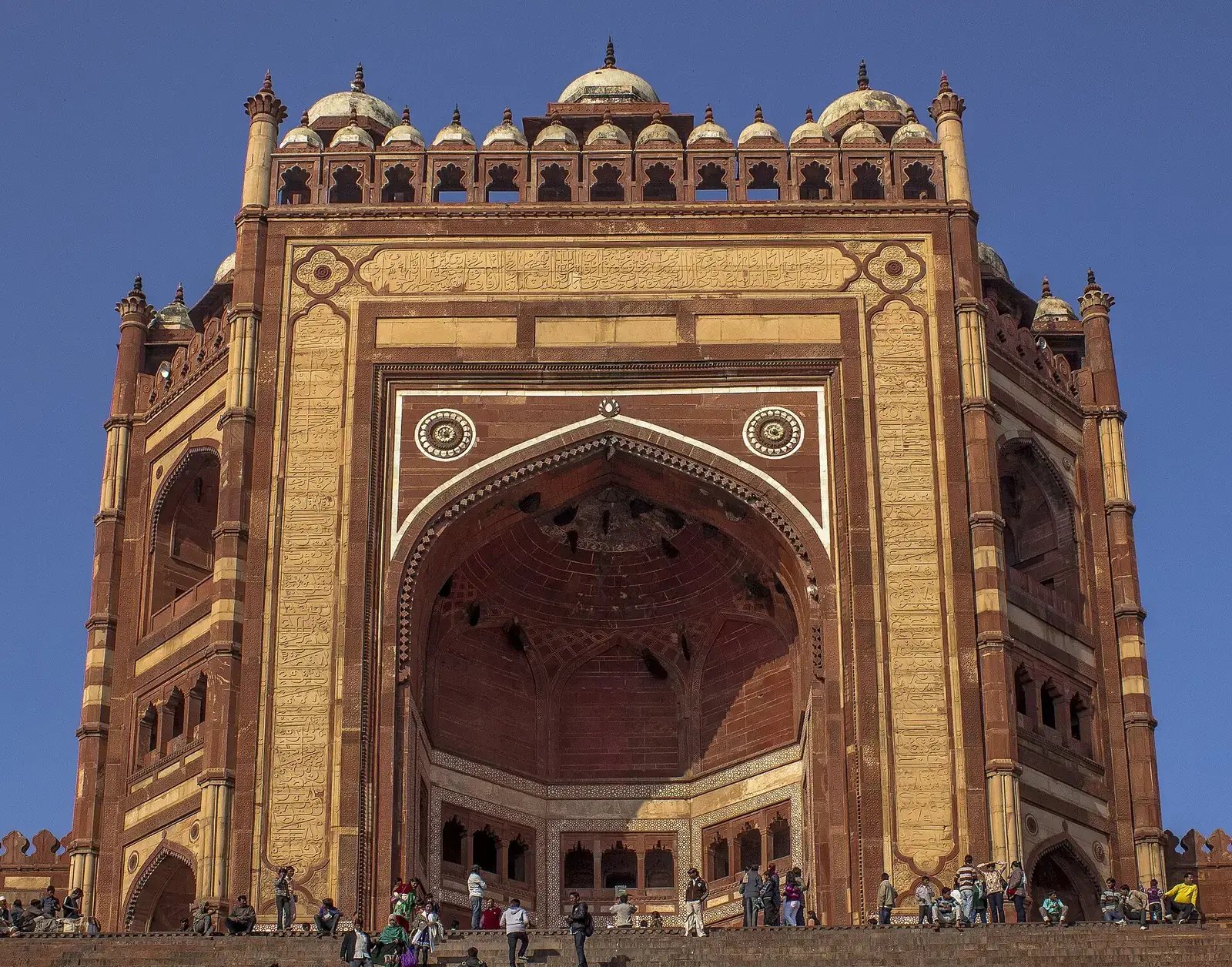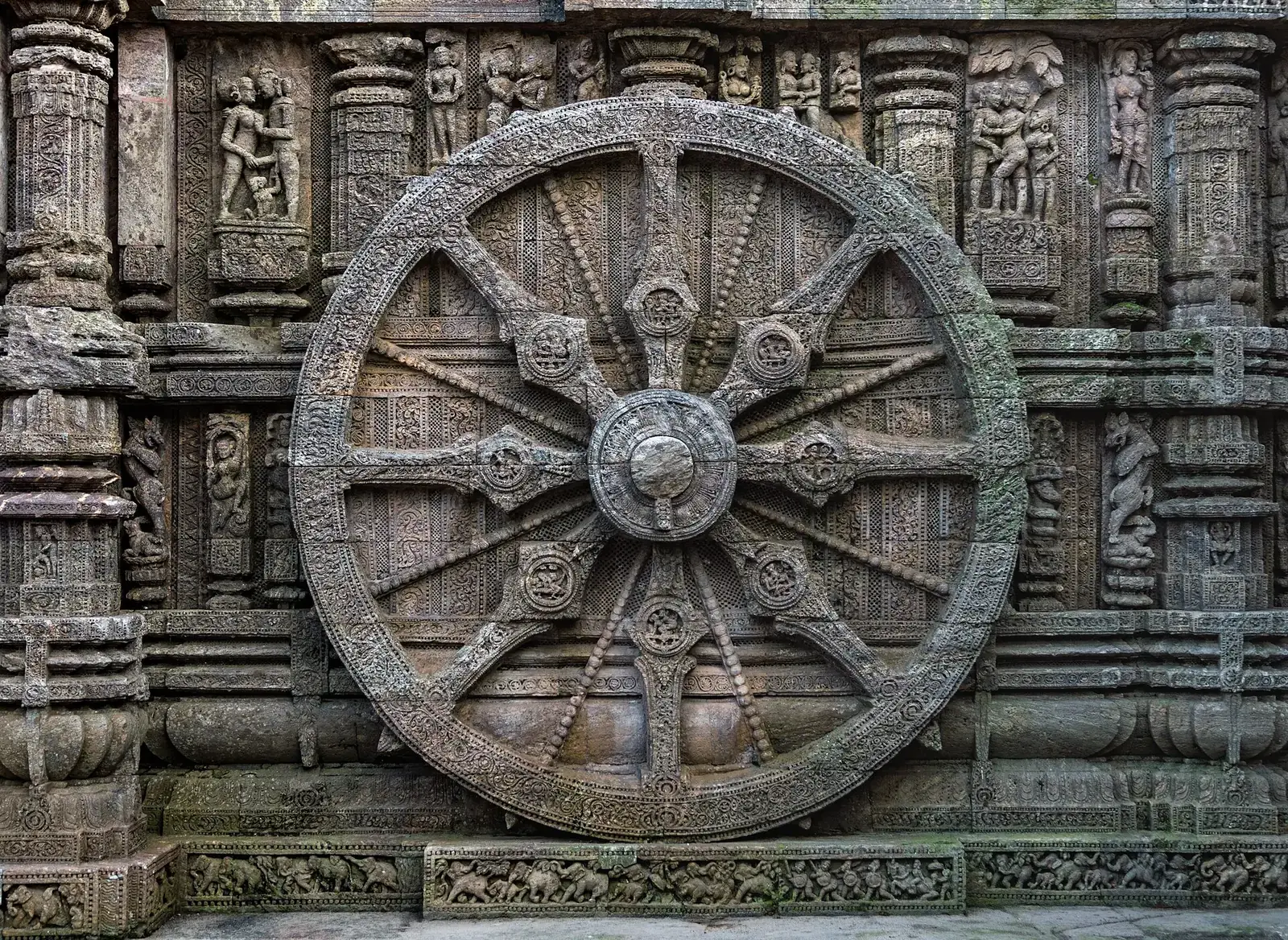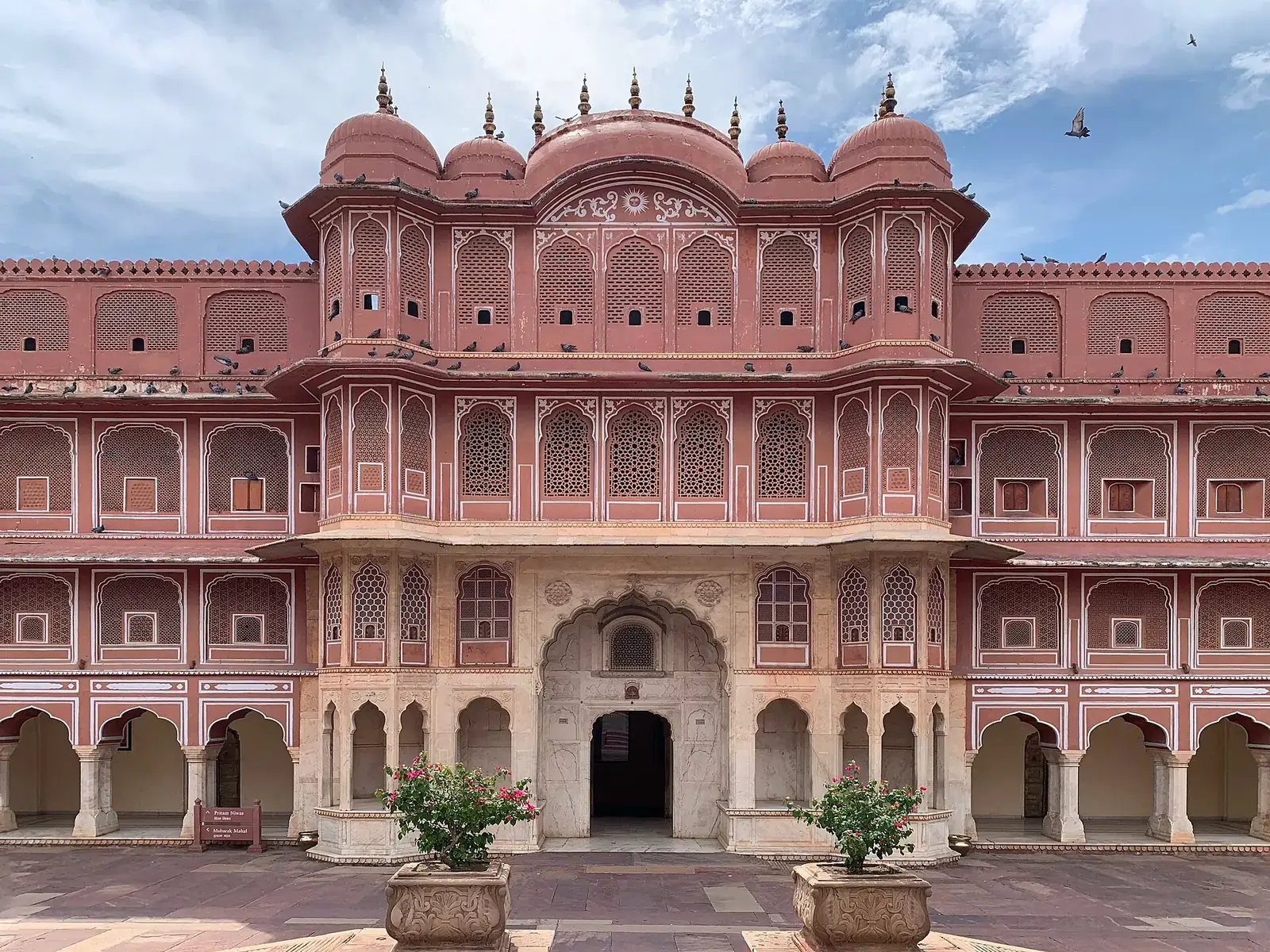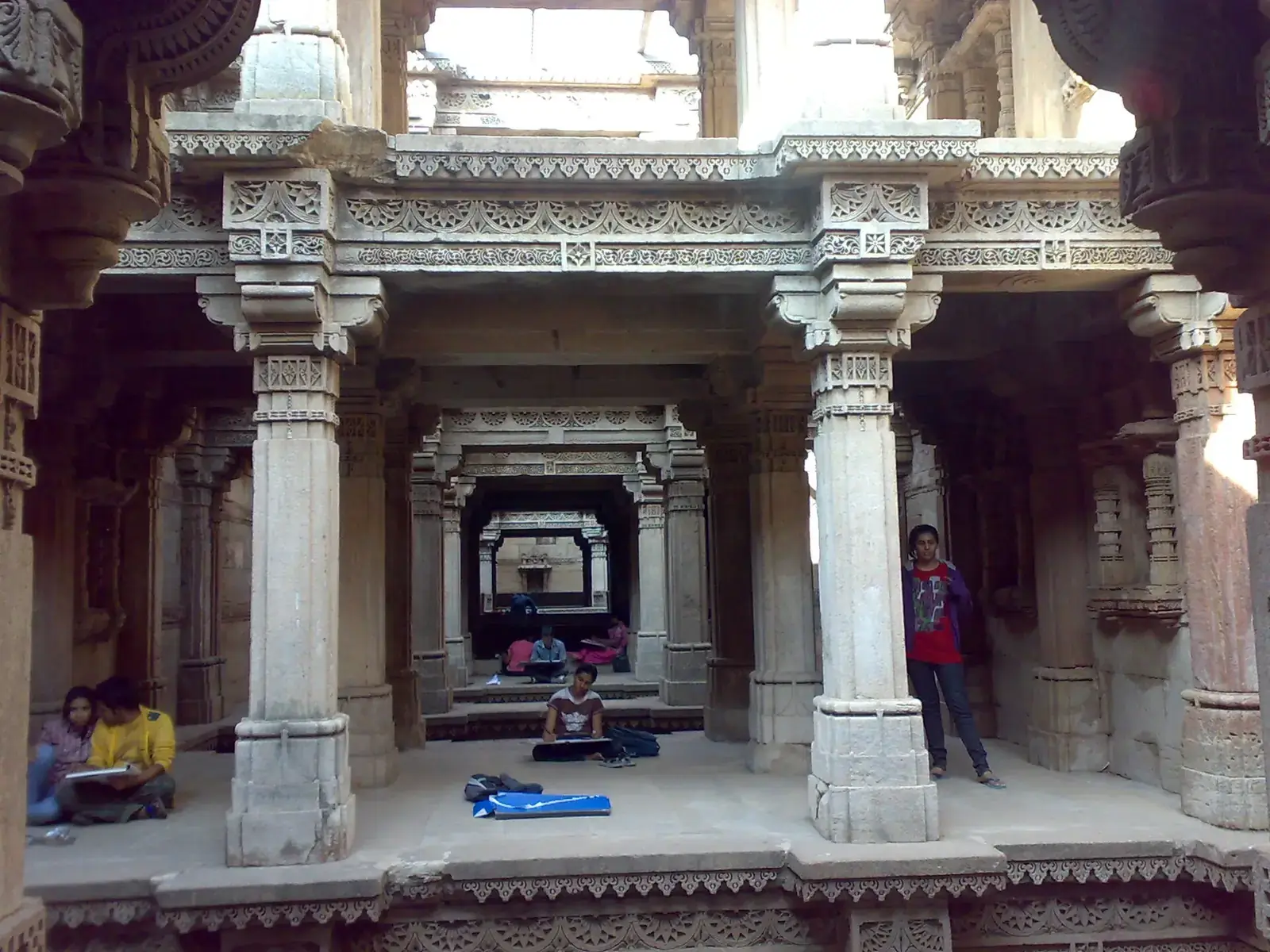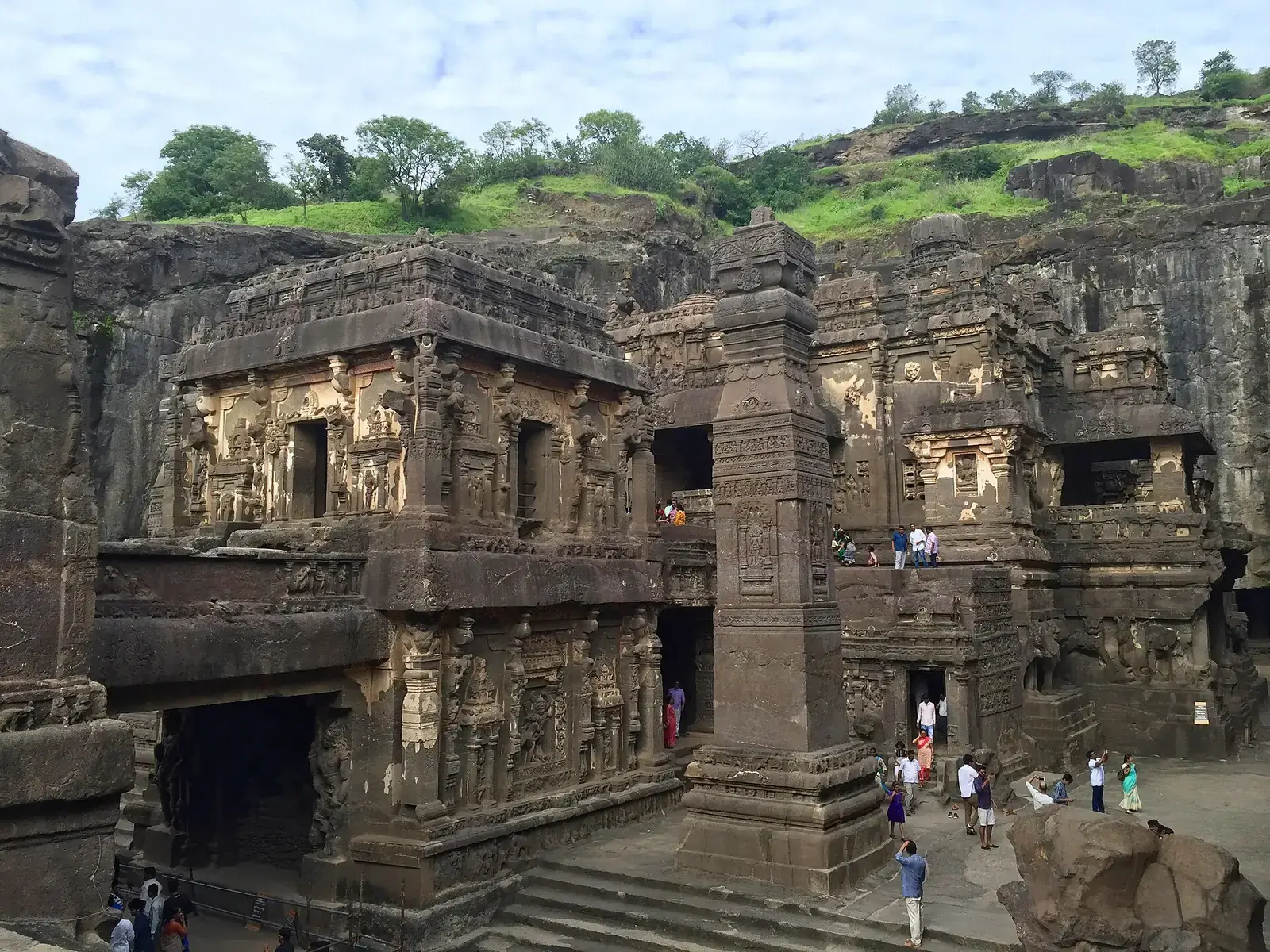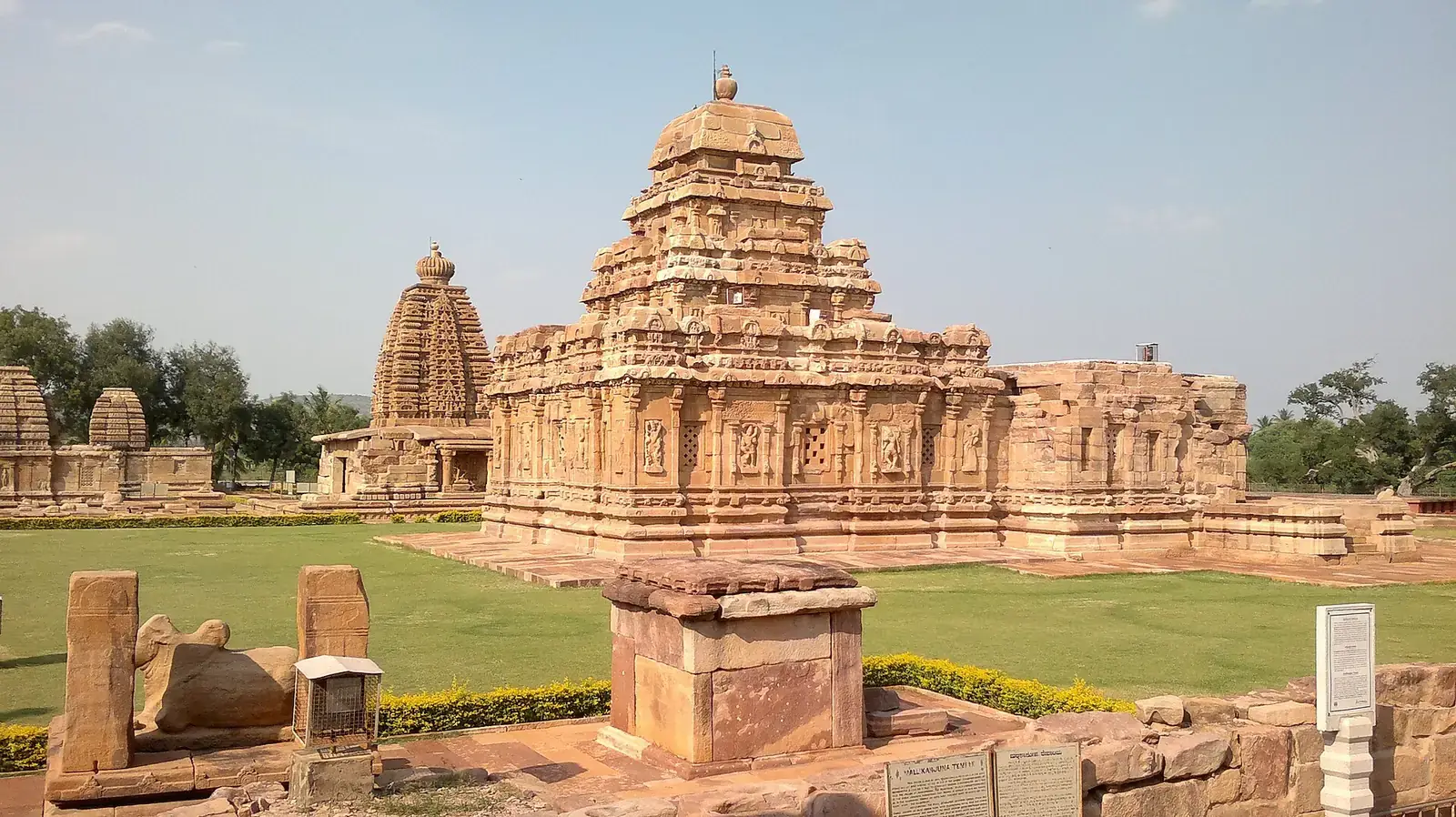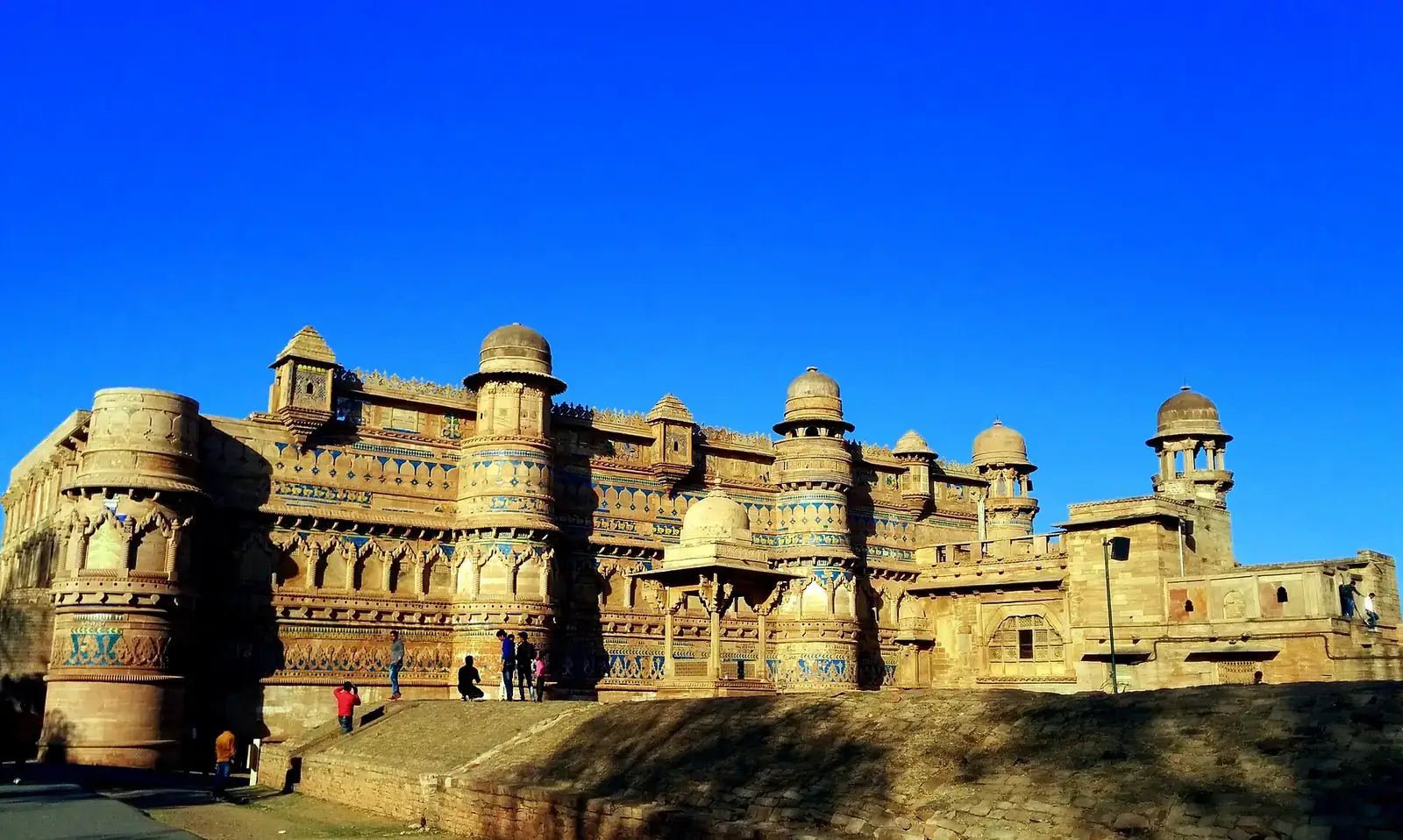
Madhya Pradesh has been at the crossroads of Indian history for thousands of years: prehistoric rock shelters at Bhimbetka, Ashokan and later Buddhist stupas at Sanchi, Chandela temples at Khajuraho, the fort of Gwalior, the sultanate capital of Mandu, and the Bundela palaces of Orchha.
Its three UNESCO cultural sites are the Khajuraho Group of Monuments (1986), the Buddhist Monuments at Sanchi (1989) and the Rock Shelters of Bhimbetka (2003). Gwalior was named a UNESCO Creative City of Music in 2023, recognising its classical music tradition.
Quick answer
Madhya Pradesh's heritage highlights are its three UNESCO sites (Khajuraho, Sanchi and Bhimbetka), Gwalior Fort, Orchha's palaces and cenotaphs, Mandu's plateau monuments, Maheshwar's ghats and handloom, Chanderi's weaves, and Bhopal's museums. Travel between October and March, or visit Mandu in the monsoon. Ten to twelve days covers the state well.
Key takeaways
- Madhya Pradesh has three UNESCO cultural sites: Khajuraho, Sanchi and Bhimbetka.
- Orchha, Mandu and Maheshwar are among India's most rewarding small heritage towns.
- Gwalior is a UNESCO Creative City of Music.
- Bhopal's museums are an excellent introduction to Indian cultures.
- Mandu is especially beautiful in the monsoon.
UNESCO World Heritage Sites
| Site | Year | Notes |
|---|---|---|
| Khajuraho Group of Monuments | 1986 | Chandela temples, about 950 to 1050 CE |
| Buddhist Monuments at Sanchi | 1989 | Stupas from the 3rd century BCE onward |
| Rock Shelters of Bhimbetka | 2003 | Rock art from many periods |
Highlights
Gwalior and Orchha
Gwalior's hilltop fort and Jai Vilas Palace; Orchha's palaces and royal chhatris on the Betwa.
Khajuraho
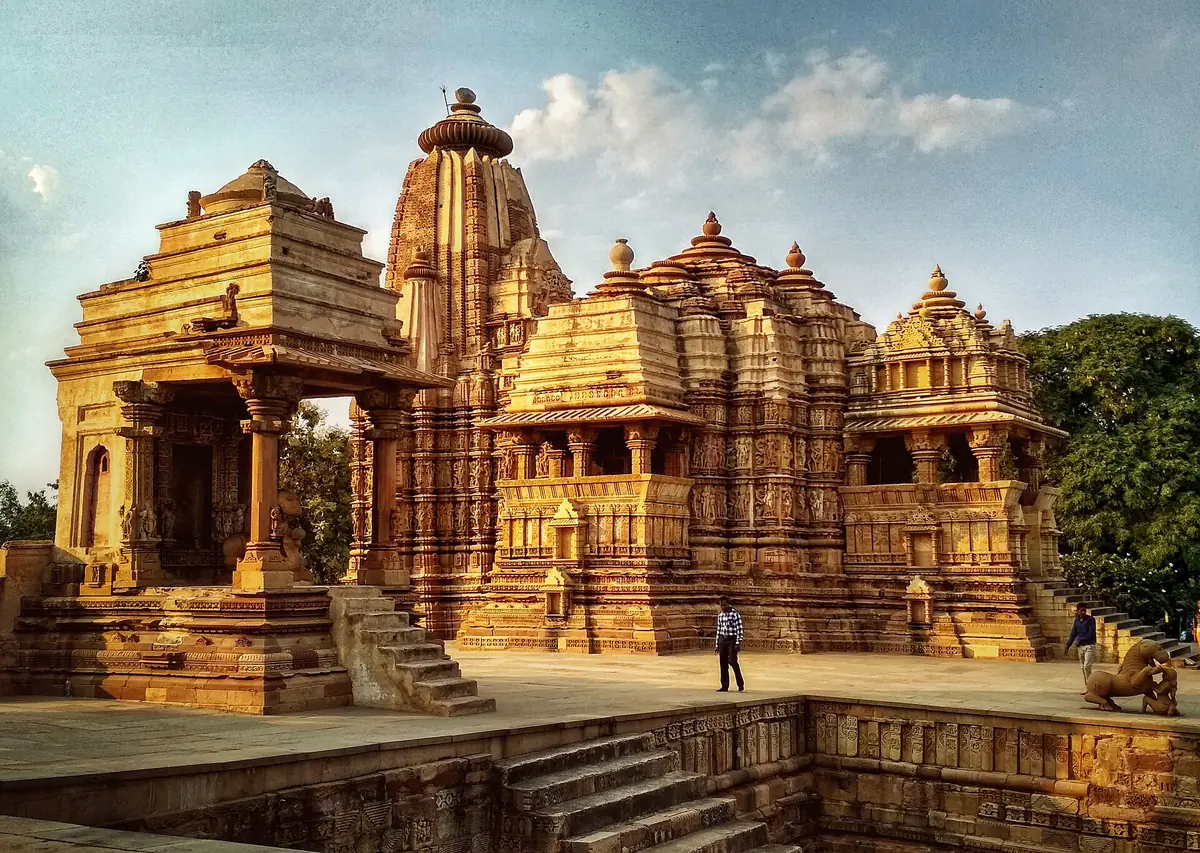
Temples with sculpted walls; the Western Group is the most famous.
Bhopal, Sanchi and Bhimbetka
The capital's museums and lakes, with two UNESCO sites within an hour.
Mandu and Maheshwar
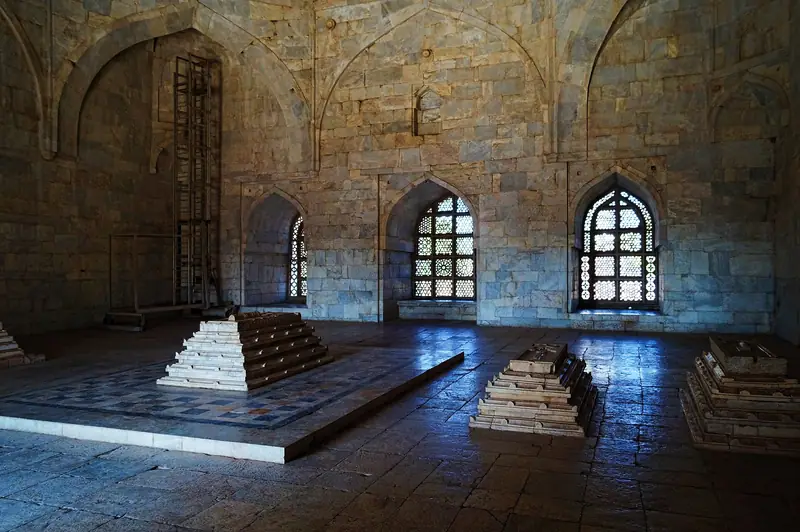
The Malwa sultans' plateau capital, and Ahilyabai Holkar's town on the Narmada.
Crafts, music and festivals
- Chanderi and Maheshwari handloom.
- Gond painting from the Mandla and Dindori region.
- The Tansen Samaroh in Gwalior, usually in December.
- The Khajuraho Dance Festival, usually in February.
- Bhopal's Tribal Museum and Manav Sangrahalaya.
Planning a route
A north-to-west route runs Gwalior, Orchha, Khajuraho, Bhopal (for Sanchi and Bhimbetka), Indore, Mandu and Maheshwar in about eleven days. With five days, do Gwalior, Orchha and Khajuraho; with four, Bhopal and the Malwa towns.
A short history
Bhimbetka's rock shelters show human presence over a very long span. Sanchi's stupas date from the Mauryan period, and the Gupta-era caves at Udayagiri near Vidisha are among the earliest Hindu cave shrines. The Chandelas built Khajuraho between about 950 and 1050 CE, while the Paramaras of Malwa made Dhar and Mandu their centres. Mandu became the capital of the Malwa Sultanate, the Bundelas ruled from Orchha, and later the Scindias and Holkars governed from Gwalior and Indore. Bhopal was ruled for over a century by a line of begums.
Getting around
Gwalior, Khajuraho, Bhopal and Indore have airports, and trains serve Gwalior, Jhansi (for Orchha), Bhopal and Indore. Distances between regions are large, so treat the north (Gwalior, Orchha, Khajuraho) and the west (Bhopal, Indore, Mandu, Maheshwar) as two loops, joined by train or flight.
When to go
- October to March: the best season across the state.
- July to September: Mandu and the Malwa plateau are at their greenest.
- April to June: very hot; plan early starts.
Where to stay
MP Tourism hotels are often the best-placed option in heritage towns such as Orchha, Khajuraho, Mandu and Maheshwar. Orchha and Maheshwar also have heritage stays in old palaces and forts. In Bhopal, stay near the lakes for easy access to the museums and the Sanchi and Bhimbetka day trips.
Lesser-known heritage
- Datia's seven-storey Bir Singh Palace, near Gwalior.
- Chanderi's fort, stepwells and weaving lanes.
- Burhanpur, with its Mughal-era water system of underground channels.
- Ujjain's Vedh Shala observatory, alongside its temples.
Safety
- Timings, weekly closures and tickets change; check the ASI, state tourism or the site before you go.
- Living temples, mosques and shrines set their own rules on dress, entry and photography; follow what is posted.
What to pack
- Comfortable walking shoes
- Scarf or shawl for places of worship
- Hat, sunscreen and water
- Photo ID for tickets
Want to explore India's heritage on a route built around you?
FAQs
What are the UNESCO sites in Madhya Pradesh?
Khajuraho, Sanchi and Bhimbetka.
Which heritage towns in MP are less crowded?
Orchha, Mandu, Maheshwar and Chanderi.
Is Gwalior a UNESCO Creative City?
Yes, Gwalior was designated a UNESCO Creative City of Music in 2023.
When is the best time to visit?
October to March; Mandu is also lovely in the monsoon.
How many days do I need?
About ten to twelve days for the main heritage sites.
Is Madhya Pradesh good for a first heritage trip?
Yes, especially if you prefer quieter sites; Khajuraho, Orchha and Gwalior pair well with a Golden Triangle trip.
Where can I buy Chanderi and Maheshwari saris?
In Chanderi and Maheshwar themselves, from weavers' cooperatives and trusts.