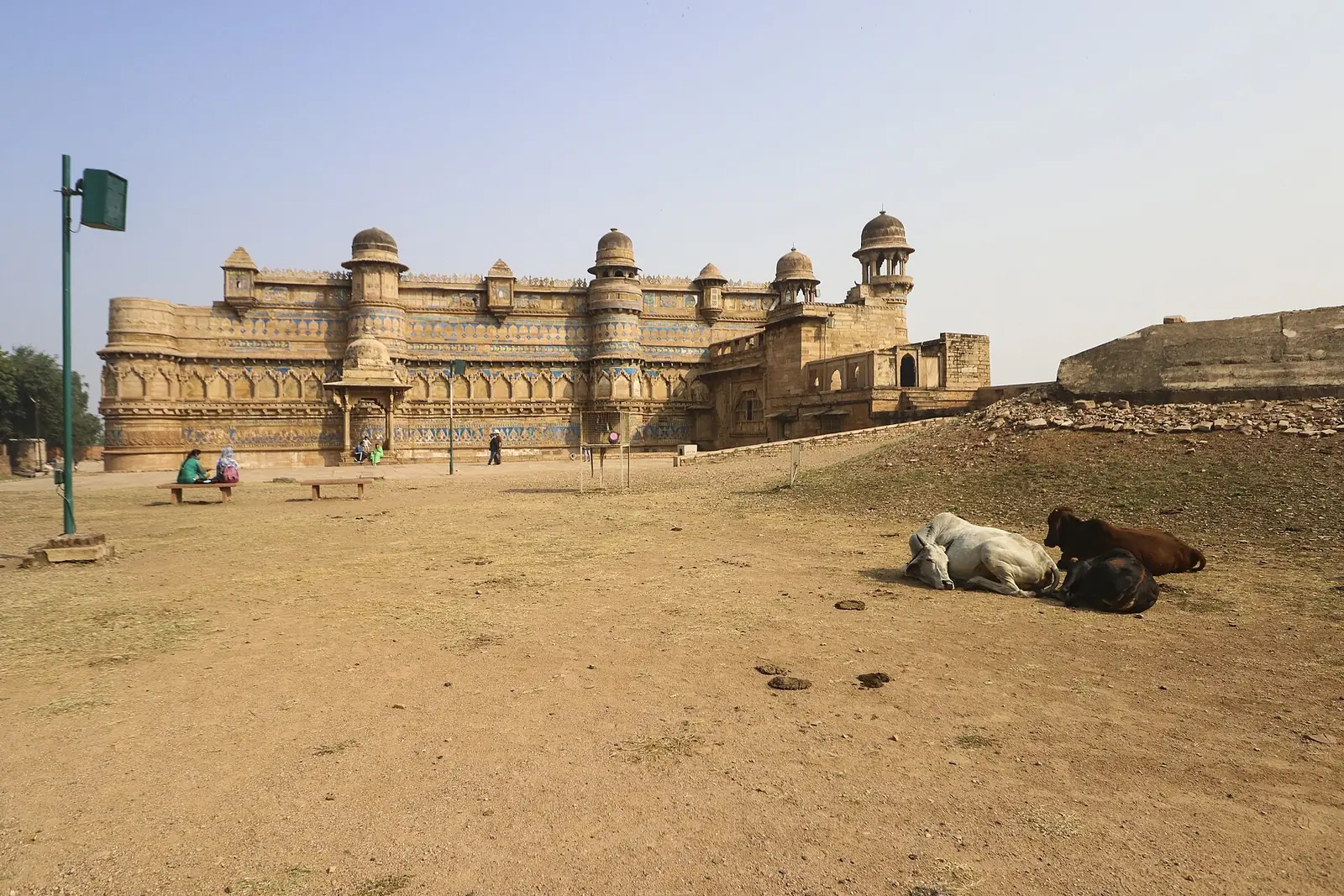
Why Gwalior?
Gwalior is built around one of India's most formidable hill forts — a mile-long fortress on a sandstone plateau that the Mughal emperor Babur reportedly called "the pearl among the fortresses of India." Rulers from the Tomars to the Mughals to the Scindias all fought over and rebuilt within its walls, leaving behind a dense cluster of palaces, temples, and water-harvesting engineering that's rare to find this intact anywhere else in the country.
Beyond the fort, Gwalior is also a city of music — the legendary classical musician Tansen was born here and is buried in the old city, and it remains an important center for Hindustani classical music to this day. Add in the almost absurdly opulent Jai Vilas Palace of the Scindia royal family, and Gwalior earns a full two days on any Madhya Pradesh itinerary.
🏰 Gwalior at a Glance
Looking for activities and experiences? See our guide to the best things to do in Gwalior.
Want a day-by-day plan? Follow our Madhya Pradesh heritage itinerary.
Interested in the history? See our guide to famous forts in India.
Best Time to Visit Gwalior
Cool, dry weather ideal for spending hours walking the fort's exposed ramparts and stairways without the heat working against you.
Temperatures regularly cross 40–42°C. If you must visit, stick to early mornings and keep the fort walk short.
Green surroundings and lower crowds, but the fort's stone surfaces get slippery and some sections may be less pleasant to explore.
Our pick: November to February, when the fort's exposed stone surfaces are at their most bearable and the Tansen Music Festival (typically held in this window) adds a cultural draw.
How to Reach Gwalior
- By Air: Gwalior Airport (GWL) has domestic flights connecting to Delhi and other major cities.
- By Train: Gwalior Junction sits on the main Delhi-Mumbai and Delhi-Chennai rail corridors, making it one of the best-connected heritage towns in India — an easy stop on almost any North-Central India rail itinerary.
- By Road: Well connected via NH44 — roughly 320 km (5-6 hrs) from Delhi and 120 km (2.5 hrs) from Agra, making it a natural add-on to a Taj Mahal trip.
Top Attractions in Gwalior
- Gwalior Fort: A massive hilltop fortress with a history stretching back over a thousand years, its walls enclosing palaces, temples, and reservoirs across a sprawling plateau.
- Man Singh Palace (Gujari Mahal / Man Mandir): Known for its striking blue-tiled facade and an ingenious ancient water-lift and cooling system built directly into the palace walls.
- Sas-Bahu Temples: A pair of ornately carved 11th-century temples inside the fort complex, their name loosely translating to "mother-in-law/daughter-in-law" temples.
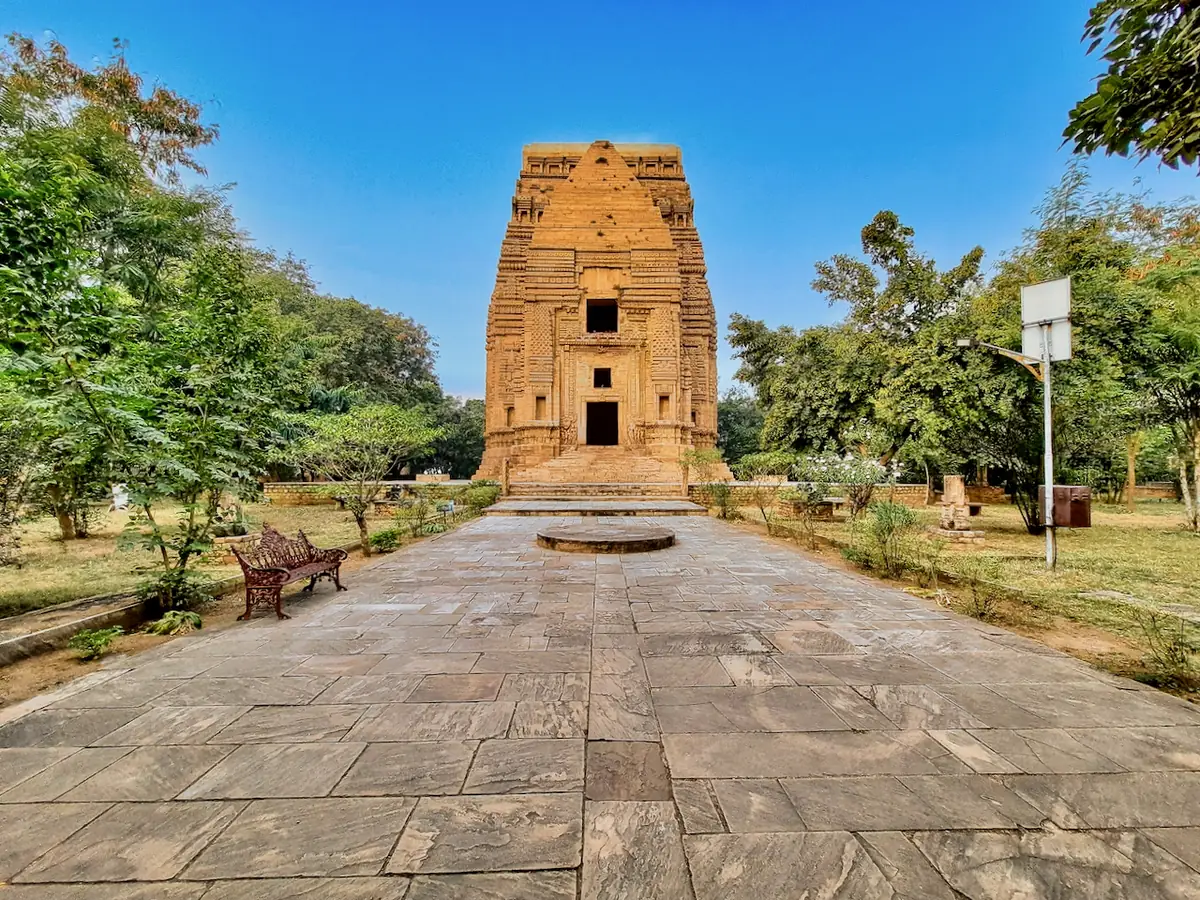
- Teli ka Mandir: A tall, distinctive temple within the fort blending Dravidian and North Indian architectural styles — one of the fort's oldest surviving structures.
- Jai Vilas Palace: The opulent Scindia dynasty palace, partly a working museum, famous for a massive chandelier and a silver toy train that once carried after-dinner treats along the dining table.
- Tansen's Tomb: The resting place of one of Hindustani classical music's greatest figures, in the old city, and the venue for the annual Tansen Music Festival.
- Light and Sound Show: An evening show held at the fort recounting Gwalior's history — a good way to close out a day of sightseeing.
Where to Stay
- → Hotels near Gwalior railway station
- → Budget lodges, city center
- → Business hotels near Lashkar
- → Heritage-style guesthouses
- → Usha Kiran Palace (former Scindia guesthouse)
- → Premium hotels near Jai Vilas Palace
What to Eat in Gwalior
- Bedai & Kachori: A classic Gwalior breakfast — deep-fried stuffed bread served with spiced potato curry, found at old-city eateries from early morning.
- Gwalior-style Chaat: Local chaat stalls, especially around Sarafa Bazaar, serve a distinct spice mix that regulars swear is different from anywhere else in North India.
- Gajak & Rewri: Sesame and jaggery sweets that Gwalior is well known for, especially in winter — a good edible souvenir.
- Local thalis: Simple vegetarian thalis are widely available and a reliable, filling option after a long day at the fort.
2-Day Gwalior Itinerary
Gwalior Fort & Palaces
- ✓Morning: Gwalior Fort, Man Singh Palace
- ✓Sas-Bahu Temples and Teli ka Mandir
- ✓Evening: Light and sound show at the fort
Jai Vilas Palace & Old City
- ✓Morning: Jai Vilas Palace and museum
- ✓Afternoon: Tansen's Tomb and the old city
- ✓Evening: Sarafa Bazaar for chaat
Budget Breakdown
| Expense | Budget | Mid-Range | Luxury |
|---|---|---|---|
| Accommodation/night | ₹800 | ₹3,000 | ₹10,000 |
| Food/day | ₹350 | ₹800 | ₹1,800 |
| Local transport per day | ₹200 | ₹600 | ₹1,500 |
| Entry fees/activities | ₹150 | ₹400 | ₹800 |
| Daily total | ₹1,500 | ₹4,800 | ₹14,100 |
| 2-Day trip total | ₹3,000 | ₹9,600 | ₹28,200 |
* Excludes transport to the region.
Essential Travel Tips
- Allow a half-day for the fort alone: Between the palaces, temples, and ramparts, Gwalior Fort is bigger than it looks from below.
- Catch the light and sound show: It's a low-effort, high-value way to absorb the fort's history after a day of walking.
- Combine with Orchha: Roughly 120 km via Jhansi, Orchha makes a natural next stop on a Madhya Pradesh heritage circuit.
- Avoid summer midday visits: The fort's stone surfaces radiate heat brutally between April and June.
✅ Do
- →Start the fort visit early to avoid both heat and crowds
- →Watch the evening light and sound show
- →Visit Jai Vilas Palace for the chandelier and silver toy train
- →Try Gwalior's distinct chaat at Sarafa Bazaar
- →Combine with Orchha for a fuller heritage circuit
❌ Don't
- →Visit the fort at midday in peak summer
- →Rush past the Sas-Bahu Temples' carvings
- →Skip Tansen's Tomb if you're interested in Indian classical music
- →Underestimate how much walking the fort complex requires
- →Expect nightlife or a big-city pace — Gwalior is heritage-focused
Frequently Asked Questions
How many days do I need in Gwalior?
Two days is enough — a full day for Gwalior Fort and its temples, and a second for Jai Vilas Palace and the old city. Add a day if you're combining it with Orchha, which is a comfortable day trip away via Jhansi.
What is the best time to visit Gwalior?
October to March is by far the most comfortable window — cool, dry weather ideal for the fort's long stairways and exposed ramparts. Summers (April–June) get brutally hot, often crossing 42°C.
How do I reach Gwalior?
Gwalior Airport (GWL) has domestic flights from major cities, and Gwalior Junction is a major stop on the Delhi-Mumbai and Delhi-Chennai rail lines, making it one of the easiest heritage towns in India to reach by train. By road it's about 320 km from Delhi and 120 km from Agra on NH44.
Is Gwalior Fort worth visiting?
Yes — it's one of the largest and best-preserved hill forts in India, with Mughal emperor Babur reportedly calling it 'the pearl among the fortresses of India'. Between the fort walls, Man Singh Palace, and the Sas-Bahu Temples, it easily fills half a day.
What is Gwalior famous for?
Gwalior is best known for its massive hilltop fort, the opulent Jai Vilas Palace of the Scindia royal family, and its deep classical music heritage — the legendary musician Tansen was born and is buried here.
Can I combine Gwalior with Orchha and Khajuraho?
Yes — Gwalior, Orchha, and Khajuraho form a popular Madhya Pradesh heritage circuit. Orchha is roughly 120 km away via Jhansi, and Khajuraho is a further drive or short flight beyond that.
What is the budget for a trip to Gwalior?
A budget traveller can manage on roughly ₹1,400 a day, a mid-range trip runs closer to ₹3,800 a day, and upscale stays can run ₹9,000+ a day, excluding transport to the city.
Published by the Kudozz Club editorial team · Last updated · How we research our guides
Want us to plan this trip for you?
Tell Kudozz Club where you want to go and what kind of trip you’re looking for. We’ll build a Gwalior Fort and Madhya Pradesh itinerary around your dates and budget.
Continue Exploring
View all guides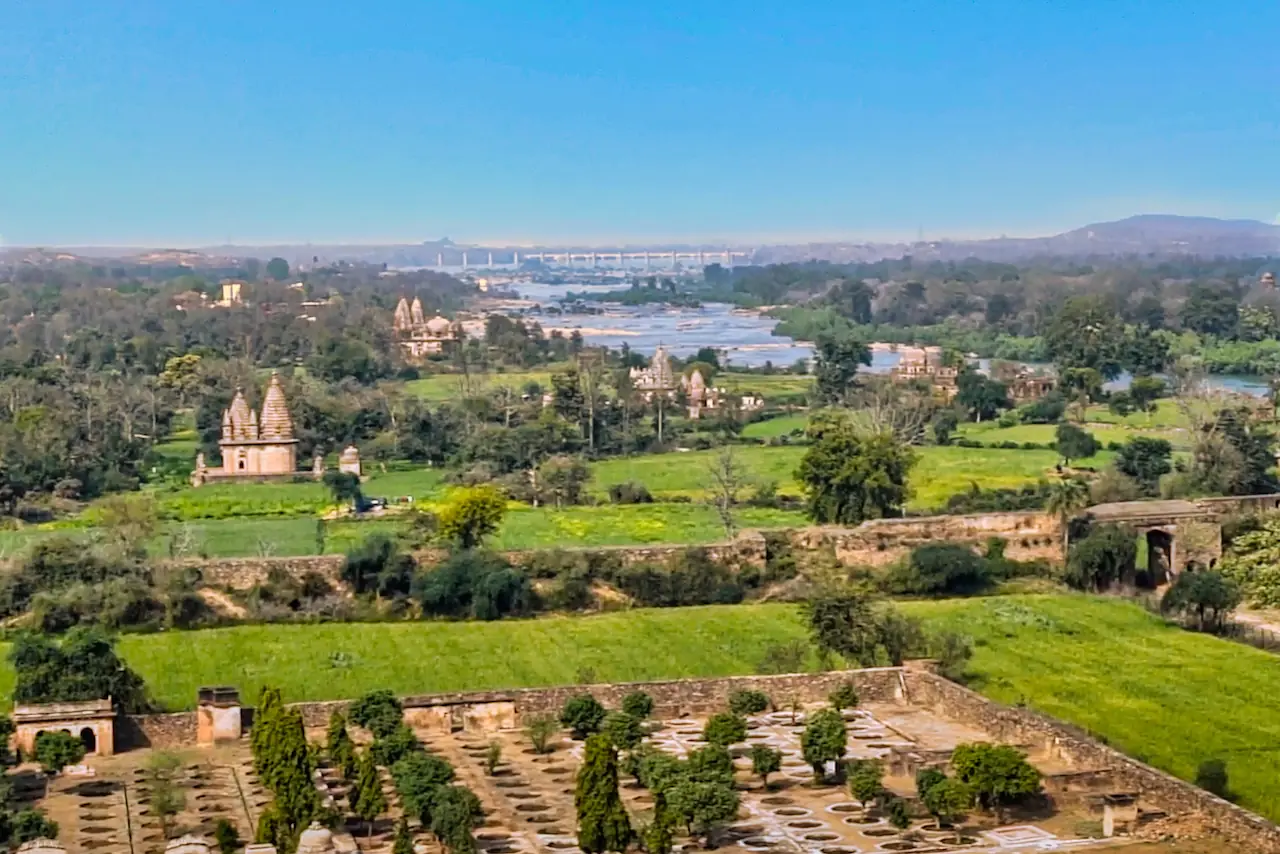 Heritage
Orchha Travel Guide: Cenotaphs, Palaces & Betwa River
A 16th-century Bundela capital of sandstone palaces and riverside chhatris, still remarkably uncrowded — the complete guide to Orchha.
 Heritage
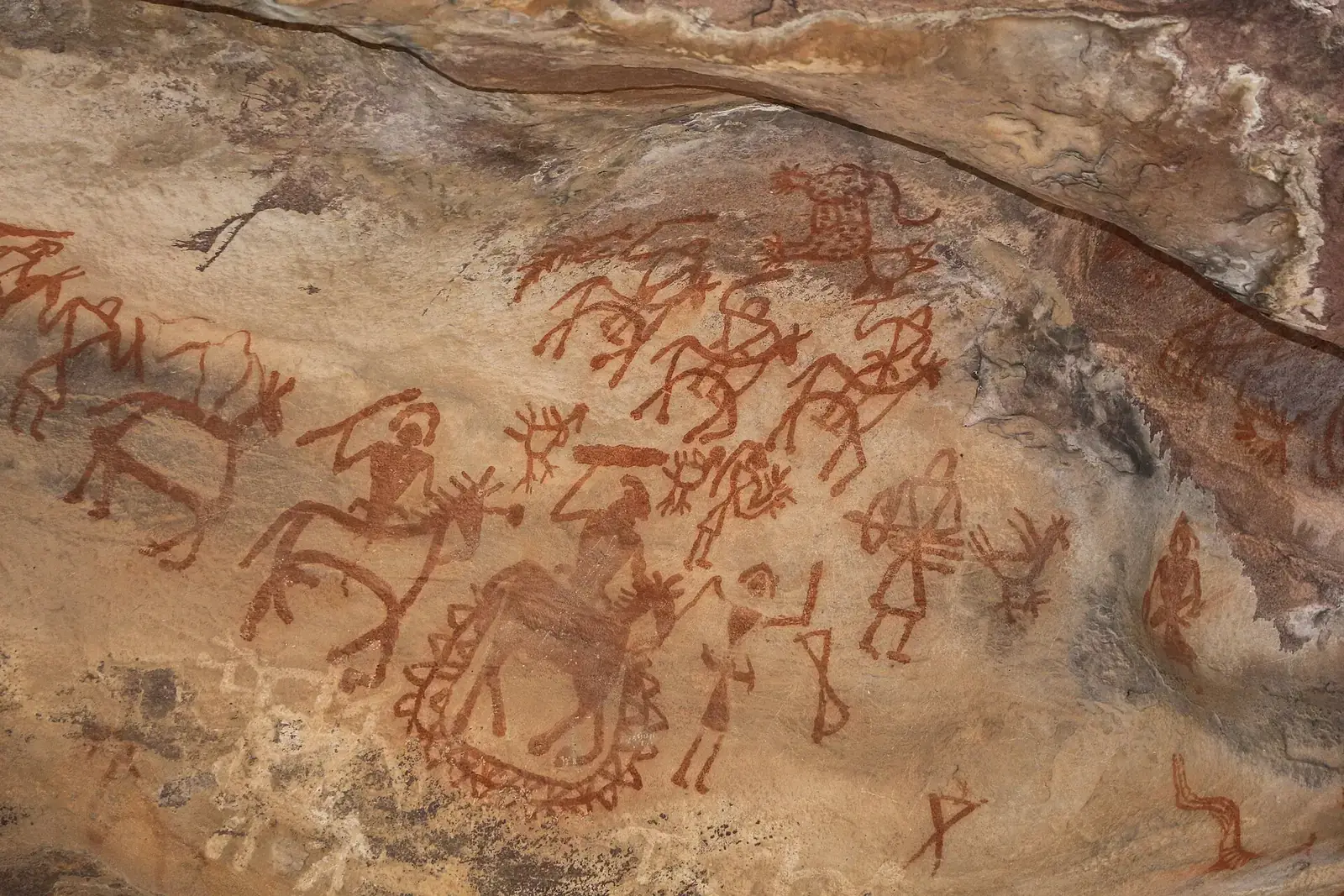
Bhimbetka Rock Shelters: Prehistoric Cave Art Travel Guide
Painted rock shelters up to 30,000 years old, tucked into sandstone outcrops on the edge of the Vindhya hills — the complete guide to Bhimbetka.
 Heritage
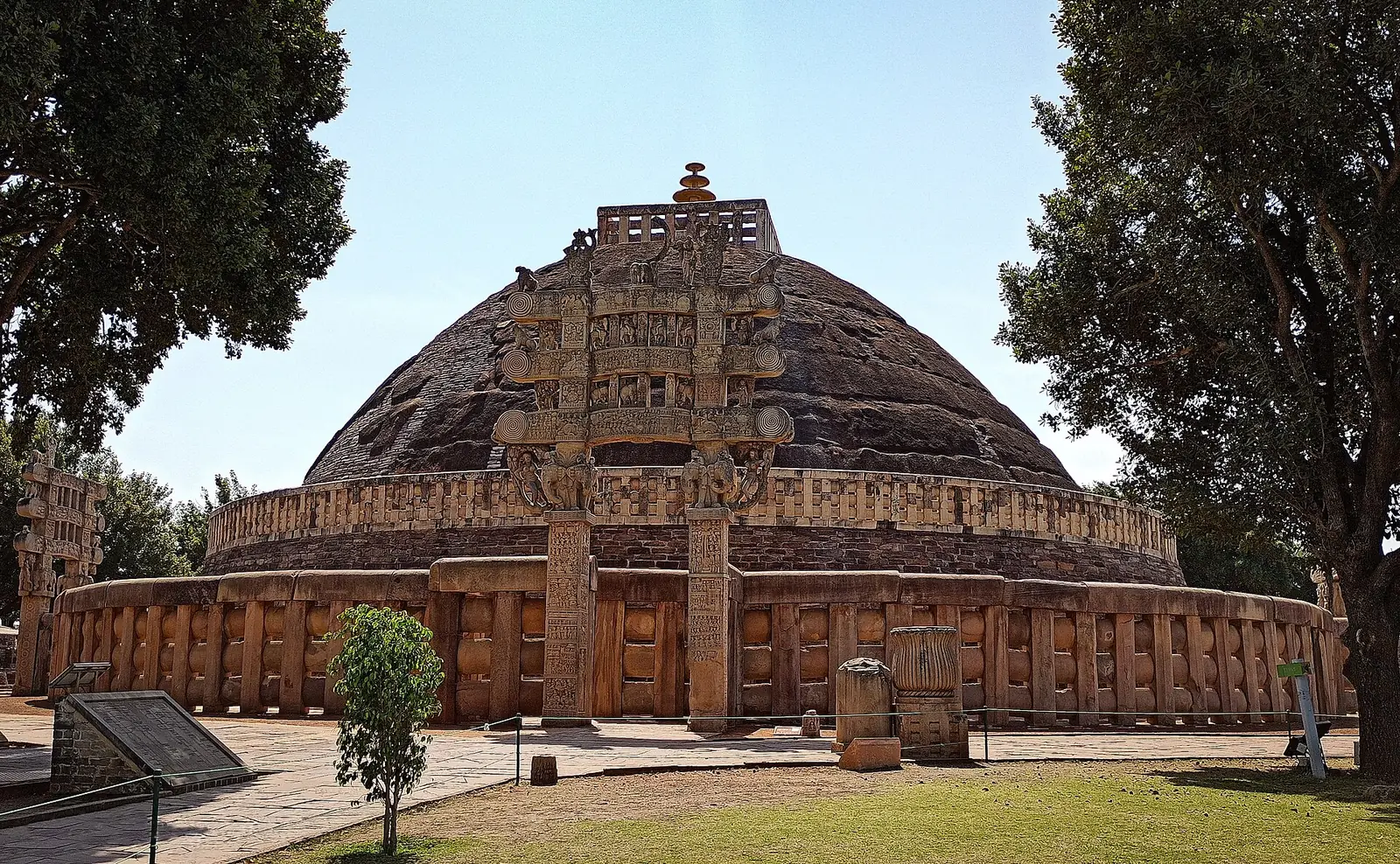
Sanchi Stupa Travel Guide: Buddhist Monuments & History
The oldest stone structure in India still standing, and one of Buddhism's most important surviving monument complexes — the complete guide to Sanchi.
 Heritage
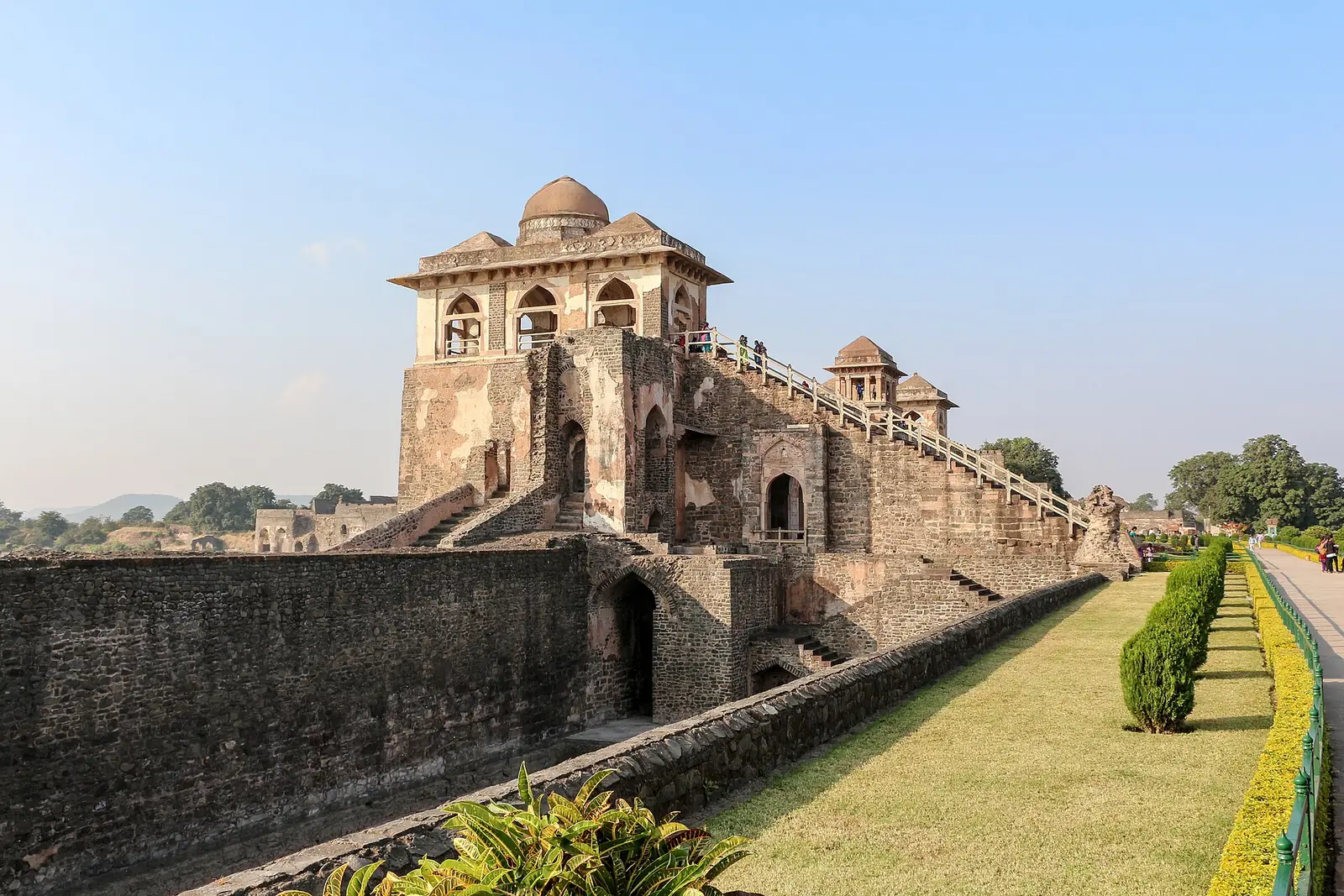
Mandu Travel Guide: Jahaz Mahal, Monsoon Palaces & Afghan Ruins
A ridge-top fort city of Afghan-era palaces built for the monsoon, including a 'ship palace' that seems to float between two lakes — the complete guide to Mandu.