Gwalior, about 120 km south of Agra, grew around a sandstone plateau that has been fortified for well over a thousand years. The Mughal emperor Babur is said to have called the fort the pearl among the fortresses of Hind. From the 18th century, Gwalior was the seat of the Scindia dynasty of the Marathas, whose palace still dominates the new city.
The things to do in Gwalior centre on the fort, with its palaces, temples, museum and giant rock-cut Jain statues, and on the Scindias' Jai Vilas Palace. Gwalior is also a city of music: Tansen, the great singer at Akbar's court, is buried here, and UNESCO named Gwalior a Creative City of Music in 2023.
One or two days is enough. October to March is the best time; the Tansen Samaroh music festival is held in December.
For how to get there, when to go and where to stay, see our Gwalior travel guide.
Quick answer: best things to do in Gwalior
- Explore Gwalior Fort
- See the blue-tiled Man Mandir Palace
- Visit Teli ka Mandir
- See the Sas-Bahu temples
- Watch the fort's light and sound show
- Visit the Gujari Mahal museum
- See the rock-cut Jain statues
- Tour Jai Vilas Palace
- Visit Tansen's tomb
- See the ancient zero inscription
Want a day-by-day plan? Follow our Madhya Pradesh heritage itinerary.
Interested in the history? See our guide to famous forts in India.
Gwalior Fort
See Man Mandir Palace
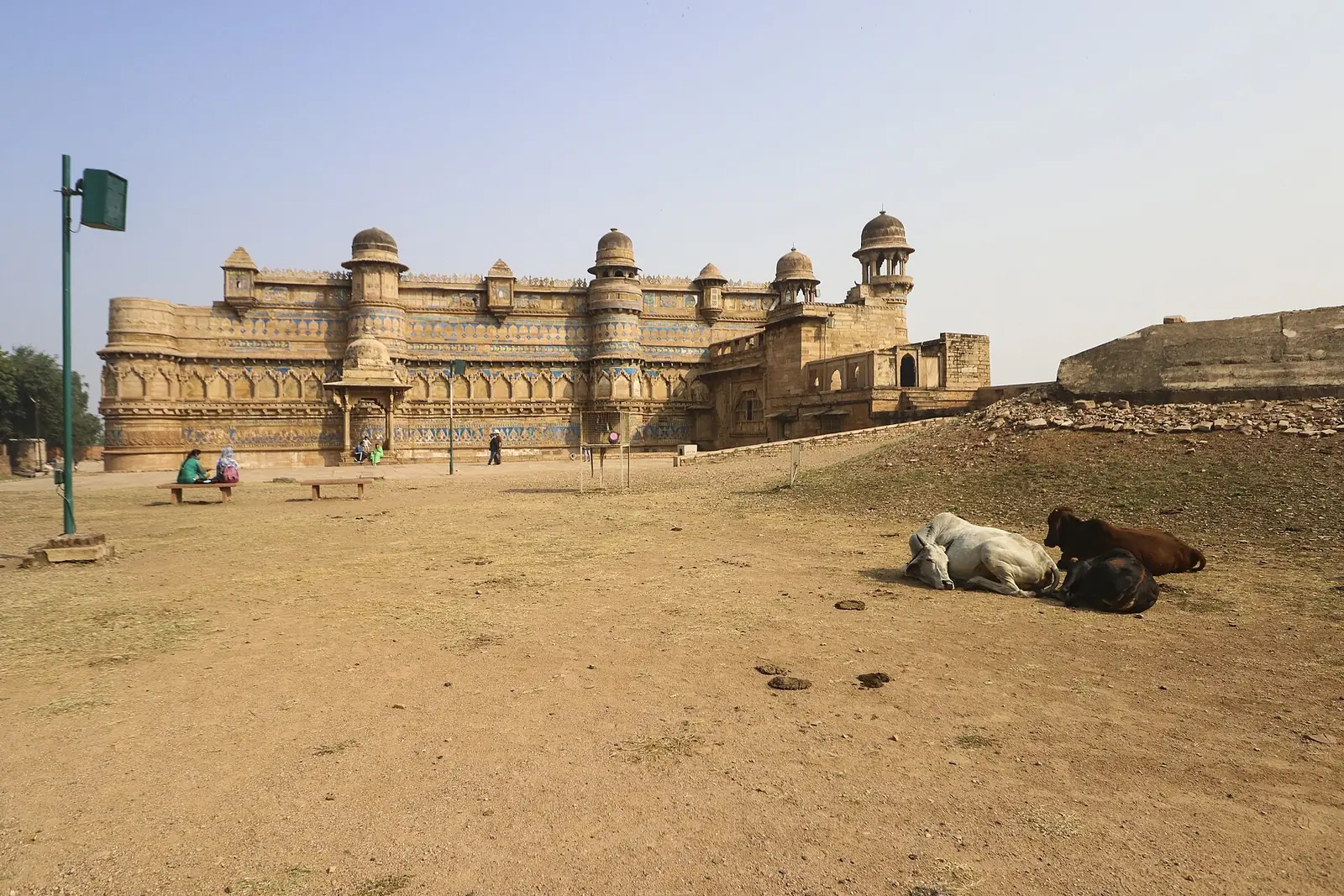
Man Mandir, built by Raja Man Singh Tomar in the late 15th century, is the fort's most striking palace, with outer walls decorated with bright blue, green and yellow tiles showing ducks, elephants and banana trees. Inside, circular underground chambers were used in summer and, later, as a prison by the Mughals.
- Time needed
- 1 hour
Visit Teli ka Mandir
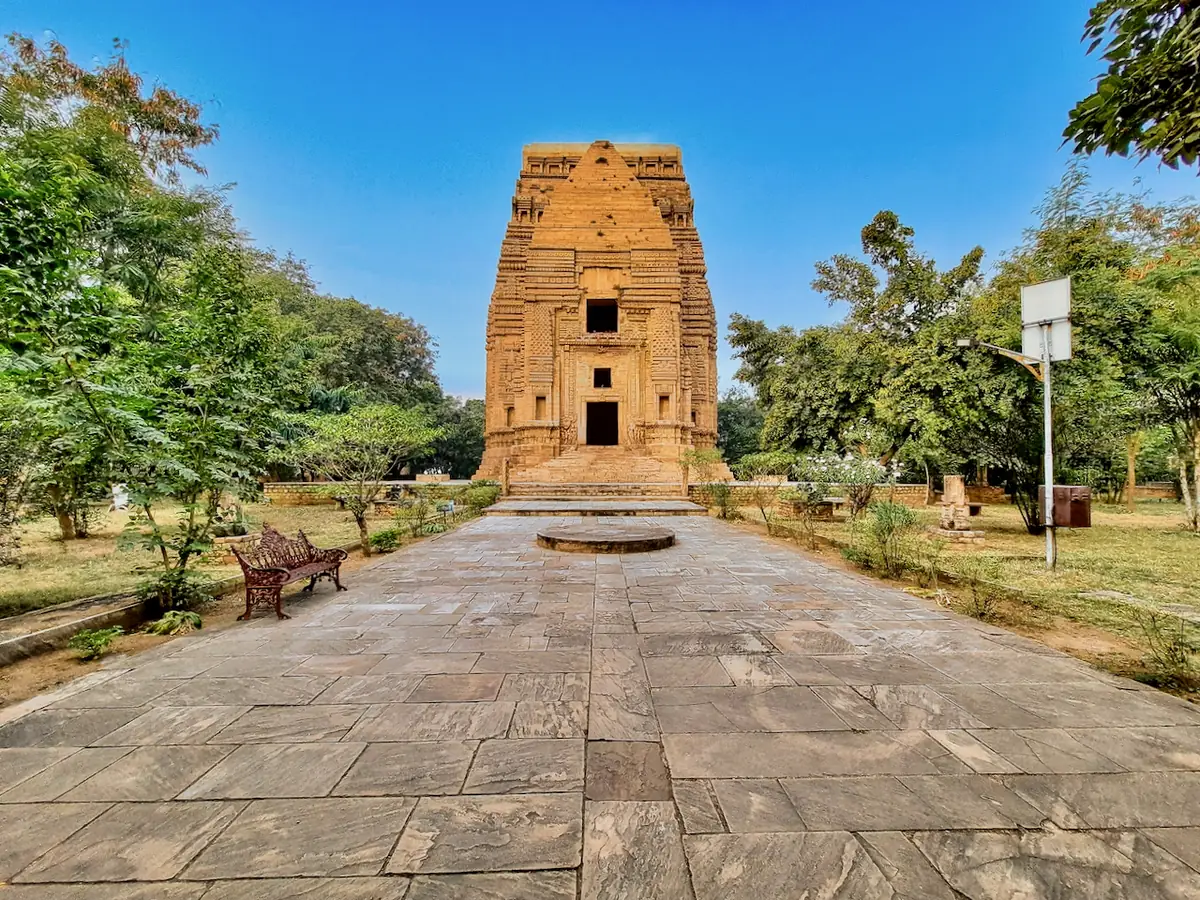
Teli ka Mandir, from around the 8th or 9th century, is the tallest structure on the fort, with an unusual wagon-vaulted roof that blends North and South Indian styles. Its origins and name are debated.
See the Sas-Bahu temples
The Sas-Bahu temples, a pair of 11th-century Vishnu temples, have richly carved pillars, ceilings and doorways. The name is thought to come from Sahasrabahu, a form of Vishnu.
- Time needed
- 45 minutes
Watch the light and sound show
An evening light and sound show at Man Mandir narrates the fort's long history, with Hindi and English shows.
- Best time
- Evening
See the rock-cut Jain statues
Along the road up the fort's western side, Siddhachal caves hold huge statues of Jain Tirthankaras carved into the cliff in the 15th century, some over 15 metres high. The Gopachal group, on another side, has more figures.
Visit Gujari Mahal and the gurudwara
Gujari Mahal, built by Raja Man Singh for his queen Mrignayani, now houses the State Archaeological Museum with fine sculptures, including the Shalbhanjika figure. Gurudwara Data Bandi Chhod marks the release of the sixth Sikh Guru, Guru Hargobind, from imprisonment in the fort.
The city
Tour Jai Vilas Palace
Jai Vilas Palace, built in 1874 by Jayajirao Scindia in a European style, is still partly the family's residence. The Jiwajirao Scindia Museum inside has a Durbar Hall with two of the largest chandeliers in the world, said to have been hung only after elephants tested the roof, and a silver model train that once carried drinks around the dining table.
The museum's rooms display Persian carpets, a Belgian cut-glass staircase, antique furniture and portraits, and a gallery on the Scindia family's role in Indian history.
- Time needed
- 2 hours
- Good for
- Everyone
Visit Tansen's tomb
Tansen, the legendary musician of Akbar's court, is buried in a garden next to the tomb of his teacher, the Sufi saint Mohammad Ghaus, whose own tomb has beautiful stone lattice screens. The Tansen Samaroh, one of India's oldest classical music festivals, is held here every December.
- Best time
- December for the festival
See the zero inscription
The small Chaturbhuj Temple on the fort, from the 9th century, bears an inscription with one of the earliest known uses of zero as a written numeral.
Visit the Sun Temple
The Sun Temple (Vivasvan Temple) in Morar is a modern temple modelled on Konark, with a quiet garden.
Nearby
See Datia and Orchha
Datia, about 75 km away, has the seven-storey Datia Palace, built in the 17th century by the Bundela king Bir Singh Deo. Orchha, a little further, has more Bundela palaces and temples on the Betwa.
Visit the Chambal sanctuary
The National Chambal Sanctuary, north of Gwalior, protects gharials, crocodiles, river dolphins and many birds. Boat safaris run from points such as Deori.
By season
October to March
Pleasant weather for the fort and palaces; the Tansen music festival is in December.
April to June
Very hot; visit the fort early and late.
July to September
Monsoon rains; the fort's surroundings turn green.
Things to do in Gwalior by type of traveller
History lovers: The fort with a guide, Gujari Mahal museum and Jai Vilas Palace.
Music lovers: Tansen's tomb and the December festival.
Families: The fort's light show, Jai Vilas and a Chambal boat safari.
What to do in Gwalior with one day
Drive up to Gwalior Fort in the morning for Man Mandir, Teli ka Mandir, the Sas-Bahu temples and Gujari Mahal. Visit Jai Vilas Palace after lunch, see Tansen's tomb, and return to the fort for the evening light show.
Practical tips for Gwalior
- Gwalior has an airport and a major railway station on the Delhi–Mumbai line.
- Hire a car or autorickshaw for the fort; it is large.
- Carry water; there is little shade on the fort.
- Book stays early if visiting during the Tansen festival.
- Hire a licensed guide at the fort to understand the different palaces and temples.
Plan the rest of your Gwalior trip
Gwalior things to do: FAQs
What are the best things to do in Gwalior?
Explore Gwalior Fort with Man Mandir, Teli ka Mandir and the Sas-Bahu temples, watch the light show, visit Gujari Mahal and the Jain statues, tour Jai Vilas Palace and visit Tansen's tomb.
How many days are enough for Gwalior?
One to two days.
When is the Tansen music festival?
Usually in December.
Is Gwalior close to Orchha?
Yes. Orchha is about 120 km away, via Jhansi.
Is Gwalior Fort worth visiting?
Yes. It combines palaces, temples from the 8th to 15th centuries, a museum and huge rock-cut statues, with wide views over the city.
Things to do near Gwalior
- Things to do in Orchha: Bundela palaces
- Things to do in Agra: about two hours north
- Things to do in Khajuraho: Chandela temples
More things to do in Madhya Pradesh
Published by the Kudozz Club editorial team · Last updated · How we research our guides
Want us to plan this trip for you?
Tell Kudozz Club where you want to go and what kind of trip you’re looking for. We’ll build a Gwalior Fort and Madhya Pradesh itinerary around your dates and budget.
Continue Exploring
View all guides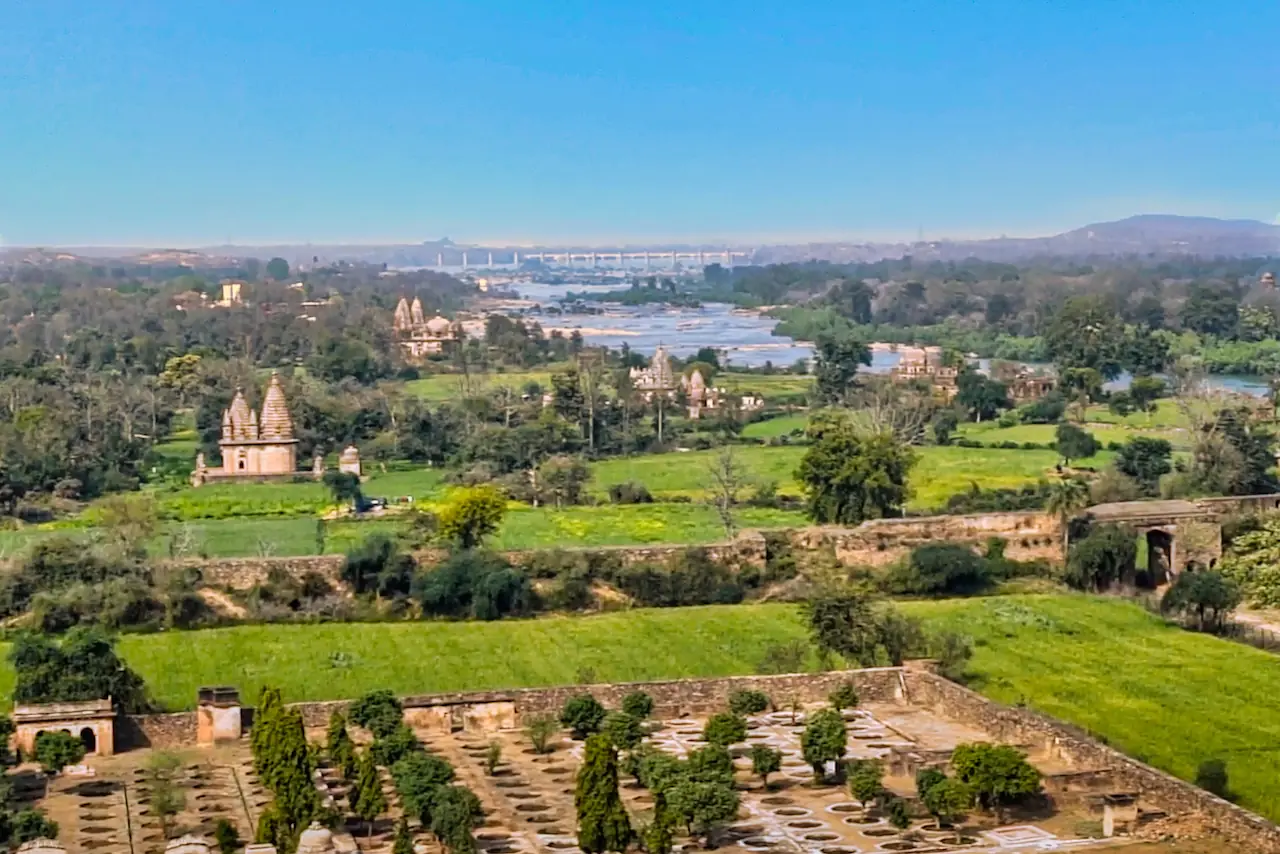 Heritage
Orchha Travel Guide: Cenotaphs, Palaces & Betwa River
A 16th-century Bundela capital of sandstone palaces and riverside chhatris, still remarkably uncrowded — the complete guide to Orchha.
 Heritage
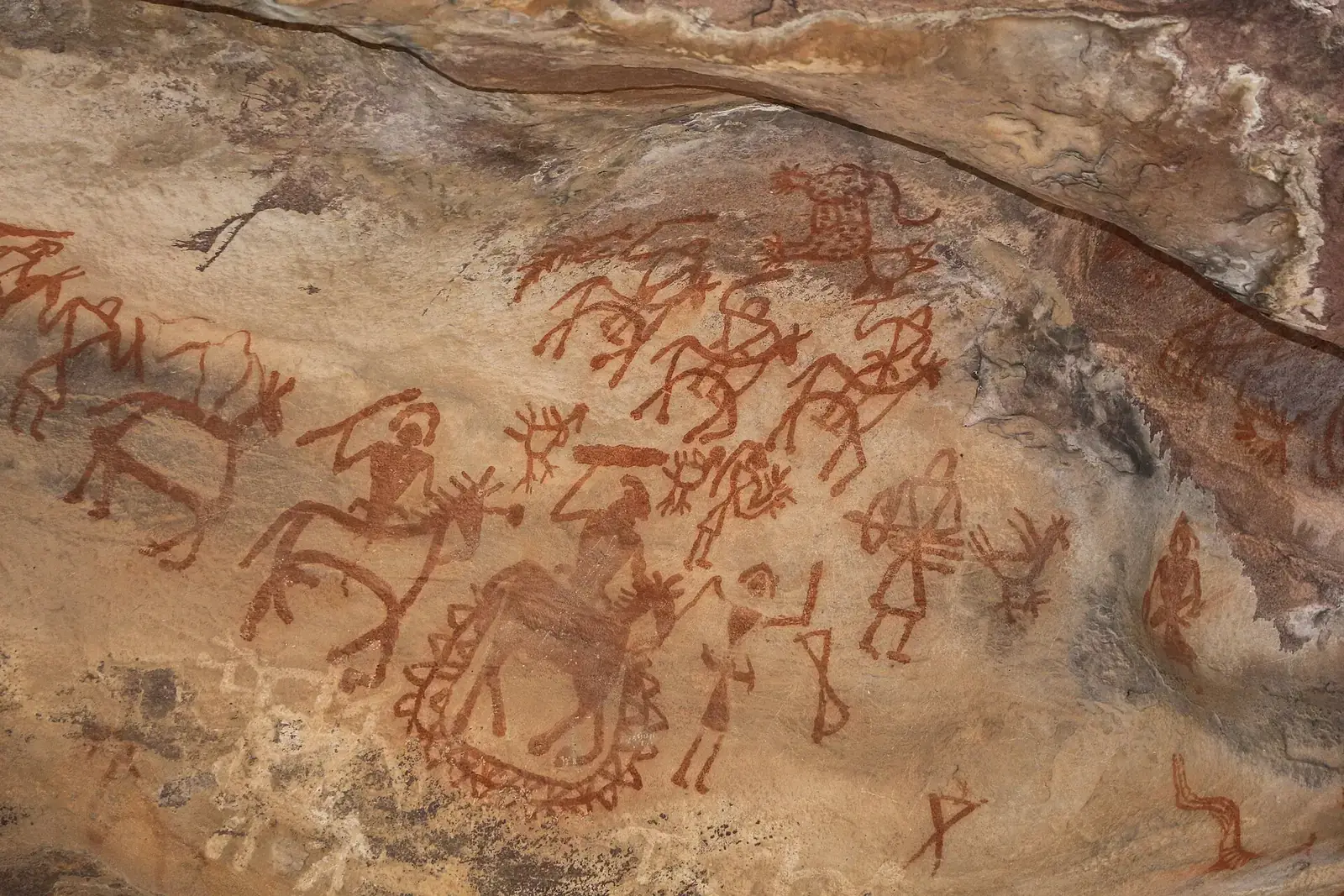
Bhimbetka Rock Shelters: Prehistoric Cave Art Travel Guide
Painted rock shelters up to 30,000 years old, tucked into sandstone outcrops on the edge of the Vindhya hills — the complete guide to Bhimbetka.
 Heritage
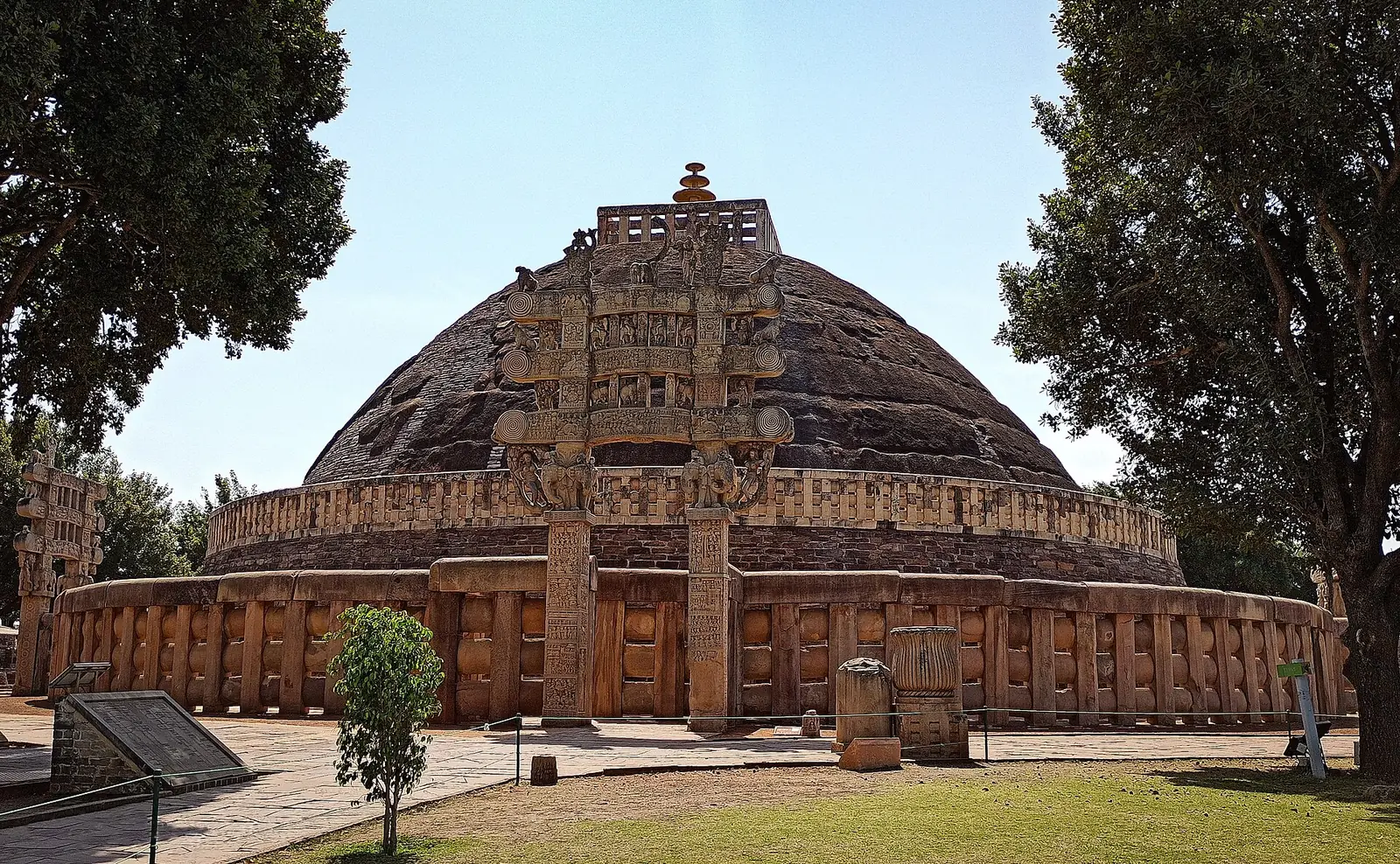
Sanchi Stupa Travel Guide: Buddhist Monuments & History
The oldest stone structure in India still standing, and one of Buddhism's most important surviving monument complexes — the complete guide to Sanchi.
 Heritage
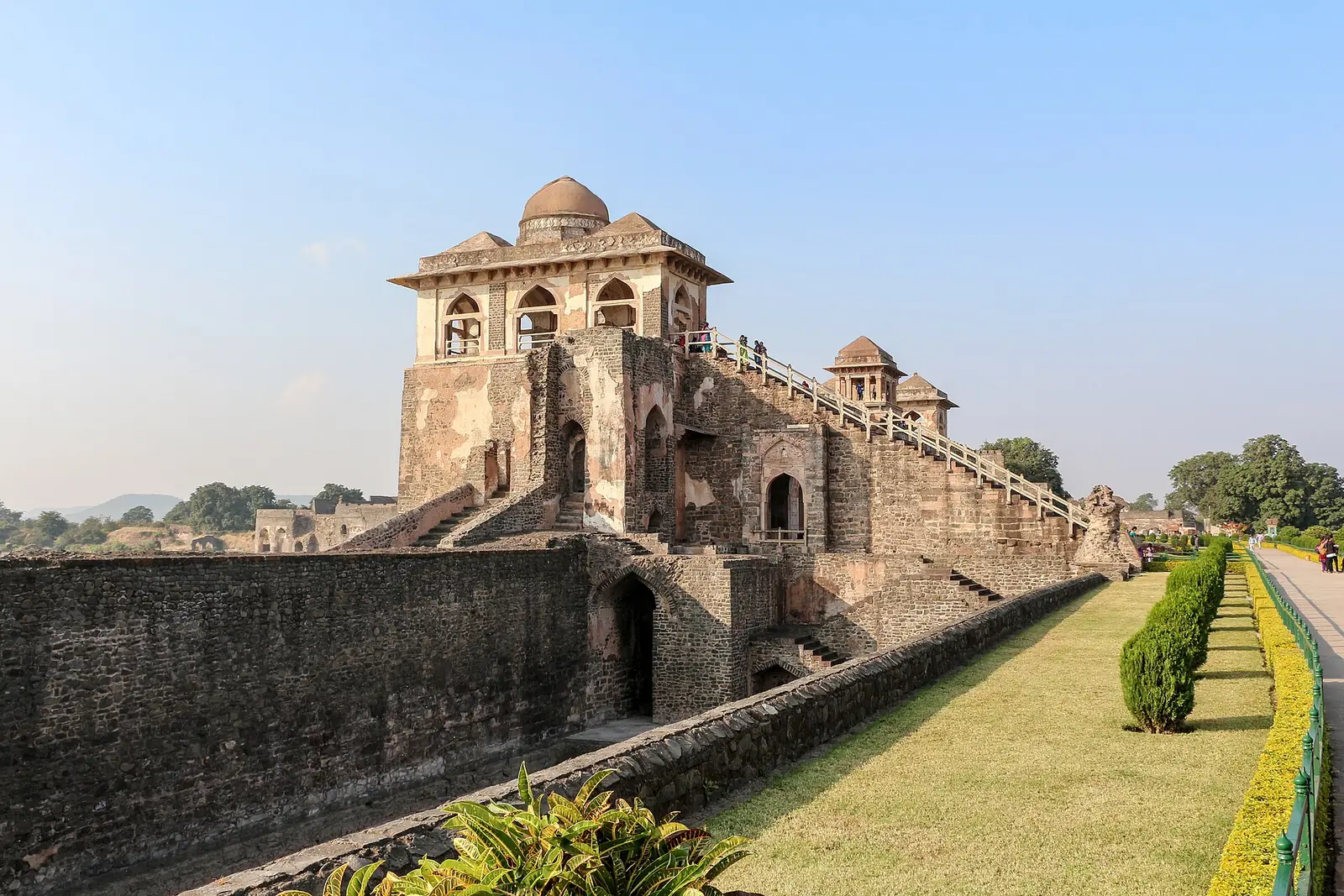
Mandu Travel Guide: Jahaz Mahal, Monsoon Palaces & Afghan Ruins
A ridge-top fort city of Afghan-era palaces built for the monsoon, including a 'ship palace' that seems to float between two lakes — the complete guide to Mandu.