Why Madhya Pradesh?
Sitting at the geographic center of the country, Madhya Pradesh is India's second-largest state by area, and one of its most underrated for travel — combining UNESCO World Heritage temple architecture, some of the country's best tiger reserves, and centuries of Rajput, Mughal, and Maratha history in forts and cities across the state.
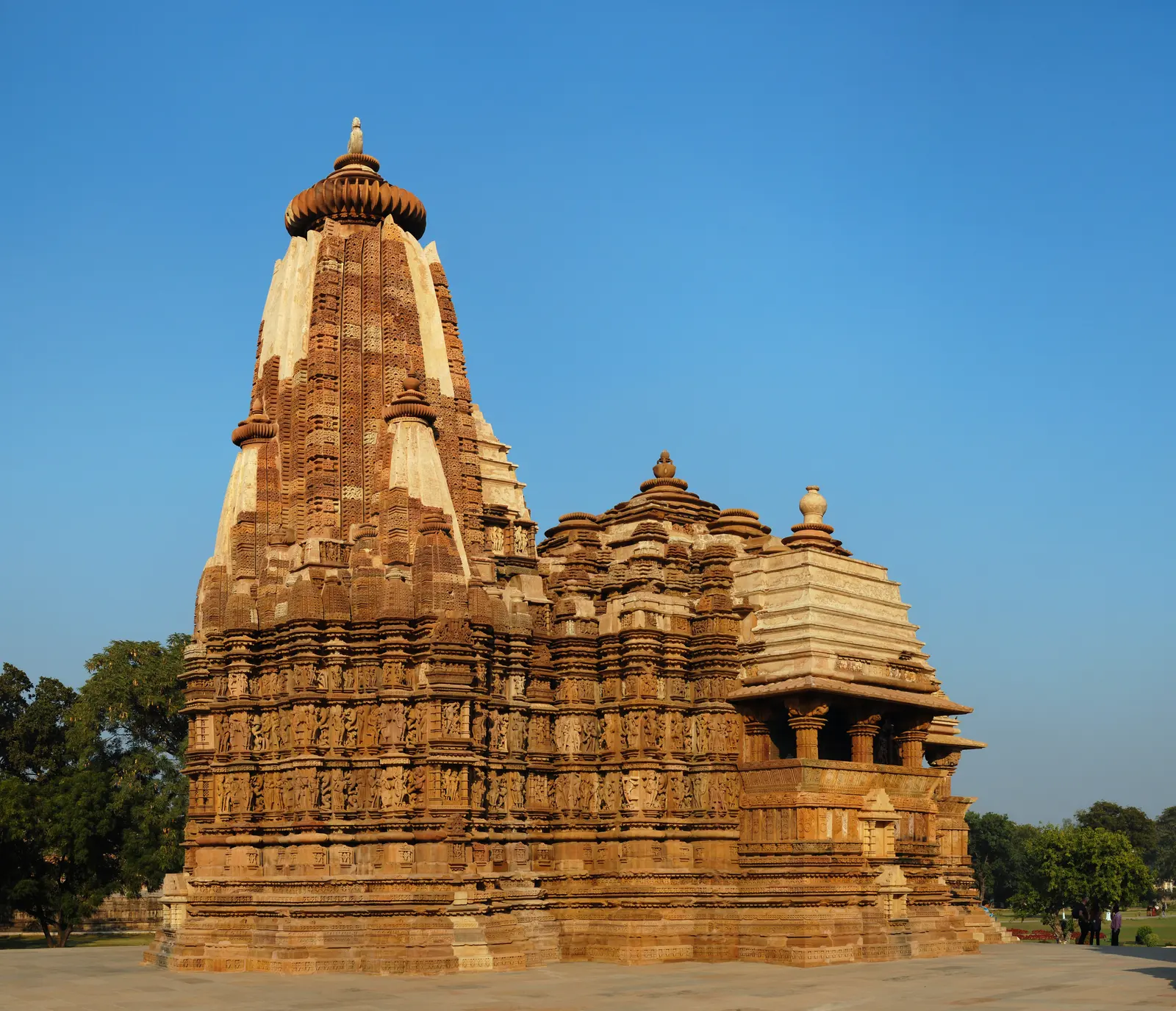
Khajuraho's temples, famous for their astonishingly detailed and often intricate carvings, remain one of India's most significant architectural achievements. Not far away, Bandhavgarh and Kanha national parks offer among the best tiger-sighting odds anywhere in India — Kanha is even said to have inspired Rudyard Kipling's The Jungle Book.
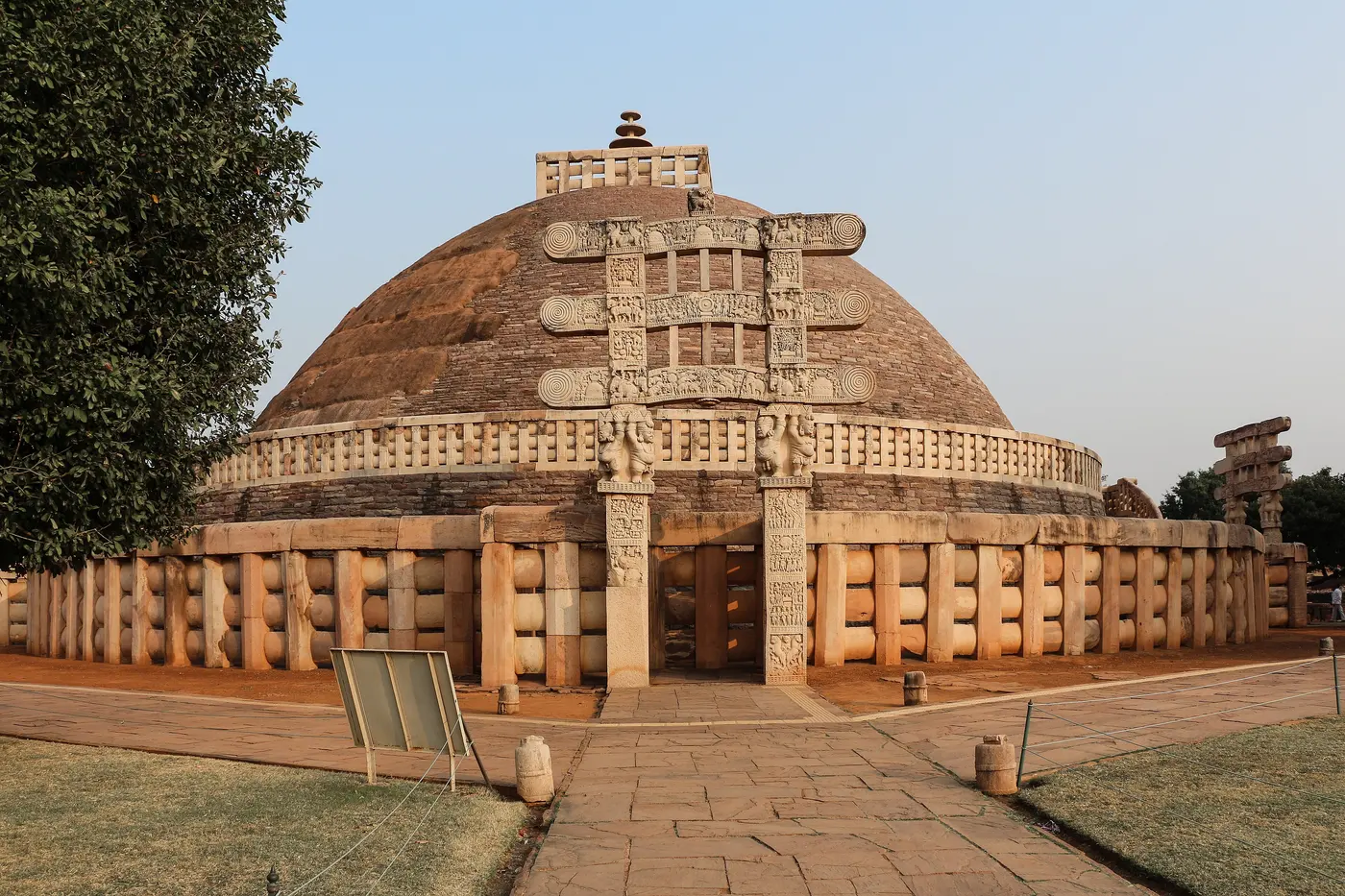
Add Gwalior's imposing hilltop fort, the Buddhist Sanchi Stupa, and hill-station Pachmarhi, and Madhya Pradesh offers a genuinely broad range of experiences — with far fewer crowds than Rajasthan or Kerala.
🐅 Madhya Pradesh at a Glance
Interested in the history? See our guide to heritage in Madhya Pradesh.
Planning a pilgrimage? See our guide to spiritual places in Madhya Pradesh.
Planning a wildlife trip? See our guide to wildlife tourism in Madhya Pradesh.
Best Time to Visit Madhya Pradesh
Madhya Pradesh's continental climate makes timing important — both for comfortable sightseeing and for tiger reserve access, since parks close entirely during monsoon.
Cool, dry, and pleasant (10–28°C) — ideal for temple sightseeing, forts, and comfortable safari mornings.
As water sources shrink, tigers concentrate near remaining waterholes — April–May often gives the best safari odds despite the heat.
Bandhavgarh and Kanha's core zones close entirely during monsoon (roughly July–September) to protect breeding wildlife.
A week-long classical dance festival held against the backdrop of Khajuraho's illuminated temples — a spectacular time to visit.
Our pick: November to February for comfortable all-round travel, or April–May specifically if a tiger sighting is the top priority — just prepare for genuine heat.
How to Reach Madhya Pradesh
- By Air: Khajuraho Airport (HJR), Bhopal's Raja Bhoj Airport, and Indore's Devi Ahilya Bai Holkar Airport all have regular domestic connections from major Indian cities.
- By Rail: Bhopal, Gwalior, Jabalpur, and Khajuraho all have well-connected rail stations linking Madhya Pradesh to the national network.
- By Road: A solid highway network connects major towns, though distances between Khajuraho, the tiger reserves, and Gwalior are substantial.
Khajuraho: The Carved Temples
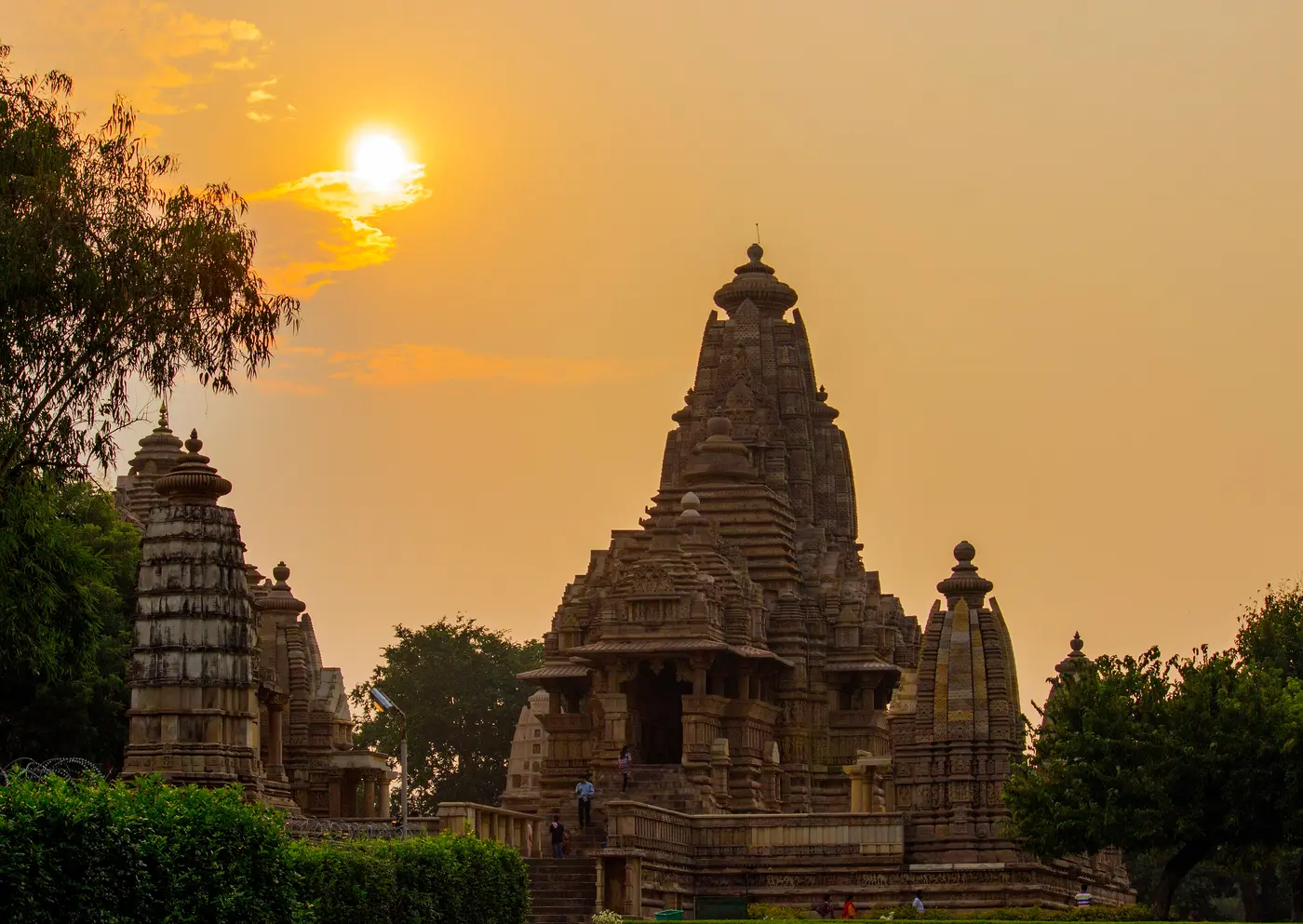
A UNESCO World Heritage Site, Khajuraho's temple complex was built between the 10th and 12th centuries by the Chandela dynasty, and today survives as one of India's finest examples of medieval temple architecture.
- Western Group of Temples: The best preserved and most visited cluster, including Kandariya Mahadeva Temple, renowned for its exceptionally detailed sculptural work.
- Eastern & Southern Groups: Quieter, less crowded temple clusters including Jain temples, worth visiting for a fuller picture beyond the main complex.
- Light and Sound Show: An evening show at the Western Group narrating Khajuraho's history — a good way to close out a day of temple-hopping.
Bandhavgarh & Kanha: Tiger Country
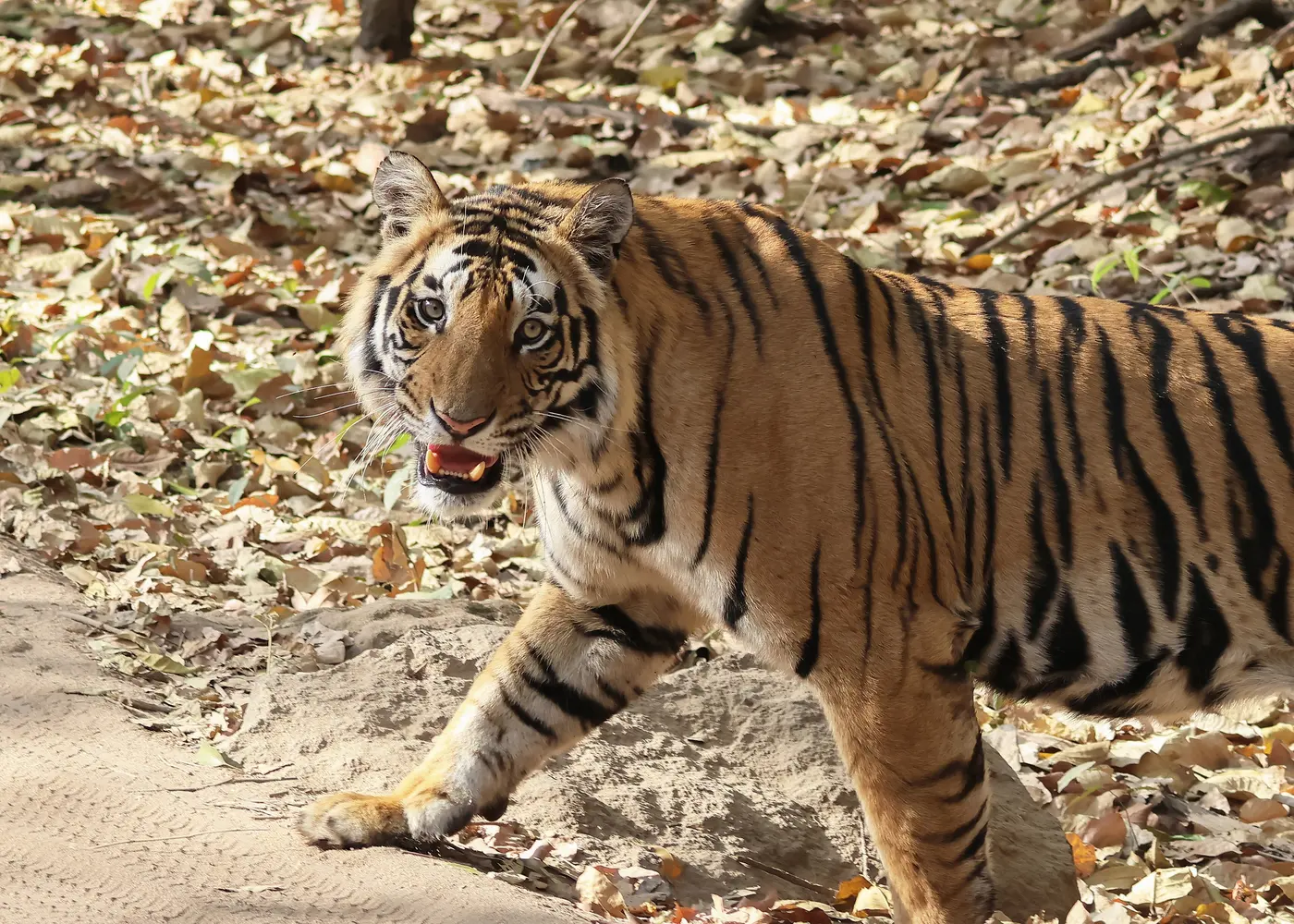
Madhya Pradesh is often called the "Tiger State" of India, home to more tigers than any other state, and Bandhavgarh and Kanha national parks are widely regarded as offering some of the best tiger-sighting odds in the country.
- Bandhavgarh National Park: Known for an unusually high tiger density and a historic hilltop fort within the park boundaries — often considered the most reliable park for sightings.
- Kanha National Park: India's largest national park in the region, with sprawling sal forests and meadows said to have inspired Kipling's The Jungle Book.
- Jeep safaris: Both parks run morning and afternoon safari slots, bookable in advance through official park gates — booking ahead is essential in peak season.
Gwalior Fort & Sanchi Stupa
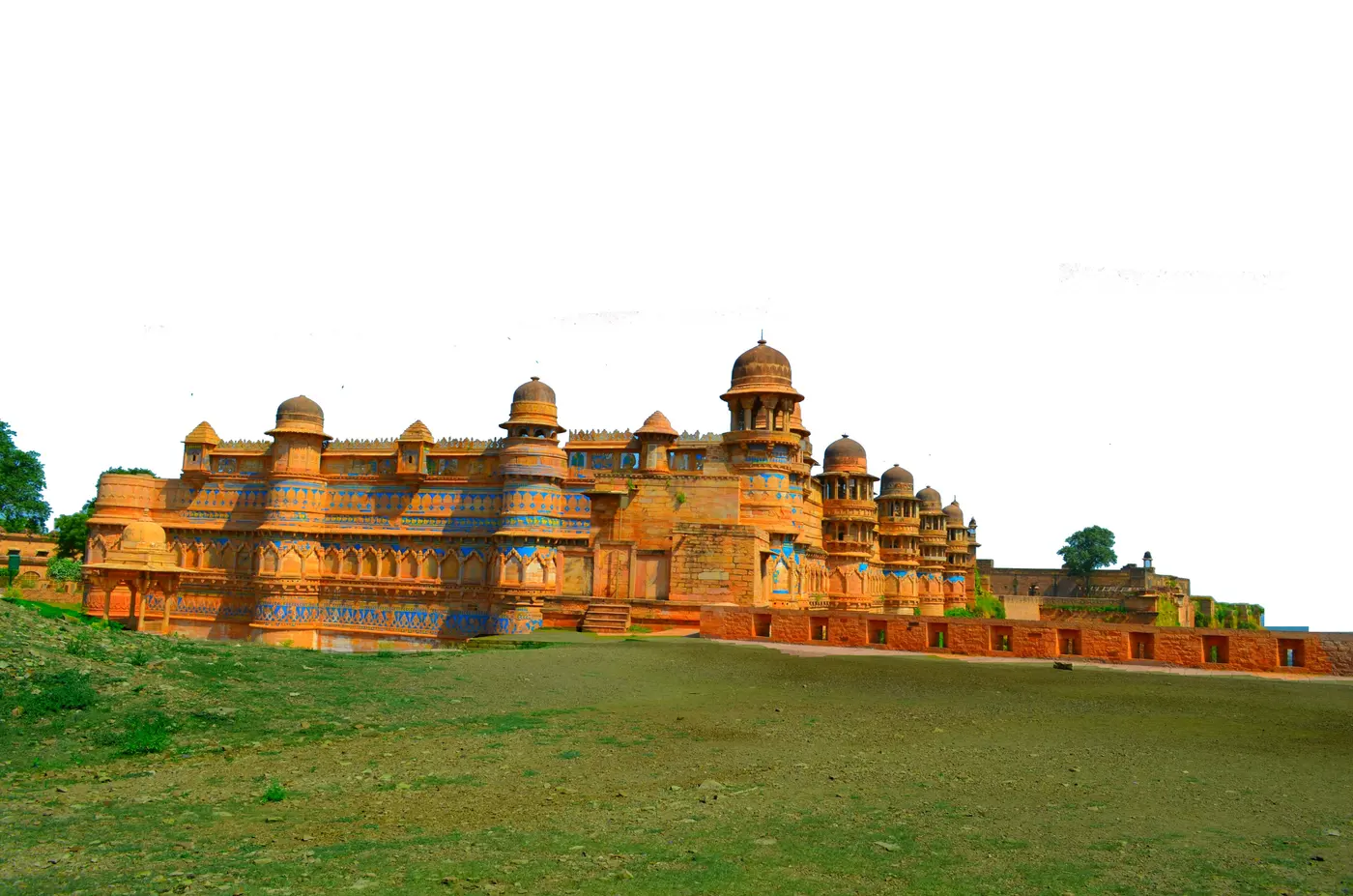
In the state's north, Gwalior Fort and the Buddhist site of Sanchi represent two very different chapters of Madhya Pradesh's history.
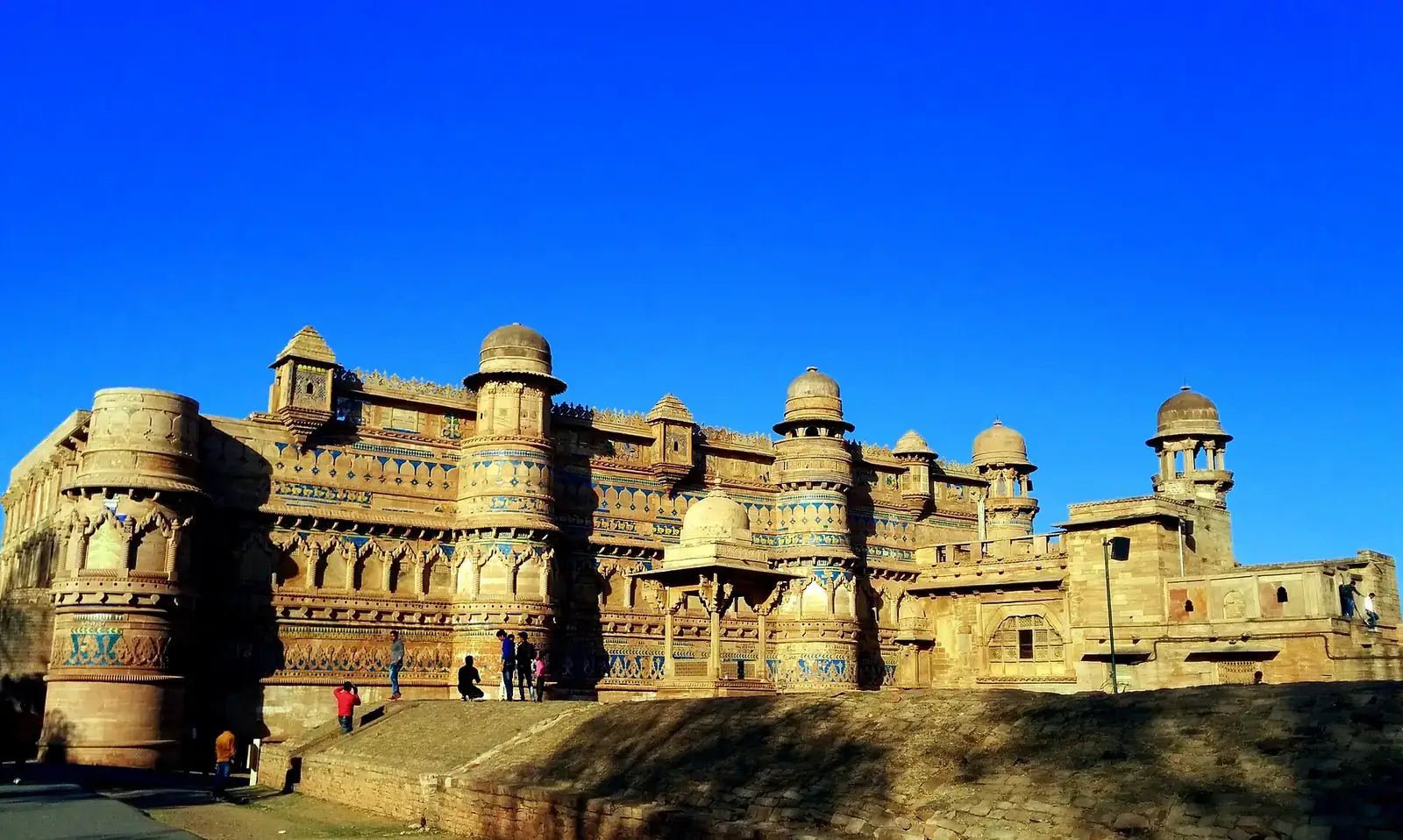
- Gwalior Fort: A massive hilltop fortress often called the "Gibraltar of India," housing the Man Singh Palace and Sas-Bahu temples — one of the most imposing forts in the country.
- Sanchi Stupa: A UNESCO World Heritage Buddhist monument complex dating to the 3rd century BCE, commissioned by Emperor Ashoka — among the oldest surviving stone structures in India.
- Jai Vilas Palace: Gwalior's opulent 19th-century royal palace, now partly a museum, known for its enormous chandeliers and eclectic European interiors.
Pachmarhi, Bhopal & Ujjain
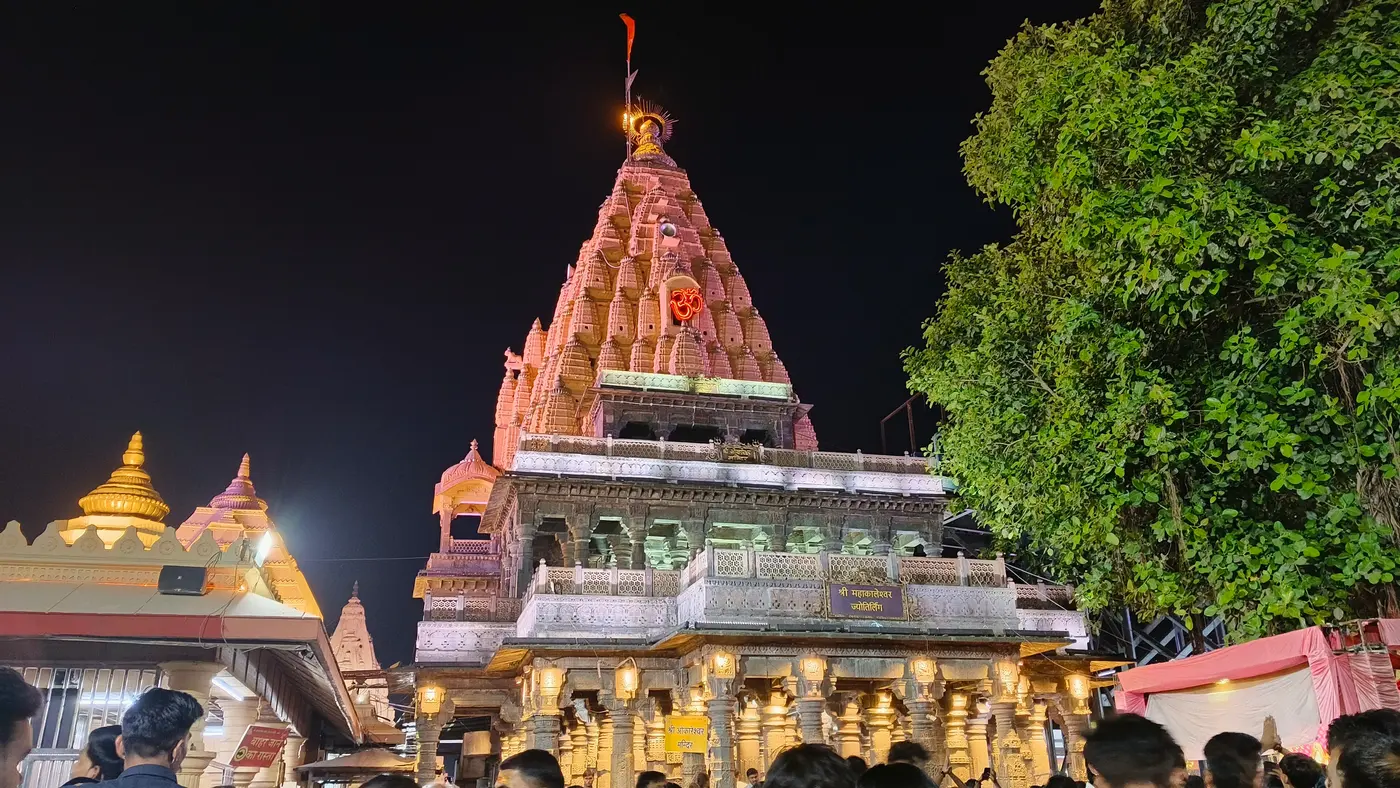
- Pachmarhi: Madhya Pradesh's only hill station, set in the Satpura range, known for waterfalls, caves, and cool weather relative to the rest of the state.
- Bhopal: The state capital, home to the Upper and Lower Lakes, Taj-ul-Masajid (one of India's largest mosques), and a good base for exploring the nearby Bhimbetka rock shelters.
- Ujjain: One of Hinduism's seven holy cities, home to the Mahakaleshwar Jyotirlinga temple, and host to the Kumbh Mela once every 12 years.
Where to Stay
Given Madhya Pradesh's spread, plan to base yourself in 2–3 distinct hubs — Khajuraho, one of the tiger reserves, and Gwalior or Bhopal — rather than one central location.
- → Guesthouses, Khajuraho
- → Budget lodges near Bandhavgarh gate
- → Hotels, central Gwalior
- → Resort hotels, Khajuraho
- → Jungle lodges, Bandhavgarh/Kanha
- → Business hotels, Gwalior/Bhopal
- → Taj hotels, Khajuraho
- → Luxury safari lodges, Bandhavgarh
- → Heritage palace stays, Gwalior
Safari lodges near Bandhavgarh and Kanha's gates cost more than equivalent town hotels — factor this into your budget if a tiger reserve is central to your trip.
What to Eat in Madhya Pradesh
- Poha-Jalebi: Indore's iconic breakfast combination — flattened rice with a sweet, syrupy jalebi on the side, sold across the city's famous Sarafa Bazaar night market.
- Bhutte ka Kees: A grated corn dish cooked with milk and spices, a distinctly Indori specialty.
- Dal Bafla: Madhya Pradesh's answer to Rajasthan's dal baati — wheat balls dunked in ghee, served with spiced lentils.
- Sabudana Khichdi: A common everyday dish across the state, made from tapioca pearls, peanuts, and light spices.
7-Day Madhya Pradesh Itinerary
Seven days is a reasonable minimum to combine Khajuraho, a tiger reserve, and Gwalior without excessive rushing.
Khajuraho
- ✓Arrive, Western Group of Temples
- ✓Eastern & Southern Groups
- ✓Evening light and sound show
Bandhavgarh National Park
- ✓Travel to Bandhavgarh (~4 hrs)
- ✓Morning and afternoon jeep safaris
- ✓Bandhavgarh Fort (within the park)
Travel to Gwalior
- ✓Travel via Jhansi or direct connections
- ✓Check in, evening at Sarafa Bazaar-style market
- ✓Rest day for the long transfer
Gwalior
- ✓Gwalior Fort and Man Singh Palace
- ✓Jai Vilas Palace museum
- ✓Sas-Bahu temples
Sanchi & Departure
- ✓Day trip to Sanchi Stupa
- ✓Return via Bhopal
- ✓Departure
Budget Breakdown
| Expense | Budget | Mid-Range | Luxury |
|---|---|---|---|
| Accommodation/night | ₹1,200 | ₹3,800 | ₹9,500 |
| Food/day | ₹450 | ₹1,000 | ₹2,500 |
| Local transport/day | ₹500 | ₹1,300 | ₹3,000 |
| Safari & entry fees/day | ₹1,500 | ₹3,000 | ₹6,000 |
| Daily total | ₹3,650 | ₹9,100 | ₹21,000 |
| 7-Day trip total | ₹25,550 | ₹63,700 | ₹147,000 |
* Excludes flights. Safari permit and jeep costs at Bandhavgarh and Kanha are a significant line item — shared jeeps bring per-person costs down considerably.
Essential Travel Tips for Madhya Pradesh
- Book safari permits well in advance: Bandhavgarh and Kanha cap daily visitor numbers — book online through official portals weeks ahead in peak season.
- Share a jeep to cut safari costs: Splitting a 6-seater safari jeep with other travelers makes each safari meaningfully cheaper.
- Hire a licensed guide at Khajuraho: The temple carvings carry far more meaning with proper historical and iconographic context.
- Plan around park closure dates: Core safari zones at Bandhavgarh and Kanha typically close July–September — confirm current dates before booking.
- Carry cash for smaller towns: Card acceptance drops off quickly outside Khajuraho, Bhopal, and Gwalior's main commercial areas.
- Factor in long transit days: Distances between Khajuraho, the tiger reserves, and Gwalior are substantial — build buffer time into your itinerary.
✅ Do
- →Book Bandhavgarh/Kanha safari permits weeks ahead
- →Hire a licensed guide at Khajuraho's temples
- →Share safari jeeps to reduce per-person cost
- →Wear neutral tones on jeep safaris
- →Carry cash for smaller towns and villages
- →Confirm current park closure dates before booking
❌ Don't
- →Show up to a tiger reserve without a booked permit
- →Underestimate travel time between Khajuraho and the reserves
- →Wear bright colors on safari
- →Rely on cards outside major towns
- →Rush Khajuraho's temple complex in under half a day
- →Plan a safari trip during the July–September closure
Places to Explore in Madhya Pradesh
Every Madhya Pradesh guide on Kudozz Club, in one place — 17 destinations covered so far, from cities and towns to individual attractions. Use this index to plan beyond the highlights above.
Frequently Asked Questions
How many days do I need for Madhya Pradesh?
Seven days is a reasonable minimum to combine Khajuraho, a tiger reserve like Bandhavgarh, and Gwalior without excessive rushing, as covered in our suggested itinerary. With less time, prioritize either Khajuraho and Gwalior, or Khajuraho and a tiger reserve, rather than trying to fit everything in.
What is the best time to visit Madhya Pradesh?
October to March is the best overall window, with cool, dry, and pleasant weather (10–28°C) ideal for temple sightseeing, forts, and comfortable safari mornings. If a tiger sighting is the top priority, April–May offers the best odds as water sources shrink and tigers concentrate near remaining waterholes, despite the heat.
How do I reach Khajuraho?
Khajuraho Airport (HJR) has regular domestic connections from major Indian cities, and the town also has its own well-connected rail station. Bhopal's Raja Bhoj Airport and Indore's Devi Ahilya Bai Holkar Airport are other options if flying into Khajuraho directly isn't available on your dates.
Is Madhya Pradesh good for a tiger safari?
Yes — Madhya Pradesh is often called the 'Tiger State' of India, home to more tigers than any other state. Bandhavgarh National Park is known for an unusually high tiger density and is often considered the most reliable park for sightings, while Kanha National Park offers sprawling sal forests said to have inspired Kipling's The Jungle Book.
What is the budget for a Madhya Pradesh trip?
A budget traveller can expect a daily total of around ₹3,650, a mid-range trip around ₹9,100/day, and a luxury trip around ₹21,000/day, based on accommodation, food, local transport, and safari and entry fees. Safari permit and jeep costs at Bandhavgarh and Kanha are a significant line item, though shared jeeps bring per-person costs down considerably.
Is Khajuraho worth visiting?
Yes — Khajuraho is a UNESCO World Heritage Site, built between the 10th and 12th centuries by the Chandela dynasty, and remains one of India's most significant architectural achievements. The Western Group of Temples, including Kandariya Mahadeva Temple, is renowned for its exceptionally detailed sculptural work.
When do Bandhavgarh and Kanha national parks close?
Both parks' core safari zones typically close entirely during monsoon, roughly July through September, to protect breeding wildlife. Always confirm current closure dates before booking, since safari permits are capped daily and demand is high in the surrounding peak season of November through February.
Published by the Kudozz Club editorial team · Last updated · How we research our guides
Want us to plan this trip for you?
Tell Kudozz Club where you want to go and what kind of trip you’re looking for. We’ll build a Madhya Pradesh itinerary around your dates and budget.
Continue Exploring
View all guides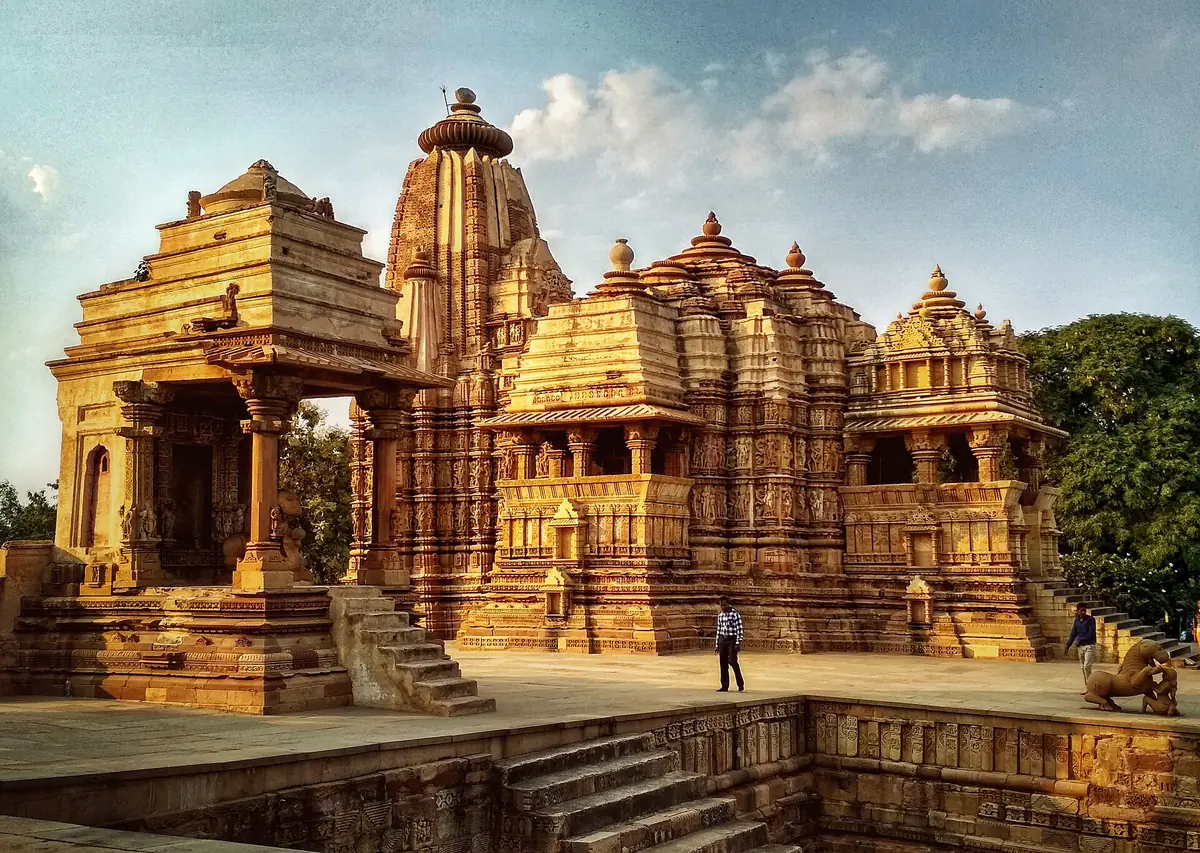 Heritage
Khajuraho Temples Travel Guide: History, Timings & Best Time to Visit
UNESCO-listed temples covered in some of the most intricate stone carving in India, built by the Chandela dynasty over a thousand years ago — the complete guide to Khajuraho.
 Heritage & Culture
Madhya Pradesh Heritage Itinerary: Gwalior, Orchha, Khajuraho, Sanchi and Mandu
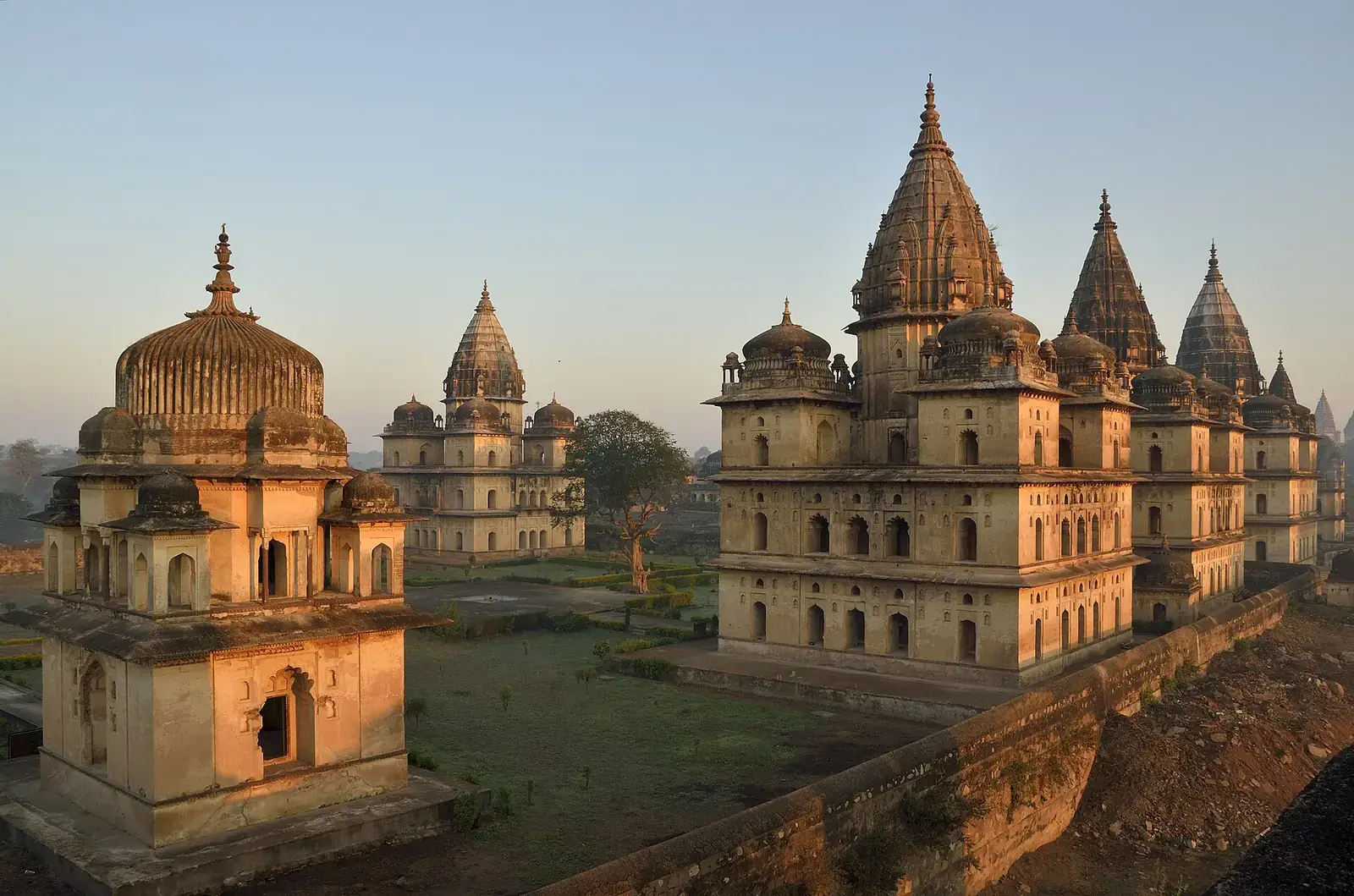
An 11-day Madhya Pradesh heritage itinerary: Gwalior's hilltop fort, Orchha's palaces and cenotaphs, the temples of Khajuraho, Bhopal with day trips to Sanchi, Udayagiri and Bhimbetka, and the Malwa plateau's Mandu and Maheshwar, reached from Indore, with travel times and seasonal tips.
 Heritage & Culture
Heritage Tourism in Madhya Pradesh: Khajuraho, Gwalior, Orchha and Mandu
A guide to heritage tourism in Madhya Pradesh: its three UNESCO cultural sites (Khajuraho, Sanchi and Bhimbetka), the forts and palaces of Gwalior, Orchha and Datia, Mandu and Maheshwar on the Malwa plateau, the weaving towns of Chanderi and Maheshwar, Bhopal's museums, the Khajuraho Dance Festival and Gwalior's music heritage, with how to plan a route.
Things to DoThings to Do in Khajuraho: Chandela Temples, Light Show, Panna & Raneh Falls
Things to do in Khajuraho: the Western Group of temples including Kandariya Mahadeva, the Eastern Jain temples, the Southern Group, the light and sound show, the Archaeological Museum, the Khajuraho Dance Festival, Panna National Park and Raneh Falls.