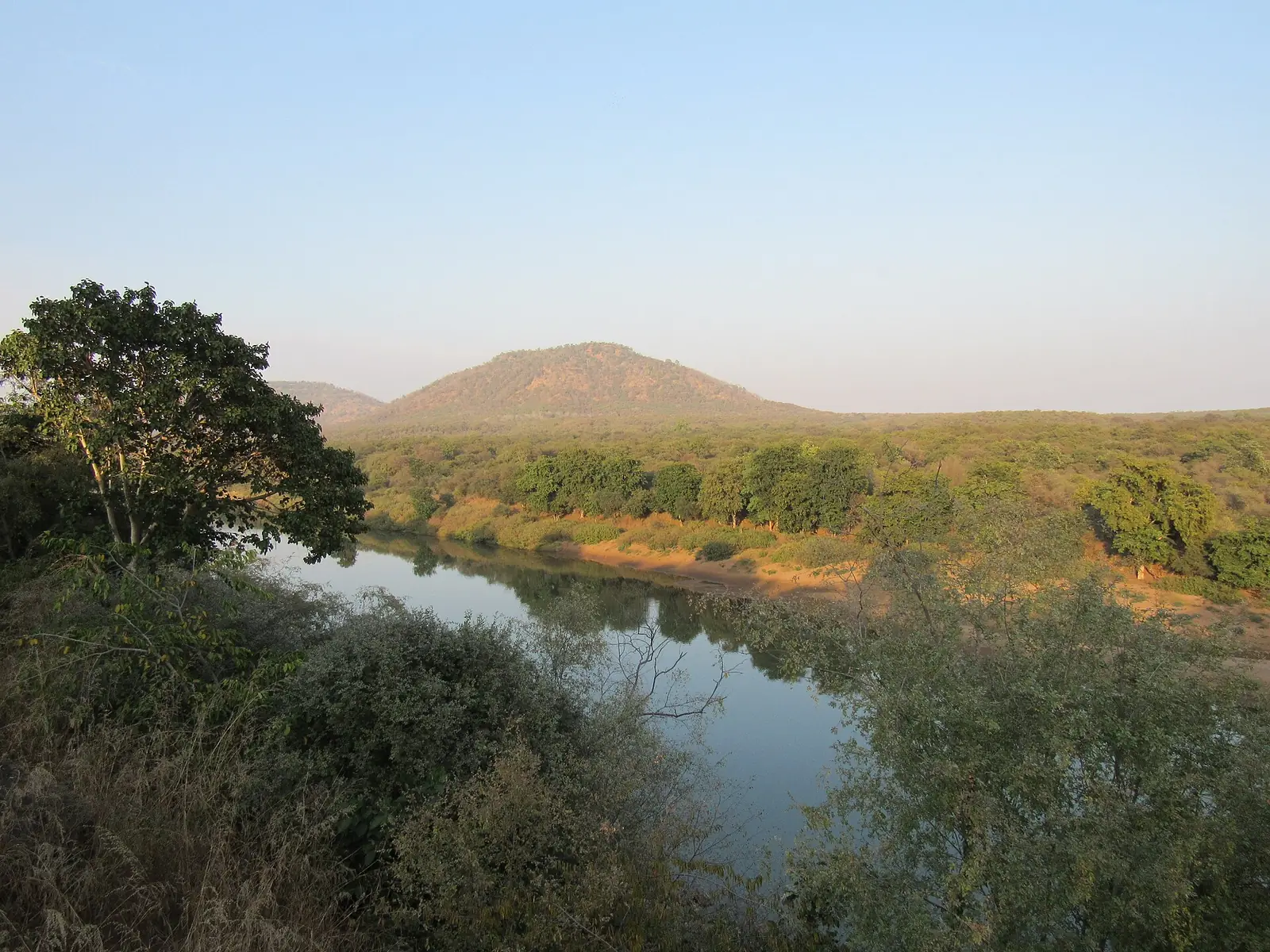
Why Kuno?
Kuno National Park is the site chosen for India's cheetah reintroduction effort, known publicly as Project Cheetah, which began bringing cheetahs from Namibia and South Africa in 2022 with the goal of re-establishing a wild population roughly seven decades after cheetahs were declared extinct in India. It's a genuinely significant conservation project — and worth being upfront about: this is a newer, still-developing destination, not a guaranteed-sighting safari park like Kanha or Bandhavgarh.
The program's real history includes both progress and publicly reported setbacks, including mortality and relocation events among the reintroduced cheetahs. We'd rather you know that going in than promise something we can't deliver — visit Kuno for the landscape, the broader wildlife, and the conservation story, and treat any cheetah sighting as a bonus rather than the whole trip.
🐆 Kuno at a Glance
Planning a wildlife trip? See our guide to wildlife tourism in Madhya Pradesh.
Best Time to Visit Kuno
Comfortable temperatures for safaris and generally the most reliable period for park access — verify current zone status before booking.
Wildlife tends to concentrate near remaining water sources as temperatures rise, though the heat itself is significant.
Most Indian parks close or restrict access during monsoon for regeneration — verify Kuno's current status before planning around these months.
Our advice: Given the still-evolving nature of the cheetah program and safari infrastructure, confirm current park and zone access directly before booking travel around Kuno specifically.
How to Reach Kuno
- By Air: Gwalior (GWL) is the nearest airport, about 170km away.
- By Train: Sheopur is the nearest railway station.
- By Road: Road access from Gwalior or Sheopur is the primary route — this is a relatively remote destination with more basic infrastructure than MP's established reserves.
Safaris & Wildlife
Kuno's safari infrastructure is still developing relative to Kanha or Bandhavgarh — expect a more basic, lower-key experience.
- Cheetahs: The park's headline draw, part of India's ongoing cheetah reintroduction program — sightings are possible but genuinely not guaranteed given the still-small, wide-ranging population.
- Leopards and sloth bears: Present in the park alongside the cheetahs, adding to the wildlife interest beyond the headline species.
- Chinkara and nilgai: Notable antelope and deer populations across the park's grassland and forest-edge habitats.
- Landscape: Dry deciduous forest, open grassland, and the Kuno River — worth visiting for the scenery alone.
- History: Originally proposed as a site for Asiatic lion reintroduction from Gujarat's Gir Forest, before the cheetah program took priority — a notable piece of the park's conservation history.
Where to Stay Near Kuno
- → Basic lodges near the park gate
- → Simple guesthouses in Sheopur
- → Forest-adjacent mid-range resorts
- → Better-appointed lodges near the buffer
- → A small number of premium safari lodges — options here remain limited compared to Kanha/Bandhavgarh
What to Eat Near Kuno
Dining options are basic — most travelers eat at their lodge.
- Lodge-served thalis: Simple vegetarian and non-vegetarian set meals are the norm at most stays.
- Sheopur town eateries: A handful of simple local options for anyone staying closer to town.
2-Day Kuno Itinerary
Arrival & First Safari
- ✓Travel from Gwalior or Sheopur
- ✓Check in near the park gate
- ✓Afternoon safari (confirm current zone access)
Second Safari & Departure
- ✓Early morning safari
- ✓Late morning: rest/departure prep
- ✓Travel back to Gwalior or onward
Budget Breakdown
| Expense | Budget | Mid-Range |
|---|---|---|
| Accommodation/night | ₹1,000 | ₹3,500 |
| Food/day | ₹400 | ₹900 |
| Safari/gypsy hire | ₹1,800 | ₹3,000 |
| Daily total | ₹1,800 | ₹4,500 |
| 2-Day trip total | ₹3,600 | ₹9,000 |
* Excludes transport to the region. Safari and lodge pricing here is less standardized than at MP's established reserves — confirm costs directly.
Essential Travel Tips for Kuno
- Verify current park and zone access before booking: This is genuinely more variable here than at Kanha or Bandhavgarh — check with your lodge or a recognized operator.
- Set realistic sighting expectations: Treat a cheetah sighting as a bonus, not the guaranteed centrepiece of the trip.
- Book through a recognized local operator: Given the more basic infrastructure, a knowledgeable local contact matters more here than at bigger reserves.
- Carry cash: Card acceptance is limited in this remote area.
✅ Do
- →Confirm current park/zone status before travelling
- →Go with realistic expectations about sightings
- →Book through a knowledgeable local lodge/operator
- →Carry sufficient cash
- →Appreciate the broader wildlife and conservation story, not just cheetahs
❌ Don't
- →Plan a trip around a guaranteed cheetah sighting
- →Expect Kanha/Bandhavgarh-level infrastructure
- →Skip verifying current park access before travelling
- →Rely on cards for payment
- →Overlook the park's broader wildlife and landscape value
Frequently Asked Questions
Can I reliably see a cheetah at Kuno?
No — be realistic about this. Kuno is home to India's cheetah reintroduction program, but the population is still small and cheetahs range widely, so sightings are not guaranteed the way tiger sightings are at Kanha or Bandhavgarh. Visit for the conservation story and the landscape, not a guaranteed sighting.
Is the cheetah program going well?
It's a genuinely still-developing, publicly monitored project — India's cheetah population had gone extinct roughly seven decades earlier, and this reintroduction (bringing cheetahs from Namibia and South Africa starting in 2022) has had both successes and reported setbacks along the way. Check current, credible news sources for the latest status before planning a trip focused specifically on cheetahs.
How do I reach Kuno National Park?
The nearest airport is Gwalior (~170km), and the nearest railway station is Sheopur. Road access is primarily via Gwalior or Sheopur — this is a relatively remote, less-developed destination compared to MP's bigger tiger reserves.
What is the best time to visit Kuno?
The safari season generally runs October to June, similar to other MP parks, though it's worth verifying current zone and park access status given the still-evolving cheetah program.
Can I see other wildlife at Kuno besides cheetahs?
Yes — the park has leopards, sloth bears, and various deer and antelope species including chinkara and nilgai, plus dry deciduous forest and grassland scenery worth visiting for on its own terms.
Was Kuno originally meant for lions?
Yes — Kuno was originally proposed as a site for Asiatic lion reintroduction from Gujarat's Gir Forest, before the cheetah program took priority. This history is part of what makes the park significant.
What is the budget for a trip to Kuno?
A budget traveler can manage on roughly ₹1,800 a day including a basic safari, a mid-range trip closer to ₹4,500 a day. Facilities here are more basic than at Kanha or Bandhavgarh, so set expectations accordingly.
Published by the Kudozz Club editorial team · Last updated · How we research our guides
Want us to plan this trip for you?
Tell Kudozz Club where you want to go and what kind of trip you’re looking for. We’ll build a Kuno National Park and Madhya Pradesh itinerary around your dates and budget.
Continue Exploring
View all guides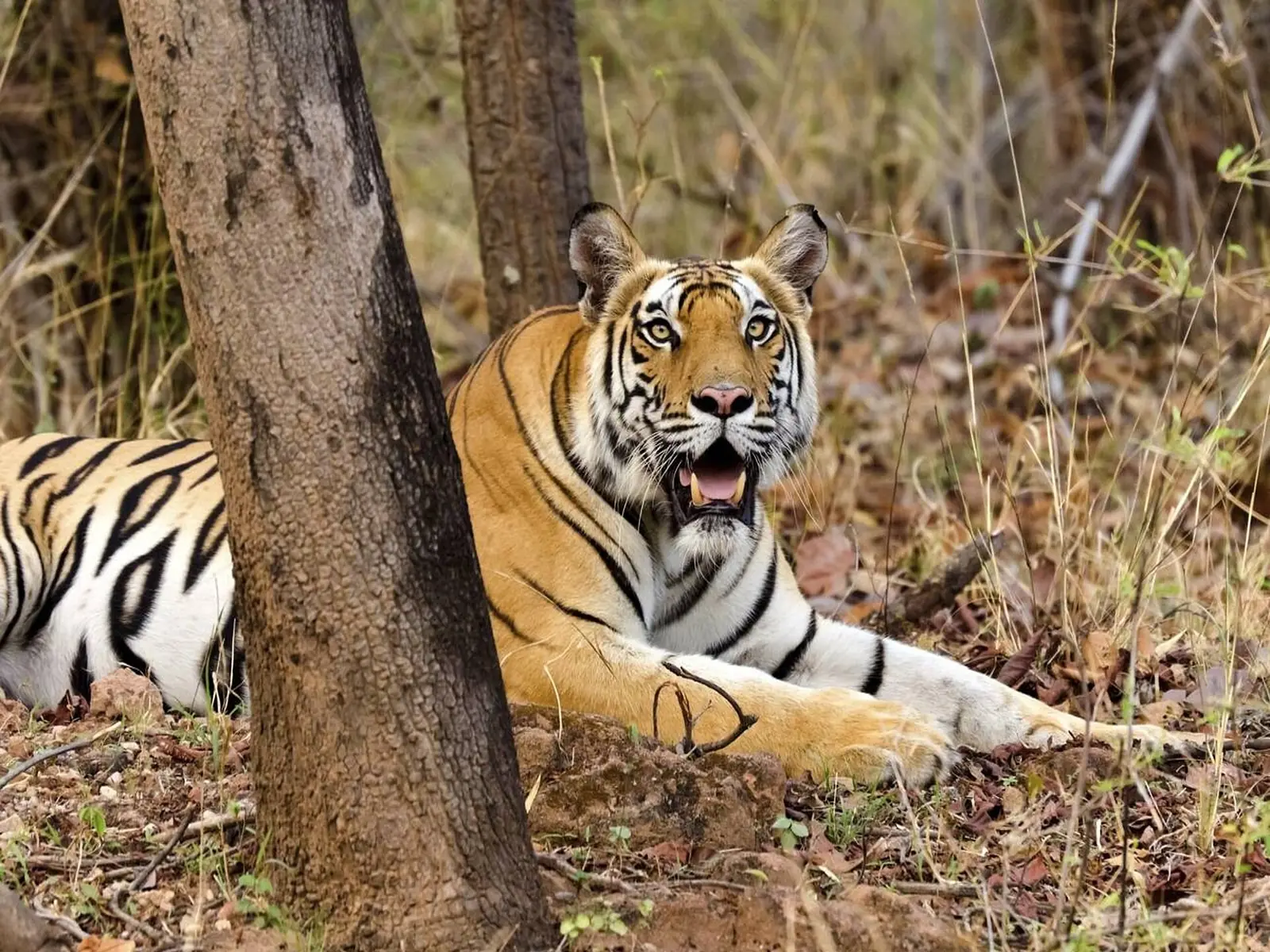 Adventure
Bandhavgarh National Park: Tiger Safari Guide, Zones & Best Time
The highest tiger density of any reserve in India, ringed by a 2,000-year-old hilltop fort — the complete safari guide to Bandhavgarh.
 Adventure
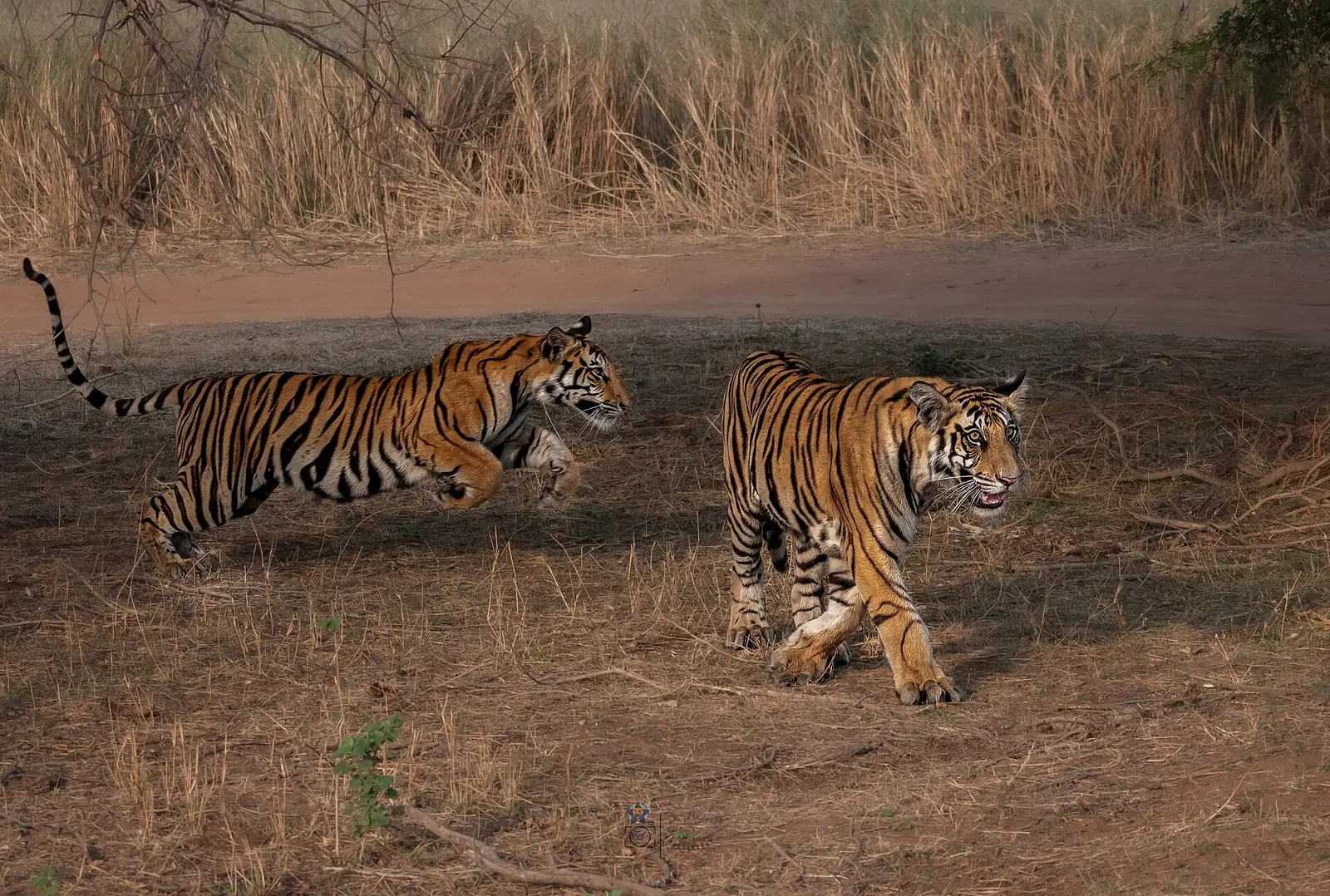
Panna National Park Travel Guide: Tiger Safari & Ken River Gorge
A tiger reserve rebuilt from zero after a poaching crisis, cut through by the dramatic Ken River gorge — the complete guide to Panna.
 Adventure
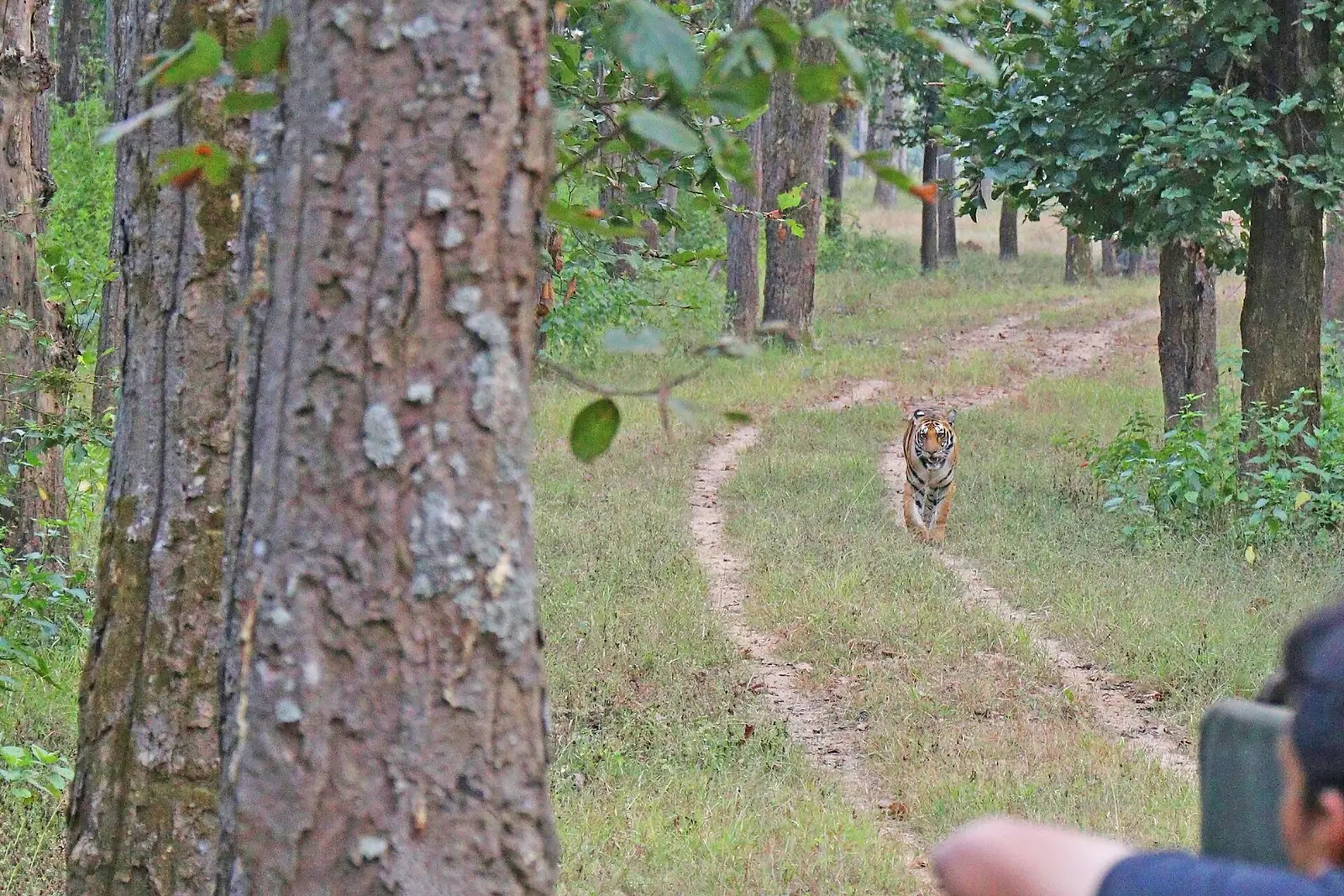
Kanha National Park: Tiger Safari Guide, Zones & Best Time
The forest that inspired The Jungle Book, and one of India's best-managed tiger reserves — the complete safari guide to Kanha.
 Destination Guide
Madhya Pradesh Travel Guide: Khajuraho, Bandhavgarh & Gwalior Fort
Temples carved with astonishing detail, some of India's best tiger sightings, and a hilltop fortress that guarded the heart of the country — the complete guide to Madhya Pradesh.