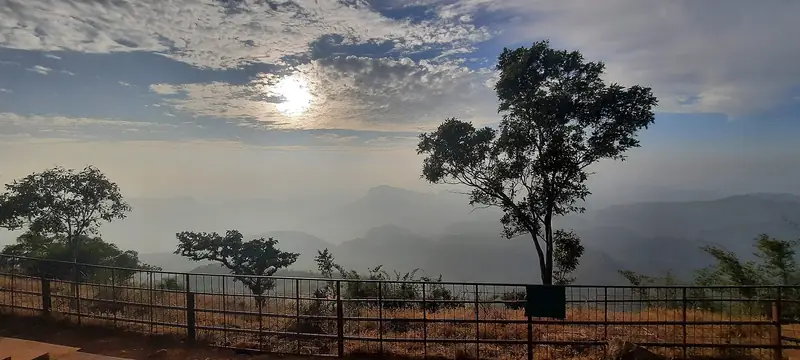
Why Pachmarhi?
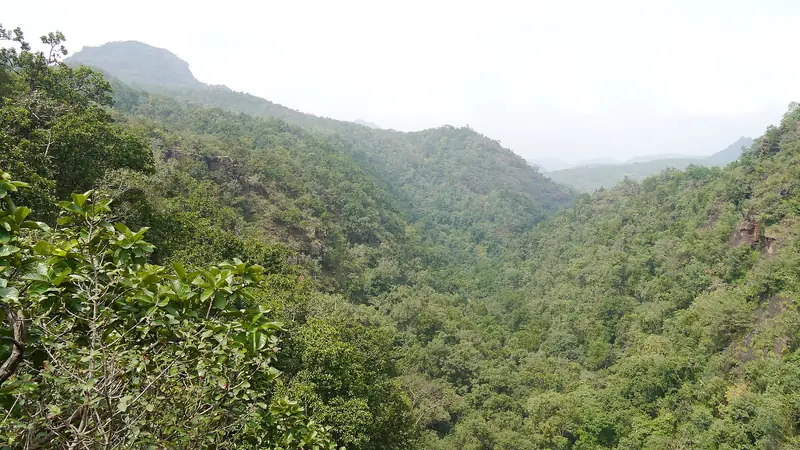
Pachmarhi is the only hill station in the Satpura Range, sitting inside the Satpura Tiger Reserve and Biosphere Reserve at roughly 1,100 metres. British officer Captain James Forsyth is credited with "discovering" it for colonial use in the 1850s, and it became a monsoon retreat much like Shimla or Ooty — but its landscape is distinctly different: sandstone gorges, cave temples, and dense sal forest rather than open Himalayan or Nilgiri slopes.
The town centres on a cluster of viewpoints, waterfalls, and cave sites spread across the plateau, most reachable by a short drive followed by a walk. It's a quieter, less commercial alternative to Madhya Pradesh's bigger-name destinations, and a genuinely good base for a couple of unhurried days outdoors.
⛰️ Pachmarhi at a Glance
Looking for activities and experiences? See our guide to the best things to do in Pachmarhi.
Love the outdoors? See our guide to nature travel in Madhya Pradesh.
Comparing hill stations? See our guide to hill stations in western and central India.
Planning a wildlife trip? See our guide to Satpura Tiger Reserve.
Best Time to Visit Pachmarhi
Cool, clear, and comfortable for both viewpoint-hopping and the Chauragarh climb, with all sites typically open.
Temperatures climb, but Pachmarhi's elevation keeps it noticeably cooler than the plains — waterfalls run lower unless pre-monsoon showers have arrived.
Waterfalls and forest are at their greenest, but several viewpoints, caves, and trails close for safety during heavy rain.
Rains taper off and access gradually reopens, though trails can still be muddy and slippery in places.
Our pick: October to February — the most reliable window for both the caves/waterfalls and a full Chauragarh climb without weather-related closures.
How to Reach Pachmarhi
- By Air: The nearest airports are Bhopal (BHO, ~210km) and Jabalpur (JLR, ~190km), both requiring a long onward drive.
- By Train: Pipariya, about 50km away, is the nearest railway station, well connected to Bhopal, Jabalpur, and the wider national network.
- By Road: A scenic ghat road climbs from Pipariya up into the hills — the most common last leg for almost every visitor, regardless of how they arrive at Pipariya.
Top Things to Do in Pachmarhi
- Dhoopgarh: Madhya Pradesh's highest point at roughly 1,350m, popular for sunset views across the Satpura range.
- Bee Falls (Jamuna Prapat): A popular waterfall close to town, good for swimming when flow and safety conditions allow.
- Pandav Caves: Rock-cut caves with legendary links to the Pandavas of the Mahabharata, though historically believed to have been Buddhist monk dwellings.
- Jata Shankar: A cave shrine formed by a natural rock formation resembling Shiva's matted hair, with a stream running through it.
- Chauragarh: A hilltop Shiva temple reached via a steep pilgrim trail lined with trishuls, one of the more physically demanding sights here.
- Satpura National Park: Jeep, walking, and boat safaris — a rarer combination among Indian parks — with lower crowds than Kanha or Bandhavgarh.
Where to Stay in Pachmarhi
- → MPT/government guesthouses
- → Basic hotels near the bus stand
- → Budget lodges in the main market
- → Resort-style hotels near Bee Falls road
- → Cottage-style stays on the plateau edge
- → Nature-focused mid-range resorts
- → Forest-view resort properties
- → Premium cottage resorts near Satpura buffer
What to Eat in Pachmarhi
Food here leans toward simple North Indian and MP staples served at hotels and small local eateries around the main market.
- Dal Bafla / Poha: MP comfort staples widely available at local eateries.
- Forest-lodge thalis: Most mid-range and resort stays serve set vegetarian and non-vegetarian thalis.
- Local market chai and snacks: Simple stalls around the bus stand and market area for quick bites between sightseeing stops.
2-Day Pachmarhi Itinerary
Waterfalls & Caves
- ✓Arrive, check in
- ✓Morning: Bee Falls and Pandav Caves
- ✓Afternoon: Jata Shankar cave shrine
- ✓Evening: Sunset at a viewpoint near town
Dhoopgarh & Chauragarh
- ✓Early morning: Dhoopgarh sunrise
- ✓Mid-morning: Chauragarh trek (or a Satpura National Park safari as an alternative)
- ✓Afternoon: Rest and departure prep
Budget Breakdown
| Expense | Budget | Mid-Range | Luxury |
|---|---|---|---|
| Accommodation/night | ₹900 | ₹3,000 | ₹9,000 |
| Food/day | ₹350 | ₹800 | ₹1,800 |
| Local transport per day | ₹250 | ₹600 | ₹1,200 |
| Entry fees / guide | ₹100 | ₹300 | ₹500 |
| Daily total | ₹1,600 | ₹4,200 | ₹9,700 |
| 2-Day trip total | ₹3,200 | ₹8,400 | ₹19,400 |
* Excludes transport to the region.
Essential Travel Tips for Pachmarhi
- Verify current permit/guide rules: Several viewpoints and caves fall within the Satpura Tiger Reserve buffer and requirements change — check locally before setting out.
- Start Chauragarh early: The climb is long and shadeless in stretches — an early start avoids the worst midday heat.
- Carry cash: Card acceptance is limited outside larger hotels.
- Hire a local guide/driver: Sites are spread across the plateau and a guide who knows current access rules saves time and hassle.
- Check monsoon closures: Several trails and viewpoints close for safety during heavy rain — verify current status if visiting Jul–Sep.
✅ Do
- →Catch sunrise or sunset at Dhoopgarh
- →Attempt the Chauragarh trek with an early start
- →Combine sightseeing with a Satpura National Park safari
- →Carry water and snacks for spread-out sites
- →Hire a local guide for cave and forest areas
❌ Don't
- →Attempt Chauragarh in the midday heat
- →Rely on cards outside major hotels
- →Ignore local guidance on closed trails/viewpoints
- →Expect nightlife or big-city infrastructure
- →Skip checking monsoon-season access restrictions
Frequently Asked Questions
How many days do I need in Pachmarhi?
Two full days cover the main viewpoints, Bee Falls, the Pandav Caves, and Jata Shankar comfortably. Add a third day if you want to attempt the Chauragarh trek or do a Satpura National Park safari without rushing.
What is the best time to visit Pachmarhi?
October to June works, with October–February the most comfortable for sightseeing and March–June hot but good if pre-monsoon showers have already filled the waterfalls. The monsoon (July–September) is lush but many viewpoints and caves close for safety.
How do I reach Pachmarhi?
The nearest railway station is Pipariya, about 50km away, from where a scenic drive climbs up into the hills. The nearest airports are Bhopal (~210km) and Jabalpur (~190km); most travelers combine a train to Pipariya with a taxi for the last stretch.
Is the Chauragarh trek difficult?
It's a steep pilgrim trail of roughly 1,300+ steps to a hilltop Shiva shrine — strenuous but not technical. Reasonable fitness and a decent pace get most travelers to the top in 2–3 hours, with a faster descent.
Do I need a permit or guide for Pachmarhi's caves and viewpoints?
Several sites within the Satpura Tiger Reserve buffer area require a local guide or forest permit, and requirements do change — check current rules with your hotel or the forest department office in Pachmarhi before setting out.
What is the budget for a trip to Pachmarhi?
A budget traveler can manage on roughly ₹1,600 a day, a mid-range trip runs closer to ₹4,200 a day, and a resort-level stay can run ₹9,000+ a day. A 2-day trip totals roughly ₹3,200 on a budget and ₹8,400 mid-range, excluding transport to the region.
Is Pachmarhi good for a family trip?
Yes — Bee Falls, Pandav Caves, and the main viewpoints are all manageable for most fitness levels and ages, while the Chauragarh trek and deeper forest trails suit more active groups.
Published by the Kudozz Club editorial team · Last updated · How we research our guides
Want us to plan this trip for you?
Tell Kudozz Club where you want to go and what kind of trip you’re looking for. We’ll build a Pachmarhi and Madhya Pradesh itinerary around your dates and budget.
Continue Exploring
View all guidesThings to DoThings to Do in Pachmarhi: Waterfalls, Caves, Dhoopgarh Sunsets & Satpura Safaris
Things to do in Pachmarhi: sunset at Dhoopgarh, Bee Falls and Rajat Prapat, Jata Shankar and the Pandav Caves, Priyadarshini Point, Handi Khoh gorge, Apsara Vihar, the Chauragarh climb, Satpura Tiger Reserve safaris and colonial Christ Church.
 Nature Travel
Nature Travel in Madhya Pradesh
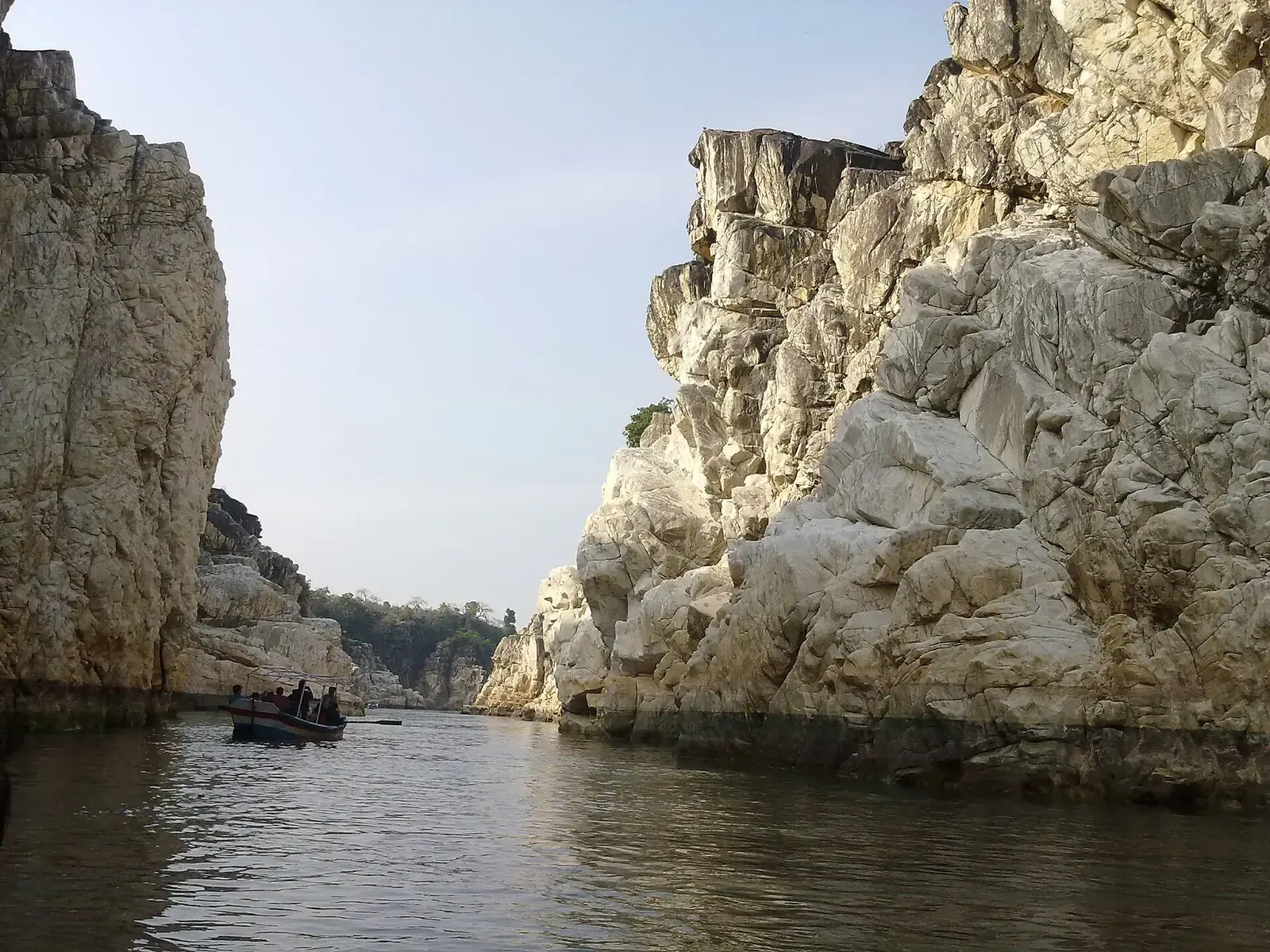
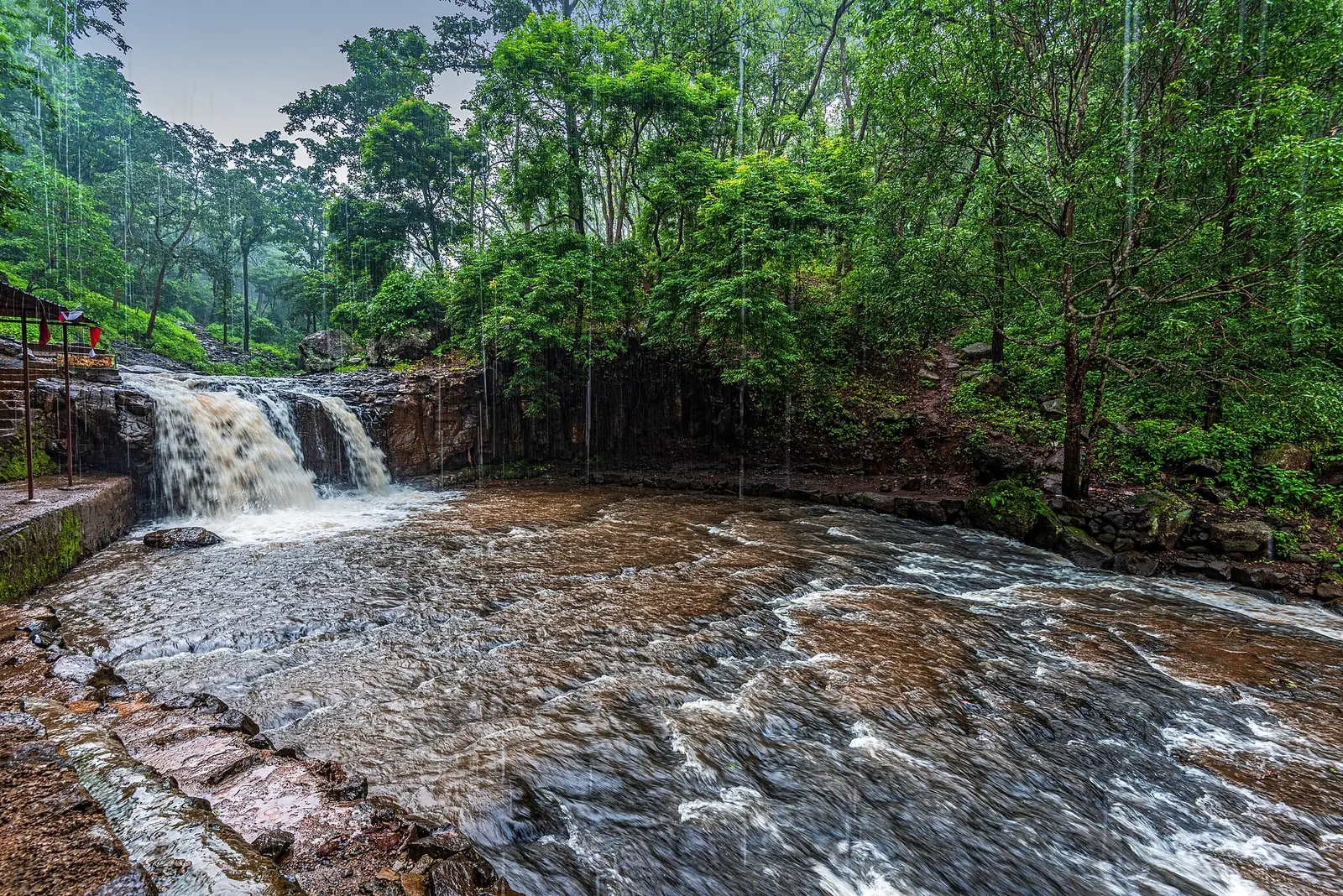
A guide to nature travel in Madhya Pradesh: the Narmada's marble gorge and Dhuandhar falls at Bhedaghat, Pachmarhi's waterfalls and viewpoints in the Satpura range, the Narmada's source at Amarkantak, the Patalkot valley, Mandu's plateau in the monsoon, and the sal forests of Kanha, Pench, Bandhavgarh and Satpura, with seasons and tips.
 Wildlife Tourism
Satpura Tiger Reserve: Walking, Boat and Jeep Safaris
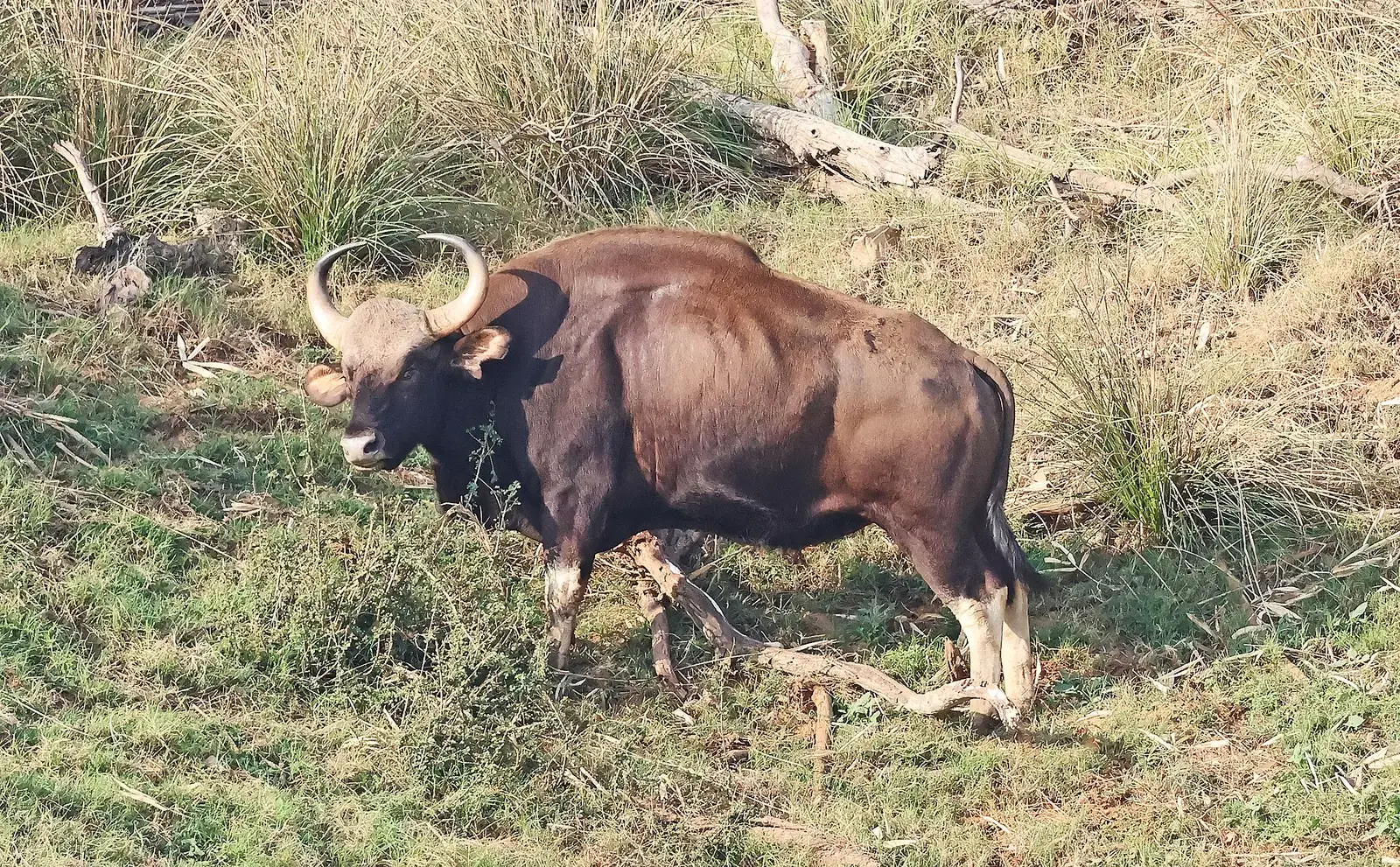
A guide to Satpura Tiger Reserve in Madhya Pradesh: why it is different from other tiger reserves (walking, canoe and boat safaris alongside jeep drives), the Madhai entry across the Denwa river, wildlife from sloth bears to giant squirrels, the season, getting there, where to stay and how to combine it with Pachmarhi.
 Off-beat
Amarkantak Travel Guide: Source of the Narmada & Son Rivers
A plateau temple town where two of India's major rivers are born a few hundred metres apart, deep in dense Maikal hill forest — the complete guide to Amarkantak.