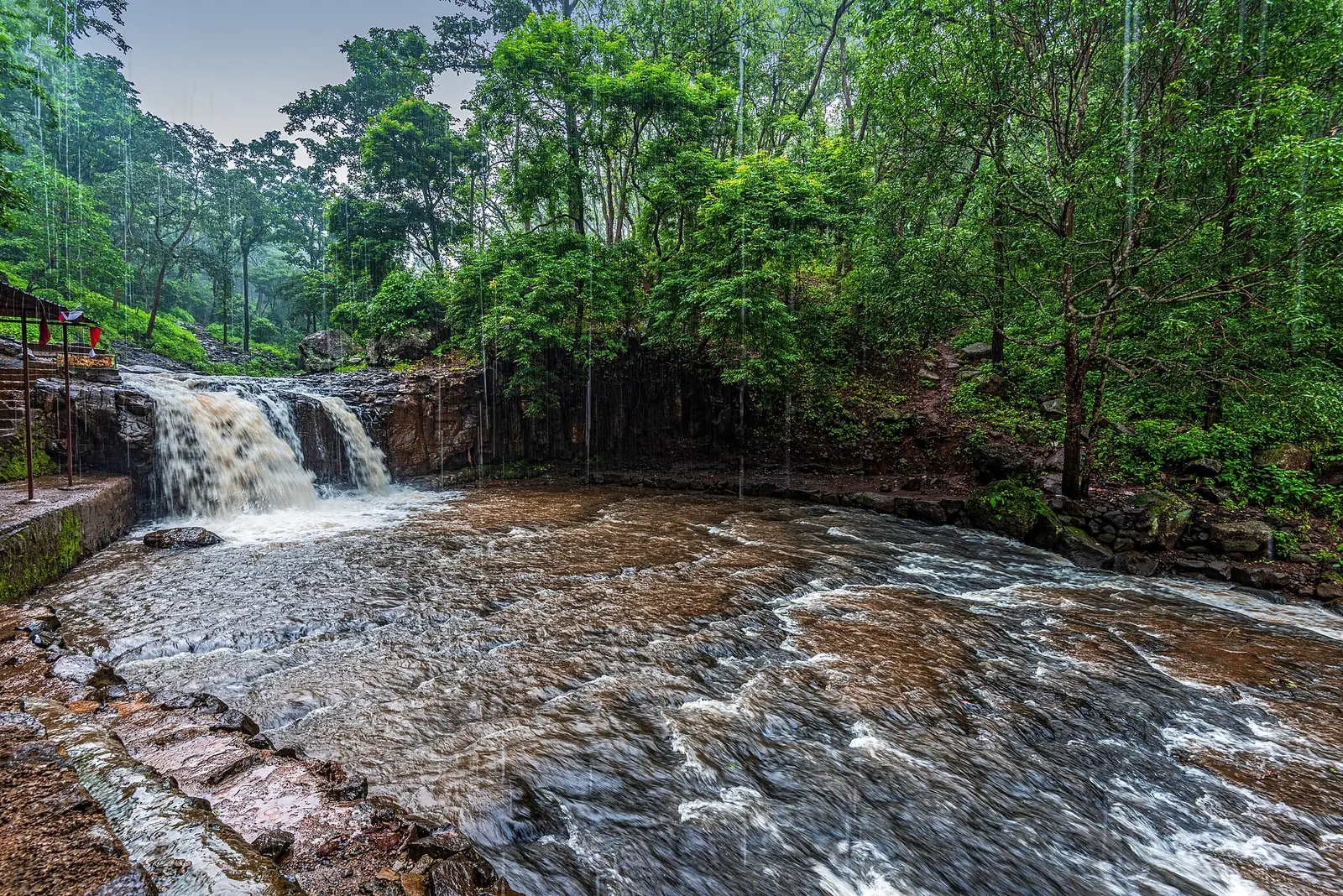
Why Amarkantak?
Amarkantak sits on a plateau in the Maikal Hills, part of the Satpura-Vindhya range system, and holds an unusual geographic distinction: it's the traditional source of two major Indian rivers that flow in opposite directions. The Narmada begins here and flows west across Madhya Pradesh and Gujarat to the Arabian Sea, while the Son begins nearby and flows east to eventually join the Ganga — their sources are only a short walk apart despite the rivers heading to opposite coasts of the subcontinent.
The town is a genuine pilgrimage and spiritual retreat site, quieter and less commercial than most of Madhya Pradesh's better-known destinations, wrapped in dense sal forest that keeps the plateau notably cool.
🌊 Amarkantak at a Glance
Love the outdoors? See our guide to nature travel in Madhya Pradesh.
Best Time to Visit Amarkantak
Cool, clear, and comfortable for temple visits and walking between sites.
Warmer than winter but still tempered by the plateau's elevation and forest cover.
Kapil Dhara Falls is at its most dramatic, but paths get slippery and travel logistics are less predictable.
Our pick: October to March — the most comfortable window for the temple circuit and the walk to Kapil Dhara Falls.
How to Reach Amarkantak
- By Air: The nearest airport is Jabalpur (JLR), about 245km away.
- By Train: Pendra Road (~17km) or Anuppur are the nearest railway stations, both requiring a short onward drive.
- By Road: Road access from Jabalpur or Bilaspur is the most practical way in — this is one of MP's more remote heritage destinations.
Top Things to Do in Amarkantak
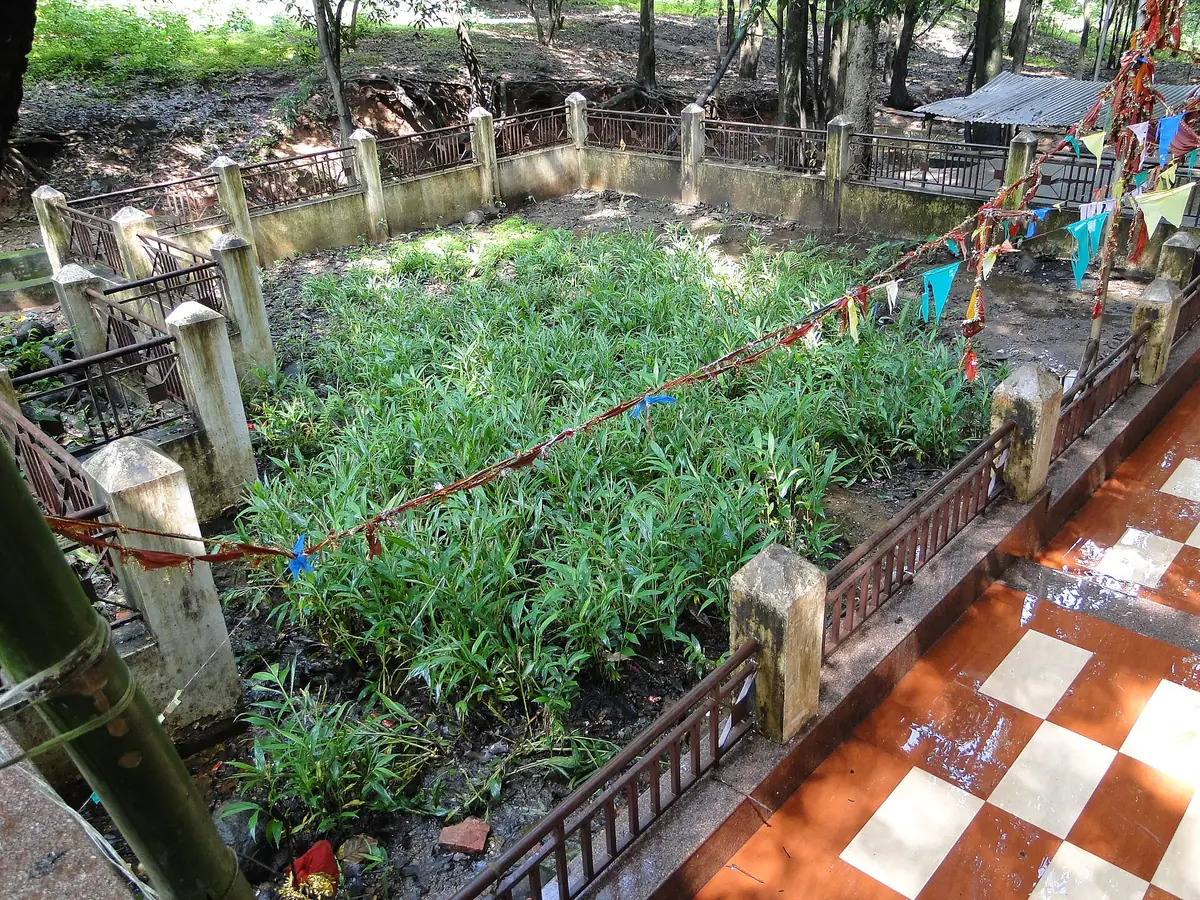
- Narmada Kund: The temple tank marking the traditional source of the Narmada River, ringed by small shrines — the spiritual centre of the town.
- Sonmuda: A viewpoint marking the Son River's source, with sweeping Maikal hill views and where the young Son begins its descent as a waterfall.
- Kapil Dhara Falls: A scenic waterfall a short distance downstream where the young Narmada drops over rocks — busiest and most dramatic in the monsoon.
- Mai ki Bagiya: A forested garden area considered sacred, good for a quieter walk away from the main temple circuit.
Where to Stay in Amarkantak
- → Ashram/dharamshala-style stays
- → Basic guesthouses near Narmada Kund
- → MPT/tourism board hotels
- → Private mid-range hotels in town
- → A handful of better-appointed hotels — luxury options here are genuinely limited
What to Eat in Amarkantak
Simple vegetarian food dominates, reflecting the town's pilgrimage character.
- Ashram/temple-run canteens: Simple, wholesome vegetarian meals near the main temple area.
- Local thalis: Straightforward MP-style vegetarian thalis at small hotels and eateries.
2-Day Amarkantak Itinerary
Narmada Kund & Sonmuda
- ✓Arrive, check in
- ✓Sunrise/morning at Narmada Kund
- ✓Afternoon: Sonmuda viewpoint
- ✓Evening: rest in town
Kapil Dhara & Mai ki Bagiya
- ✓Morning walk to Kapil Dhara Falls
- ✓Late morning: Mai ki Bagiya
- ✓Afternoon: departure
Budget Breakdown
| Expense | Budget | Mid-Range |
|---|---|---|
| Accommodation/night | ₹600 | ₹2,200 |
| Food/day | ₹250 | ₹600 |
| Local transport per day | ₹250 | ₹500 |
| Daily total | ₹1,200 | ₹3,000 |
| 2-Day trip total | ₹2,400 | ₹6,000 |
* Excludes transport to the region. Luxury-tier options are limited in Amarkantak.
Essential Travel Tips for Amarkantak
- Dress modestly: This is an active pilgrimage site, not a leisure destination — dress and behave accordingly.
- Pair sunrise at Narmada Kund with a walk to Kapil Dhara Falls: A natural, efficient combination for a compact morning.
- Set realistic expectations: Facilities, nightlife, and dining options are modest — this is a quiet spiritual retreat, not a resort town.
- Carry cash: Card acceptance is limited in this small, remote town.
✅ Do
- →Visit Narmada Kund at sunrise
- →Walk to both Kapil Dhara Falls and Sonmuda
- →Dress modestly throughout
- →Carry sufficient cash
- →Confirm return transport in advance
❌ Don't
- →Expect nightlife or extensive dining options
- →Rely on cards for payments
- →Arrive without confirming transport onward
- →Wear beachwear-style clothing near the temples
- →Rush the visit — this is a place best taken slowly
Frequently Asked Questions
How many days do I need in Amarkantak?
One full day covers Narmada Kund, Sonmuda, and Kapil Dhara Falls comfortably; a second day allows for a slower pace and a visit to Mai ki Bagiya.
What is the best time to visit Amarkantak?
October to March is most comfortable for temple visits and walking. The monsoon (July–September) brings the fullest waterfalls but muddier conditions underfoot.
How do I reach Amarkantak?
The nearest railway station is Pendra Road (~17km) or Anuppur, and the nearest airport is Jabalpur (~245km). Road travel from Jabalpur or Bilaspur is the most practical approach.
Is it true two major rivers begin at Amarkantak?
Yes — the Narmada, which flows west to the Arabian Sea, and the Son, which flows east toward the Ganga, both have their traditional sources here, only a short walk apart despite eventually heading in opposite directions across the subcontinent.
What is the budget for a trip to Amarkantak?
A budget traveler can manage on roughly ₹1,200 a day, a mid-range trip closer to ₹3,000 a day. A 2-day trip totals roughly ₹2,400 on a budget and ₹6,000 mid-range, excluding transport to the region.
Is Amarkantak a lively tourist town?
No — it's a quiet, spiritually significant pilgrimage and retreat town rather than a lively tourist hub. Expect modest infrastructure and a slower pace.
Can I combine Amarkantak with other Madhya Pradesh destinations?
It's fairly remote relative to MP's other heritage sites, so most travelers treat it as a standalone trip from Jabalpur or Bilaspur rather than combining it into a larger circuit.
Published by the Kudozz Club editorial team · Last updated · How we research our guides
Want us to plan this trip for you?
Tell Kudozz Club where you want to go and what kind of trip you’re looking for. We’ll build a Amarkantak and Madhya Pradesh itinerary around your dates and budget.
Continue Exploring
View all guides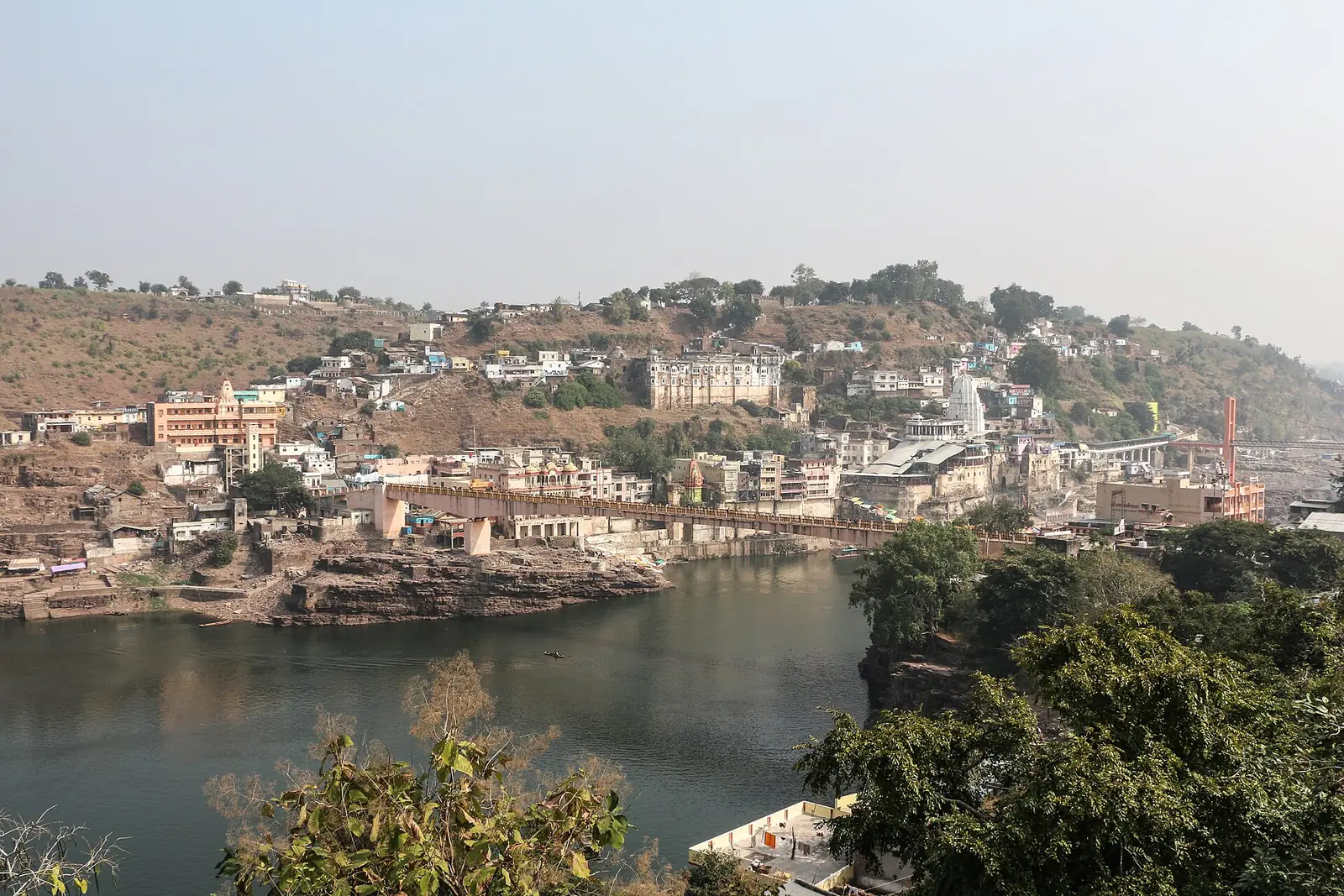 Heritage
Omkareshwar Travel Guide: Jyotirlinga Island Temple & Narmada Ghats
A Shiva temple on an island shaped like the sacred Om symbol, ringed by the Narmada River — the complete guide to Omkareshwar.
 Off-beat
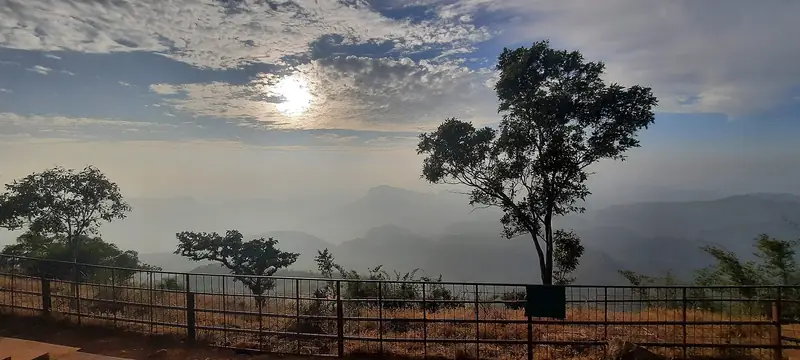
Pachmarhi Travel Guide: Waterfalls, Caves & Satpura's Only Hill Station
The Satpura range's only hill station, with cave temples, waterfalls hidden in sandstone gorges, and Madhya Pradesh's highest peak — the complete guide to Pachmarhi.
 Things to Do
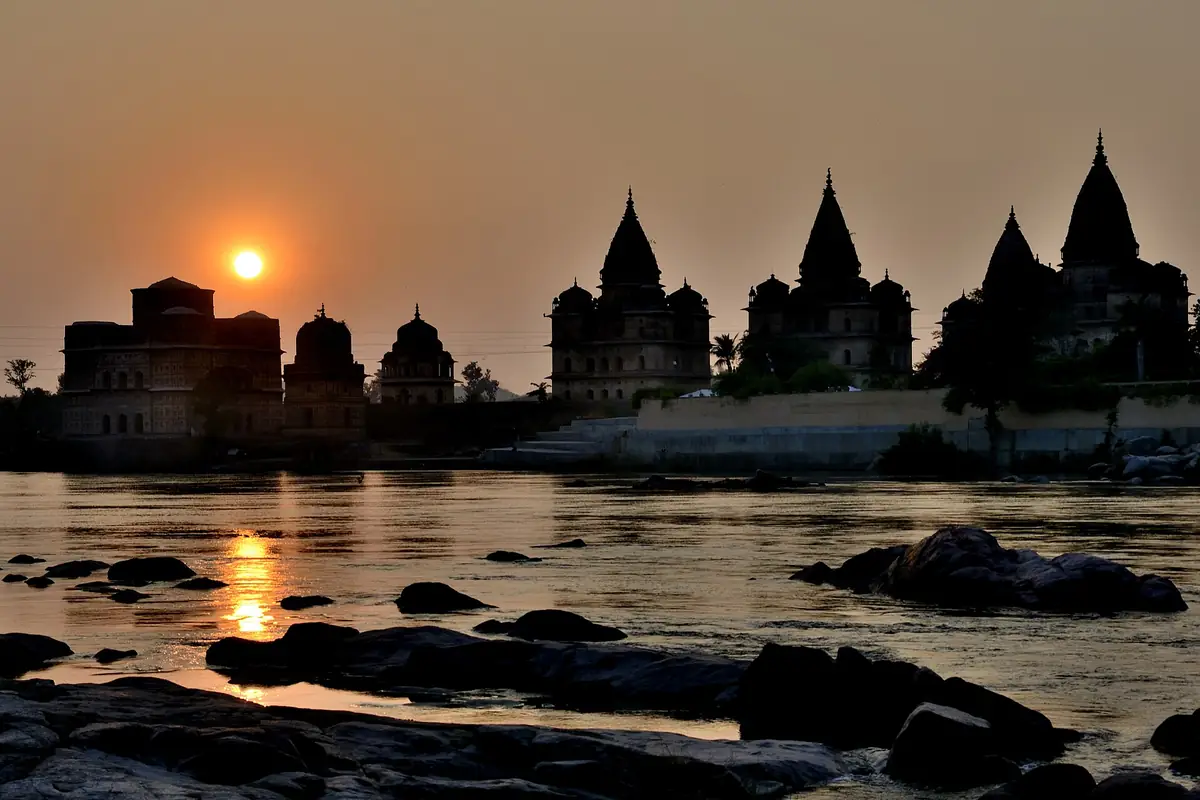
Things to Do in Orchha: Bundela Palaces, Riverside Chhatris & Ram Raja Temple
Things to do in Orchha: Raja Mahal and Jahangir Mahal, the Ram Raja Temple and its guard of honour, Chaturbhuj Temple, Laxminarayan Temple murals, the royal chhatris on the Betwa, the light and sound show, river rafting, cycling and the Orchha Wildlife Sanctuary.
 Heritage & Culture
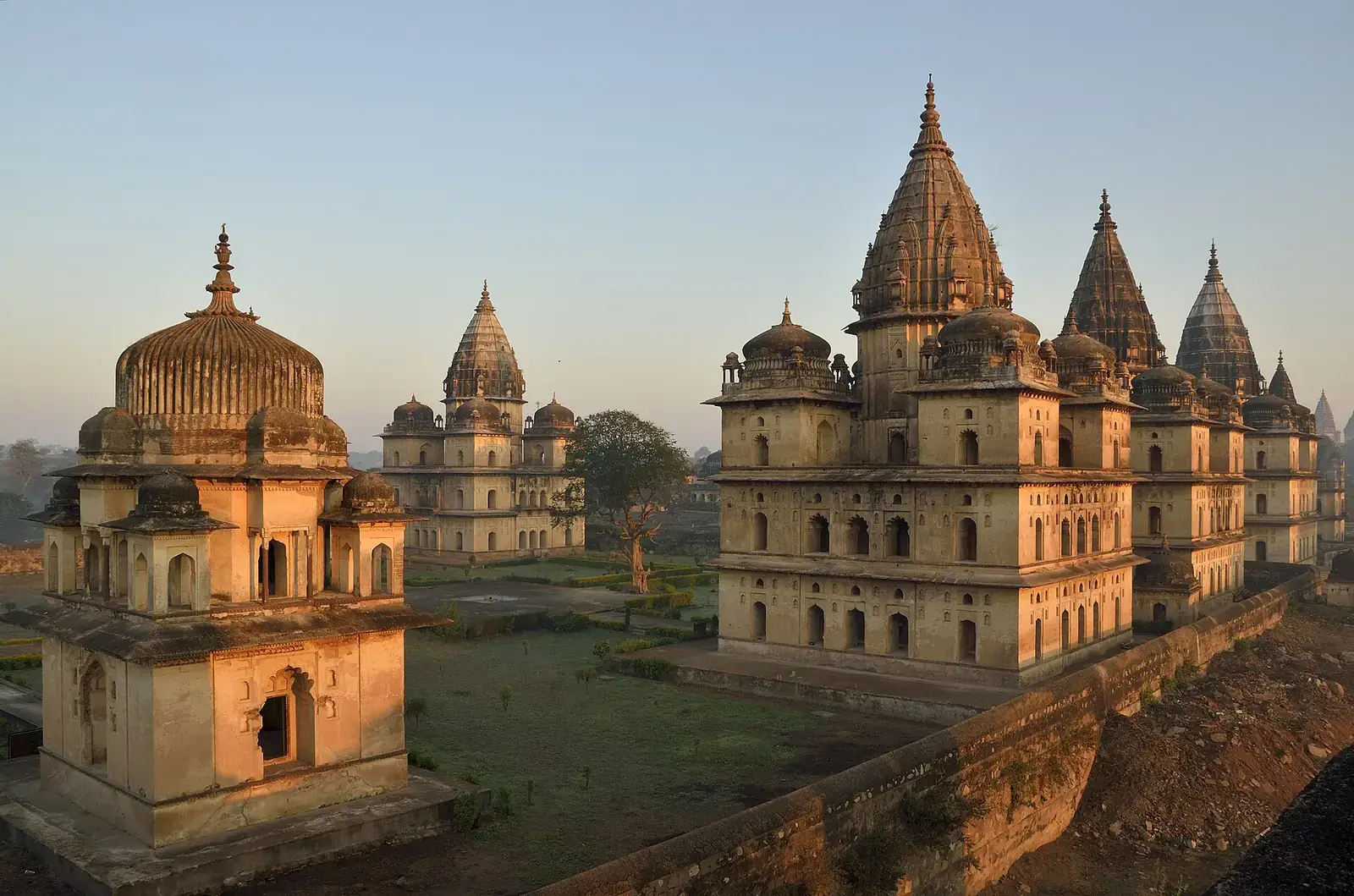
Madhya Pradesh Heritage Itinerary: Gwalior, Orchha, Khajuraho, Sanchi and Mandu
An 11-day Madhya Pradesh heritage itinerary: Gwalior's hilltop fort, Orchha's palaces and cenotaphs, the temples of Khajuraho, Bhopal with day trips to Sanchi, Udayagiri and Bhimbetka, and the Malwa plateau's Mandu and Maheshwar, reached from Indore, with travel times and seasonal tips.