A dargah is the shrine built over the grave of a Sufi saint. In India the most revered belong to the Chishti order, founded here by Khwaja Moinuddin Chishti of Ajmer, whose spiritual successors include Nizamuddin Auliya in Delhi and Salim Chishti at Fatehpur Sikri.
Dargahs welcome visitors of all faiths. People come to pray, tie threads for wishes, offer flowers and chadars (cloth covers) and listen to qawwali, devotional music sung in the courtyards, especially on Thursday evenings and during the Urs, the saint's death anniversary.
Quick answer
The most visited Sufi shrines in India include the dargah of Khwaja Moinuddin Chishti at Ajmer, Hazrat Nizamuddin Auliya's dargah in Delhi, Salim Chishti's tomb at Fatehpur Sikri, Haji Ali in Mumbai and the Nagore Dargah in Tamil Nadu. Visitors of all faiths are welcome; cover your head, remove shoes and dress modestly. The Urs festivals, dated by the Islamic calendar, are the busiest times.
Key takeaways
- Dargahs are shrines over the graves of Sufi saints, open to people of all faiths.
- Ajmer's Urs is held in the first days of the Islamic month of Rajab.
- Nizamuddin's qawwali on Thursday evenings is one of Delhi's best-known traditions.
- Cover your head, remove shoes and dress modestly; rules on entering the inner shrine differ.
- Urs dates move each year with the lunar calendar.
Well-known dargahs
| Dargah | Saint | Place | Our guide |
|---|---|---|---|
| Ajmer Sharif | Khwaja Moinuddin Chishti | Ajmer, Rajasthan | Ajmer guide |
| Hazrat Nizamuddin | Nizamuddin Auliya (with Amir Khusrau's tomb) | Delhi | Nizamuddin guide |
| Qutb Sahib | Qutbuddin Bakhtiyar Kaki | Mehrauli, Delhi | Covered here |
| Salim Chishti | Shaikh Salim Chishti | Fatehpur Sikri, Uttar Pradesh | Fatehpur Sikri guide |
| Haji Ali | Pir Haji Ali Shah Bukhari | Mumbai, Maharashtra | Covered here |
| Nagore Dargah | Shahul Hameed | Nagore, Tamil Nadu | Covered here |
| Kaliyar Sharif | Alauddin Ali Ahmed Sabir | Near Roorkee, Uttarakhand | Covered here |
| Deva Sharif | Haji Waris Ali Shah | Barabanki, Uttar Pradesh | Covered here |
The Chishti shrines
Ajmer Sharif
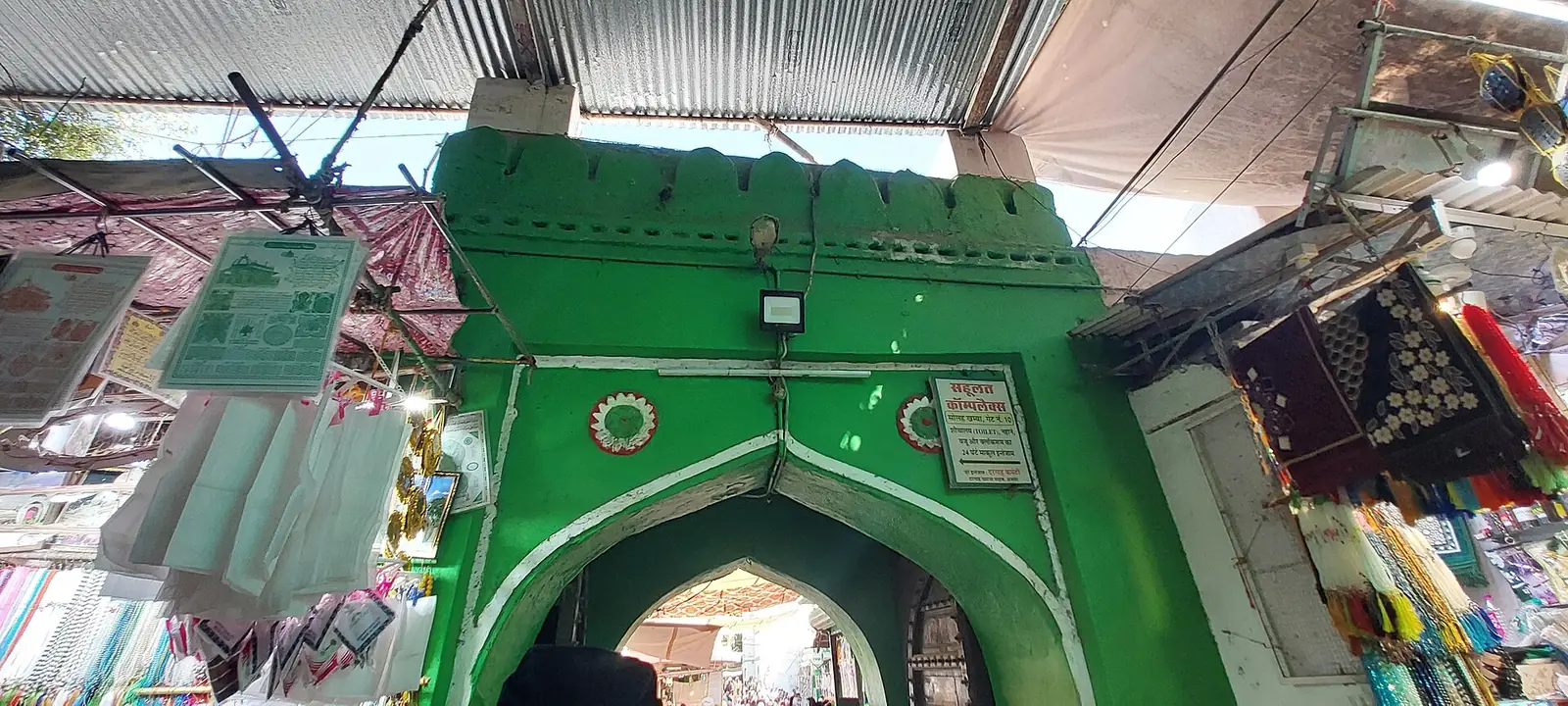
The dargah of Khwaja Moinuddin Chishti, reached through Ajmer's old bazaar, with huge cauldrons (degs) in which food is cooked for distribution.
Nizamuddin, Delhi
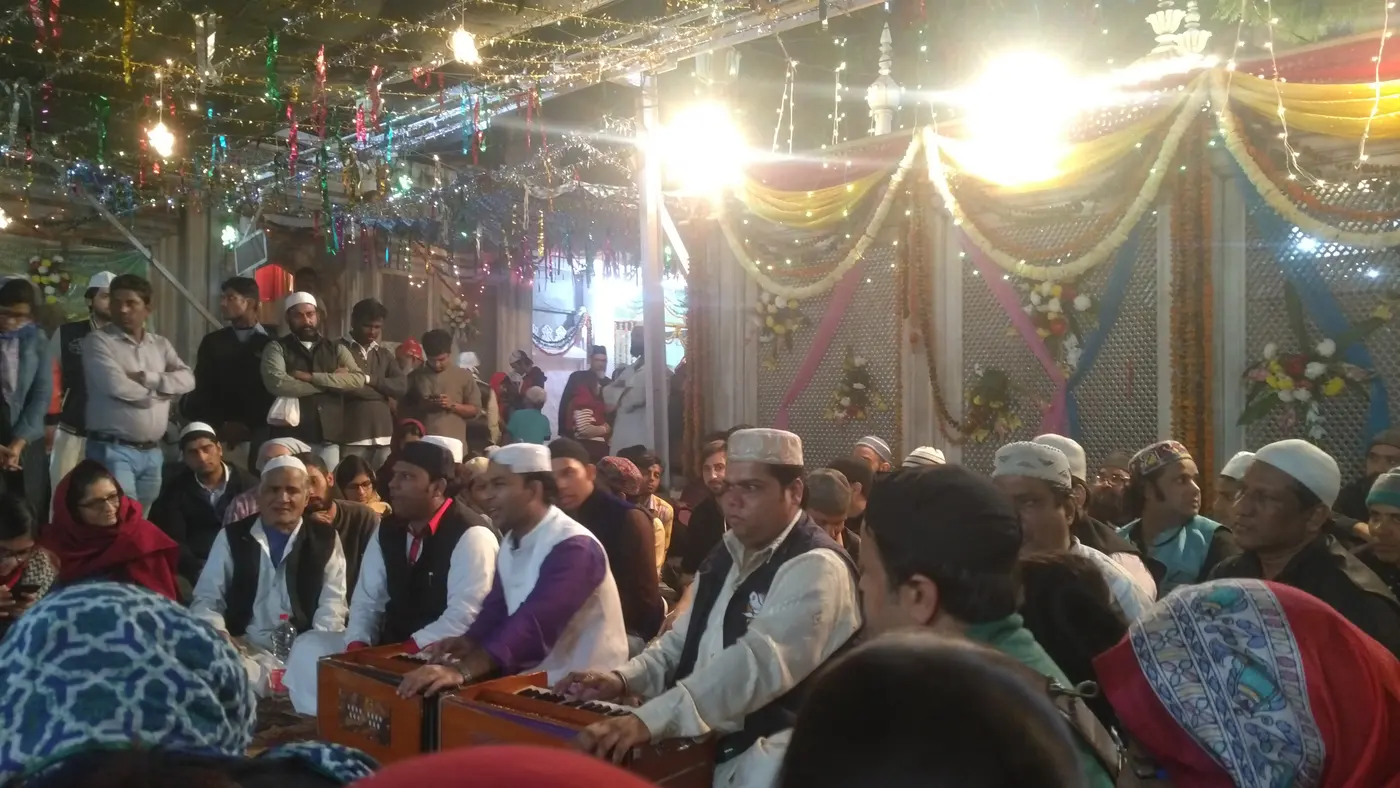
The dargah of Nizamuddin Auliya in a lively basti, with qawwali in the courtyard, especially on Thursday evenings.
Fatehpur Sikri
The white marble tomb of Salim Chishti in the courtyard of the Jama Masjid, where visitors tie threads on the screens.
Haji Ali and Nagore
Haji Ali, Mumbai
A mosque and dargah on an islet off Worli, reached by a causeway that is covered at high tide, so visits depend on the tide.
Nagore Dargah
On the Tamil Nadu coast near Nagapattinam, visited by people of many faiths, with its Kanduri festival.
Urs and qawwali
The Urs marks a saint's death anniversary, understood as union with the divine. At Ajmer it falls in the first days of the Islamic month of Rajab and draws very large crowds. Dates move about eleven days earlier each year in the Gregorian calendar, so check the year's dates. Qawwali is performed at many dargahs through the year, often on Thursday evenings.
Visiting etiquette
- Cover your head; scarves and caps are sold near most dargahs.
- Remove shoes before entering the shrine area.
- Dress modestly and keep your voice low near the grave.
- Rules on who may enter the inner sanctum differ between dargahs; follow the notices and khadims (caretakers).
- Offerings are voluntary; be wary of anyone pressing for money.
Other Islamic shrines
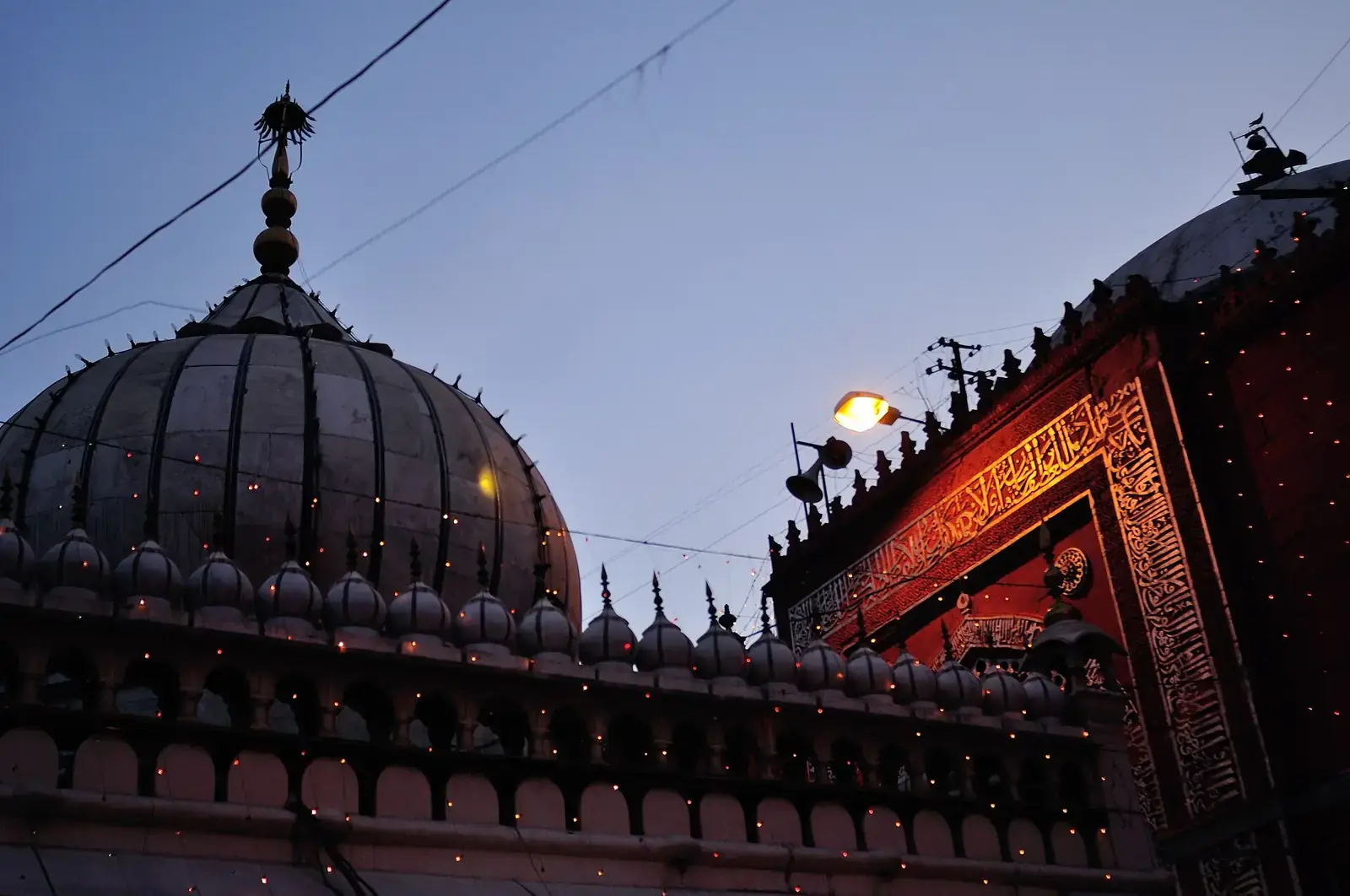
Some important Islamic shrines are not Sufi dargahs. The Hazratbal Shrine in Srinagar houses a relic revered as a hair of the Prophet Muhammad, displayed on certain occasions. Charar-e-Sharif in Kashmir is the shrine of Sheikh Nooruddin Noorani, a saint of the Rishi tradition. Historic mosques such as Delhi's Jama Masjid are covered in our heritage guides.
Safety
- Urs festivals bring very large crowds; keep valuables secure.
- Follow the instructions of dargah staff and police at busy times.
- Check tide times before walking to Haji Ali.
- Dress and behave respectfully; photography may be restricted inside.
What to pack
- A scarf or cap to cover your head
- Modest clothing
- Socks for walking barefoot on stone and marble
- Small bag
- Small change for voluntary offerings
Want this pilgrimage turned into a practical itinerary?
FAQs
Which is the most famous dargah in India?
The dargah of Khwaja Moinuddin Chishti at Ajmer is among the most visited.
What should I wear to a dargah?
Modest clothing, with your head covered; shoes are removed before the shrine area.
Can non-Muslims visit dargahs?
Yes. Dargahs welcome people of all faiths who follow the etiquette.
When is qawwali at Nizamuddin?
Qawwali is usually performed in the evenings, especially on Thursdays; timings vary.
When is the Ajmer Urs?
In the first days of the Islamic month of Rajab; the Gregorian date changes each year.
What is an Urs?
The annual commemoration of a Sufi saint's death anniversary, marked with prayers, qawwali and large gatherings.
Is Hazratbal a Sufi dargah?
No. It is a shrine housing a revered relic of the Prophet Muhammad, not a Sufi saint's tomb.