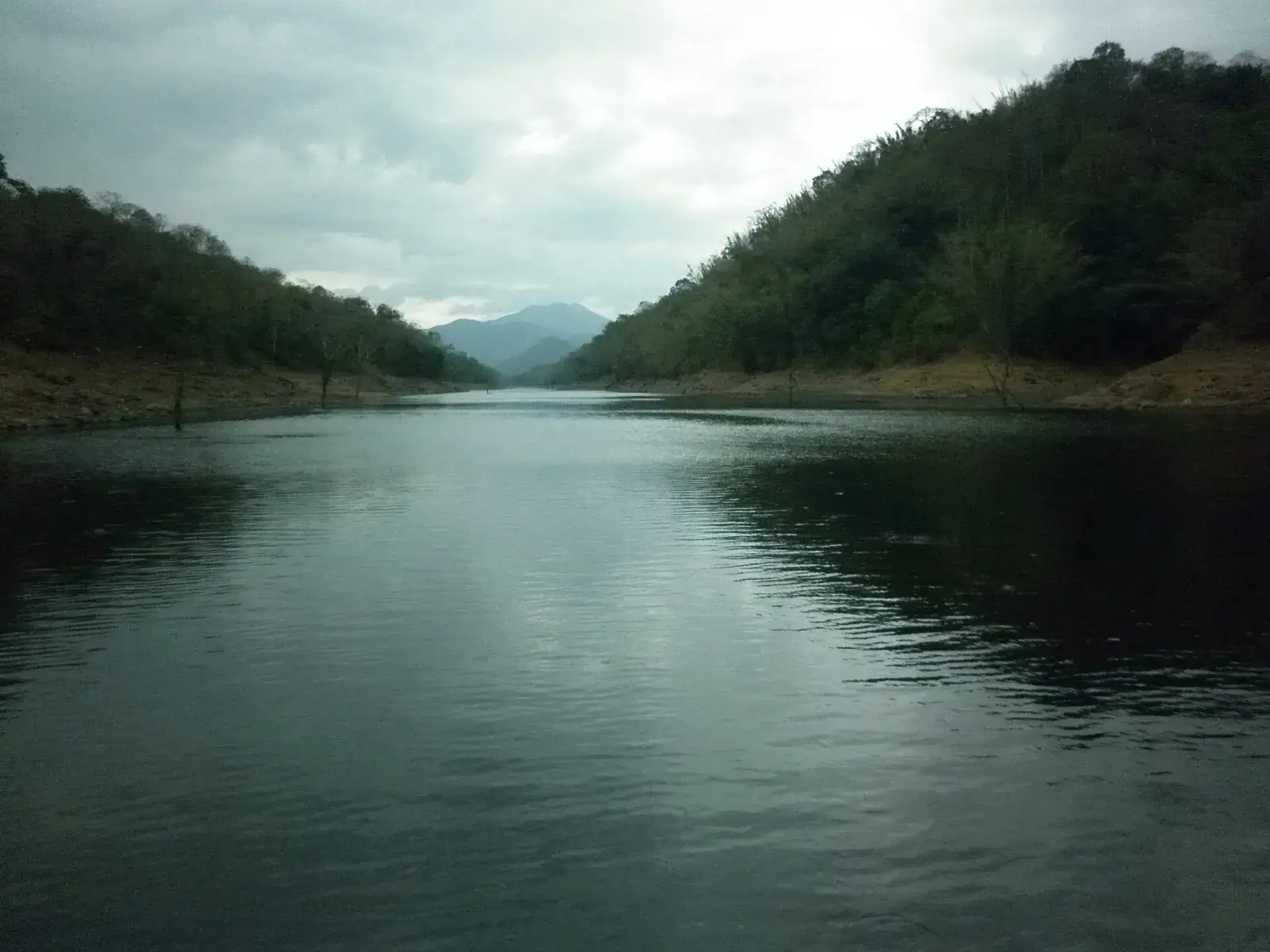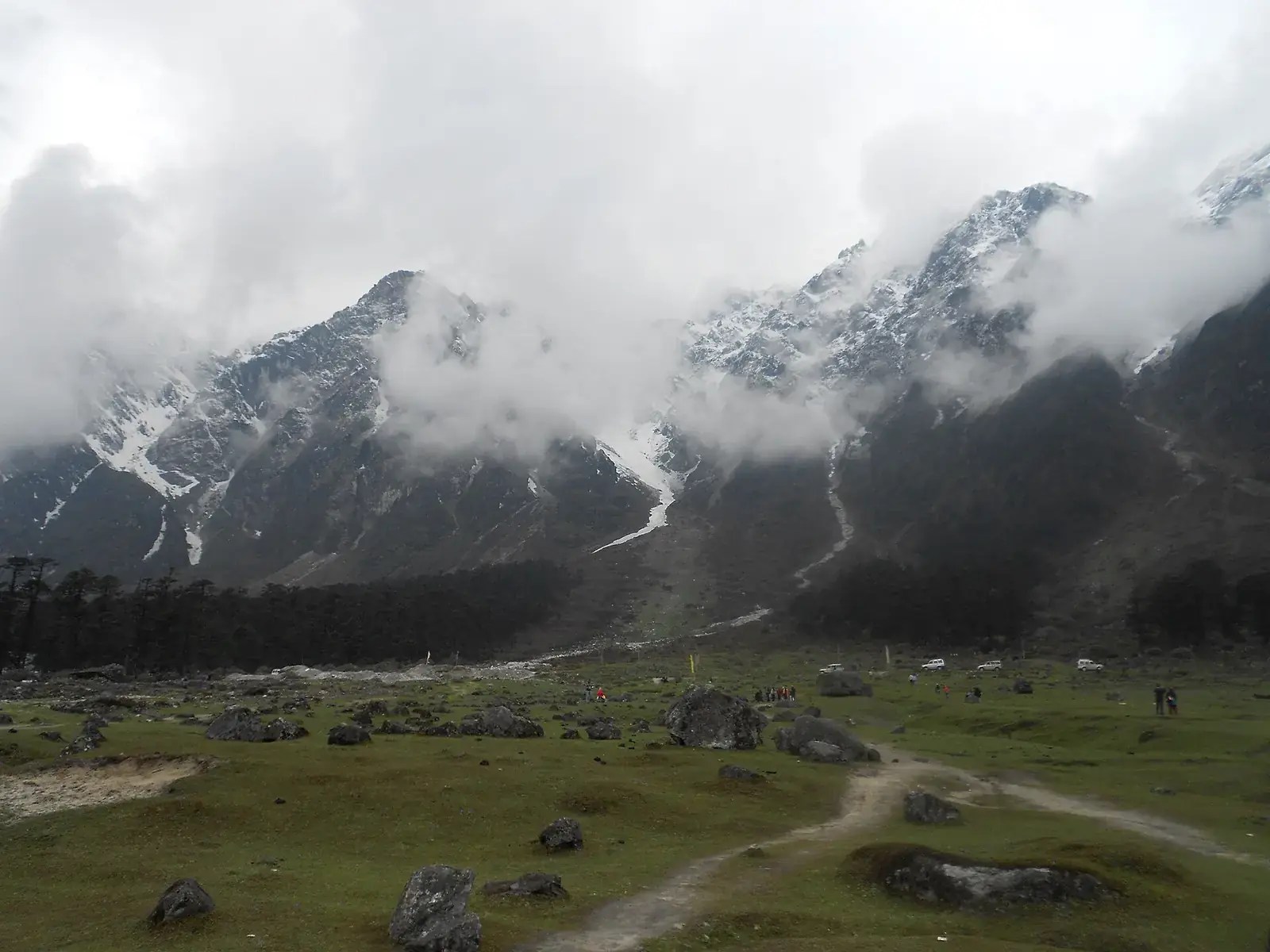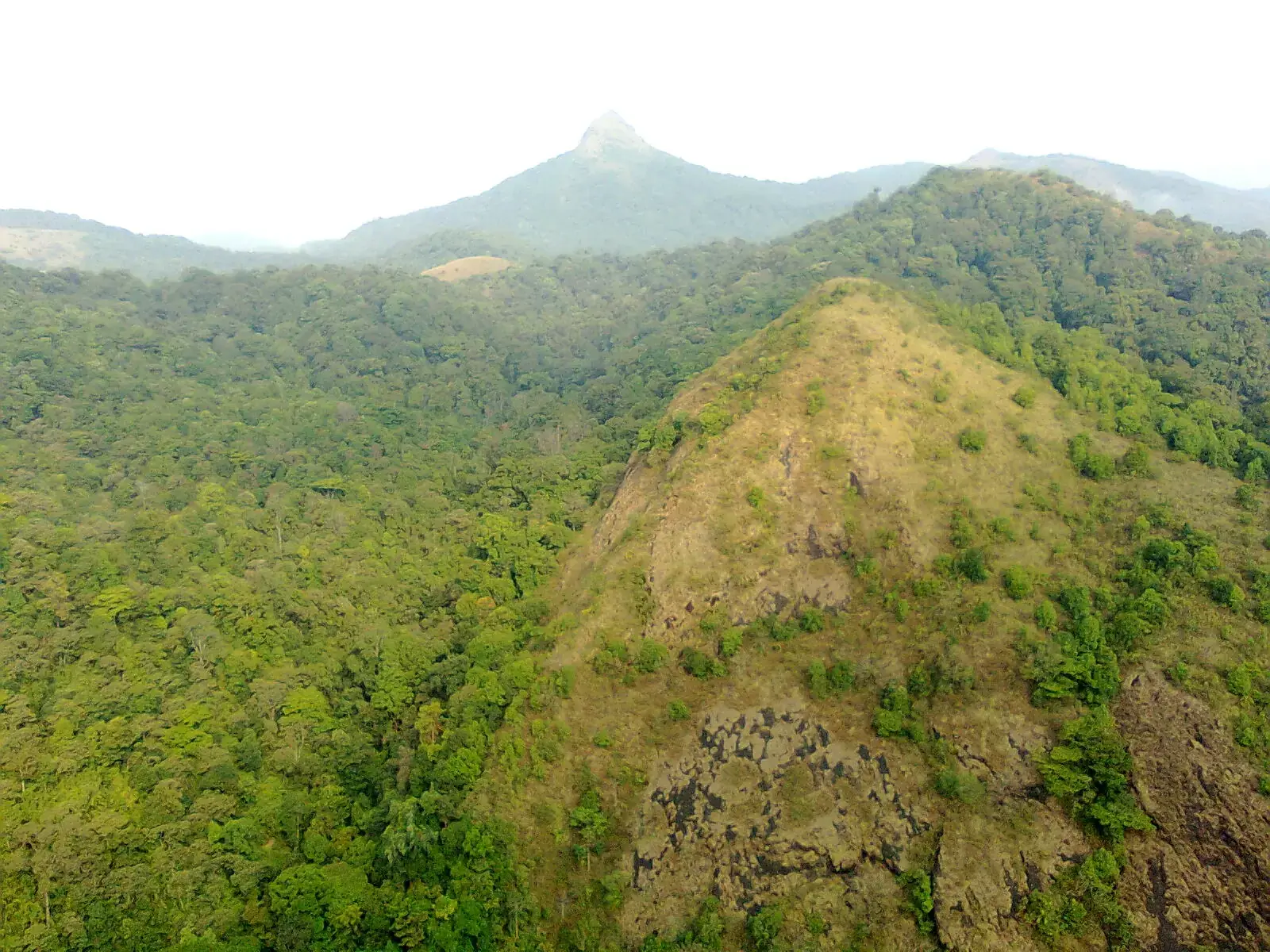
India's forests range from wet evergreen rainforest in the Western Ghats and the Northeast to dry teak and sal woodland in the centre, mangroves on the eastern coast, and oak, deodar and rhododendron in the Himalaya. Many are protected as national parks or sanctuaries; others are community-managed or sacred groves.
This guide is about experiencing forests: walks, canopy, birdsong and forest stays. For safaris and animal sightings, see our wildlife guides.
Quick answer
India's best forest destinations include the Western Ghats rainforests of Silent Valley, Agumbe and Wayanad; Namdapha in Arunachal Pradesh; the sal forests of Similipal, Saranda and Kanha; the mangroves of the Sundarbans and Bhitarkanika; Himalayan oak, deodar and rhododendron forests in Uttarakhand, Himachal and Sikkim; and sacred groves such as Mawphlang in Meghalaya. Winter is best for walking; the monsoon is lush but wet.
Key takeaways
- The Western Ghats and the Northeast have India's richest evergreen forests.
- Sal forests dominate central and eastern India.
- The Sundarbans and Bhitarkanika are the best places to see mangroves, by boat.
- Himalayan rhododendron forests bloom from about March to April.
- Many forests require permits, guides or fixed entry times; check before you go.
Forest types at a glance
| Forest type | Where | Best time |
|---|---|---|
| Tropical evergreen rainforest | Silent Valley, Agumbe, Wayanad, Namdapha | October to March; monsoon for rain |
| Moist deciduous (sal) | Similipal, Saranda, Kanha, Dooars | November to April |
| Mangroves | Sundarbans, Bhitarkanika, Andaman | November to March |
| Shola forest and grassland | Eravikulam, Kudremukh, Nilgiris | September to May |
| Himalayan temperate forest | Tirthan, Chopta, Sikkim, Kumaon | March to June, October to November |
| Dry deciduous and thorn | Gir, the Aravallis, central India | November to March |
| Sacred groves | Mawphlang (Meghalaya), Kerala's kavus | October to May |
Rainforests
Western Ghats and the Northeast
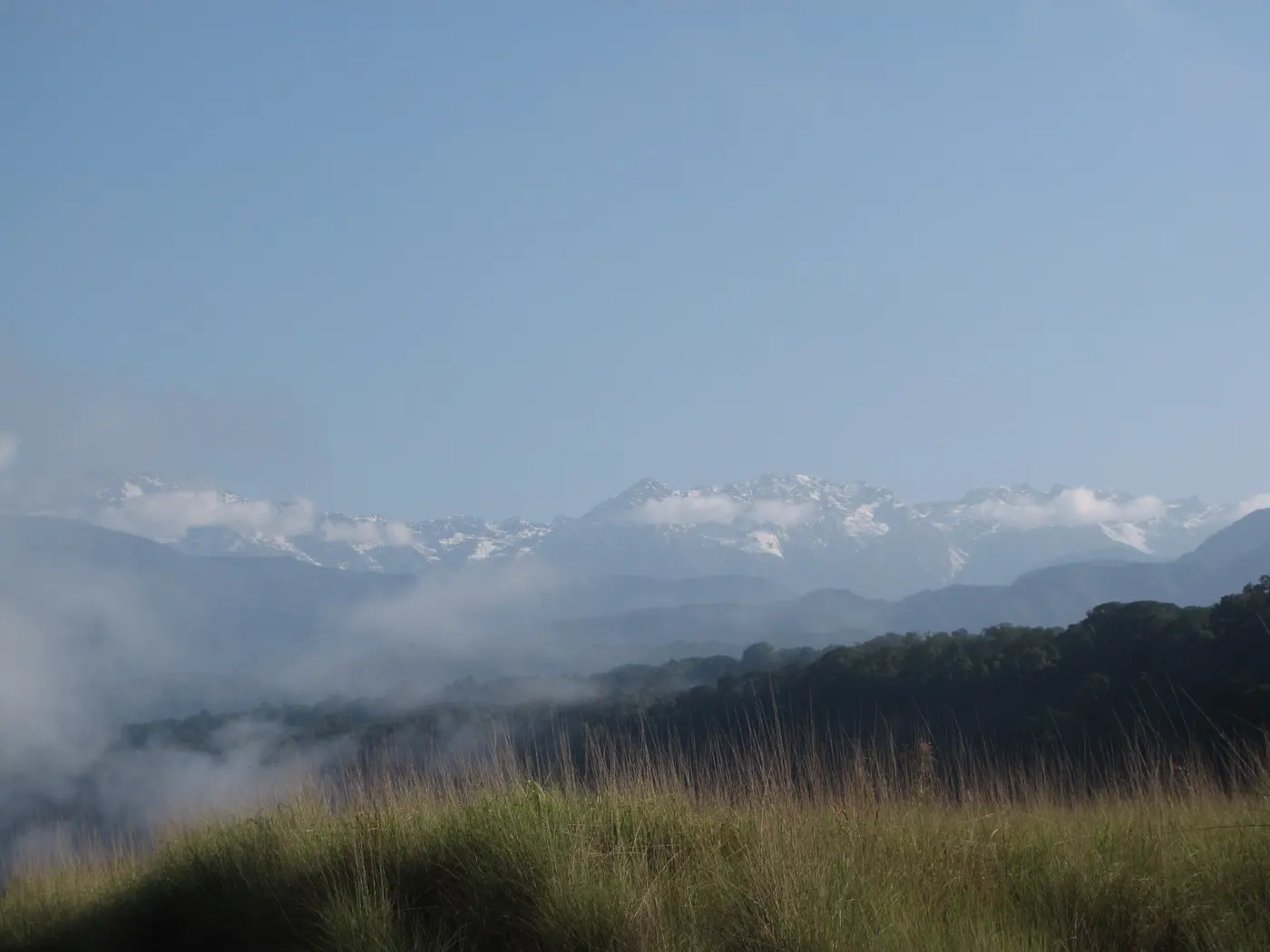
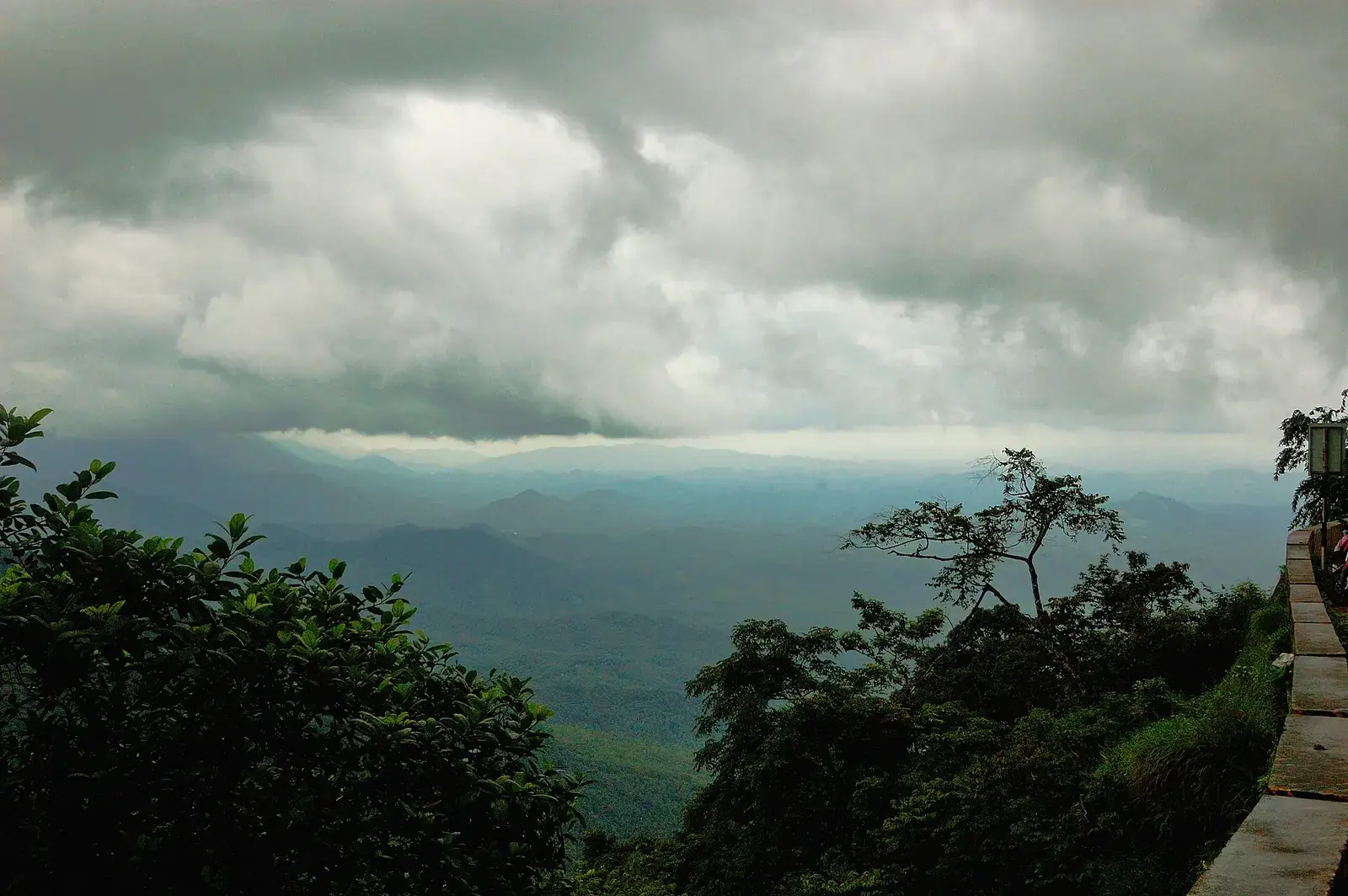
Silent Valley's undisturbed evergreen forest, Agumbe's rainforest, Wayanad, and the vast Namdapha in Arunachal Pradesh.
Sal forests
Similipal, Saranda and Kanha
Tall sal woodland, waterfalls and meadows in Odisha, Jharkhand and Madhya Pradesh.
Mangroves
Sundarbans and Bhitarkanika

Tidal creeks and mangrove forest explored by boat, in West Bengal and Odisha.
Himalayan forests
Oak, deodar and rhododendron
Deodar and oak around Tirthan and Kumaon, rhododendron slopes in Sikkim and at Chopta in spring.
Sacred groves
Across India, communities protect patches of forest as sacred groves. Mawphlang near Shillong is the best-known to visitors, walked with local guides who explain the rules, including that nothing may be taken out of the forest. Kerala's small kavus and Rajasthan's oran groves are other examples.
Forest stays
Many state forest departments run rest houses, eco-camps and tented stays inside or near forests, often booked online through their own portals, and Karnataka's state-run Jungle Lodges & Resorts operates camps in several forests. Private forest-edge homestays exist too. Book early, follow the rules on timings and lights, and expect simple comforts in remote places.
Forests and wildlife
Most large forests in India are also wildlife reserves, and entering their core areas usually means a guided safari with fixed timings. Forest walks and nature trails are often limited to buffer zones, eco-tourism areas or community forests. For safaris, see our wildlife guides.
Ways to experience a forest
- A guided nature trail with a naturalist, early in the morning.
- A night in a forest rest house, listening to the forest after dark.
- A canopy or tree-top walk where one exists.
- A boat through mangrove creeks in the Sundarbans or Bhitarkanika.
- Birdwatching along forest edges and streams.
When to go
- November to March: dry, cool and good for walking in most forests.
- March to April: rhododendrons in the Himalaya, and sal flowering in central India.
- June to September: lush and green in the Western Ghats and Northeast, but wet, with leeches and some closures.
- April to June: hot in central India; some reserves close for the monsoon from late June.
The Northeast's forests
Beyond Namdapha, the Northeast's forests include the sub-tropical hills of Meghalaya and Nagaland, the bamboo and broadleaf forests of Mizoram, and the moist forests of the Dooars below the eastern Himalaya. Many are community-owned, so village councils often set rules for visitors.
Safety
- Walk with local or forest-department guides where required, and keep to trails.
- Entry rules, timings, permits and seasonal closures change; check the forest department or official site before you go.
- Carry your waste back, avoid loud music, and never feed wildlife.
- Leeches are common in the monsoon; wear leech socks.
What to pack
- Earth-coloured clothing
- Walking shoes with grip
- Leech socks in the monsoon
- Binoculars
Want the forests, waterfalls and viewpoints woven into one trip?
FAQs
Which is the best forest destination in India?
Silent Valley, Agumbe, Namdapha, Similipal, the Sundarbans and the Himalayan forests of Tirthan and Sikkim are among the best.
Where can I see rainforest in India?
In the Western Ghats (Silent Valley, Agumbe, Wayanad) and the Northeast (Namdapha).
Where are India's mangroves?
The Sundarbans in West Bengal, Bhitarkanika in Odisha, and the Andaman and Nicobar Islands.
Can I walk in Indian forests?
In buffer zones, eco-tourism trails and community forests, usually with a guide; core areas of reserves are generally safari-only.
When do Himalayan rhododendrons bloom?
Roughly from March to April, varying with altitude.