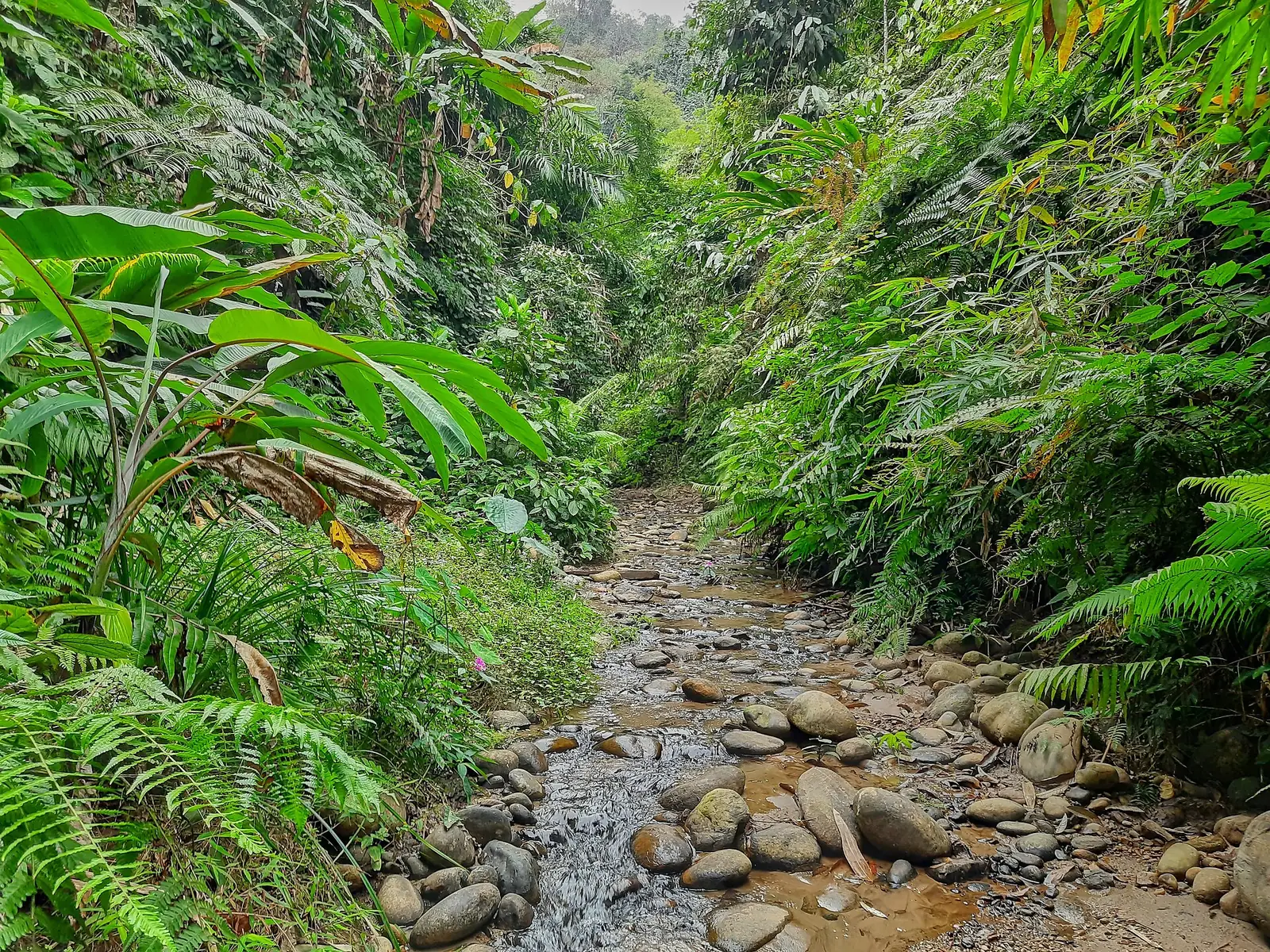
Why Namdapha?
Namdapha National Park holds a genuinely remarkable distinction: it's one of the only protected areas in the world documented to potentially hold four big cat species — tiger, leopard, snow leopard, and clouded leopard — a result of its unusual altitude range, spanning lowland tropical forest to high-altitude terrain within a single park.
We'll be upfront: actual sightings of any big cat here, let alone all four, are extremely rare, even for dedicated researchers who've spent years in the park. Namdapha is worth visiting for its extraordinary biodiversity and landscape rather than any expectation of a wildlife-viewing guarantee — treat that as this guide's central, honest premise.
🐆 Namdapha at a Glance
Love the outdoors? See our guide to forest destinations in India.
Planning a wildlife trip? See our guide to the best national parks in India.
Best Time to Visit Namdapha
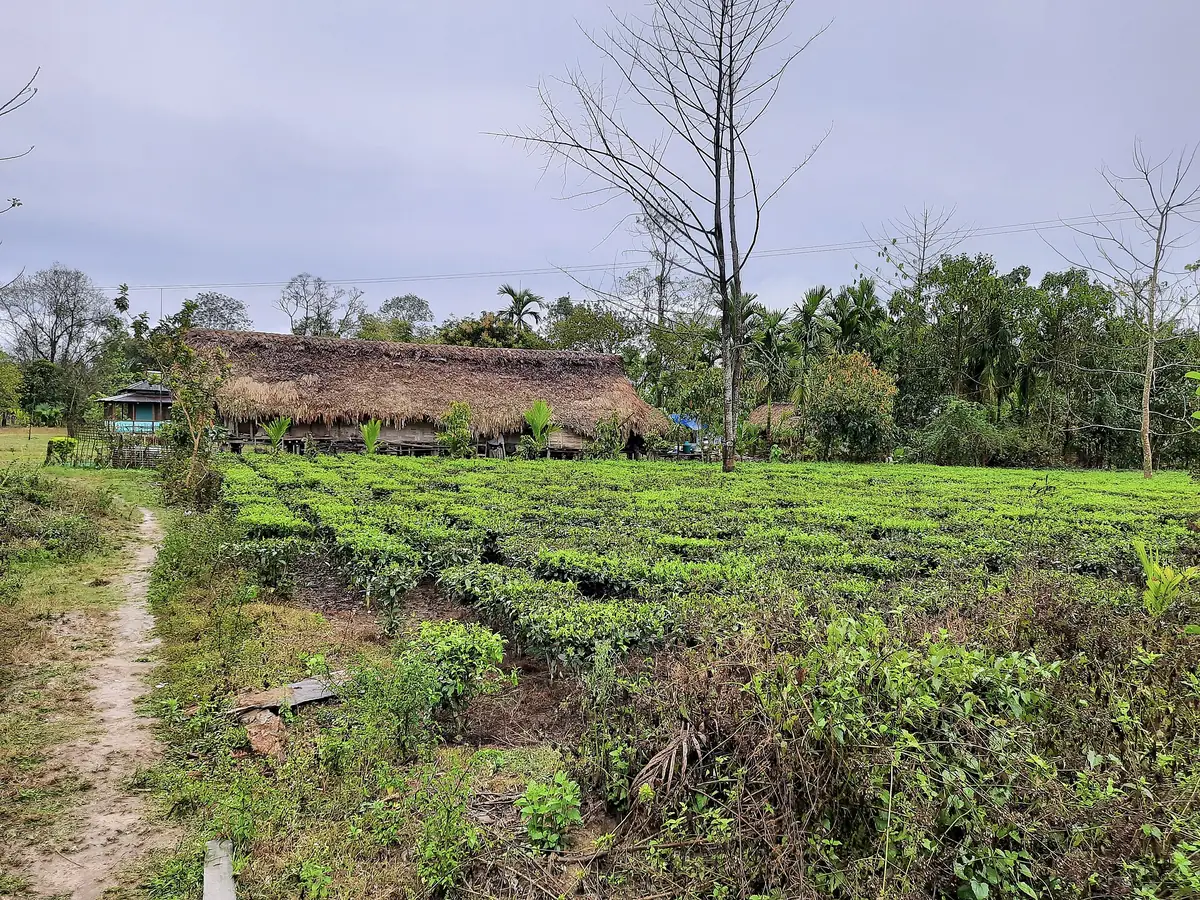
Roads and trails are accessible, and this is the park's genuine visiting season.
Heavy rain makes much of the park genuinely difficult or effectively closed — not a realistic window to plan a visit.
Our advice: Verify current-year access and permit status directly with an experienced local operator before committing to travel dates — conditions here change more than at India's better-established parks.
How to Reach Namdapha
- By Air: Dibrugarh in Assam is the nearest airport, still a significant onward journey by road.
- By Road: The park is accessed via Miao town in Arunachal Pradesh — road is the only practical route in.
- Permits: An Inner Line Permit and park entry permits are both required — verify current requirements, ideally through your booking operator.
Wildlife & Biodiversity
- Four big cat species: Tiger, leopard, snow leopard, and clouded leopard are all documented in the park — though actual sightings of any are genuinely rare.
- Exceptional plant diversity: The park's altitude range supports an unusually wide variety of flora, a major draw for botanists and serious naturalists.
- Birdlife: A significant destination for serious birders given the park's habitat diversity.
- Local communities: Lisu, Chakma, and other communities live in and around the park's buffer areas, adding a genuine cultural dimension.
Where to Stay Near Namdapha
- → Basic guesthouses in Miao
- → Forest rest houses (where available)
- → Better-appointed Miao lodges
- → Options here are genuinely limited given the park's remoteness
What to Eat Near Namdapha
- Lodge-served meals: Most stays serve simple, home-style Assamese/Arunachali food.
- Bring extra supplies: Given the remoteness, carrying some of your own snacks and staples is a sensible precaution.
3-Day Namdapha Itinerary
Travel to Miao
- ✓Long journey from Dibrugarh to Miao
- ✓Check in, arrange permits and guide
Park Exploration
- ✓Guided trekking/exploration within the park
- ✓Focus on birdwatching and general biodiversity
Further Exploration & Departure
- ✓Additional guided trekking if staying longer
- ✓Begin return journey
Budget Breakdown
| Expense | Budget | Mid-Range |
|---|---|---|
| Accommodation/night | ₹1,000 | ₹3,000 |
| Food/day | ₹400 | ₹900 |
| Guide + permit fees | ₹1,500 | ₹2,500 |
| Daily total | ₹2,900 | ₹6,400 |
| 3-Day trip total | ₹8,700 | ₹19,200 |
* Excludes transport to Dibrugarh. Guide/permit costs vary by operator and current requirements — verify before booking.
Essential Travel Tips for Namdapha
- Set realistic expectations: This is not a guaranteed-sighting safari park — visit for the biodiversity and landscape.
- Book through an experienced operator: Permit logistics and guided access are genuinely complex here.
- Come prepared for basic infrastructure: This is one of India's most remote major national parks.
- Verify current permit requirements: Rules and processes can change — confirm before you travel.
✅ Do
- →Book through an experienced local operator
- →Verify current permit requirements before travel
- →Set realistic expectations on wildlife sightings
- →Come prepared for basic, remote infrastructure
- →Focus on birdwatching and general biodiversity
❌ Don't
- →Plan a trip expecting guaranteed big-cat sightings
- →Attempt independent access without permits arranged
- →Visit during monsoon expecting normal access
- →Underestimate the journey time from Dibrugarh
- →Skip booking through a knowledgeable local operator
Frequently Asked Questions
Will I actually see a tiger or snow leopard at Namdapha?
Almost certainly not — while Namdapha is genuinely notable for potentially holding four big cat species due to its unusual altitude range, actual sightings of any big cat here are extremely rare, even for dedicated researchers. Visit for the extraordinary biodiversity and landscape, not a wildlife guarantee.
How many days do I need at Namdapha?
A minimum of 2-3 days, given the remoteness alone — reaching Miao town and then the park core takes real time, and much of the park requires multi-day guided trekking to explore meaningfully.
Do I need a permit to visit Namdapha?
Yes — an Inner Line Permit and park entry permits are both required. Requirements and the application process can change, so verify current rules before you go, ideally through your booking operator.
What is the best time to visit Namdapha?
November to April, the dry season. The park is genuinely difficult or effectively closed during monsoon (roughly May–September) due to heavy rain and access issues.
How do I reach Namdapha?
The nearest airport is Dibrugarh in Assam, still a significant onward journey. The park is accessed via Miao town in Arunachal Pradesh, with road being the only practical route in.
Is Namdapha suitable for casual tourists?
It suits serious wildlife and nature enthusiasts more than casual sightseers — infrastructure is minimal, access is genuinely difficult, and this is one of India's most remote major national parks. Go in with realistic expectations.
What is the budget for a trip to Namdapha?
Costs are driven largely by mandatory guide and permit fees plus the logistics of reaching Miao — budget roughly ₹2,500–₹5,000 a day including guide/permit costs, higher if arranging a full multi-day guided trek.
Published by the Kudozz Club editorial team · Last updated · How we research our guides
Want us to plan this trip for you?
Tell Kudozz Club where you want to go and what kind of trip you’re looking for. We’ll build a Namdapha National Park and Arunachal Pradesh itinerary around your dates and budget.
Continue Exploring
View all guides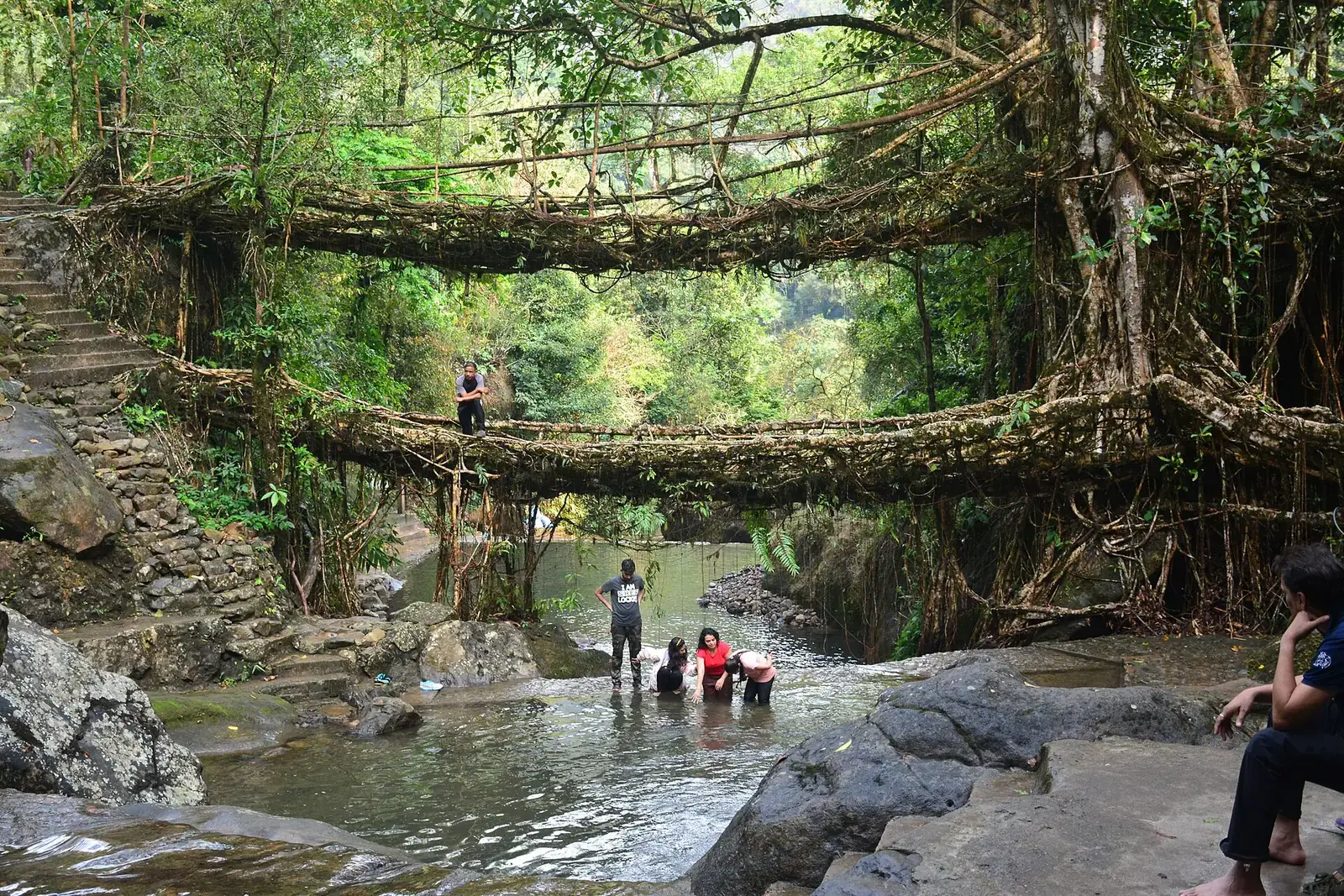 Nature Travel
Nature Travel in Northeast India: Forests, Rivers, Caves and Valleys
A guide to nature travel in Northeast India: Meghalaya's plateau of waterfalls, caves and living root bridges; Arunachal's Ziro, Mechuka, Dibang and Namdapha; Assam's Brahmaputra and Majuli; Nagaland's Dzukou; Manipur's Loktak and Shirui; Mizoram's Phawngpui and Vantawng; Tripura's Jampui and Unakoti; and Sikkim's lakes and rhododendron valleys, with permits, seasons and community-led travel.
 Adventure
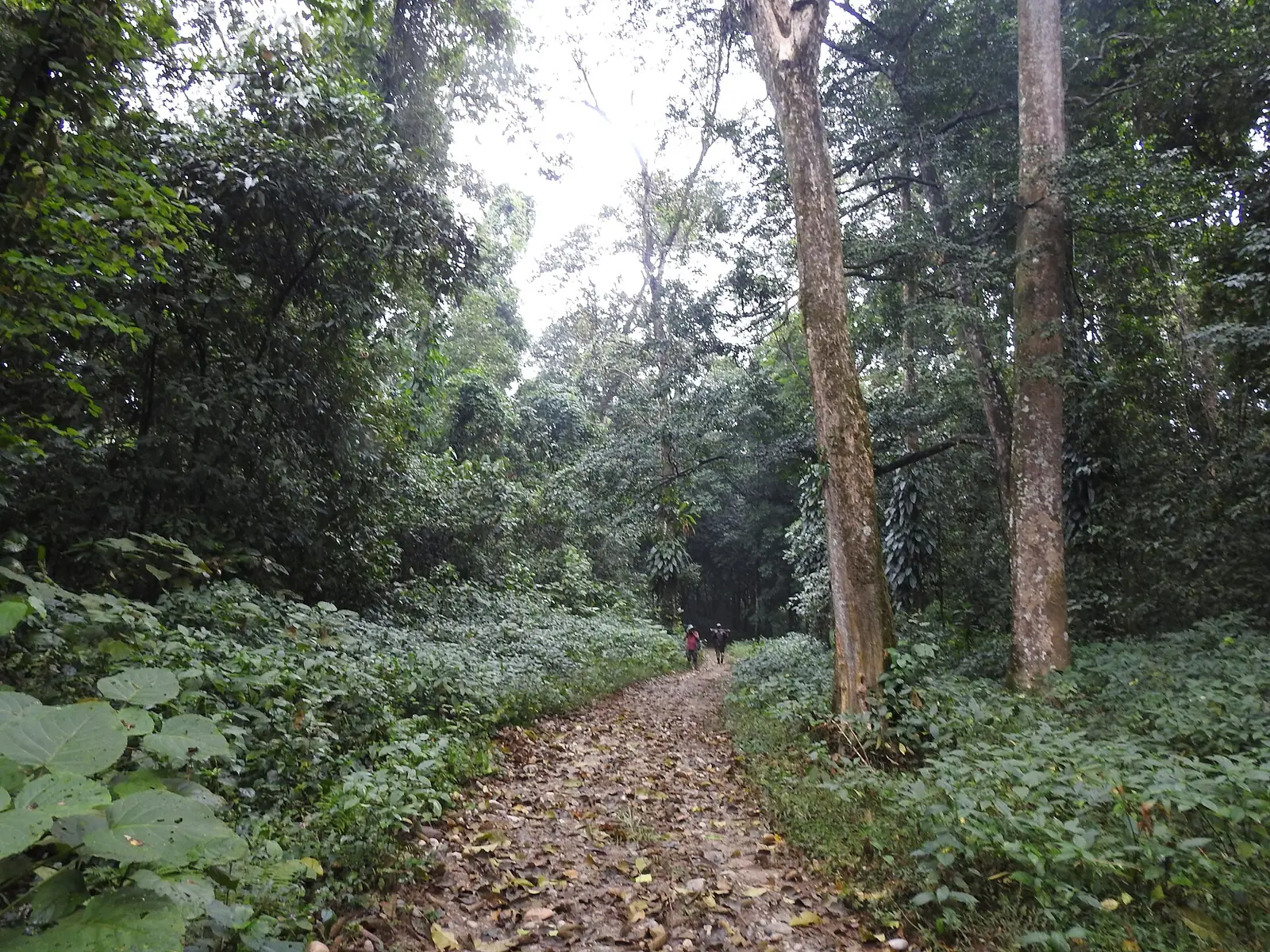
Pakke Tiger Reserve Travel Guide: Hornbills & Foothill Forest
A foothill tiger reserve known less for tigers than for a community-led hornbill conservation program that's become a genuine conservation model — the complete guide to Pakke.
 Adventure
Murlen National Park: Biodiversity & Tips
A relatively unexplored park within the Indo-Myanmar biodiversity hotspot near Champhai, rich in flora and fauna most Indian reserves can't match.
 Nature Travel
Biodiversity Hotspots in India: The Himalaya, Indo-Burma, Western Ghats and Sundaland
A travel-focused guide to biodiversity in India: the four global biodiversity hotspots that overlap India (the Himalaya, Indo-Burma, the Western Ghats and Sri Lanka, and Sundaland in the Nicobar Islands), biosphere reserves, marine biodiversity in the Gulf of Mannar, Andaman and Lakshadweep, butterflies and endemic species, and where visitors can experience them responsibly.