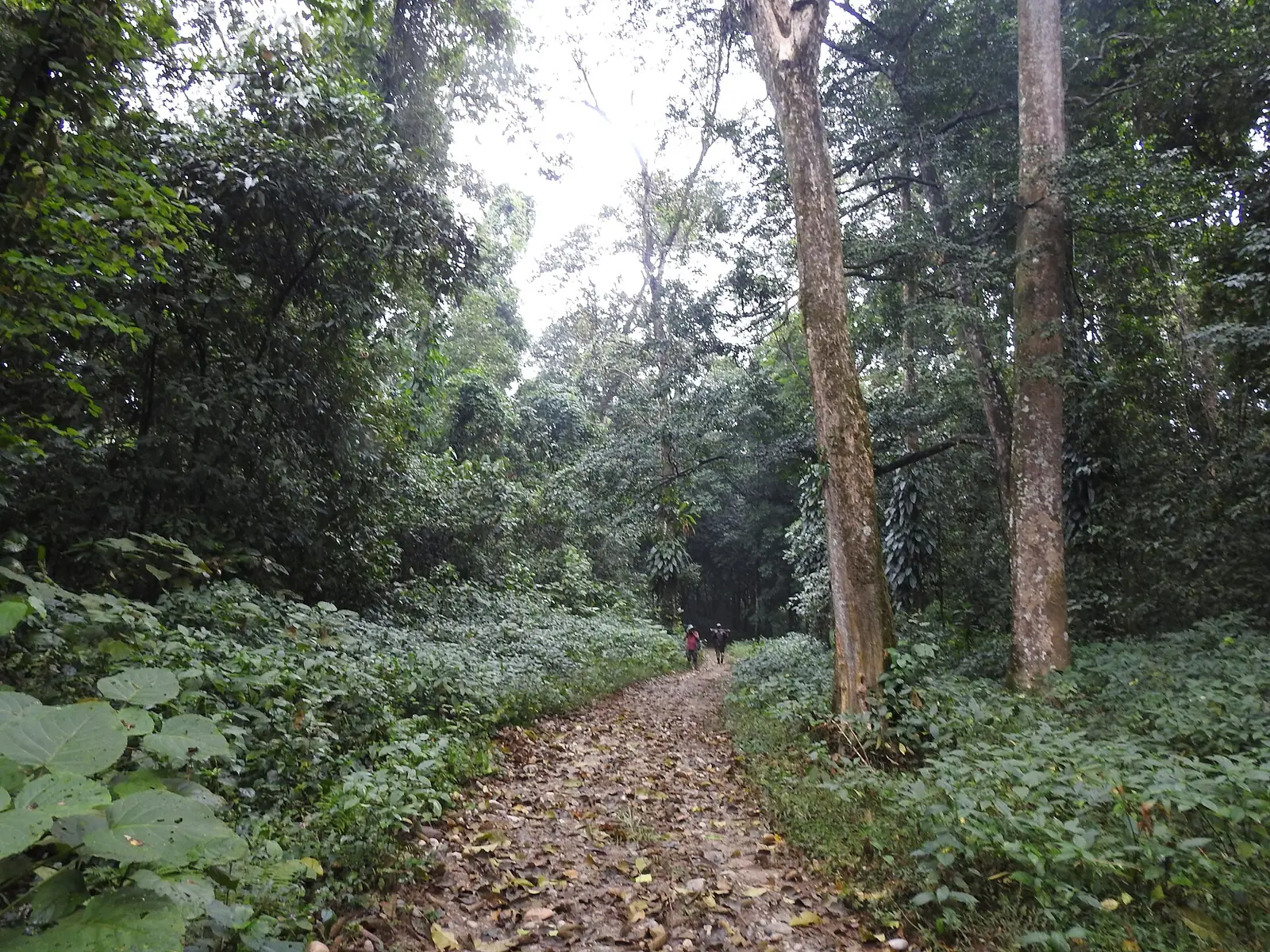
Why Pakke?
Pakke Tiger Reserve, in the Pakke-Kessang district, is a foothill forest reserve genuinely notable for one of India's most celebrated community-conservation stories: the Hornbill Nest Adoption Program. Local Nyishi communities, who historically hunted hornbills for traditional headdress feathers, became active partners in protecting hornbill nesting sites — a real, well-documented example of indigenous-led conservation that deserves genuine credit, not a footnote mention.
The reserve holds tigers and elephants too, but — much like elsewhere in Arunachal — actual tiger sightings are uncommon. Pakke is a stronger destination for birding, especially hornbills, and offers a comparatively more accessible entry point into the state's wildlife destinations than remote parks like Namdapha.
🦤 Pakke at a Glance
Best Time to Visit Pakke
Cooler, drier conditions and reliable park access.
The reserve is closed or restricted for much of this period — verify current dates before planning.
Our pick: December to February for the coolest, most reliable conditions.
How to Reach Pakke
- By Air: Guwahati or Tezpur in Assam are the nearest airports.
- By Road: Access into the reserve is via Seijosa.
- Permits: An Inner Line Permit is required — verify current requirements.
Wildlife & the Hornbill Program
- Hornbill Nest Adoption Program: A genuine, celebrated Nyishi-led conservation initiative protecting hornbill nesting sites — learn about it respectfully during your visit.
- Hornbill diversity: Multiple hornbill species present, the park's real draw for birders.
- Tigers and elephants: Present in the reserve, though sightings are genuinely uncommon.
- Pakke River: Runs through the reserve, with some boat-based exploration options in parts of the park.
Where to Stay Near Pakke
- → Basic guesthouses in Seijosa
- → Better-appointed forest-edge lodges
- → A handful of premium eco-lodges where available
What to Eat Near Pakke
- Lodge-served meals: Simple Assamese/Arunachali home-style food is the norm at most stays.
- Nyishi cuisine: Local Nyishi dishes are worth seeking out where available for a genuine regional taste.
2-Day Pakke Itinerary
Arrival & First Safari
- ✓Travel from Guwahati/Tezpur to Seijosa
- ✓Afternoon safari focused on hornbill spotting
Second Safari & Departure
- ✓Early morning safari for peak bird activity
- ✓Learn about the Hornbill Nest Adoption Program
- ✓Afternoon departure
Budget Breakdown
| Expense | Budget | Mid-Range |
|---|---|---|
| Accommodation/night | ₹1,000 | ₹3,000 |
| Food/day | ₹400 | ₹900 |
| Safari + permit fees | ₹800 | ₹1,500 |
| Daily total | ₹2,200 | ₹5,400 |
| 2-Day trip total | ₹4,400 | ₹10,800 |
* Excludes transport to Guwahati/Tezpur.
Essential Travel Tips for Pakke
- Focus on birding: Don't plan the trip around a tiger sighting — hornbills are the genuine highlight.
- Learn about the conservation program: Engage respectfully with the Nyishi community's role during your visit.
- Verify current park access status: Especially in shoulder months before/after monsoon.
- Book safaris in advance: Especially during peak Dec-Feb season.
✅ Do
- →Bring binoculars specifically for hornbill spotting
- →Learn about the Nyishi-led conservation story
- →Book safaris in advance during peak season
- →Verify current Inner Line Permit requirements
- →Treat this as a comparatively accessible Arunachal wildlife entry point
❌ Don't
- →Plan the trip around a guaranteed tiger sighting
- →Skip verifying current permit requirements
- →Visit during peak monsoon without checking access status
- →Overlook the genuine conservation story here
- →Forget insect repellent for the humid forest terrain
Frequently Asked Questions
What is the Hornbill Nest Adoption Program?
A genuine, widely-cited community conservation initiative in which local Nyishi tribal communities — who historically hunted hornbills for traditional headdress feathers — became active partners in protecting hornbill nesting sites. It's a real example of indigenous-led conservation, not a staged tourist activity.
Will I see a tiger at Pakke?
Unlikely — tiger sightings here are genuinely uncommon, similar to most of Arunachal's reserves. Pakke is a stronger destination for birding, especially hornbills, than for guaranteed tiger encounters.
How do I reach Pakke?
The nearest airports are Guwahati or Tezpur in Assam, with road access into the reserve via Seijosa. An Inner Line Permit is required.
What is the best time to visit Pakke?
November to April is the safari/visiting season. The reserve is closed or restricted during monsoon, roughly May–October — verify current dates before planning.
Is Pakke easier to visit than Namdapha?
Yes, comparatively — Pakke is more accessible than Arunachal's more remote parks like Namdapha or areas near Mechuka, making it a reasonable first entry point into the state's wildlife destinations.
How many days do I need at Pakke?
1-2 days covers a meaningful visit, including time for birding and learning about the hornbill conservation program.
What is the budget for a trip to Pakke?
A budget traveler can manage on roughly ₹1,800 a day including basic safari costs, a mid-range trip closer to ₹4,000 a day.
Published by the Kudozz Club editorial team · Last updated · How we research our guides
Want us to plan this trip for you?
Tell Kudozz Club where you want to go and what kind of trip you’re looking for. We’ll build a Pakke Tiger Reserve and Arunachal Pradesh itinerary around your dates and budget.
Continue Exploring
View all guides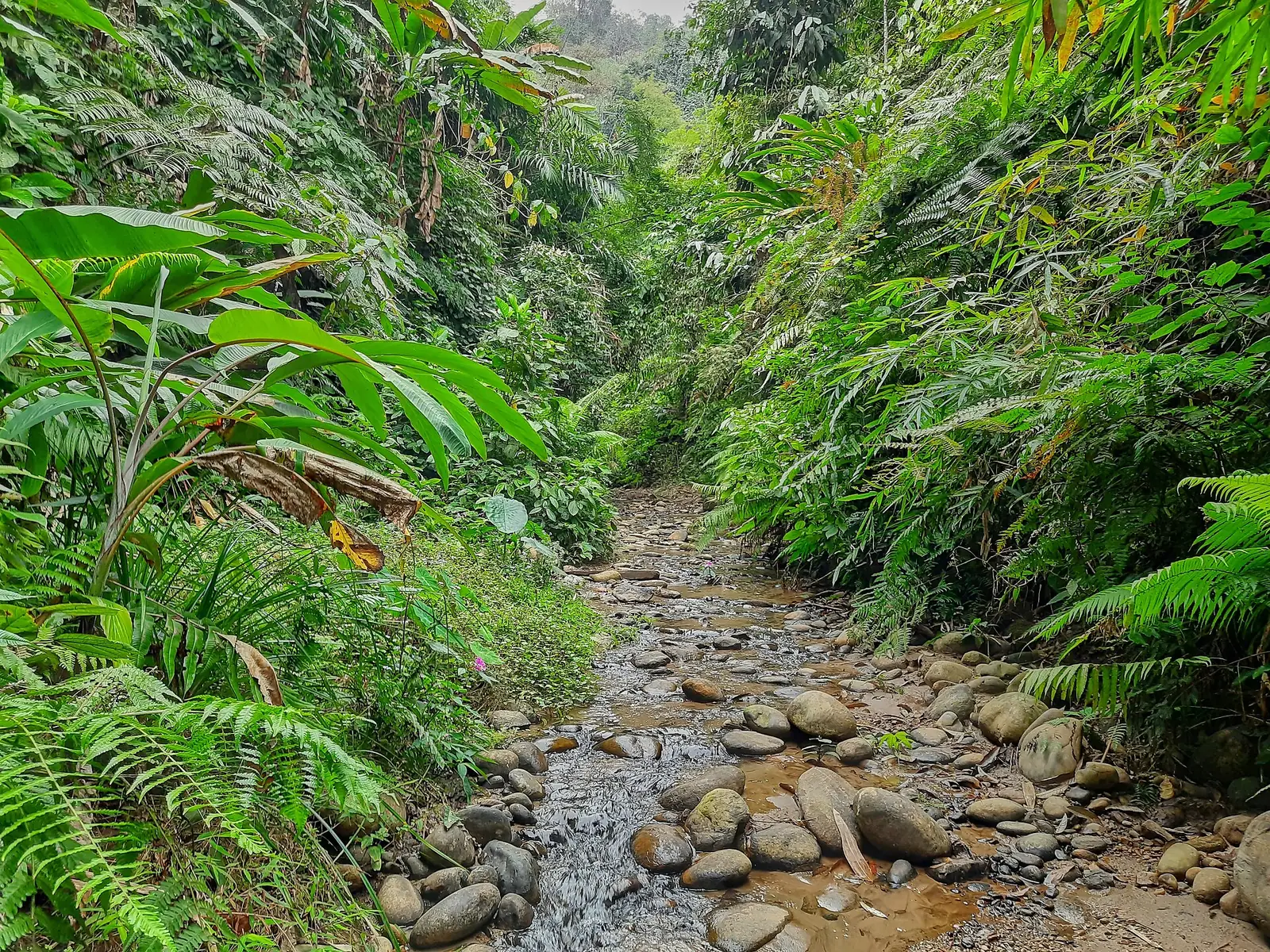 Adventure
Namdapha National Park Travel Guide: India's Most Biodiverse Park
The only park in the world confirmed to hold four big cat species — tiger, leopard, snow leopard, and clouded leopard — the complete guide to Namdapha.
 Hill Stations
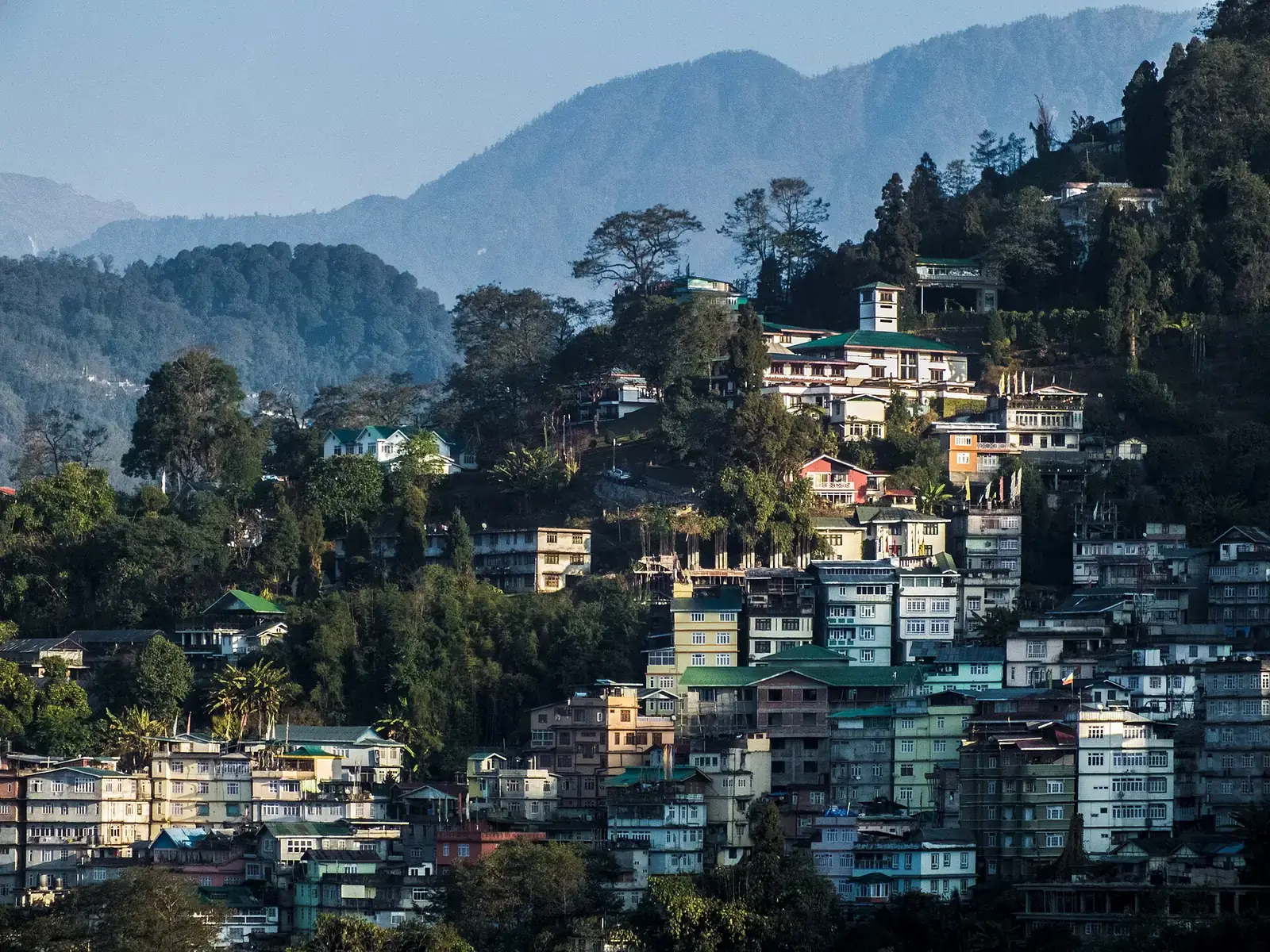
Hill Stations in Northeast India: Sikkim, Meghalaya, Arunachal and Beyond
A guide to the hill stations of the eastern Himalaya and Northeast India: Darjeeling and Kalimpong in West Bengal, Gangtok, Pelling and Lachung in Sikkim, Shillong and Sohra in Meghalaya, Tawang, Dirang and Ziro in Arunachal Pradesh, Kohima in Nagaland, Aizawl in Mizoram and Haflong in Assam, with permit rules, seasons and how to combine them.
 Heritage
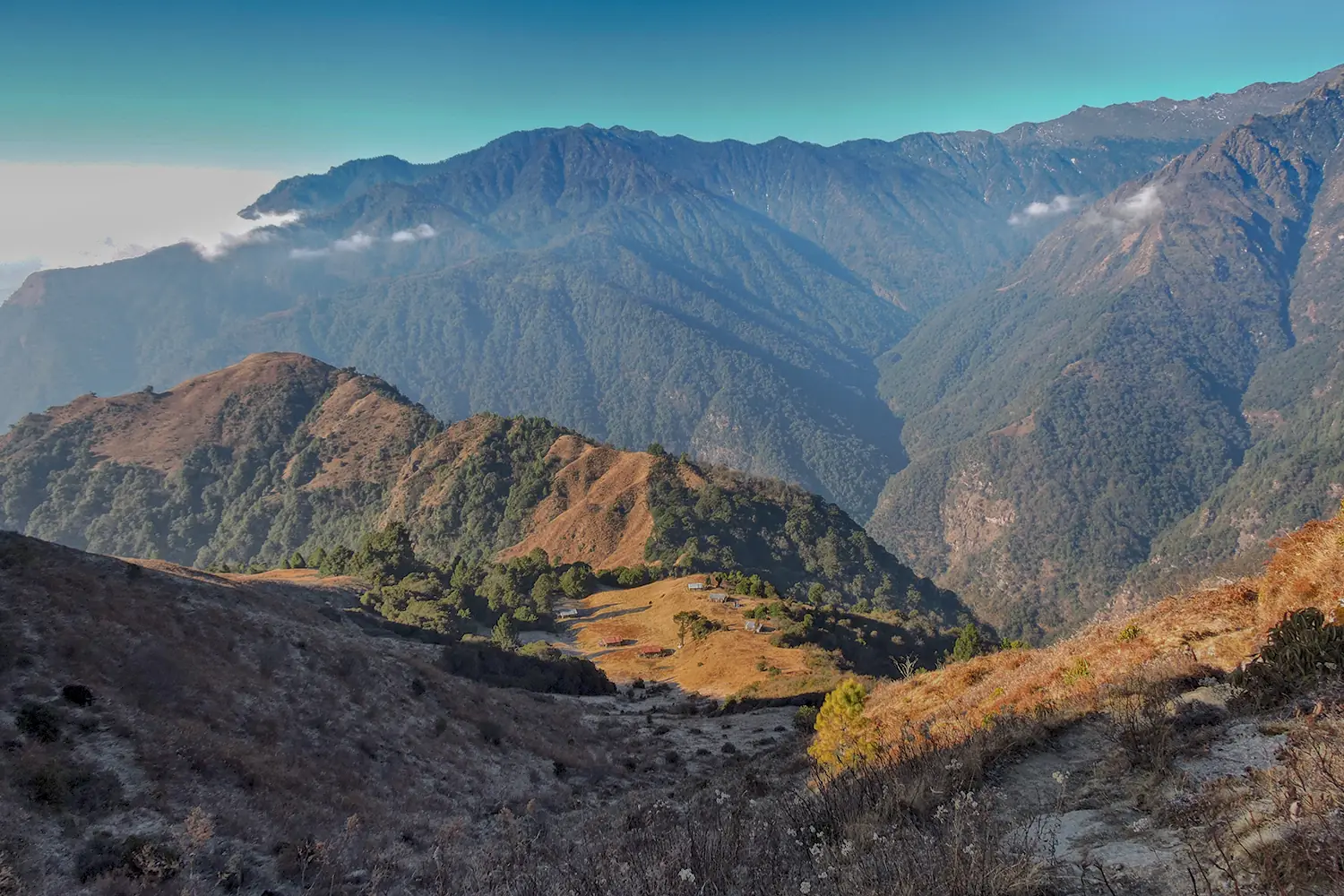
Tawang Travel Guide: Monastery, War Memorial & Best Time to Visit
India's largest Buddhist monastery, a war memorial honoring the 1962 conflict, and some of the most dramatic high-altitude scenery in the Eastern Himalayas — the complete guide to Tawang.
 Things to Do
Things to Do in Ziro: Apatani Villages, Rice-Fish Fields & the Music Festival
Things to do in Ziro Valley: walk the Apatani villages of Hong, Hari and Hija, see rice-fish paddy fields, visit Talley Valley Wildlife Sanctuary, hike to Kile Pakho, see the Siddheshwar Nath temple, attend the Ziro Music Festival, Myoko and Dree festivals.