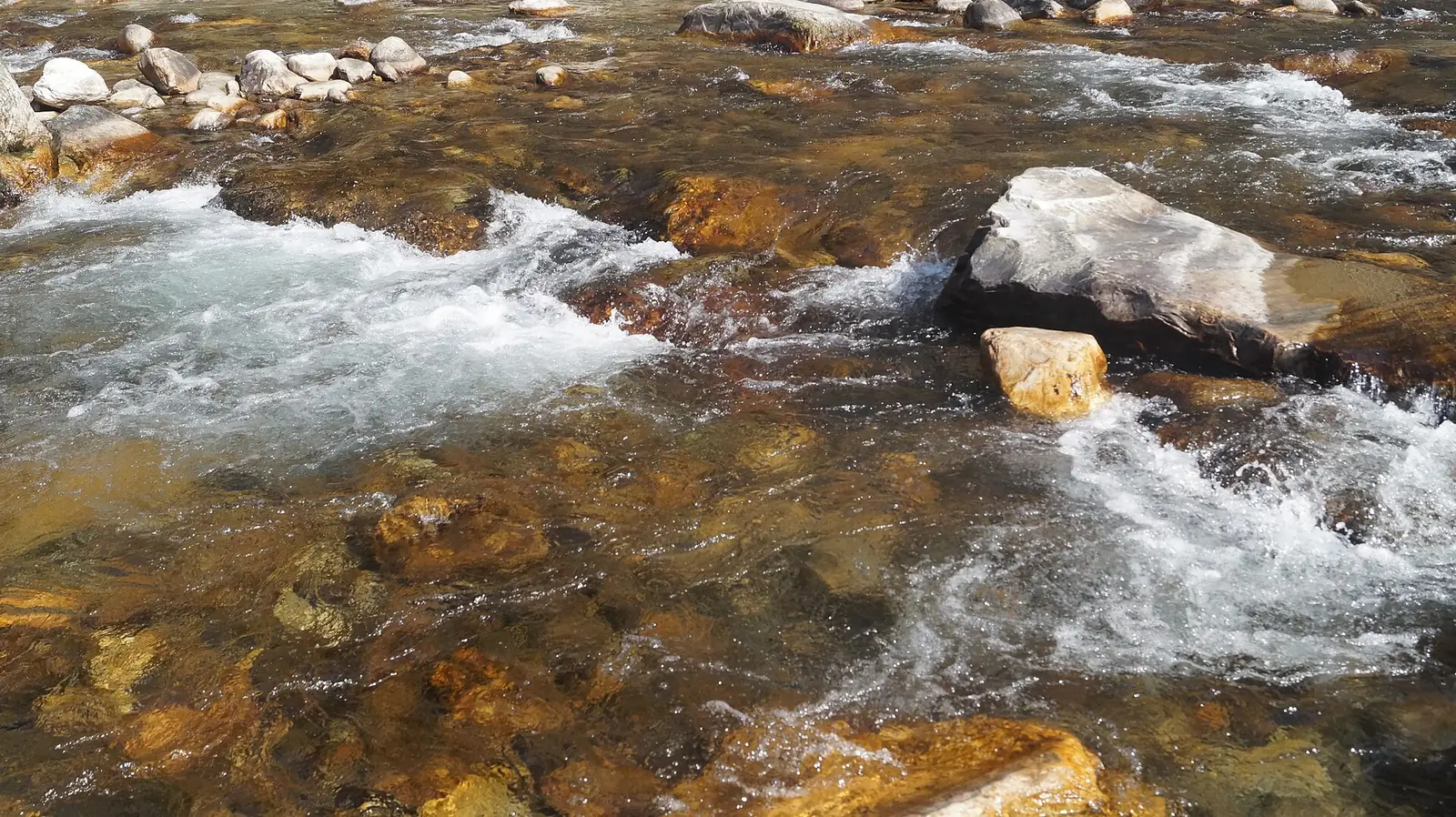
Why Tirthan Valley?
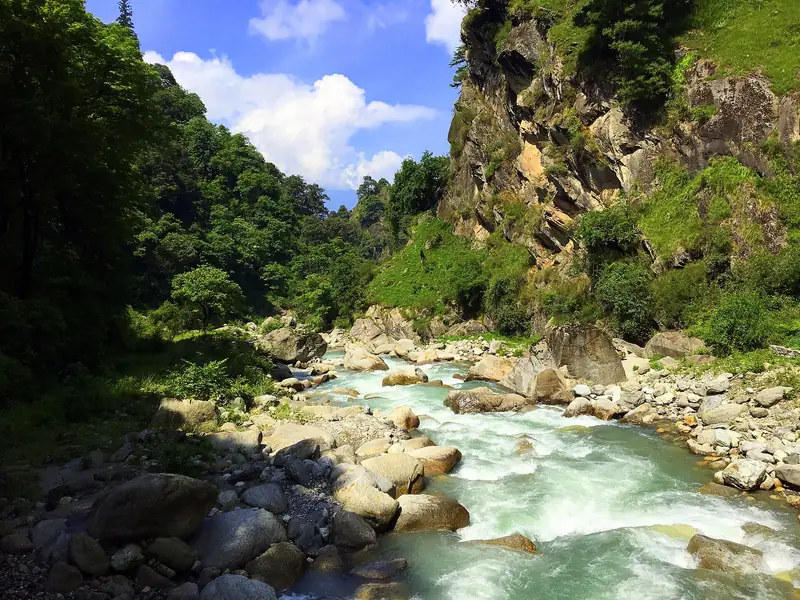
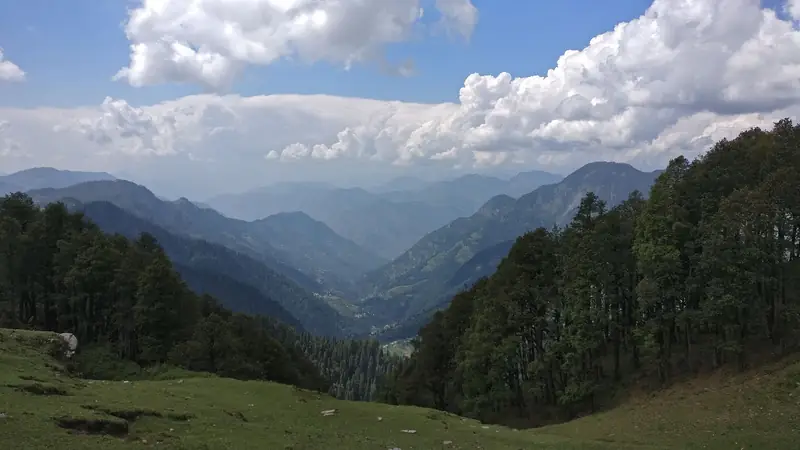
Tirthan Valley sits a little apart from Himachal's well-worn Manali–Kasol circuit, and that's exactly its appeal. The valley follows the Tirthan River south of Kullu, and serves as the main gateway to the Great Himalayan National Park (GHNP), a UNESCO World Heritage Site home to snow leopards, Himalayan tahr, and genuinely rich biodiversity — though sightings of the rarer species are uncommon, and most visitors come for the landscape, the river, and the trekking rather than a guaranteed wildlife encounter.
Riverside homestays, not hotels, are the dominant style of accommodation here — a real point of difference from Manali's hotel-heavy scene, and part of what keeps Tirthan feeling unhurried.
🎣 Tirthan Valley at a Glance
Looking for activities and experiences? See our guide to the best things to do in Tirthan Valley.
Going by road? See our guide to road trips in Himachal Pradesh.
Love the outdoors? See our guide to valleys in India.
Comparing hill stations? See our guide to hill stations in Himachal Pradesh.
Planning a wildlife trip? See our guide to the best national parks in India.
Planning something active? Read our guide to adventure activities in Himachal.
Best Time to Visit Tirthan Valley
Clear skies, manageable river levels, and comfortable trekking conditions.
Post-monsoon clarity and cooler, crisp air; a strong alternative to spring.
The Tirthan River runs full and can become genuinely dangerous — a season best avoided for river-adjacent activities.
Snow at higher elevations and a much quieter valley, but limited access to some trails.
Our pick: September to November — reliably clear weather and a calmer river than spring runoff brings.
How to Reach Tirthan Valley
- By Air: Bhuntar/Kullu Airport is the nearest, about 55km away.
- By Train: Joginder Nagar (narrow gauge, limited practical use) or Chandigarh for broader rail connections, followed by road.
- By Road: Turn off the Kullu-Manali highway at Aut and follow the Tirthan road in — the standard route for nearly all visitors.
Top Things to Do in Tirthan Valley
- Great Himalayan National Park: A UNESCO World Heritage Site and the valley's main draw — treks into the core zone require advance permits.
- Trout fishing: Licensed angling on the Tirthan River, typically arranged through local operators or your homestay.
- Chhoie Waterfall: A short, accessible walk from Gushaini village to a scenic waterfall.
- Jalori Pass: A mountain pass nearby connecting to the Jibhi/Shoja side of the valley.
- Riverside walks: Simple, unstructured walking along the Tirthan River is one of the valley's quiet pleasures.
Where to Stay in Tirthan Valley
- → Basic riverside homestays
- → Gushaini village guesthouses
- → Well-appointed riverside homestays
- → Small boutique cottages
- → A handful of premium riverside lodges — luxury options remain limited
Choose a riverside homestay over a hotel — it's genuinely the defining Tirthan experience.
What to Eat in Tirthan Valley
- Homestay-cooked meals: Most stays serve home-cooked Himachali food as part of the package.
- Fresh trout: If you've been fishing, several homestays will cook your catch.
- Simple local dhabas: Basic, filling North Indian fare available in Gushaini and nearby villages.
2-Day Tirthan Valley Itinerary
Arrival & Chhoie Waterfall
- ✓Arrive, check in at a riverside homestay
- ✓Afternoon: walk to Chhoie Waterfall
- ✓Evening: riverside relaxation, home-cooked dinner
GHNP Buffer & Fishing
- ✓Morning: short walk along the GHNP buffer zone or trout fishing session
- ✓Afternoon: optional Jalori Pass detour
- ✓Evening: departure
Budget Breakdown
| Expense | Budget | Mid-Range |
|---|---|---|
| Accommodation/night | ₹1,000 | ₹3,000 |
| Food/day | ₹300 | ₹700 |
| Local transport/activities per day | ₹200 | ₹500 |
| Daily total | ₹1,500 | ₹3,500 |
| 2-Day trip total | ₹3,000 | ₹7,000 |
* Excludes transport to the region.
Essential Travel Tips for Tirthan Valley
- Book GHNP permits ahead: Verify current requirements before planning a trek into the park core.
- Avoid monsoon river activities: The Tirthan runs dangerously high in July–August.
- Choose a homestay over a hotel: It's the defining local experience.
- Set honest wildlife expectations: Rare species like snow leopards are seldom seen — come for the landscape and birdlife.
✅ Do
- →Book a riverside homestay
- →Verify GHNP permit requirements ahead
- →Try licensed trout fishing
- →Walk to Chhoie Waterfall
- →Carry rain gear even outside monsoon
❌ Don't
- →Go near the river during peak monsoon flow
- →Expect a guaranteed rare-wildlife sighting
- →Skip verifying current GHNP permit rules
- →Expect Manali-level hotel infrastructure
- →Fish without a proper license
Frequently Asked Questions
How many days do I need in Tirthan Valley?
Two days covers a riverside stay, Chhoie Waterfall, and a short GHNP-edge walk comfortably. Add a day or two if you plan to trek into the Great Himalayan National Park core zone.
What is the best time to visit Tirthan Valley?
March to June and September to November are best — clear weather and a manageable river. Monsoon (July–August) brings the Tirthan River to a full, sometimes dangerous flow.
How do I reach Tirthan Valley?
The nearest airport is Bhuntar/Kullu, about 55km away. Road access is via Aut on the Kullu-Manali highway; there's no practical direct rail option.
Do I need a permit to enter the Great Himalayan National Park?
Yes — entry into the GHNP core zone requires a permit from the Forest Department. Requirements and booking processes can change, so verify the current process before planning a trek into the park.
Can I really see snow leopards or rare wildlife here?
GHNP is home to snow leopards, Himalayan tahr, and rich biodiversity, but sightings of these rare species are genuinely uncommon. Visit for the landscape, birdwatching, and the trek itself rather than expecting a guaranteed sighting.
Is trout fishing available in Tirthan Valley?
Yes — licensed trout angling on the Tirthan River is a well-known local activity, typically arranged through local operators or your homestay.
What is the budget for a trip to Tirthan Valley?
A budget traveler can manage on roughly ₹1,500 a day at a riverside homestay, a mid-range trip closer to ₹3,500 a day. A 2-day trip totals roughly ₹3,000 on a budget and ₹7,000 mid-range, excluding transport to the region.
Published by the Kudozz Club editorial team · Last updated · How we research our guides
Want us to plan this trip for you?
Tell Kudozz Club where you want to go and what kind of trip you’re looking for. We’ll build a Tirthan Valley and Himachal itinerary around your dates and budget.
Continue Exploring
View all guides Off-beat
Jibhi Travel Guide: Waterfalls, Cafes & Himachal's Quiet Village
A wooden-house Himalayan village turned quiet backpacker favourite, tucked into the Tirthan Valley's forested side — the complete guide to Jibhi.
Things to DoThings to Do in Tirthan Valley: River Stays, Jalori Pass & the Great Himalayan National Park
Things to do in Tirthan Valley and Jibhi: riverside stays, trout fishing, Chhoie waterfall, walks into the Great Himalayan National Park, Jalori Pass, Serolsar Lake and Raghupur Fort, Chaini Kothi and wooden village temples.
 Off-beat
Chitkul Travel Guide: The Last Indian Village Before Tibet
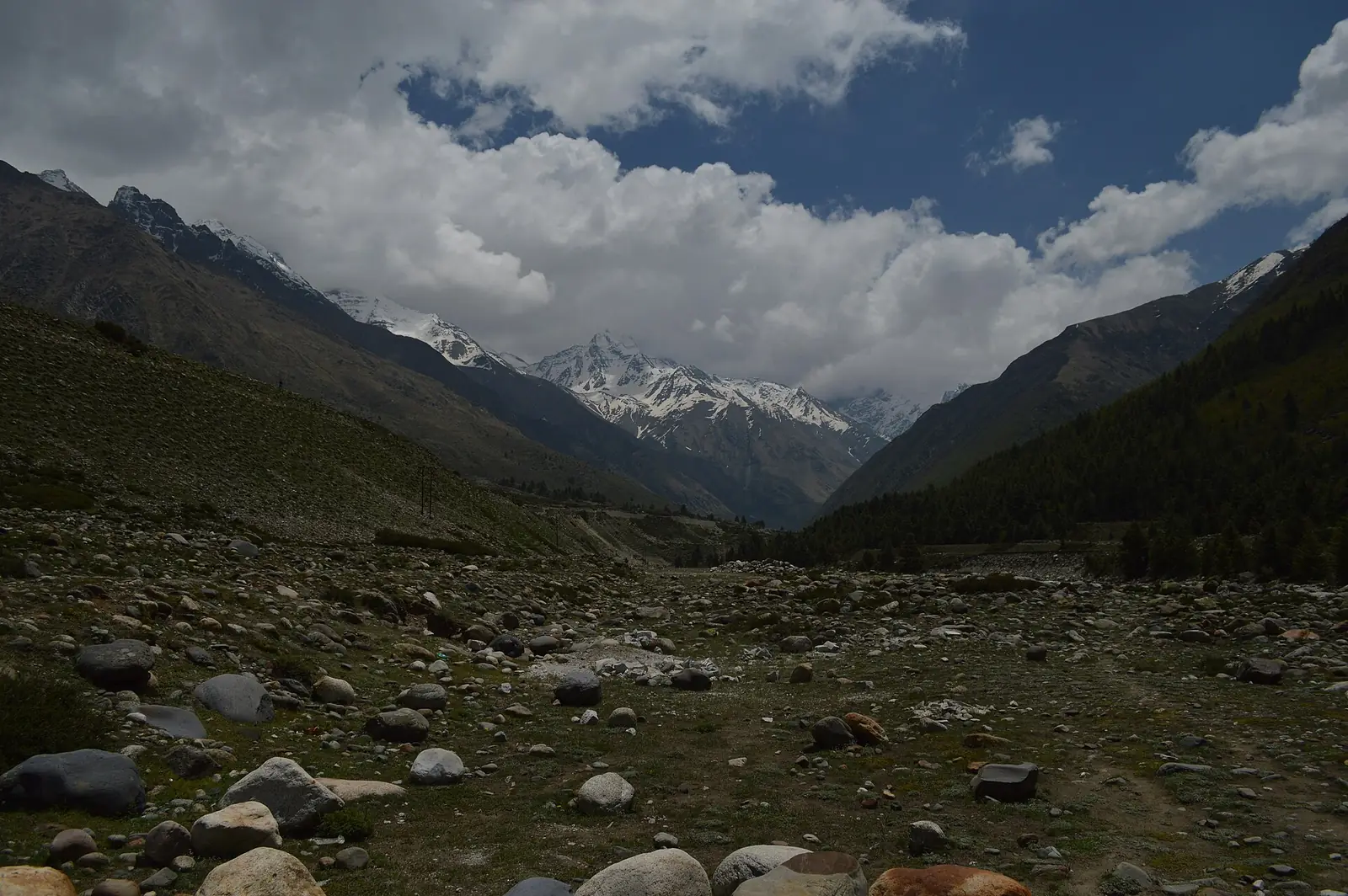
The last inhabited village on the old Hindustan-Tibet road, sitting beside the Baspa River with snow peaks on every side — the complete guide to Chitkul.
 Off-beat
Kinnaur Travel Guide: Apple Orchards, Kinner Kailash & Sangla Valley
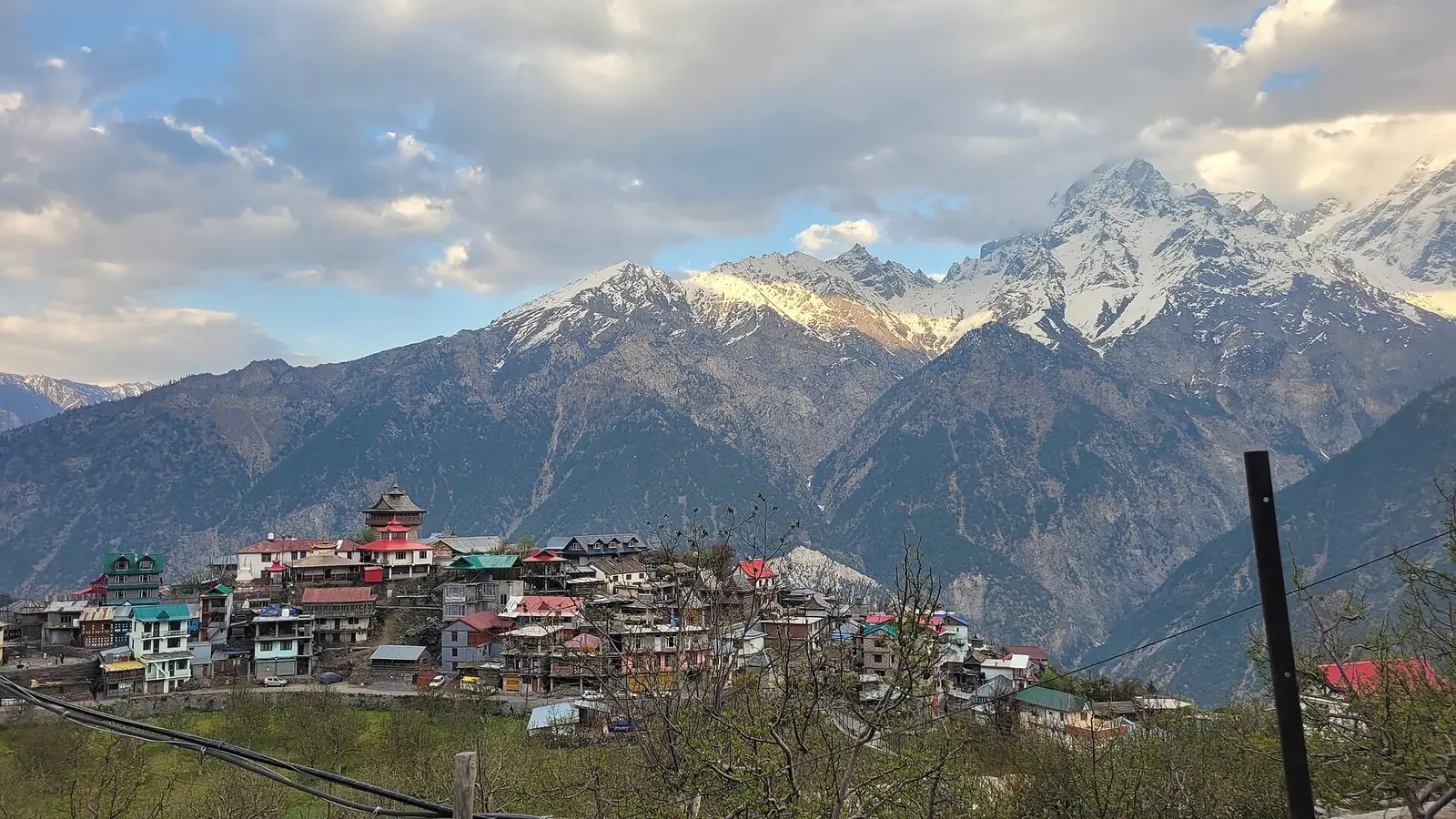
A tribal Himalayan district of apple orchards and dramatic river gorges, on the old Hindustan-Tibet road toward Spiti — the complete guide to Kinnaur.