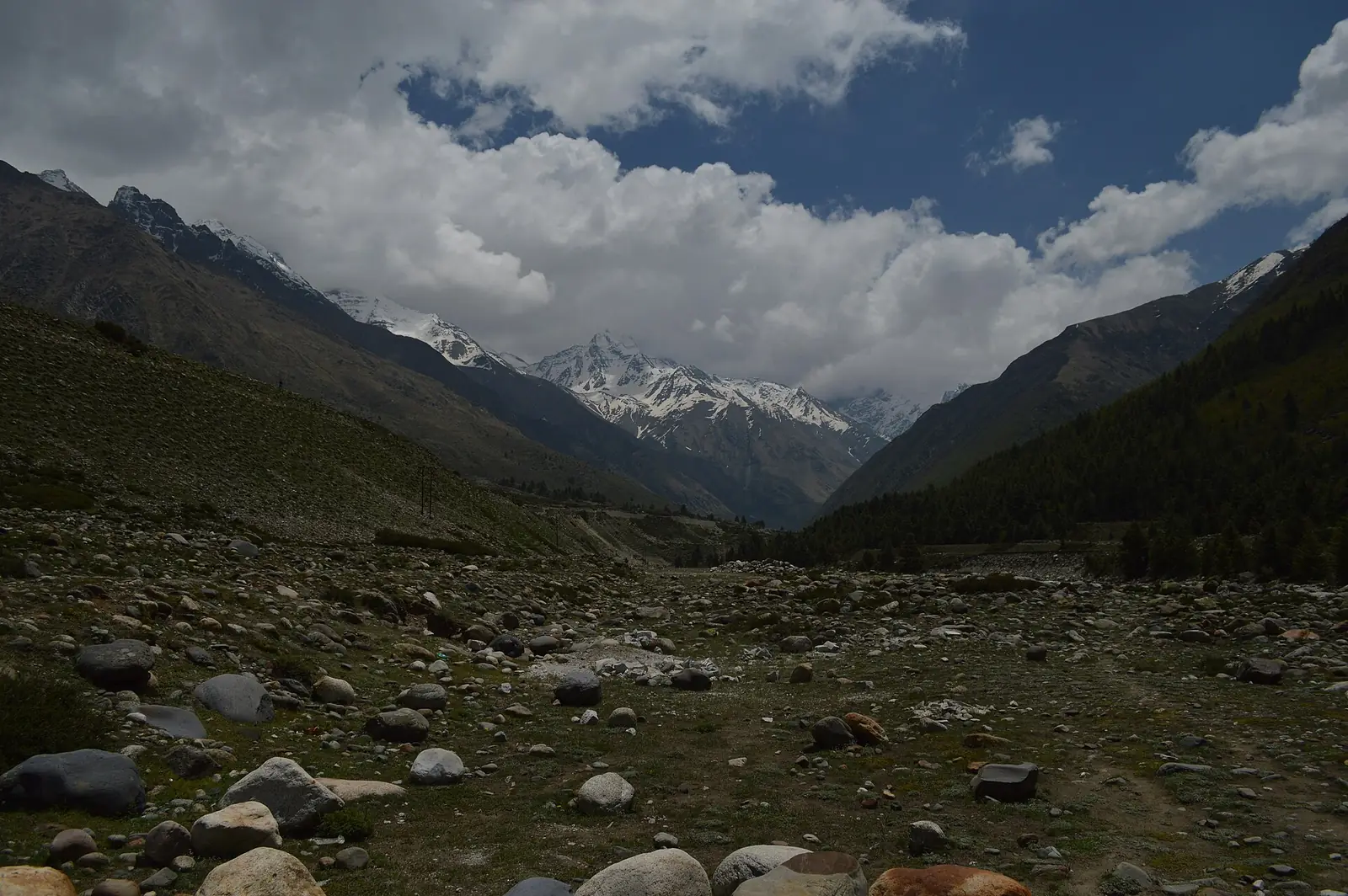
Why Chitkul?
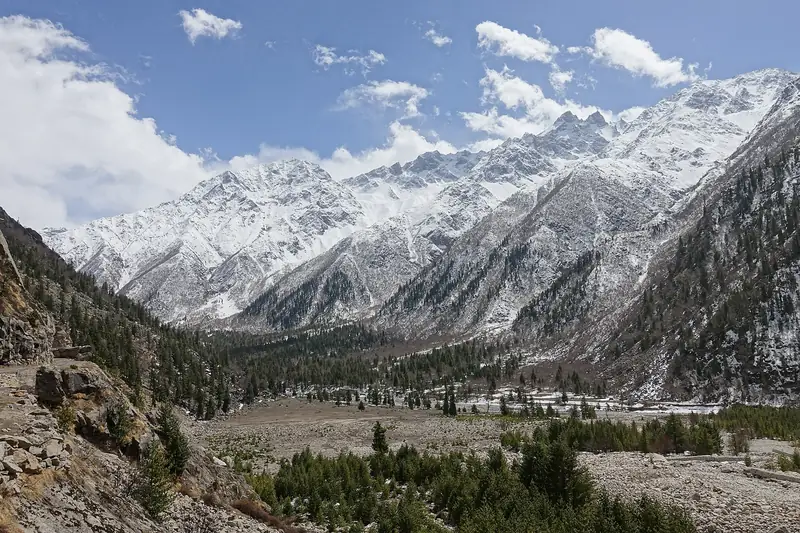
Chitkul is the last inhabited village along the old Hindustan-Tibet Road, tucked into the Baspa Valley of Kinnaur district at roughly 3,450m. It sits beside the Baspa River with close, dramatic views of the snow peaks surrounding it — genuinely remote, sparsely populated, and lined with traditional wooden Kinnauri houses that feel a world away from Himachal's busier hill stations.
This was historically a restricted border area, and parts of the route have required Inner Line Permits or ID verification in the past — rules that have changed over time, so it's worth confirming the current requirements before you set out. Most travelers reach Chitkul as the final stop on a longer trip through Kinnaur and Sangla Valley.
🏔️ Chitkul at a Glance
Going by road? See our guide to the Spiti Valley road trip.
Love the outdoors? See our guide to nature travel in Himachal Pradesh.
Comparing hill stations? See our guide to hill stations in Himachal Pradesh.
Best Time to Visit Chitkul
The road becomes passable as winter snow clears — one of the first good windows to visit.
Clear skies, stable roads, and the valley's autumn colours make this the most reliable window.
Rain and occasional landslide risk on the long approach road — travel with caution and buffer time.
Heavy snow typically closes the road and isolates the village — verify current access before planning a visit.
Our pick: September to October — the most stable roads and clearest mountain views for the long journey in.
How to Reach Chitkul
- By Air: The nearest airports are Shimla or Bhuntar/Kullu, both a long drive away.
- By Road: The standard route runs via Shimla, Rampur, and Reckong Peo, then on through Sangla Valley to Chitkul on NH5 and connecting roads — a long, scenic multi-day approach rather than a quick trip.
- Typical planning: Most travelers treat Chitkul as the final stop on a broader Kinnaur or Sangla Valley loop rather than a standalone destination.
Top Things to Do in Chitkul
- Walk along the Baspa River: The river runs right beside the village, with close mountain views on both sides.
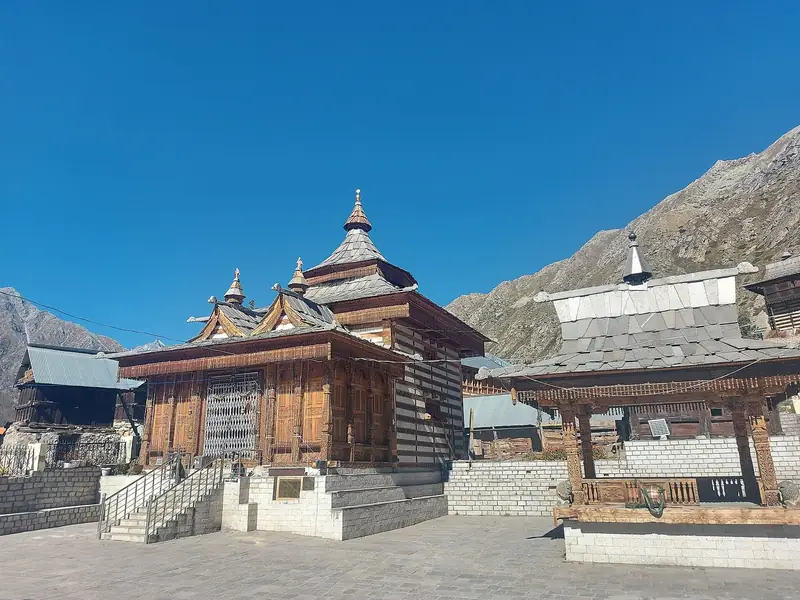
- Traditional Kinnauri houses: Wooden architecture distinct from lower-altitude Himachal villages, reflecting the region's tribal heritage.
- Mathi Temple: A small temple to the local deity Mathi, an active part of village life.
- Sangla Valley: The lush valley leading up to Chitkul, worth exploring on the way in or out.
- Simple village life: There isn't a packed sightseeing list here — the appeal is the remoteness and setting itself, best experienced at a slow pace.
Where to Stay in Chitkul
Accommodation is genuinely basic given the village's remoteness — a handful of homestays and simple guesthouses. Many visitors instead base themselves in Sangla, which has more developed options, and day-trip to Chitkul.
- → Village homestays
- → Simple guesthouses
- → Mid-range hotels in Sangla town
- → Valley-view guesthouses
- → Luxury options are essentially unavailable this far into Kinnaur — set expectations accordingly
What to Eat in Chitkul
- Homestay-cooked meals: Simple, home-style Kinnauri and Himachali food is the norm — don't expect restaurant variety this deep into the valley.
- Local apples and dried fruit: Reflecting the broader Kinnaur region's orchard economy.
- Carry some of your own supplies: Given the remote setting, it's sensible to bring extra snacks and water for the journey.
1-Day Visit (Within a Kinnaur Trip)
Sangla to Chitkul
- ✓Depart Sangla Valley early
- ✓Drive through the scenic Baspa Valley road
- ✓Arrive Chitkul, explore the village
Riverside & Return
- ✓Walk along the Baspa River
- ✓Visit Mathi Temple
- ✓Return to Sangla or overnight in Chitkul if staying
Budget Breakdown
| Expense | Budget | Mid-Range (Sangla base) |
|---|---|---|
| Accommodation/night | ₹900 | ₹2,800 |
| Food/day | ₹350 | ₹800 |
| Local transport per day | ₹500 | ₹1,000 |
| Daily total | ₹1,750 | ₹4,600 |
* Excludes the multi-day journey from major cities to reach the Kinnaur region.
Essential Travel Tips for Chitkul
- Verify current permit/ID requirements: This border-proximate route's rules have changed over time — check before traveling.
- Treat it as part of a longer Kinnaur trip: The distance involved makes a standalone visit impractical for most travelers.
- Carry warm layers regardless of season: Genuinely cold at this altitude even in summer.
- Set basic-infrastructure expectations: This is a small, remote village, not a developed tourist stop.
✅ Do
- →Verify current permit/ID requirements before travel
- →Combine Chitkul with a broader Kinnaur/Sangla trip
- →Carry warm layers regardless of season
- →Carry proper identification documents
- →Base in Sangla if Chitkul's own stays feel too basic
❌ Don't
- →Travel without verifying current border-area rules
- →Attempt this as a quick standalone trip
- →Underestimate the cold at this altitude
- →Expect developed tourist infrastructure
- →Plan a visit outside May–October without checking road status
Frequently Asked Questions
Why is Chitkul called the last Indian village before Tibet?
It's the last inhabited settlement along the old Hindustan-Tibet Road in the Baspa Valley — beyond it, the road continues toward the border but civilian settlement stops here.
Do I need a permit to visit Chitkul?
Parts of this route have historically required Inner Line Permits or ID verification given its proximity to the Tibet border. Requirements have changed over time, so verify the current rules before you travel.
How do I reach Chitkul?
The standard route is a long road journey via Shimla, Rampur, Reckong Peo, and Sangla Valley on and around NH5. This is best treated as the final stop on a broader Kinnaur/Sangla Valley trip rather than a quick standalone visit.
What is the best time to visit Chitkul?
May to October, when the access road is open and weather is manageable. The village and its approach road are typically snowbound and largely cut off in winter — verify current seasonal access before planning a visit outside this window.
How many days do I need for Chitkul?
A single day is enough to see the village itself, but Chitkul is best visited as the final leg of a longer Kinnaur or Sangla Valley trip given the long drive involved to reach it.
Is accommodation available in Chitkul itself?
Yes, but it's basic — a handful of guesthouses and homestays. Many visitors instead day-trip from Sangla, which has more developed accommodation options.
What is the budget for a trip to Chitkul?
A budget traveler can manage on roughly ₹1,500 a day for basic homestay accommodation and simple meals, factoring in the remote setting and limited infrastructure.
Published by the Kudozz Club editorial team · Last updated · How we research our guides
Want us to plan this trip for you?
Tell Kudozz Club where you want to go and what kind of trip you’re looking for. We’ll build a Chitkul and Himachal itinerary around your dates and budget.
Continue Exploring
View all guides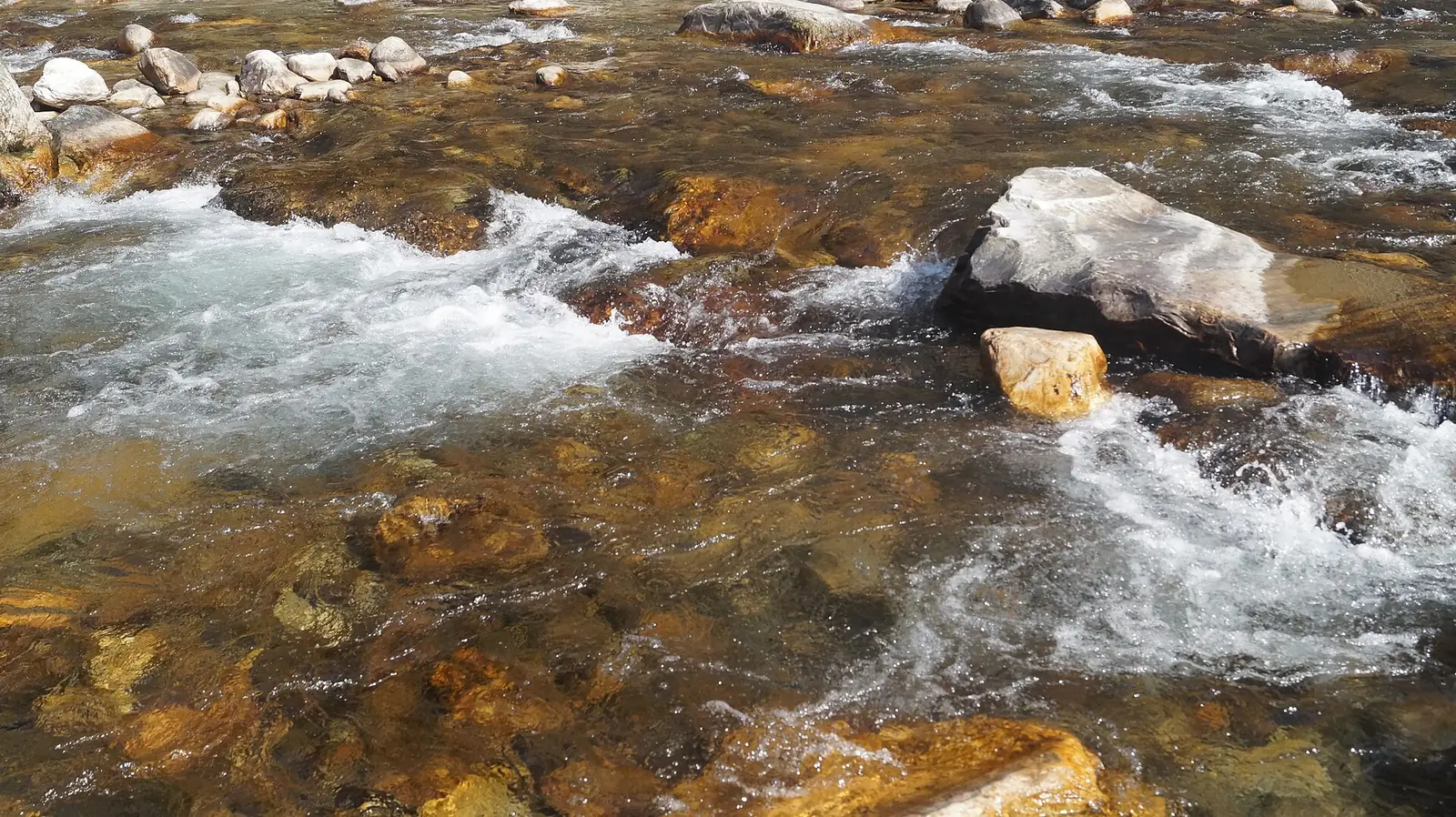 Off-beat
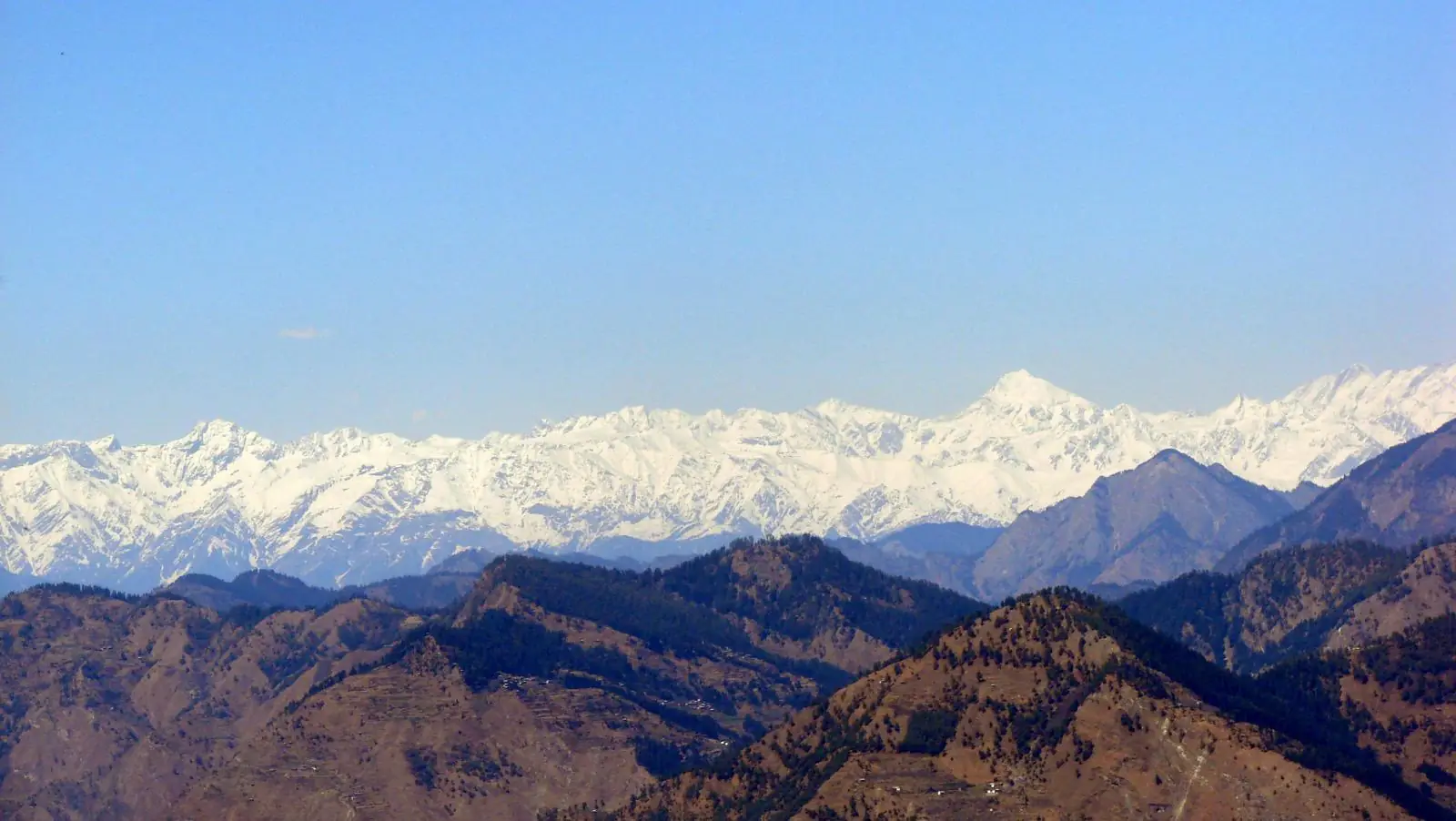
Tirthan Valley Travel Guide: Trout Fishing & GHNP Gateway
A river valley still mostly free of Himachal's tourist crush, and the main gateway to the Great Himalayan National Park — the complete guide to Tirthan Valley.
 Off-beat
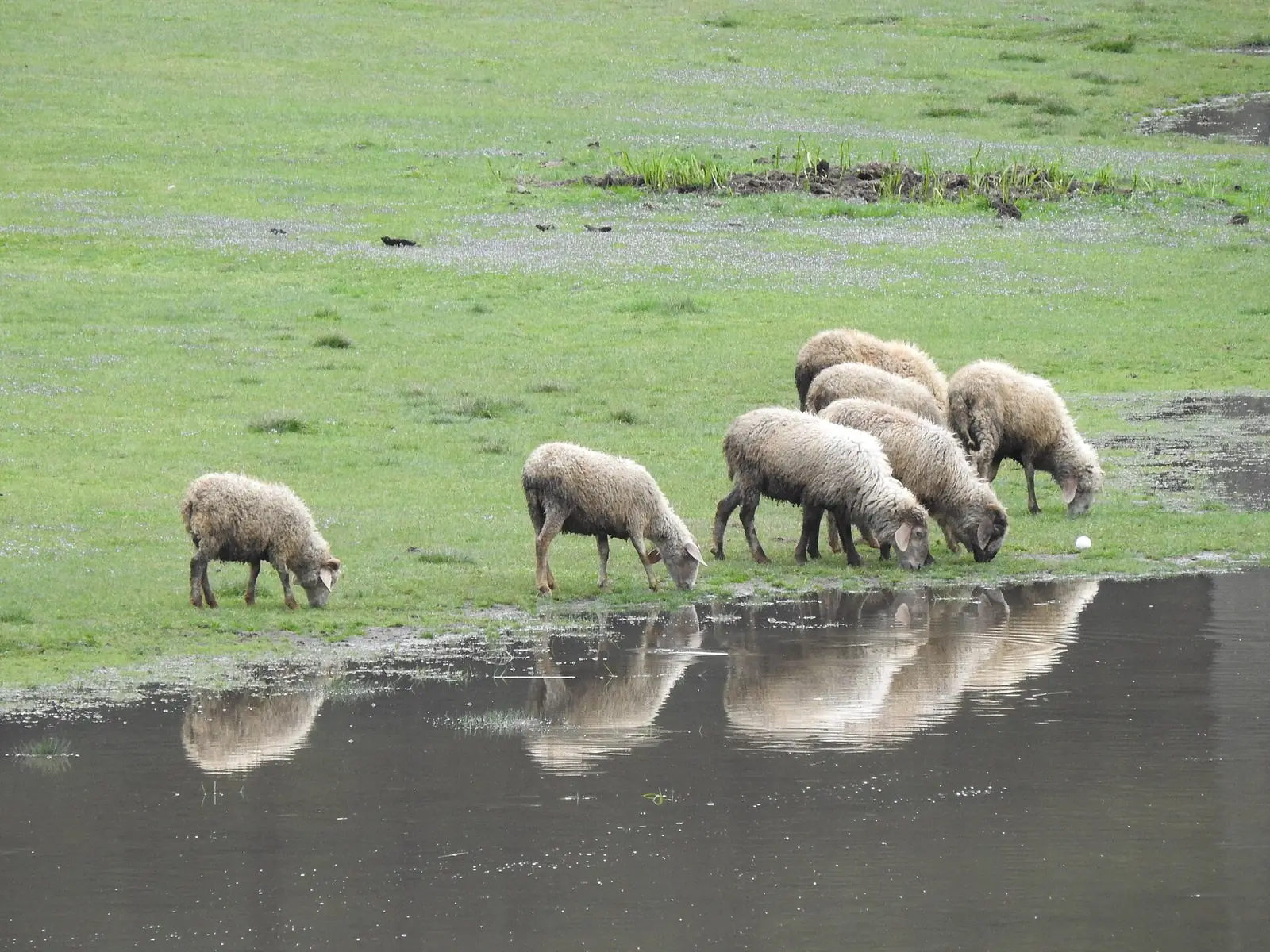
Jibhi Travel Guide: Waterfalls, Cafes & Himachal's Quiet Village
A wooden-house Himalayan village turned quiet backpacker favourite, tucked into the Tirthan Valley's forested side — the complete guide to Jibhi.
 Off-beat
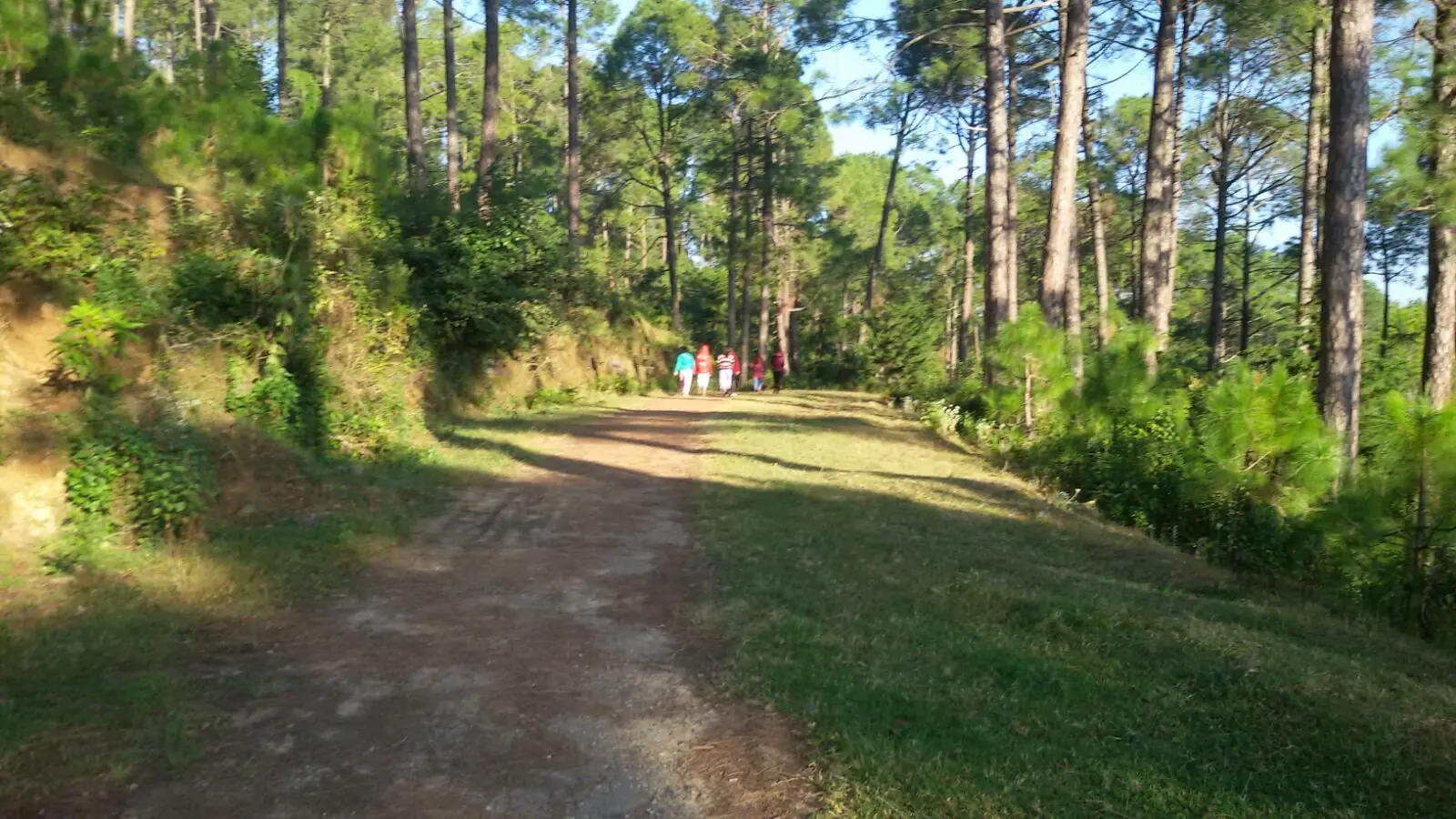
Khajjiar Travel Guide: Mini Switzerland of India
A saucer-shaped meadow ringed by deodar forest that earned the nickname 'Mini Switzerland of India' — the complete guide to Khajjiar.
 Off-beat
Kasauli Travel Guide: Quiet Cantonment Hill Town Near Chandigarh
A small colonial cantonment hill town that's stayed genuinely quiet, an easy two-hour drive from Chandigarh — the complete guide to Kasauli.