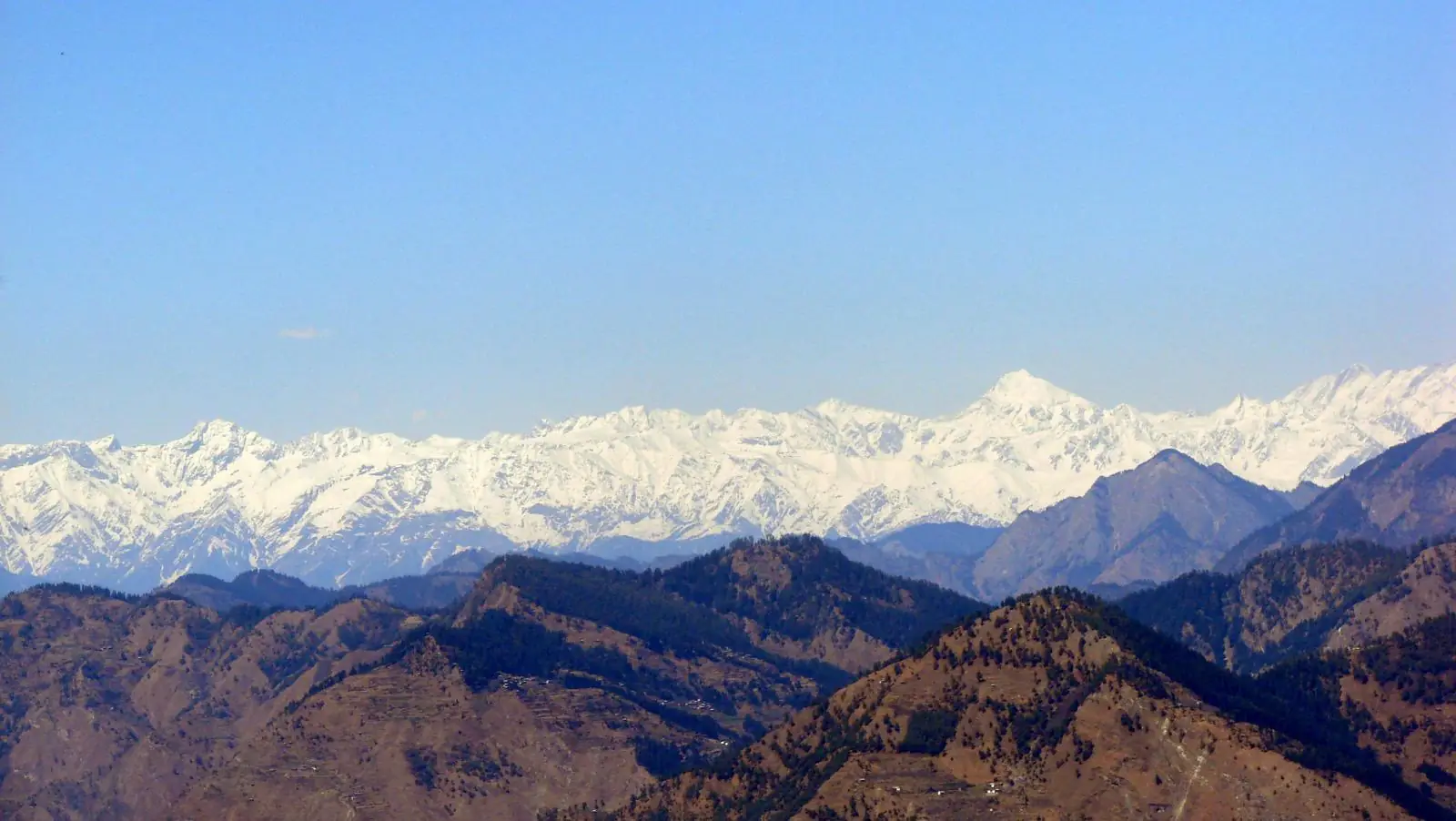
Why Jibhi?
Jibhi is a small Himachali village that's quietly become one of the state's favourite slow-travel stops over the past decade — traditional wooden houses set among deodar forest and terraced fields, a short walk to a genuinely pretty waterfall, and a growing cluster of boutique cafes and homestays without the crowds that have reshaped Manali.
It sits on the forested side of the Tirthan Valley, closely linked to that valley and to Jalori Pass above it — most travelers combine Jibhi with one or both as part of a single trip into this quieter pocket of Himachal.
🌲 Jibhi at a Glance
Going by road? See our guide to road trips in Himachal Pradesh.
Love the outdoors? See our guide to nature travel in Himachal Pradesh.
Comparing hill stations? See our guide to hill stations in Himachal Pradesh.
Best Time to Visit Jibhi
Comfortable temperatures and clear forest trails before monsoon arrives.
Post-monsoon clarity, dry paths, and crisp mountain air — ideal for both village time and Jalori Pass day trips.
Lush greenery but genuine landslide risk on the mountain roads leading up to the village.
The village stays accessible, but heavy snow can close the higher Jalori Pass route entirely.
Our pick: September to November — the clearest window for both wandering the village and a Jalori Pass or Serolsar Lake day trip.
How to Reach Jibhi
- By Air: The nearest airport is Bhuntar/Kullu, about 65km away.
- By Road: Access is via Aut on the Kullu-Manali highway, followed by a final stretch of mountain road up to the village.
- By Train: No direct rail; the nearest practical option is Joginder Nagar (narrow-gauge, limited use) or broader connections via Chandigarh.
Top Things to Do in Jibhi
- Jibhi Waterfall: A short, easy walk from the village and one of Jibhi's most popular local highlights.
- Jalori Pass: A mountain pass a short drive above the village, offering high-altitude views and access toward Kinnaur-Spiti routes.
- Serolsar Lake: A scenic trek from Jalori Pass through rhododendron forest, a moderate day-trek option.
- Village walks: Wandering among Jibhi's traditional wooden houses and terraced fields is a destination in itself, not just a means to reach the waterfall.
- Tirthan Valley: Closely linked to Jibhi, with its own trout fishing and Great Himalayan National Park gateway appeal — many travelers combine both.
Where to Stay in Jibhi
Jibhi's accommodation scene is dominated by homestays and boutique cottage stays rather than conventional hotels — part of what keeps the village's character intact.
- → Village homestays
- → Basic guesthouses near the main road
- → Boutique wooden cottages
- → Cafe-adjacent mid-range stays
- → Premium forest-view cottages
- → High-end riverside/valley properties
What to Eat in Jibhi
- Homestay-cooked Himachali meals: Simple, home-style vegetarian and non-vegetarian food is the norm at most homestays.
- Boutique cafe menus: A growing cluster of cafes serving continental and fusion dishes, reflecting Jibhi's rising popularity with slow-travel visitors.
- Trout dishes: Freshwater trout from nearby Tirthan Valley rivers, available at select restaurants.
2-Day Jibhi Itinerary
Village & Waterfall
- ✓Arrive, check in at a homestay
- ✓Afternoon: walk to Jibhi Waterfall
- ✓Evening: explore the village and cafes
Jalori Pass Day Trip
- ✓Morning: drive up to Jalori Pass
- ✓Trek to Serolsar Lake through rhododendron forest
- ✓Afternoon: return, departure or extend into Tirthan Valley
Budget Breakdown
| Expense | Budget | Mid-Range | Luxury |
|---|---|---|---|
| Accommodation/night | ₹700 | ₹2,500 | ₹8,000 |
| Food/day | ₹350 | ₹800 | ₹1,800 |
| Local transport per day | ₹250 | ₹600 | ₹1,500 |
| Daily total | ₹1,300 | ₹3,200 | ₹9,500 |
| 2-Day trip total | ₹2,600 | ₹6,400 | ₹19,000 |
* Excludes transport to the region.
Essential Travel Tips for Jibhi
- Combine with Tirthan Valley or Jalori Pass: Jibhi alone fills a day or two comfortably but pairs naturally with either or both.
- Check road conditions before a Jalori Pass trip: Snow in winter and landslide risk in monsoon can both affect the route.
- Book homestays ahead on weekends: Jibhi's rising popularity means limited stays fill up faster than a few years ago.
- Carry cash: Card acceptance is limited in this small village.
✅ Do
- →Combine Jibhi with Tirthan Valley or a Jalori Pass day trip
- →Book homestays ahead, especially on weekends
- →Check current road conditions before heading to Jalori Pass
- →Spend unhurried time simply walking the village
- →Carry sufficient cash
❌ Don't
- →Attempt Jalori Pass without checking current road conditions
- →Expect Manali-level infrastructure or nightlife
- →Rely on cards for payment
- →Rush through — Jibhi rewards a slow pace
- →Skip warm layers assuming a mild mountain evening
Frequently Asked Questions
How many days do I need in Jibhi?
Two days is a comfortable minimum — one for the village, Jibhi Waterfall, and cafe time, another for a Jalori Pass day trip or the Serolsar Lake trek.
What is the best time to visit Jibhi?
March to June and September to November offer the clearest weather and best trekking conditions. Monsoon (July–August) brings landslide risk on the mountain roads, and December–February can bring snow that closes the higher Jalori Pass route.
How do I reach Jibhi?
The nearest airport is Bhuntar/Kullu, about 65km away. Road access is via Aut on the Kullu-Manali highway, followed by a final stretch of mountain road up to the village.
Is Jibhi the same as Tirthan Valley?
They're closely linked but distinct — Jibhi sits on the forested side above the main Tirthan Valley floor. Most travelers combine both in a single trip given their proximity.
Is the Serolsar Lake trek difficult?
It's a moderate trek from Jalori Pass through rhododendron forest, manageable for reasonably fit hikers without technical climbing experience, typically done as a day hike.
Is Jalori Pass open year-round?
No — heavy snow can close the higher route in winter. Check current road conditions before planning a trip specifically around Jalori Pass, especially outside the main season.
What is the budget for a trip to Jibhi?
A budget traveler can manage on roughly ₹1,300 a day using homestays, a mid-range trip closer to ₹3,200 a day. A 2-day trip totals roughly ₹2,600 on a budget and ₹6,400 mid-range.
Published by the Kudozz Club editorial team · Last updated · How we research our guides
Want us to plan this trip for you?
Tell Kudozz Club where you want to go and what kind of trip you’re looking for. We’ll build a Jibhi and Himachal itinerary around your dates and budget.
Continue Exploring
View all guides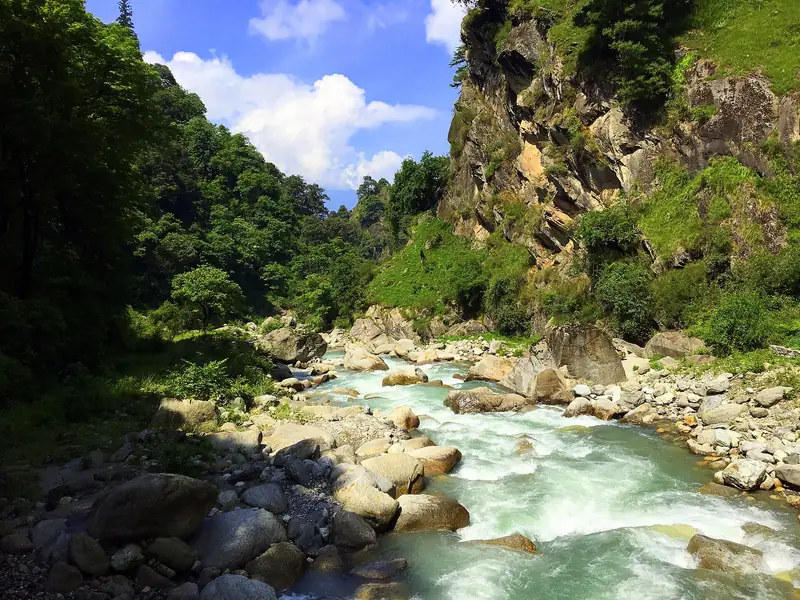 Things to Do
Things to Do in Tirthan Valley: River Stays, Jalori Pass & the Great Himalayan National Park
Things to do in Tirthan Valley and Jibhi: riverside stays, trout fishing, Chhoie waterfall, walks into the Great Himalayan National Park, Jalori Pass, Serolsar Lake and Raghupur Fort, Chaini Kothi and wooden village temples.
 Off-beat
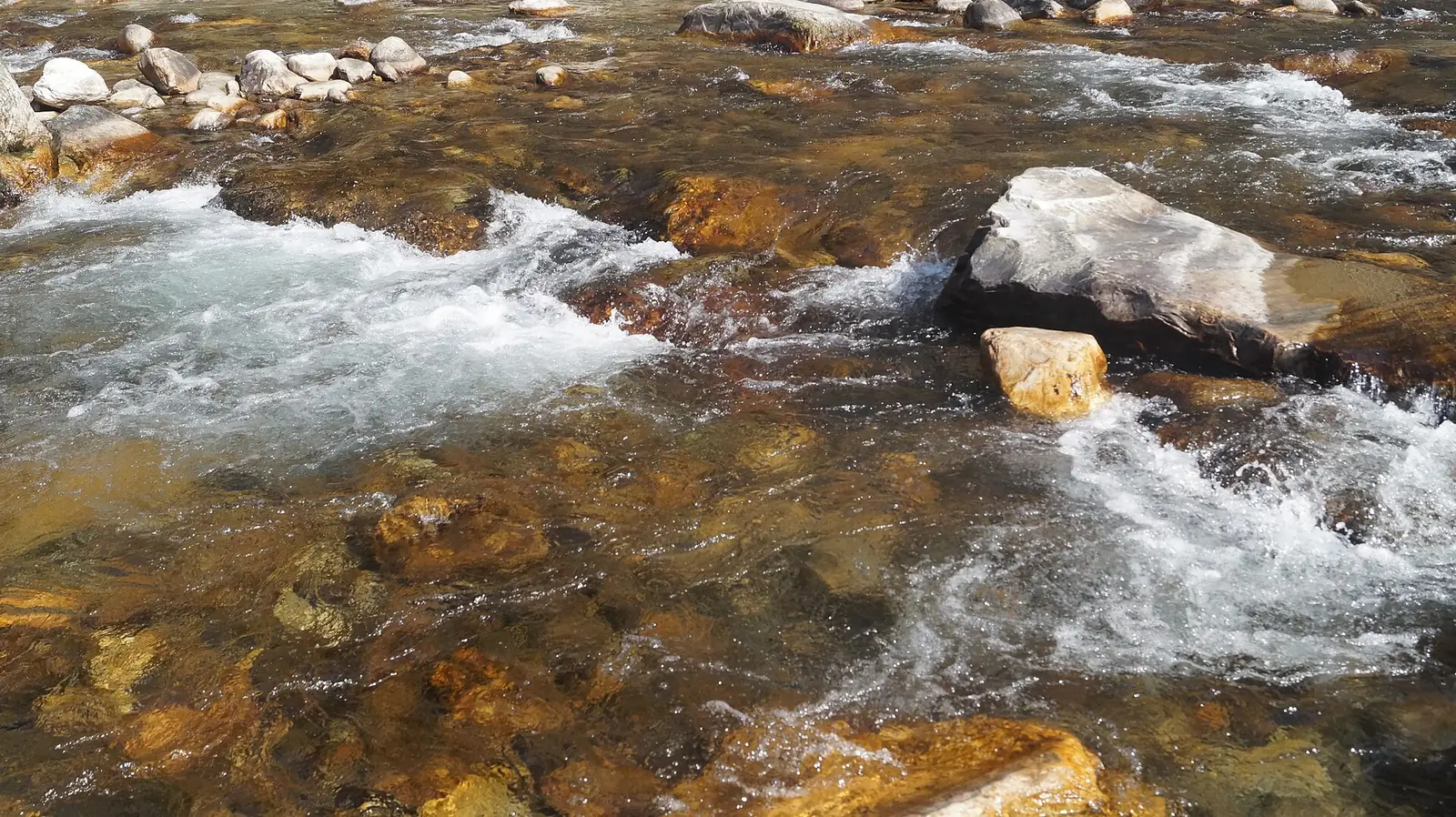
Tirthan Valley Travel Guide: Trout Fishing & GHNP Gateway
A river valley still mostly free of Himachal's tourist crush, and the main gateway to the Great Himalayan National Park — the complete guide to Tirthan Valley.
 Off-beat
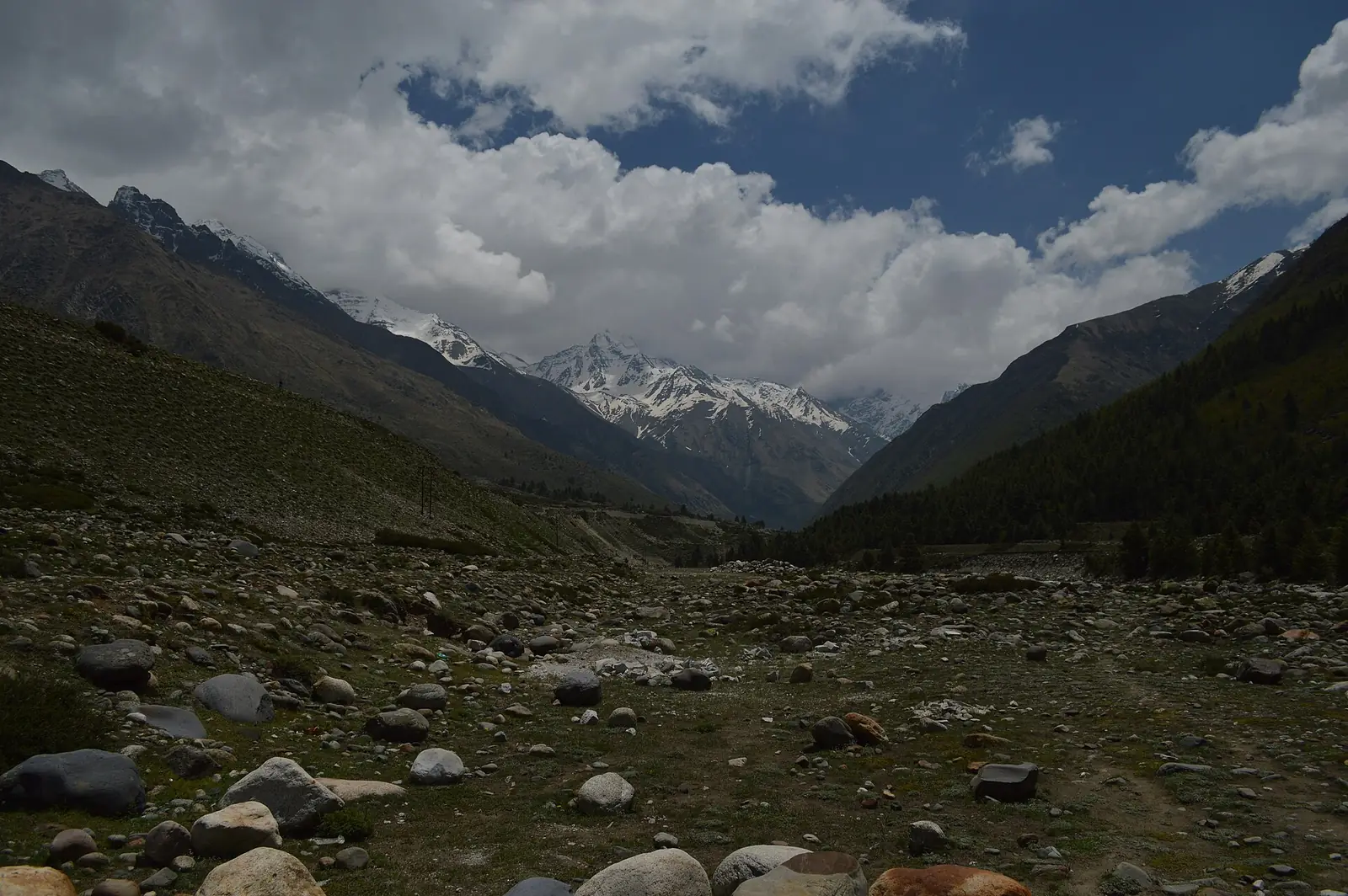
Chitkul Travel Guide: The Last Indian Village Before Tibet
The last inhabited village on the old Hindustan-Tibet road, sitting beside the Baspa River with snow peaks on every side — the complete guide to Chitkul.
 Off-beat
Kasauli Travel Guide: Quiet Cantonment Hill Town Near Chandigarh
A small colonial cantonment hill town that's stayed genuinely quiet, an easy two-hour drive from Chandigarh — the complete guide to Kasauli.