Why Himachal Pradesh?
Of all the Indian Himalayan states, Himachal Pradesh is by far the most accessible — a state where an overnight bus from Delhi can drop you into pine forests and snow-dusted peaks by morning, yet one that still holds genuinely remote, high-altitude terrain if you're willing to go further.
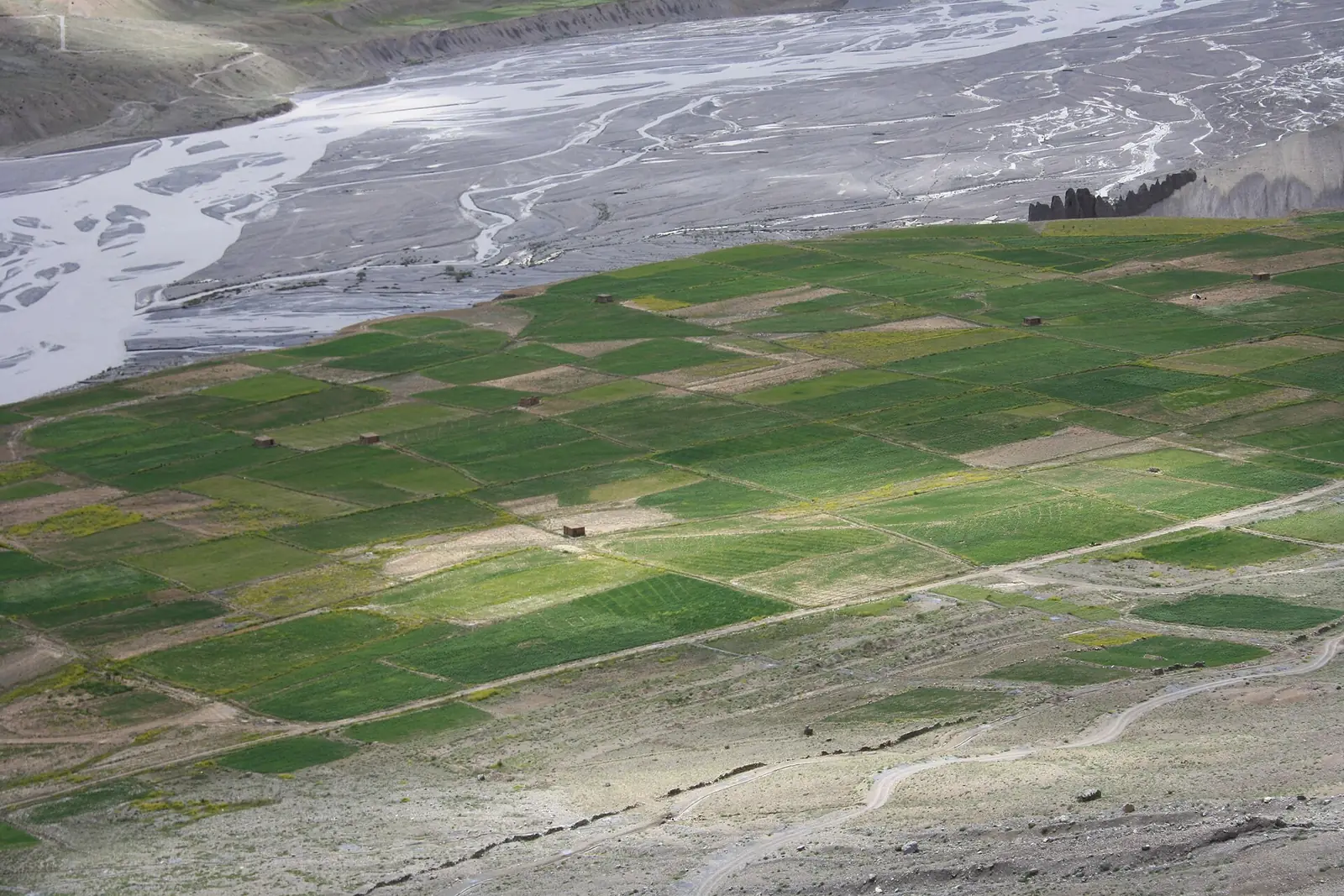
That range is the whole point. Shimla offers colonial-era architecture and a toy train that's a UNESCO World Heritage Site in its own right. Manali and the Kullu Valley combine apple orchards with some of India's most popular adventure sports. Dharamshala and its upper neighborhood, McLeod Ganj, have been the seat of the Dalai Lama and the Tibetan government-in-exile since 1960, giving the town a distinctly Tibetan Buddhist character found nowhere else in India. And beyond the main valleys, Spiti opens into a high-altitude cold desert that feels closer to Ladakh than to the green hills a few hours' drive away.
This guide covers Himachal Pradesh at the state level — the major regions, how they connect, and how to plan a trip across more than one of them. If you're headed specifically to Manali, Spiti Valley, or want deep, day-by-day depth on a single destination, our dedicated guides go much further into each.
🏔️ Himachal Pradesh at a Glance
Want a day-by-day plan? Follow our Shimla–Manali itinerary.
Comparing hill stations? See our guide to hill stations in Himachal Pradesh.
Planning something active? Read our guide to adventure activities in Himachal Pradesh.
Best Time to Visit Himachal Pradesh
Because Himachal spans everything from mid-altitude hill stations to high-altitude cold desert, "best time" varies a lot by region — Shimla and Manali have a much longer comfortable window than Spiti, which is only realistically open for a few months a year.
Pleasant days across Shimla, Manali, and Dharamshala, with orchards blooming in spring and Rohtang/Spiti opening up by late May–June.
Heavy rain causes landslides and road closures on hill routes, especially between Manali and Chandigarh. Spiti, being a rain-shadow desert, is actually a good monsoon escape.
Post-monsoon clarity brings some of the best mountain views of the year, with thinner crowds than spring — this is our second favorite window.
Shimla and Manali turn white and see a fresh wave of tourists chasing snow. Higher passes (Rohtang, Spiti) are closed entirely; roads can be icy.
Our pick: Late September to early November for the clearest views and thinner crowds across Shimla, Manali, and Dharamshala. If Spiti is part of your plan, note it's realistically accessible only from around June to early October — build your route around that window first.
How to Reach Himachal Pradesh
- By Air: Chandigarh Airport is the main gateway for Shimla and Dharamshala, with good domestic connectivity. Kullu-Manali Airport (Bhuntar) serves the Manali side directly, and Gaggal Airport near Dharamshala has a smaller set of flights.
- By Rail + Toy Train: The nearest broad-gauge station is Kalka, from where the famous Kalka–Shimla toy train — a UNESCO World Heritage narrow-gauge line — climbs through over a hundred tunnels to Shimla. It's slow, but it's an experience in itself.
- By Road: Overnight Volvo buses run from Delhi to Shimla, Manali, and Dharamshala. Hill roads throughout the state are winding and often narrow — journeys take noticeably longer than the raw distance suggests.
Shimla: The Colonial Capital
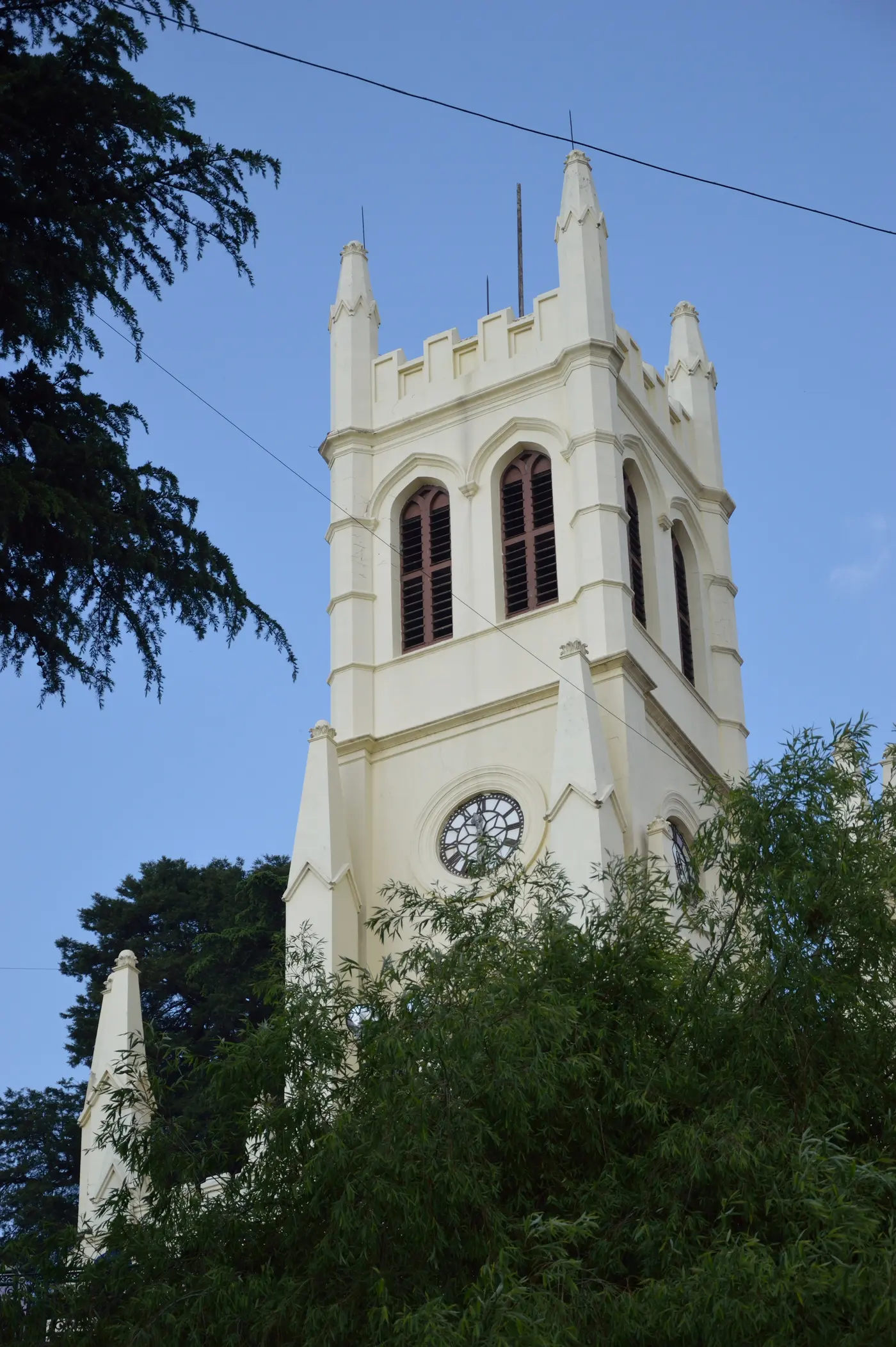
Once the summer capital of British India, Shimla retains a distinct colonial character — Tudor-style architecture, a pedestrian-only Mall Road, and a compact ridge-top layout that still shapes how the modern city functions.
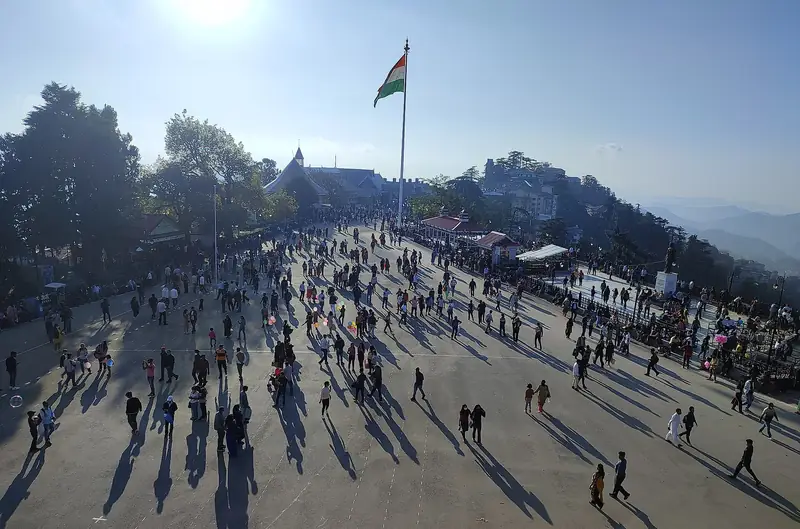
- Mall Road & The Ridge: Shimla's social heart — a pedestrian promenade lined with colonial buildings, cafes, and shops, opening onto The Ridge, the city's main open square with panoramic mountain views.
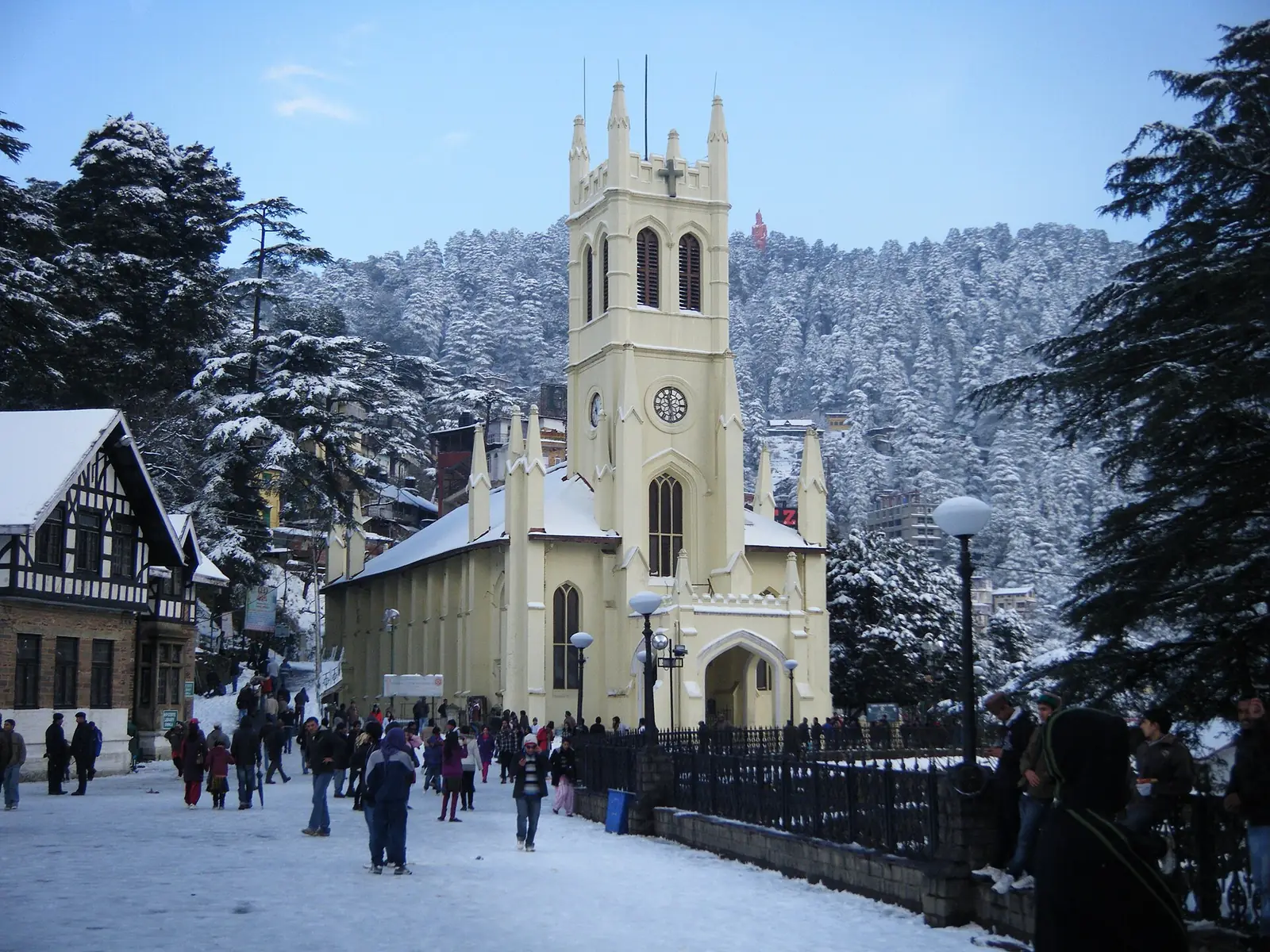
- Christ Church: India's second-oldest church, a neo-Gothic landmark on The Ridge and one of Shimla's most photographed buildings.
- Kufri: A small hill station about 16 km from Shimla, popular for short horse rides, snow in winter, and views over the Himalayan foothills.
- Kalka-Shimla Toy Train: A UNESCO World Heritage narrow-gauge railway that climbs nearly 1,500 meters in altitude across a five-hour journey — worth doing at least one-way if your schedule allows.
Manali & Kullu Valley
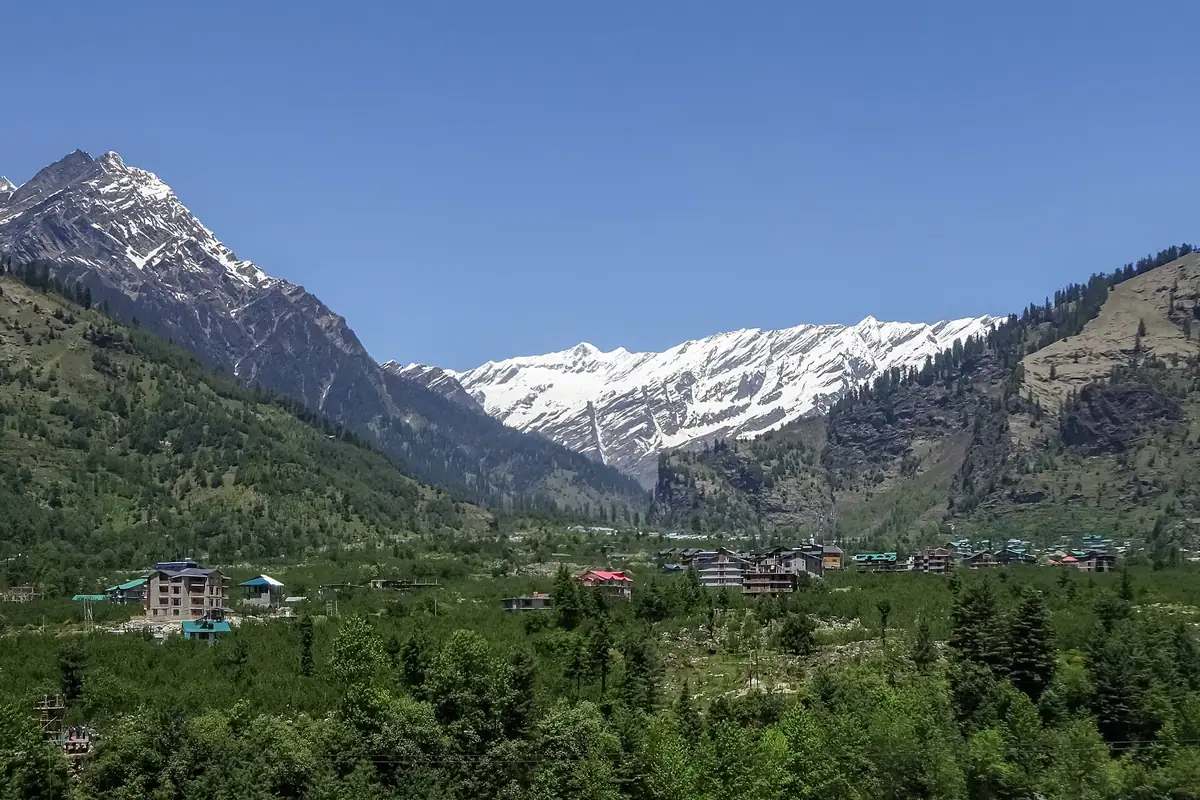
At the northern end of the Kullu Valley, Manali is Himachal's best-known hill station and the state's adventure hub. Since it already has its own full guide on this site, here's the short version: base yourself in Old Manali for cafes and a laid-back traveler scene, ride the Atal Tunnel or drive up toward Rohtang Pass for high-altitude landscapes, and head to Solang Valley for paragliding, zorbing, and (in winter) skiing.
Further south, the wider Kullu Valley is known for its apple orchards, whitewater rafting on the Beas River, and Kullu shawls, sold at factory outlets like Bhuttico. Naggar, roughly midway between Manali and Kullu town, has a historic wooden castle and a quieter, less commercial feel than either.
For a full Manali itinerary — including a day-by-day plan, detailed place-by-place breakdowns, and specific café and stay recommendations — see our dedicated Manali travel guide.
Dharamshala & McLeod Ganj
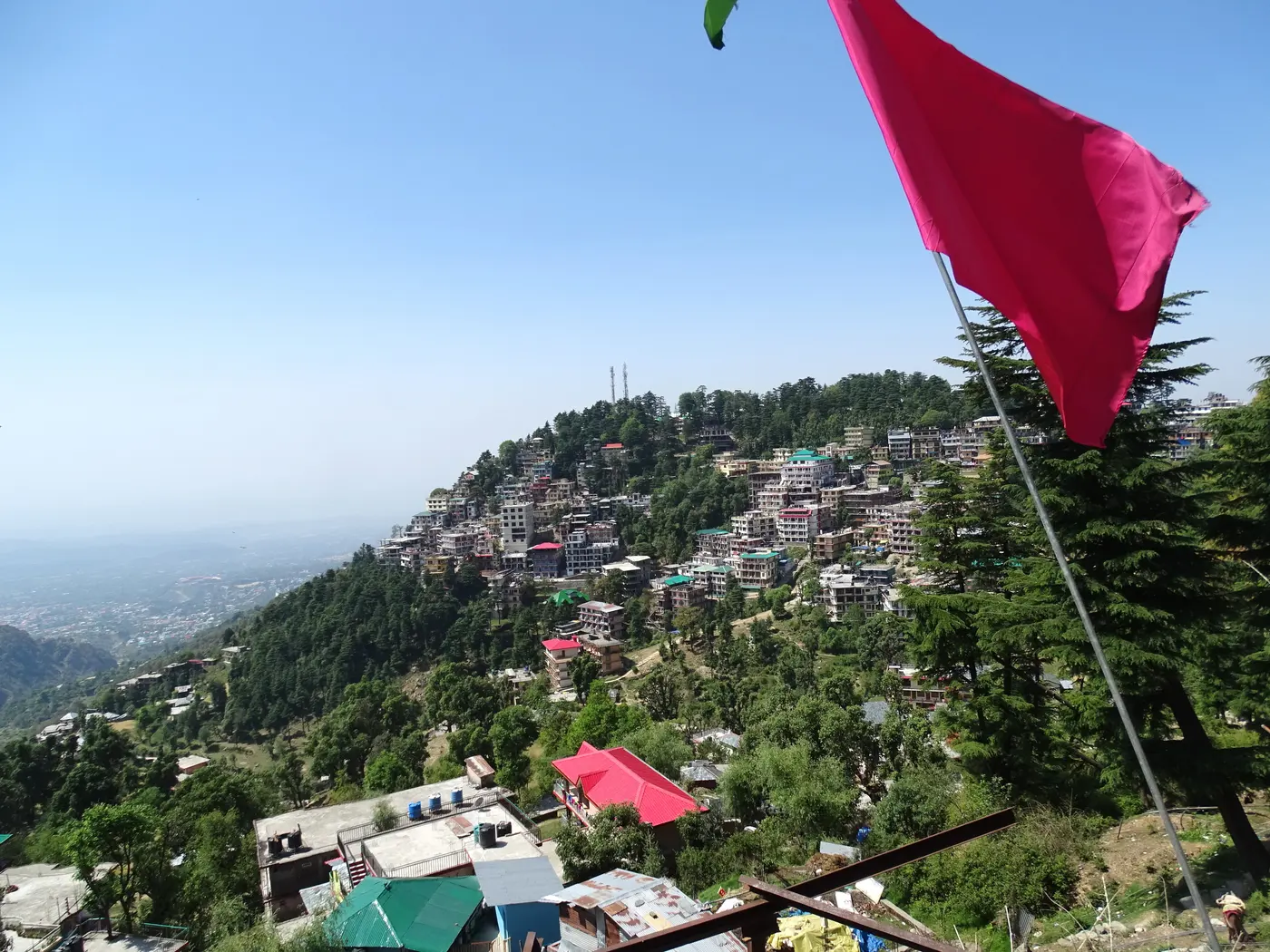
Dharamshala, and particularly its upper neighborhood McLeod Ganj, has been home to the 14th Dalai Lama and the Tibetan government-in-exile since 1960, giving the town a genuinely distinct Tibetan Buddhist identity within Himachal.
- Tsuglagkhang Complex: The Dalai Lama's residence and the main Tibetan Buddhist temple complex in McLeod Ganj, open to visitors and often busy with maroon-robed monks and pilgrims.
- Triund Trek: A popular day or overnight trek (roughly 9 km one-way) climbing out of McLeod Ganj to a ridgeline meadow with sweeping Dhauladhar range views — one of the more accessible Himalayan treks in the country.
- Bhagsu Falls: A short, popular walk from Bhagsu village to a modest waterfall, with cafes and guesthouses lining the trail.
- Norbulingka Institute: A center for preserving Tibetan art and culture near lower Dharamshala, with workshops, a temple, and Japanese- style gardens.
Spiti, Kasauli & Dalhousie
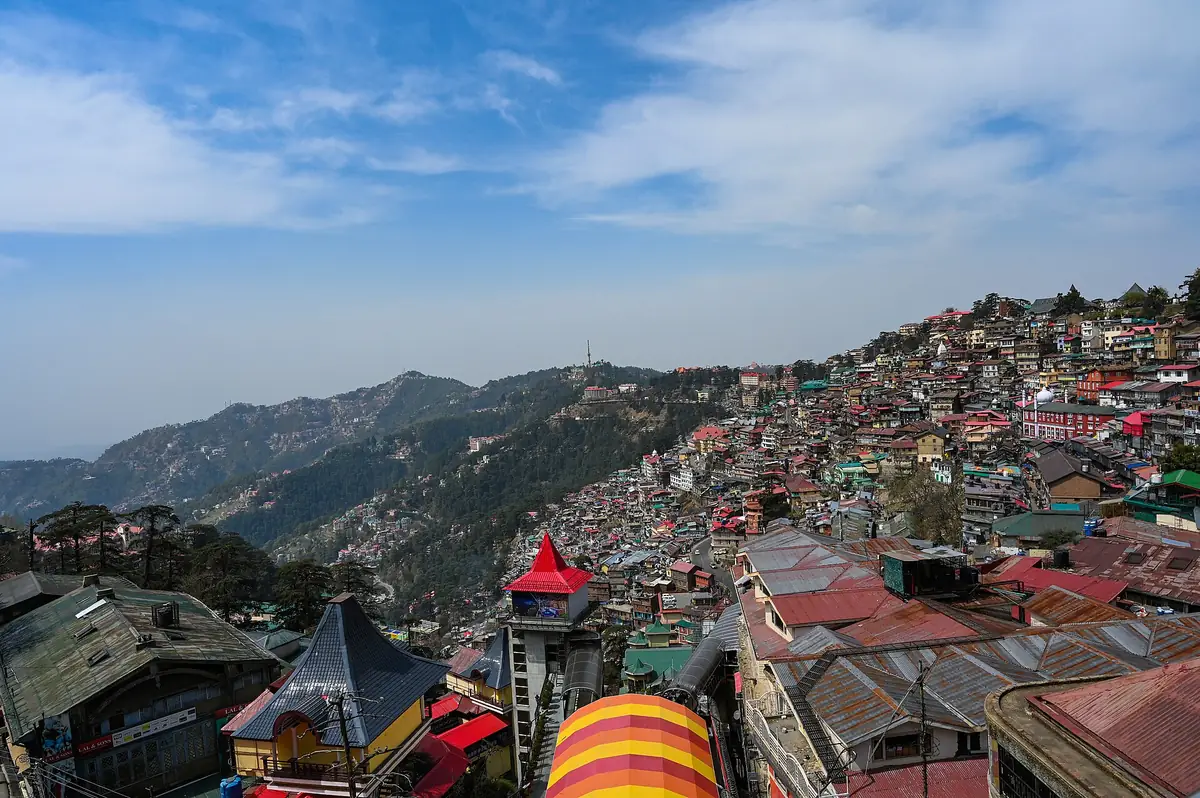
- Spiti Valley: A high-altitude cold desert bordering Tibet, reachable roughly June through October before winter snow cuts it off. Monasteries, lunar landscapes, and a completely different pace of travel than the rest of Himachal — see our dedicated Spiti Valley guide for the full depth this region deserves.
- Kasauli: A small, quiet cantonment hill station close to Chandigarh, known for colonial bungalows, pine forests, and a noticeably slower pace than Shimla or Manali.
- Chamba & Dalhousie: Dalhousie is a colonial-era hill station spread across five hills, while nearby Chamba town preserves centuries of hill- state temple architecture and palace heritage.
- Kangra Valley: Home to sprawling tea gardens around Palampur, the historic Kangra Fort, and the Masroor Rock Cut Temples — a green, lower-altitude counterpoint to the high mountains further north.
Where to Stay
Given Himachal's spread, plan on basing yourself in at least three hubs — Shimla, Manali, and Dharamshala — rather than trying to day-trip between them.
- → Backpacker hostels, Old Manali
- → Guesthouses, McLeod Ganj
- → Budget hotels, lower Shimla
- → Heritage-style hotels, Shimla Mall Road
- → Resort hotels, Manali/Kullu
- → Boutique stays, Dharamshala
- → Colonial-era heritage hotels, Shimla
- → Luxury resorts, Manali/Solang
- → Mountain-view luxury stays, Dharamshala
Prices spike heavily during peak snow season (Dec–Jan) and the May–June summer rush — book at least a few weeks ahead if you're traveling during either window.
What to Eat in Himachal Pradesh
- Himachali Dham: A festive, multi-course thali traditionally served at weddings and religious occasions, cooked by specialist chefs called "botis" — typically vegetarian, rich in ghee, and served on leaf plates.
- Siddu: Steamed wheat bread stuffed with poppy seeds, walnuts, or dal, served with ghee — a Himachali staple found at dhabas across the state.
- Madra & Chana Madra: A yogurt-based curry, often made with chickpeas, slow-cooked with whole spices — a signature dish of Himachali cuisine.
- Trout: Freshly caught from Himachal's cold mountain streams, typically pan-fried with garlic and butter — widely available around Manali and Kullu.
- Apple products: The Kullu-Manali belt's apples are famous nationwide — fresh juice, jams, and apple cider are sold at roadside stalls throughout the region.
9-Day Himachal Pradesh Itinerary
Nine days is a comfortable window to cover Shimla, Manali/Kullu, and Dharamshala without excessive rushing, with a short taste of Spiti if your dates fall within its open season.
Shimla
- ✓Arrive via Kalka-Shimla toy train or road
- ✓Mall Road, The Ridge, Christ Church
- ✓Day trip to Kufri
Manali & Kullu Valley
- ✓Travel to Manali (~7–8 hrs via Kullu)
- ✓Old Manali, Hadimba Temple, Solang Valley
- ✓Optional Rohtang Pass day trip (permit required)
Optional: Spiti Taste (season permitting)
- ✓Only if traveling June–early Oct
- ✓Short excursion toward Kaza or Chandratal
- ✓Otherwise, use as a buffer/rest day in Manali
Travel to Dharamshala
- ✓Drive from Manali to Dharamshala (~6–7 hrs)
- ✓Evening arrival, settle into McLeod Ganj
Dharamshala & McLeod Ganj
- ✓Tsuglagkhang Complex and Dalai Lama's residence
- ✓Triund trek (day hike or overnight)
- ✓Bhagsu Falls and Norbulingka Institute
Departure
- ✓Transfer to Gaggal or Chandigarh airport
- ✓Or onward road/rail connection
Budget Breakdown
| Expense | Budget | Mid-Range | Luxury |
|---|---|---|---|
| Accommodation/night | ₹1,000 | ₹3,500 | ₹10,000 |
| Food/day | ₹500 | ₹1,200 | ₹2,800 |
| Local transport/day | ₹600 | ₹1,500 | ₹3,500 |
| Activities & permits/day | ₹800 | ₹2,200 | ₹5,000 |
| Daily total | ₹2,900 | ₹8,400 | ₹21,300 |
| 9-Day trip total | ₹26,100 | ₹75,600 | ₹191,700 |
* Excludes flights. Inter-city travel between Shimla, Manali, and Dharamshala adds up over a multi-region trip — private cabs cost significantly more than shared Volvo buses or HRTC buses.
Essential Travel Tips for Himachal Pradesh
- Watch for altitude sickness at higher elevations: Rohtang Pass, Spiti, and any trek above 3,000m warrant acclimatization time and awareness of symptoms — don't rush straight up from lower towns.
- Drive cautiously on hill roads: Winding, often narrow roads with sheer drops are the norm — hire experienced local drivers rather than self-driving unfamiliar routes, especially at night.
- Book ahead in peak and snow season: Accommodation across Shimla, Manali, and Dharamshala fills up fast during the May–June and Dec–Jan rushes — book at least a few weeks in advance.
- Check Spiti's seasonal access before planning: The region is realistically only open roughly June through early October — confirm current road conditions if it's part of your route.
- Pack layers regardless of season: Even summer evenings across Himachal's hill towns drop into single digits — a warm layer is useful year-round.
- Carry cash outside main towns: Card acceptance and ATM reliability drop off quickly once you're outside Shimla, Manali, and Dharamshala's main commercial areas.
✅ Do
- →Build acclimatization time into high-altitude plans
- →Book accommodation weeks ahead in peak/snow season
- →Hire experienced local drivers for hill roads
- →Pack warm layers even in summer
- →Check Spiti's road status before committing to it
- →Carry cash for smaller towns and villages
❌ Don't
- →Rush straight to high altitude without acclimatizing
- →Self-drive unfamiliar hill roads at night
- →Underestimate travel time between regions
- →Attempt Spiti outside its June–October window
- →Rely on cards outside major towns
- →Overpack your itinerary across three+ regions
Places to Explore in Himachal Pradesh
Every Himachal Pradesh guide on Kudozz Club, in one place — 15 destinations covered so far, from cities and towns to individual attractions. Use this index to plan beyond the highlights above.
Frequently Asked Questions
How many days do I need for Himachal Pradesh?
Nine days is a comfortable window to cover Shimla, Manali/Kullu, and Dharamshala without excessive rushing, with a short taste of Spiti if your dates fall within its open season (roughly June to early October). Given the state's spread, plan on basing yourself in at least three hubs rather than trying to day-trip between them.
What is the best time to visit Himachal Pradesh?
Late September to early November is our pick for the clearest views and thinner crowds across Shimla, Manali, and Dharamshala. March to June is also good, with orchards blooming in spring. If Spiti is part of your plan, it's realistically accessible only from around June to early October — build your route around that window first.
How do I reach Himachal Pradesh from Delhi?
Overnight Volvo buses run directly from Delhi to Shimla, Manali, and Dharamshala. By air, Chandigarh Airport is the main gateway for Shimla and Dharamshala, with Kullu-Manali Airport (Bhuntar) serving Manali directly. By rail, the nearest broad-gauge station is Kalka, from where the UNESCO-listed Kalka-Shimla toy train climbs to Shimla.
Is Himachal Pradesh safe for solo travellers?
Yes, Himachal Pradesh is one of the most accessible and well-travelled Himalayan states, with a long-established backpacker and traveller circuit through Old Manali, McLeod Ganj, and Shimla's Mall Road. The main risks are winding hill roads and altitude at higher elevations like Rohtang Pass or Spiti — hire experienced local drivers and build in acclimatization time.
What is the budget for a trip to Himachal Pradesh?
A budget traveller can expect to spend roughly ₹2,900 a day, a mid-range trip runs about ₹8,400 a day, and a luxury trip around ₹21,300 a day. A 9-day trip totals roughly ₹26,100 on a budget and ₹75,600 mid-range, excluding flights. Inter-city travel between Shimla, Manali, and Dharamshala adds up over a multi-region trip, so shared Volvo or HRTC buses cost significantly less than private cabs.
Is Himachal Pradesh worth visiting?
Yes — it packs more range into one state than almost anywhere else in the Himalayas: Shimla's colonial-era architecture and UNESCO toy train, Manali and the Kullu Valley's apple orchards and adventure sports, McLeod Ganj's Tibetan Buddhist character as the seat of the Dalai Lama since 1960, and the high-altitude cold desert of Spiti bordering Tibet.
How do I reach Manali or Dharamshala from Shimla?
Manali is roughly 7-8 hours from Shimla via the Kullu Valley, and Dharamshala is a further 6-7 hours from Manali. Fly into Chandigarh and out of Kullu (or vice versa) if you're combining multiple regions, to avoid backtracking across the same winding hill roads twice.
Published by the Kudozz Club editorial team · Last updated · How we research our guides
Want us to plan this trip for you?
Tell Kudozz Club where you want to go and what kind of trip you’re looking for. We’ll build a Himachal Pradesh and Himachal itinerary around your dates and budget.
Continue Exploring
View all guides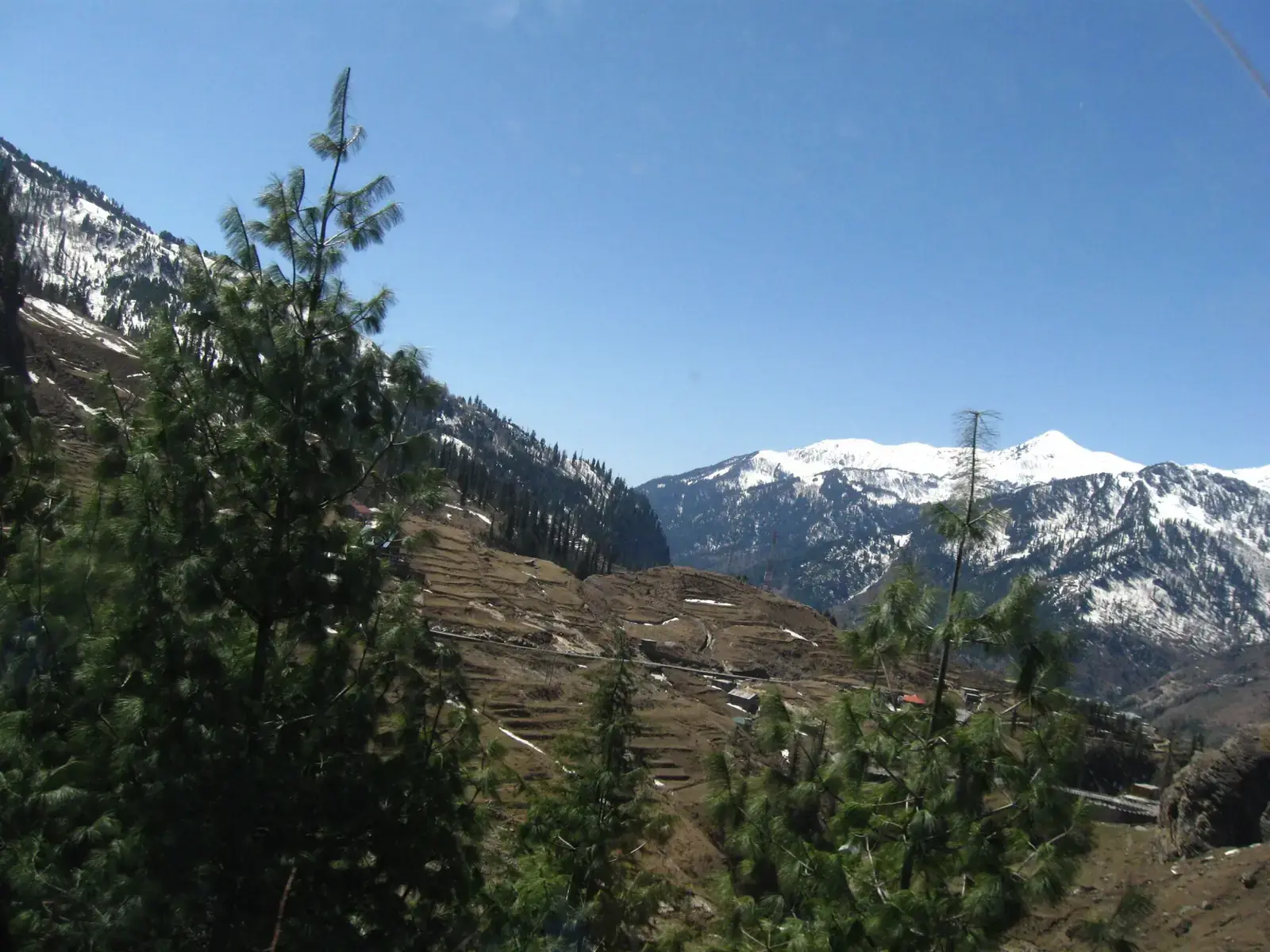 Hill Stations
Hill Stations in Himachal Pradesh: Shimla, Manali, Dharamshala and More
A guide to the hill stations of Himachal Pradesh: Shimla with Kufri, Chail and Narkanda; Manali and the Kullu valley; Dharamshala, McLeod Ganj, Palampur and Bir in the Kangra valley; Dalhousie and Khajjiar; Kasauli; and quieter valleys such as Tirthan and Jibhi, with how they compare, seasons, getting there and routes.
 Destination Guide
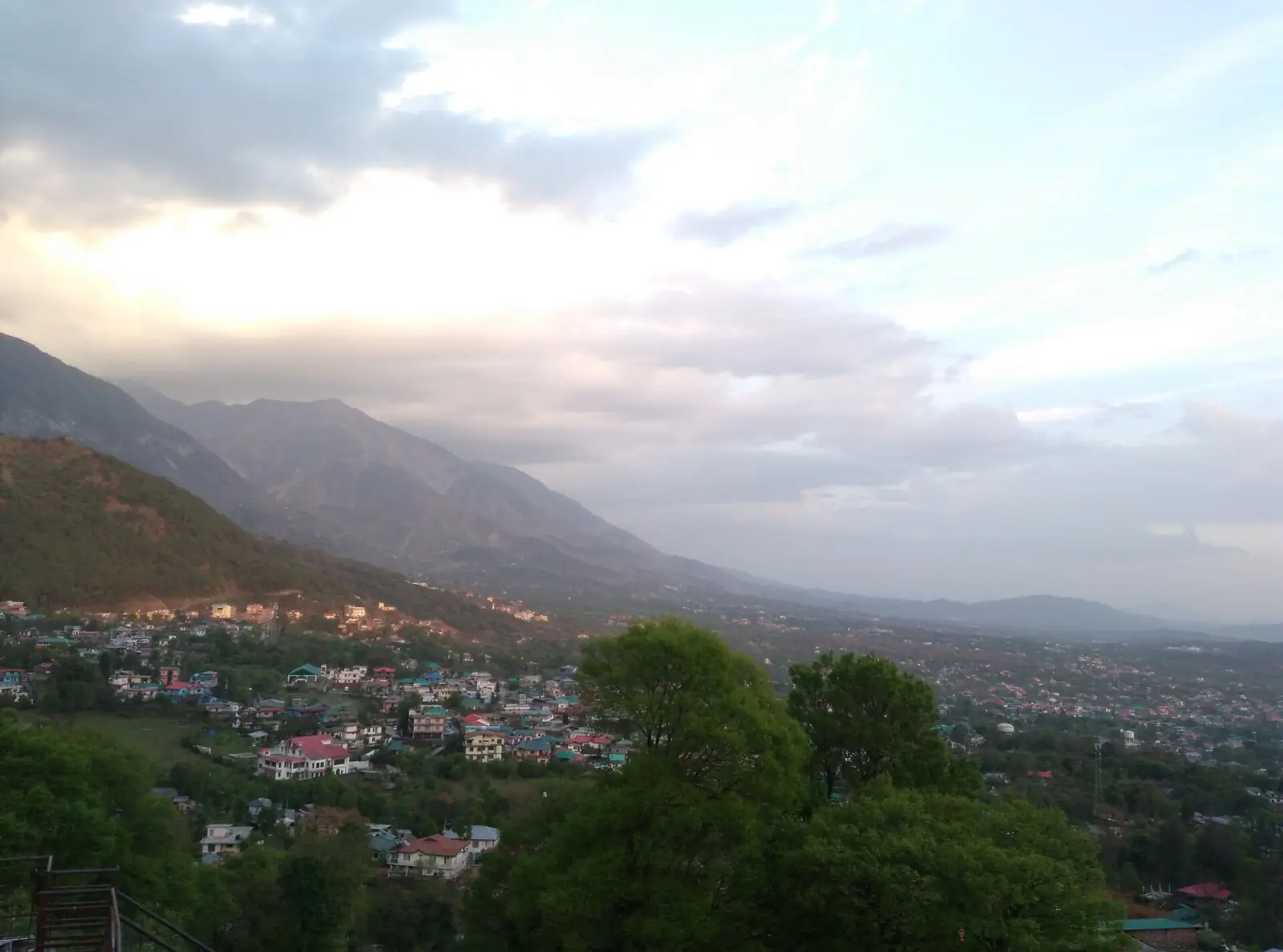
Dharamshala Travel Guide: McLeod Ganj, Triund Trek & Tibetan Culture
The seat-in-exile of the Dalai Lama, a Tibetan refugee town wrapped around Himalayan monasteries, and a short trek up to a grassy ridge with snow peaks close enough to touch — the complete guide to Dharamshala.
 Destination Guide
Shimla Travel Guide: Mall Road, Toy Train & Best Time to Visit
A colonial-era hill capital linked by a UNESCO toy train, with a pedestrian ridge that's been the centre of town since the British Raj — the complete guide to Shimla.
 Things to Do
Things to Do in Shimla: The Ridge, the Toy Train & Colonial Heritage
Things to do in Shimla: The Ridge and Mall Road, Christ Church, Jakhoo Temple, the Kalka–Shimla toy train, the Viceregal Lodge, Gaiety Theatre, Lakkar Bazaar, Kufri, Mashobra, Chail and winter snow.