Many travellers now want a few quiet days in a green place more than a sightseeing checklist. India has a wide range of stays built for exactly that, from simple forest department rest houses and village homestays to plantation bungalows and upmarket lodges on the edge of national parks.
This guide covers the main kinds of nature retreat, where to find them and how to choose one. We do not name or rank individual properties; use it to decide on the kind of place and region, then compare stays directly or ask us to shortlist options.
Quick answer
The best regions for nature retreats in India are Kerala's Wayanad, Munnar and Thekkady, Karnataka's Coorg and Chikmagalur plantations, Himachal's Tirthan and Jibhi valleys, Uttarakhand's Kumaon hills, Meghalaya's village homestays, Sikkim's west and north, and the Kerala backwaters. Choose by landscape: forest lodge, plantation bungalow, lakeside or riverside stay, or mountain homestay. October to March suits most regions.
Key takeaways
- Decide first on the landscape you want to wake up to: forest, plantation, lake, river or mountain.
- Budget retreats (homestays, forest rest houses) often sit in better locations than resorts.
- Luxury lodges near parks add naturalist-led walks, but sightings are never guaranteed.
- Treat eco-claims with care; ask what a property actually does on waste, water and staff.
- Book forest department stays early; they are limited and popular.
Kinds of nature retreat
| Type | Where | Suits |
|---|---|---|
| Forest lodges and jungle stays | Edges of Kabini, Wayanad, Thekkady, Corbett, Kanha | Wildlife lovers, birders |
| Plantation bungalows | Coorg, Chikmagalur, Munnar, Darjeeling, Assam | Couples, families, slow travel |
| Lakeside and backwater stays | Kumarakom, Alappuzha, Munroe Island, Bhimtal, Umiam | Couples, families |
| Riverside camps | Rishikesh, Tirthan, Dandeli, Kali and Kaveri rivers | Friends, families |
| Mountain homestays | Tirthan, Jibhi, Kumaon, Sikkim, Ladakh, Spiti | Budget travellers, walkers |
| Village homestays | Meghalaya, Nagaland, Ziro, Kinnaur | Culture and nature together |
| Forest department rest houses | Most national parks and many sanctuaries | Budget, early risers |
Forest stays
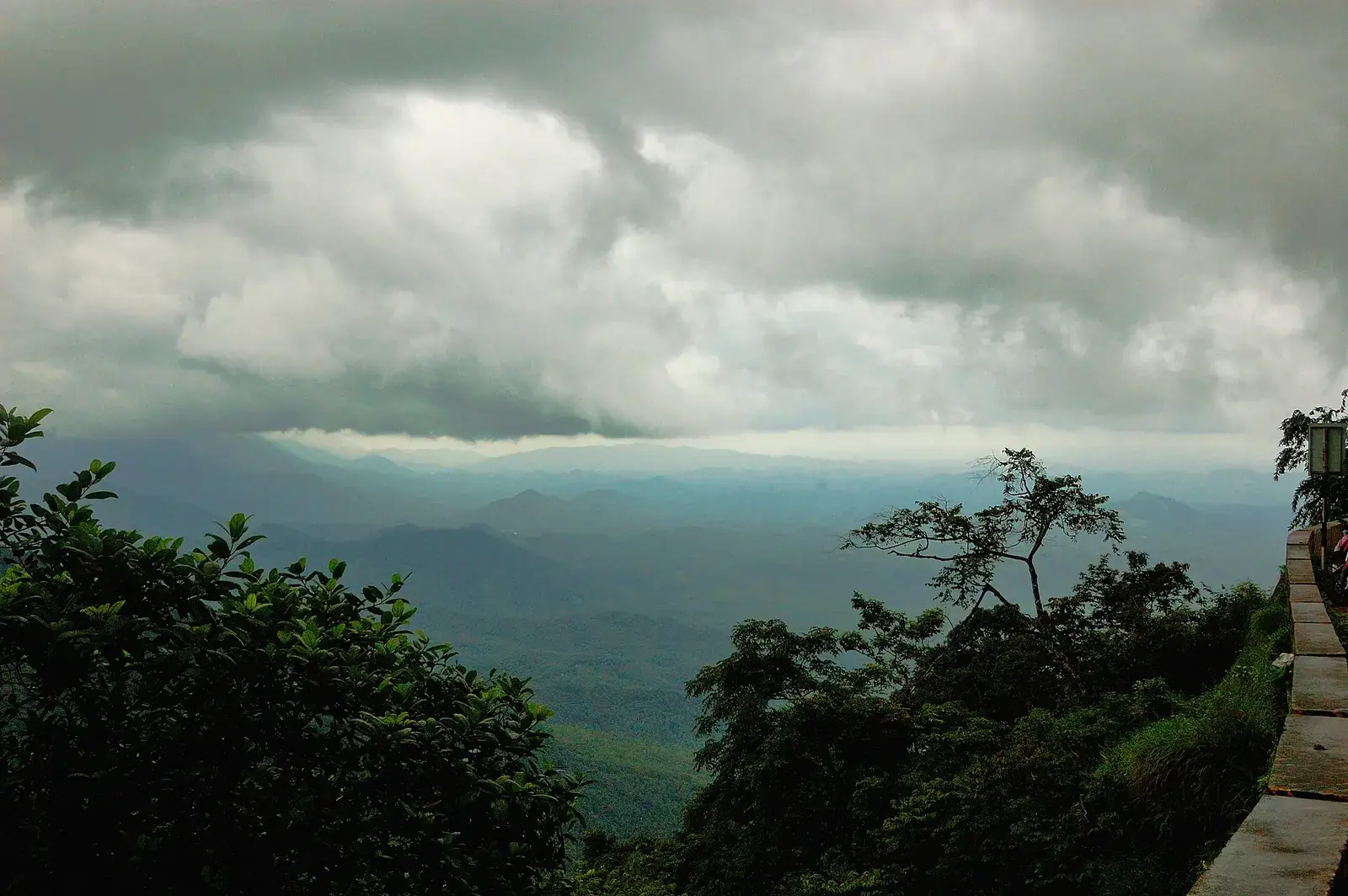
Forest lodges sit on the edges of parks and reserves, often with their own trails, birdwatching and naturalists. Kerala's Wayanad and Thekkady, Karnataka's Kabini and the central Indian tiger reserves have the widest range. Inside parks, forest department rest houses are basic but give you the forest at dawn and dusk.
Plantation retreats
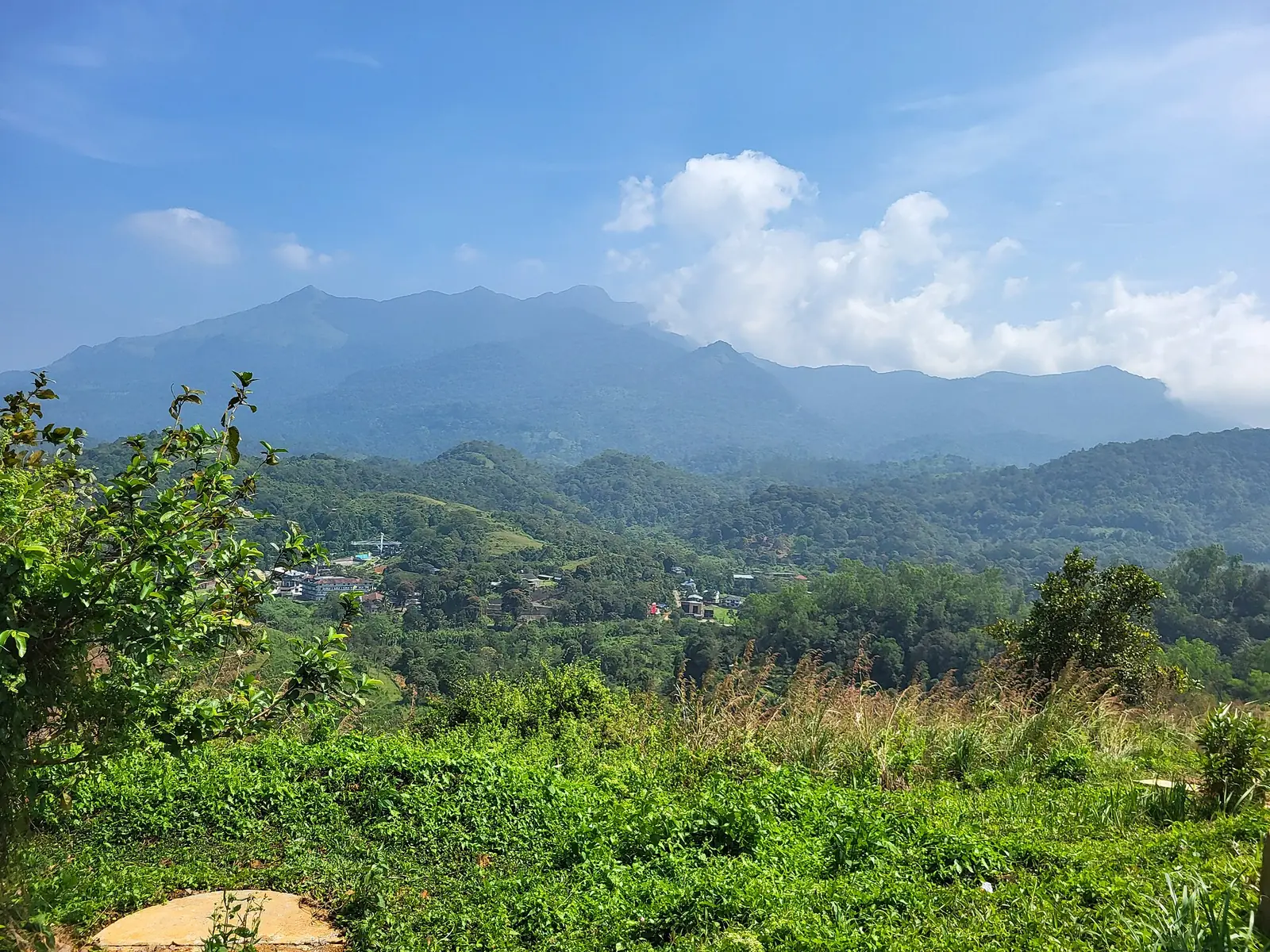
Coffee estates in Coorg and Chikmagalur and tea gardens in Munnar, Darjeeling and Assam offer bungalow stays with estate walks. Coffee grows under native shade trees, which makes these estates good for birds.
Lakeside and riverside retreats
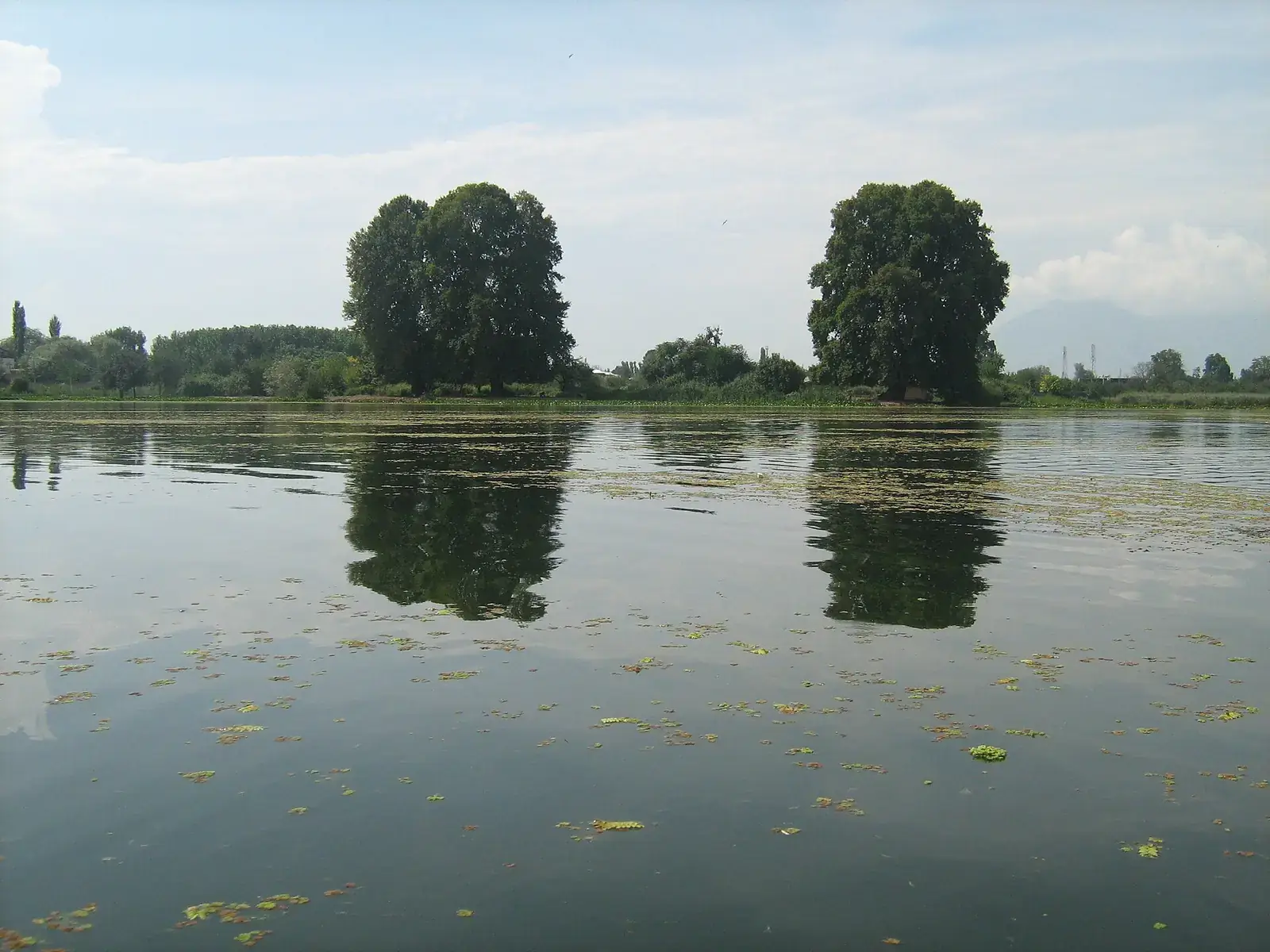
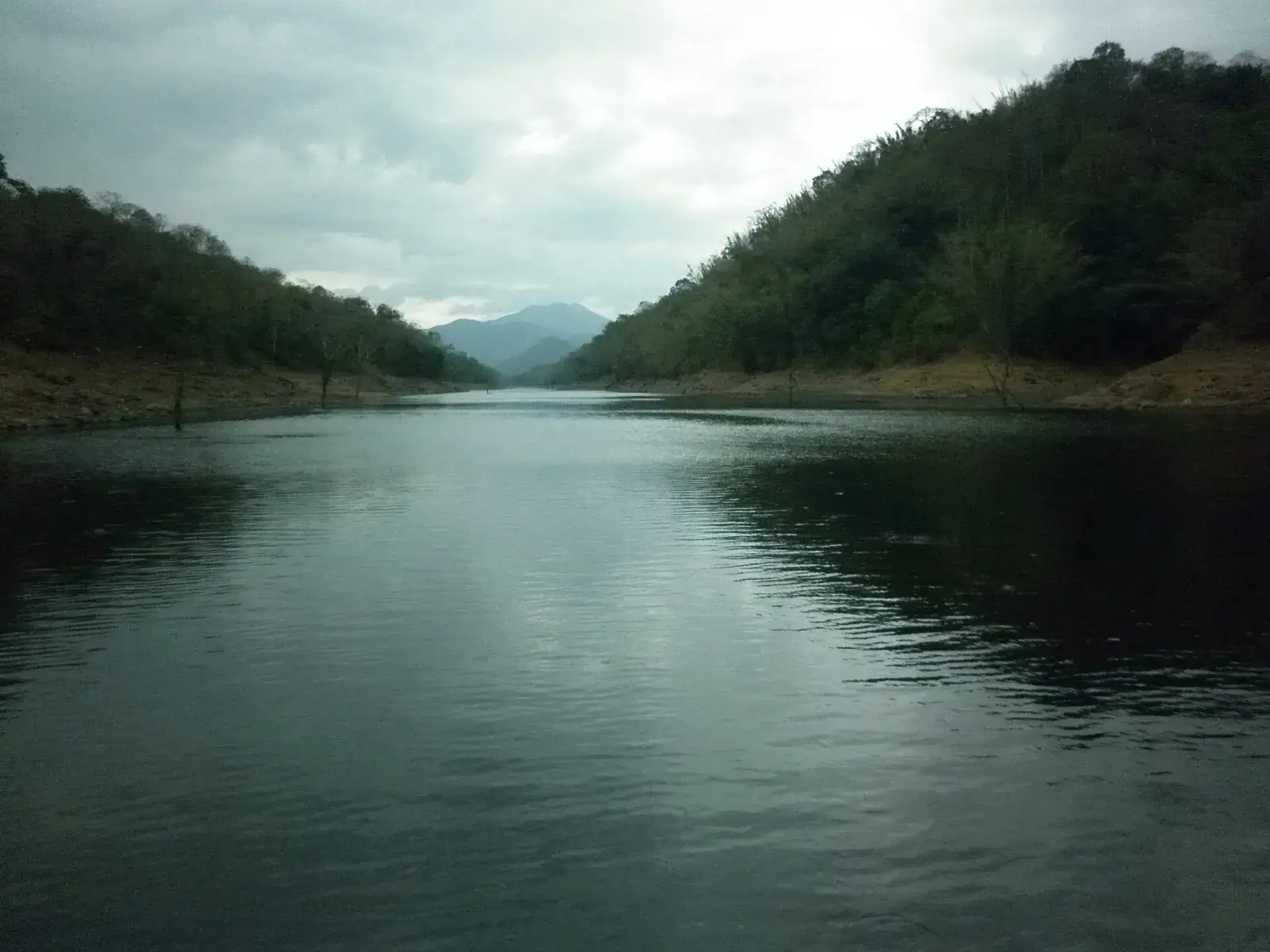
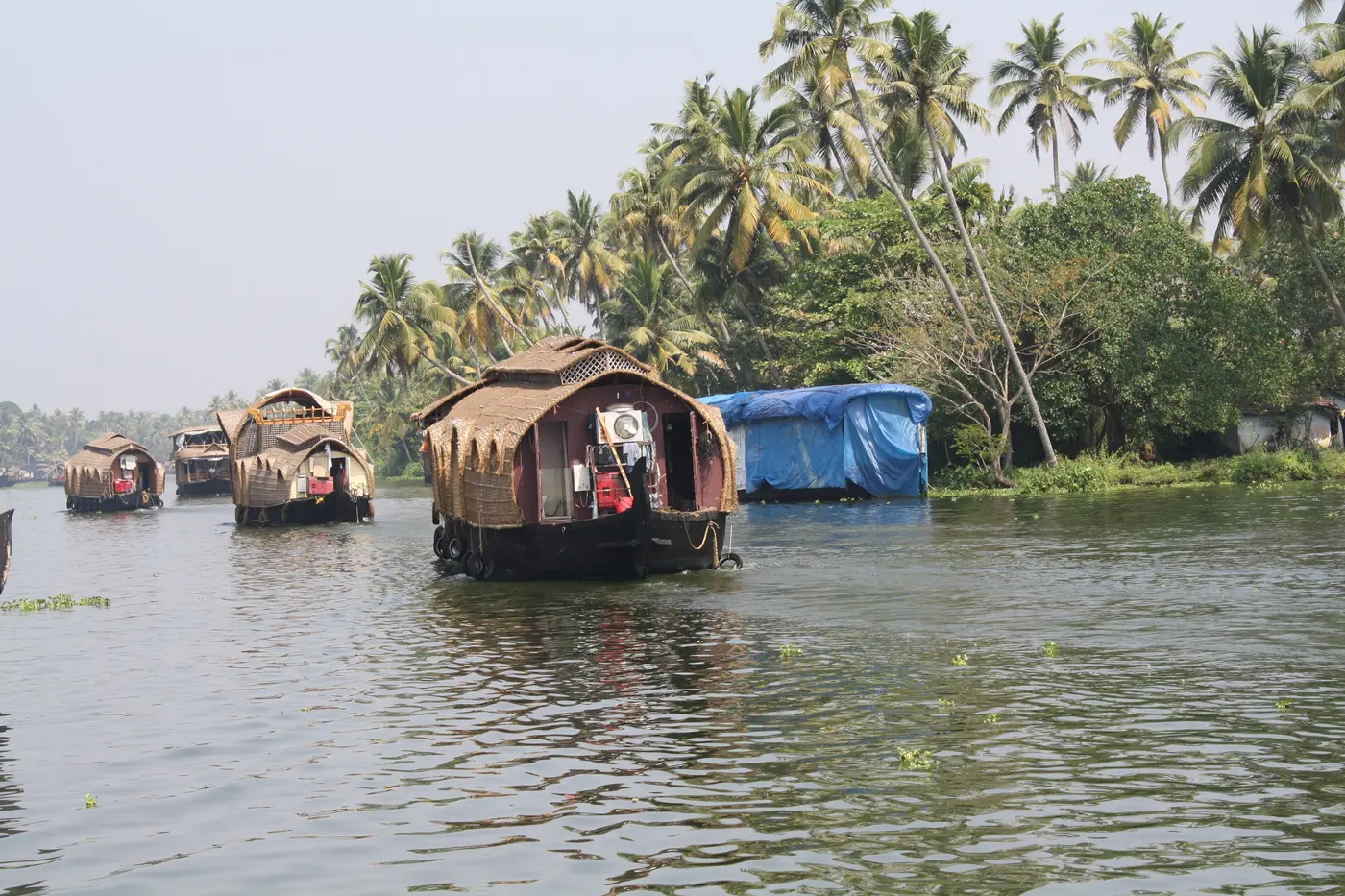
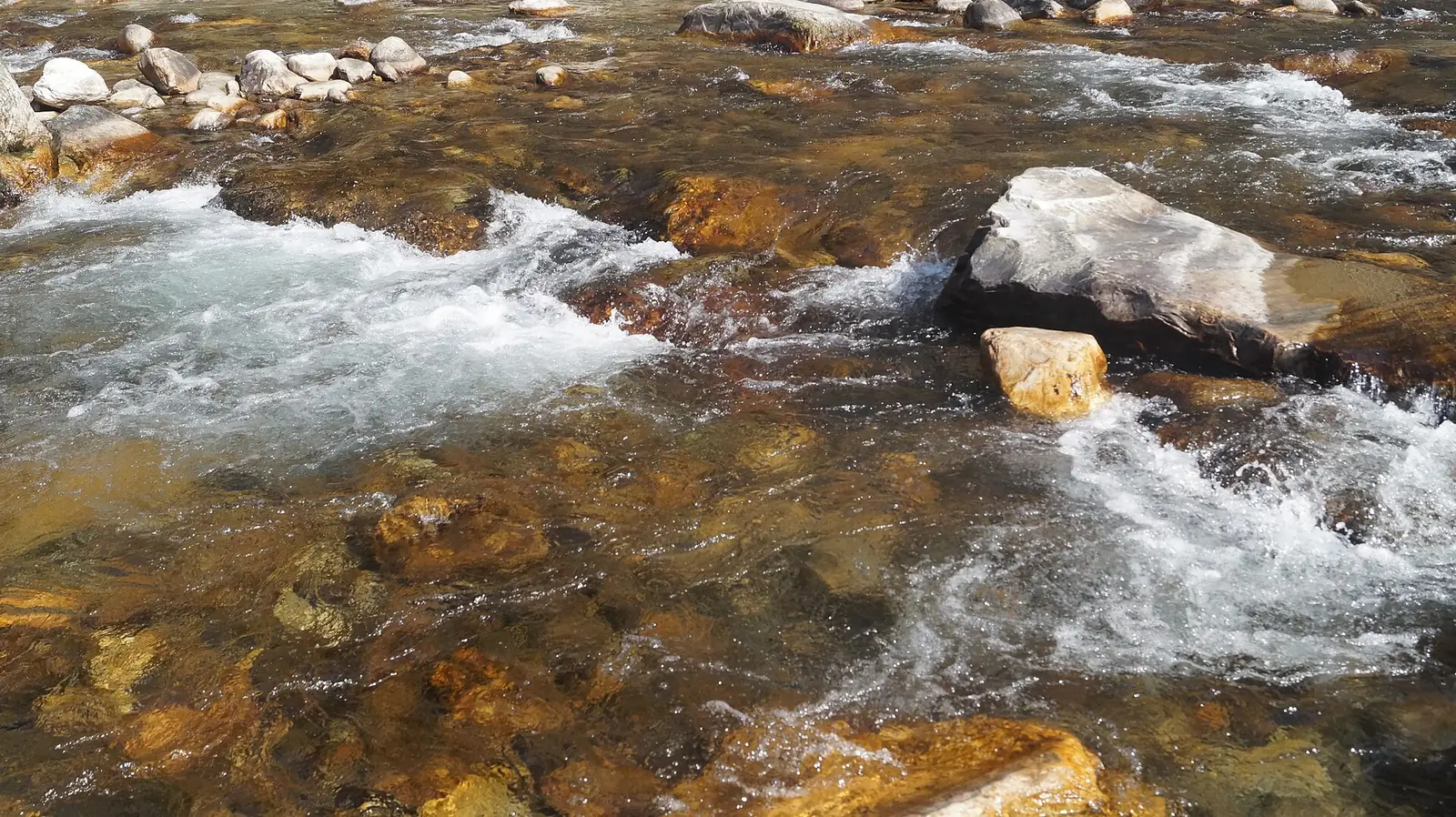
Kerala's backwaters, especially around Kumarakom and Munroe Island, are India's classic waterside retreat. In the hills, the Kumaon lakes and Meghalaya's Umiam offer quieter options. Riverside stays and camps line the Tirthan, the Ganga above Rishikesh and the Kali at Dandeli.
Mountain homestays
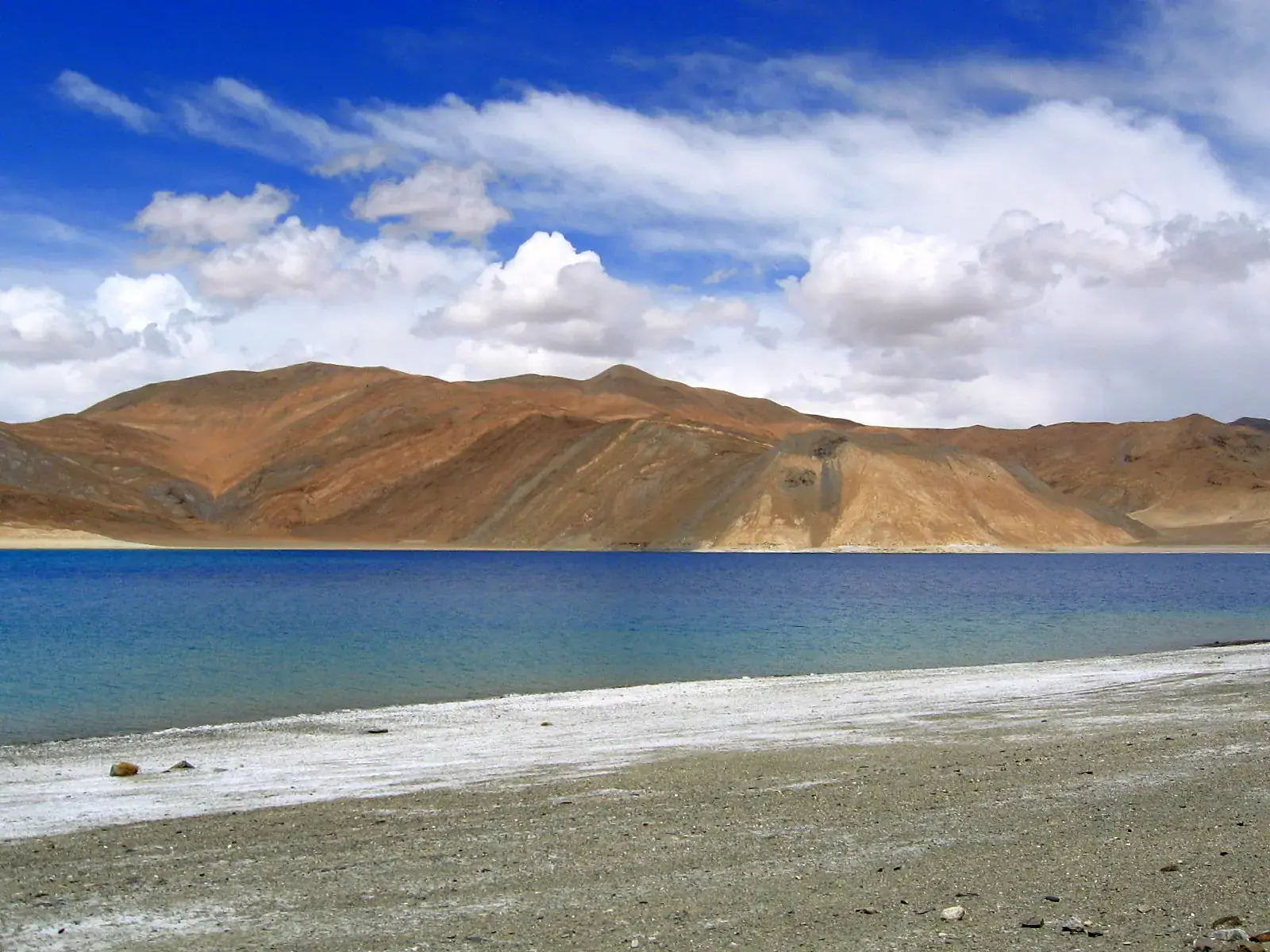
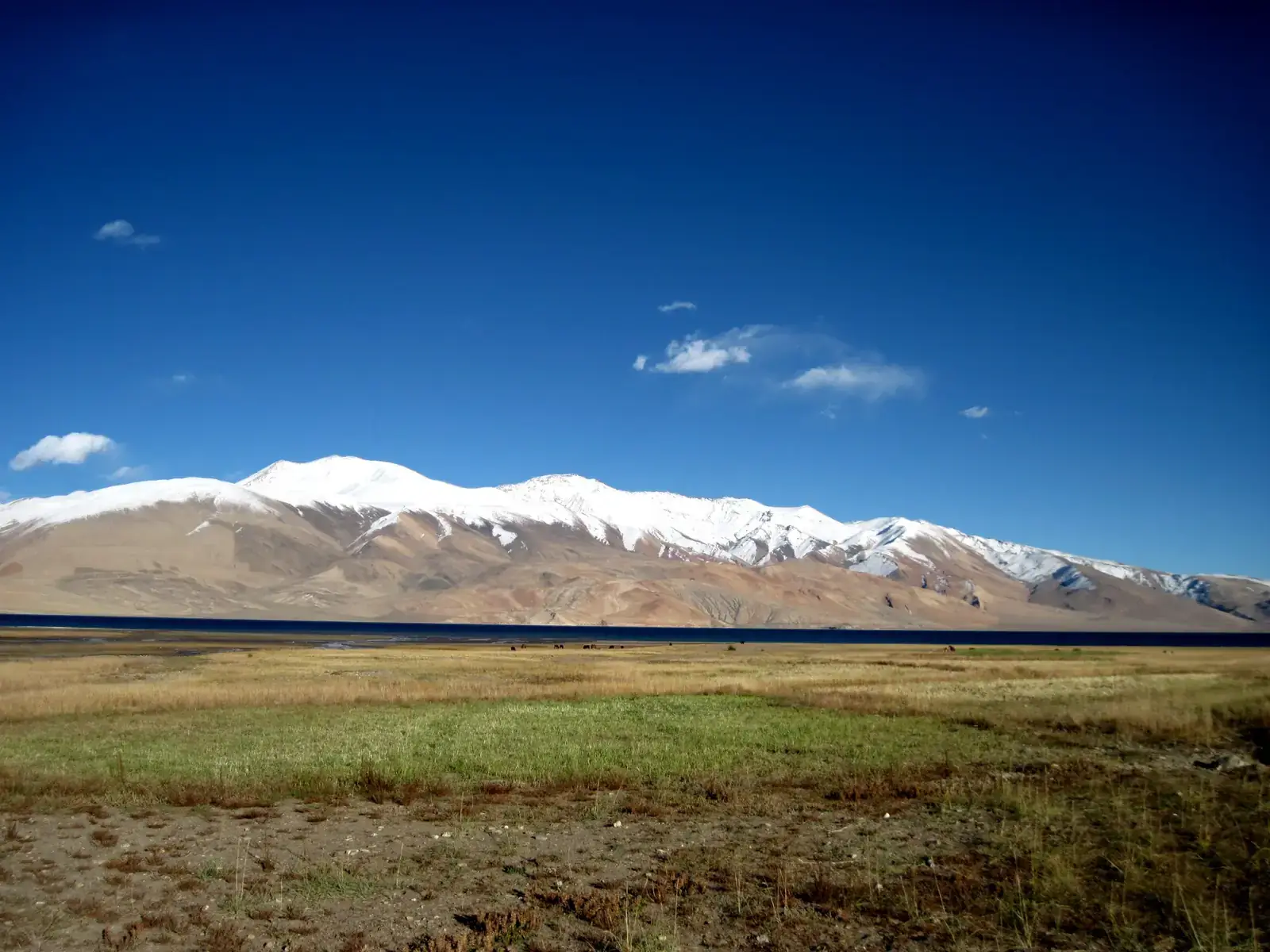
Village homestays in Himachal's Tirthan and Jibhi, Kumaon, Sikkim and Ladakh put you in the landscape and support local families. Rooms are simple, meals are home-cooked, and hosts often double as guides.
Budget and luxury retreats
| Budget | Luxury | |
|---|---|---|
| Typical stays | Homestays, forest rest houses, simple cottages | Lodges, plantation bungalows, boutique resorts |
| What you get | Location, local food, a host | Naturalists, comfort, curated walks |
| Booking | Direct, forest department portals | Direct or through agents |
| Watch for | Basic facilities, patchy power | Eco-claims that are only marketing |
Prices change with the season and with demand, so we do not quote rates. Peak weekends and holidays fill fastest.
How to judge an eco-claim
- Ask how waste and sewage are handled, and whether plastic is avoided.
- Ask where staff come from and whether guides are local.
- Check whether the property is inside or next to a protected area, and whether it follows the rules for that zone.
- Treat labels such as 'eco resort' as a starting point for questions, not proof.
When to go
October to March suits most regions. The monsoon is beautiful in Kerala, Coorg and the Western Ghats if you want rain and quiet; Himalayan retreats are best from March to June and in autumn. Park-edge lodges are busiest in winter and spring.
Safety
- Stay on marked trails and viewpoints, and heed local closures after heavy rain.
- Permits, entry rules, seasonal closures and timings change; check official sources before you go.
- Carry your waste back, avoid loud music and never feed wildlife.
- Check that remote stays have a way to reach help, and share your plans.
What to pack
- Binoculars and a field guide
- Rain jacket
- Insect repellent
- A torch for forest nights
Want the forests, waterfalls and viewpoints woven into one trip?
FAQs
What is a nature retreat?
A stay chosen for its natural setting, such as a forest, plantation, lake, river or mountain, where you spend unhurried time outdoors.
Where are the best nature retreats in India?
Wayanad, Munnar, Thekkady, Coorg, Chikmagalur, the Kerala backwaters, Tirthan, Kumaon, Sikkim and Meghalaya.
Are budget nature retreats worth it?
Often, yes. Homestays and forest rest houses can be in better locations than resorts, with simpler facilities.
How do I know if a stay is really eco-friendly?
Ask specific questions about waste, water, staff and local guides. A label alone is not proof.
Can I work remotely from a nature retreat?
Some stays offer reliable internet, but many remote places have patchy mobile signal. Check before booking.
When should I book forest department rest houses?
As early as bookings open, especially for winter weekends and holidays.