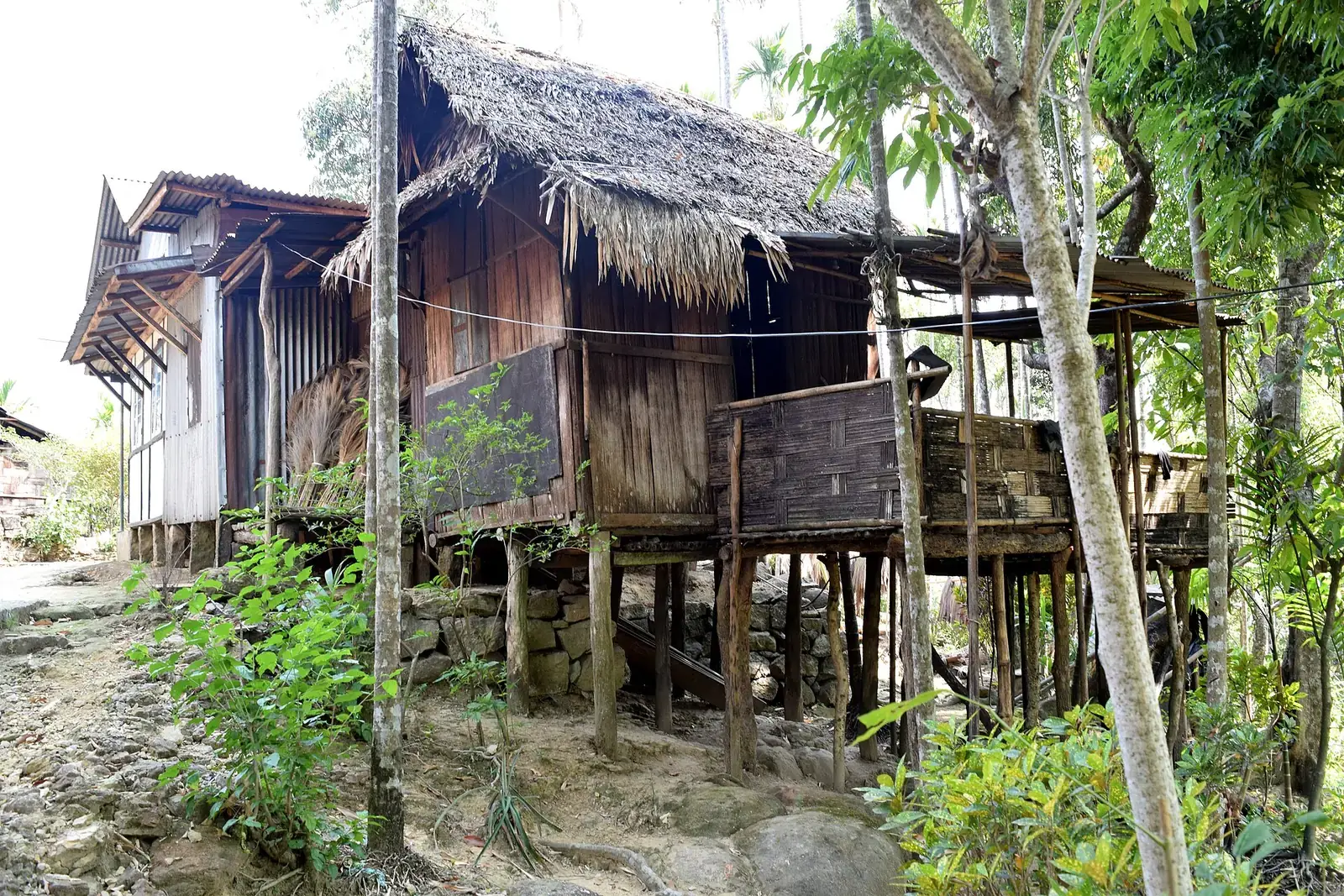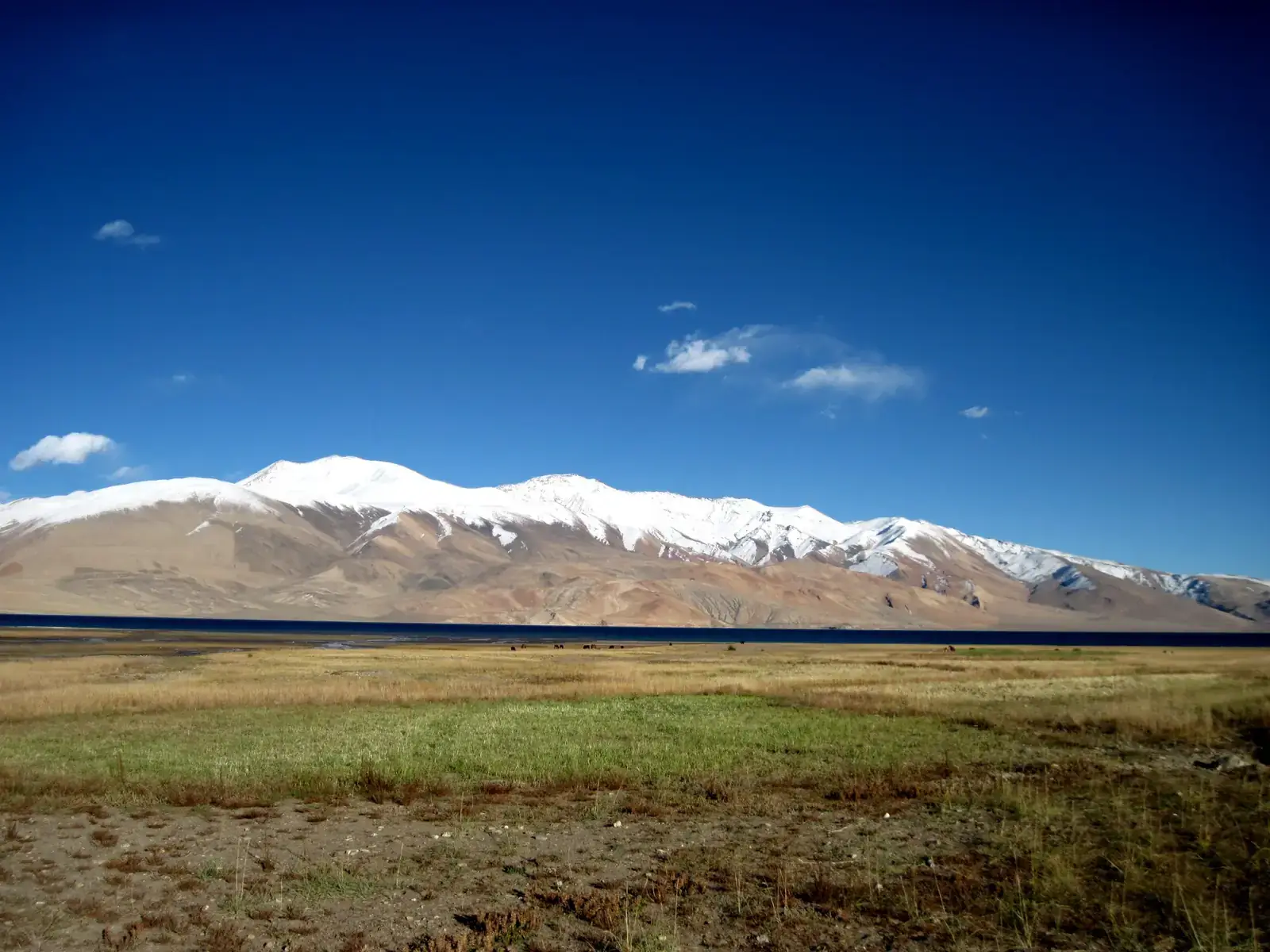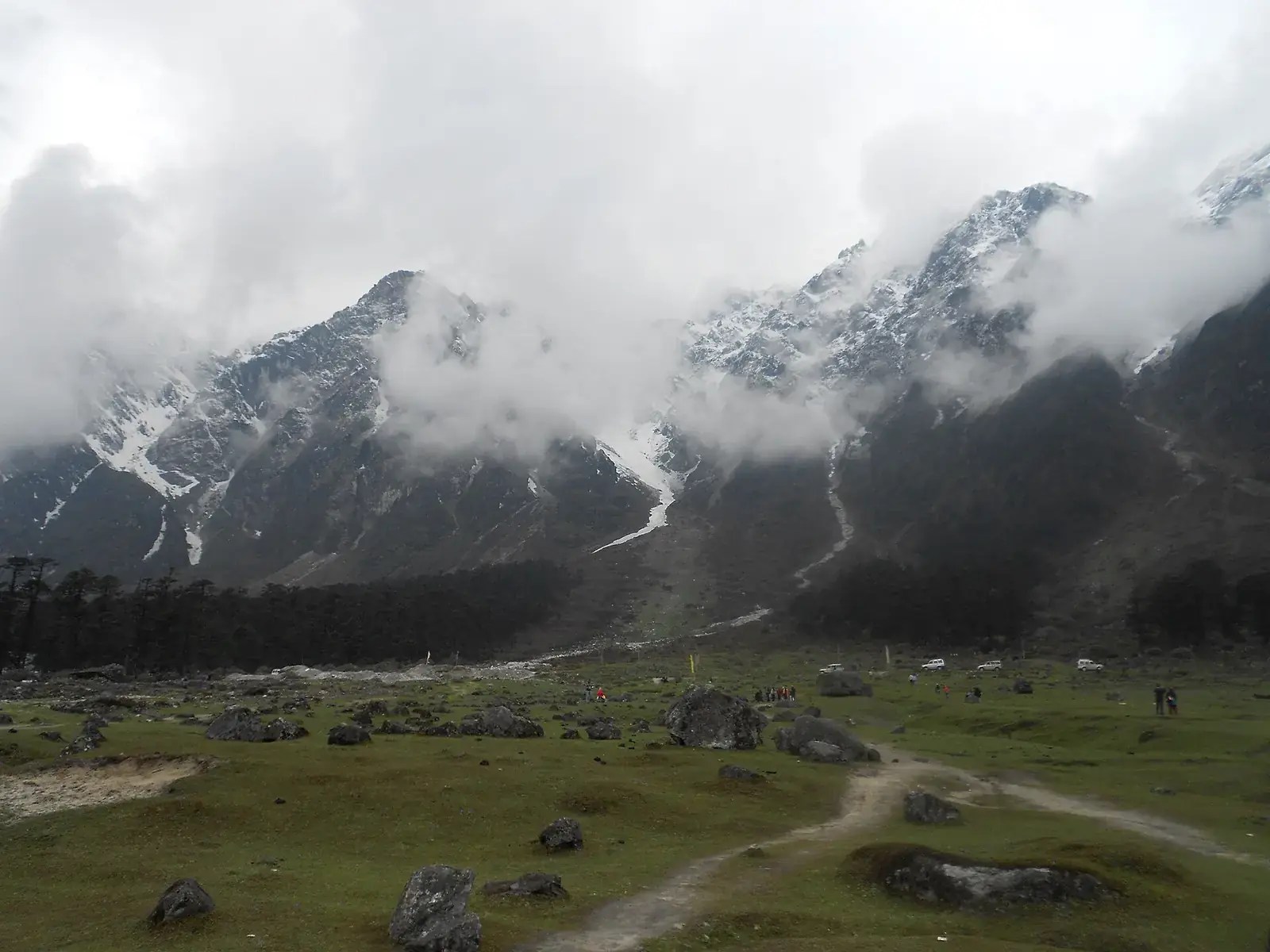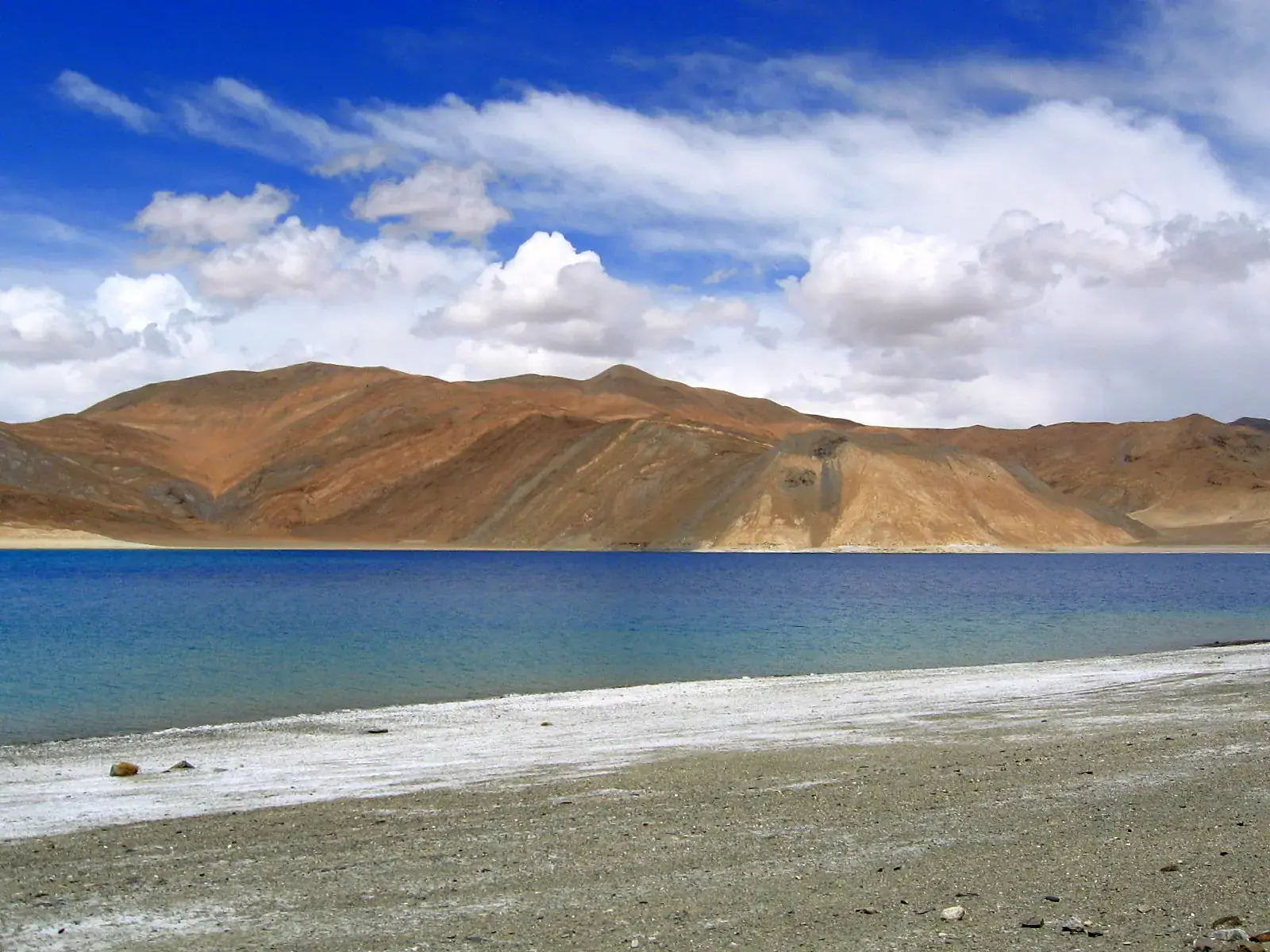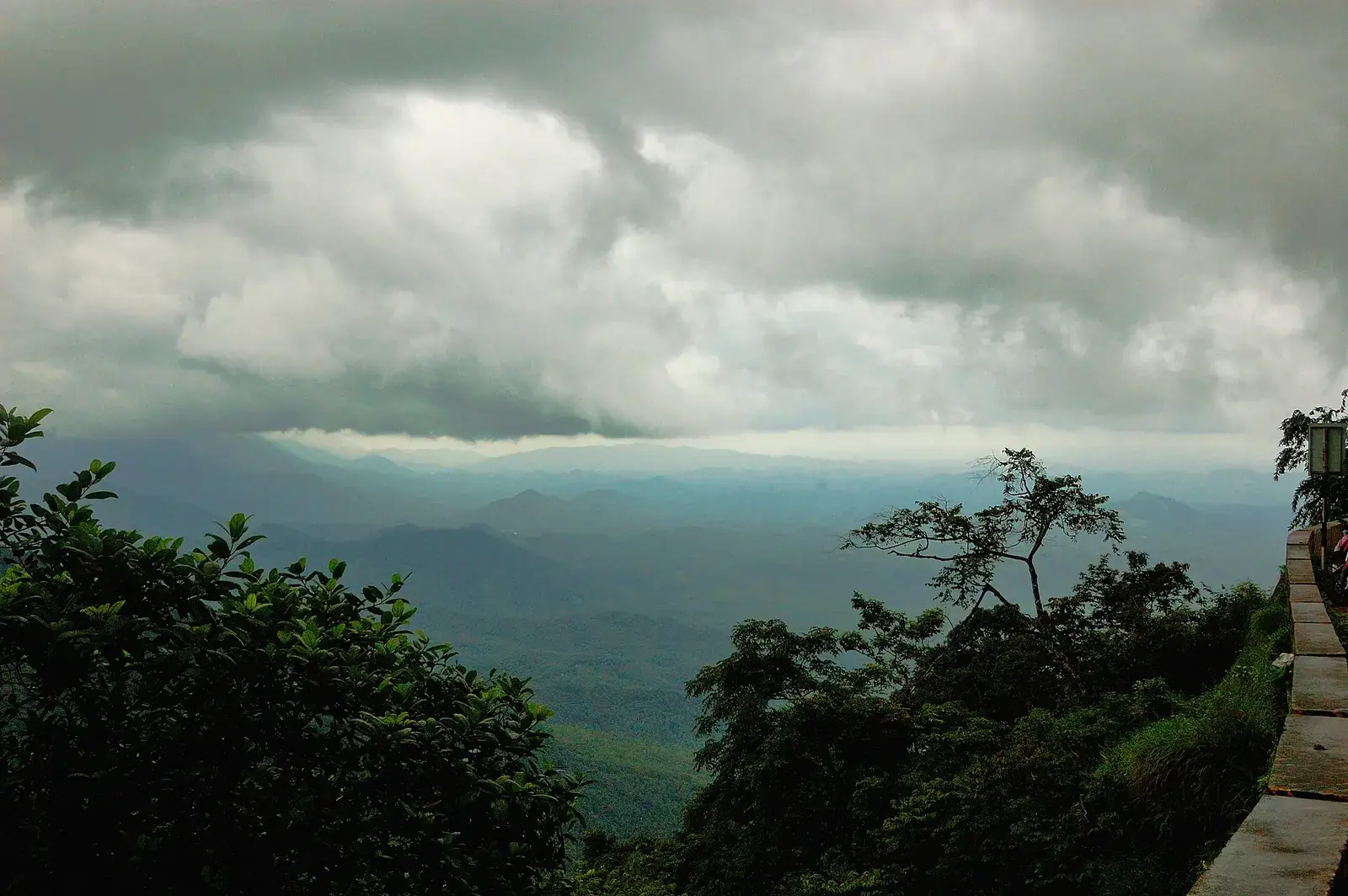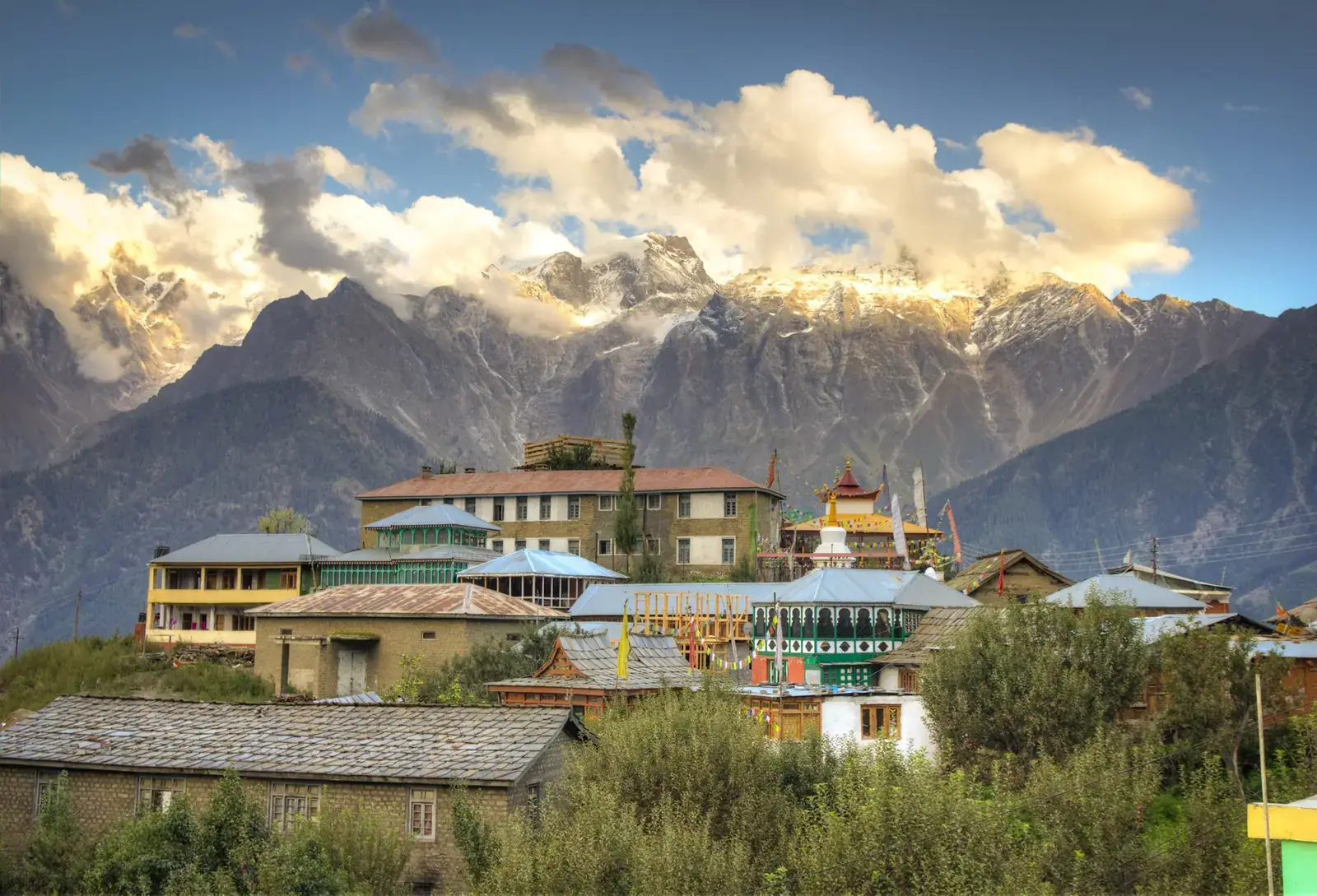
Village tourism means staying in a rural community, usually in a homestay, and experiencing its landscape, farming, food and crafts. In India it ranges from carefully managed community tourism in the Northeast to simple family homestays in the Himalaya and the canals of Kerala.
This guide focuses on villages where nature is a big part of the experience. Our heritage guides cover tribal tourism and crafts in more depth.
Quick answer
The best villages for nature-focused village tourism in India include Mawlynnong in Meghalaya, Khonoma in Nagaland, the Apatani villages of Ziro in Arunachal Pradesh, Chitkul and Kalpa in Kinnaur, Kibber and Langza in Spiti, Turtuk in Ladakh, Munroe Island in Kerala, and Dhordo in Kutch. Pochampally and Dhordo were named UN Tourism Best Tourism Villages. October to April suits most.
Key takeaways
- Stay in homestays and hire local guides so the benefit stays in the village.
- Pochampally (2021) and Dhordo (2023) were named Best Tourism Villages by UN Tourism.
- Many villages set their own rules on photography, plastic and dress; follow them.
- Northeast villages may need Inner Line Permits for Indian visitors in some states.
- Himalayan villages in Spiti and Ladakh are summer destinations; winter access is limited.
Villages for nature lovers at a glance
| Village | State | Landscape |
|---|---|---|
| Mawlynnong | Meghalaya | Forest, root bridge, community cleanliness |
| Khonoma | Nagaland | Terraced fields, community-protected forest |
| Ziro (Hong, Hari) | Arunachal Pradesh | Rice and fish farming valley |
| Chitkul, Kalpa | Himachal Pradesh | Baspa and Sutlej valleys, peaks |
| Kibber, Langza | Himachal Pradesh | Cold desert, fossils |
| Turtuk | Ladakh | Apricot orchards on the Shyok |
| Munroe Island | Kerala | Backwater canals |
| Dhordo | Gujarat | Salt desert edge |
Northeast: community tourism
Mawlynnong
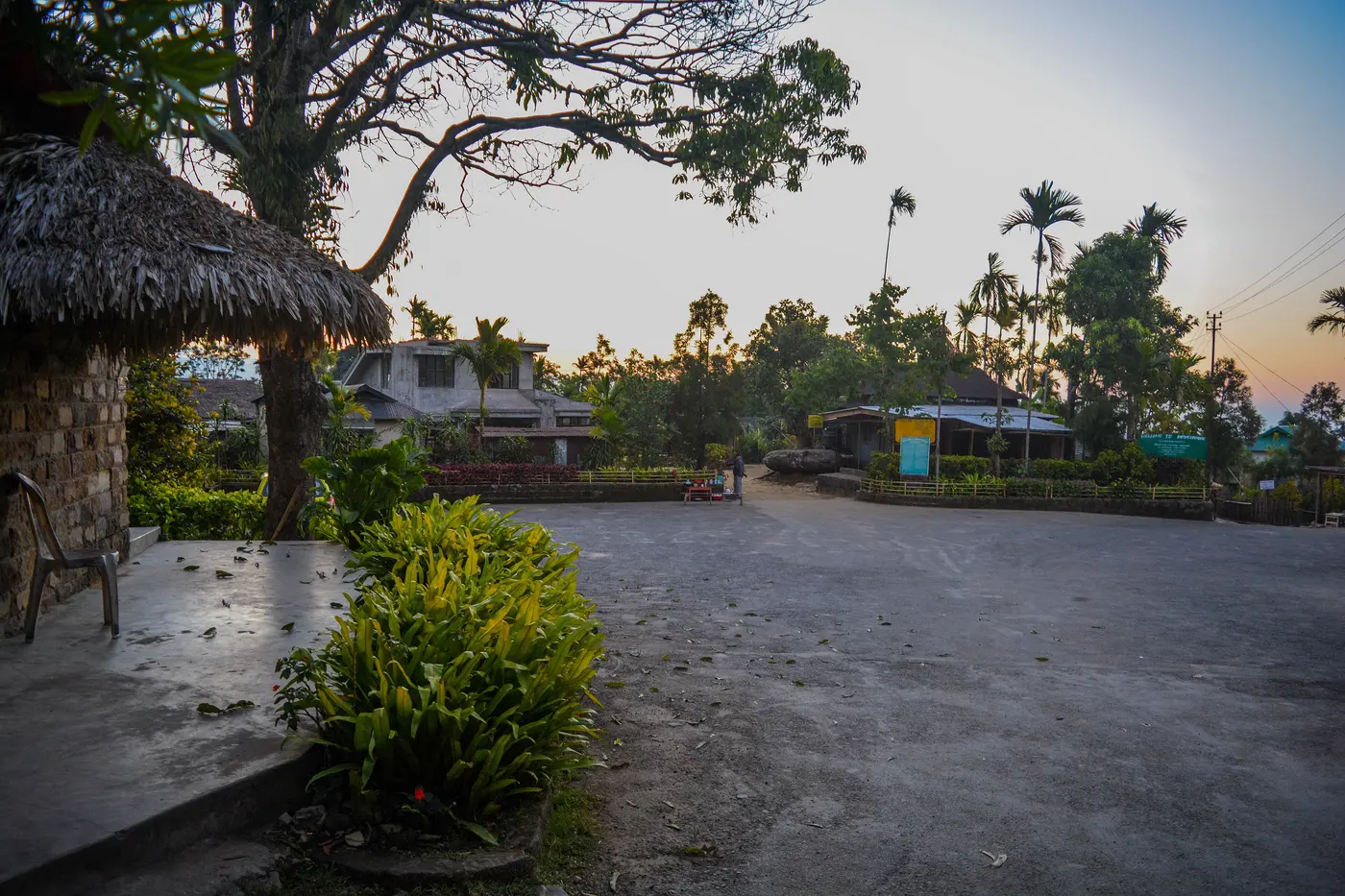
A Khasi village near the Bangladesh border known for its cleanliness, with a root bridge and a balancing rock nearby. It is busy in season, so stay the night to see it quietly.
Khonoma
An Angami village near Kohima whose community banned hunting and set aside forest for conservation. Terraced fields surround the village.
Ziro
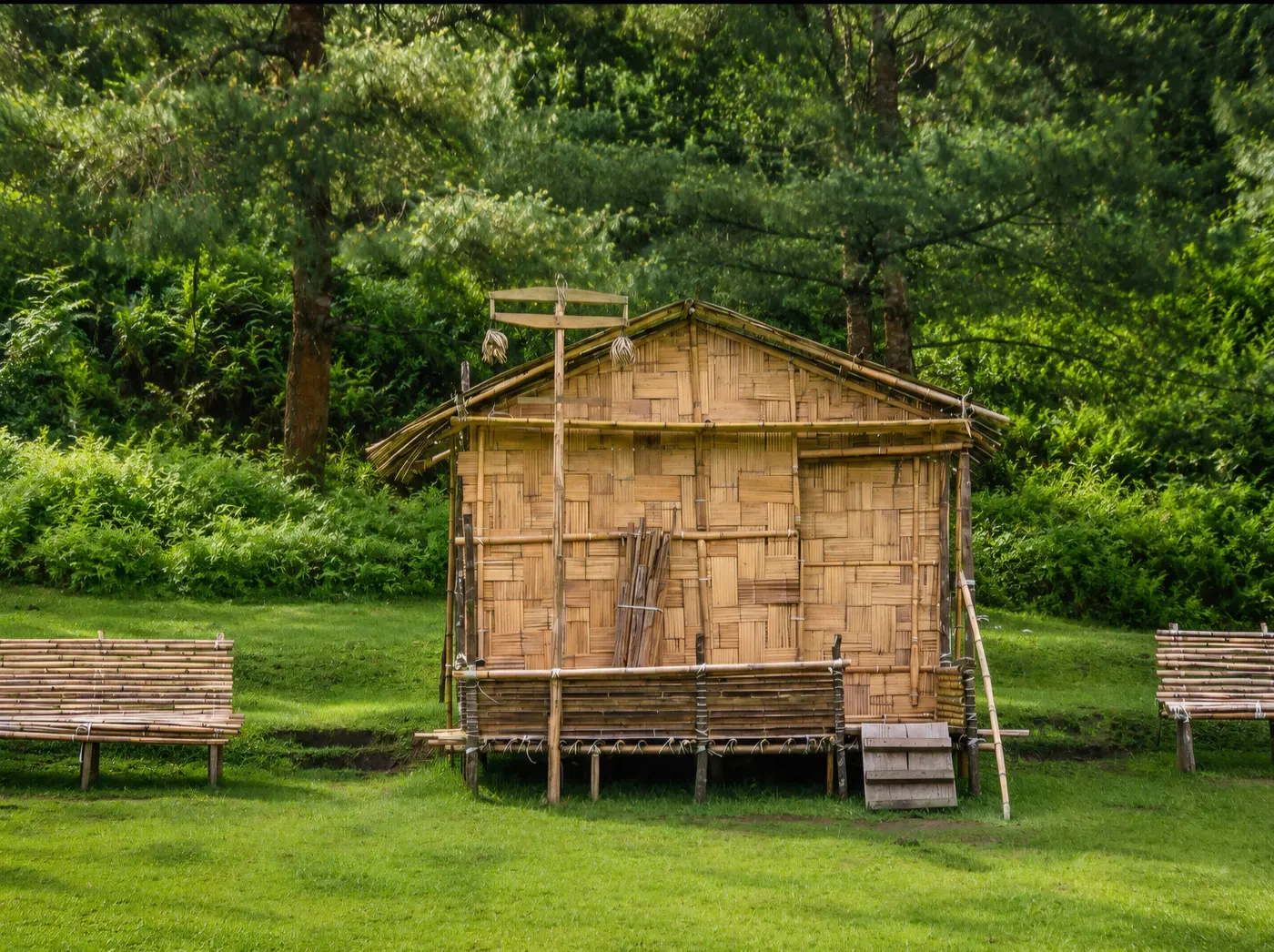
The Apatani people farm rice and fish together in a high valley; villages such as Hong and Hari welcome guided visits.
Himalayan villages
Kinnaur
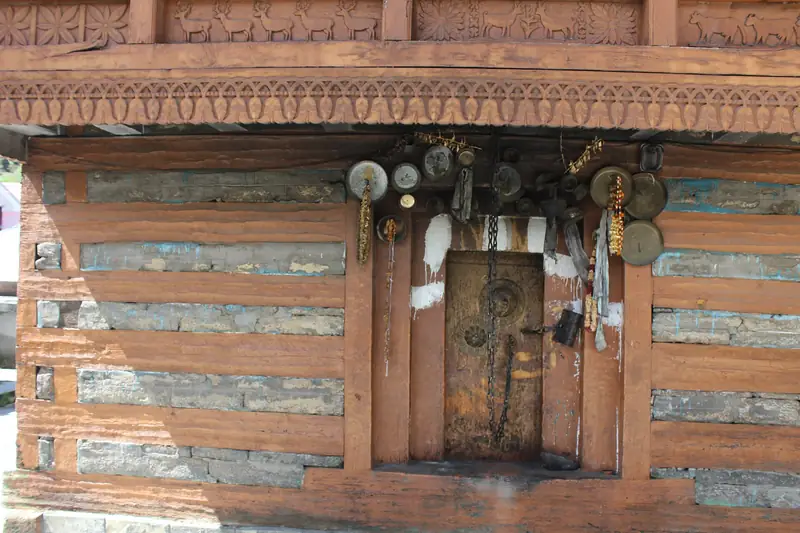
Chitkul, the last village on the Baspa, and Kalpa facing the Kinner Kailash range.
Spiti
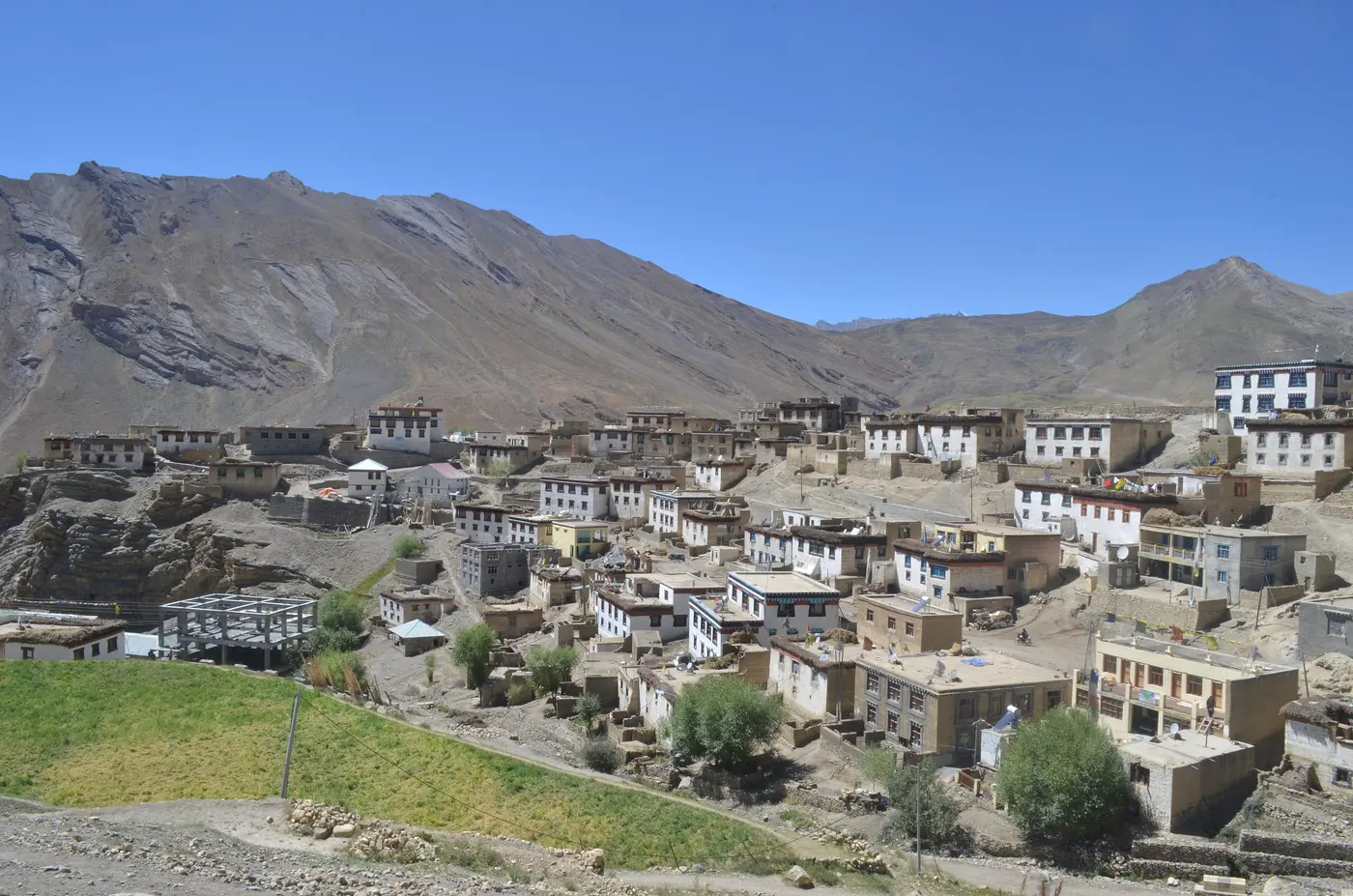
Kibber, Langza and Komic sit high above the valley, with homestays and fossil-rich slopes.
Ladakh and the Parvati valley
Turtuk's apricot orchards on the Shyok, and Tosh above the Parvati river.
Backwaters, deserts and weaving villages
Munroe Island
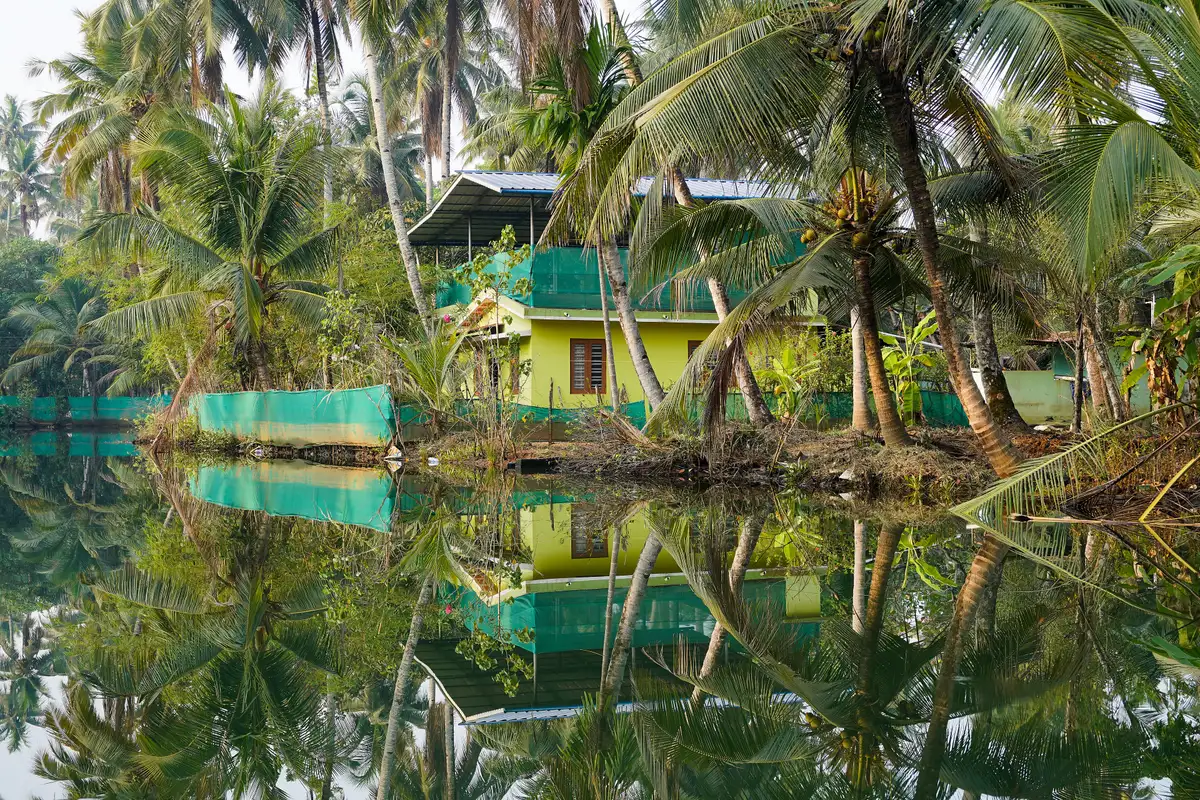
Canals, coir-making and paddy on islets in Ashtamudi lake, seen by country boat.
Dhordo
On the edge of the White Rann in Kutch; named a Best Tourism Village by UN Tourism in 2023.
Pochampally
A handloom village in Telangana known for ikat weaving; named a Best Tourism Village in 2021. It is more a crafts visit than a nature one.
Village etiquette
- Ask before photographing people, homes and rituals.
- Dress modestly and follow local rules at sacred places.
- Pay village entry or guide fees without haggling.
- Avoid plastic and carry your waste back to town.
- Keep noise down, especially at night.
What a village homestay is like
Most village homestays are family homes with one to four guest rooms. Expect clean but simple rooms, shared or basic bathrooms in remote areas, and home-cooked meals at fixed times. Hosts often arrange walks, farm visits or a local guide, and in the Northeast the village council may set the fee. Hot water, power and mobile signal can be patchy, especially in the high Himalaya and the Northeast.
State tourism departments in Kerala, Sikkim, Meghalaya, Uttarakhand and Himachal run homestay registration schemes. A registered homestay is not a guarantee of quality, but it is a useful starting point.
How to choose a village
- Pick a landscape first: forest, rice valley, high desert, backwater or salt desert.
- Check the season; some villages are cut off by snow or rain for months.
- Look for villages with a community body that manages tourism.
- Read recent reviews for notes on access and facilities.
When to go
October to April is best in the Northeast, South and West. The high Himalayan villages of Spiti, Kinnaur and Ladakh are best from May to October; heavy snow cuts many off in winter. Harvest seasons, such as September in Ziro, are especially beautiful.
Safety
- Stay on marked trails and viewpoints, and heed local closures after heavy rain.
- Permits, entry rules, seasonal closures and timings change; check official sources before you go.
- Carry your waste back, avoid loud music and never feed wildlife.
- Carry cash; ATMs and card payments are scarce in villages.
What to pack
- Modest clothing
- Cash in small notes
- Reusable bottle and bag
- A small gift or snacks for hosts, if appropriate
Want the forests, waterfalls and viewpoints woven into one trip?
FAQs
What is village tourism?
Staying in a rural community, usually in a homestay, to experience its landscape, farming, food and culture.
Which are the best villages to visit in India for nature?
Mawlynnong, Khonoma, Ziro, Chitkul, Kalpa, Kibber, Turtuk, Munroe Island and Dhordo.
Which Indian villages are UN Tourism Best Tourism Villages?
Pochampally in Telangana (2021) and Dhordo in Gujarat (2023) are among them.
Is village tourism suitable for families?
Yes, as long as you are comfortable with simple rooms and shared routines.
Do I need permits for villages in the Northeast?
Indian visitors need Inner Line Permits for Arunachal Pradesh, Nagaland, Mizoram and Manipur.
How long should I stay in a village?
At least two nights, so you can walk the area and see daily life.