Why Visit Turtuk?
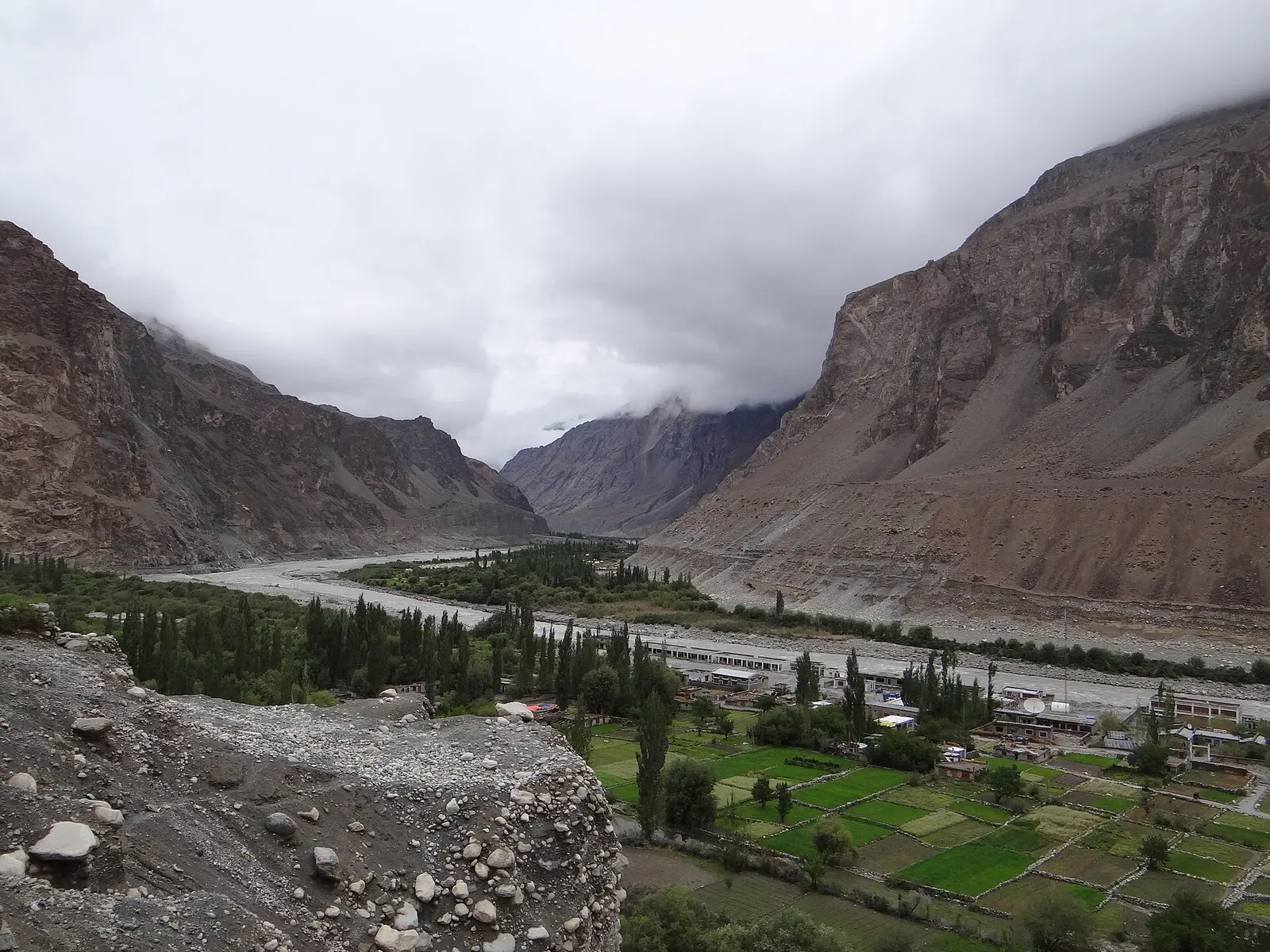
Follow the Shyok River far enough past Hunder and Diskit, beyond the last dunes of Nubra Valley, and the landscape begins to change. The mountains close in, the road narrows to a single lane cut into cliffside, and then — almost without warning — you drop into a green ravine of apricot trees, willow groves, and stone houses stacked one above another like a village carved into the hillside itself. This is Turtuk, the northernmost village in India that civilians can visit, and one of the last places you can stand before the road simply stops at the Line of Control.
Turtuk's story is what makes it unlike anywhere else in Ladakh. Until the 1971 Indo-Pak war, this valley — and the villages of Turtuk, Chalunka, Thang, and Tyakshi — belonged to Pakistan, part of the Baltistan region now known as Gilgit-Baltistan. In a matter of days during the war, the Indian Army pushed across the Shyok and captured this stretch of the valley. Overnight, without moving an inch, the residents of Turtuk became Indian citizens. Many still have relatives across the border in Skardu whom they have never been able to visit, separated by a Line of Control that runs just a few kilometres beyond the village.
Because of its sensitivity as a border area, Turtuk remained a restricted military zone for nearly four decades after the war. It was only in 2010 that the Indian government opened it to tourists — making Turtuk one of the most recently "discovered" corners of India, still refreshingly free of the crowds that have overtaken Pangong and Nubra. What you find here is a distinct Balti Muslim culture, a language and cuisine closer to Baltistan than to Buddhist Ladakh, a stone-and-timber architecture found nowhere else in the region, and orchards of apricots so famous that Ladakhis themselves travel here to buy them.
🍑 Turtuk at a Glance
Love the outdoors? See our guide to village tourism in India.
Best Time to Visit Turtuk
Turtuk sits noticeably lower and warmer than Leh or the Nubra dunes, and its orchards give the seasons a rhythm that most of Ladakh — all rock and cold desert — simply doesn't have. The village is at its most beautiful in two very different windows.
The orchards erupt into white and pale-pink blossom against the bare brown hillsides — arguably Turtuk's most photogenic season. Roads may still be reopening for the year; check Khardung La and Shyok road status before setting out.
The valley is at its greenest — willows and poplars in full leaf, fields terraced with barley and peas. Daytime temperatures reach a pleasant 20–28°C, unusually warm for Ladakh. Comfortable for walking between Farol and Chutang.
Apricots ripen and are laid out to dry on every rooftop in the village, turning entire houses gold. Families are busy but welcoming, and this is the best time to buy fresh and dried apricots directly from growers.
The Khardung La and Shyok route become unreliable or close entirely under snow. Turtuk itself is milder than Leh in winter, but getting there is impractical for most visitors — this is a village best saved for the warmer months.
Our pick: Mid-August. The apricot harvest is in full swing, rooftops are covered in drying fruit, the weather is warm and settled, and you can combine Turtuk with the Nubra dunes and Diskit monastery without fighting peak-July crowds.
How to Reach Turtuk
Turtuk is not a standalone destination — it's an extension of a Nubra Valley trip, tacked onto the far end of the Shyok river road. There is exactly one practical way in: by road from Leh, via Khardung La and the Nubra Valley.
- From Leh: ~205 km, 7–8 hours of driving. Route: Leh → Khardung La (5,359 m) → Khalsar → Diskit → Hunder → Turtuk, following the Shyok River valley for the final stretch. Almost nobody attempts this in one day — split it across an overnight in Nubra.
- From Hunder / Diskit (recommended): Turtuk is best treated as a day trip or overnight extension from your Nubra Valley base. Hunder to Turtuk is about 85 km (2.5–3 hours) along a scenic but sometimes narrow road that hugs the Shyok's banks.
- Road condition: Mostly a single-lane tarmac road, well-maintained by the Border Roads Organisation but with stretches of loose gravel and landslide-prone cliffs, especially after Chalunka. A sturdy SUV or a well-prepared bike is recommended; avoid driving after dark.
- Vehicle: Shared taxis run irregularly from Hunder and Diskit; most visitors hire a private cab or come with their own Nubra rental. There is no public bus service reliable enough to plan around.
Permits & the Border Zone
Turtuk sits inside one of the most sensitive stretches of territory in Ladakh — the ceasefire line with Pakistan runs just a handful of kilometres beyond the village, and the Indian Army maintains a visible presence throughout the valley. Treat the permit and conduct rules here more seriously than anywhere else on a standard Ladakh itinerary.
Inner Line Permit (ILP)
Protected Area Permit (PAP)
📋 Border-zone etiquette
Farol & Chutang — The Two Halves of Turtuk
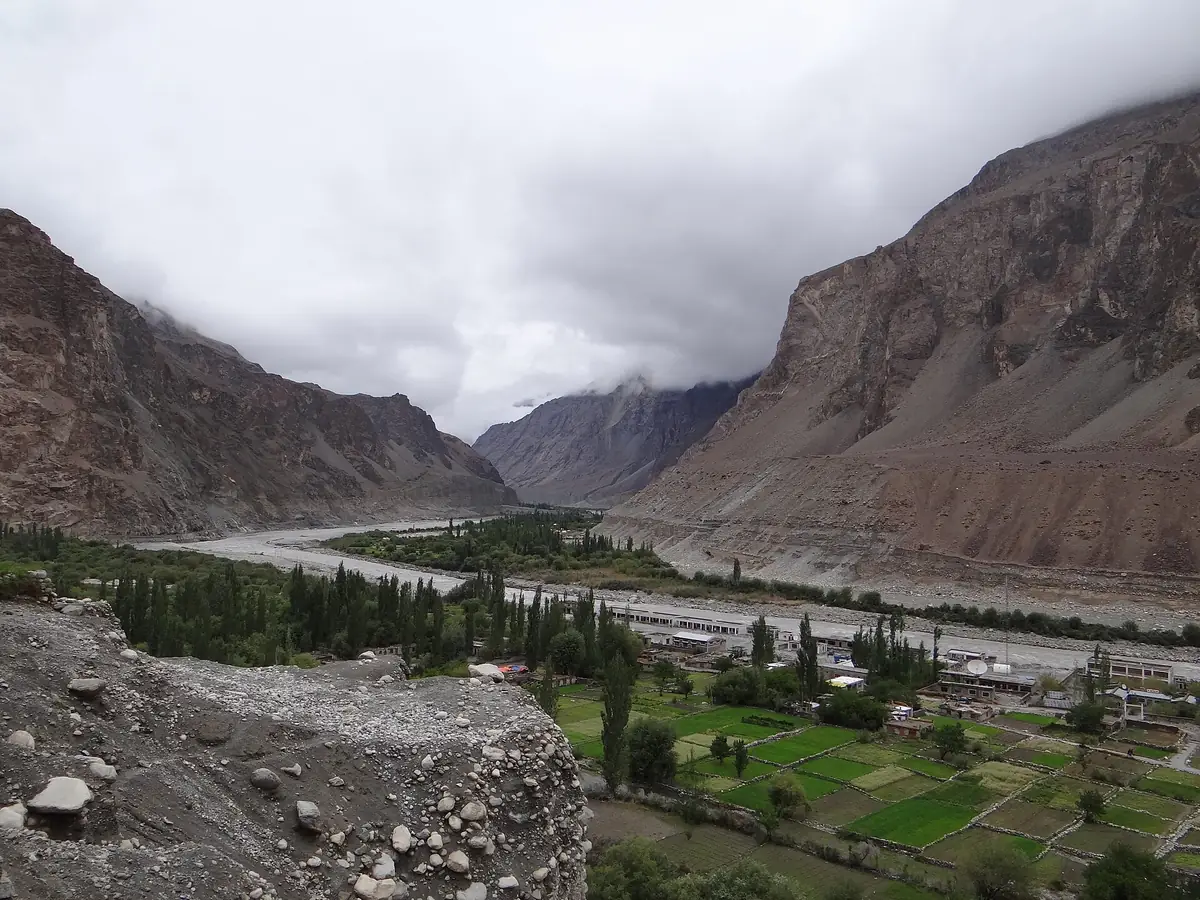
Turtuk is really two villages in one, split by the churning grey-green waters of the Shyok River and connected by a single narrow footbridge. On the near side is Farol, the "new" village — younger, with most of the homestays, the main road access, and the small bazaar. Across the bridge is Chutang, the older settlement, its stone houses stacked steeply up the hillside along paths too narrow for any vehicle, connected by irrigation channels that have carried glacial meltwater to the terraced fields for centuries.
Walking from Farol into Chutang is the single best way to spend a few unhurried hours in Turtuk. The footbridge itself, strung across the Shyok's cold rush, is a small thrill in itself. On the far side, the lanes climb past apricot trees heavy with fruit in summer, water channels diverted skilfully around every house, and elderly residents who will often invite you in for a cup of butter tea or apricot juice with no expectation beyond genuine hospitality.
Balti Culture, Language & Architecture
Everything about Turtuk signals that you have crossed into a different cultural world from the rest of Ladakh. The people here are Balti, an ethnic group with roots in Baltistan (now part of Gilgit-Baltistan, administered by Pakistan), and the overwhelming majority practice Islam — specifically the Nurbakshi order, a Sufi-influenced school found almost nowhere else in India outside this valley. This stands in sharp contrast to the Tibetan Buddhist culture — gompas, prayer wheels, chortens — that defines the rest of Ladakh just a few valleys over.
The Balti language, related to Tibetan but written historically in a Perso-Arabic script, is still spoken at home, alongside Urdu and Ladakhi. Village mosques, simple and unadorned compared to the ornate gompas elsewhere in the region, anchor daily life. Women in Turtuk often wear a distinct woollen headscarf, and dress customs here are noticeably more conservative than in Leh — a detail worth knowing before you pack.
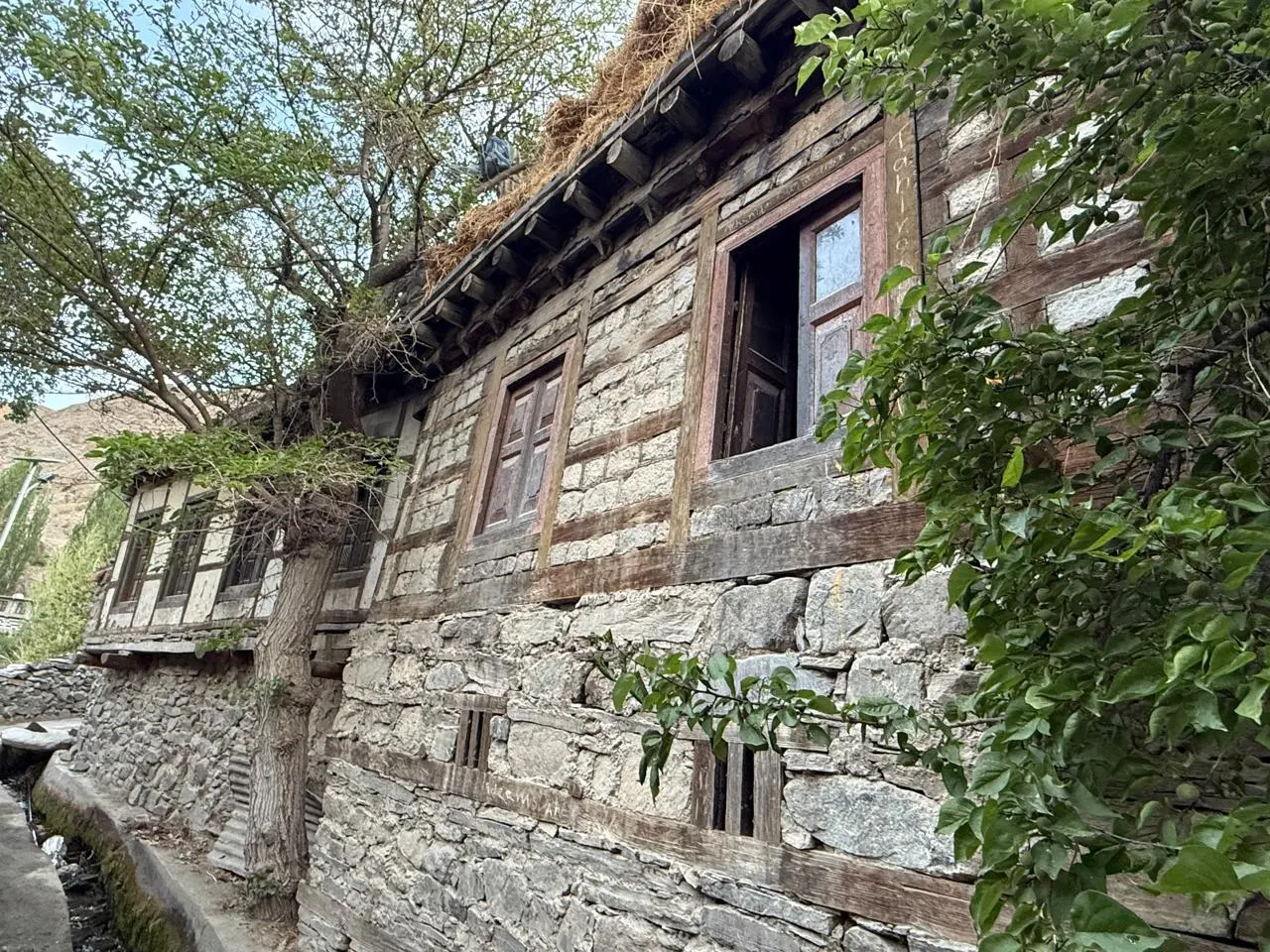
Architecturally, Turtuk breaks every rule you've learned elsewhere in Ladakh. Houses are built from rough, mortared stone with intricately carved wooden window frames and balconies — a Baltistani style closer to what you'd find in Skardu or Hunza than anything in Leh. Multi-storey homes are stacked into the hillside with irrigation channels threaded between them, apricot-wood beams supporting flat roofs used for drying fruit, and narrow stone stairways worn smooth by generations of footsteps.
Turtuk Heritage Museum
Near the centre of Farol, a restored traditional Balti house has been converted into a small heritage museum, run by a local family descended from the erstwhile royal lineage of the region. It's an unpretentious, deeply personal space rather than a formal institution — a few rooms filled with centuries- old artefacts: hand-woven Balti textiles, cooking utensils, farming tools, old manuscripts, coins, and photographs documenting the village's unusual political history.
What makes a visit worthwhile isn't the collection so much as the conversation. The family who maintains the museum is often on hand to explain Turtuk's story firsthand — what it meant to wake up as a different nationality overnight in 1971, and what everyday life looks like in a village still shadowed by an international border. Entry is by a modest donation, and the half hour you spend there will likely teach you more about Turtuk than anywhere else in the village.
The Apricot Orchards
If Nubra Valley is known for its dunes, Turtuk is known for its apricots — and with good reason. The valley's microclimate, warmer and more sheltered than most of Ladakh, supports orchards of apricot, apple, walnut, and mulberry trees that seem almost implausible against the surrounding rock and scree. Locals will tell you, without much exaggeration, that Turtuk's apricots are the sweetest in Ladakh.
In high summer the orchards are heavy with fruit, and by August entire rooftops across the village turn gold with apricots laid out to dry in the sun — one of the most striking sights in Turtuk, and a genuine photographer's delight. Villagers press the kernels for a distinctive apricot oil, used in cooking and traditional skincare, and dried apricots, apricot jam, and apricot oil are sold directly from homes at a fraction of what you'd pay in a Leh souvenir shop.
Where to Stay in Turtuk
There are no hotels in Turtuk, and that's precisely the point. Accommodation here means homestays — simple rooms in local Balti houses, often run by the same families who tend the orchards you'll be walking through. A night in a Turtuk homestay, sharing a meal cooked by your hosts, is consistently rated by visitors as one of the most memorable parts of a Ladakh trip.
- → Family-run homes in Farol
- → Shared bathrooms, simple bedding
- → Home-cooked Balti breakfast & dinner included
- → Best for cultural immersion
- → Attached bathrooms, hot water on request
- → Orchard-view rooms
- → Balti Heritage Guest House
- → Snow Leopard Guest House (Farol)
- → A handful of small guesthouses near the bazaar
- → Occasional riverside tented setups (seasonal)
- → Book ahead in peak August season
- → Limited beds — Turtuk is genuinely small
Because Turtuk has very few beds overall, homestays fill up quickly in August. Book ahead through your Nubra driver/guide or directly by phone where possible — walk-in availability during peak season is not guaranteed.
What to Eat in Turtuk
Balti cuisine is distinct from the Tibetan-influenced food found elsewhere in Ladakh — closer in spirit to the food of Baltistan and the wider Gilgit region, built around wheat, apricots, and dairy rather than barley and yak butter.
- Kisir: A traditional Balti bread made from wheat or buckwheat flour, often cooked over an open hearth — the everyday staple in most Turtuk households.
- Apricot everything: Fresh apricots in season, dried apricots year-round, apricot juice, apricot jam, and cold-pressed apricot oil — all sold directly from homes and genuinely some of the best you'll taste in India.
- Balti Khambir: A dense, slightly sour leavened bread, usually eaten with butter tea or apricot jam at breakfast.
- Prapu / local greens: Wild and cultivated greens cooked simply with local butter or oil, a staple side dish in most homestay meals.
- Butter tea (Gur Gur Chai) & apricot kernel tea: Salted butter tea is common as elsewhere in Ladakh, but many Turtuk homes also serve a lightly nutty tea infused with roasted apricot kernels — worth asking for.
- Homestay meals: Almost all dining in Turtuk happens inside homestays — expect a simple, hearty thali of rice or kisir, seasonal vegetables, dal, and whatever fruit is in season, cooked fresh for you by your hosts.
Budget Breakdown for a Turtuk Visit
Turtuk is inexpensive by design — there's little to spend on beyond homestay accommodation, meals, transport, and a few kilos of apricots to carry home.
| Expense | Budget | Mid-Range | Comfort |
|---|---|---|---|
| Homestay/night (with meals) | ₹800 | ₹2,000 | ₹4,000 |
| Local transport/day | ₹0 (walking) | ₹500 | ₹1,500 |
| Vehicle hire from Hunder/Diskit (return) | ₹2,500 | ₹3,500 | ₹5,000 |
| Museum donation | ₹50 | ₹100 | ₹200 |
| Apricots & local produce | ₹200 | ₹500 | ₹1,000 |
| Daily total (approx, excl. vehicle) | ₹1,050 | ₹2,600 | ₹5,200 |
* Excludes ILP fees (bundled with your wider Nubra permit) and the cost of your main Leh–Nubra vehicle, which most travellers already have as part of a larger Ladakh trip.
Essential Travel Tips for Turtuk
- Dress modestly: Turtuk is a conservative Muslim village, distinct from the rest of Ladakh. Cover shoulders and knees, and women may want to carry a light scarf, especially near the mosque and when entering homes.
- Ask before photographing people: As anywhere, but especially here — always ask before photographing villagers, and never photograph army posts, bridges under military watch, or checkpoints.
- No alcohol in the village: Out of respect for local religious practice, avoid carrying or consuming alcohol openly in Turtuk.
- Carry cash: There are no ATMs in Turtuk. Withdraw everything you'll need in Leh or Diskit before heading out — homestays, the museum, and local purchases are all cash-based.
- Patchy connectivity: Mobile signal is weak to non-existent through much of the valley. BSNL has the best (still limited) coverage. Tell someone your plan before you go and don't rely on being reachable.
- Respect the border proximity: This is an active, sensitive frontier — Army personnel are a routine part of daily life here. Cooperate calmly with any checks, don't linger past Tyakshi, and don't fly drones under any circumstances.
- Give the village your time, not just a stop: Most tourists treat Turtuk as a photo-and-lunch stop on a Nubra day trip. Staying even one night in a homestay transforms the experience entirely — you'll eat with the family, hear the real history of 1971 firsthand, and see the village at dawn before any day-trippers arrive.
✅ Do
- →Stay a night in a homestay, not just a day-trip stop
- →Walk across the footbridge into Chutang village
- →Visit the Turtuk Heritage Museum and talk to the family
- →Buy apricots and apricot oil directly from villagers
- →Dress modestly and cover shoulders/knees
- →Carry your ILP and ID at all times
- →Ask permission before photographing people
❌ Don't
- →Travel without your ILP covering the Nubra/Turtuk sector
- →Fly drones anywhere near the village or the LOC
- →Photograph army posts, bunkers, or checkposts
- →Carry or consume alcohol openly in the village
- →Wander past Tyakshi toward the restricted zone
- →Assume ATMs or reliable signal will be available
- →Rush through in an hour without meeting anyone
Frequently Asked Questions
How many days do I need to visit Turtuk?
A day trip from Hunder or Diskit works for a taste of the village, but staying at least one night in a homestay transforms the experience — you'll eat with the family, hear the 1971 border history firsthand, and see the village at dawn before day-trippers arrive.
What is the best time to visit Turtuk?
Mid-August is the pick — the apricot harvest is in full swing with rooftops turning gold with drying fruit, the weather is warm and settled, and it can be combined with the Nubra dunes without fighting peak-July crowds. Turtuk is impractical to visit November through March, when the Khardung La and Shyok route become unreliable or close under snow.
How do I reach Turtuk from Leh?
It's about 205 km and 7–8 hours of driving from Leh via Khardung La and the Nubra Valley — almost nobody attempts this in one day. Most visitors treat Turtuk as a day trip or overnight extension from a Nubra Valley base instead: Hunder to Turtuk is about 85 km (2.5–3 hours).
Do I need a permit to visit Turtuk?
Yes. Indian nationals need an Inner Line Permit (ILP) covering the Turtuk/Nubra sector specifically — a Pangong-only ILP won't cover this route. Foreign nationals need a Protected Area Permit (PAP) arranged through a registered Leh tour operator and must travel in a group of two or more with a licensed guide.
Is Turtuk safe to visit?
Yes, it's open to tourists and welcoming, but it sits inside a sensitive border zone with the ceasefire line just a few kilometres beyond the village. Practical rules apply: no photographing army installations or checkposts, no drones, carry ID and permits at all times, and don't wander past Tyakshi toward the restricted zone.
What is the budget for a Turtuk trip?
Turtuk is inexpensive by design — a daily budget (excluding your main Leh–Nubra vehicle) runs from roughly ₹1,050 at the budget tier up to ₹5,200 at the comfort tier, covering a homestay with meals, local transport, the heritage museum donation, and apricots to take home.
What makes Turtuk different from the rest of Ladakh?
Turtuk is a Balti Muslim village — a distinct culture, language, and stone-and-timber architecture closer to Baltistan than to the Tibetan Buddhist culture found elsewhere in Ladakh. It belonged to Pakistan until the 1971 war and was only opened to tourists in 2010, making it one of the most recently accessible corners of India.
Published by the Kudozz Club editorial team · Last updated · How we research our guides
Want us to plan this trip for you?
Tell Kudozz Club where you want to go and what kind of trip you’re looking for. We’ll build a Turtuk and Ladakh itinerary around your dates and budget.
Continue Exploring
View all guides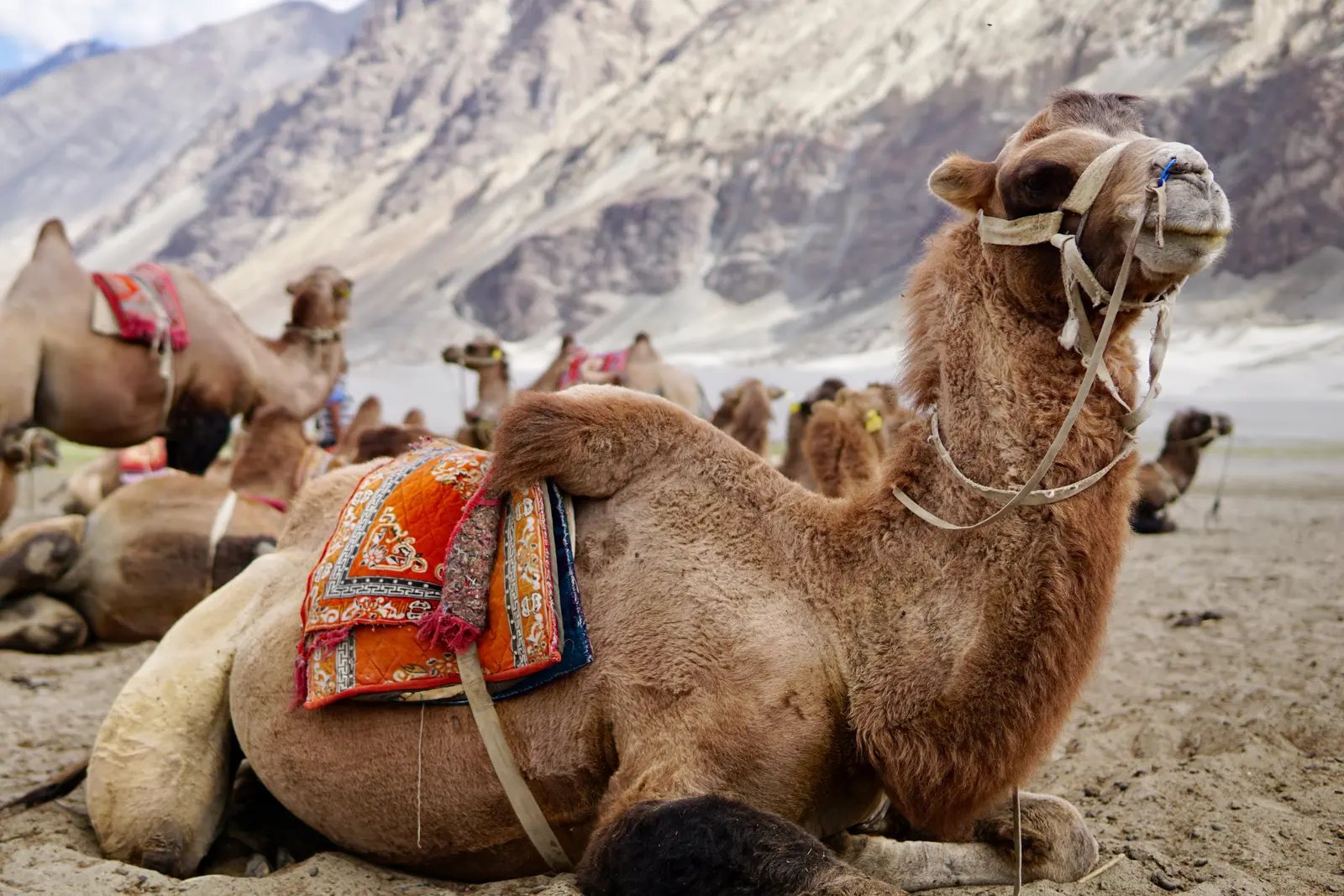 Off-beat
Nubra Valley Travel Guide: Sand Dunes, Camels & Cold Desert
Cross the world's second-highest motorable pass into a valley where sand dunes meet snow peaks, Bactrian camels roam ancient Silk Route trails, and a 32-metre Buddha watches over the Shyok River.
 Off-beat
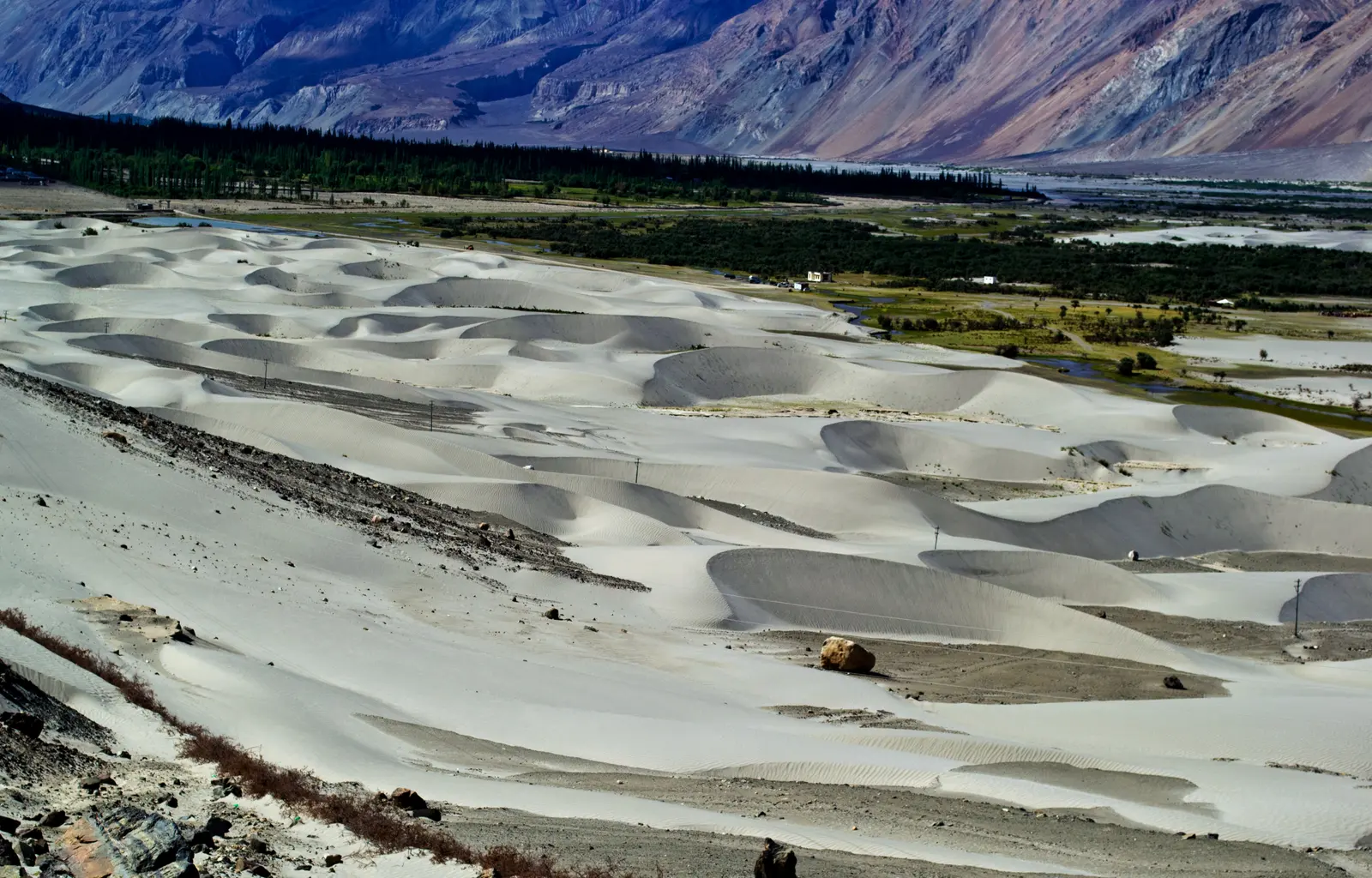
Hunder Travel Guide: Nubra Valley's Sand Dunes & Camel Safari
Silver sand dunes, double-humped Bactrian camels, and snow peaks rising from a cold desert — Hunder in Nubra Valley is Ladakh's strangest, most beautiful contradiction.
 Things to Do
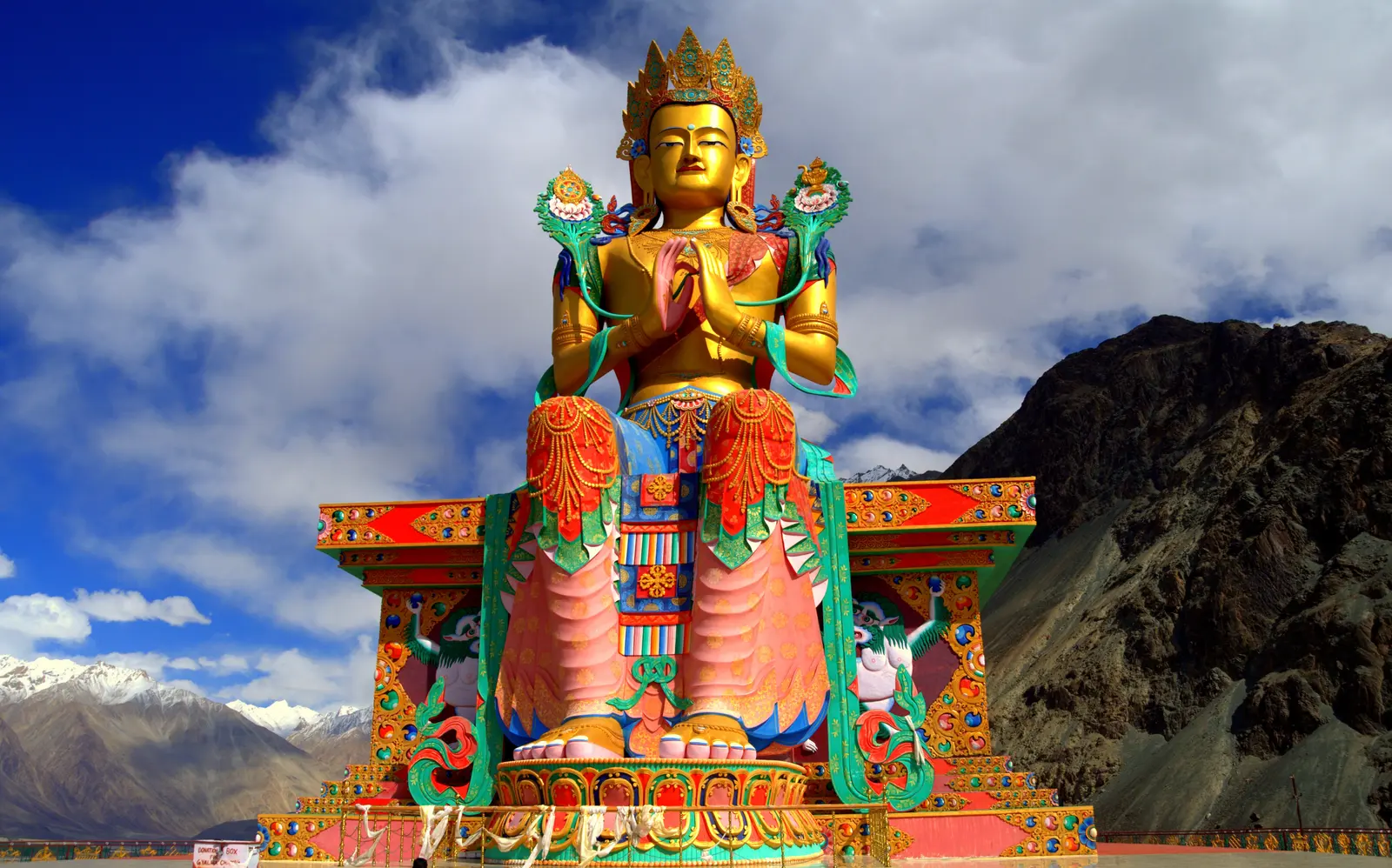
Things to Do in Nubra Valley: Dunes, Diskit, Hot Springs & Turtuk
Things to do in Nubra Valley: Khardung La, Diskit Monastery and its Maitreya Buddha, Bactrian camel rides on the Hunder dunes, Sumur and Samstanling, Panamik hot springs, Ensa Gompa, Turtuk's Balti village and apricot orchards.
 Heritage
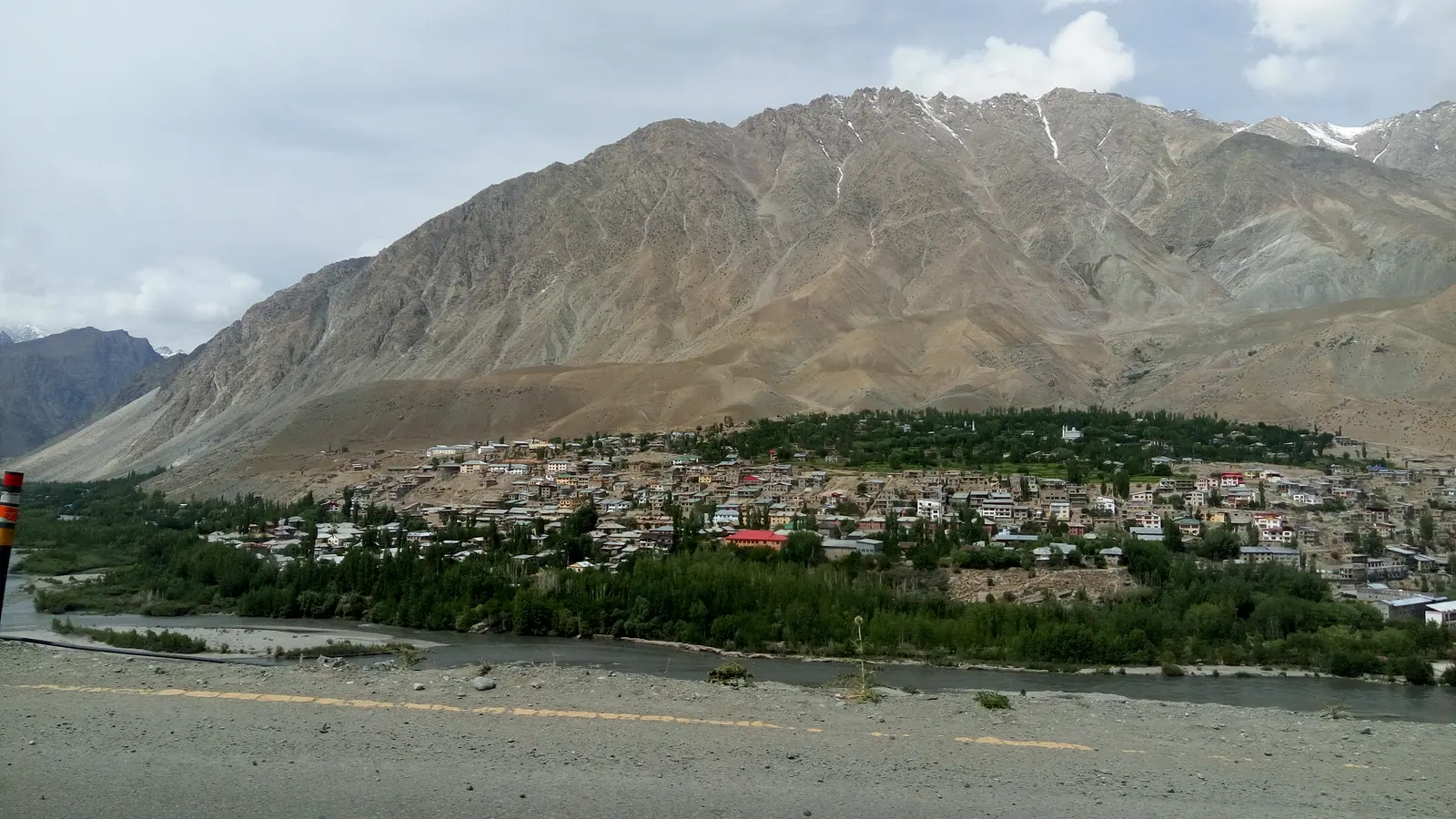
Kargil Travel Guide: Gateway to Zanskar & the Srinagar-Leh Highway
Halfway between Srinagar and Leh, where Balti Muslim and Ladakhi Buddhist worlds meet amid apricot orchards — Kargil is the highway town most travellers rush through, and the doorway to remote Zanskar.