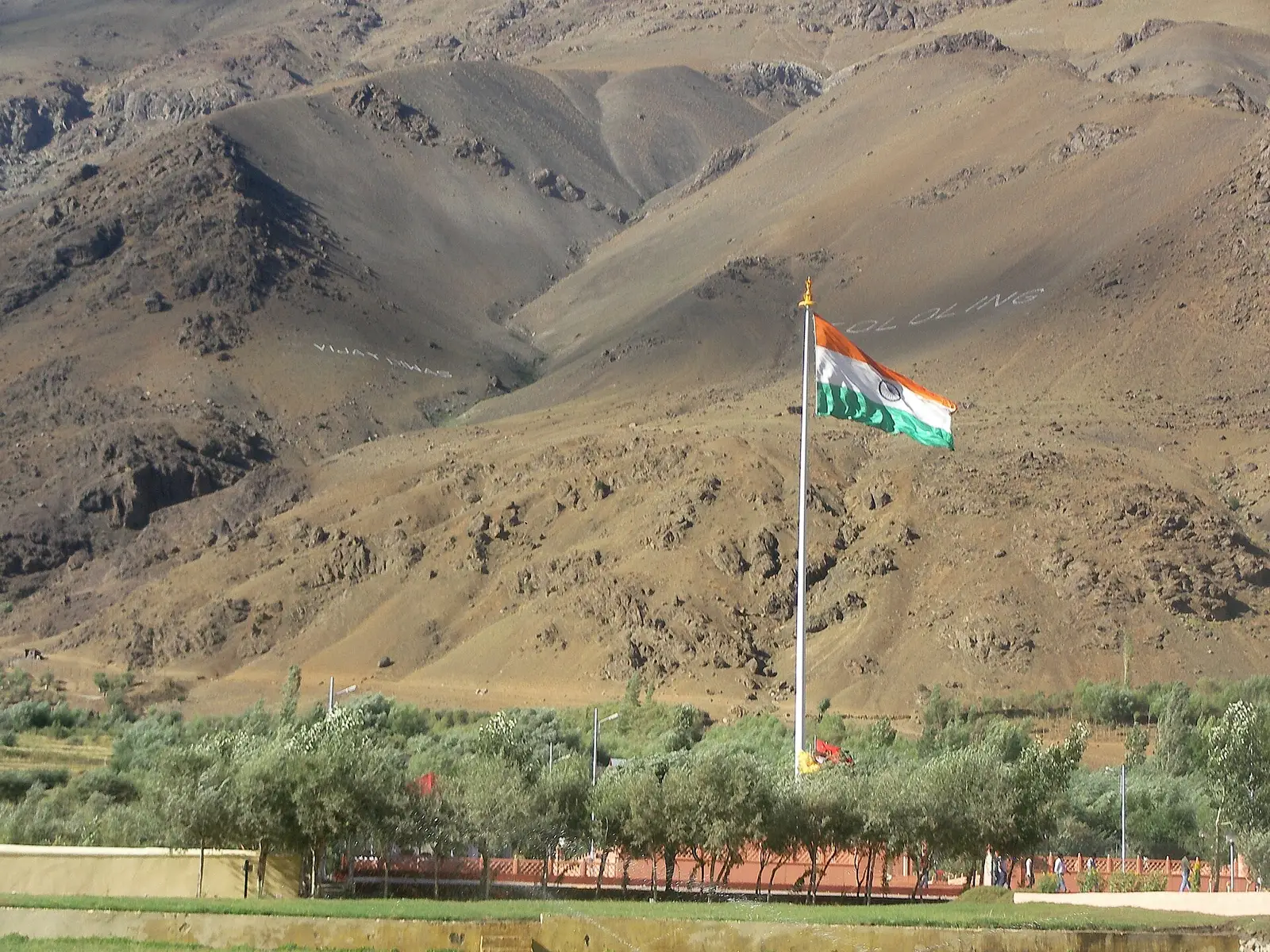
Why Visit Drass?
Just past the crest of Zoji La, where the Kashmir Valley's pine forests give way abruptly to bare, wind-scoured mountains, the Srinagar–Leh highway drops into a wide, treeless bowl. This is Drass (also spelled Dras) — a small town of roughly 3,230 metres (10,600 ft) that most travellers pass through in an hour but few ever forget.
Drass carries two reputations, and both are earned. It is popularly known as the second-coldest inhabited place on Earth after Siberia's Verkhoyansk and Oymyakon — winter temperatures here have historically plunged to around -45°C to -60°C, cold enough to freeze diesel in vehicle tanks and turn breath into ice on eyelashes within minutes. And it is the town that lends its name to the high, barren ridgelines above it where, in the summer of 1999, Indian soldiers fought to reclaim strategic peaks from infiltrators in what became known as the Kargil War.
Today, Drass is a quiet stopover on one of the world's great mountain highways — a place to refuel, eat a hot plate of momos, and stand for a while at the Kargil War Memorial, reading the names of the men who died defending these ridgelines. It isn't a destination built for leisure in the way Leh or Pangong are. It's a place you visit to understand something — about geography, about endurance, and about the price that was paid for a stretch of road most travellers cross in silence.
🏔️ Drass at a Glance
Going by road? See our guide to the Srinagar to Leh road trip.
Best Time to Visit Drass
Drass has one of the shortest comfortable travel windows in the Indian Himalayas. For most of the year the town is cut off, buried under snow, or simply too brutal to visit for anything but a determined winter expedition.
Zoji La is open, the highway is clear, and daytime temperatures are a mild 15–20°C (nights still drop close to freezing). This is when nearly all visitors come, and when the Kargil War Memorial and Mushkoh Valley are accessible.
The highway can close with little notice as early snow hits Zoji La. Crowds thin dramatically and the light is beautiful, but plan a buffer day in case the pass shuts behind you.
Zoji La closes completely, isolating Drass from Kashmir for months. Temperatures regularly fall below -30°C. Not a season for casual travel — this is when Drass earns its 'second-coldest inhabited place' reputation.
The pass is still snowbound and clearing operations are underway. Roads are unpredictable and frequently blocked. Not a practical time to plan a trip.
Our pick: Late June through August. The Mushkoh Valley's wildflowers are at their fullest, the highway is dependable, and it also happens to be close to Kargil Vijay Diwas (26 July), when the War Memorial holds a solemn remembrance ceremony — moving to witness if your dates align.
How to Reach Drass
Drass sits directly on National Highway 1, the Srinagar–Leh highway, which makes it unusually easy to reach compared to most of Ladakh — you don't need a special detour, just the right vehicle and timing.
- From Srinagar (~140 km, 5–6 hours): The classic approach. Shared taxis and private cabs run daily from Srinagar's TRC (Tourist Reception Centre) via Sonamarg and Zoji La. This is also the route used by most Leh-bound travellers, who pass through Drass on their first full day out of Kashmir.
- From Kargil (~60 km, 2 hours): Kargil town is the nearest hub with proper hotels, ATMs, and fuel stations. Shared sumos leave regularly from Kargil's main taxi stand for Drass and onward towards Srinagar.
- From Leh (~200 km, 6–7 hours): Drass is reachable in a long day from Leh via Kargil, though most travellers break the journey overnight in Kargil.
- By Air: The nearest airports are Srinagar (SXR) and Leh (IXL), both roughly 5–7 hours away by road. There is no airstrip serving Drass directly.
Crossing Zoji La Pass
Every road journey to Drass from the Kashmir side means crossing Zoji La (3,528 m), the gateway between the green Kashmir Valley and the arid, high-altitude world of Ladakh. It is one of the most important — and historically treacherous — passes in India: a narrow, unpaved, single-lane stretch cut into a steep mountainside, with sheer drops on one side and loose rock on the other.
The Border Roads Organisation (BRO) manages traffic through Zoji La with strict one-way timing — vehicles are held at either end and released in convoys to avoid head-on gridlock on the narrowest sections. A long-awaited all-weather tunnel project (the Zoji La Tunnel, alongside the shorter Z-Morh Tunnel near Sonamarg) is under construction and will eventually make this crossing possible year-round; until it opens, the pass remains snowbound and closed roughly from November to May.
The Kargil War Memorial
In the summer of 1999, Pakistani forces and armed infiltrators occupied a chain of high-altitude posts on the Indian side of the Line of Control, overlooking NH1 exactly where it runs through Drass. Over ten weeks, Indian Army units fought their way back up these ridgelines — often at altitudes above 5,000 metres, against dug-in positions, in what became known as Operation Vijay, or the Kargil War. It remains one of the highest-altitude conflicts fought anywhere in the world.
The Kargil War Memorial, also called Vijaypath, was built by the Indian Army at the foot of these very peaks and is maintained by the 8 Mountain Division. It stands as both a memorial and a place of quiet public education — a way for civilians to understand, without exaggeration, what happened on the mountains above them.
The memorial complex includes a wall inscribed with the names of the soldiers who lost their lives in the operation, an amphitheatre used for the annual Kargil Vijay Diwas commemoration on 26 July, and a small museum housing recovered weapons, photographs, uniforms, and personal effects that bring the scale of the operation into sobering focus. A stone engraving of the poem "Chhalka Kabhi Naa Aansu" and a quote often used at the site — "Yeh Dil Maange More" — have become closely associated with the memorial's public identity.
🎖️ Visiting the Memorial
🙏 Visiting with respect
This is an active military memorial, not a tourist photo-op. Dress modestly, keep noise to a minimum near the wall of names, and follow the guidance of Army personnel on site. Photography rules are enforced in parts of the complex — ask before shooting near the museum or any active installation. Many visitors find it worth sitting quietly in the amphitheatre for a few minutes before leaving.
Tiger Hill & Tololing
From the memorial grounds and various points along the highway, you can see the bare, imposing ridgelines of Tiger Hill and Tololing — two of the most fiercely contested peaks of the war, and the ones most Indians would recognise by name. The recapture of Tololing in June 1999 was an early turning point in the campaign, opening the way for further operations further up the Drass sector; Tiger Hill's recapture in early July became one of the war's most widely remembered moments.
Both peaks sit several kilometres from town and well above what's accessible to civilian visitors — you view them from a distance rather than trek up to them. A guide or Army-approved viewpoint near the memorial is the appropriate way to see them; do not attempt to approach the ridgelines directly, as this remains a sensitive military area close to the Line of Control.
Mushkoh Valley
A short drive from Drass town, the Mushkoh Valley is often called the "mini Switzerland of India" — a strikingly green, flower-strewn valley that feels entirely at odds with Drass's reputation for extreme cold. In summer, its meadows fill with wild tulips and alpine wildflowers against a backdrop of the same ridgelines that saw fighting in 1999; the valley itself was one of the sectors contested during the war, which adds a quiet layer of history to its beauty.
Mushkoh's proximity to the Line of Control means access can vary with the security situation — some stretches are open to civilian visitors during the summer season, while others require permission or are restricted altogether. It's best explored with a local guide or driver from Drass or Kargil who can confirm what's accessible on the day, rather than assuming free movement throughout the valley.
Where to Stay in Drass
Drass is primarily a stopover town rather than a destination with a developed hospitality scene, and accommodation is correspondingly modest. Most travellers either pass through in a day or stay one simple night before continuing towards Kargil or back to Srinagar.
- → J&K Tourism guesthouse / rest house
- → A handful of small family-run hotels on NH1
- → Basic but clean; expect simple bucket hot water
- → Book by phone ahead — few operate online
- → Wider range of mid-range hotels
- → Better restaurant and ATM access
- → Good base if you want more comfort
- → Recommended for an overnight halt on longer trips
Many road-trippers heading to Leh via Kargil simply schedule Drass as a mid-morning stop rather than an overnight — it fits naturally into a Srinagar-to-Kargil driving day, with time to visit the memorial before continuing east.
What to Eat in Drass
Don't expect a food scene here — Drass has a small handful of highway dhabas and simple eateries geared towards feeding truckers, soldiers, and travellers moving between Kashmir and Ladakh. What's on offer is basic, hearty, and exactly what you want after a cold mountain crossing.
- Maggi & hot chai: The highway staple across this entire stretch of NH1 — a steaming plate of instant noodles and sweet, milky tea at a roadside dhaba is practically a ritual for every traveller who passes through.
- Rajma-chawal & dal-chawal: Simple, filling North Indian staples available at most roadside stops — reliable comfort food at altitude.
- Momos & thukpa: As you get closer to Kargil and Ladakh proper, Tibetan-style momos and noodle soup start appearing on menus — warming and well-suited to the cold.
- Kahwa: The saffron-and-spice Kashmiri tea is easy to find on the Srinagar side of the route and a welcome warm-up before or after Zoji La.
- Pack your own snacks: Given how few eating options exist in Drass itself, most drivers and guides recommend carrying dry fruits, biscuits, and a flask of hot water — especially useful if road delays at Zoji La push meal times later than planned.
Budget Breakdown
Because Drass is usually visited as a stop on a longer Srinagar–Kargil–Leh journey, costs here are modest — the bulk of your trip budget will go towards the vehicle or shared taxi covering the wider route.
| Expense | Budget | Mid-Range |
|---|---|---|
| Accommodation/night (Drass) | ₹800 | ₹2,500 |
| Accommodation/night (Kargil) | ₹1,500 | ₹4,000 |
| Food/day | ₹300 | ₹700 |
| Shared taxi (Srinagar–Kargil) | ₹500–₹700/seat | ₹3,500 (full cab) |
| War Memorial entry | ₹20–₹50 | ₹20–₹50 |
| Daily total (excl. long transfers) | ₹1,200 | ₹3,500 |
Essential Travel Tips
✅ Do
- ✓Carry heavy layers even in summer — nights drop close to freezing and the wind off the ridgelines is sharp.
- ✓Check the Zoji La road status before departing Srinagar or Sonamarg on the day of travel.
- ✓Spend genuine time at the War Memorial rather than rushing through for a photo.
- ✓Carry cash — ATMs in Drass are unreliable; withdraw what you need in Srinagar or Kargil.
- ✓Fill your fuel tank before Sonamarg or in Kargil — options are sparse in between.
🚫 Don't
- ✕Don't treat the War Memorial as a casual selfie stop — it's a place of remembrance for an active military.
- ✕Don't attempt to approach Tiger Hill, Tololing, or the Mushkoh ridgelines beyond marked civilian areas.
- ✕Don't assume evening restaurant or fuel options will be open — plan meals and refuelling in daylight hours.
- ✕Don't drive Zoji La after dark or in poor visibility — wait it out at Sonamarg or Baltal instead.
- ✕Don't rely on mobile network — connectivity is patchy through much of this stretch.
Above all, come to Drass with the right frame of mind. It isn't a place engineered for entertainment the way parts of Leh or Pangong are — it's a working highway town with a profound, sobering history sitting quietly at its edge. Most travellers who stop here leave with a different kind of memory than the rest of their Ladakh trip: quieter, heavier, and worth carrying home.
Frequently Asked Questions
How many days do you need in Drass?
Most travellers visit Drass as a stop rather than a standalone destination — a few hours to a half-day is enough to see the Kargil War Memorial and, if time allows, a short detour into Mushkoh Valley, before continuing on toward Kargil or back to Srinagar. Many road-trippers heading to Leh simply schedule Drass as a mid-morning stop rather than an overnight.
What is the best time to visit Drass?
Late June through August is the pick — the Mushkoh Valley's wildflowers are at their fullest, the highway is dependable, and it's close to Kargil Vijay Diwas (26 July), when the War Memorial holds a solemn remembrance ceremony. Summer (May–September) is really the only comfortable window, since Zoji La closes completely from around November to May and Drass becomes essentially cut off.
How do I reach Drass from Srinagar?
Drass sits directly on National Highway 1, roughly 140 km and 5–6 hours from Srinagar via Sonamarg and the Zoji La pass. Shared taxis and private cabs run daily from Srinagar's TRC (Tourist Reception Centre). From Kargil, Drass is a much shorter 60 km, about 2 hours away, and shared sumos run regularly between the two.
Is Drass safe to visit?
Yes, for standard highway travel and a visit to the Kargil War Memorial — Drass is a well-travelled stop on the Srinagar–Leh highway. The main safety considerations are practical: check the Zoji La road status before departing since it can close for hours after fresh snowfall or rockfall even in summer, avoid driving the pass after dark or in poor visibility, and don't attempt to approach Tiger Hill, Tololing, or the Mushkoh ridgelines beyond marked civilian areas, since this remains a sensitive military area close to the Line of Control.
What is the budget for a Drass visit?
Costs in Drass itself are modest since most travellers pass through as part of a longer Srinagar–Kargil–Leh journey. A daily total of around ₹1,200 (budget) to ₹3,500 (mid-range) covers accommodation, food, and the War Memorial's nominal entry fee, excluding the shared taxi or vehicle cost for the wider route.
Why is Drass called the second-coldest inhabited place on Earth?
Drass has historically recorded winter temperatures as low as -45°C to -60°C, cold enough to freeze diesel in vehicle tanks — a reputation that places it second only to Siberia's Verkhoyansk and Oymyakon among inhabited places worldwide. This is strictly a winter phenomenon; summer daytime temperatures are a mild 15–20°C, which is when nearly all visitors come.
What is the Kargil War Memorial?
Also called Vijaypath, the Kargil War Memorial was built by the Indian Army at the foot of the Tiger Hill and Tololing ridgelines to commemorate Operation Vijay, the 1999 Kargil War. It includes a wall inscribed with the names of soldiers who lost their lives, an amphitheatre used for the annual Kargil Vijay Diwas commemoration on 26 July, and a small museum with recovered weapons, photographs, and personal effects.
Published by the Kudozz Club editorial team · Last updated · How we research our guides
Want us to plan this trip for you?
Tell Kudozz Club where you want to go and what kind of trip you’re looking for. We’ll build a Drass and Ladakh itinerary around your dates and budget.
Continue Exploring
View all guides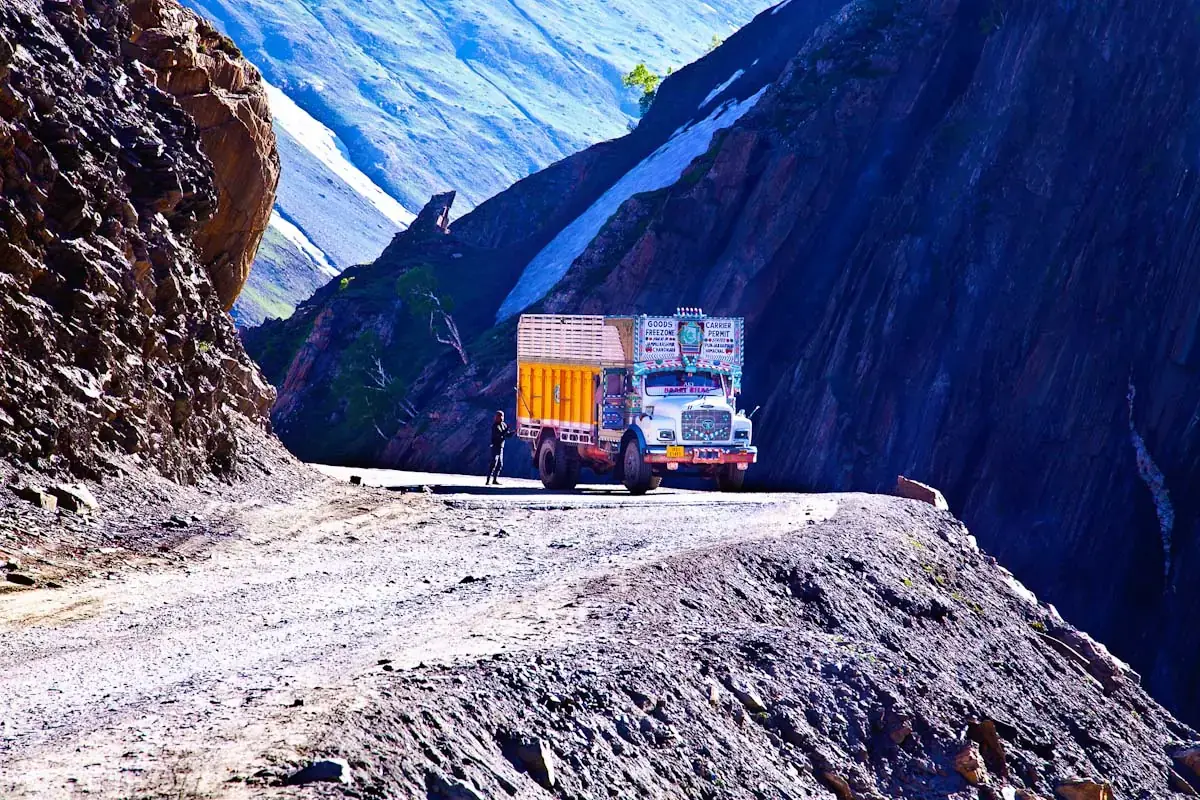 Road Trips
Srinagar to Leh Road Trip: Zojila, Kargil and Lamayuru
A route guide to the Srinagar to Leh road trip: the route via Sonamarg and the Z-Morh tunnel, over Zojila to Drass and Kargil, then via Mulbekh, Namika La, Fotu La and Lamayuru to Alchi and Leh, with approximate distance, the overnight stop in Kargil, stops along the way, acclimatisation benefits, Zojila opening and tunnel progress, the Jammu approach and advisories.
 Heritage
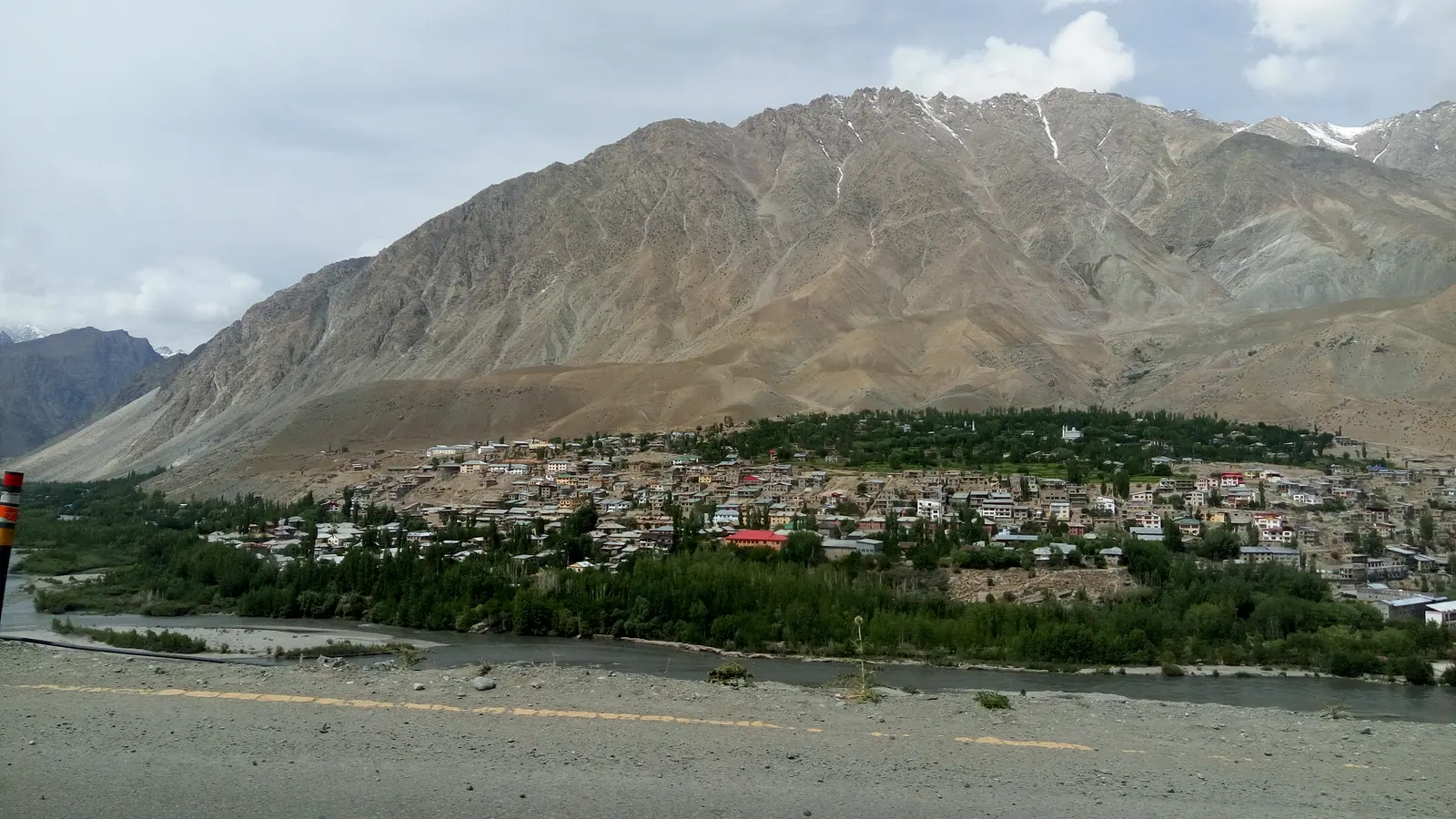
Kargil Travel Guide: Gateway to Zanskar & the Srinagar-Leh Highway
Halfway between Srinagar and Leh, where Balti Muslim and Ladakhi Buddhist worlds meet amid apricot orchards — Kargil is the highway town most travellers rush through, and the doorway to remote Zanskar.
 Off-beat
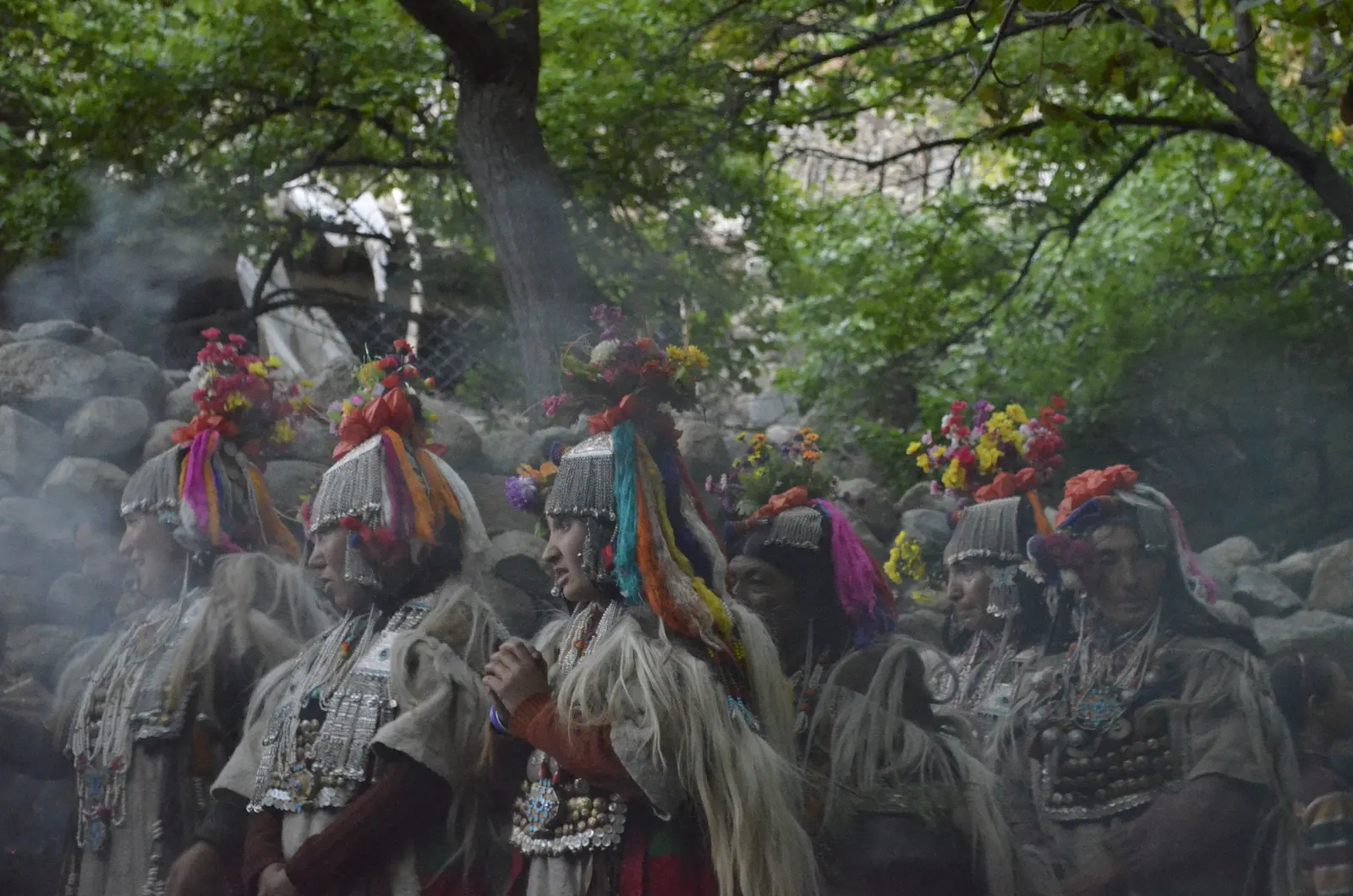
Dha-Hanu Travel Guide: Ladakh's Aryan Valley & the Brokpa People
Along a quiet bend of the Indus, the Brokpa villages of Dha, Hanu, Garkone and Darchik hold on to a language, dress, and way of life found nowhere else in India — a guide to visiting them carefully, and on their own terms.
 Off-beat
Turtuk Travel Guide: Ladakh's Last Balti Village Before the LOC
A Balti village of stone houses and apricot orchards on the Shyok River, under Pakistani control until 1971 and closed to outsiders until 2010 — Turtuk is unlike anywhere else in Ladakh.