Why Zanskar Valley?
South of the Indus, hidden behind a wall of 6,000-metre peaks, lies a valley that spent most of its history essentially invisible to the outside world. Zanskar — a sub-district of Kargil, in the Union Territory of Ladakh — was, until quite recently, one of those places you had heard of but couldn't quite place. It is not on the way to anywhere. You go to Zanskar only because you have decided, deliberately, to go to Zanskar.
The valley sits between two great mountain ranges — the Zanskar Range to the north and the Great Himalayan Range to the south — at an average altitude of 3,500 to 4,000 metres. For eight, sometimes nine, months of the year, snow closes every pass leading in. The result is a place that has been left to develop almost entirely on its own terms: its own dialect (Zanskari, a distinct branch of Tibetan), its own royal lineage (the Zanskar kings, whose descendants still live quietly in Padum and Zangla), and a Buddhist culture so deeply embedded in daily life that monasteries outnumber almost anything else on the map.
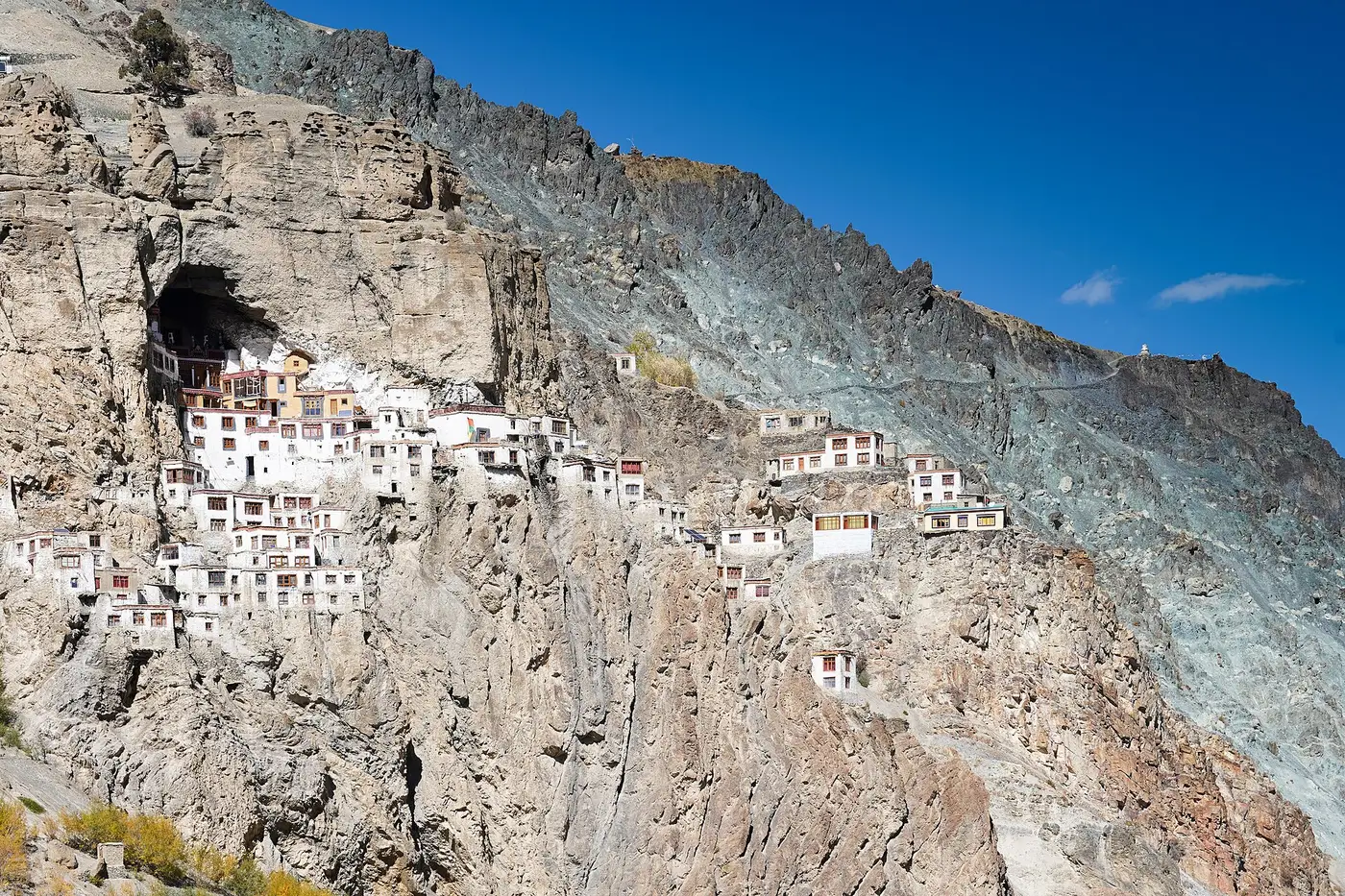
What draws travellers here today is precisely that isolation. Zanskar is home to the Chadar Trek — an eight-day walk across the frozen Zanskar River that locals once used as their only winter road to the outside world, and which has since become one of the most extraordinary treks on earth. It is also home to Phugtal Monastery, a 12th-century complex built directly into a cliffside cave above the Lungnak River — arguably the single most striking piece of architecture anywhere in the Himalaya. And it is a place where, even now, a genuine sense of discovery is still possible.
🏔️ Zanskar Valley at a Glance
Love the outdoors? See our guide to valleys in India.
Comparing hill stations? See our guide to India's mountain destinations.
Planning something active? Read our guide to adventure activities in Ladakh.
Best Time to Visit Zanskar Valley
Zanskar effectively runs on two completely different calendars. In summer, it is a road-trip and trekking destination — green barley fields, rushing glacial rivers, and a valley that briefly reconnects with the rest of the world. In winter, the road disappears entirely and the valley becomes accessible only by one astonishing route: walking on the river itself.
The Kargil–Padum road opens (usually by late May/early June) once BRO clears Pensi La of snow. Rivers run high with meltwater, which can complicate stream crossings near Phugtal. Fields turn green. Days are warm, nights near freezing.
The best window for road trips and trekking. River levels drop from their July peak, skies clear, and Padum's guesthouses and homestays are all operating. The Karsha Gustor festival often falls in this window.
Crowds thin dramatically, poplars turn gold, and the light softens. The road can close with the first heavy snowfall any time from mid-October — travel with a flexible exit plan and keep an eye on the forecast.
The road is long gone. This is the only window the Zanskar River freezes solid enough to walk on. Daytime temperatures hover around -10°C to -15°C; nights regularly fall to -20°C to -30°C. Trek only with a licensed operator.
Our pick: If you want the road-trip version of Zanskar — Padum, Phugtal, Karsha, Sani — aim for the second half of August. If you're here specifically for the Chadar Trek, the first three weeks of February generally offer the most reliably frozen ice; late January can still have open water in places.
How to Reach Zanskar Valley
There is no airport in Zanskar and, for most of the year, there has been exactly one road in. That is changing — but slowly, and only in summer. Here's what actually works.
The Kargil–Padum Road via Rangdum & Pensi La
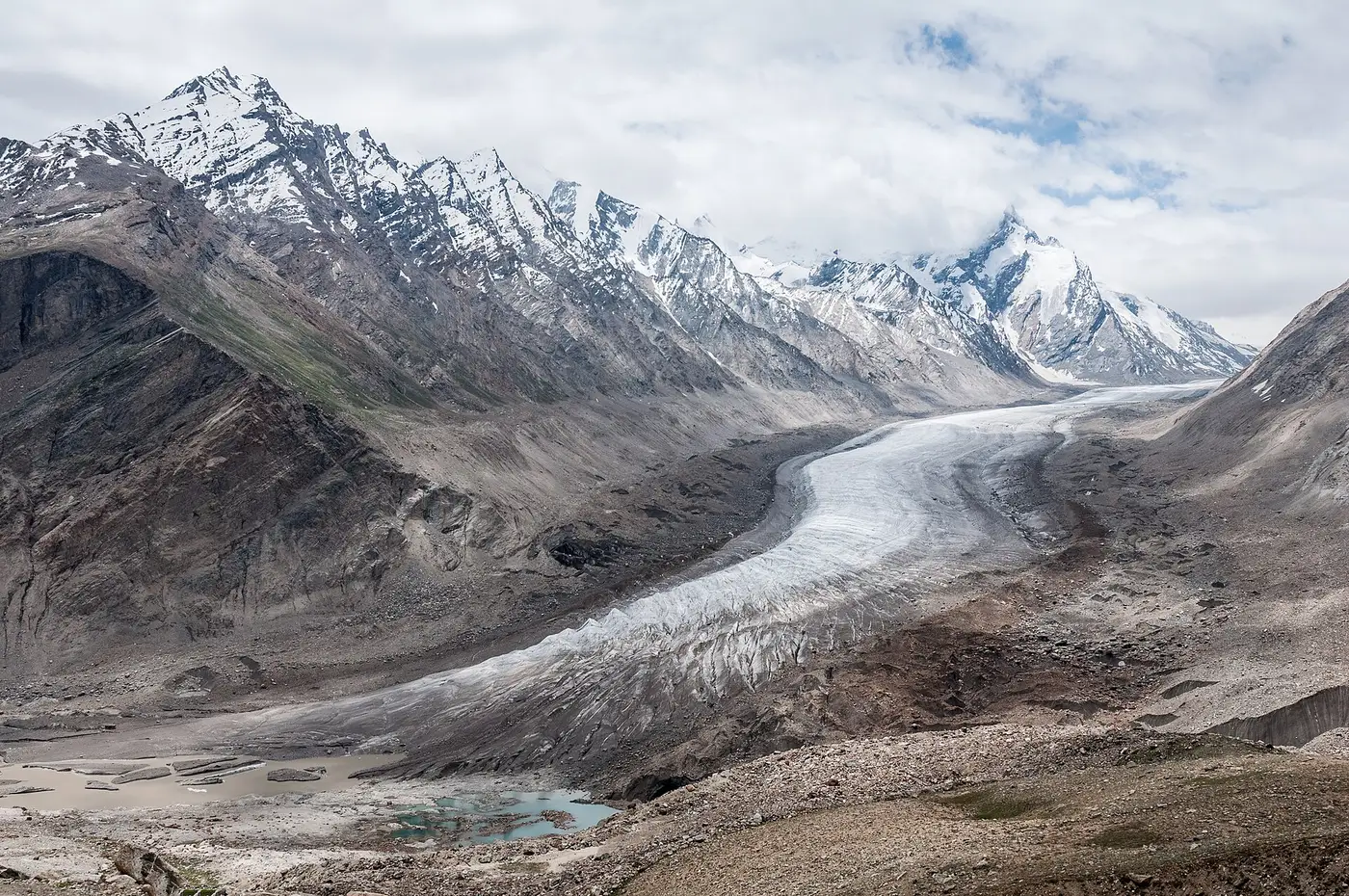
The classic — and for most of the year, the only — route into Zanskar is the roughly 230-km road from Kargil to Padum, climbing out of the Suru Valley through Sankoo, Panikhar, and Parkachik (with Nun and Kun, Ladakh's two highest peaks, filling the windshield), before crossing Pensi La at roughly 4,400 metres and dropping into the Zanskar Valley proper via Rangdum.
- Distance: ~230 km, Kargil to Padum
- Duration: A very long single day (10–12 hours) or, far better, two days with an overnight at Rangdum
- Open: Roughly late May/early June to late October, entirely dependent on BRO snow clearance and early/late-season storms
- Highest point: Pensi La, ~4,400 m, overlooking the Drang-Drung Glacier — one of the largest and most accessible glaciers in Ladakh
- Road condition: Increasingly blacktopped near Kargil, but still broken, single-lane, and landslide-prone in stretches past Rangdum
The New Road from Leh: Nimmu–Padum & the Shinkun La Tunnel
For decades, the only way to reach Zanskar from Leh was the long way round — via Kargil, adding two extra days to the journey. That is finally starting to change. The Nimmu–Padum–Darcha (NPD) road, under construction by the Border Roads Organisation, will eventually link Zanskar directly to both Leh (via Nimmu, near the Indus–Zanskar confluence) and the Manali–Leh highway (via Darcha in Lahaul), crossing the high Shinkun La pass along the way.
A tunnel is planned beneath Shinkun La to keep this corridor open through more of the year, which would be transformative for Zanskar — cutting the Leh–Padum journey from roughly 460 km via Kargil down to something closer to 250 km, and potentially extending Zanskar's "open" season well beyond its current few summer months. As of now, sections of the road are motorable in summer but the route is unpaved, weather-dependent, and not yet a reliable year-round alternative — treat the Kargil–Pensi La road as your primary route and the Nimmu–Padum road as a scenic, adventurous option only when locals confirm it's open and in condition.
Exploring Zanskar Valley
Zanskar rewards slowness. There are no queues, no ticketed sights, and very little in the way of infrastructure — what there is instead is a handful of villages, a scattering of extraordinary monasteries, and a landscape that does most of the talking.
Padum — Zanskar's Capital
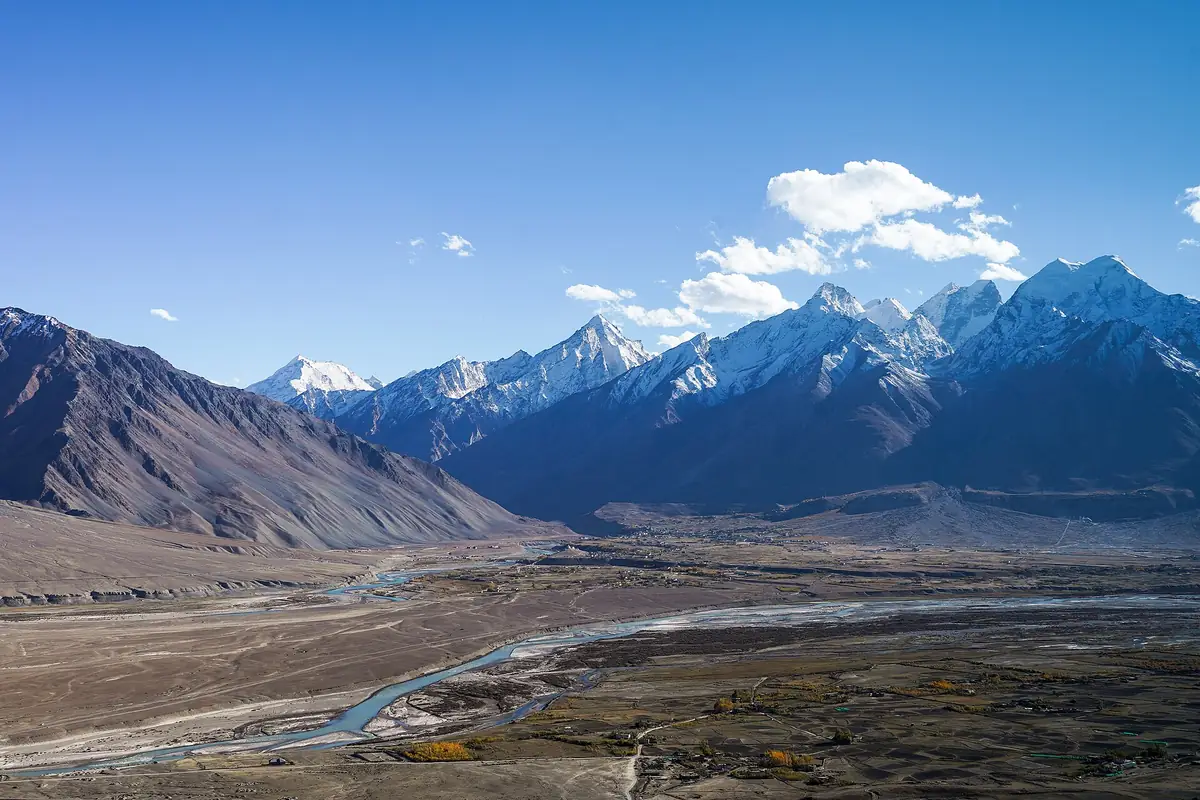
Padum, at roughly 3,650 metres, is the only town of any real size in Zanskar and the natural base for everything else in the valley. Don't expect much — a single bazaar street, a scattering of guesthouses, a hospital, a helipad used mainly for emergencies, and a population of around 1,500 that swells noticeably with trekking staff and tour groups each summer. What Padum lacks in size it makes up for in position: it sits at the confluence of the Stod and Lungnak (Tsarap) rivers, and every major excursion in the valley — Karsha, Sani, Zangla, Phugtal — radiates out from here.
Padum is also where Zanskar's layered history is most visible. This was the seat of the old Zanskar kingdom (whose royal family, now largely ceremonial, still has descendants living in the region), and it remains the administrative and market hub for dozens of villages that would otherwise be entirely cut off. Give yourself at least a full day here to rest, restock supplies, and arrange onward transport or trekking staff before pushing further into the valley — we've covered Padum's homestays, day walks, and market in more depth in a dedicated guide to the town.
Phugtal Monastery — The Cave Monastery of Zanskar
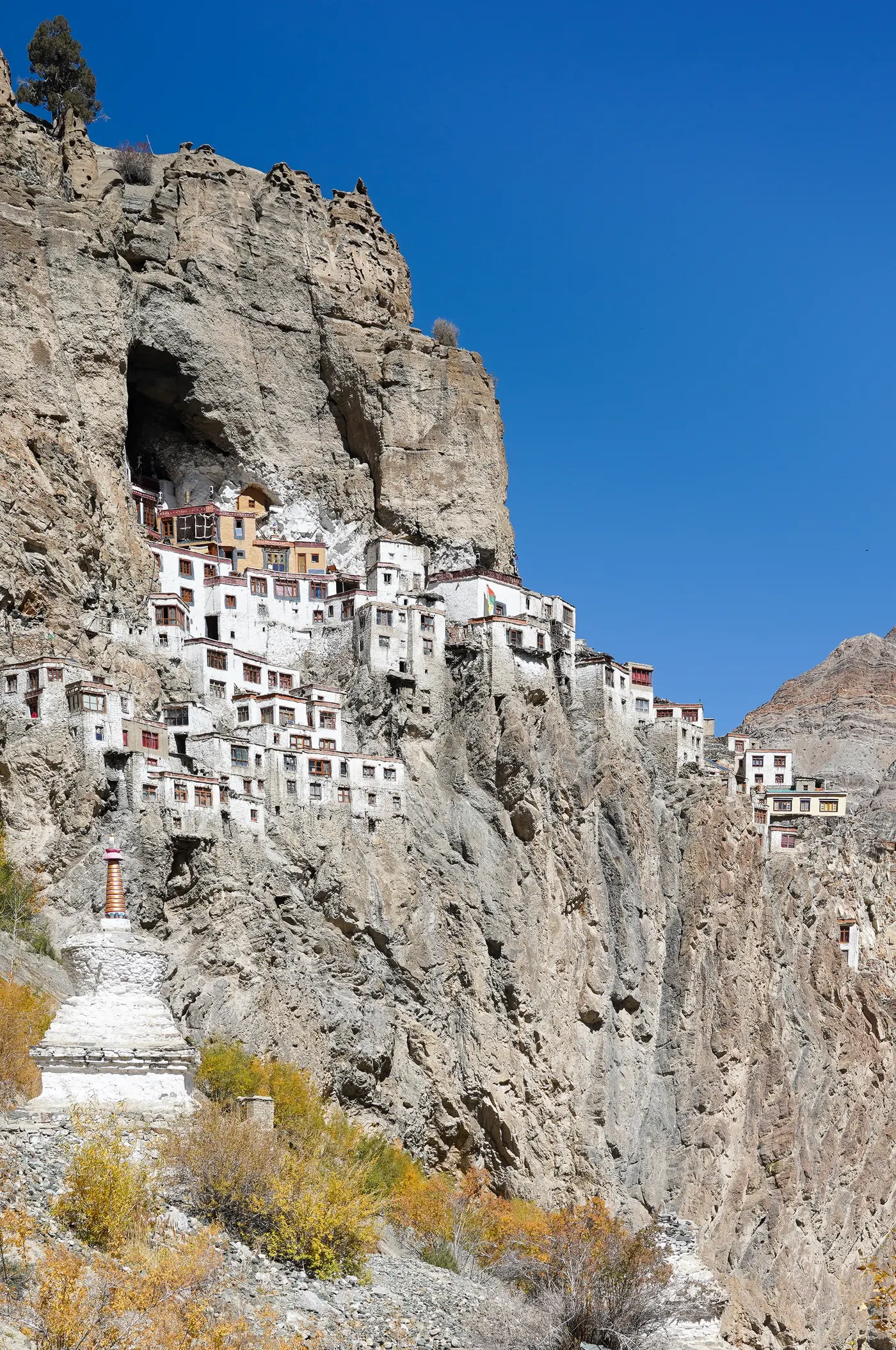
If Zanskar has one unmissable sight, this is it. Phugtal Monastery (also spelled Phuktal) is built into and around a natural cave halfway up a sheer cliff face above the Lungnak River — a honeycomb of whitewashed rooms, chapels, and monks' quarters that seems to grow directly out of the mountain. The cave itself has been a meditation site since at least the 2nd century, and the monastery around it was formally founded in the 12th century by Gangsem Sherap Sampo, a disciple of the great translator-scholar whose teaching lineage still runs through it today. Photographs genuinely do not prepare you for the scale of it in person.
Phugtal is reachable only on foot — there is no road, and by design there never will be. From Padum, drive roughly 60 km down the Lungnak Valley to the village of Purne (or the smaller hamlet of Cha, slightly further on), then walk. The final approach is a genuinely spectacular 1.5–2 hour trek along a narrow path carved into the river gorge, with the monastery staying hidden until the trail rounds a final bend and it appears all at once, impossibly, in the cliff face ahead.
- Founded: 12th century (meditation cave in use since the 2nd century)
- Drive from Padum: ~60 km to Purne/Cha (3–4 hours on a rough road)
- Trek to monastery: ~1.5–2 hours each way, moderate difficulty, well-trodden path
- Stay: Basic homestays and a small guesthouse at Purne; some travellers overnight inside the monastery guest rooms with prior arrangement
The Chadar Trek — Walking on Ice
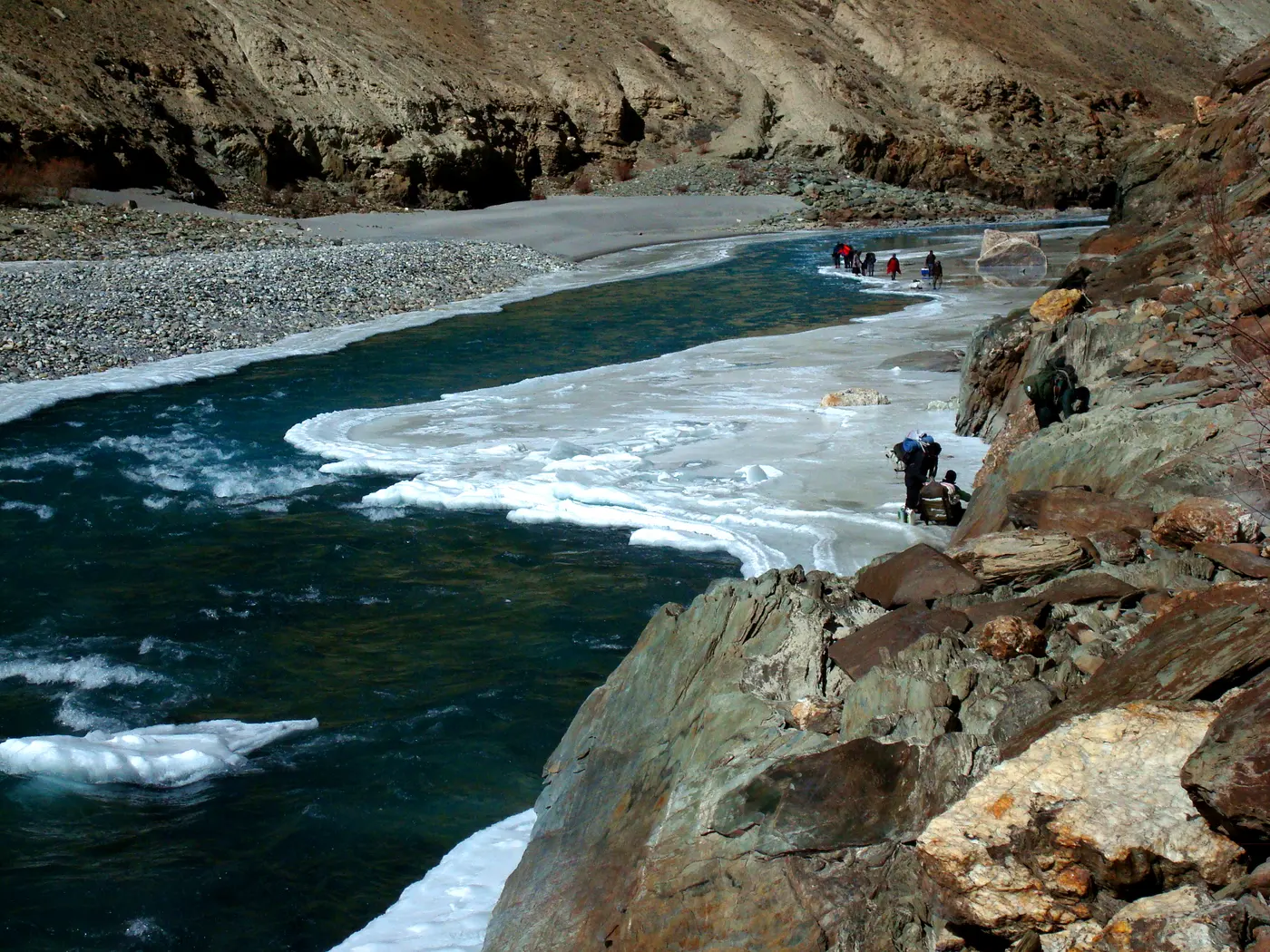
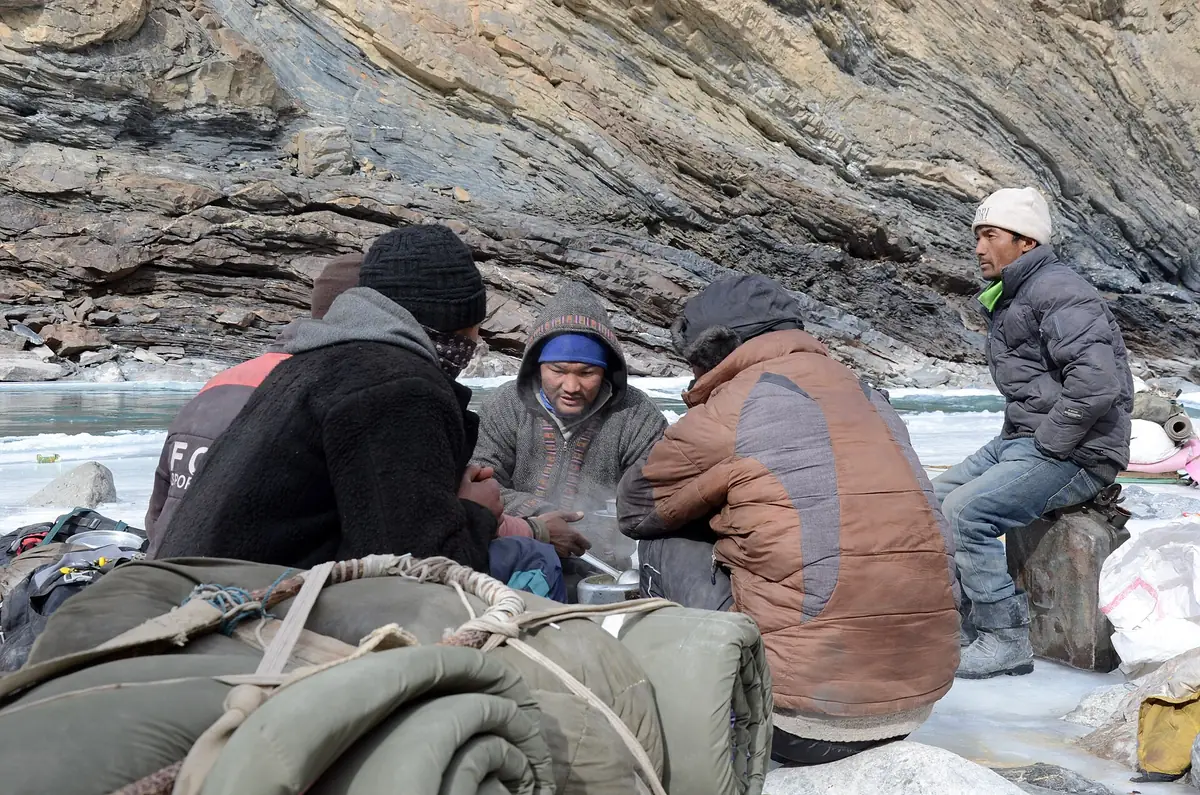
For generations, when winter sealed every road out of Zanskar, the frozen Zanskar River became the only route left — the one path Zanskaris used to reach Leh for trade, school, or medical care. Locals call the ice sheet itself the chadar ("sheet," in Hindi/Urdu), and the trek that now follows their old winter route has become one of the most sought-after — and most demanding — treks anywhere in the world.
The classic route runs from Chilling (a short drive from Leh, at the point where the Zanskar meets the Indus) upstream along the frozen river gorge, sometimes as far as Padum, though most commercial itineraries turn back around Nerak village after 4–5 days. A full traverse runs 8–9 days. You walk directly on river ice — sometimes solid and grippy, sometimes a thin, flexing sheet over moving water — hemmed in on both sides by vertical rock walls hundreds of metres high. Nights are spent in caves along the riverbank, huddled around a fire, at temperatures that regularly fall to -20°C and beyond.
- Season: Mid-January to end-February only, when the ice is at its thickest and most stable
- Duration: 6–9 days depending on operator and how far up-valley you go
- Difficulty: Demanding — not technical climbing, but sustained extreme cold, long walking days on unpredictable ice, and no possibility of quick evacuation
- Guide requirement: Mandatory. This trek must be done with a registered local operator and experienced Zanskari guides who read the ice daily — conditions change year to year and week to week
Karsha & Sani Monasteries
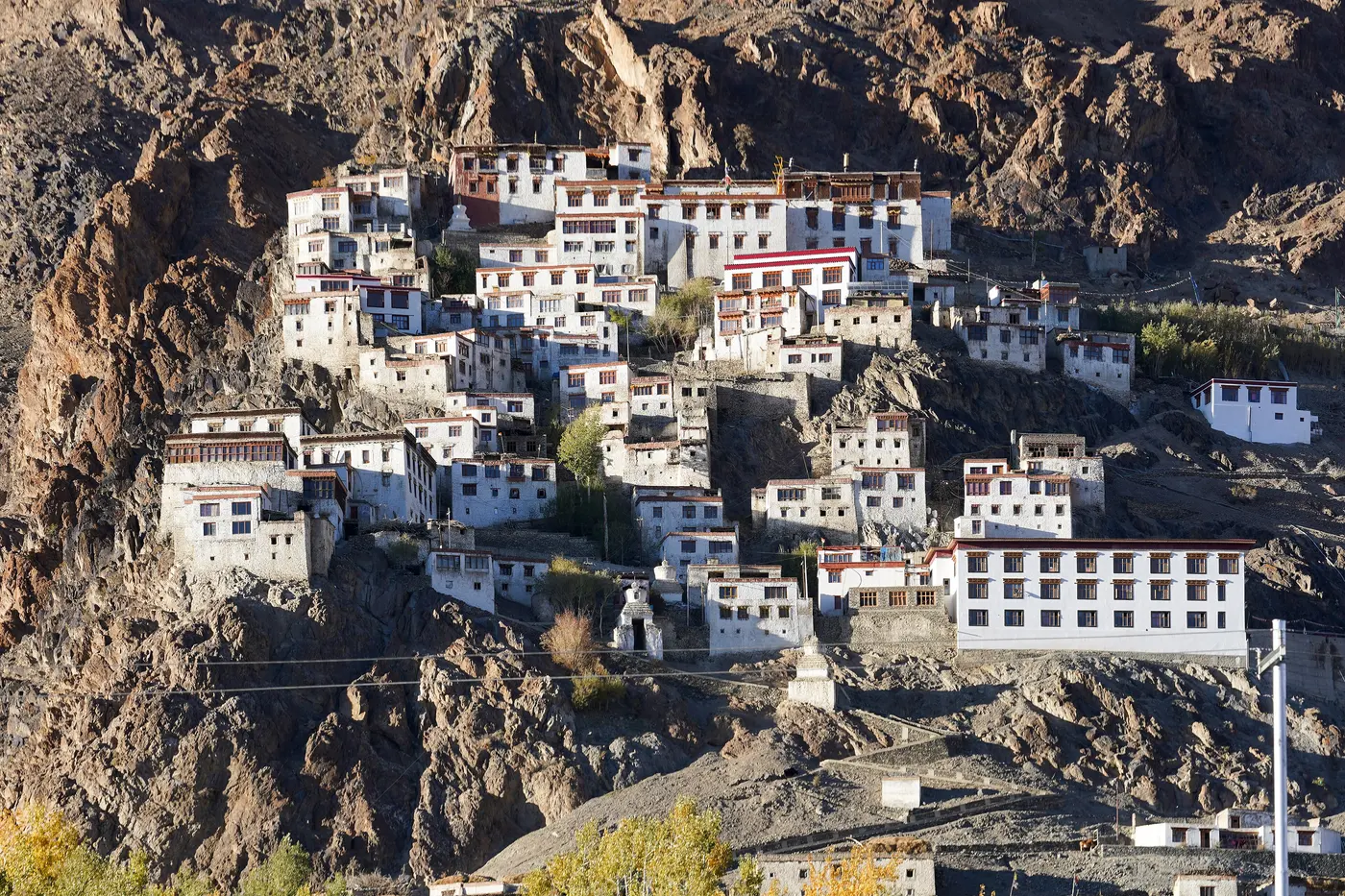
Karsha Monastery, roughly 10 km from Padum on the opposite bank of the Stod River, is the largest and wealthiest monastery in Zanskar — a cascading whitewashed complex climbing the hillside above Karsha village, home to over a hundred Gelugpa monks. Its annual Gustor festival, with masked cham dances performed to drive out evil spirits for the new year, is one of the great cultural events of the Zanskari calendar and, when the dates align with your visit, an unmissable spectacle.
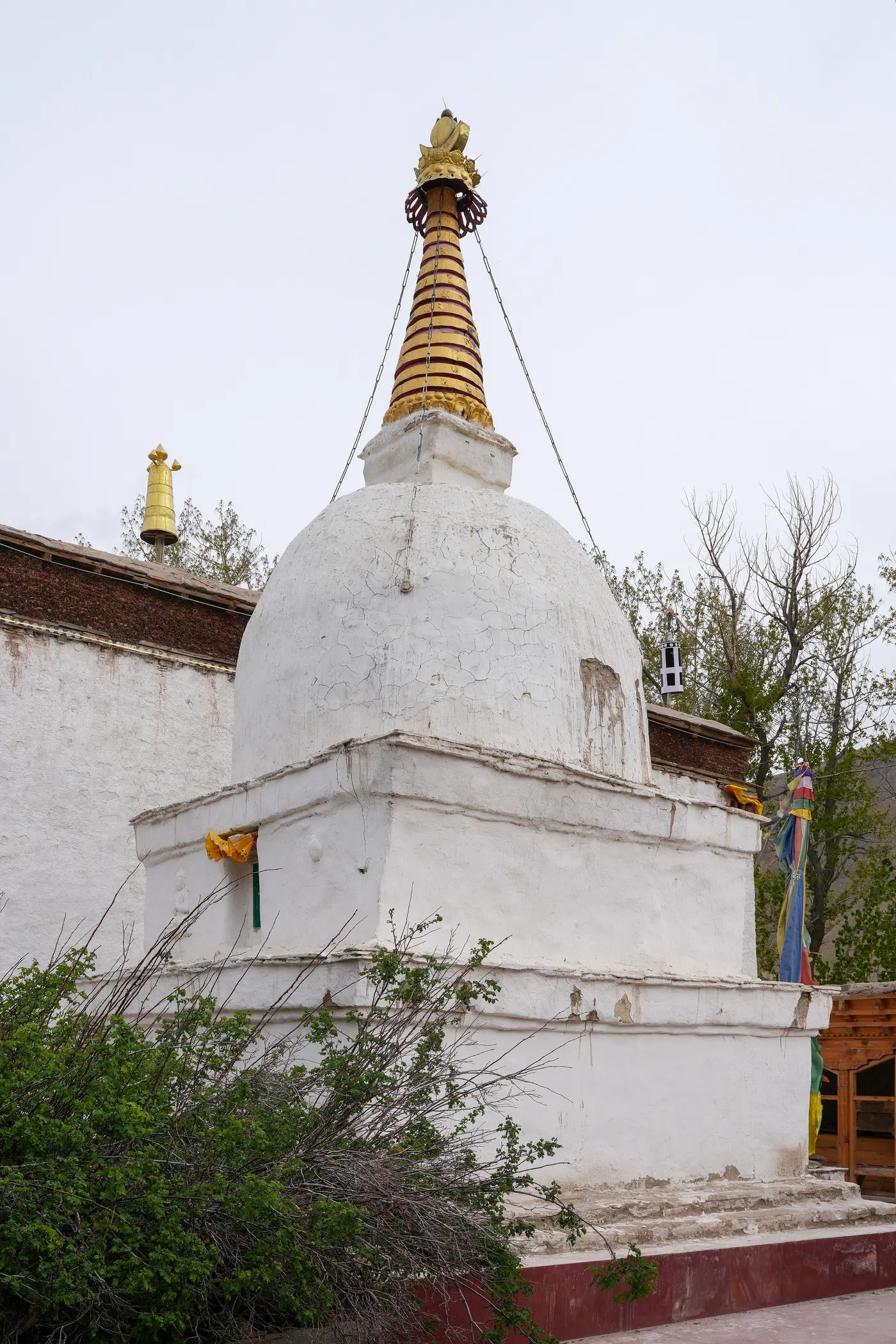
Sani Monastery, about 6 km north of Padum, is unusual among Zanskar's monasteries for sitting on flat valley floor rather than clinging to a cliff or hillside. It is also the oldest religious site in the region, built around a Kanika Chorten believed to date to the Kushan-era king Kanishka, and containing a cave associated with the great Indian yogi Naropa. Where Phugtal impresses with its setting, Sani impresses with sheer age — this ground has been sacred for the better part of two thousand years.
Rangdum — The Gateway Village
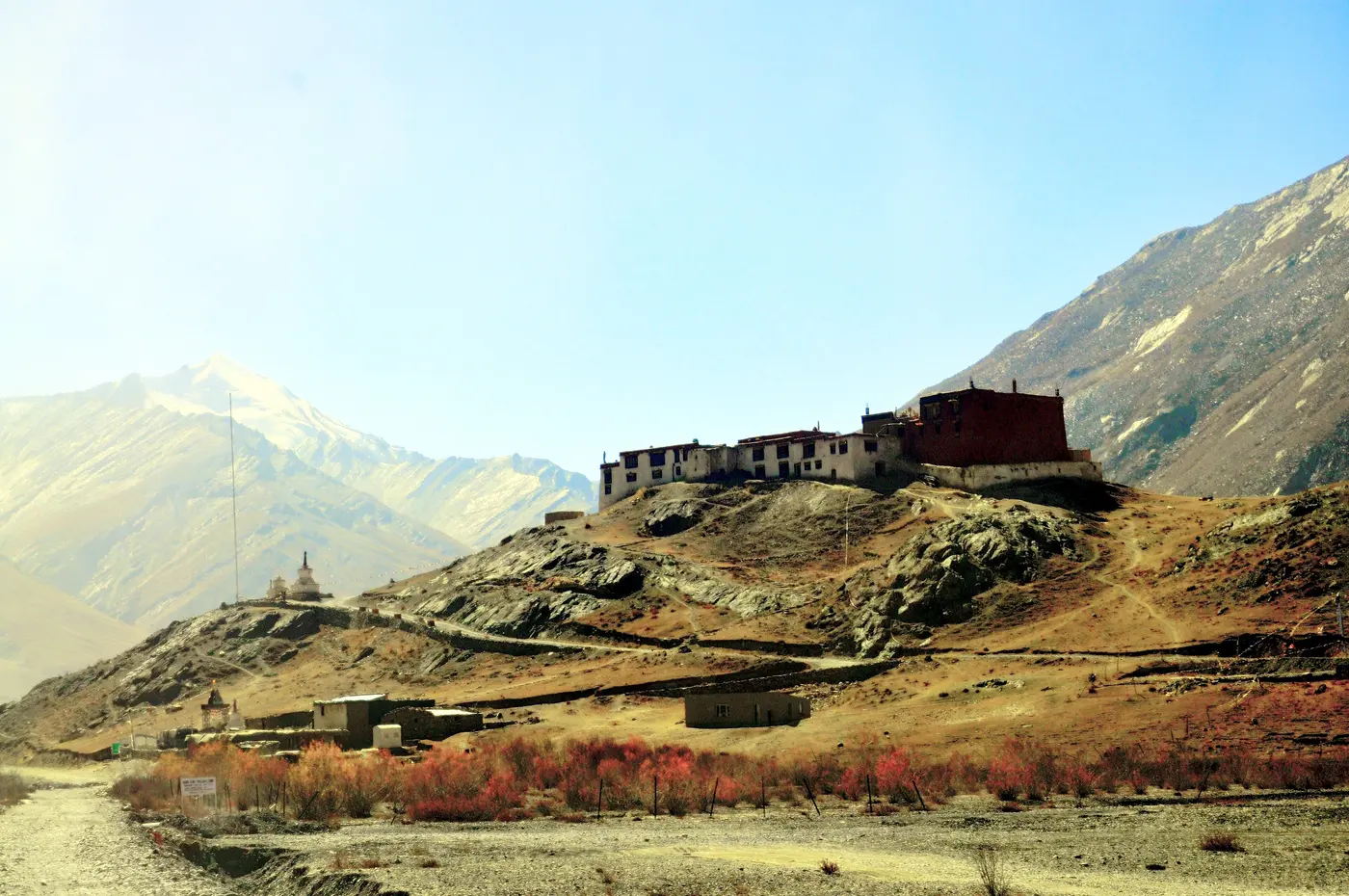
Roughly halfway along the Kargil–Padum road, at close to 4,000 metres, Rangdum sits on a broad, treeless plain ringed by glaciated peaks — one of the most starkly beautiful stretches of the entire journey. A small Gelugpa monastery perches on a rocky hillock above the village, overlooking scattered farmhouses and grazing yaks against a backdrop that feels closer to Tibet than to anywhere in India.
Most travellers pass through Rangdum only as an overnight halt when splitting the long Kargil–Padum drive into two days — and that's exactly the right way to use it. Break the journey here rather than pushing through in one exhausting day; the extra night buys you a sunset and sunrise over the plain that are worth the detour on their own.
Where to Stay in Zanskar Valley
Accommodation in Zanskar is basic by design — this is not a place with hotel chains or boutique stays. Padum has the widest range; everywhere else, homestays are the norm and often the only option. Book nothing online — arrange rooms on arrival or through your trekking operator.
- → Village homestays in Karsha
- → Purne homestays near Phugtal
- → Rangdum farmhouse stays
- → Zangla village homestays
- → Padum bazaar guesthouses
- → Ibex Zanskar Guesthouse
- → Karma Guest House
- → Zanskar Palace-area lodges
- → Riverside cave camps
- → Tented camps at wider points
- → Guide-arranged, no independent option
- → Book only through registered operators
What to Eat in Zanskar Valley
Zanskari food is close cousin to Ladakhi cuisine — hearty, warming, built around barley, buckwheat, and whatever the short growing season allows. In remote villages, expect to eat exactly what your homestay family is cooking that day — and to be genuinely grateful for it after a long day on the road or trail.
- Skyu: Thick, hand-pinched dough pasta simmered in a root-vegetable broth — the single most common and most comforting meal you'll eat in Zanskar.
- Thukpa: Tibetan-style noodle soup, available at every guesthouse and homestay, often the only hot meal for miles on the Kargil–Padum road.
- Tsampa: Roasted barley flour, mixed with butter tea into a dense dough — a staple that has sustained high-altitude travellers here for centuries.
- Butter Tea (Gur Gur Chai): Salted, churned yak-butter tea, served constantly and everywhere. An acquired taste, but essential for warmth at altitude.
- Chang: A mildly fermented barley beer, offered generously at festivals and in homestays — polite to accept a small cup even if you don't finish it.
- Apricots: Dried and fresh apricots from the lower Suru and Kargil valleys en route are excellent — stock up before you climb into Zanskar proper, where little grows above 3,600 m.
Budget Breakdown for Zanskar Valley
| Expense | Budget | Mid-Range | Comfort |
|---|---|---|---|
| Accommodation/night | ₹800 | ₹1,800 | ₹3,500 |
| Food/day | ₹500 | ₹900 | ₹1,500 |
| Shared jeep / local transport | ₹800 | ₹1,500 | ₹3,000 |
| Private vehicle Kargil–Padum (per day) | — | ₹5,000 | ₹7,500 |
| Chadar Trek (per person, 8 days, all-in) | ₹28,000 | ₹38,000 | ₹55,000+ |
| Phugtal trek guide/porter (per day) | ₹1,200 | ₹1,800 | ₹2,500 |
* The Chadar Trek is priced separately as it is always an all-inclusive package (guide, permits, food, camping gear) and cannot realistically be done independently or budgeted day-by-day.
Essential Travel Tips for Zanskar Valley
- This is remoteness with real consequences: There is no quick evacuation from most of Zanskar. Medical facilities are limited to a small hospital in Padum. Travel insurance that explicitly covers high-altitude emergency evacuation is not optional.
- Never attempt the Chadar Trek independently: Ice conditions change daily and reading them safely takes years of local experience. Book only through a registered Leh or Zanskar-based operator with licensed guides — this is the one rule in this guide with zero exceptions.
- Build in buffer days on both ends: The Kargil–Padum road can close for days after a landslide or early snowfall. Never book a flight or onward connection for the same day you plan to leave Zanskar.
- Carry all the cash you'll need: There is one unreliable ATM in Padum and nowhere else in the valley. Withdraw everything you need in Kargil or Leh before heading in.
- Assume zero connectivity: Mobile network is virtually nonexistent once you're past Rangdum. BSNL occasionally reaches Padum; nothing else does. Tell people your itinerary before you lose signal, not after.
- Acclimatise before you push higher: Padum itself sits at 3,650 m and Pensi La at 4,400 m — altitude sickness is a real risk if you arrive from lower elevations too quickly. Spend a night in Kargil (2,676 m) before continuing.
- Pack for genuine cold, even in summer: Nights fall well below freezing year-round at this altitude. For a winter Chadar Trek, layered, glacier- grade insulation and waterproof footwear are the difference between comfort and real risk.
- Respect monastic spaces: Remove shoes before entering shrine rooms, ask before photographing monks or interiors, and dress modestly — Zanskar's monasteries are living religious institutions, not museums.
✅ Do
- →Book the Chadar Trek only through a licensed operator
- →Overnight at Rangdum to break up the Kargil–Padum drive
- →Carry all the cash you'll need before entering the valley
- →Build 1–2 buffer days into both ends of your trip
- →Acclimatise in Kargil before crossing Pensi La
- →Arrange a Phugtal guide in Padum or Purne
- →Try skyu and butter tea at a village homestay
- →Carry a satellite communicator if trekking beyond Padum
❌ Don't
- →Attempt the Chadar ice independently, ever
- →Book a same-day flight after leaving the valley
- →Rely on ATMs — carry cash from Kargil or Leh
- →Assume mobile signal past Rangdum
- →Push straight to Padum from low altitude in one day
- →Travel without evacuation-inclusive travel insurance
- →Photograph monastery interiors without asking first
- →Underestimate how cold Zanskar nights get, even in July
Frequently Asked Questions
How many days do I need for Zanskar Valley?
For a road-trip visit covering Padum, Phugtal, Karsha, and Sani, allow at least several days — the Kargil–Padum drive alone is best split over two days with an overnight at Rangdum. The Chadar Trek is a separate commitment of 6–9 days, run only as an all-inclusive guided package.
What is the best time to visit Zanskar Valley?
For the road-trip version of Zanskar, aim for August to early September, when river levels have dropped from their July peak and Padum's guesthouses are all operating. The Chadar Trek runs on a completely different calendar — only in January and February, when the Zanskar River is frozen solid enough to walk on.
How do I reach Zanskar Valley from Leh?
For most of the year, the only reliable route is the long way round via Kargil and the roughly 230-km Kargil–Padum road over Pensi La. A more direct Nimmu–Padum–Darcha road from Leh is under construction but remains unpaved and weather-dependent, so treat the Kargil route as primary.
Is the Chadar Trek safe?
It can be done safely, but only with a registered local operator and experienced Zanskari guides who read the ice conditions daily — this is described in the guide as the one rule with zero exceptions. Attempting it independently is strongly discouraged given the extreme cold and unpredictable ice.
What is the budget for a Zanskar Valley trip?
Outside the Chadar Trek, expect roughly ₹800–₹3,500 per night for accommodation and ₹500–₹1,500 per day for food, depending on comfort level. The Chadar Trek itself is priced separately as an all-inclusive package, typically ₹28,000 to ₹55,000+ per person for around 8 days.
Is Zanskar Valley worth visiting?
Yes — it's described as one of the last genuinely remote corners of the Himalaya, with its own dialect, royal lineage, and the extraordinary cliffside Phugtal Monastery. It does demand real planning around remoteness, acclimatisation, and limited connectivity, so it rewards travellers willing to prepare properly.
What is Phugtal Monastery famous for?
Phugtal Monastery is built into and around a natural cave halfway up a sheer cliff face above the Lungnak River, with a meditation cave in use since the 2nd century and a monastery founded in the 12th century. It's reachable only on foot — a roughly 60 km drive from Padum to Purne, followed by a 1.5–2 hour trek along the river gorge.
Published by the Kudozz Club editorial team · Last updated · How we research our guides
Want us to plan this trip for you?
Tell Kudozz Club where you want to go and what kind of trip you’re looking for. We’ll build a Zanskar Valley and Ladakh itinerary around your dates and budget.
Continue Exploring
View all guides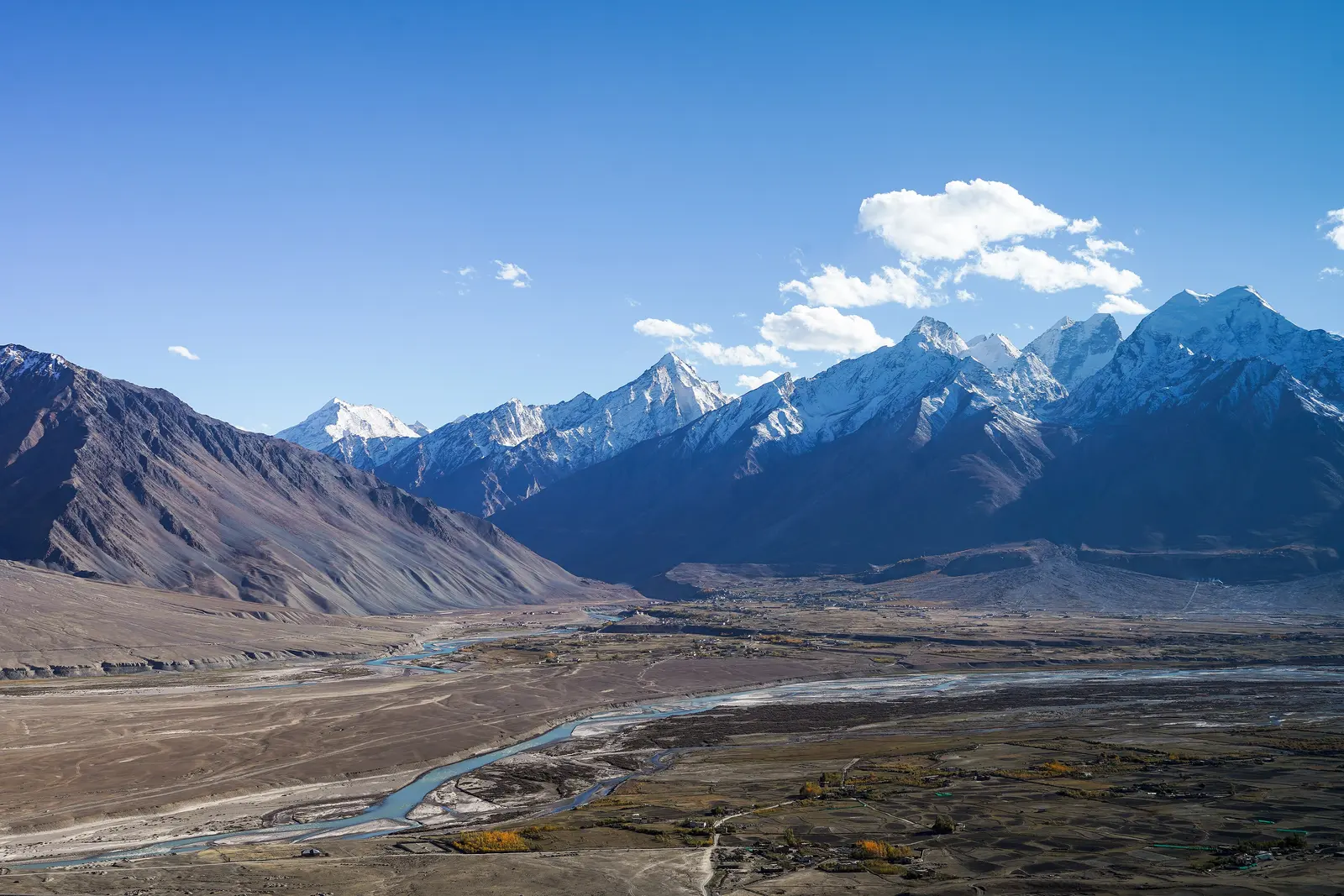 Trekking
Padum Travel Guide: Zanskar Valley's Historic Capital Town
A dusty bazaar town where two rivers meet, Padum is Zanskar's historic capital and the essential base for its monasteries, royal ruins, and legendary high-altitude treks.
 Trekking
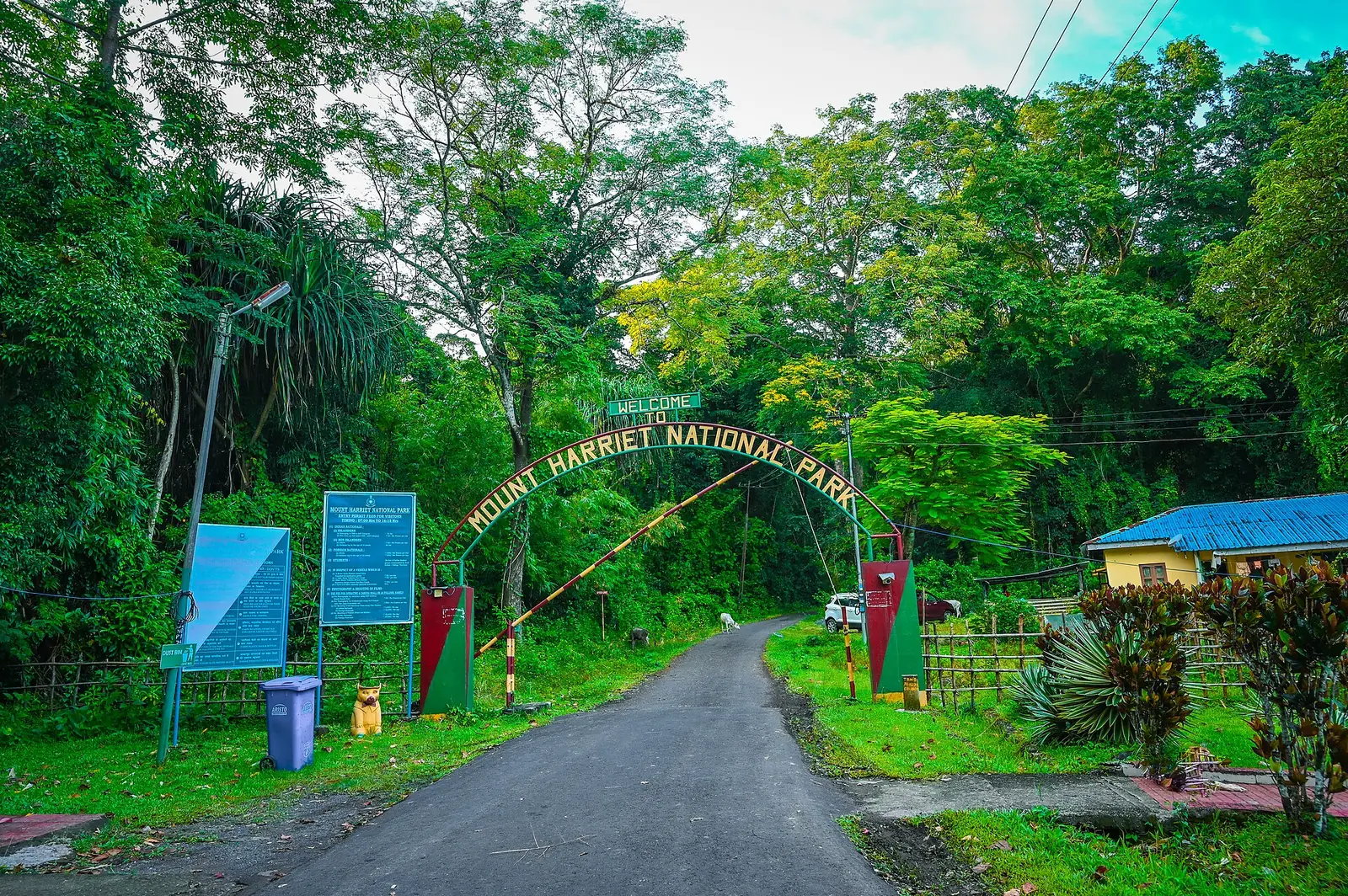
Mount Manipur (Mount Harriet) Travel Guide: Trek & Views
South Andaman's highest point, across the harbour from Port Blair — colonial-era ruins, forest trails, and panoramic views over Ross Island and North Bay.
 Trekking
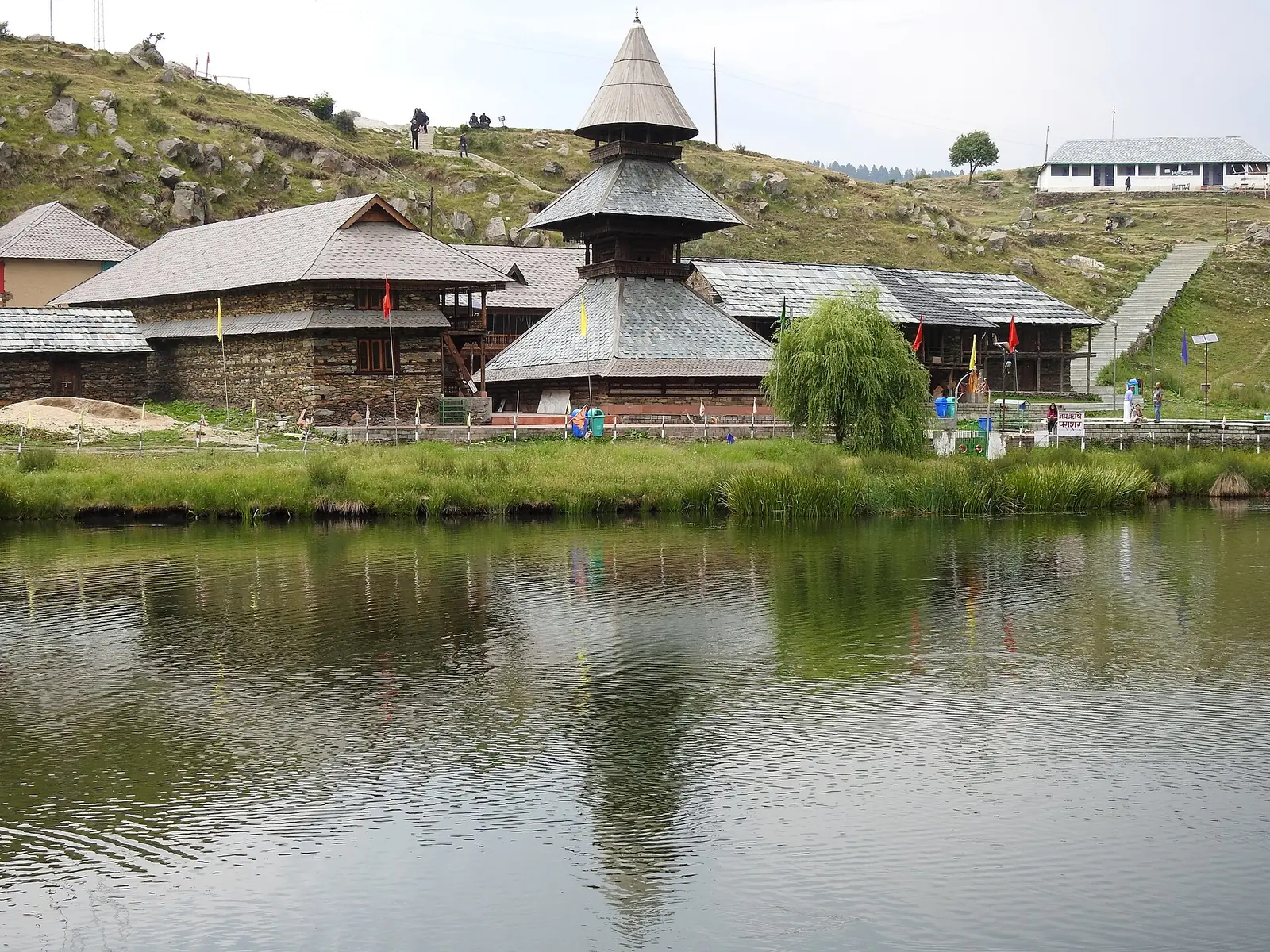
Prashar Lake Trek Guide: Floating Island & Best Time to Visit
A high-altitude lake famous for a small floating island of vegetation, reached by an easy overnight trek above the Kullu valley — the complete guide to Prashar Lake.
 Trekking
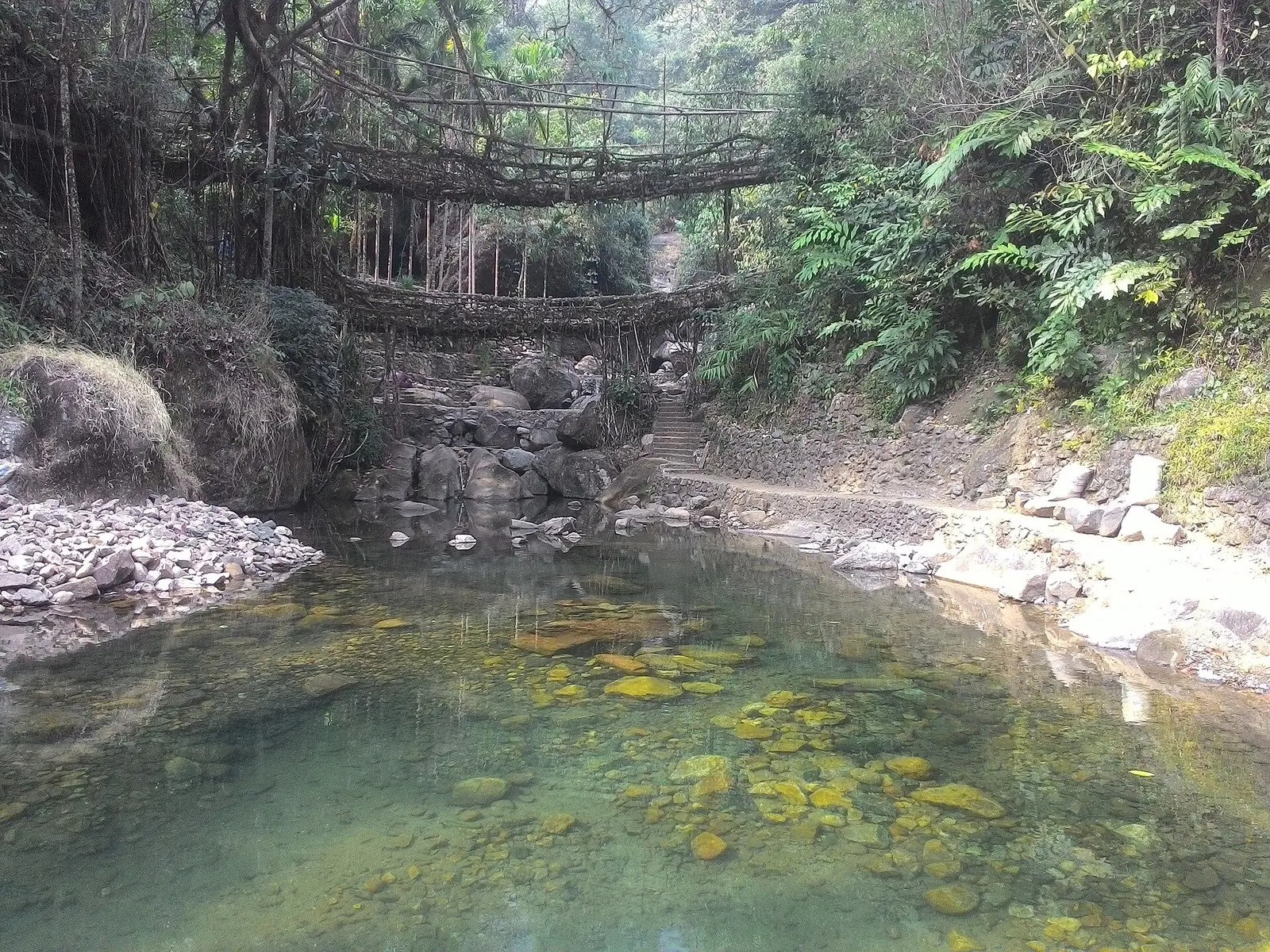
Nongriat Trek Guide: Living Root Bridge
A bridge grown from living tree roots over generations, and a demanding 3,500-step descent through the forest to reach it.