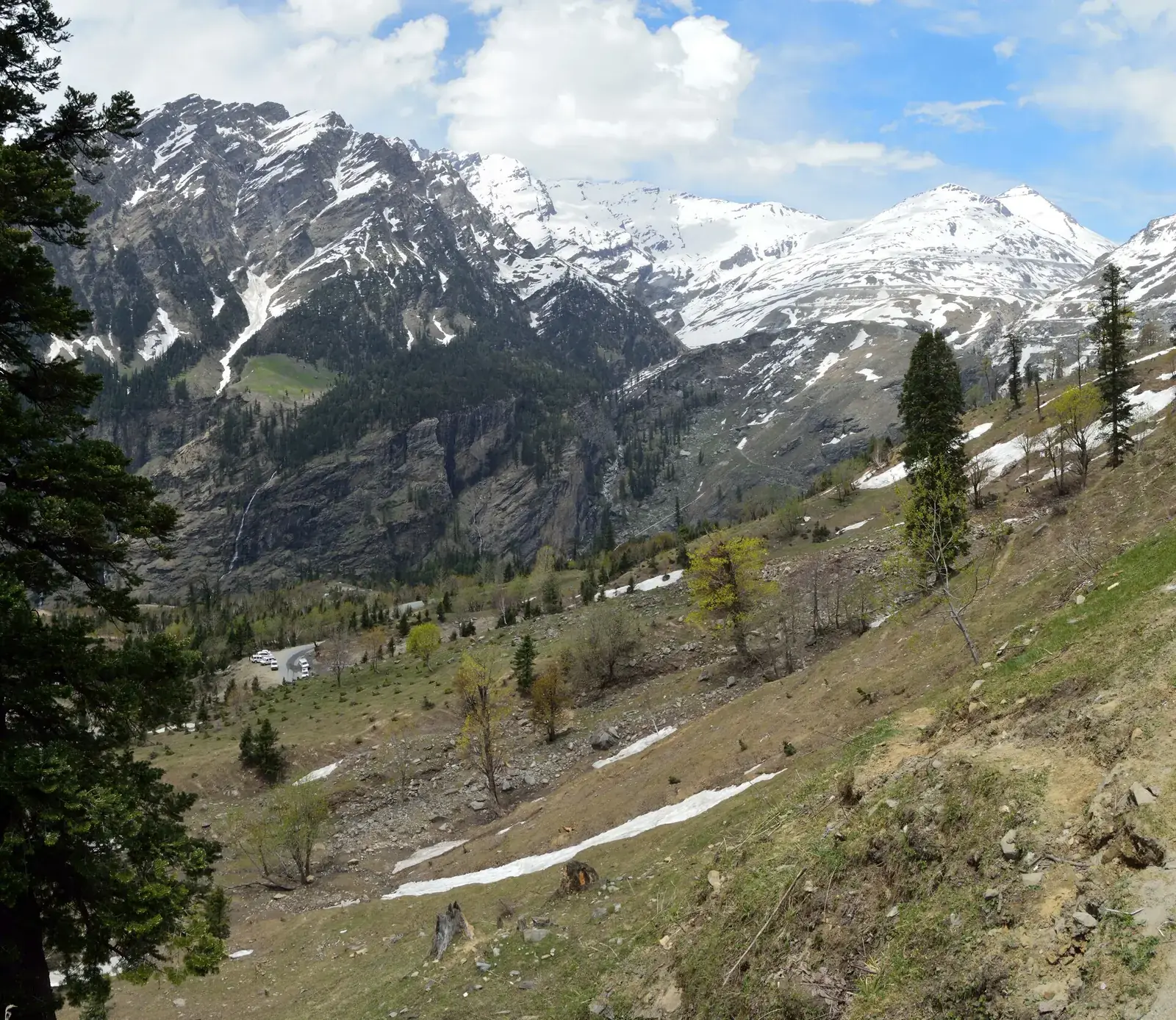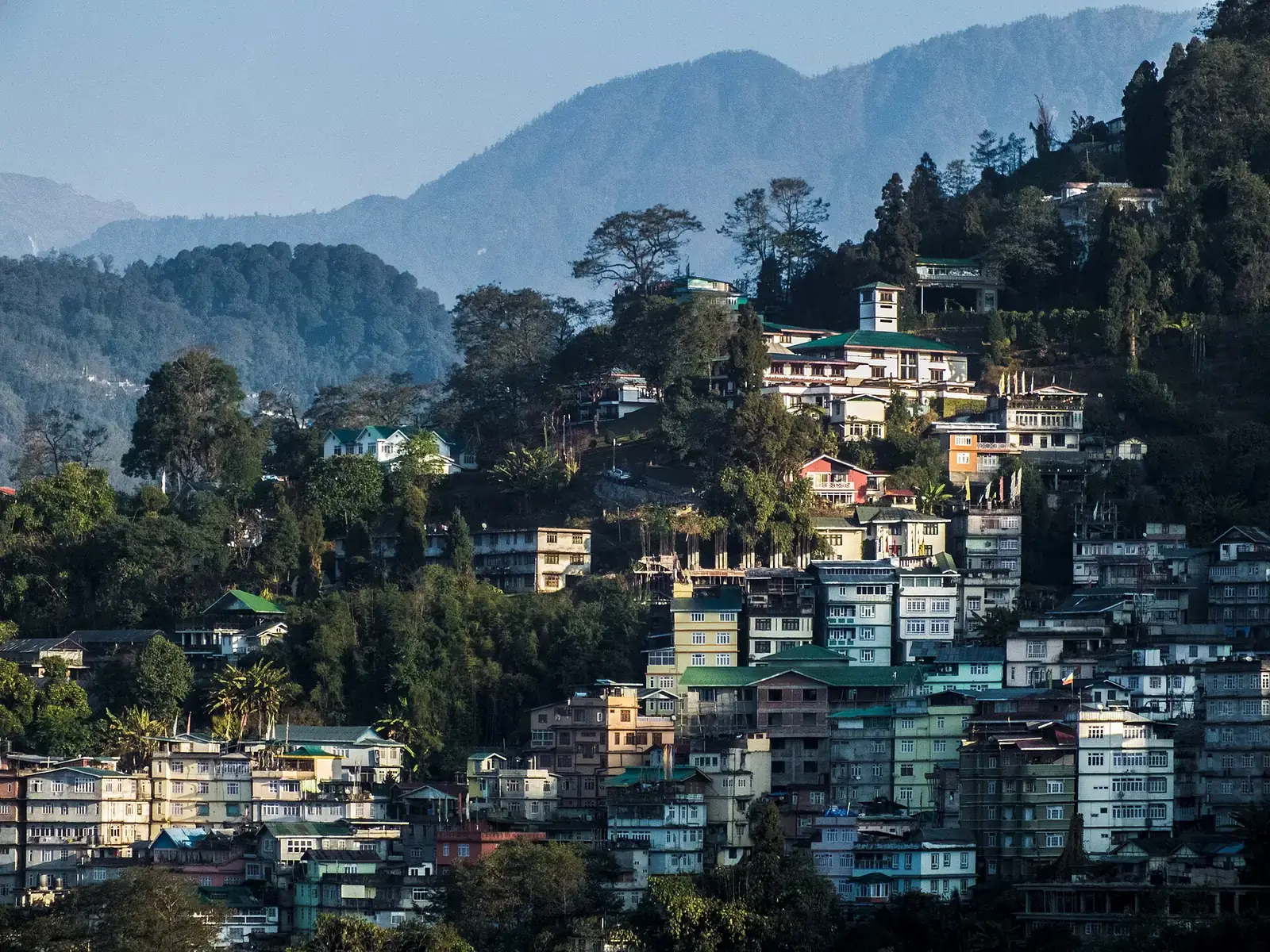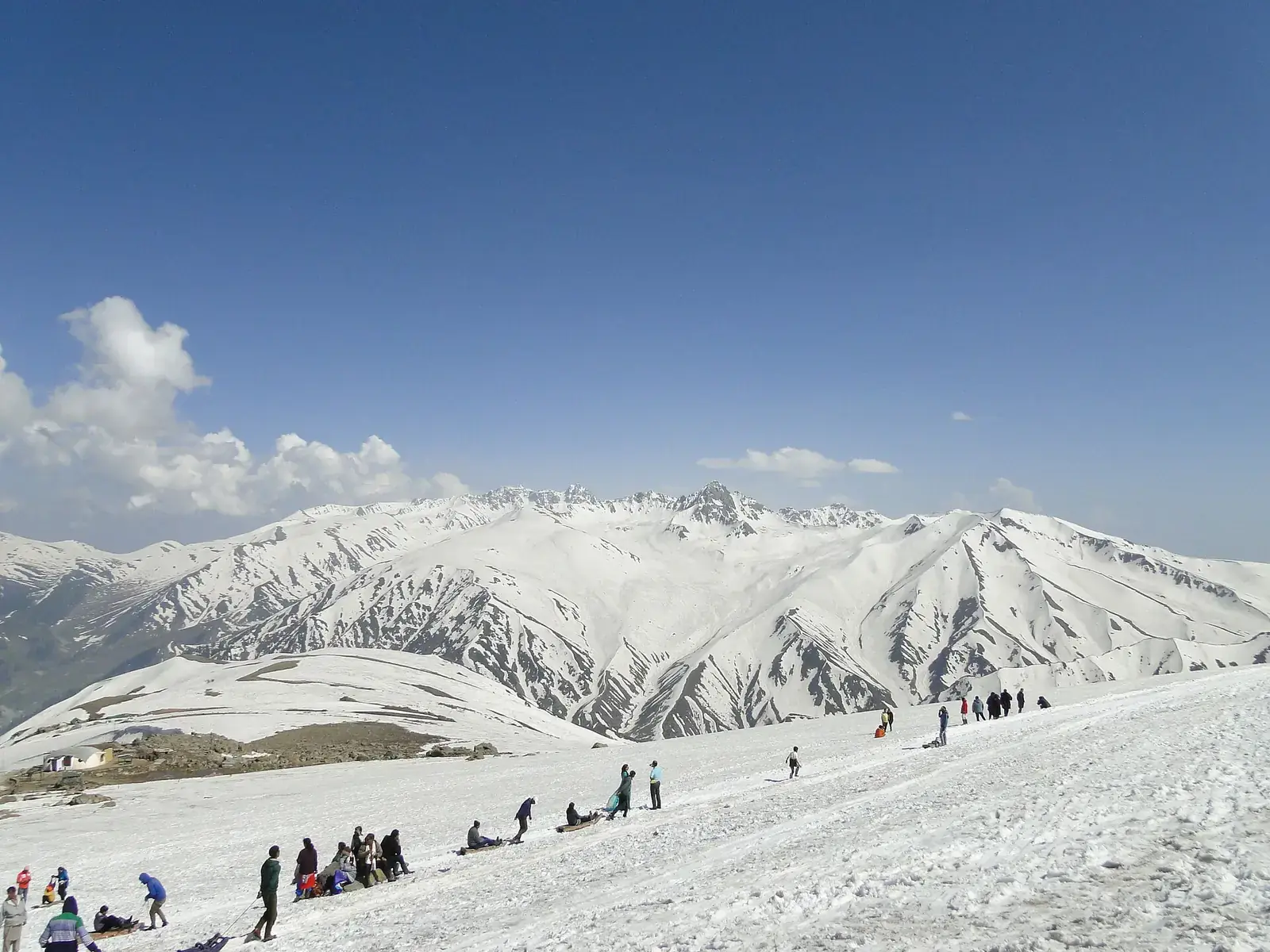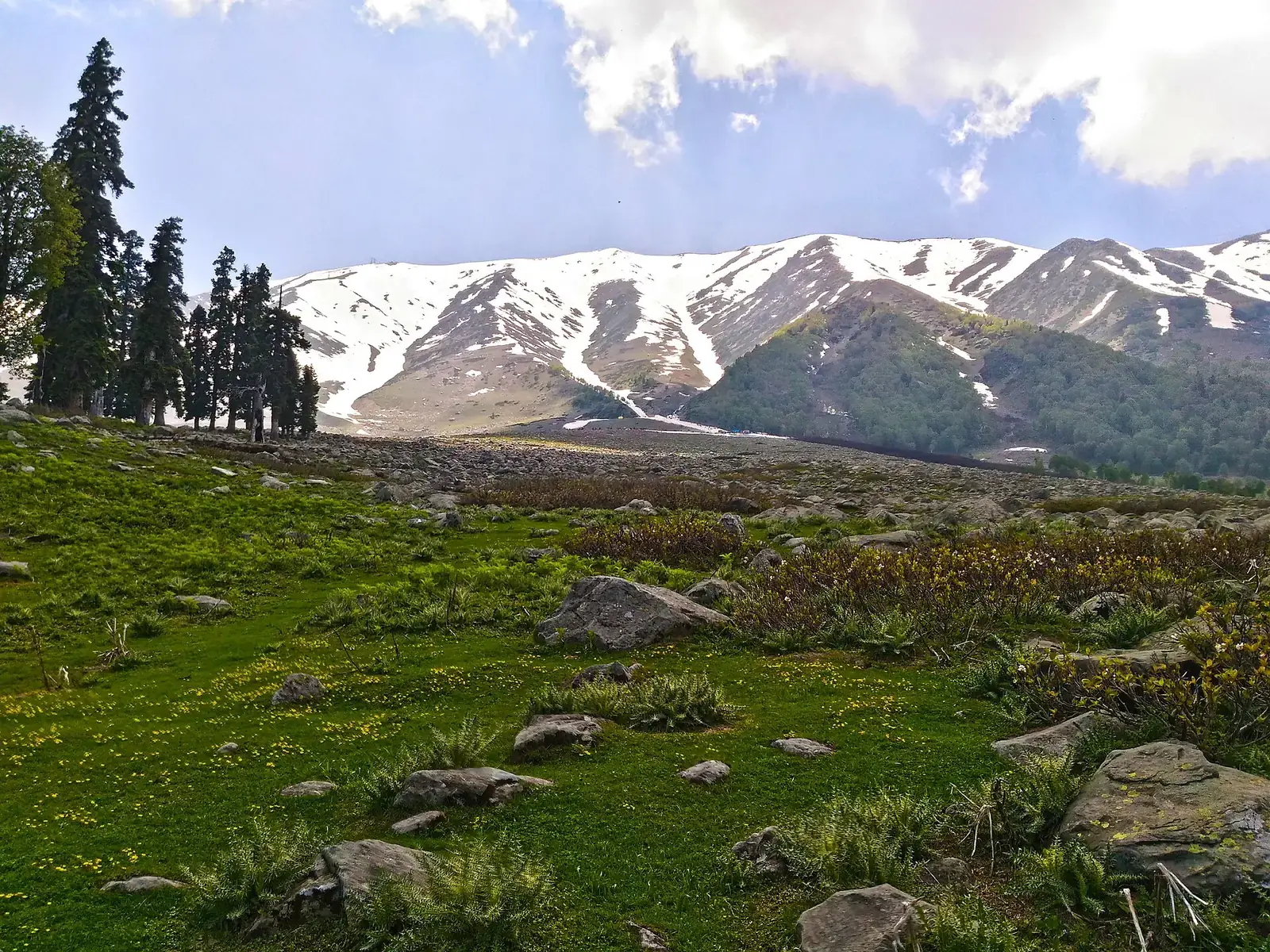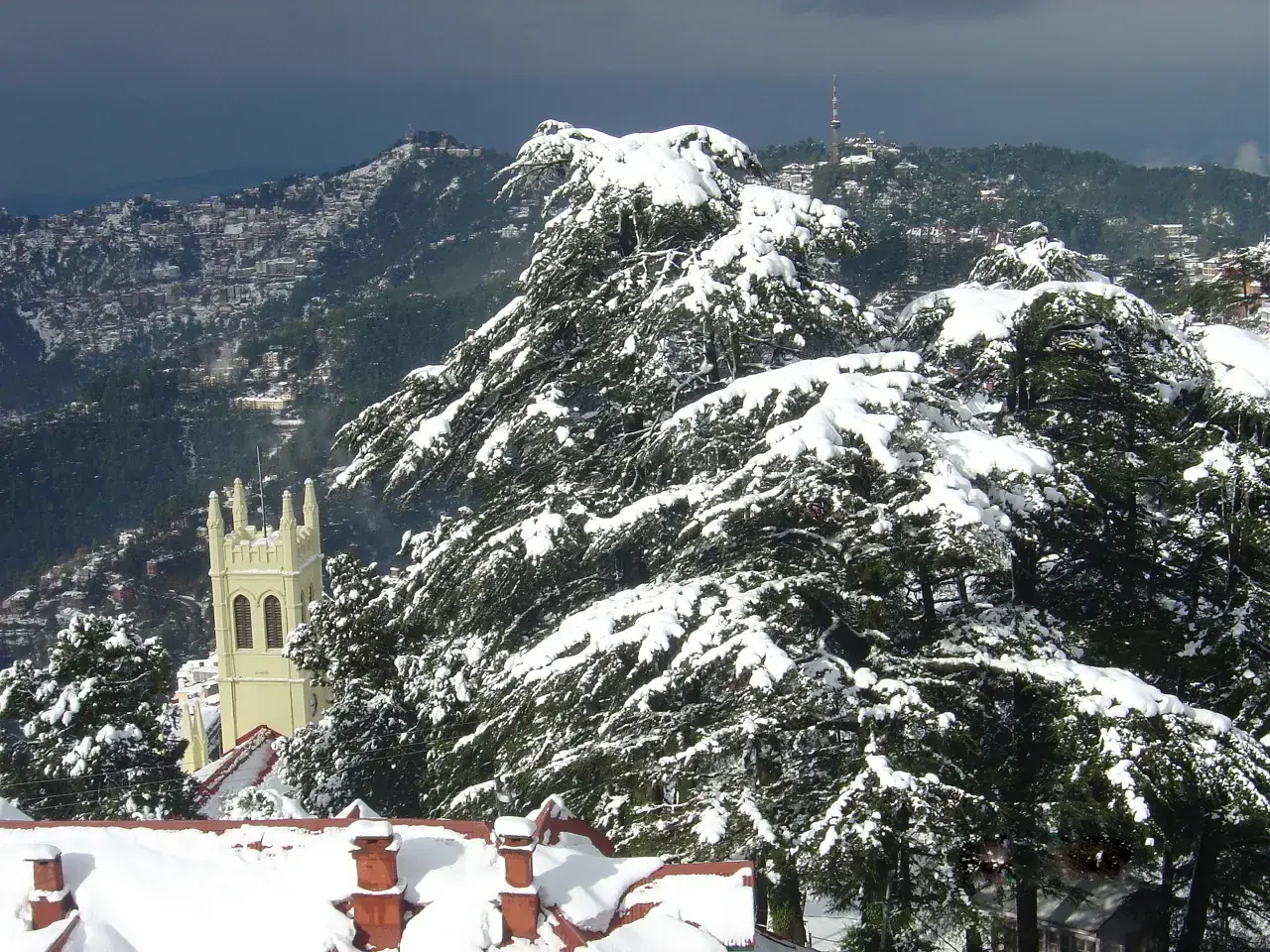
Beyond the hill stations lie India's true mountain destinations: high-altitude regions such as Ladakh and Spiti, deep Himalayan valleys like Kinnaur and Tirthan, and remote corners of Sikkim and Arunachal Pradesh. They are villages and landscapes rather than resort towns, with fewer comforts and far bigger views.
Most need more planning than a hill station: longer drives, permits in border areas, seasonal road openings and time to acclimatise to altitude.
Quick answer
India's best mountain destinations include Ladakh (Leh, Nubra and Pangong), Spiti and Kinnaur in Himachal Pradesh, Zanskar, the Tirthan and Parvati valleys, Chopta and Munsiyari in Uttarakhand, North Sikkim's Lachung and Lachen, and Tawang in Arunachal Pradesh. Most are best from May or June to October; high regions need acclimatisation, and border areas need permits.
Key takeaways
- High-altitude regions (Ladakh, Spiti) and hill stations are different trips; plan more time for the former.
- Most high roads open from around May or June to October, depending on snow.
- Build in acclimatisation days above about 3,000 m.
- Border areas such as Nubra, Pangong, North Sikkim and Tawang need permits.
- Valleys like Tirthan, Jibhi and Chopta are gentler introductions.
Mountain destinations at a glance
| Destination | Type | Region | Best months |
|---|---|---|---|
| Leh and Ladakh | High-altitude cold desert | Ladakh | June to September |
| Spiti | High-altitude valley | Himachal Pradesh | June to October |
| Kinnaur (Sangla, Chitkul, Kalpa) | Himalayan valley | Himachal Pradesh | April to June, September to October |
| Zanskar | Remote high valley | Ladakh | July to September |
| Tirthan and Jibhi | Forested valley | Himachal Pradesh | March to June, September to November |
| Chopta and Tungnath | Alpine meadows | Uttarakhand | April to June, September to November |
| Munsiyari | Mountain town | Uttarakhand | March to June, October to November |
| Lachung and Lachen (North Sikkim) | High valleys | Sikkim | March to May, October to December |
| Tawang | Mountain town | Arunachal Pradesh | March to June, September to November |
| Dzukou Valley | Highland valley trek | Nagaland and Manipur | June to September (flowers), October to March |
High-altitude regions
Ladakh
Leh, the Nubra valley, Pangong and Tso Moriri, with monasteries and high passes.
Spiti
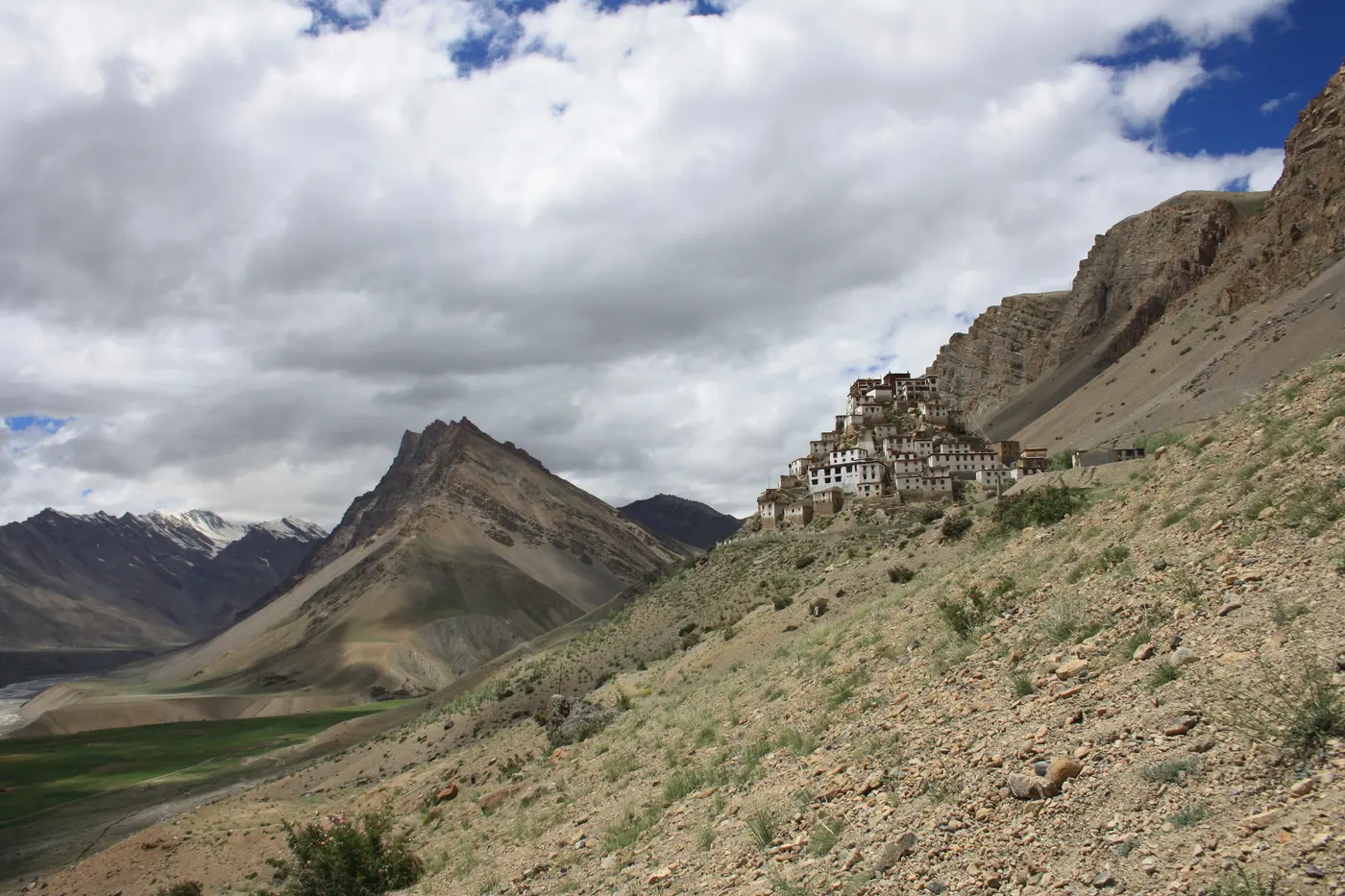
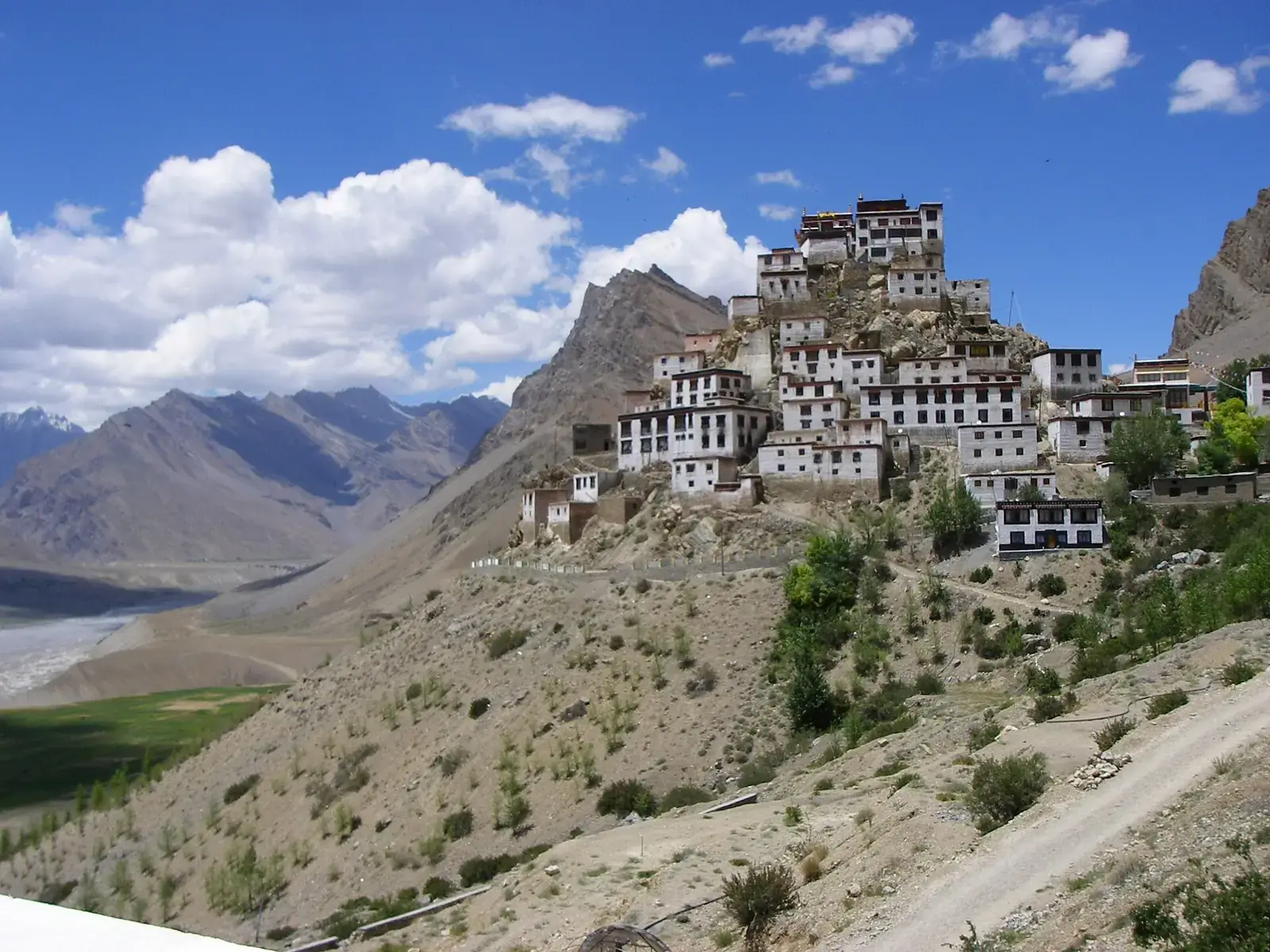
A cold desert valley with Key and Dhankar monasteries and villages such as Kibber and Langza.
Himalayan valleys
Kinnaur
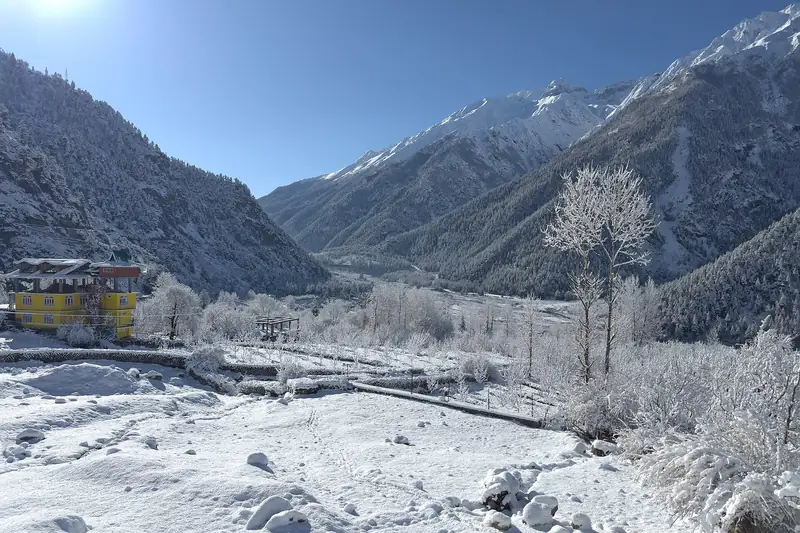
Apple orchards, the Sangla valley and Chitkul, the last village on the old Hindustan-Tibet road.
Tirthan, Jibhi and the Parvati valley
River valleys near the Great Himalayan National Park and the Kasol and Kheerganga trail.
Chopta and Munsiyari
Uttarakhand's meadow country below Tungnath, and a Kumaon town facing the Panchachuli peaks.
The eastern Himalaya
North Sikkim and Tawang
Lachung, Yumthang and Lachen in Sikkim; the monastery town of Tawang over the Sela Pass.
Altitude and acclimatisation
Places such as Leh (about 3,500 m) and Spiti's villages are high enough for altitude sickness to be a real risk. The general advice is to reach them gradually, rest on the first day, drink water, avoid alcohol early on, and descend if symptoms worsen. Travellers with heart, lung or other health conditions should consult a doctor before going.
Permits and road openings
- Ladakh's Nubra, Pangong and other protected areas need permits for visitors; check the current Ladakh rules.
- North Sikkim and Tsomgo need Protected Area Permits, usually arranged through registered operators.
- Arunachal Pradesh requires an Inner Line Permit for Indian visitors.
- The Manali-Leh and Srinagar-Leh roads, and the Kunzum Pass to Spiti, open seasonally after snow clearance.
Getting there and around
Leh has flights from Delhi and other cities all year, and road access from Manali and Srinagar in summer. Spiti is reached from Shimla through Kinnaur (open most of the year, weather permitting) or from Manali over the Kunzum Pass in summer. North Sikkim is reached from Gangtok with registered operators, and Tawang by road from Guwahati or Tezpur through the Sela Tunnel. Expect long days on the road, and add buffer days for weather.
Combining with hill stations
- Shimla with Kinnaur and Spiti, returning via Manali when the Kunzum Pass is open.
- Manali with Jibhi or Tirthan for a quieter second half.
- Gangtok with Lachung and Yumthang, or Darjeeling with Pelling.
- Rishikesh with Chopta and Tungnath.
Safety
- Acclimatise before going higher, and descend if altitude symptoms worsen.
- Mountain roads close or slow down after heavy rain, snow or landslides; check road and weather updates before you drive, and avoid driving after dark.
- Permits, e-passes, ropeway timings and pass openings change; check the official portals before you travel.
- Carry cash; ATMs and connectivity are limited in remote valleys.
What to pack
- Warm layers, including a down jacket for high places
- Sunglasses, sunscreen and lip balm
- Refillable water bottle
- Basic medicines and any personal prescriptions
Want to combine several mountain destinations into one trip?
FAQs
What is the difference between a hill station and a mountain destination?
Hill stations are towns developed as retreats with tourist facilities; mountain destinations here means high valleys and regions such as Ladakh and Spiti, which are more remote.
When can I visit Ladakh and Spiti?
Mostly from June to September or October, when the high roads are open.
Do I need permits for mountain areas in India?
Some border areas do, including parts of Ladakh, North Sikkim and all of Arunachal Pradesh.
Which mountain valley is easiest for a first trip?
Tirthan, Jibhi or Chopta are gentler than Ladakh or Spiti.
How do I avoid altitude sickness?
Ascend gradually, rest on arrival, drink water and consult a doctor before travel if you have health conditions.