Northeast India's Most Striking Trek
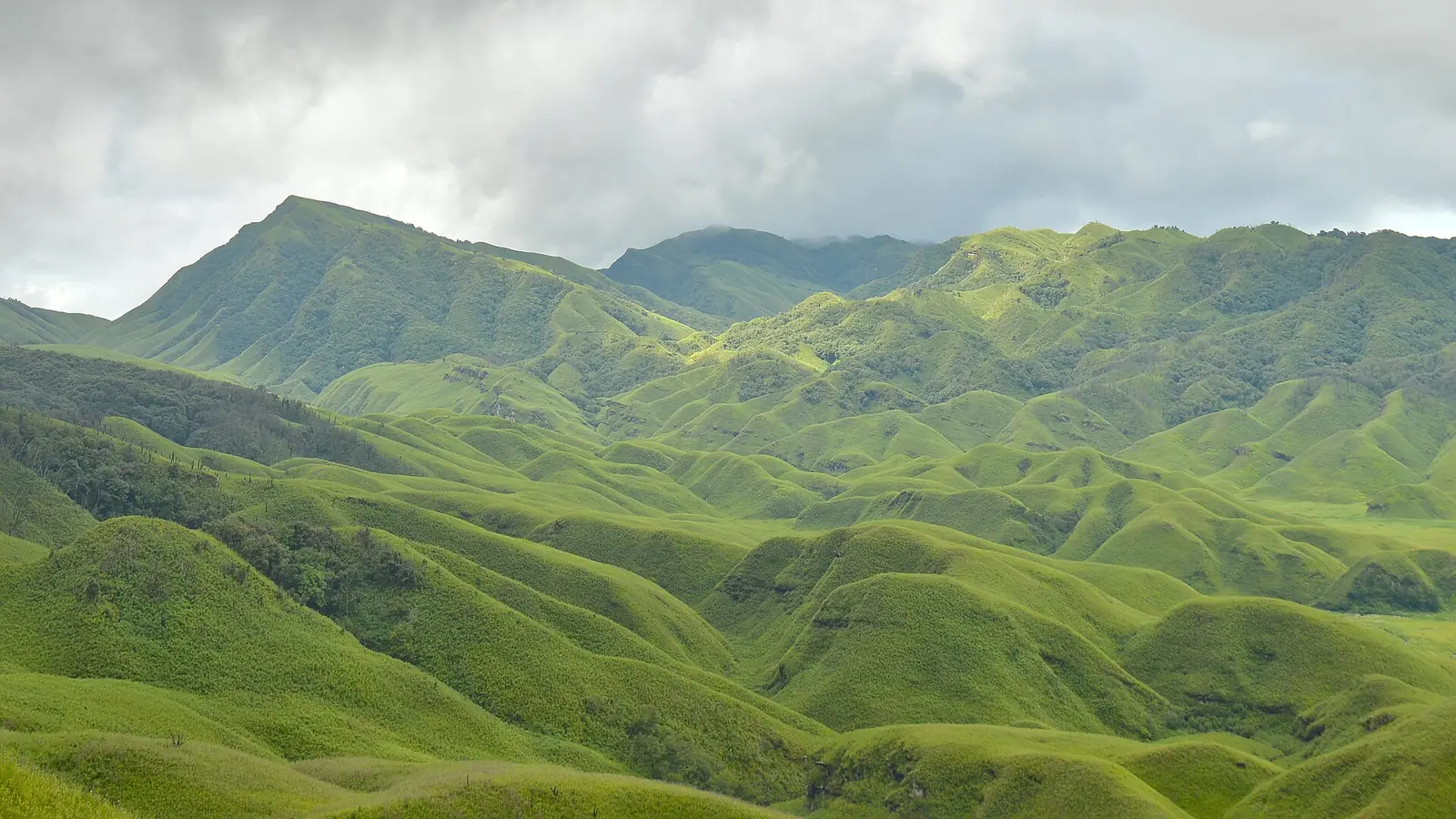
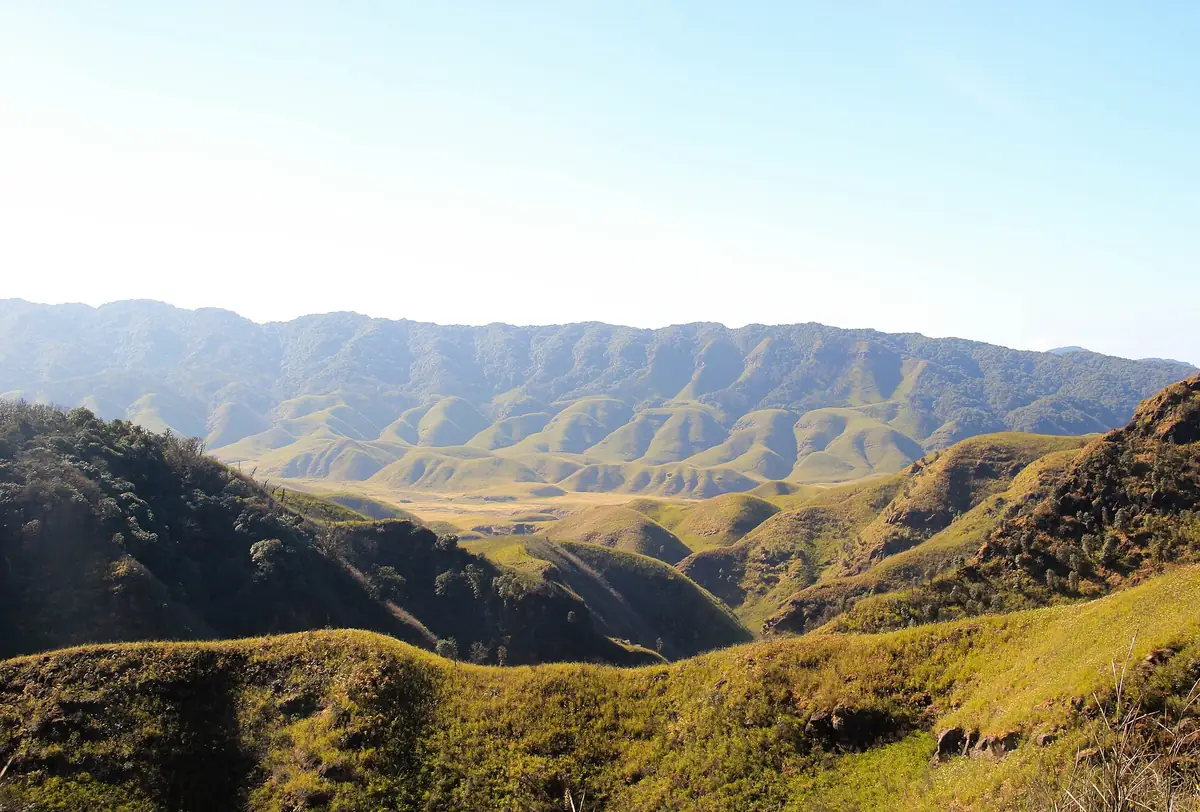
Dzukou Valley (also spelled Dzüko Valley) sits on the Nagaland-Manipur border at roughly 2,452 m, famous for its rolling green hills and an otherworldly landscape often compared to Scotland's highlands or New Zealand — genuinely one of Northeast India's most visually striking treks.
The valley is known for seasonal flower blooms, most notably the rare Dzukou lily, a flower found nowhere else in the world outside this valley — a genuinely significant botanical fact that draws trekkers specifically timing their visit around the bloom.
There's no permanent settlement or real infrastructure within the valley itself — accommodation is limited to basic trekker huts and campsites, so come prepared for a genuine wilderness experience rather than expecting amenities.
🌿 Dzukou Valley at a Glance
Love the outdoors? See our guide to valleys in India.
Planning something active? Read our guide to trekking in India.
Best Time to Visit Dzukou Valley
There's a genuine trade-off here worth understanding upfront: bloom season and the clearest trekking weather don't fully overlap.
The valley's signature rare lily blooms in this window, alongside other wildflowers — the most colorful time to visit, though monsoon rain is a factor.
Dry, cooler conditions with the most reliable visibility — the better window if trekking comfort matters more than seeing the lily in bloom.
Later-season flowers keep the valley colorful even after the lily's peak, though rain remains a factor.
A reasonable window before the rains set in, with the valley starting to green up ahead of the main bloom.
Our pick: June-July if the Dzukou lily is the priority; October-April if clear, dry trekking conditions matter more than catching the bloom.
How to Reach the Trailhead
- Via Kohima: The trek begins from Viswema village, a short drive from Kohima — most trekkers base themselves in Kohima the night before and after.
- From Dimapur: A longer journey via Kohima, since Dimapur is Nagaland's main airport/rail gateway.
- On foot: From Viswema, the trek itself begins with a steep initial climb before reaching the valley's gentler traverse.
The Trek & the Valley
The Climb from Viswema
The trek's toughest stretch comes early — a steep ascent that gains most of the trek's elevation in a relatively short distance. Pace yourself here; the reward comes once you crest into the valley itself.
The Valley Traverse
Once inside the valley, the terrain flattens into a gentle, rolling landscape of green hills — the section that gives Dzukou its reputation as one of Northeast India's most extraordinary landscapes.
The Dzukou Lily
Found nowhere else on earth, this rare lily blooms roughly June-July, drawing trekkers specifically for the flower alongside the valley's other seasonal blooms.
Trekker Huts & Camping
Basic huts and campsites within the valley are the only accommodation — there's no village or real infrastructure, so treat this as a genuine wilderness trek rather than a lodge-to-lodge walk.
Where to Stay
Accommodation splits into two very different types — basic trekker huts inside the valley, and standard hotels in Kohima before and after the trek.
- → Basic trekker huts
- → Tent camping
- → Very limited facilities
- → Guesthouses
- → Tourist lodges
- → Business hotels
- → Boutique guesthouses
Come prepared for genuinely basic facilities inside the valley — this is a wilderness trek, not a lodge trail.
Suggested Visit Plan (2–3 Days)
Kohima to the Valley
- ✓Drive from Kohima to Viswema
- ✓Steep climb into the valley
- ✓Set up camp / check into a trekker hut
Explore the Valley
- ✓Walk the valley's rolling hills
- ✓Look for the Dzukou lily in bloom season
- ✓Overnight again in the valley
Descend & Return
- ✓Trek back down to Viswema
- ✓Drive back to Kohima
Food on the Trek
- Carry your own supplies: There are minimal facilities within the valley — pack enough food for the full trek.
- Guides/porters may cook basic meals: If trekking with a local guide, simple cooked meals are sometimes arranged as part of the package.
- Eat well in Kohima before/after: Naga cuisine — smoked pork, bamboo shoot dishes — is worth enjoying properly once back from the trek.
Budget Breakdown
| Expense | Budget | Mid-Range | Luxury |
|---|---|---|---|
| Local guide (per day) | ₹1,500 | ₹2,500 | ₹4,000 |
| Trekker hut/camping | ₹300 | ₹500 | ₹800 |
| Kohima hotel/night | ₹1,200 | ₹3,000 | ₹6,000 |
| Food/day | ₹400 | ₹800 | ₹1,500 |
* A local guide is genuinely worth the cost given limited trail signage and the value of local knowledge.
Essential Tips for the Dzukou Valley Trek
- Carry warm layers and rain protection: Mountain weather is unpredictable at this altitude, regardless of season.
- Hire a local guide: Especially valuable for first-time visitors given limited trail signage.
- Pack out all trash: Help preserve the valley's pristine landscape — there's no waste infrastructure on the trail.
- Time your trip around your priority: Bloom season versus clear trekking weather — decide which matters more before booking.
✅ Do
- →Hire a local guide, especially on a first visit
- →Carry warm layers even in the warmer months
- →Pack out all your trash
- →Start the climb from Viswema early in the day
- →Carry enough food and water for the full trek
- →Check weather conditions before setting out
❌ Don't
- →Expect any real infrastructure inside the valley
- →Attempt the trek without warm/rain gear
- →Leave litter on the trail or in the valley
- →Start the climb late in the day
- →Pick or trample the Dzukou lily if you see it
- →Skip a guide if trekking for the first time
Frequently Asked Questions
When do the Dzukou lilies bloom?
Roughly June to July, alongside other seasonal blooms that continue through September. This is the valley's most colorful window, though it doesn't always overlap with the clearest trekking weather.
How difficult is the Dzukou Valley trek?
Moderate. The initial climb from Viswema is steep and can be demanding, but it's followed by a relatively gentle traverse across the valley floor. No technical climbing skills are needed, but reasonable fitness helps.
Where does the trek start?
Viswema village, a short drive from Kohima. Most trekkers arrange transport to Viswema, then begin the climb on foot from there.
How many days should I plan for?
Most trekkers complete it as a 2-3 day round trip, including at least one night camping or staying in a trekker hut within the valley.
Is it safe to camp overnight in the valley?
Yes, with proper preparation — basic trekker huts and campsites exist, but there's no real infrastructure, so come with warm layers, rain protection, and enough supplies, ideally with a local guide.
Published by the Kudozz Club editorial team · Last updated · How we research our guides
Want us to plan this trip for you?
Tell Kudozz Club where you want to go and what kind of trip you’re looking for. We’ll build a Dzukou Valley and Nagaland itinerary around your dates and budget.
Continue Exploring
View all guides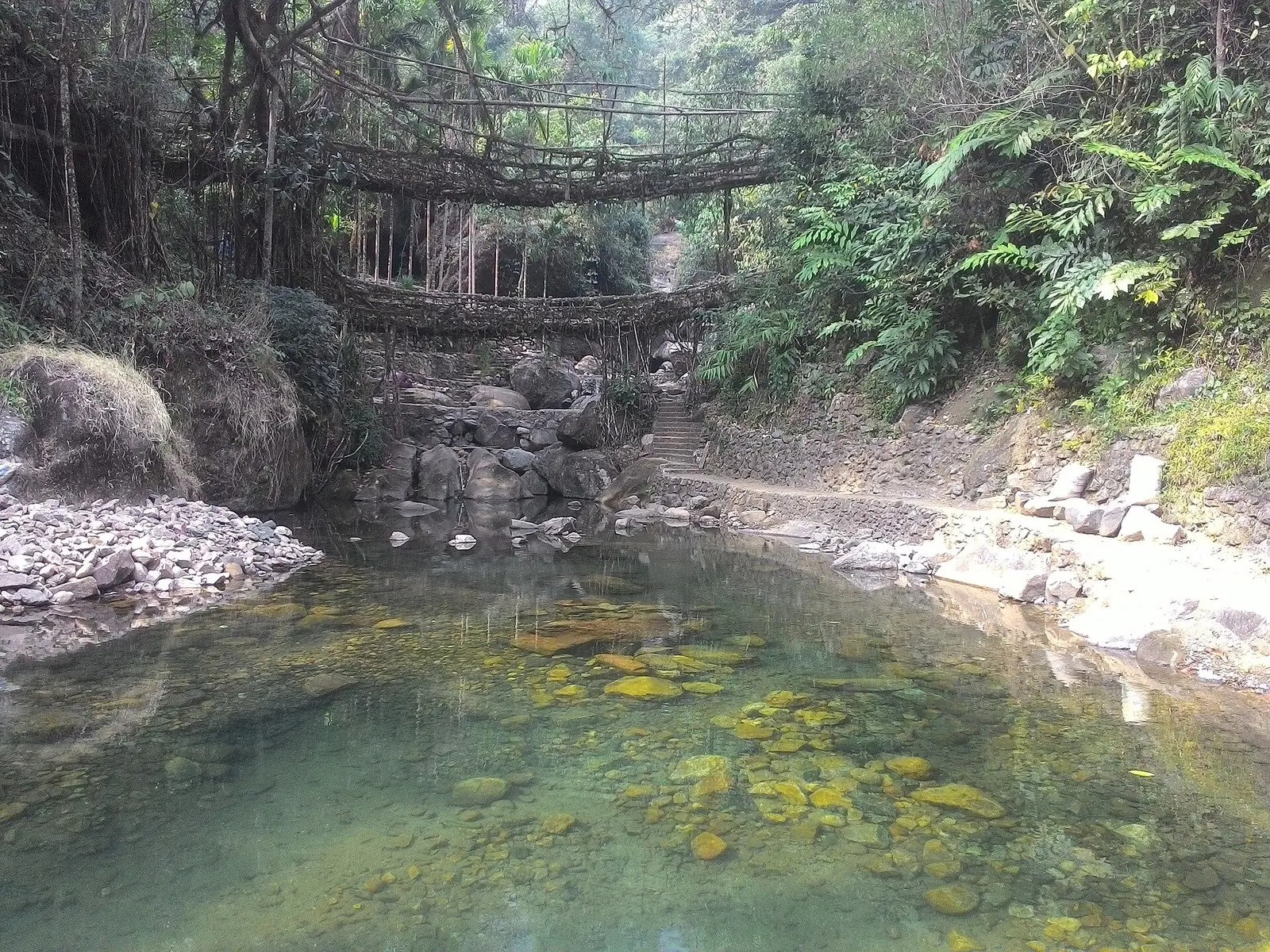 Trekking
Nongriat Trek Guide: Living Root Bridge
A bridge grown from living tree roots over generations, and a demanding 3,500-step descent through the forest to reach it.
 Trekking
Mount Saramati Trek: Nagaland's Highest Peak
A remote, expedition-level climb to 3,826 metres near the India-Myanmar border — rarely attempted, and genuinely demanding, the complete Mount Saramati guide.
 Trekking
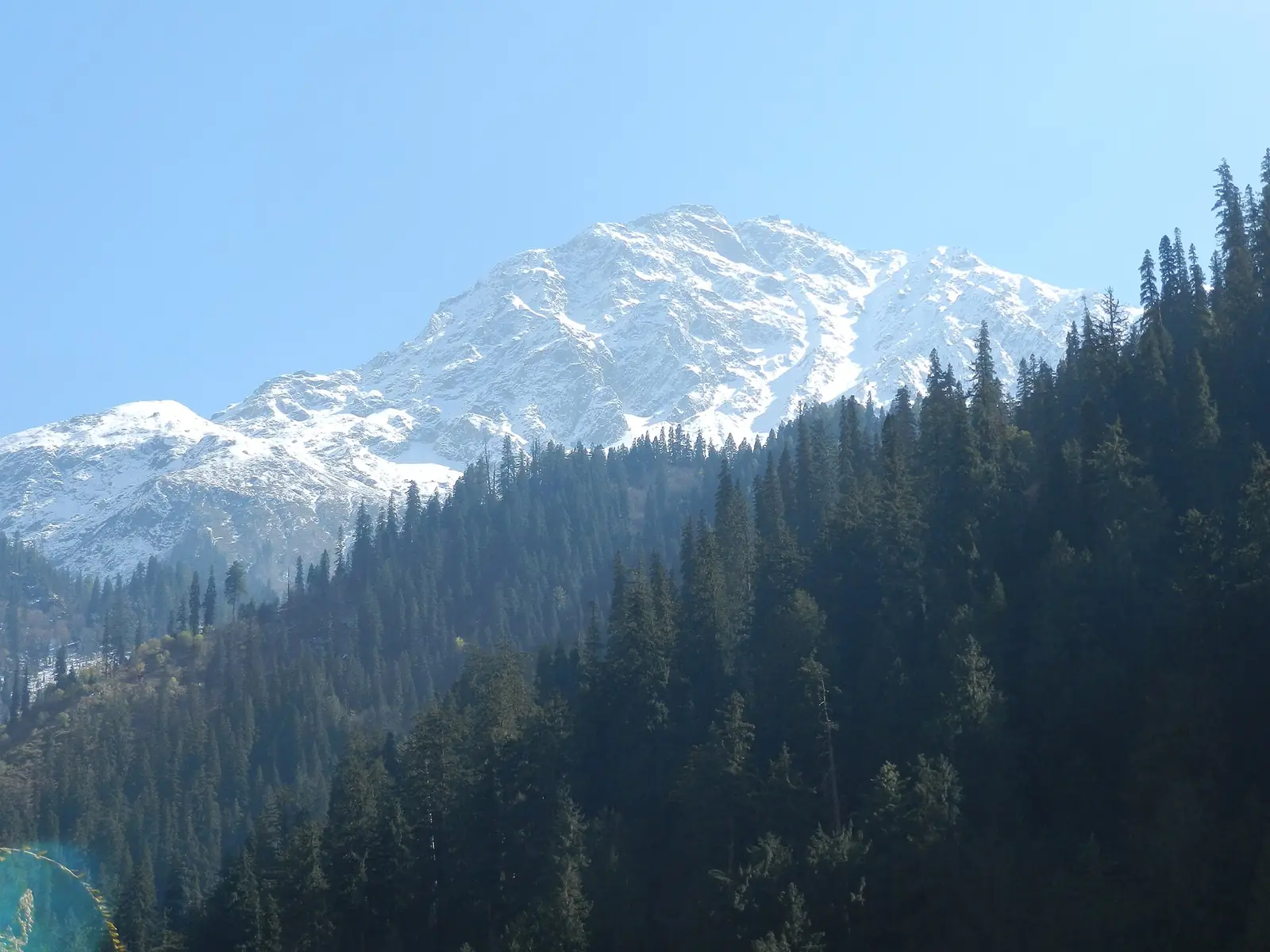
Kasol & Kheerganga: The Backpacker's Himalayan Trail
Follow the Parvati River to natural hot springs through pine forests and tiny Himalayan villages.
 Trekking
Zanskar Valley Travel Guide: Chadar Trek, Phugtal Monastery & Padum
Cut off from the world for eight months a year by snow, Zanskar is Ladakh's last true frontier — home to the legendary frozen-river Chadar Trek and the cliffside Phugtal Monastery.