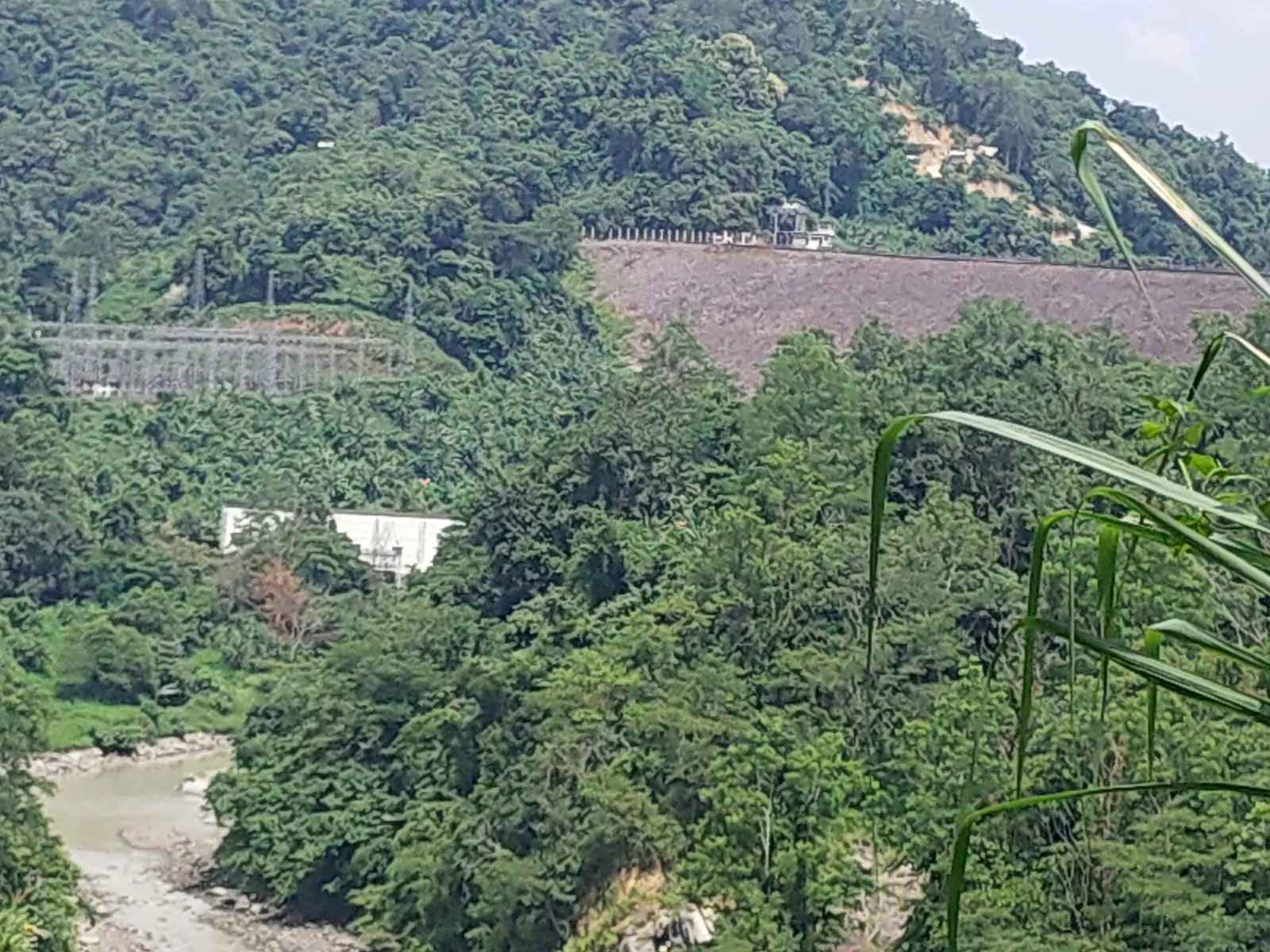
The Falcon Capital of the World
Doyang, centred on the Doyang River and its reservoir in Wokha district, is a genuinely extraordinary natural spectacle. Every October and November, millions of Amur falcons — small, fast raptors on an epic migration from breeding grounds in Siberia and Mongolia all the way to southern Africa — gather here to roost, making Doyang one of the largest congregations of migratory birds of prey found anywhere in the world.
What makes Doyang's story even more remarkable is what came before: this same congregation was once the site of large-scale hunting of the falcons by local communities. A community-led conservation turnaround — driven by Wokha villagers working alongside conservation organisations including WWF and government agencies — transformed the region from a hunting ground into a protected roosting site. Doyang is now held up as a genuine global conservation success story, and that human story is as much a part of a visit here as the birds themselves.
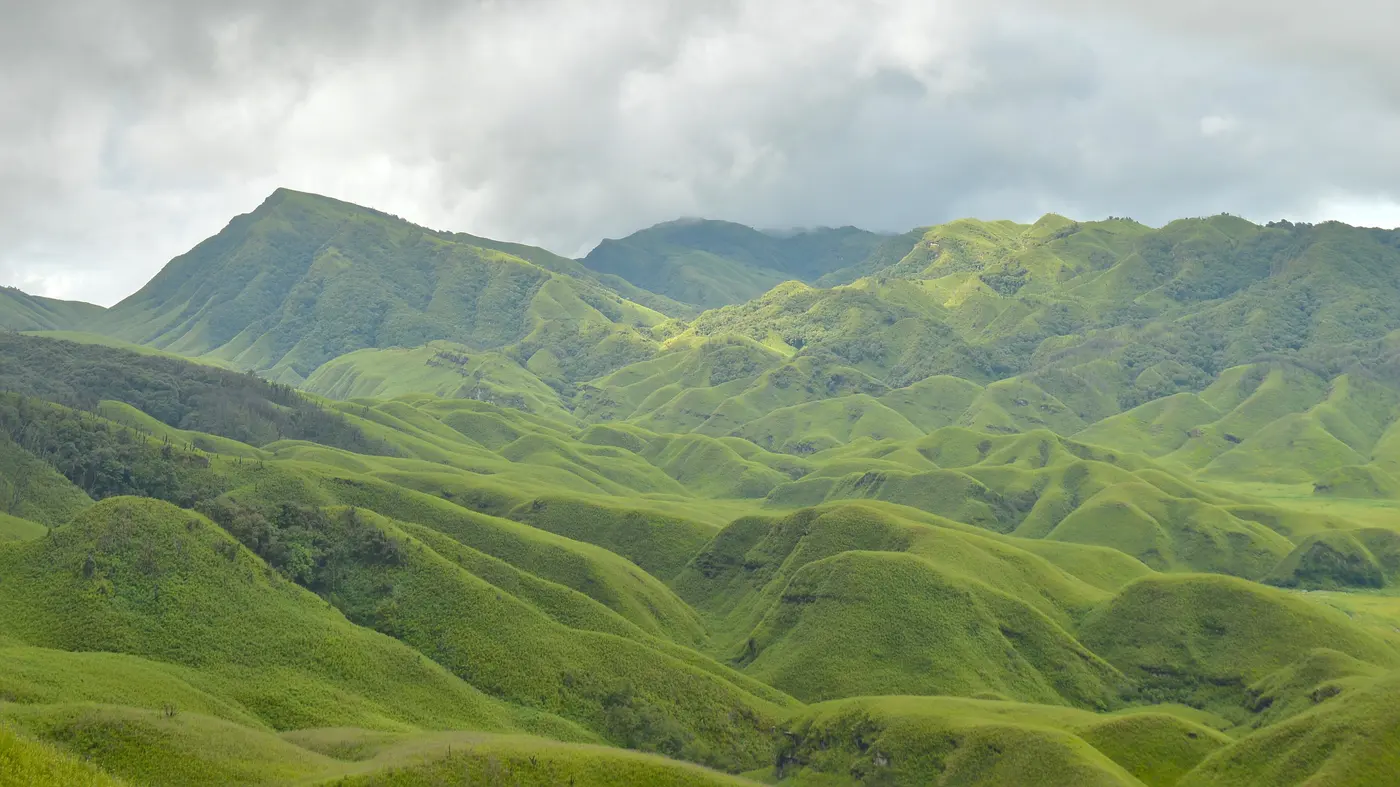
Outside the migration window, Doyang is a quiet reservoir set among forested hills — pleasant, but not the reason most travellers make the journey out to Wokha district.
🦅 Doyang at a Glance
Best Time to Visit Doyang
Doyang's calendar revolves almost entirely around one narrow window — timing is the single most important planning factor here.
The Amur falcons roost here in vast numbers during this window. This is the entire reason to visit Doyang, and outside it the falcons simply aren't present.
Pleasant hill weather and a peaceful reservoir, but the falcons have moved on toward Africa by this point.
A quiet time to see the reservoir and surrounding hills without any wildlife-migration draw.
Heavy rain makes travel into Wokha district less comfortable, and this is well before the falcons arrive.
Our pick: Late October through November, without exception — this is a single-purpose destination built entirely around the falcon migration window.
How to Reach Doyang
- Via Wokha town: The practical gateway to Doyang, reachable by road from both Kohima and Dimapur, with the reservoir a further drive from town.
- From Kohima: A road journey of several hours through Nagaland's hill terrain — arrange a vehicle in advance given the limited public transport options this far into Wokha district.
- From Dimapur: Dimapur's airport is the nearest air link for most travellers, with a road journey onward to Wokha and Doyang.
The Migration & Conservation Story
The Amur Falcon Migration
Amur falcons breed across Siberia and Mongolia and migrate an extraordinary distance to wintering grounds in southern Africa — one of the longest migratory routes of any raptor species. Doyang sits along this route as a critical stopover, where the birds gather in the millions to roost before continuing their journey. Watching thousands of falcons wheel and settle into the trees at dusk is the singular experience that draws visitors here.
The Conservation Turnaround
For years, this same gathering was targeted by large-scale hunting from surrounding villages. A community-led shift — local Wokha villagers partnering with conservation organisations including WWF and government wildlife agencies — turned hunters into protectors, and Doyang is now cited internationally as a model for community-driven wildlife conservation. Local guides who were part of this shift can offer visitors a far richer understanding of the story than the birds alone convey.
The Doyang Reservoir
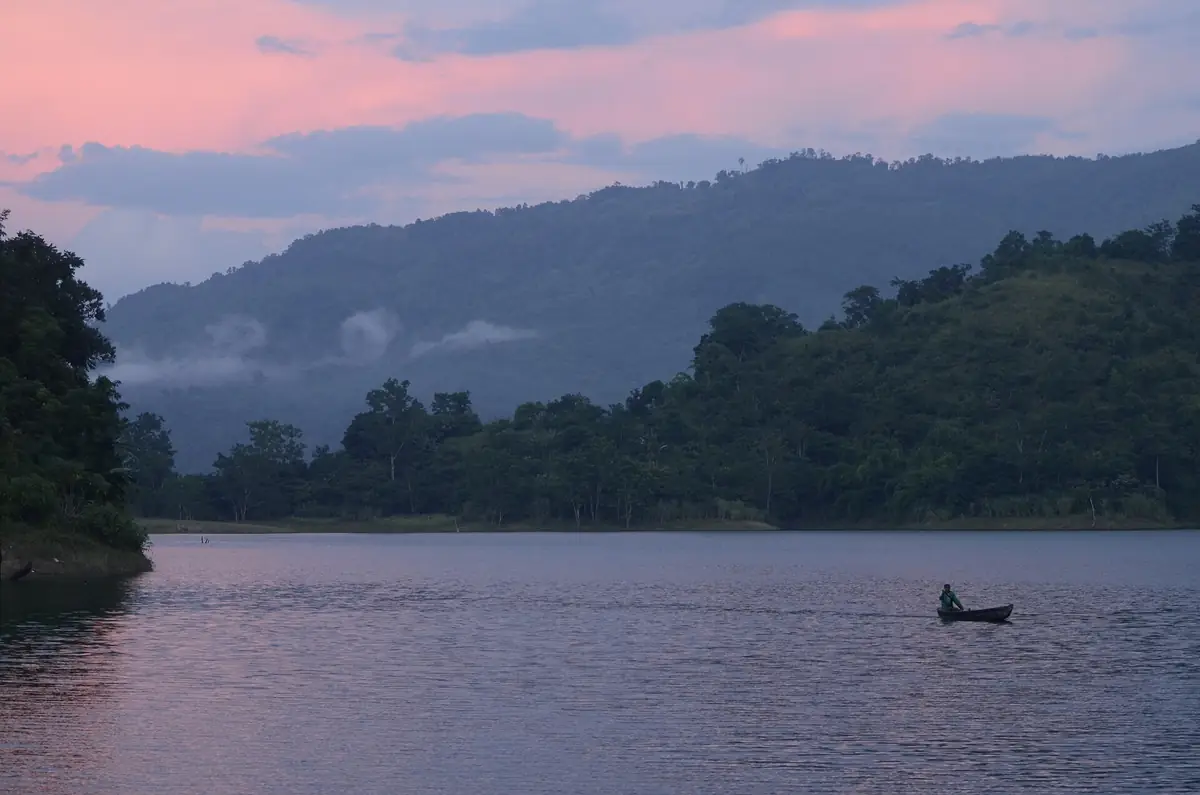
Beyond the falcons, the reservoir itself sits in a peaceful setting of forested Wokha hills, worth a slow walk or boat ride if time allows around the main birdwatching activity.
Where to Stay
Accommodation is modest and concentrated in Wokha town, with limited options closer to the reservoir itself.
- → Basic guesthouses, Wokha town
- → Government circuit house (where available)
- → Simple homestays near the reservoir
- → Better-appointed Wokha lodges
- → Tour-operator-arranged stays
- → Seasonal migration-camp packages
- → No dedicated luxury properties
- → Premium options via Kohima day trips
- → Curated small-group tour packages
Suggested Visit Plan
Arrival & Evening Roost
- ✓Travel from Kohima or Dimapur to Wokha
- ✓Settle in, meet local guide
- ✓Evening at the reservoir for the falcon roost
Dawn Flight & Conservation Story
- ✓Early morning falcon departure watch
- ✓Meet community members from the conservation effort
- ✓Return journey or extend into wider Wokha district
* Dawn and dusk are the two key windows for falcon activity — plan around both if possible.
Where to Eat
- Guesthouse kitchens: Most Wokha accommodation serves home-style Naga meals to guests, the most reliable option given limited standalone restaurants.
- Local eateries in Wokha town: Simple Naga and North Indian fare, useful before heading out to the reservoir.
- Carry your own for the reservoir itself: Facilities right at the birdwatching spots are minimal, so pack water and snacks.
Budget Breakdown
| Expense | Budget | Mid-Range | Notes |
|---|---|---|---|
| Accommodation/night | ₹800 | ₹2,200 | Wokha town |
| Food/day | ₹400 | ₹800 | Simple local fare |
| Local guide (per day) | ₹1,500 | ₹3,000 | Essential for the reservoir areas |
| Vehicle hire (round trip) | ₹3,000 | ₹6,000 | From Kohima or Dimapur |
* A local guide is genuinely worth the cost here — much of the value of a Doyang visit comes from the conservation story, which is best told by people who lived through it.
Essential Tips for Visiting Doyang
- Timing is everything: Visiting outside October-November means the falcons simply won't be there — there is no substitute experience the rest of the year.
- Book ahead for peak weeks: Guides and vehicles get booked up quickly during the short migration window.
- Bring binoculars and a zoom lens: The falcons roost at a distance, and decent optics make a real difference.
- Engage local guides for the conservation story: Many were part of the community shift themselves and can explain it far better than any sign or brochure.
- Dawn and dusk matter most: Falcon activity peaks at the reservoir around sunrise departures and sunset roosting.
✅ Do
- →Plan the trip specifically for late Oct–Nov
- →Book a local guide and vehicle well in advance
- →Bring binoculars and a camera with reasonable zoom
- →Ask guides about the conservation shift story
- →Visit at both dawn and dusk for the best activity
- →Carry water and snacks for the reservoir
❌ Don't
- →Visit outside Oct–Nov expecting to see falcons
- →Show up without pre-arranged transport
- →Expect luxury accommodation in Wokha district
- →Disturb roosting birds by getting too close
- →Skip the local guide — the story is half the visit
- →Rely on find-on-arrival stays during peak weeks
Frequently Asked Questions
When exactly do the Amur falcons arrive at Doyang?
Late October through November is the window to plan around. This is when millions of Amur falcons roost around Doyang Reservoir on their epic migration from Siberia and Mongolia toward southern Africa — visiting outside this window means missing the falcons entirely.
How many birds actually gather here?
Doyang is considered one of the largest congregations of migratory birds of prey anywhere in the world, with estimates historically running into the millions of Amur falcons roosting in the area during peak season.
What happened with the historical hunting, and how did conservation efforts change things?
The same congregation that draws birdwatchers today was once the site of large-scale hunting of the falcons by local communities. A community-led conservation shift — driven by Wokha villagers working alongside conservation groups including WWF and government agencies — turned Doyang from a hunting ground into a protected roosting site, now held up as a genuine global conservation success story.
How far is Doyang from Kohima or Dimapur?
Doyang sits in Wokha district, reached by road from either Kohima or Dimapur via Wokha town, the practical gateway for the reservoir.
Is Doyang worth visiting outside the migration season?
The reservoir and surrounding hills have a quiet scenic appeal year-round, but the singular draw — the falcon gathering — is strictly an October-November phenomenon. Most visitors plan specifically around that window.
Published by the Kudozz Club editorial team · Last updated · How we research our guides
Want us to plan this trip for you?
Tell Kudozz Club where you want to go and what kind of trip you’re looking for. We’ll build a Doyang and Nagaland itinerary around your dates and budget.
Continue Exploring
View all guides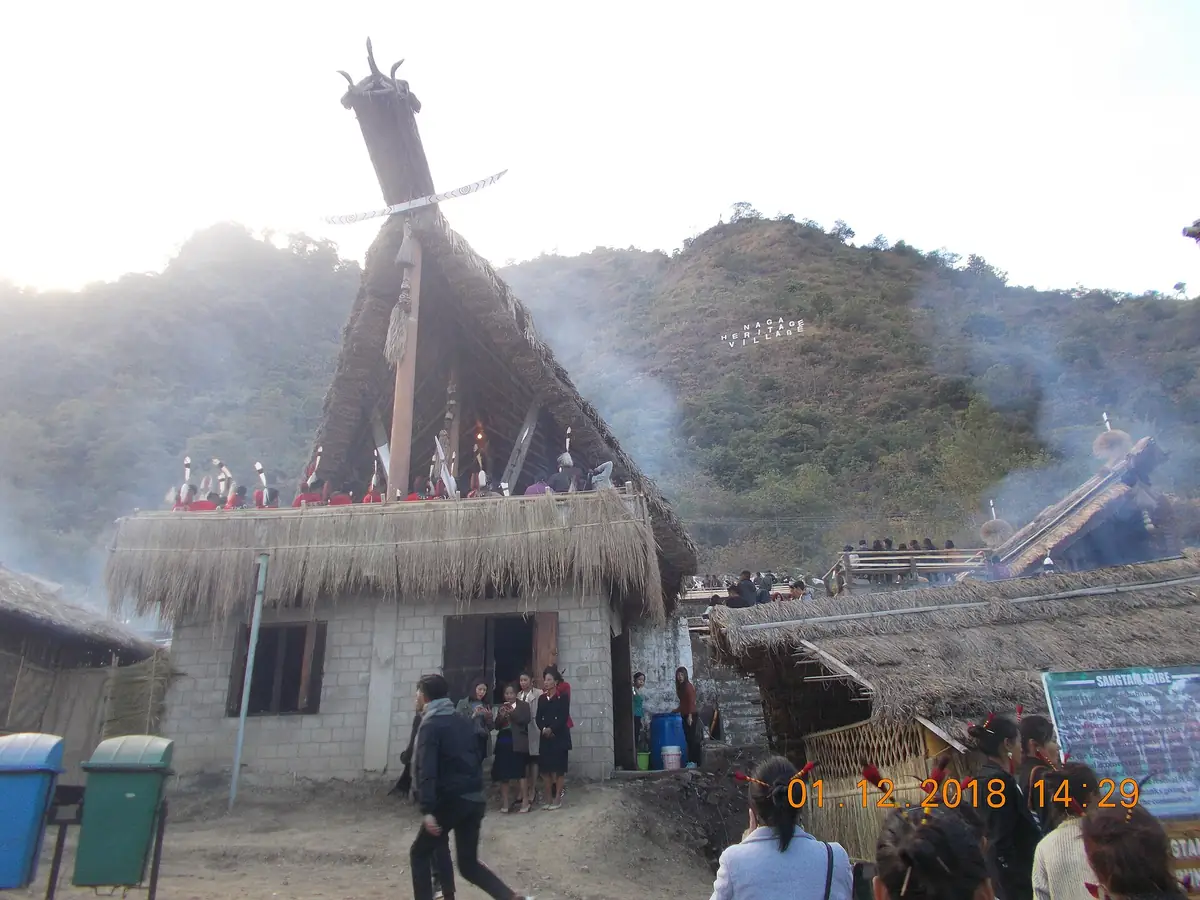 Destination Guide
Kohima Travel Guide: War Cemetery & History
A hill capital where a WWII battle changed the course of the war, and the practical gateway to Nagaland's tribal heartland — the complete Kohima guide.
 Heritage
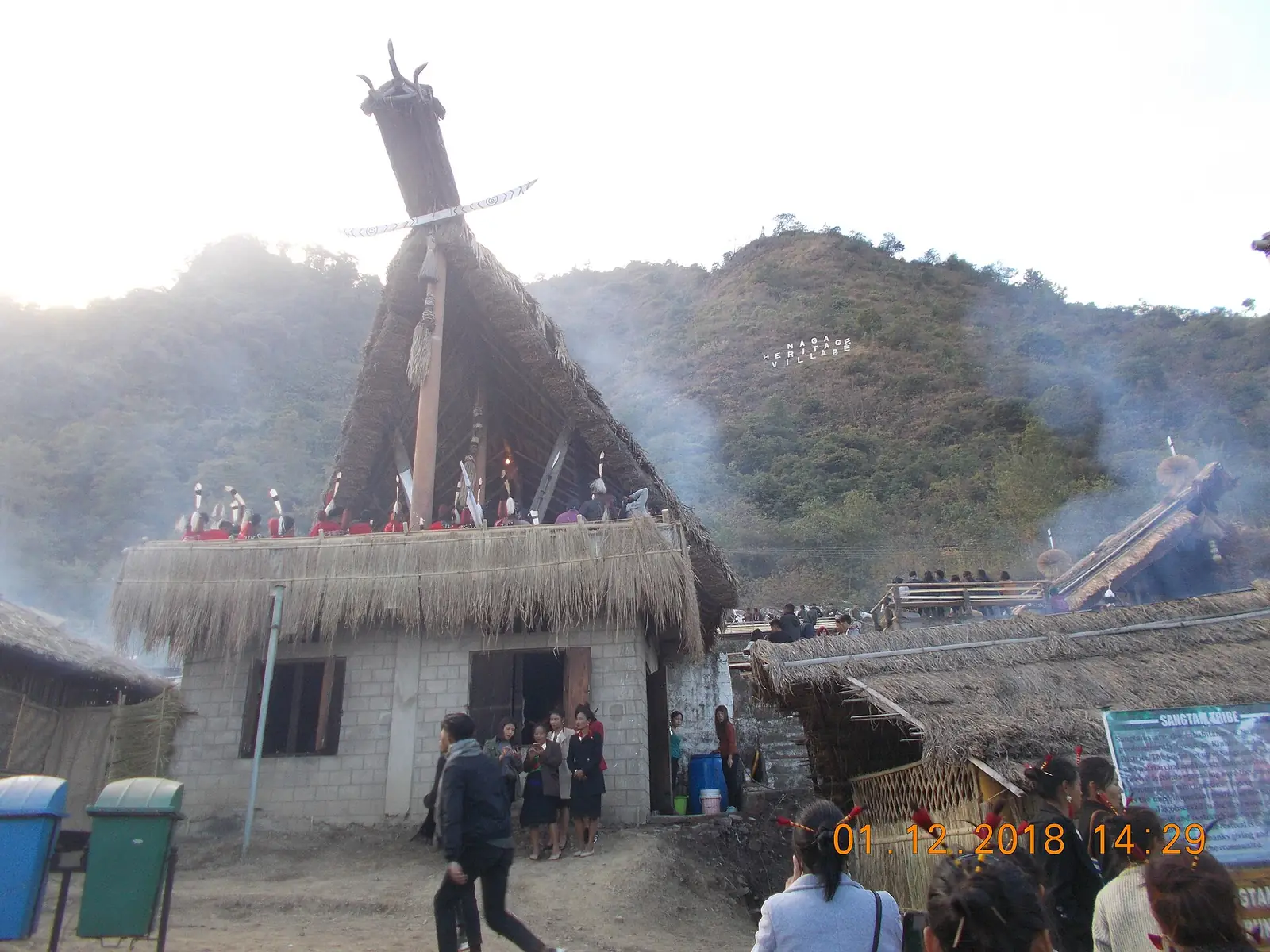
Kisama Guide: Hornbill Festival Heritage Village
A purpose-built village where every one of Nagaland's tribes gathers each December — one of Northeast India's most significant cultural events.
 Off-beat
Peren Travel Guide: Intanki National Park & Tips
Nagaland's greenest, least-developed district — gateway to hoolock gibbons at Intanki National Park and the wider Barail Range, the complete Peren guide.
 Off-beat
Benreu Village Guide: Zeliang Naga Heritage
A Zeliang Naga village in Peren district where community-run homestays offer a genuine, unhurried window into traditional village life — the complete Benreu guide.