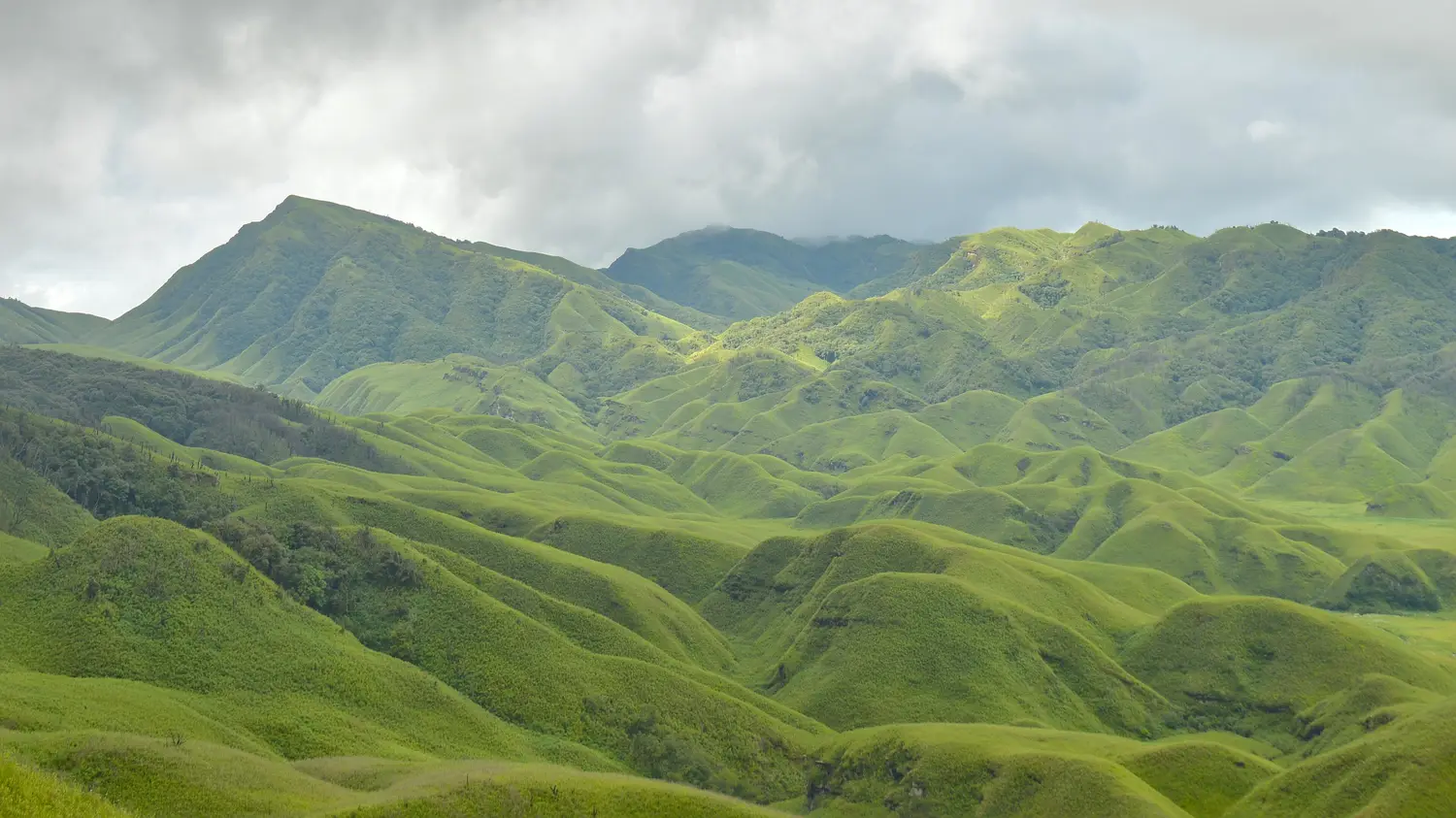
Why Nagaland?
Bordering Myanmar in India's far northeast, Nagaland is home to 16 major tribes, each with its own dialect, dress, and traditions — a level of cultural diversity packed into one state that's rare anywhere in the world. Historically known for its warrior culture, headhunting past, and terraced hill villages, Nagaland today is one of India's most rewarding and least crowded travel destinations.
The state's biggest draw is the Hornbill Festival, held every December at Kisama, where all of Nagaland's tribes gather under one roof — but the rest of the year offers just as much: the WWII history of Kohima, the alpine meadows of Dzukou Valley, and Khonoma, one of India's first "green villages."
Tourist infrastructure remains modest outside Kohima and Dimapur, so Nagaland rewards travelers who plan ahead and are comfortable with a slower, more immersive pace than more built-up Indian destinations.
🪶 Nagaland at a Glance
Best Time to Visit Nagaland
Nagaland's hilly terrain gives it a cooler, more temperate climate than much of the rest of Northeast India — timing matters both for comfort and for catching the state's biggest event.
Cool, dry, and clear (8–22°C) — ideal for Dzukou Valley trekking, Kohima sightseeing, and the December Hornbill Festival.
Nagaland's flagship festival at Kisama draws visitors from across the world — book stays and flights months in advance.
Comfortable daytime temperatures, good for sightseeing, though pre-monsoon showers become more frequent by late May.
Interestingly, this is also when Dzukou Valley's famous lilies bloom, though trekking gets muddier and more difficult.
Our pick: Early December, timed to the Hornbill Festival — the single best window to experience Nagaland's tribal culture, food, and music in one place, with cool, dry weather for Dzukou and Kohima on either side of it.
How to Reach Nagaland
- By Air: Dimapur Airport (DMU) is Nagaland's only airport, with regular flights from Kolkata, Guwahati, and Delhi — Kohima is roughly a 2.5–3 hour drive from there.
- By Rail: Dimapur railway station is the nearest major rail link, connected to Guwahati and the wider Indian rail network.
- By Road: Kohima is connected by road to Guwahati (~370 km) and Imphal — the Dimapur–Kohima highway is the main entry route for most travelers.
Hornbill Festival
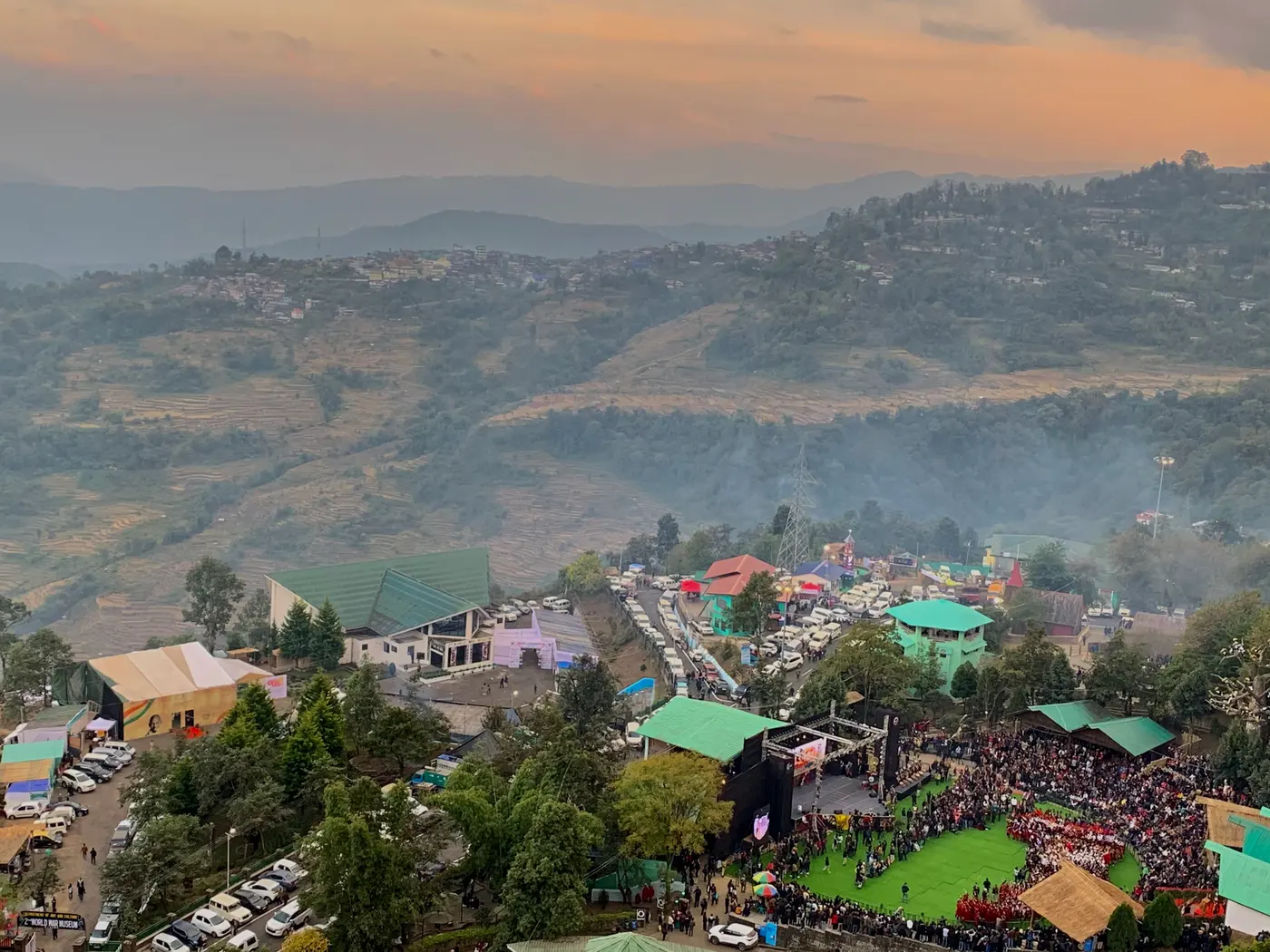
Held every year from December 1st to 10th at Kisama Heritage Village, roughly 12 km from Kohima, the Hornbill Festival is Nagaland's marquee event — named after the hornbill bird, a recurring symbol in Naga folklore.
- Morungs (tribal huts): Each of Nagaland's tribes builds a traditional morung at Kisama, showcasing their distinct dress, weaponry, and customs.
- War dances and music: Daily performances of traditional war dances, folk songs, and increasingly, the Hornbill International Rock Festival running alongside it.
- Naga cuisine and crafts: Food stalls serve tribal specialties rarely found outside Nagaland, alongside handicraft and textile stalls.
Kohima: War Cemetery & City Sights
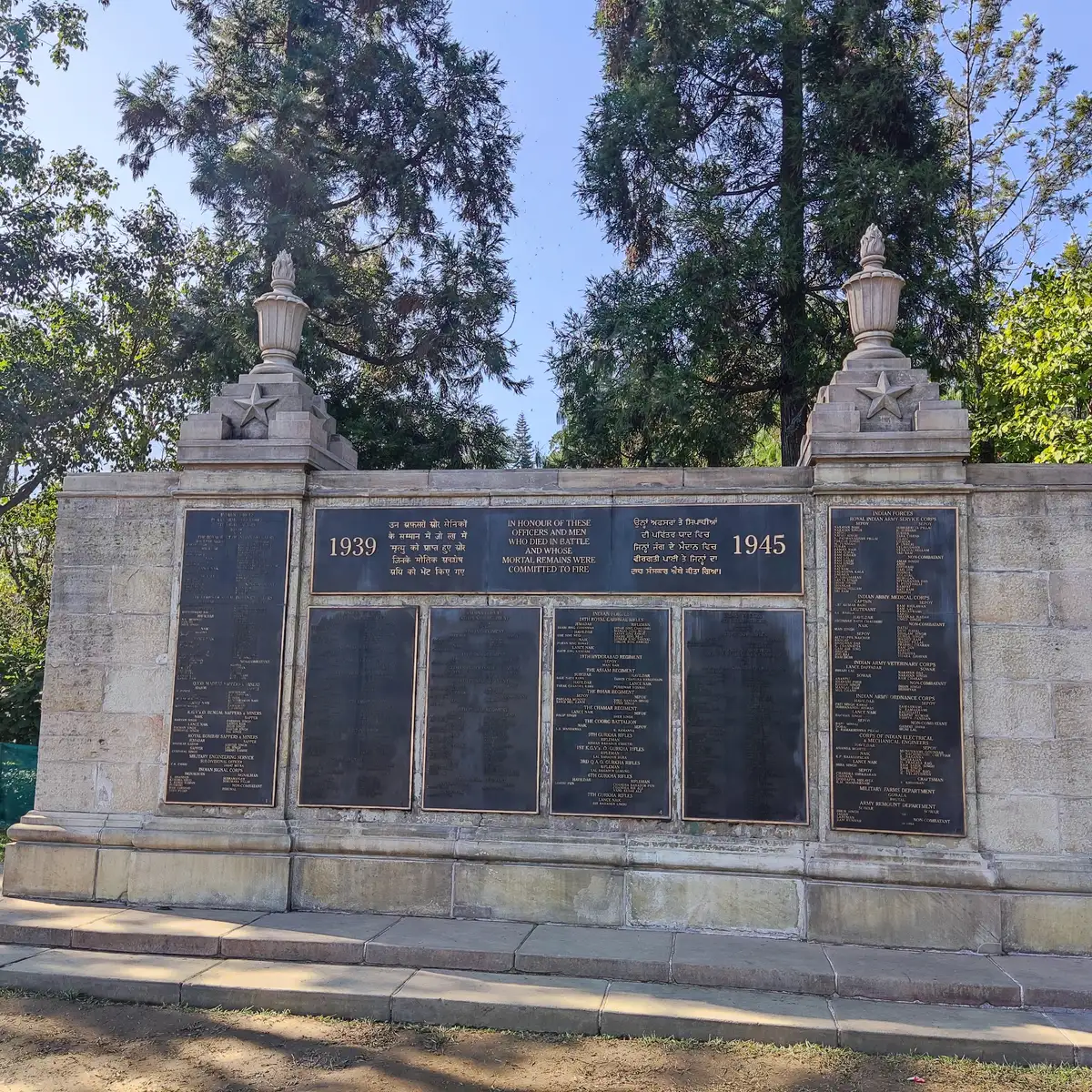
Nagaland's capital sits at over 1,400m, wrapped around terraced hillsides — most visitors base themselves here for the bulk of the trip.
- Kohima War Cemetery: A beautifully maintained memorial to Allied soldiers who died in the 1944 Battle of Kohima, one of the decisive turning points of WWII in the Asian theatre.
- Kohima State Museum: Exhibits covering Naga tribal history, artifacts, and traditional dress from across the state's tribes.
- Kohima Cathedral: One of the largest cathedrals in Northeast India, built partly as a memorial to WWII soldiers, with sweeping views over the valley.
Dzukou Valley Trek
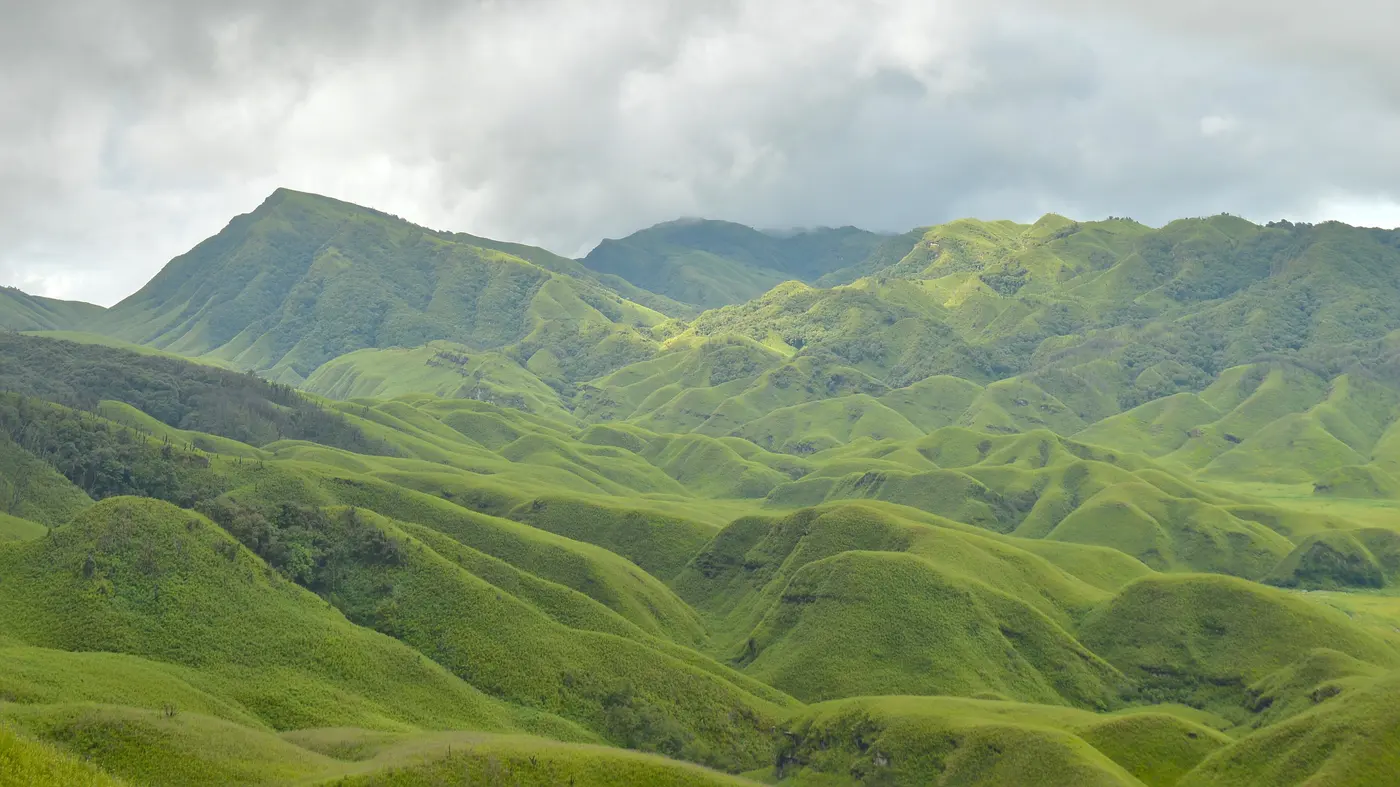
Roughly 30 km from Kohima on the Nagaland–Manipur border, Dzukou Valley is often called the "Switzerland of the East" — a high-altitude valley carpeted in rolling green meadows, bamboo groves, and seasonal wildflowers.
- The climb: A steep 3–4 hour trek from the base at Viswema village leads up to the valley's rim, opening into the flat meadow beyond.
- Dzukou lily season: The valley's famous pink-white Dzukou lilies bloom from late June to early July, a rare flower found almost nowhere else.
- Trekkers' hut: A basic community-run hut at the valley floor allows overnight stays — worth it for a proper look at the valley beyond a rushed day trip.
Khonoma, Mon & Tribal Villages
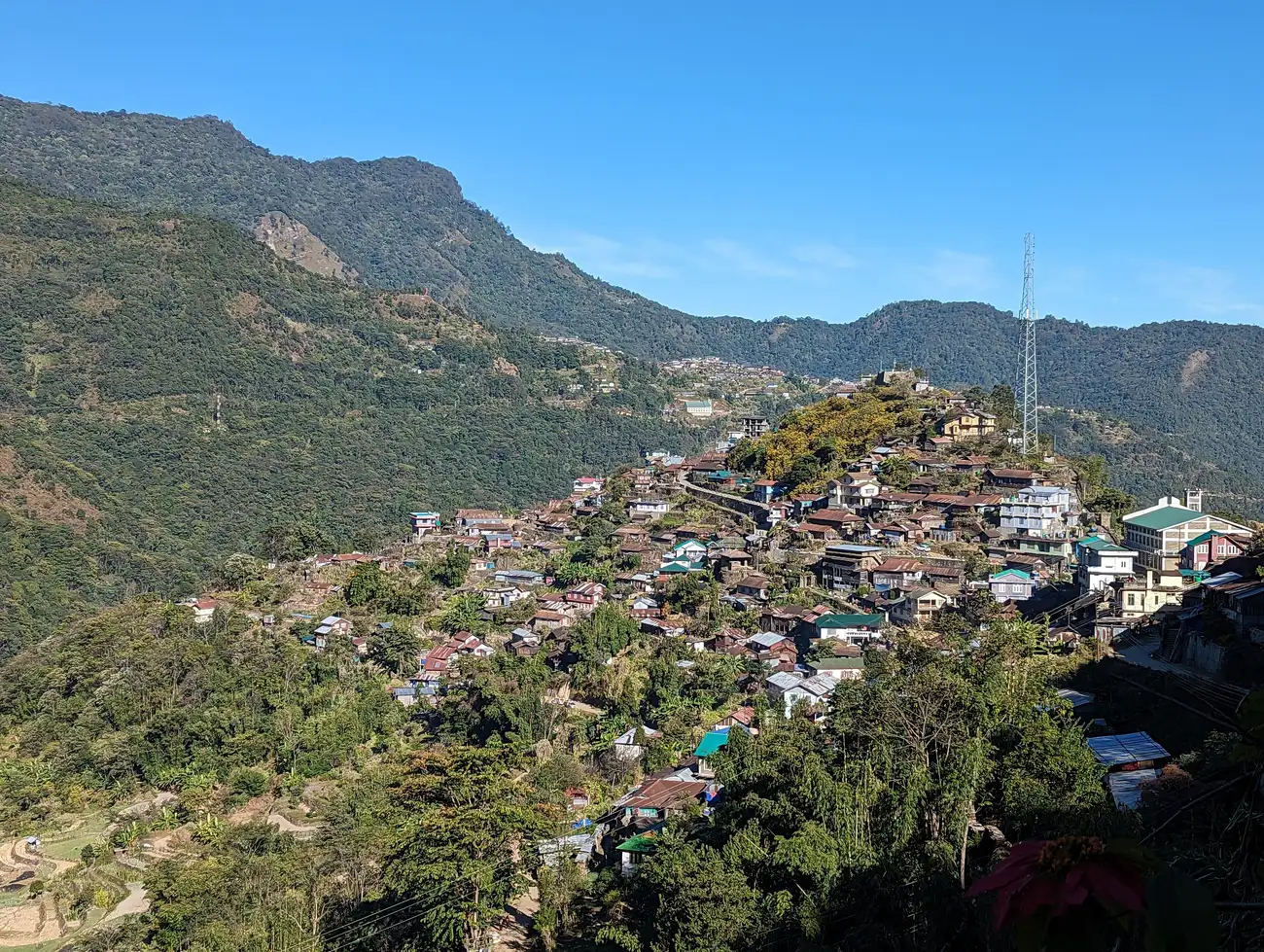
- Khonoma Green Village: Roughly 20 km from Kohima, India's first "green village," known for its conservation efforts, terraced agriculture, and role in Naga resistance history against British rule.
- Mon District (Longwa Village): Home to the Konyak tribe, famous for its former headhunting traditions and tattooed elders — Longwa village straddles the India–Myanmar border, with the chief's house said to sit in both countries.
- Touphema & Khezhakeno: Model tribal villages offering traditional Naga homestays, a good way to experience local culture beyond Kohima.
Where to Stay
Accommodation is concentrated in Kohima and Dimapur — outside these towns, options thin out to homestays and basic guesthouses, so plan day trips accordingly.
- → Tourist lodges, Kohima
- → Tribal homestays, Khonoma/Touphema
- → Basic guesthouses, Dimapur
- → Business hotels, Kohima
- → Heritage-style stays, Kohima
- → Well-rated guesthouses, Dimapur
- → Premium hotels, Kohima
- → Boutique properties, Kohima
- → Business hotels, Dimapur
Base yourself in Kohima for most of the trip, and consider a homestay night in Khonoma or Touphema — dedicated tourist accommodation beyond Kohima and Dimapur is genuinely limited.
What to Eat in Nagaland
- Smoked Pork with Bamboo Shoot: A Naga staple — smoked pork cooked with fermented bamboo shoot and local herbs, found across most tribes' cuisines.
- Axone (fermented soybean): A pungent, distinctive ingredient used in curries — an acquired taste that's central to Naga cooking.
- Naga King Chili dishes: Home to one of the world's hottest chilies, used sparingly but memorably in many local preparations.
- Rice beer (Zutho): A traditional fermented rice beverage, widely available and served at the Hornbill Festival.
5-Day Nagaland Itinerary
Five days is a reasonable minimum to cover Kohima, the Dzukou Valley trek, and at least one nearby tribal village without excessive rushing.
Dimapur to Kohima
- ✓Arrive Dimapur, drive to Kohima (~3 hrs)
- ✓Check in, Kohima War Cemetery
- ✓Evening: Kohima Cathedral
Kohima & Khonoma
- ✓Kohima State Museum
- ✓Day trip to Khonoma Green Village
- ✓Explore terraced fields and Khonoma Fort
Dzukou Valley Trek
- ✓Drive to Viswema, begin trek to Dzukou
- ✓Overnight at the trekkers' hut in the valley
- ✓Explore the valley, trek back down
Kohima & Departure
- ✓Rest, local market and craft shopping
- ✓Drive back to Dimapur
- ✓Departure
Budget Breakdown
| Expense | Budget | Mid-Range | Luxury |
|---|---|---|---|
| Accommodation/night | ₹1,100 | ₹3,200 | ₹7,500 |
| Food/day | ₹450 | ₹1,000 | ₹2,200 |
| Local transport/day | ₹500 | ₹1,200 | ₹2,800 |
| Activities/day | ₹300 | ₹700 | ₹1,500 |
| Daily total | ₹2,350 | ₹6,100 | ₹14,000 |
| 5-Day trip total | ₹11,750 | ₹30,500 | ₹70,000 |
* Excludes flights to Dimapur. Accommodation costs rise significantly around the Hornbill Festival — expect 30–50% premiums during that window.
Essential Travel Tips for Nagaland
- Apply for your Inner Line Permit ahead of time: Indian citizens can now apply online — arrange this before travel to avoid delays at entry points.
- Book Hornbill Festival stays 2–3 months ahead: Kohima's limited accommodation sells out well before December.
- Hire a car with driver for Dzukou and rural villages: Public transport is limited and slow outside Kohima and Dimapur.
- Carry cash: Card and digital payment acceptance is inconsistent outside Kohima's main commercial areas.
- Respect tribal village etiquette: Ask before photographing people, especially tattooed Konyak elders in Mon district — some may expect a small fee.
- Pack for cold nights: Even in a tropical-feeling region, Kohima and Dzukou get cold after dark, particularly October to February.
✅ Do
- →Apply for your Inner Line Permit before travel
- →Book Kohima stays well ahead for Hornbill Festival
- →Hire a car with driver for Dzukou and Mon district
- →Try Naga specialties like axone and smoked pork
- →Ask permission before photographing tribal elders
- →Pack warm layers for evenings
❌ Don't
- →Show up during Hornbill week without booking a room
- →Rely on public transport for Dzukou or Mon district
- →Rush the Dzukou trek in a single tight day
- →Rely on cards outside Kohima's main areas
- →Photograph people without asking first
- →Underestimate how cold Dzukou gets overnight
Places to Explore in Nagaland
Every Nagaland guide on Kudozz Club, in one place — 14 destinations covered so far, from cities and towns to individual attractions. Use this index to plan beyond the highlights above.
Frequently Asked Questions
How many days do I need for Nagaland?
Five days is a reasonable minimum to cover Kohima, the Dzukou Valley trek, and at least one nearby tribal village like Khonoma without excessive rushing. If you're travelling for the Hornbill Festival, consider adding a 6th day since the festival alone comfortably fills a full day at Kisama.
What is the best time to visit Nagaland?
October to March is the best window overall, with cool, dry, clear weather (8–22°C) ideal for Dzukou Valley trekking and Kohima sightseeing. Early December is our top pick specifically, timed to the Hornbill Festival at Kisama, which brings all of Nagaland's tribes together in one place.
How do I reach Nagaland from Dimapur?
Dimapur Airport (DMU) is Nagaland's only airport, with regular flights from Kolkata, Guwahati, and Delhi. From Dimapur, it's roughly a 2.5–3 hour drive to Kohima along the Dimapur–Kohima highway, which is the main entry route for most travellers. Dimapur railway station also connects to Guwahati and the wider Indian rail network.
Do I need a permit to visit Nagaland?
Yes. Indian citizens need an Inner Line Permit (ILP) to enter Nagaland, which can be obtained online or on arrival at Dimapur. Foreign nationals need a Protected Area Permit (PAP) instead. It's worth checking the latest requirements before travel, since rules can change.
Is the Dzukou Valley trek difficult?
It's a genuine but manageable trek — a steep 3–4 hour climb from the base at Viswema village up to the valley's rim, which then opens into flat meadow beyond. The trail is largely unshaded near the top, so starting early morning helps you avoid midday heat and the afternoon mist that can reduce visibility.
What is the budget for a trip to Nagaland?
Expect a daily budget of roughly ₹2,350 on a tight budget, ₹6,100 mid-range, or ₹14,000 for a luxury trip, covering accommodation, food, local transport, and activities. A 5-day trip works out to approximately ₹11,750–₹70,000 depending on your travel style, excluding flights to Dimapur. Note that accommodation costs rise 30–50% around the Hornbill Festival.
When is the Hornbill Festival and is it worth visiting?
The Hornbill Festival runs every year from December 1st to 10th at Kisama Heritage Village, roughly 12 km from Kohima. It's genuinely Nagaland's marquee event, where all 16 tribes build traditional morungs and showcase their dress, war dances, music, and cuisine — a level of cultural access you won't get at any other time of year. Book Kohima accommodation 2–3 months ahead if you're planning to attend.
Published by the Kudozz Club editorial team · Last updated · How we research our guides
Want us to plan this trip for you?
Tell Kudozz Club where you want to go and what kind of trip you’re looking for. We’ll build a Nagaland itinerary around your dates and budget.
Continue Exploring
View all guides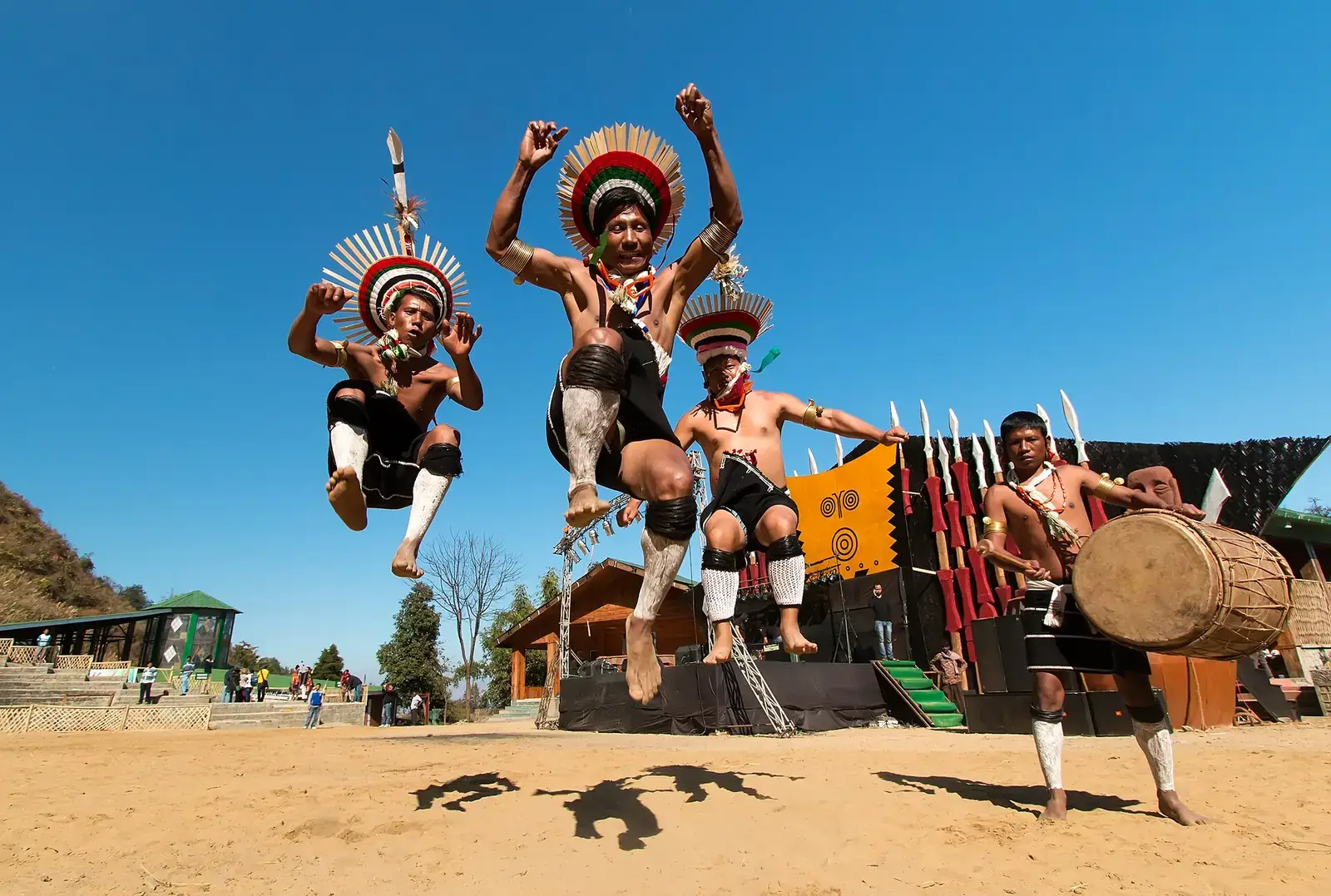 Heritage & Culture
Hornbill Festival, Nagaland: Dates, Kisama and How to Visit
A planning guide to the Hornbill Festival in Nagaland, held every year from 1 to 10 December at the Naga Heritage Village, Kisama, near Kohima: what you will see, the Inner Line Permit and registration rules, how to get there from Dimapur, where to stay, what to wear in December, and how to visit Naga villages respectfully.
 Destination Guide
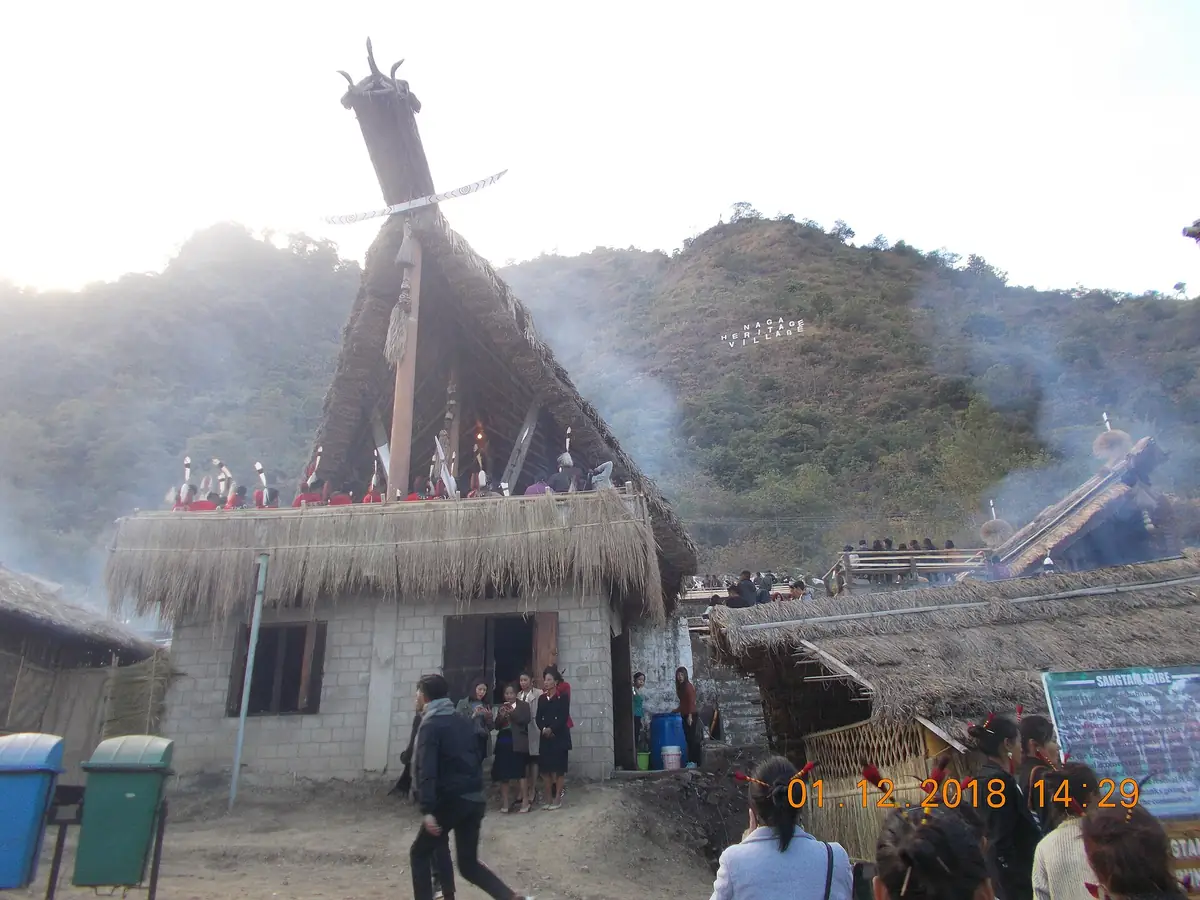
Kohima Travel Guide: War Cemetery & History
A hill capital where a WWII battle changed the course of the war, and the practical gateway to Nagaland's tribal heartland — the complete Kohima guide.
 Heritage
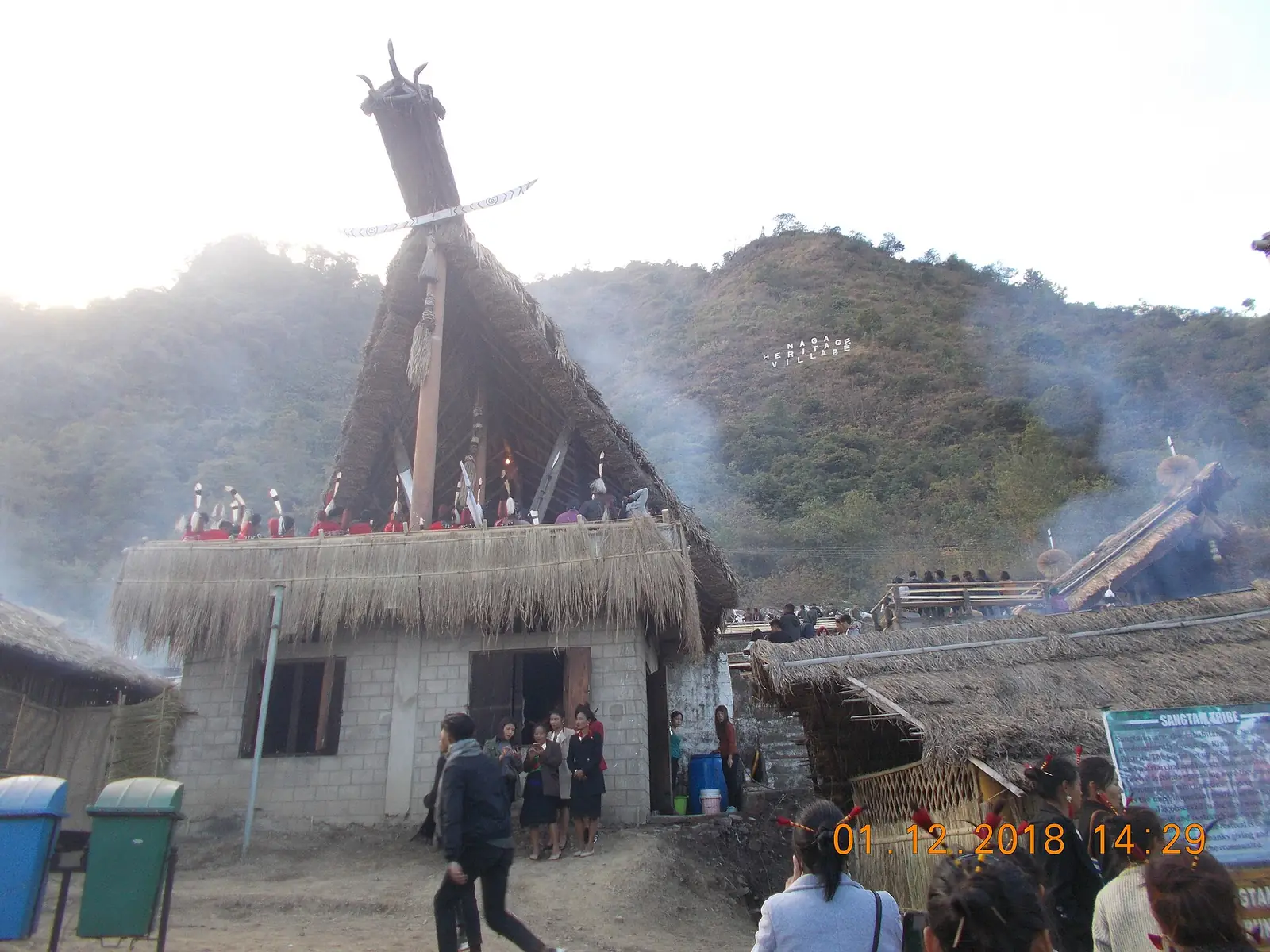
Kisama Guide: Hornbill Festival Heritage Village
A purpose-built village where every one of Nagaland's tribes gathers each December — one of Northeast India's most significant cultural events.
Things to DoThings to Do in Kohima: War Cemetery, Hornbill Festival, Khonoma & Dzukou
Things to do in Kohima: the Kohima War Cemetery, Kisama Heritage Village and the Hornbill Festival, the State Museum, the Cathedral of Reconciliation, the local market, Khonoma green village, the Dzukou Valley trek, Japfu Peak and Naga food.