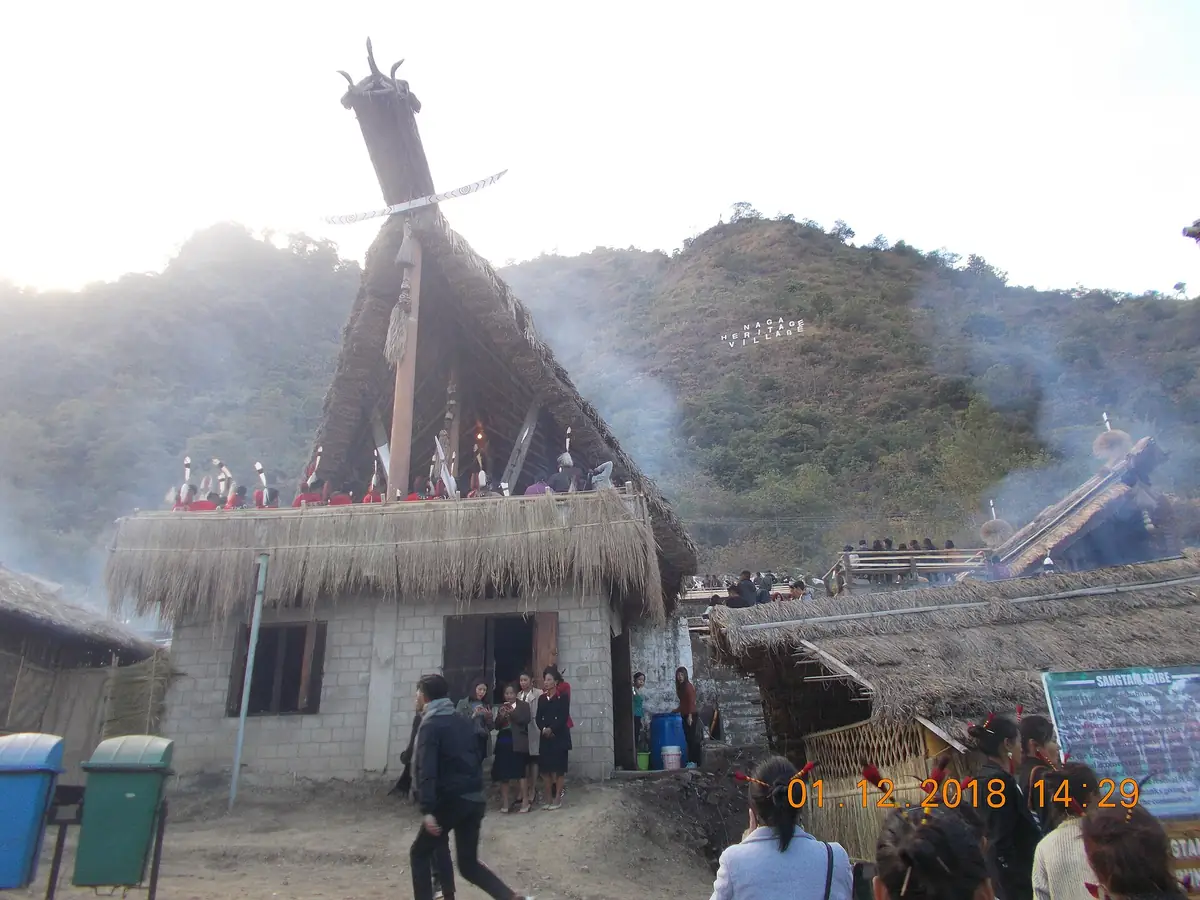
A Capital Shaped by History
Kohima, capital of Nagaland, is best known outside the region for the Battle of Kohima in 1944 — a pivotal WWII engagement often called the "Stalingrad of the East" for how decisively it halted the Japanese advance into India. That a battle of this scale and consequence was fought in this small hill town is a fact many visitors are surprised to learn.
Today Kohima functions as both Nagaland's administrative capital and the practical base for exploring the rest of the state — Kisama, site of the famous Hornbill Festival, and Dzukou Valley, one of Northeast India's most striking treks, are both within easy reach.
🎖️ Kohima at a Glance
Looking for activities and experiences? See our guide to the best things to do in Kohima.
Comparing hill stations? See our guide to hill stations in Northeast India.
Interested in the history? See our guide to the Hornbill Festival.
Best Time to Visit Kohima
Kohima's hill-town climate is comfortable for most of the year, with a distinct monsoon window worth avoiding for outdoor sightseeing.
Dry, clear, and comfortably cool — the most reliable window for sightseeing and travel around Nagaland's hilly roads.
Kohima and nearby Kisama host Nagaland's biggest cultural event — book accommodation and travel months ahead.
Temperatures climb but remain manageable; a reasonable window before the rains set in.
Heavy rainfall makes hill roads slower and less predictable; not the best window for sightseeing or trekking.
Our pick: October to April for dependable weather — or, if the cultural spectacle matters more than convenience, the first ten days of December for the Hornbill Festival.
How to Reach Kohima
- Via Dimapur: Nagaland's only major airport and railway station is in Dimapur, roughly 74 km away — a 2.5-3 hour drive on winding hill roads.
- By road from Guwahati: A longer but manageable drive for those combining Kohima with a wider Northeast India itinerary.
- Within Nagaland: Kohima connects by road to Kisama, Dzukou Valley's trailhead at Viswema, and other parts of the state.
War Cemetery, Museum & City Sights
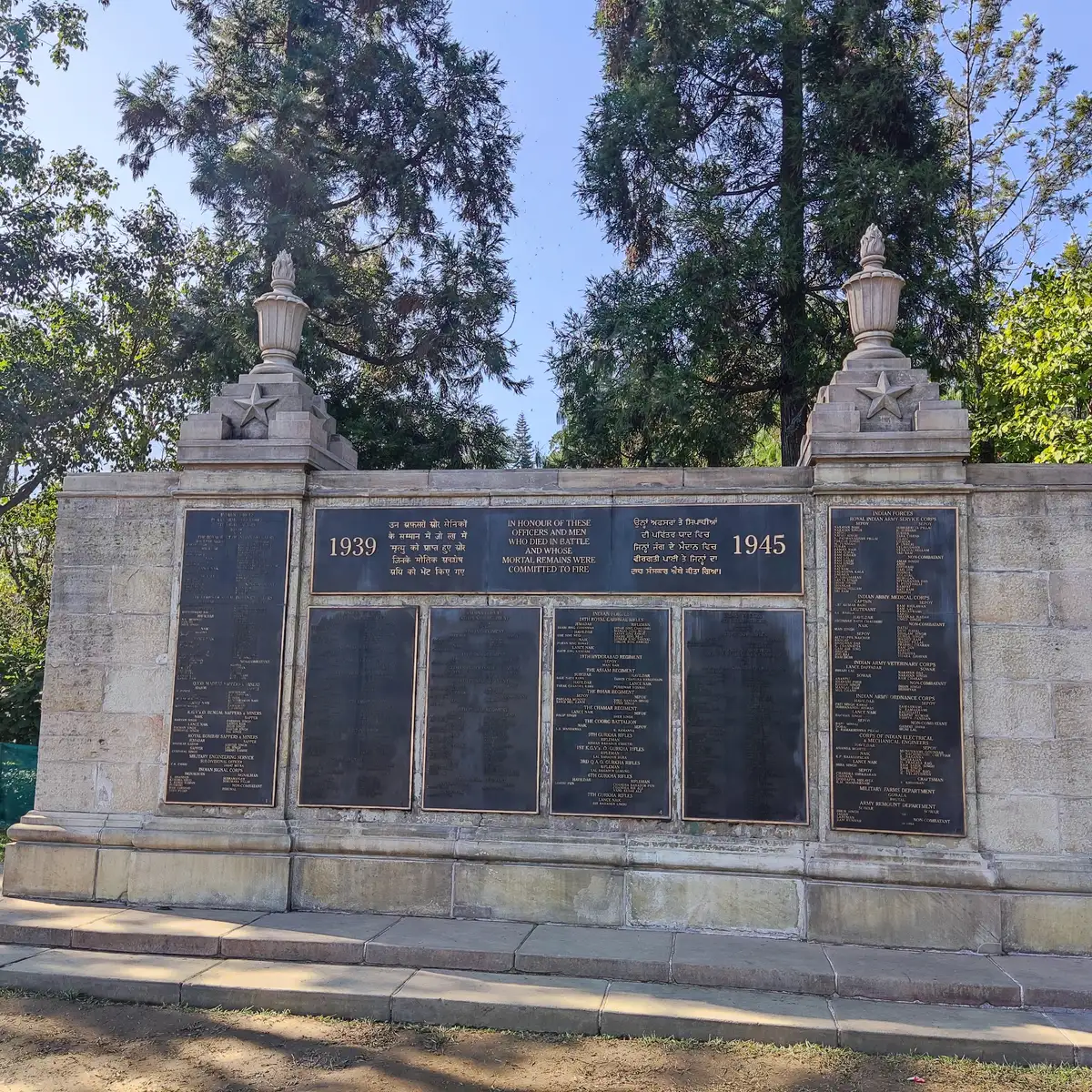
Kohima War Cemetery
A Commonwealth War Graves site commemorating soldiers who died in the 1944 Battle of Kohima. Its epitaph — "When You Go Home, Tell Them Of Us And Say, For Your Tomorrow, We Gave Our Today" — is one of the most quoted war memorial inscriptions in the world. Visit with the quiet respect the site deserves.
Kohima State Museum
Documents Naga tribal culture and the region's history across Nagaland's many tribes — a useful orientation before heading further into the state.
Cathedral of Reconciliation
A Catholic cathedral built partly as a memorial to soldiers of all nationalities who died in the Battle of Kohima, reflecting the town's layered wartime history.
Kisama & the Hornbill Festival
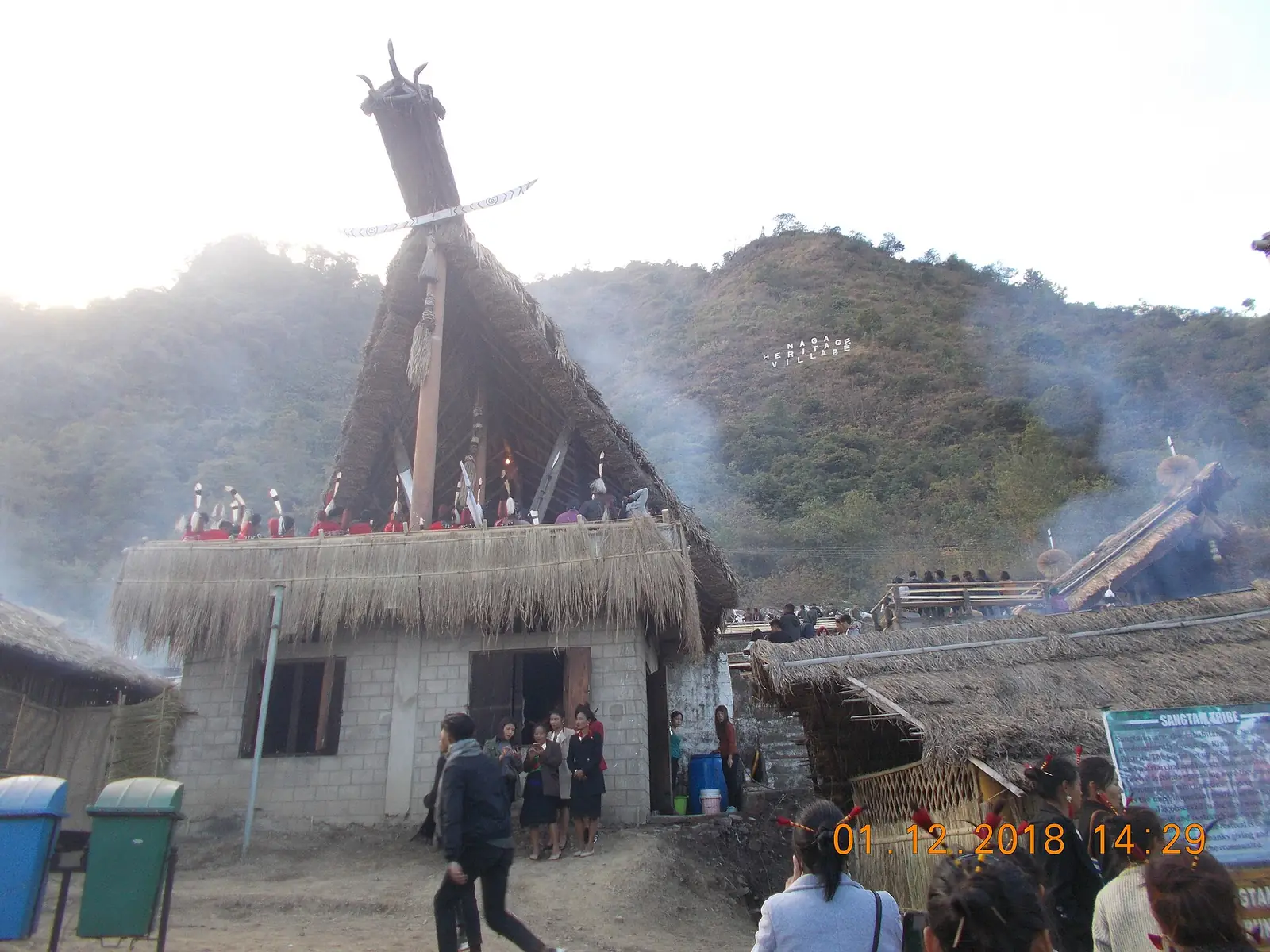
Roughly 12 km away, Kisama hosts the annual Hornbill Festival every December 1-10, bringing together all of Nagaland's major tribes for dance, music, food, and crafts.
Dzukou Valley
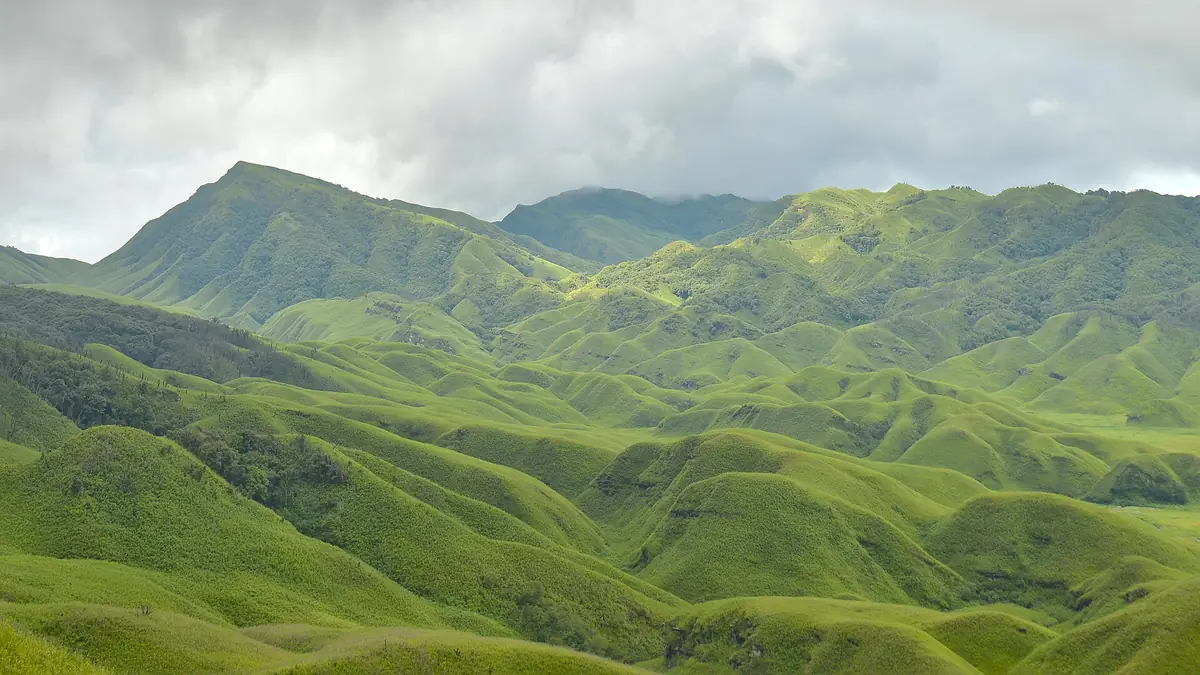
Nagaland's most celebrated trek, reached via Viswema village a short drive from Kohima — see our full Dzukou Valley trek guide for route and timing details.
Where to Stay in Kohima
Kohima has the widest range of accommodation in Nagaland, from budget guesthouses to a handful of comfortable mid-range hotels.
- → Guesthouses in central Kohima
- → Tourist lodges
- → Homestays near the War Cemetery
- → Business hotels, central Kohima
- → Boutique guesthouses
- → Hill-view properties
- → Premium hotels, central Kohima
- → Full-service business hotels
Book well ahead if visiting during the Hornbill Festival — Kohima's limited rooms fill up region-wide weeks in advance.
Suggested Visit Plan (2 Days)
Kohima City
- ✓Arrive from Dimapur, check in
- ✓Kohima War Cemetery
- ✓Kohima State Museum and Cathedral of Reconciliation
Kisama or Dzukou Valley
- ✓Day trip to Kisama's Naga Heritage Village
- ✓Or begin the Dzukou Valley trek from Viswema
- ✓Return to Kohima or continue onward
What to Eat in Kohima
- Smoked pork: A Naga staple, often cooked with bamboo shoot or fermented soybean — widely available across Kohima's eateries.
- Bamboo shoot dishes: Fermented or fresh bamboo shoot features heavily in Naga cooking, lending a distinctive sour, earthy flavor.
- King chili (bhut jolokia) preparations: Among the world's hottest peppers, used sparingly but distinctively in local chutneys and dishes.
Budget Breakdown
| Expense | Budget | Mid-Range | Luxury |
|---|---|---|---|
| Accommodation/night | ₹1,200 | ₹3,000 | ₹6,000 |
| Food/day | ₹500 | ₹1,200 | ₹2,500 |
| Local transport/day | ₹500 | ₹1,200 | ₹2,500 |
| Activities/day | ₹200 | ₹500 | ₹1,000 |
* Figures are per person, per day. During the Hornbill Festival, expect accommodation prices to rise significantly.
Essential Tips for Visiting Kohima
- Book ahead for the Hornbill Festival: Rooms across Kohima and Kisama fill up weeks in advance during the December 1-10 window.
- Wear comfortable shoes: Kohima's hilly terrain means even city sightseeing involves real walking and slopes.
- Visit the War Cemetery respectfully: It's a genuinely moving site — keep noise levels down.
- Arrange onward transport early: Vehicles and drivers for Dzukou Valley or Kisama can book up fast in peak season.
✅ Do
- →Visit the War Cemetery early morning for a quiet experience
- →Book Hornbill Festival stays months in advance
- →Try Naga cuisine at a local eatery, not just hotels
- →Arrange transport to Kisama/Dzukou Valley ahead of time
- →Wear sturdy shoes for hilly city walking
- →Carry warm layers for cool evenings
❌ Don't
- →Arrive during Hornbill Festival without a booking
- →Expect flat, easy walking around the city
- →Be loud or disrespectful at the War Cemetery
- →Rush Kisama or Dzukou Valley into a single hurried day
- →Travel hill roads at night if avoidable
- →Underestimate how spicy king chili dishes are
Frequently Asked Questions
How far is Kohima from Dimapur?
Roughly 74 km, about a 2.5-3 hour drive on hilly roads. Dimapur has Nagaland's only major airport and railway station, so almost every visitor to Kohima arrives via Dimapur first.
Is Kohima a good base for exploring the rest of Nagaland?
Yes — it's the practical base for both Kisama, roughly 12 km away and home to the Hornbill Festival venue, and Dzukou Valley, reached via Viswema village a short drive from the city.
What is the best time to visit Kohima?
October to April brings the most pleasant, dry weather. Specifically, December 1-10 is the Hornbill Festival window, when Kohima and nearby Kisama see the region's biggest cultural event of the year.
How far is it to Kisama and Dzukou Valley from Kohima?
Kisama is about 12 km, a short drive. Dzukou Valley's trailhead at Viswema village is roughly 25 km from Kohima, with the trek itself starting from there.
What is Naga food like in Kohima?
Bold and distinctive — smoked pork, bamboo shoot dishes, and preparations using king chili (bhut jolokia), among the world's hottest peppers. Kohima's restaurants and local eateries are a good introduction to this cuisine.
Published by the Kudozz Club editorial team · Last updated · How we research our guides
Want us to plan this trip for you?
Tell Kudozz Club where you want to go and what kind of trip you’re looking for. We’ll build a Kohima and Nagaland itinerary around your dates and budget.
Continue Exploring
View all guides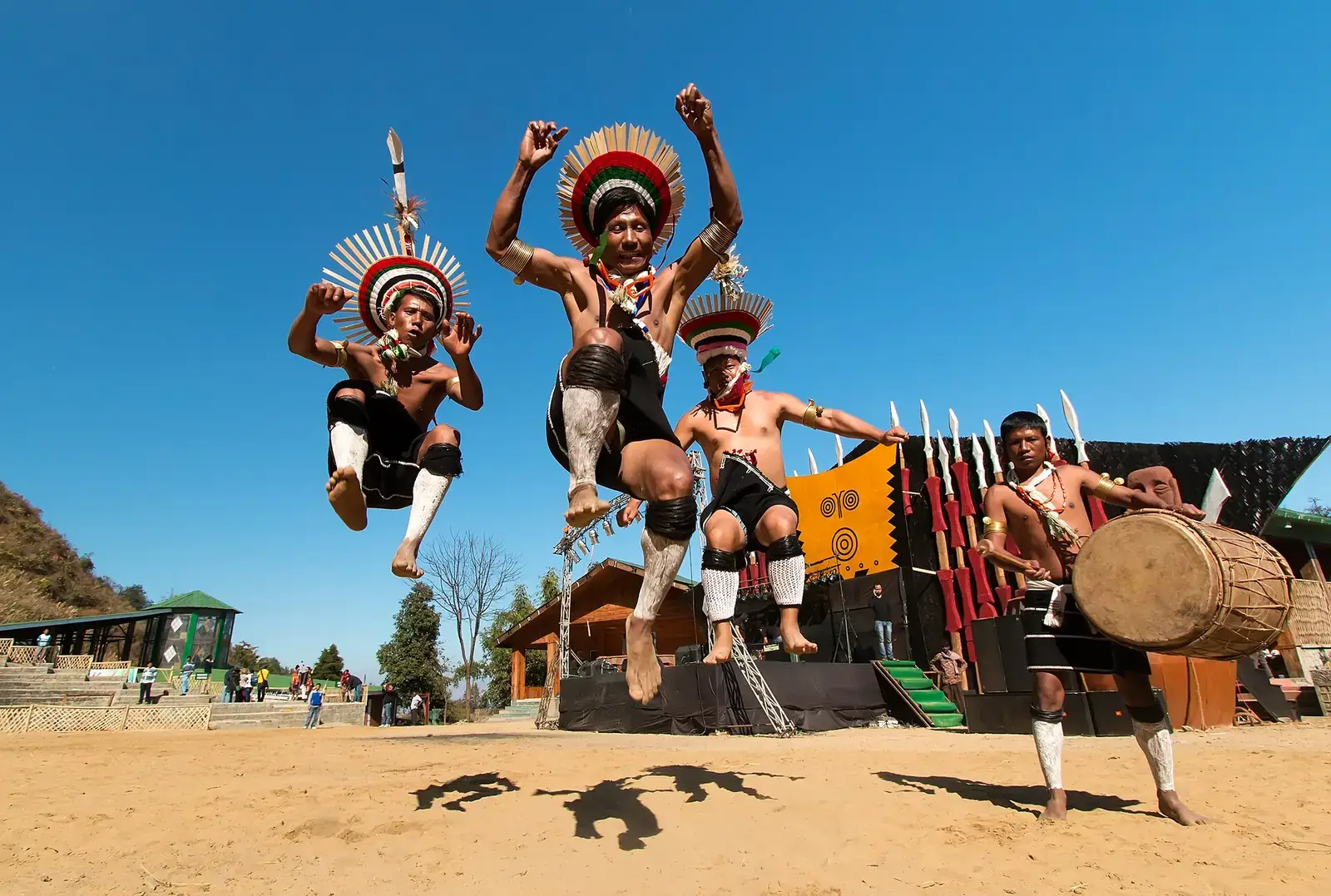 Heritage & Culture
Hornbill Festival, Nagaland: Dates, Kisama and How to Visit
A planning guide to the Hornbill Festival in Nagaland, held every year from 1 to 10 December at the Naga Heritage Village, Kisama, near Kohima: what you will see, the Inner Line Permit and registration rules, how to get there from Dimapur, where to stay, what to wear in December, and how to visit Naga villages respectfully.
 Off-beat
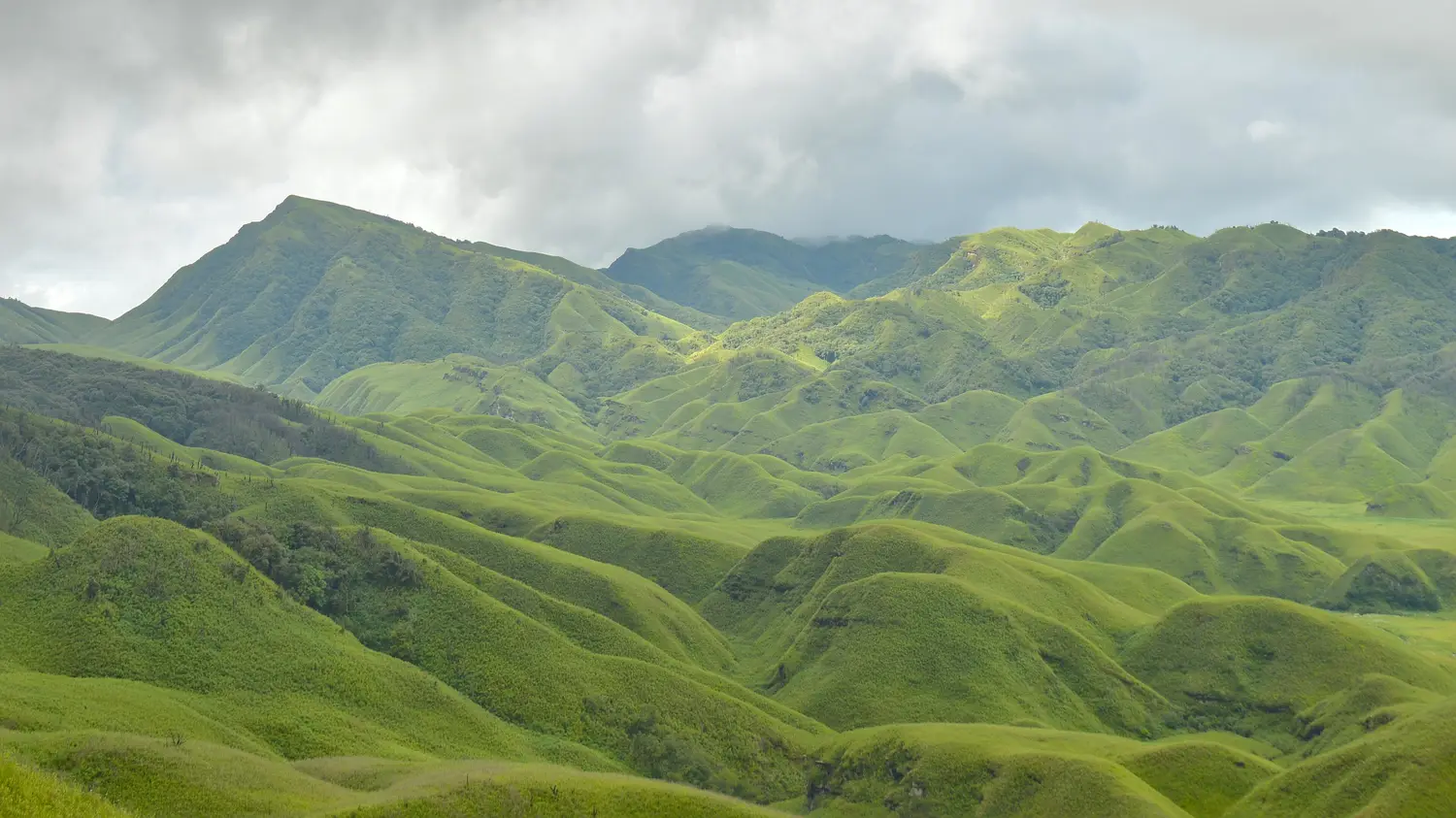
Nagaland Travel Guide: Hornbill Festival, Kohima & Dzukou Valley
A festival where sixteen tribes gather in their warrior best, a war cemetery from a WWII turning point, and a valley called the Switzerland of the East — the complete guide to Nagaland.
 Things to Do
Things to Do in Kohima: War Cemetery, Hornbill Festival, Khonoma & Dzukou
Things to do in Kohima: the Kohima War Cemetery, Kisama Heritage Village and the Hornbill Festival, the State Museum, the Cathedral of Reconciliation, the local market, Khonoma green village, the Dzukou Valley trek, Japfu Peak and Naga food.
 Heritage
Kisama Guide: Hornbill Festival Heritage Village
A purpose-built village where every one of Nagaland's tribes gathers each December — one of Northeast India's most significant cultural events.